

East Macedonia and Thrace, Greece Travel Guide
Discover the natural beauty, rich history, and vibrant culture of East Macedonia and Thrace, a hidden gem in Northern Greece.
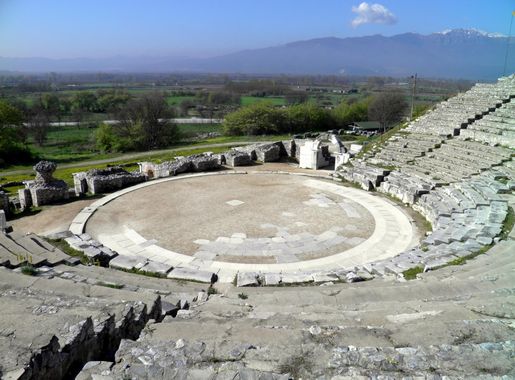
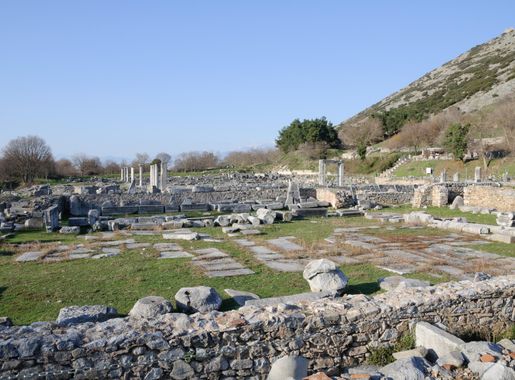
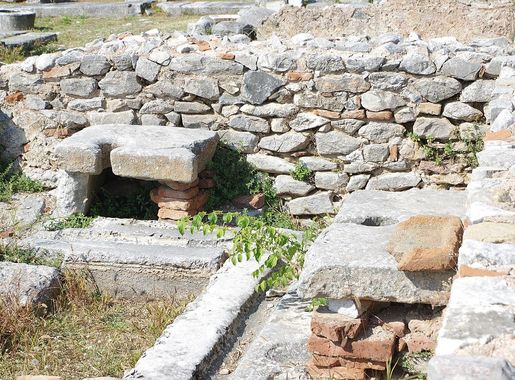
East Macedonia and Thrace is a region in Northern Greece that offers a blend of natural beauty, ancient history, and vibrant culture. It is an ideal destination for those who seek to explore lesser-known areas with rich landscapes and welcoming communities. Start your journey in Kavala, a picturesque coastal city known for its charming old town and the impressive Aqueduct of Kamares. The city's harbor is the perfect place to enjoy fresh seafood and take in stunning views of the Aegean Sea. Don't miss the Tobacco Museum to learn about the region's significant tobacco industry history. Head inland to explore the mountainous beauty of Drama, where you can find lush forests, tranquil rivers, and captivating caves. The Aggitis Cave, with its fascinating stalactites and stalagmites, is a must-see. For wine enthusiasts, the region's vineyards offer delightful tasting tours. Thrace is known for its multicultural heritage and vibrant festivals. Visit the city of Xanthi, famous for its colorful Carnival and Old Town Festival. The city's narrow streets are lined with beautiful mansions, traditional shops, and bustling markets. A visit to the Pomak villages will offer a unique glimpse into the life of the Pomak people, a Muslim minority in Greece. Nature lovers will find paradise in the Nestos River Delta and Lake Vistonida. These areas are perfect for birdwatching, hiking, and kayaking. The region's diverse flora and fauna make it a haven for eco-tourism. End your trip in the ancient city of Philippi, a UNESCO World Heritage Site. Explore the ruins of the Roman Forum, the ancient theater, and the early Christian basilicas. Philippi is not only a historical treasure but also a serene place to reflect on the past.

Know before you go
Hi, I'm Eve. Here are a few practical things to know before exploring East Macedonia and Thrace.
- Visit Kavala's old town early in the morning to avoid crowds and enjoy the serene atmosphere.
- Try the local delicacy 'kavourmas' in Drama, a traditional meat dish that is a regional specialty.
- Attend Xanthi's Carnival if visiting in February or March for a lively and colorful experience.
- Bring binoculars for birdwatching at the Nestos River Delta and Lake Vistonida.
- Wear comfortable shoes when exploring Philippi as the site is extensive and requires a lot of walking.
Top City Travel Guides in East Macedonia and Thrace
The cities of East Macedonia and Thrace, and the easiest places to base yourself.


Explore East Macedonia and Thrace: Things to Do, Places to Eat, Hotels & More
Handpicked recommendations for top attractions, local dining, accommodations, and more

Top Attractions & Sightseeing in East Macedonia and Thrace
Top-rated picks
Best Attractions

Psili Ammos Beach
Discover the enchanting Psili Ammos Beach in Astrida, Greece, where golden sands meet crystal-clear waters, offering adventure and relaxation for every traveler.

Kavala Fortress
Discover the historical beauty and breathtaking views of Kavala Fortress, a must-see landmark showcasing Greece's rich cultural heritage.

Giola lagoon
Experience the enchanting Giola Lagoon in Alyki, Greece, a natural treasure with sparkling waters and breathtaking cliffside views that promise unforgettable memories.

Republic Square
Explore Republic Square in Xanthi - a vibrant park showcasing local culture, lush greenery, and unforgettable experiences for every traveler.

Best landmarks in East Macedonia and Thrace
Top-rated picks
Best Landmarks

Delta Nestos National Park
Explore the stunning landscapes and rich biodiversity of Delta Nestos National Park, a natural gem in northeastern Greece, perfect for adventure and tranquility.

Ethnological Museum of Thrace
Discover Thracian heritage through vibrant exhibits of costumes, tools & traditions in a beautifully preserved neoclassical building in Alexandroupoli.

Holy Church of Saint Gregory the Theologian of Nea Karvali
Visit the Holy Church of Saint Gregory the Theologian in Nea Karvali, a beacon of faith and Byzantine architecture, and a major pilgrimage site.

Monastery of Agios Panteleimonas
Discover the serene beauty and historical significance of the Monastery of Agios Panteleimonas on the picturesque island of Thasos.

Best restaurants in East Macedonia and Thrace
Top-rated picks
Best Restaurants
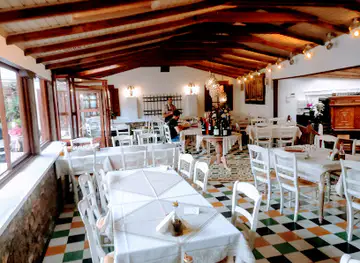
Palea Polis
Experience authentic Greek cuisine at Palea Polis in Xanthi - home of the best ribeye steak and delightful local dishes.

Amalthia
Experience authentic Greek cuisine at Amalthia in Xanthi - where every meal is a celebration of flavors and traditions.
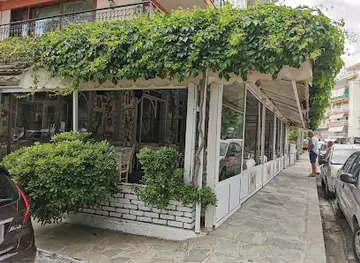
To Perasma
Experience authentic Greek flavors at To Perasma in Xanthi – where culinary tradition meets modern dining.

Pirouniés
Experience authentic Greek cuisine at Pirouniés in Xanthi - where tradition meets flavor in every dish.

Best bars in East Macedonia and Thrace
Top-rated picks
Best Bars

Kivernio
Experience the vibrant nightlife of Xanthi at Kivernio, a lively bar offering a wide range of drinks and a welcoming atmosphere.

Βaiser
Discover the vibrant atmosphere of Βaiser, a bar and coffee shop in Xanthi, perfect for relaxation and social gatherings with friends.

Beach Bar West Side
Experience the vibrant atmosphere and stunning views at Beach Bar West Side, a must-visit coastal retreat in Fanari.
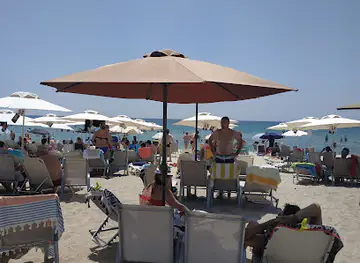
Beach Bar Tortuga
Experience the vibrant atmosphere and stunning beachfront views at Beach Bar Tortuga in Aigeiros, the perfect getaway for relaxation and fun.

Best nightclubs in East Macedonia and Thrace
Top-rated picks
Best Nightclubs

Pico By Night
Discover the lively nightlife of Alexandroupoli at Pico By Night, where music, dance, and entertainment create unforgettable experiences.

La Cage Noire Club
Discover the pulsating nightlife of Komotini at La Cage Noire Club, where music, dance, and vibrant crowds come together for unforgettable nights.

Aqua Club
Experience the vibrant nightlife of Kavala at Aqua Club, the city's ultimate destination for music, drinks, and unforgettable moments.

Bolero Summer Dance Club
Experience the vibrant nightlife at Bolero Summer Dance Club in Limenaria, a must-visit disco club for unforgettable dancing and fun under the stars.

Best shops in East Macedonia and Thrace
Top-rated picks
Best Shops

Mediterranean Cosmos
Explore Mediterranean Cosmos, Thessaloniki's premier shopping mall, offering a delightful mix of shopping, dining, and entertainment for all ages.

Macedonia Shopping Mall
Discover Macedonia Shopping Mall, Thessaloniki's premier shopping destination with top brands, diverse dining, and entertainment options for all ages.

Kosmoplus
Discover a world of flavors at Kosmoplus, the premier supermarket in Xanthi, Greece, offering local and international products for every palate.

Betties Accessories
Explore the charm of Betties Accessories in Xanthi, your go-to gift shop for unique jewelry and local craftsmanship.

Explore East Macedonia and Thrace on the Map
A handpicked selection of must-see spots in East Macedonia and Thrace, mapped for you.
East Macedonia and Thrace Essentials
-
East Macedonia and Thrace can be accessed via several major transportation hubs. The nearest international airports are Thessaloniki International Airport (SKG) and Kavala International Airport (KVA). Trains and intercity buses (KTEL) also connect this region to other parts of Greece. If you are driving, the Egnatia Odos (A2) highway runs through the area, making it accessible from both the west and the east.
-
Transportation within East Macedonia and Thrace is convenient with multiple options including buses, taxis, and rental cars. The KTEL bus service is reliable and connects major cities and towns. Renting a car can offer more flexibility for exploring remote areas and archaeological sites. Additionally, local taxis are available in urban areas and are relatively inexpensive.
-
The official currency is the Euro (€). Credit cards are widely accepted in hotels, restaurants, and larger shops. However, in smaller towns and villages, it is advisable to carry cash. ATMs are readily available in cities and towns, but it is wise to have some cash on hand, especially when traveling to more remote areas.
-
East Macedonia and Thrace are generally safe for tourists. However, standard precautions should be taken. Avoid poorly lit areas at night and keep an eye on your personal belongings, especially in crowded places. There are no specific high-crime neighborhoods targeting tourists, but it is always best to stay vigilant.
-
In case of an emergency, dial 112 for immediate assistance. This number is the European emergency number and is available for police, medical, and fire emergencies. Hospitals and clinics are available in major cities, and pharmacies are common. It is advisable to have travel insurance that covers medical emergencies.
-
Fashion: Do dress modestly, especially when visiting religious sites. Avoid wearing overly revealing clothing. Religion: Do show respect in churches and monasteries; cover your shoulders and legs and be quiet and respectful. Public Transport: Do be courteous and offer seats to the elderly or those in need. Don’t eat or drink on public transport. Greetings: Do greet people with a handshake or a friendly nod. In rural areas, a more formal greeting may be appreciated. Eating & Drinking: Do try local foods and wines. Don’t refuse hospitality, as it is considered impolite.
-
To experience East Macedonia and Thrace like a local, visit traditional markets and try local delicacies such as bougatsa (a type of pastry) and local wines. Engage with the locals; they are often friendly and willing to share stories. Don’t miss visiting historical sites like the Philippi archaeological site and the Nestos River Gorge for outdoor activities. Attending a local festival can also provide a unique cultural experience.
When is the best time to visit East Macedonia and Thrace?
Useful Local Phrases for East Macedonia and Thrace
You don't need to speak the language perfectly. Even learning a few simple words can make conversations warmer—and locals usually appreciate the effort.
— Eve

Here are the phrases I use most often in East Macedonia and Thrace. Try a few—you'll be surprised how far they go! 😊
❤️
-
- HelloΓειά σου
[Yia sou] - GoodbyeΑντίο
[Adío] - YesΝαι
[Ne] - NoΌχι
[Óchi] - Please/You're welcomeΠαρακαλώ
[Parakaló] - Thank youΕυχαριστώ
[Efcharistó] - Excuse me/SorryΣυγγνώμη
[Signómi] - How are you?Πώς είσαι;
[Pós íse?] - Fine. And you?Καλά. Εσύ;
[Kalá. Esý?] - Do you speak English?Μιλάς Αγγλικά;
[Milás Angliká?] - I don't understandΔεν καταλαβαίνω
[Den katalavéno]
- HelloΓειά σου
-
- I'd like to see the menu, pleaseΘα ήθελα να δω το μενού, παρακαλώ
[Tha íthela na do to menó, parakaló] - I don't eat meatΔεν τρώω κρέας
[Den tróo créas] - Cheers!Στην υγειά μας!
[Stin ygeiá mas!] - I would like to pay, pleaseΘα ήθελα να πληρώσω, παρακαλώ
[Tha íthela na pliróso, parakaló]
- I'd like to see the menu, pleaseΘα ήθελα να δω το μενού, παρακαλώ
-
- Help!Βοήθεια!
[Voítheia!] - Go away!Φύγε!
[Fýge!] - Call the Police!Καλέστε την αστυνομία!
[Kaléste tin astynomía!] - Call a doctor!Καλέστε έναν γιατρό!
[Kaléste énan giatró!] - I'm lostΕίμαι χαμένος
[Eímai chaménos] - I'm illΕίμαι άρρωστος
[Eímai árrosos]
- Help!Βοήθεια!
-
- I'd like to buy...Θα ήθελα να αγοράσω...
[Tha íthela na agoráso...] - I'm just lookingΑπλώς κοιτάω
[Aplós kitáo] - How much is it?Πόσο κοστίζει;
[Póso kostízei?] - That's too expensiveΕίναι πολύ ακριβό
[Eínai polý akrivó] - Can you lower the price?Μπορείς να μειώσεις την τιμή;
[Borís na meióseis tin timí?]
- I'd like to buy...Θα ήθελα να αγοράσω...
-
- What time is it?Τι ώρα είναι;
[Ti óra eínai?] - It's one o'clockΕίναι μία η ώρα
[Eínai mía i óra] - Half past (10)10:30
[Deka kai μισή] - MorningΠρωί
[Proí] - AfternoonΑπόγευμα
[Apógevma] - EveningΒράδυ
[Vrády] - YesterdayΧθες
[Chthes] - TodayΣήμερα
[Símera] - TomorrowΑύριο
[Ávrio] - 1Ένα
[Éna] - 2Δύο
[Dýo] - 3Τρία
[Tría] - 4Τέσσερα
[Téssera] - 5Πέντε
[Pénte] - 6Έξι
[Éxi] - 7Επτά
[Eptá] - 8Οκτώ
[Októ] - 9Εννέα
[Ennéa] - 10Δέκα
[Déka]
- What time is it?Τι ώρα είναι;
-
- Where's a/the...?Πού είναι το...;
[Poú eínai to...?] - What's the address?Ποια είναι η διεύθυνση;
[Poia eínai i diéfthynsi?] - Can you show me (on the map)?Μπορείς να μου δείξεις (στο χάρτη);
[Borís na mou deíxeis (sto chárti)?] - When's the next (bus)?Πότε είναι το επόμενο (λεωφορείο);
[Póte eínai to epómeno (leoforeío)?] - A ticket (to ....)Ένα εισιτήριο (για ....)
[Éna eisitírio (gia ....)]
- Where's a/the...?Πού είναι το...;
History of East Macedonia and Thrace
-
East Macedonia and Thrace, once part of the ancient region known as Thrace, has a history that dates back to antiquity. The Thracians were an Indo-European people known for their advanced craftsmanship, particularly in goldsmithing. They established numerous settlements, such as Abdera and Maroneia, which later flourished under Greek influence.
-
During the Persian Wars, Thrace came under Persian control. The region played a strategic role in the conflict between Greece and Persia. Notably, the Battle of Salamis in 480 BCE marked a turning point where the Greek forces, bolstered by soldiers from the Thracian region, achieved a decisive victory against the Persians.
-
East Macedonia and Thrace were significantly impacted by Alexander the Great, who hailed from the neighboring kingdom of Macedonia. After his conquests, the region became Hellenized, adopting Greek language and culture. Cities like Philippi were founded during this time, which later became pivotal in the spread of Christianity.
-
The Roman conquest brought significant infrastructure development to East Macedonia and Thrace. The Via Egnatia, a vital Roman road, traversed the region, facilitating trade and military movements. During the Byzantine era, the region remained an important frontier, with fortresses like Kavala and the city of Philippi gaining prominence.
-
East Macedonia and Thrace fell under Ottoman rule in the 14th century. This period saw the region's cultural and demographic landscape change significantly. The struggle for independence in the 19th and early 20th centuries was marked by uprisings and battles as the local population sought to free itself from Ottoman control.
-
The early 20th century was tumultuous for East Macedonia and Thrace. The Balkan Wars (1912-1913) and World War I brought significant upheaval. The region saw battles and border changes, with parts of Thrace being contested among Greece, Bulgaria, and Turkey. The Treaty of Neuilly (1919) and the Treaty of Lausanne (1923) eventually defined the modern borders.
-
After World War II, East Macedonia and Thrace underwent significant reconstruction. The region developed economically and culturally, balancing its rich historical heritage with modern advancements. Today, it is a vibrant part of Greece, known for its diverse cultural influences and historical sites.
Neighbouring Regions of East Macedonia and Thrace
The closest regions to East Macedonia and Thrace, if you have time for more than one.



Your all‑in‑one travel companion app
Explore expert travel guides, compare and book tours, experiences, hotels, and more—all from the palm of your hand. Download now for seamless trip planning wherever your wanderlust takes you.


Explore More of Greece
Looking beyond East Macedonia and Thrace? Discover Greece for broader travel guides, local hot-spots, and regional highlights.
Explore GreeceEast Macedonia and Thrace in Photos
Browse through our photo collection highlighting the charm and character of the destination.




East Macedonia and Thrace: Greece's Hidden Gem
East Macedonia and Thrace is a region in Northern Greece that offers a blend of natural beauty, ancient history, and vibrant culture. It is an ideal destination for those who seek to explore lesser-known areas with rich landscapes and welcoming communities. Start your journey in Kavala, a picturesque coastal city known for its charming old town and the impressive Aqueduct of Kamares. The city's harbor is the perfect place to enjoy fresh seafood and take in stunning views of the Aegean Sea. Don't miss the Tobacco Museum to learn about the region's significant tobacco industry history. Head inland to explore the mountainous beauty of Drama, where you can find lush forests, tranquil rivers, and captivating caves. The Aggitis Cave, with its fascinating stalactites and stalagmites, is a must-see. For wine enthusiasts, the region's vineyards offer delightful tasting tours. Thrace is known for its multicultural heritage and vibrant festivals. Visit the city of Xanthi, famous for its colorful Carnival and Old Town Festival. The city's narrow streets are lined with beautiful mansions, traditional shops, and bustling markets. A visit to the Pomak villages will offer a unique glimpse into the life of the Pomak people, a Muslim minority in Greece. Nature lovers will find paradise in the Nestos River Delta and Lake Vistonida. These areas are perfect for birdwatching, hiking, and kayaking. The region's diverse flora and fauna make it a haven for eco-tourism. End your trip in the ancient city of Philippi, a UNESCO World Heritage Site. Explore the ruins of the Roman Forum, the ancient theater, and the early Christian basilicas. Philippi is not only a historical treasure but also a serene place to reflect on the past.