Cave of Nestor: Echoes of Myth and History
Explore the mythical Cave of Nestor near Pylos, a site of Neolithic settlements and Homeric legends, offering stunning views of Voidokilia Bay.
The Cave of Nestor, near Pylos, Greece, is steeped in mythology and history, believed to be where Hermes hid Apollo's stolen cattle and where King Nestor stabled his oxen. It features a large chamber with a triangular entrance and traces of Neolithic and Mycenaean habitation.
A brief summary to Cave of Nestor
- Pilos, GR
Local tips
- Combine your visit with a trip to nearby Voidokilia Beach for a swim in its clear waters.
- Wear sturdy shoes for the walk to the cave, as the path can be uneven.
- Bring water, especially during the hot summer months, as there are limited facilities nearby.
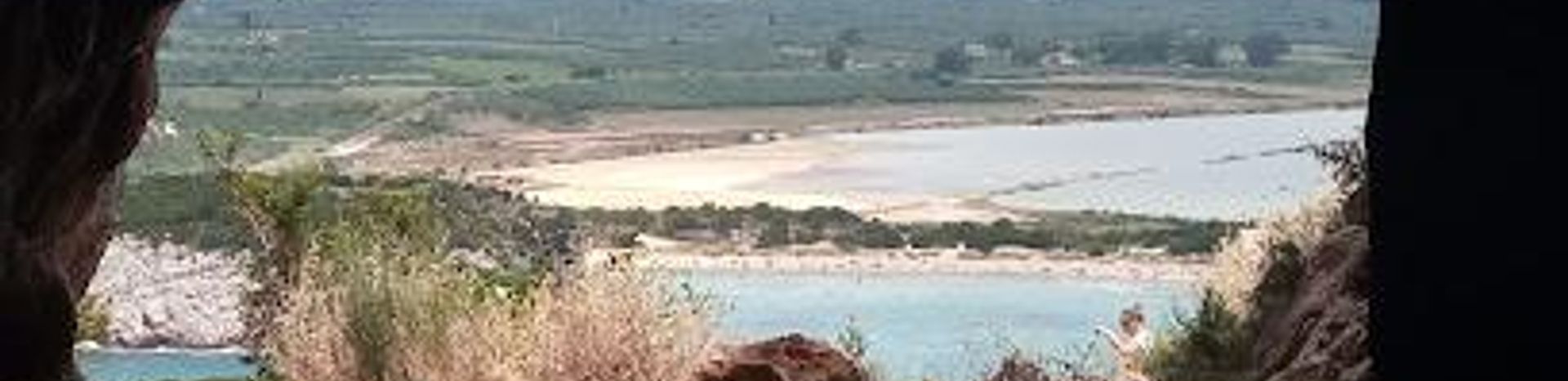
- Take a moment to enjoy the panoramic views of Voidokilia Bay and the surrounding landscape from the cave's entrance.

Getting There
-
Walking
From Voidokilia Beach, walk towards the southwest end of the beach and climb over the dunes. Follow the hillside path that leads to the cave, located just below the ruins of Palaiokastro (Old Navarino Fortress). The walk takes approximately 15-20 minutes. There are no entrance fees or tolls to access the cave.
-
Driving
From Pylos, drive north towards Petrochori. Follow the signs to Voidokilia Beach. Park in the designated parking area near the beach. From the parking area, follow the walking directions to reach the cave. Parking is free. Note that during peak season, parking can be limited.
Discover more about Cave of Nestor
Iconic landmarks you can’t miss

Cave of Nestor
0.0 km
Explore the mythical Cave of Nestor near Pylos, a site of Neolithic settlements and Homeric legends, offering stunning views of Voidokilia Bay.
Mycenaean "Tomb of Thrasymedes"
0.7 km
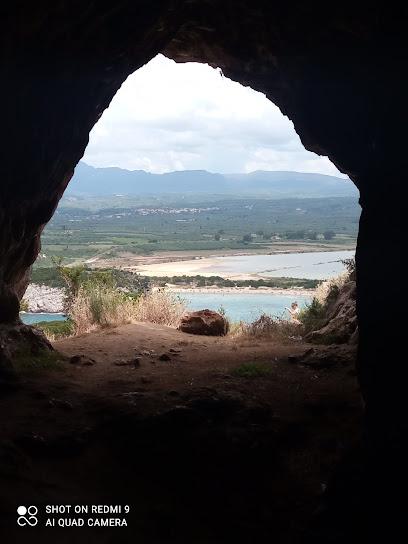
Discover the ancient Mycenaean Tomb of Thrasymedes in Pylos, Greece, offering a glimpse into a rich history and stunning views.
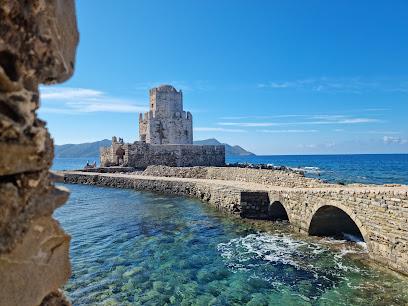
Methoni Castle
16.5 km
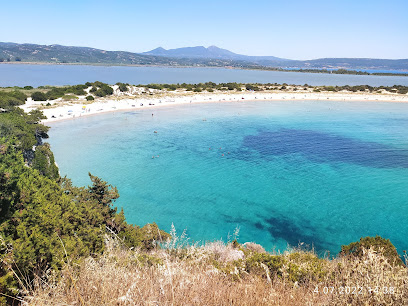
Explore the majestic Methoni Castle, a historic Venetian fortress offering stunning views and a journey through centuries of Greek history.
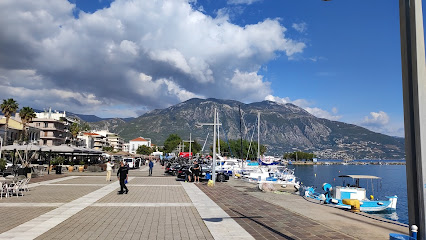
Kalamata Port
40.9 km
Explore the Messenian Gulf and Greek Islands from Kalamata Port, a historic maritime gateway with modern connections and seaside charm.
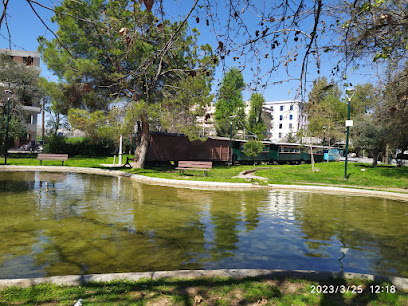
Kalamata Municipal Railway Park
40.9 km
Explore vintage trains and railway history at Kalamata's unique open-air museum and recreational park, a nostalgic experience for all ages.
Municipal Railway Park of Kalamata
40.9 km
Explore a unique open-air railway museum in Kalamata, showcasing historic locomotives, railway cars, and the region's rich railway heritage.
Μέγαρο Χορού Καλαμάτας , Kalamata International Dance Centre
40.9 km
Experience the art of movement at Kalamata's premier dance center, home to the renowned International Dance Festival and a vibrant cultural hub.
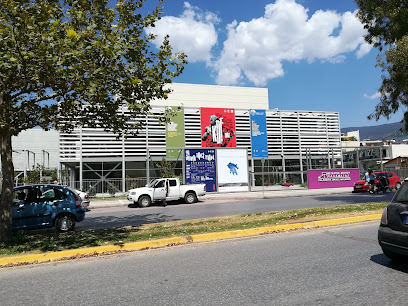
Pl. Agiou Georgiou
41.2 km
Experience the vibrant heart of Kalamata at Pl. Agiou Georgiou: a lively town square brimming with culture, cuisine, and captivating ambiance.
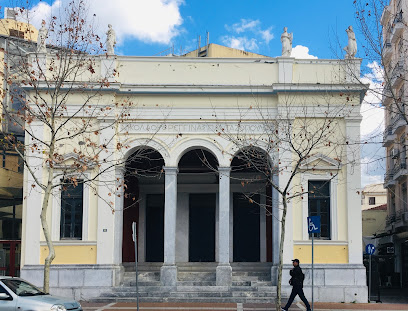
Central Square of Kalamata
41.2 km
Experience the heart of Kalamata at Central Square: a vibrant hub of culture, cafes, and community, surrounded by neoclassical charm.
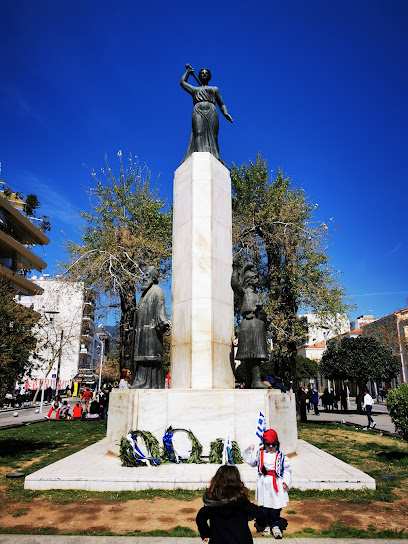
Great Escape Kalamata
41.3 km
Experience thrilling escape room adventures in Kalamata! Solve puzzles, work as a team, and create lasting memories in immersive themed rooms.
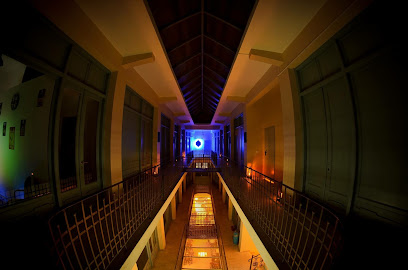
Pl. Taxiarchon
41.4 km
Experience the vibrant heart of Kalamata at Pl. Taxiarchon, a lively square brimming with culture, history, and local flavor.
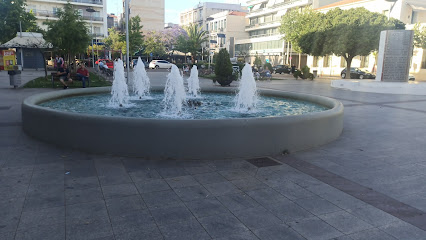
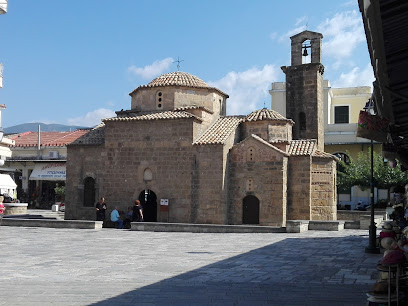
Πλατεία Αγίων Αποστόλων
41.5 km
Discover Kalamata's historic heart at Agioi Apostoloi Square, where the Greek Revolution was declared and Byzantine architecture captivates.
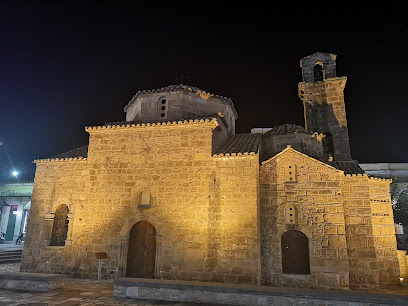
Pl. 23is Martiou
41.5 km
Experience the vibrant heart of Kalamata at Pl. 23is Martiou, a historical square offering culture, local flavors, and a lively atmosphere.
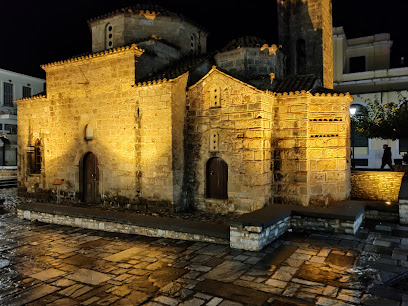
Pl. Ipapantis
41.8 km
Experience the vibrant heart of Kalamata at Pl. Ipapantis, where history, culture, and modern life converge in a bustling town square.

东正教堂 卡拉玛塔市
41.8 km
探索卡拉玛塔东正教堂,感受希腊的宗教文化和历史底蕴。
Unmissable attractions to see

Voidokilia Beach
0.6 km
Discover the captivating beauty of Voidokilia Beach, a serene coastal paradise in Greece with stunning views and rich biodiversity, perfect for relaxation and adventure.
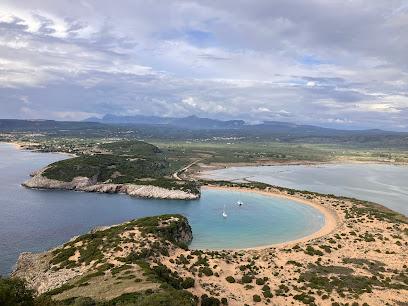
Divari Beach Bar Rossos
1.9 km
Experience the best of beachside relaxation and local flavors at Divari Beach Bar Rossos in beautiful Pilos, Greece.
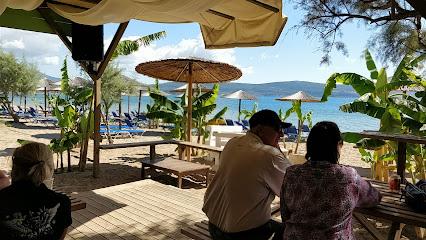
Costa Navarino
4.1 km
Discover the enchanting beauty of Costa Navarino, a premier resort blending luxury with rich cultural experiences in picturesque Pylos-Nestor.
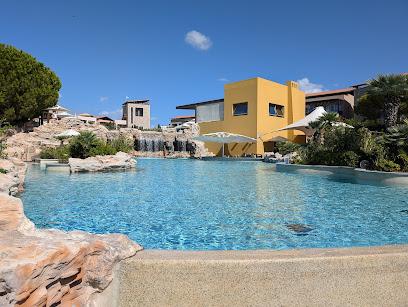
Gialova
4.1 km
Experience the serene allure of Gialova, Greece - a picturesque coastal village with stunning views, rich history, and delicious local cuisine.
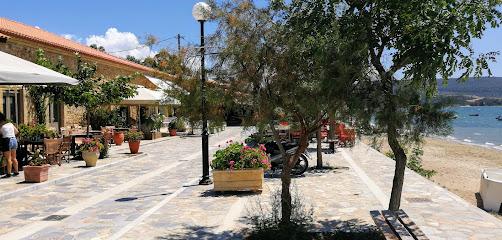
New Castle of Pylos
6.2 km
Discover the rich history and breathtaking views at the New Castle of Pylos, a stunning fortress on Greece's southwestern coast.
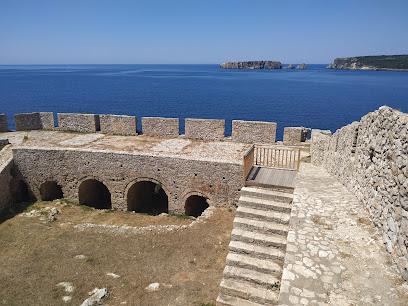
Kalamaris Waterfall
6.5 km
Experience the natural beauty and tranquility of Kalamaris Waterfall, a hidden gem near Pilos, Greece, perfect for nature lovers and adventure seekers.
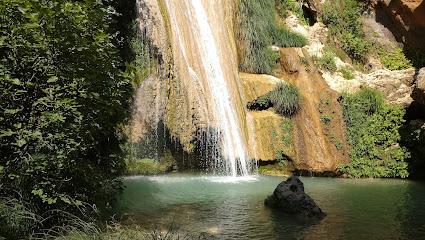
Stenosia Waterfalls
8.0 km
Explore the stunning Stenosia Waterfalls, a magical destination in Greece for hiking and discovering nature's beauty amidst cascading waterfalls.
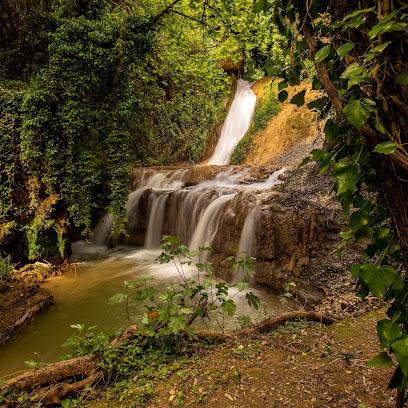
Mycenean Palace of Nestor at Pylos
8.2 km
Discover the Mycenean Palace of Nestor in Pylos, an ancient historical landmark showcasing the grandeur of Mycenaean civilization amidst stunning landscapes.
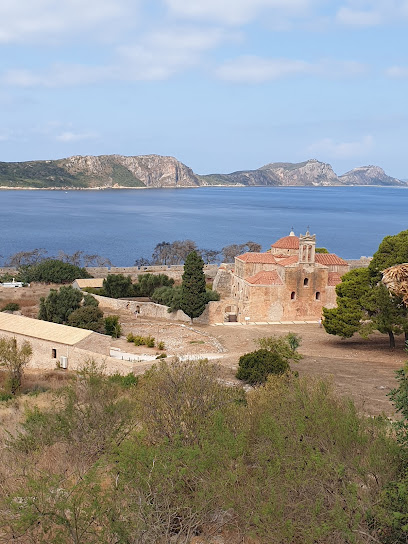
Polylimnio Waterfalls
17.7 km
Explore the captivating beauty of Polylimnio Waterfalls, a hidden natural wonder in Greece's Voufrada region, perfect for adventure and relaxation.
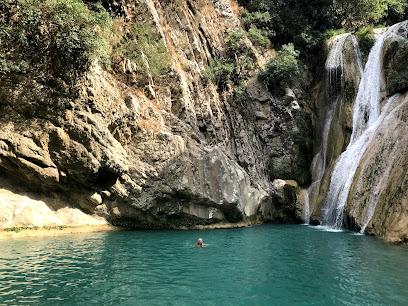
Akrogiáli
25.7 km
Experience the essence of Greek cuisine at Akrogiáli in Ag. Andréas, where stunning views meet exceptional flavors in a warm, inviting atmosphere.
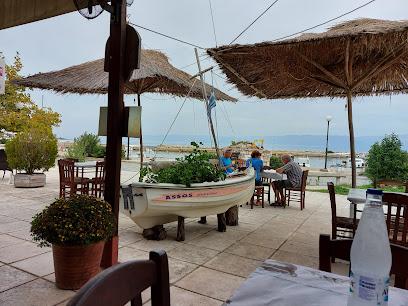
Messene
33.4 km
Explore the ancient ruins of Messene, a breathtaking archaeological site in Greece that showcases the grandeur of ancient civilization amidst stunning landscapes.
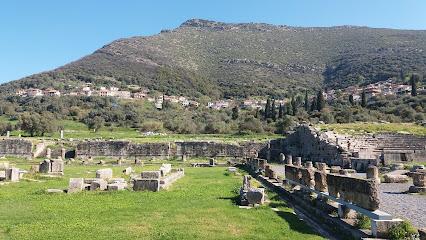
Archaeological Site of Ancient Messene
33.6 km
Explore the rich historical tapestry of Ancient Messene, a breathtaking archaeological site showcasing Greece's ancient architectural brilliance.
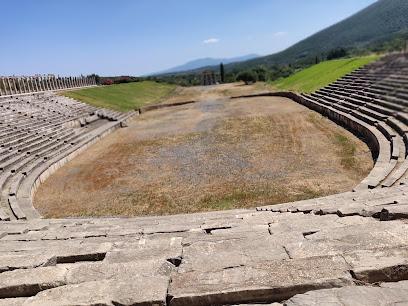
Aris
34.5 km
Explore the serene beauty and rich culture of Aris, a hidden gem in Messinia, Greece, perfect for an authentic travel experience.
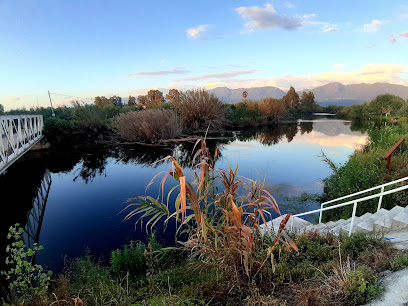
Ámmos
34.5 km
Experience the tranquil beauty of Ámmos, a hidden gem in Messinia, perfect for sun-soaked beaches and local cuisine.
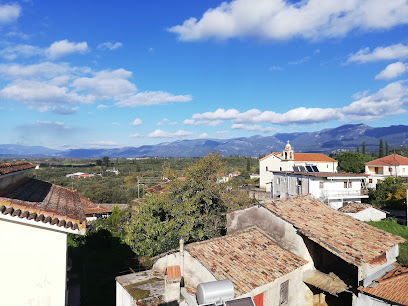
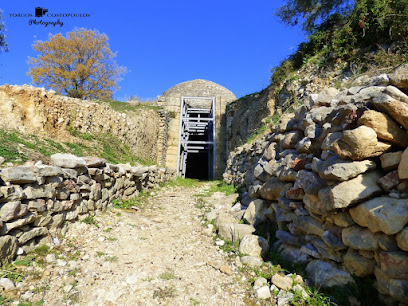
Peristerias Archaeological Site
35.9 km
Explore the Peristerias Archaeological Site: A captivating journey through Greece's rich history and archaeological wonders.
Essential places to dine

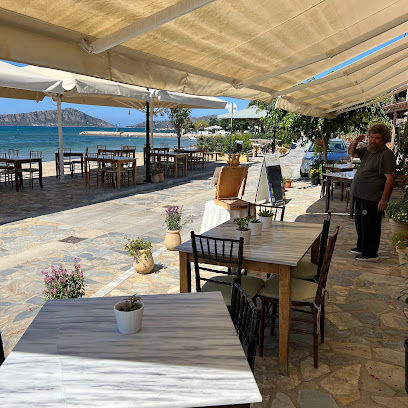
Notre Maison
4.2 km
Experience authentic Greek flavors at Notre Maison in Gialova, where culinary excellence meets breathtaking views.
The Garden
24.4 km
Discover authentic Greek flavors at The Garden in Χράνοι – where every dish tells a story.
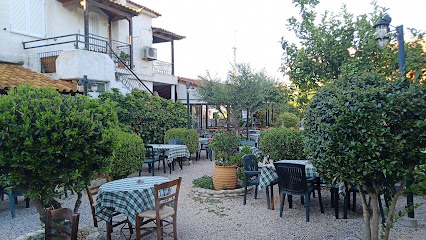
Oinosofies
32.9 km
Experience authentic Greek cuisine at Oinosofies in Messini – where every dish tells a story.
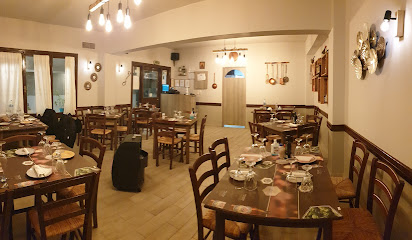
Casa Marina
40.2 km
Discover the flavors of Kalamata at Casa Marina—where Mediterranean cuisine meets stunning marina views in an unforgettable dining experience.
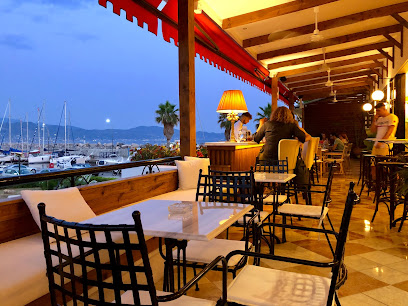
Versallies
40.2 km
Discover authentic Mediterranean dining at Versallies in Kalamata – where every dish tells a story of Greece's rich culinary heritage.
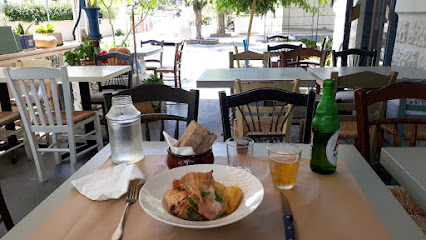
Taverna Argo
40.3 km
Savor the true taste of Greece at Taverna Argo in Kalamata – where tradition meets flavor in every dish.
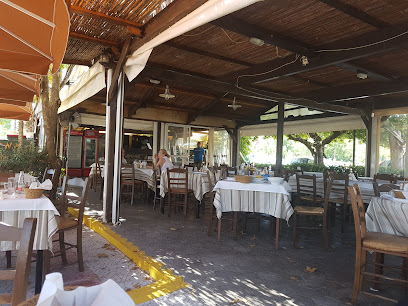
Áragma
40.4 km
Experience authentic Greek cuisine at Áragma in Kalamata - where every meal is a celebration of local flavors and warm hospitality.
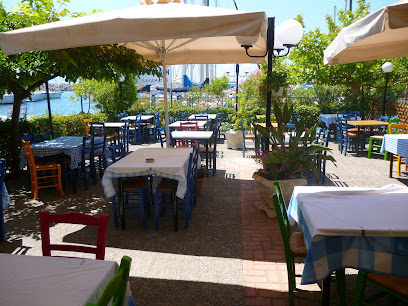
THE CHAGIATI
40.4 km
Experience authentic Greek flavors at The Chagiati in Kalamata, where every dish tells a story of tradition and freshness.
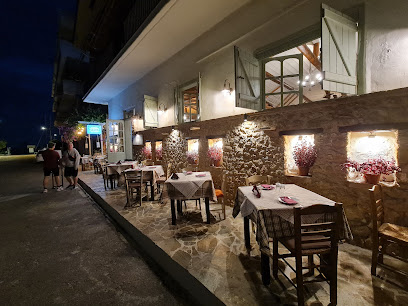
ΤΟ ΛΙΜΕΝΙ
40.4 km
Experience authentic Greek seafood at ΤΟ ΛΙΜΕΝΙ in Kalamata Marina – where fresh flavors meet stunning sea views.
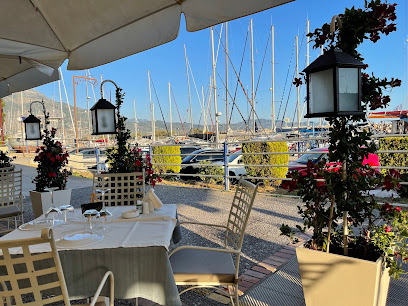
Tartufo 24
40.5 km
Experience authentic Italian cuisine at Tartufo 24 in Kalamata—where every dish is crafted with passion and tradition.
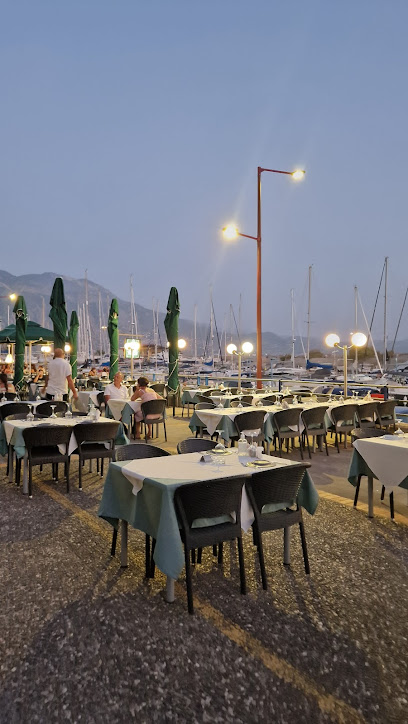
the threshold
40.6 km
Experience authentic Greek cuisine at The Threshold in Kalamata—where tradition meets innovation in every dish.
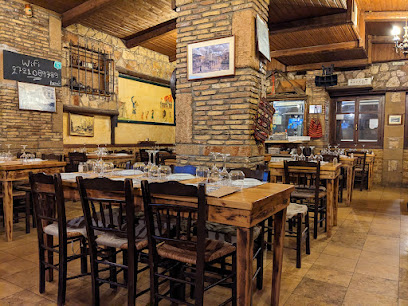
Notiás
40.6 km
Discover Notiás in Kalamata: A haven for Mediterranean cuisine lovers with fresh oysters and exceptional local dishes.
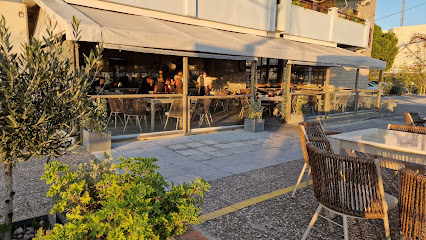
Aphrálato
41.0 km
Experience the rich flavors of Greece at Aphrálato - where tradition meets modern culinary artistry in Kalamata.
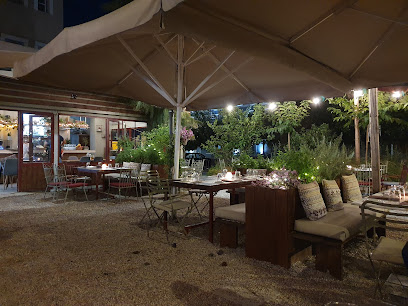
Στου Αλέκου
41.0 km
Discover authentic Greek flavors at Στου Αλέκου, a beloved restaurant in Kalamata offering delightful dishes and a warm atmosphere.
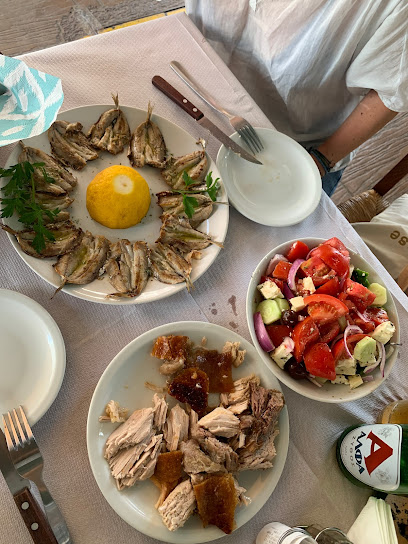
Λυδία Σπιτικό Φαγητό
41.0 km
Discover authentic Greek cuisine at Lydia's Homemade Delights in Kalamata—where every dish tells a story.
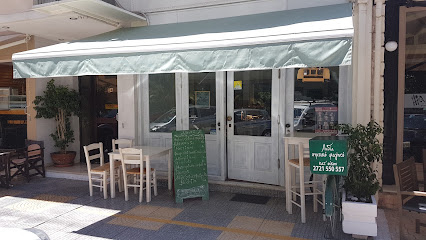
Markets, malls and hidden boutiques

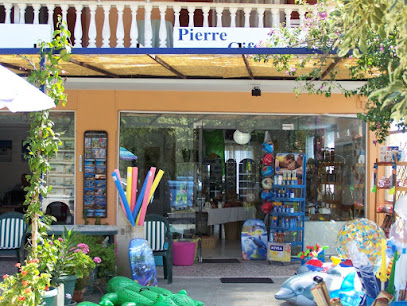
Pierre Gift Shop
24.3 km
Discover unique Greek souvenirs at Pierre Gift Shop in Chrani, where local craftsmanship meets warm hospitality.
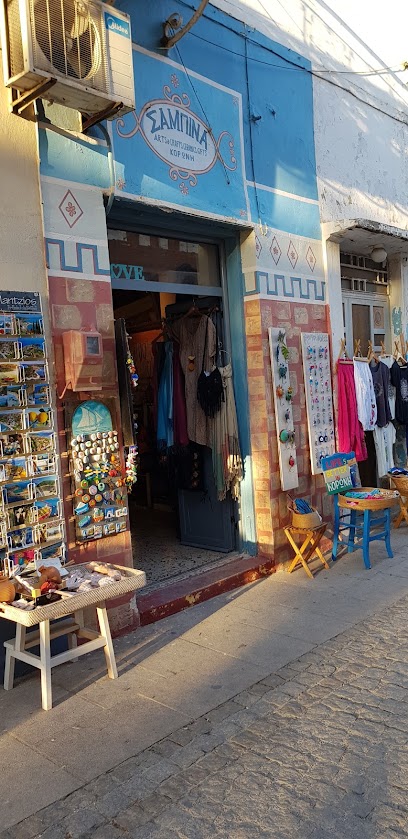
Sabina's Shop
32.3 km
Discover Sabina's Shop in Koroni for exquisite costume jewelry that embodies the spirit of Greece, perfect for unique gifts and souvenirs.
The Jewellery Girl Koroni
32.3 km
Explore the artistry of Greek jewelry at The Jewellery Girl Koroni, where each handcrafted piece tells a unique story.

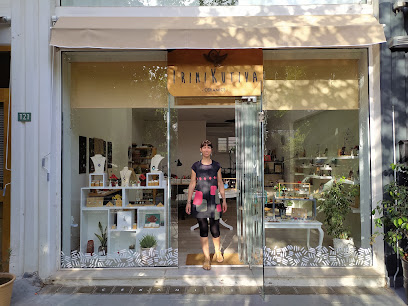
Irini Kutiva Ceramics - Handmade ceramic jewelry and more - Ceramic Studio
41.0 km
Discover the charm of Greek craftsmanship at Irini Kutiva Ceramics, where handmade pottery and jewelry come to life in Kalamata.
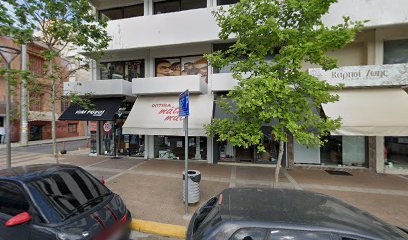
ESPRESSOshopping
41.2 km
Explore the latest fashion trends at ESPRESSOshopping in Kalamata, where style and elegance come together for a unique shopping experience.
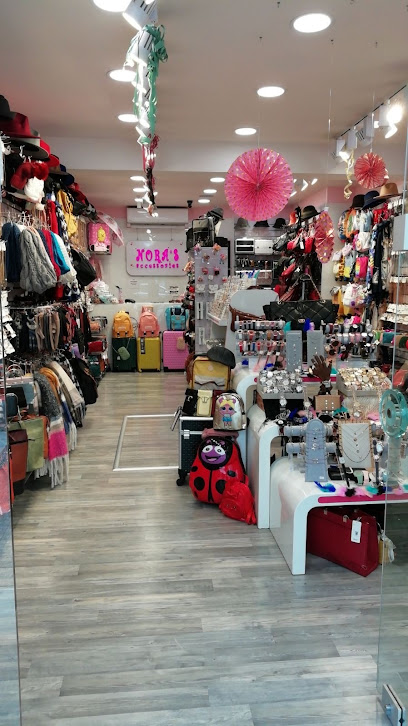
Noras Accessories - Γυναικεία Αξεσουάρ
41.2 km
Explore Noras Accessories in Kalamata for stylish jewelry, chic handbags, and elegant watches, perfect for fashion lovers and gift seekers alike.
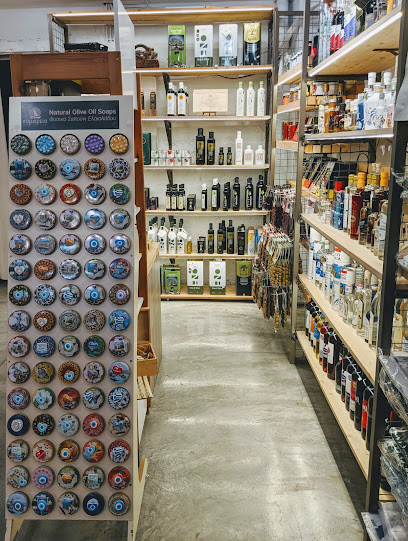
Evmáreia
41.2 km
Explore Evmáreía in Kalamata for unique gifts and handcrafted jewelry—experience the heart of local creativity and culture.
Oysho
41.2 km
Explore stylish women's sportswear at Oysho, Kalamata, where fashion meets fitness in a vibrant shopping experience.
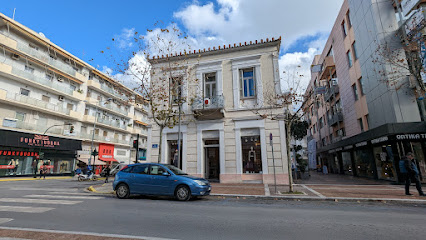
Folli Follie Store
41.2 km
Explore Folli Follie in Kalamata for exquisite jewelry and accessories that blend timeless elegance with contemporary design.
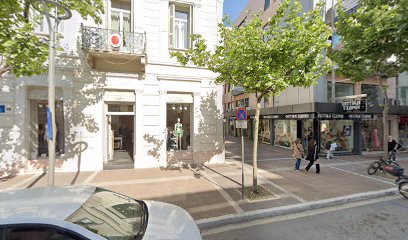
fantazy stores
41.2 km
Explore Fantazy Stores in Kalamata for trendy bags and dresses that showcase local style and flair, perfect for your shopping adventures.
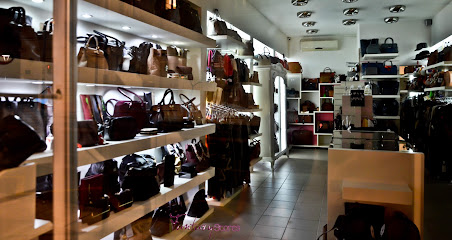
Funky Buddha
41.2 km
Discover unique fashion at Funky Buddha in Kalamata, the ultimate destination for stylish clothing for men, women, and children.
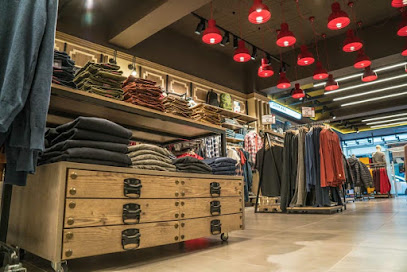
Day by Anna
41.2 km
Discover the latest fashion trends at Day by Anna, Kalamata's premier women's clothing store, blending style, quality, and personalized service.
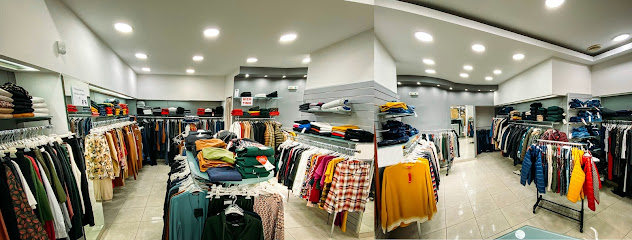
Cosmos Sport
41.2 km
Explore Cosmos Sport in Kalamata for top-quality sporting goods and stylish athletic apparel, perfect for your next adventure in Greece.
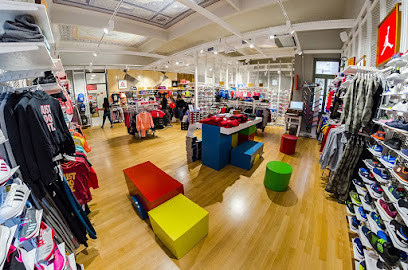
Kottaridi Fashion
41.2 km
Discover stylish apparel and unique accessories at Kottaridi Fashion, Kalamata's top clothing store for every fashionista.
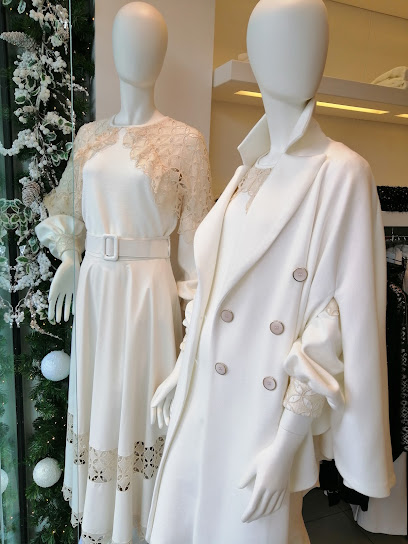
VickiVollari Accessori
41.2 km
Explore unique fashion accessories at VickiVollari Accessori in Kalamata, where style meets quality in a charming shopping experience.
Essential bars & hidden hideouts

Notiws Cocktail Bar
4.3 km
Discover the vibrant nightlife at Notiws Cocktail Bar in Gialova, offering unique cocktails and stunning views in a chic atmosphere.
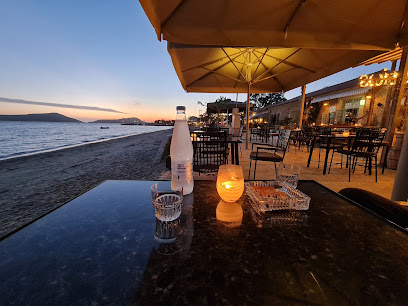
Lostre Bar
21.5 km
Experience vibrant nightlife at Lostre Bar in Foinikounta, Greece, with expertly crafted cocktails and a lively atmosphere.
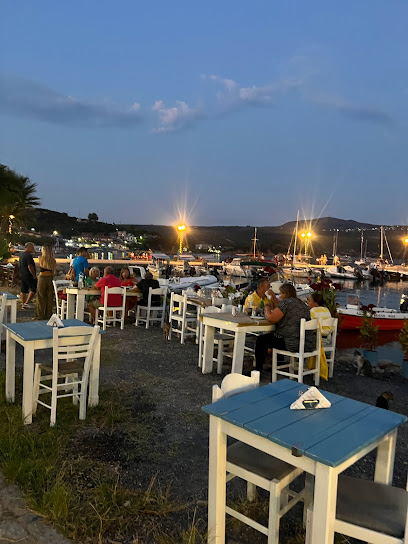
DOC
41.1 km
Discover the exquisite taste of local and international wines at DOC Wine Bar, a cozy haven for wine lovers in Kalamata.
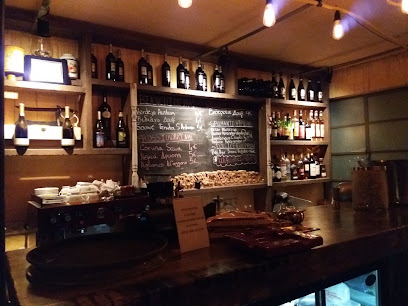
Phroúmel
41.1 km
Discover the vibrant atmosphere of Phroúmel, a delightful bar in Kalamata offering exquisite drinks and a lively ambiance perfect for relaxation.
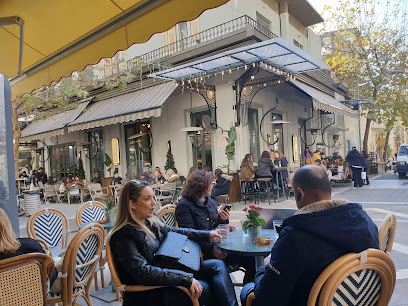
Bar Without Name At 39
41.3 km
Discover the hidden gem of Kalamata at Bar Without Name At 39, where exceptional drinks and a cozy atmosphere await you.
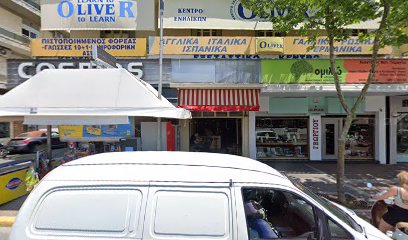
Gazoza
41.4 km
Experience the vibrant nightlife of Kalamata at Gazoza, where small plates meet live music in a cozy bar and grill setting.
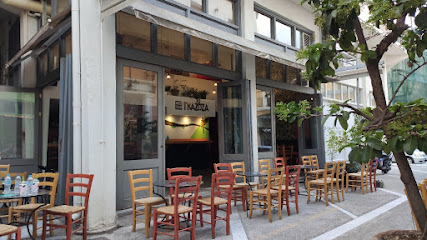
BAD HABIT saint pleasure
41.4 km
Experience the vibrant cocktail culture at Bad Habit Saint Pleasure, Kalamata's top bar for unique drinks and lively nightlife.
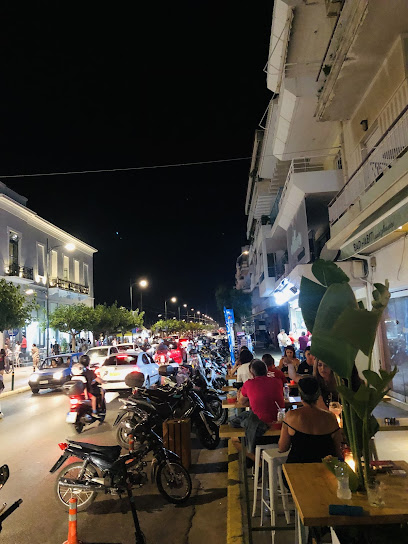
Bitter
41.4 km
Experience the vibrant nightlife of Kalamata at Bitter, where exquisite cocktails and a lively atmosphere await.
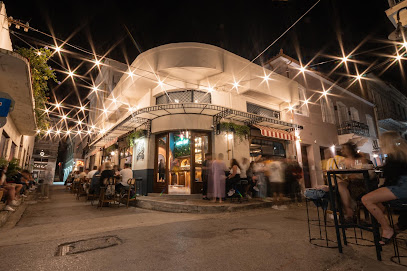
ΚΥΤΤΑΡΟ Rock Bar
41.5 km
Discover the heart of Kalamata's vibrant nightlife at ΚΥΤΤΑΡΟ Rock Bar, where live music and great drinks create unforgettable nights.
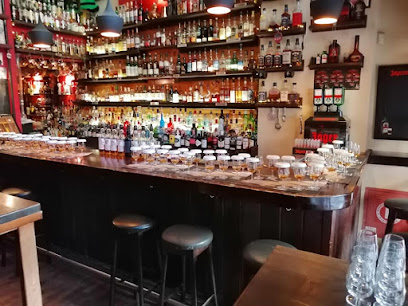
NOTOS GREEK CRAFT BEER
41.5 km
Discover the rich flavors of Greece at Notos Greek Craft Beer, Kalamata's premier destination for craft beer enthusiasts.
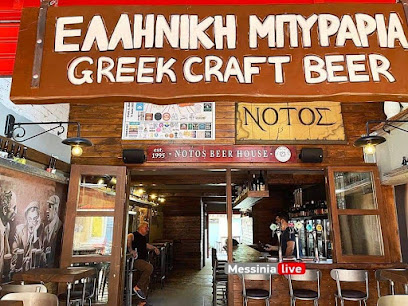
Rodanthos Rock n Roll Beer Bar
41.5 km
Discover the lively Rodanthos Rock n Roll Beer Bar in Kalamata, where delicious food meets electrifying rock music in an unforgettable nightlife experience.
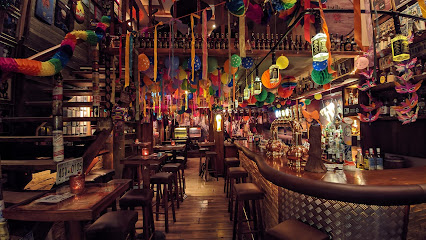
Route 66
41.5 km
Discover the lively spirit of Route 66 in Kalamata, where great drinks and vibrant nightlife create unforgettable moments.
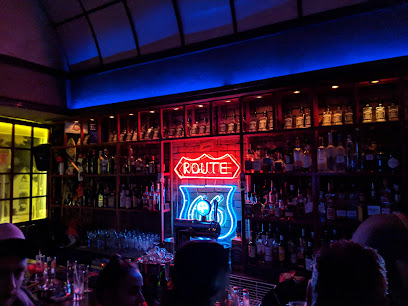
Mon cheri cocktail bar
41.5 km
Discover the allure of Mon Cheri Cocktail Bar in Kalamata, where exquisite cocktails meet a vibrant nightlife experience.
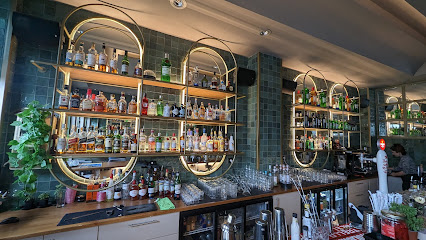
COPA BAR
41.5 km
Discover Kalamata's nightlife at Copa Bar, where vibrant cocktails, music, and an electric atmosphere await you every night.
Miraval Cocktails & Eatery
41.6 km
Discover the vibrant nightlife at Miraval Cocktails & Eatery in Kalamata, where innovative cocktails meet a welcoming atmosphere.
Nightclubs & after hour spots

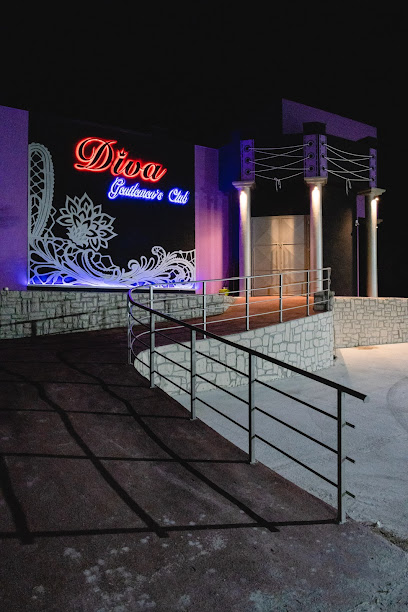
DivaClub
3.2 km
Experience Gialova's vibrant nightlife at DivaClub, where music and dance come alive in an electrifying atmosphere.
two gether club
32.8 km
Unleash your party spirit at Two Gether Club, Messini's top destination for vibrant nightlife, dancing, and unforgettable experiences.
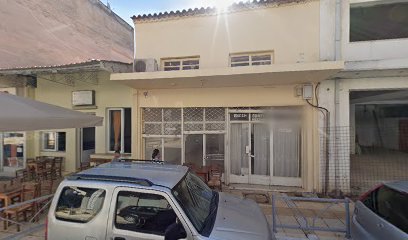
Nishi
33.5 km
Discover the vibrant nightlife of Kalamata at Nishi, where music, dancing, and unforgettable memories await.
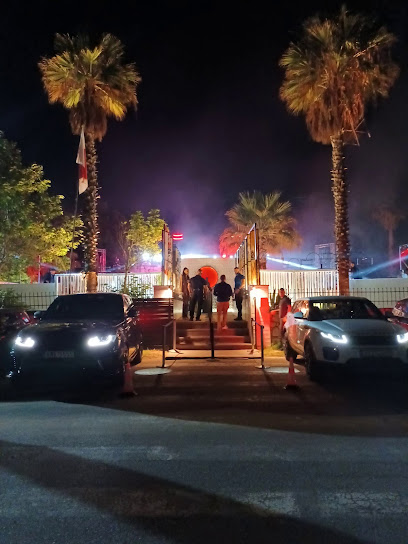
ΠΑΜΠ
41.0 km
Discover ΠΑΜΠ, a lively café and pub in Kalamata, offering an enchanting blend of espresso delights and vibrant nightlife.
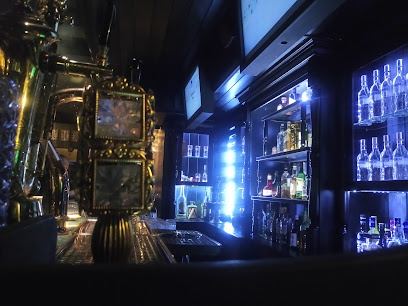
LAVO Clubbing Your Life
41.4 km
Dive into the lively nightlife of Kalamata at LAVO Clubbing Your Life, where electrifying music and vibrant crowds create unforgettable memories.
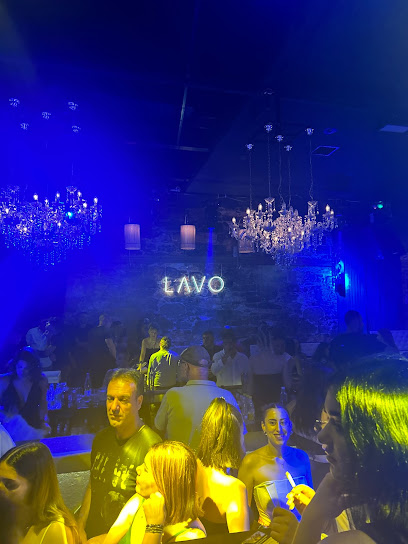
Brooklyn Live Stage
41.5 km
Discover vibrant nightlife at Brooklyn Live Stage, a premier disco club in Kalamata, Greece, known for electrifying music and unforgettable experiences.
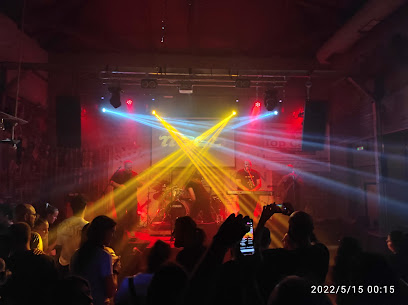
Remix NightClub
41.5 km
Immerse yourself in the vibrant nightlife of Kalamata at Remix NightClub, where music and dance create unforgettable memories.
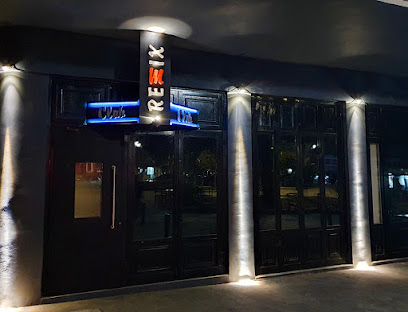
Lavo Plus
41.6 km
Experience the electrifying nightlife at Lavo Plus, Kalamata's premier nightclub, where every night is a celebration of music and dance.
NOHA Night Club
41.6 km
Discover the pulse of Kalamata's nightlife at NOHA Night Club, where unforgettable dance experiences await you every night.
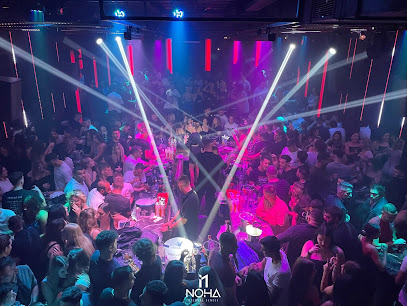
Monroe NightClub
41.6 km
Discover the vibrant nightlife at Monroe NightClub, where music and dancing come together in the heart of Kalamata's nightlife scene.
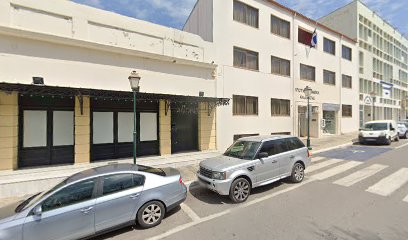
Noiz Club
65.1 km
Discover the vibrant nightlife at Noiz Club in Megalopolis, where electrifying beats and exciting ambiance await every night.
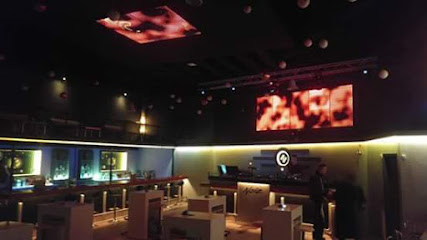
DAZ LIVE
67.8 km
Discover the electrifying nightlife of DAZ LIVE in Ag. Ioannis, Greece, where unforgettable music and vibrant energy await every visitor.
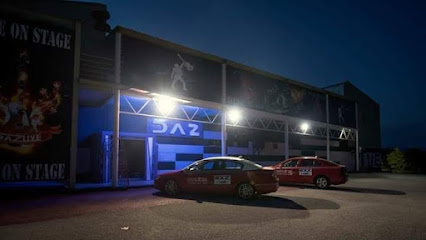
G MUSIC GALLERY
69.6 km
Experience the vibrant nightlife at G Music Gallery, Sparti's premier night club, offering electrifying music and an unforgettable atmosphere.
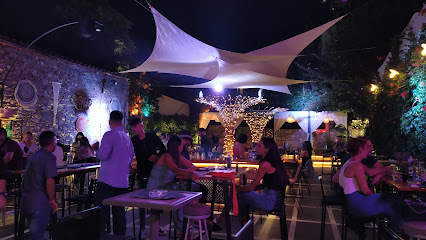
Belvedere club
69.8 km
Discover the vibrant nightlife at Belvedere Club in Sparti, where music, dancing, and unforgettable moments await.
HAS#TAG club
82.5 km
Discover the energetic nightlife at HAS#TAG Club in Githio, where music, dancing, and unforgettable memories await every night.