Nymphaeum, Olympia Travel Guide
Explore the ruins of the Nymphaeum in Ancient Olympia, a testament to Roman engineering and a vital water source for the ancient Olympic Games.
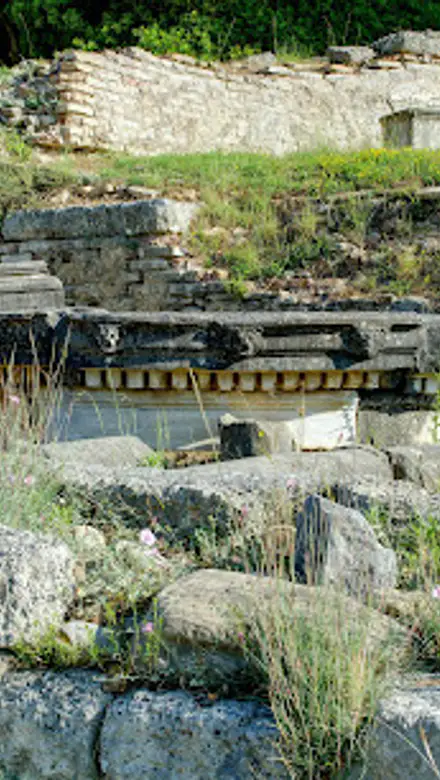
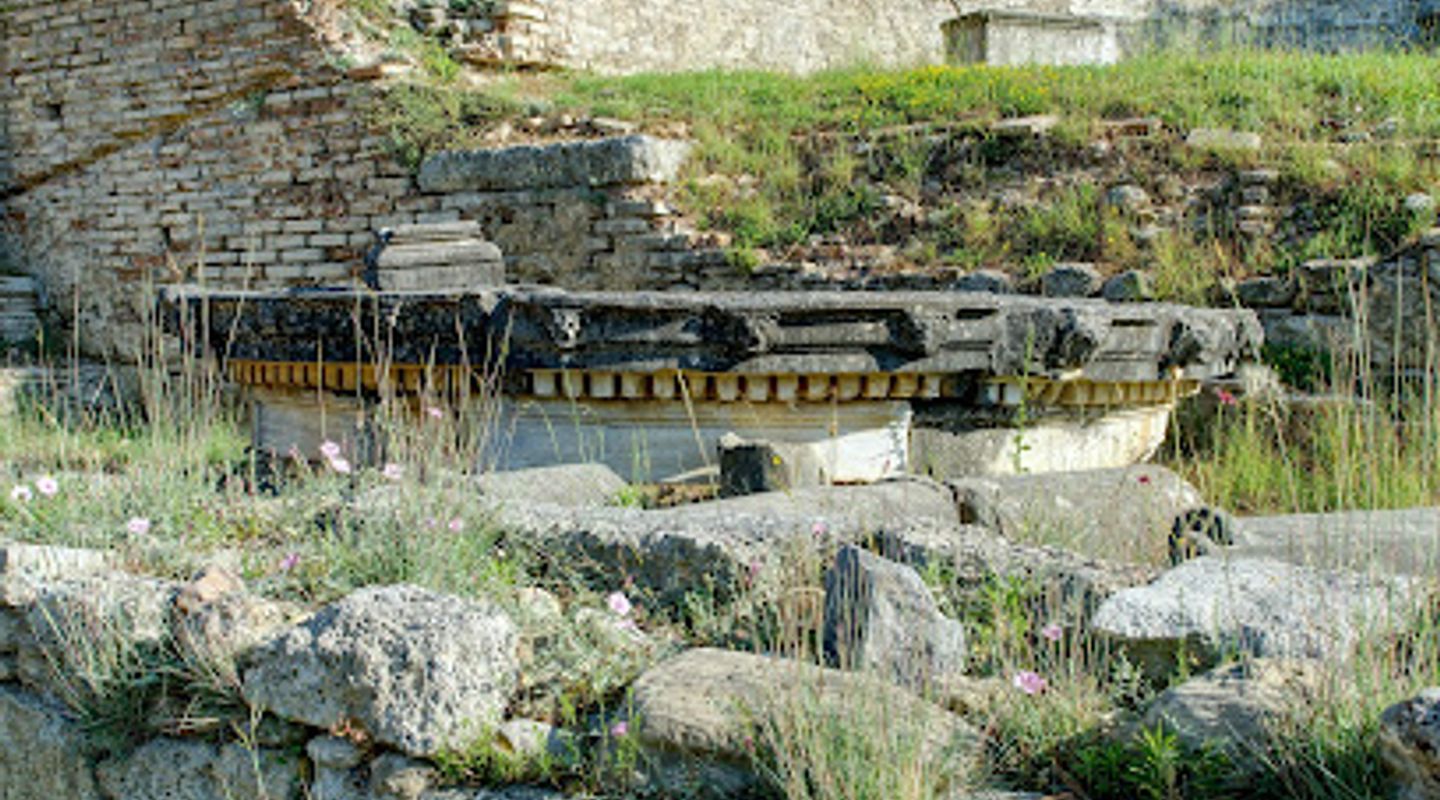
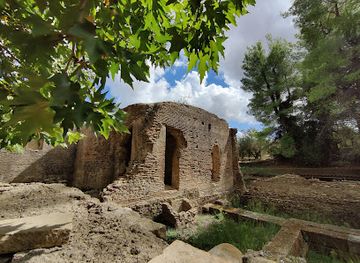
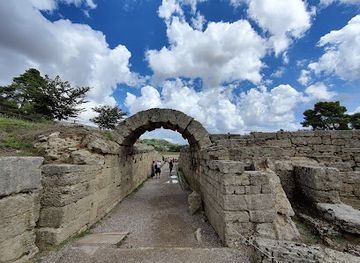
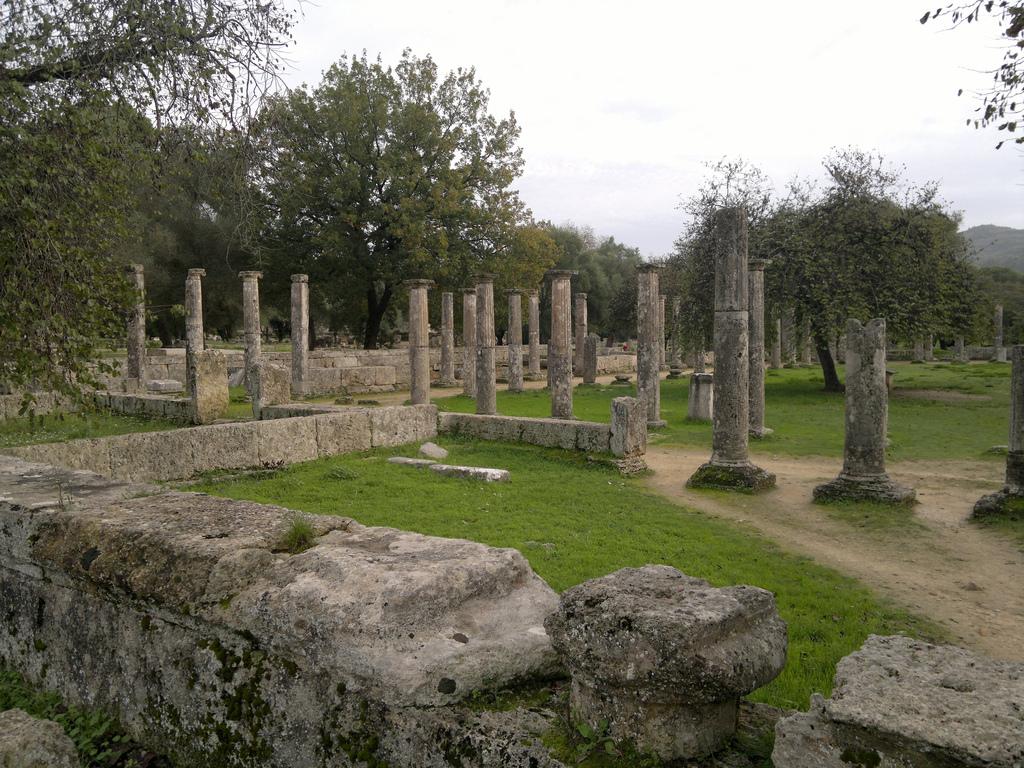
The Nymphaeum at Olympia, also known as the Exedra of Herodes Atticus, was built in the mid-2nd century AD by the Roman senator Herodes Atticus. This elaborate, two-story structure served as a monumental fountain and water distribution center for the ancient Olympic Games. Today, visitors can explore the remaining foundations, partial columns, and restored elements of this historical landmark.
A brief summary to Nymphaeum
- Archaia Olympia, 270 65, GR
- Monday 8 am-8 pm
- Tuesday 8 am-8 pm
- Wednesday 8 am-8 pm
- Thursday 8 am-8 pm
- Friday 8 am-8 pm
- Saturday 8 am-8 pm
- Sunday 8 am-8 pm

Know before you go
Hi, I'm Eve. Here are a few practical things to know before exploring Nymphaeum.
- Wear comfortable shoes as the archaeological site has uneven terrain.
- Bring water, especially during the hot summer months, as shade is limited.
- Purchase a combined ticket to access the Archaeological Site, Archaeological Museum, and other museums in Olympia.
Do you manage this location?
Take control to get all the benefits, like improved information, better appearance, and stronger visibility across AI-powered discovery. Learn more about listing your business on Evendo
Activate your presenceOther nearby places you may find interesting
The closest places of the same kind, if this one is not quite what you had in mind.



Explore Nymphaeum on the Map
A handpicked selection of must-see spots near Nymphaeum, mapped for you.
Getting There
-
Walking
From the main entrance of the Archaeological Site of Olympia, the Nymphaeum is located to the northwest, near the Temple of Hera. Follow the marked paths within the site; it's a short walk on relatively even ground.
-
Public Transport
If arriving by bus at the Olympia bus station, walk east towards the archaeological site (approximately 10 minutes). Enter the site and follow the walking directions to the Nymphaeum. Bus fare from nearby towns (e.g., Pyrgos) typically costs €2-€5.
-
Taxi
Taxis are available in Archaia Olympia. A short taxi ride from the town center to the entrance of the Archaeological Site will cost approximately €5-€8. From there, follow the walking directions to the Nymphaeum.
Discover more about Nymphaeum













Your all‑in‑one travel companion app
Explore expert travel guides, compare and book tours, experiences, hotels, and more—all from the palm of your hand. Download now for seamless trip planning wherever your wanderlust takes you.


Explore More of Olympia
Looking beyond Nymphaeum? Discover Olympia for broader travel guides, local hot-spots, and regional highlights.
Explore Olympia