Paleontological Museum of Rethymno: A Journey Through Crete's Prehistoric Past
Explore Crete's prehistoric past at the Paleontological Museum of Rethymno, featuring fossils of dwarf elephants, hippos, and unique deer species.
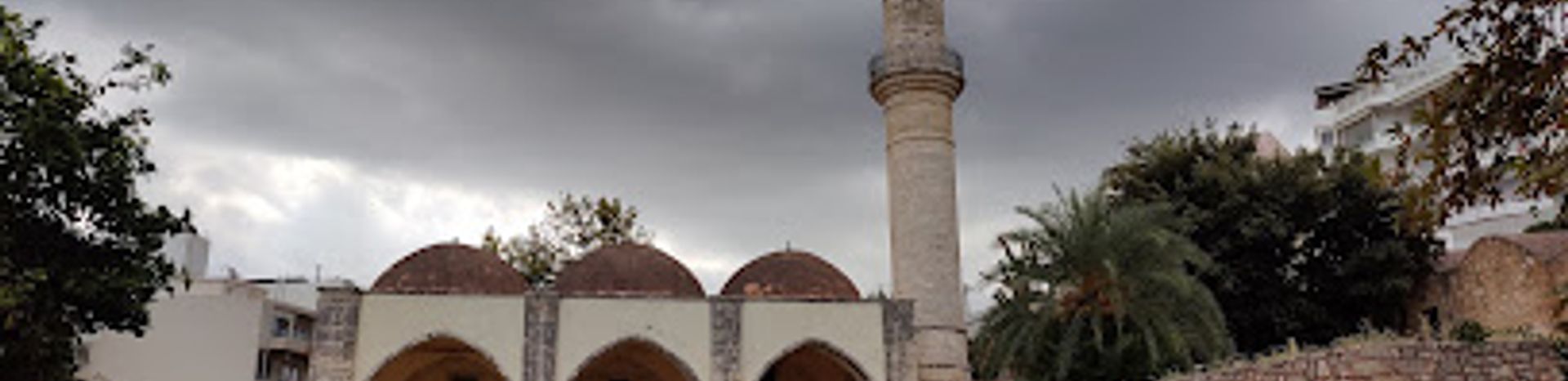
Housed in the beautifully restored Veli Pasha Mosque, the Paleontological Museum of Rethymno showcases Crete's geological and paleontological history spanning 300 million years. Discover fossils of dwarf elephants, hippos, and unique deer species that once roamed the island.
A brief summary to Paleontological Museum of Rethymno
- Κων. Σαθά 21, Rethimno, 741 32, GR
- +302831023083
Local tips
- Photography without a flashlight is allowed inside the museum.
- Combine your visit with a stroll through the surrounding garden, filled with local trees and aromatic bushes.
- Check out the museum's logo, which features the unique club-shaped antlers of the Candiacervus ropalophorous, a dwarf deer species endemic to Crete.

Getting There
-
Walking
The Paleontological Museum is located at Κων. Σαθά 21 in Rethymno [location data]. From the Fortezza, walk southeast along Εθνικής Αντιστάσεως, then turn left onto Κων. Σαθά. The museum will be on your left. This is a short walk of approximately 5-10 minutes. No costs are involved.
-
Public Transport
The local bus network (KTEL) in Rethymno serves the city and nearby areas. Check local bus schedules for the most convenient route to Κων. Σαθά. From the bus station, walk along Κων. Σαθά. The museum will be on your right. Bus tickets within Rethymno typically cost around €1-€2.
-
Taxi
Taxis are readily available in Rethymno. A taxi ride from the Rethymno bus station or the Fortezza to the Paleontological Museum will be a short trip, costing approximately €5-€7.
Discover more about Paleontological Museum of Rethymno
Iconic landmarks you can’t miss

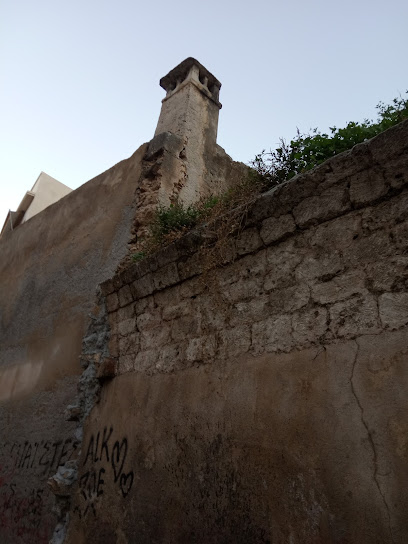
City Wall Ruins
0.3 km
Journey through time at Rethymno's City Wall Ruins: Venetian fortifications with stunning views of the Aegean Sea and the city's rich history.
Official Tourism Office of Municipal of Rethymno
0.4 km
Your gateway to exploring Rethymno's rich history, diverse landscapes, and authentic Cretan culture, with expert guidance and local insights.
Church of Saint Anthony
0.4 km
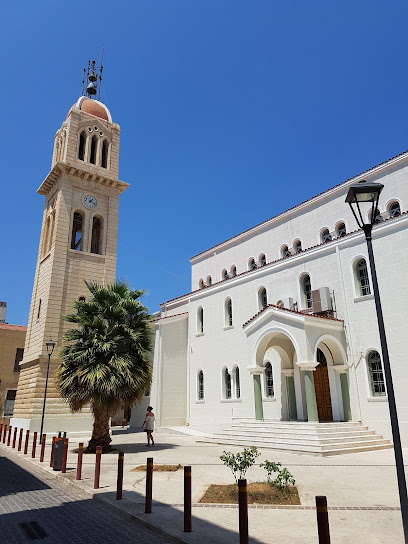
Discover the serene beauty of the Church of Saint Anthony in Rethymno, a cultural gem showcasing stunning architecture and rich Orthodox traditions.
Pl. Tessaron Martiron
0.4 km
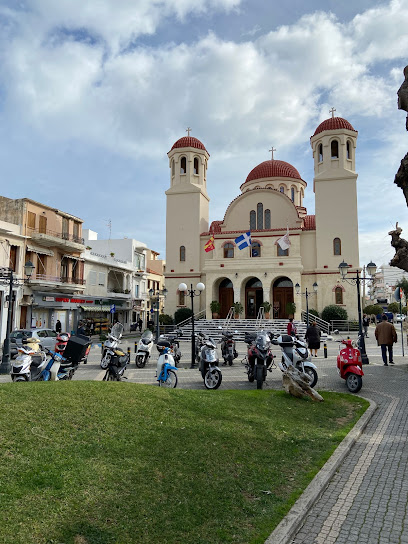
Experience the vibrant heart of Rethymno at Pl. Tessaron Martiron, a lively square blending history, culture, and local charm.
Ali Vafi's garden
0.6 km
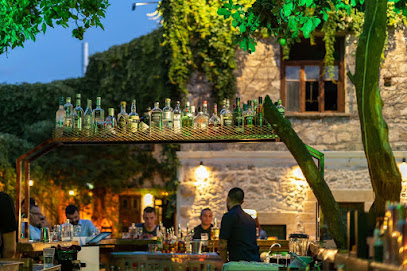
Discover a hidden garden oasis in Rethymno's Old Town, offering a tranquil escape with delightful drinks and Mediterranean cuisine.
Venetian Gate
0.6 km
Step through history at Rethymno's Venetian Gate, a majestic reminder of the island's Venetian past and a gateway to the charming Old Town.
Neratze Mosque
0.6 km
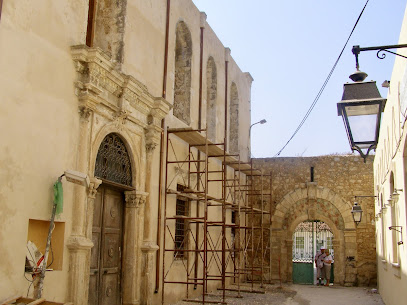
Explore Rethymno's Neratze Mosque: a captivating blend of Venetian & Ottoman history, now a vibrant cultural hub in Crete's Old Town.
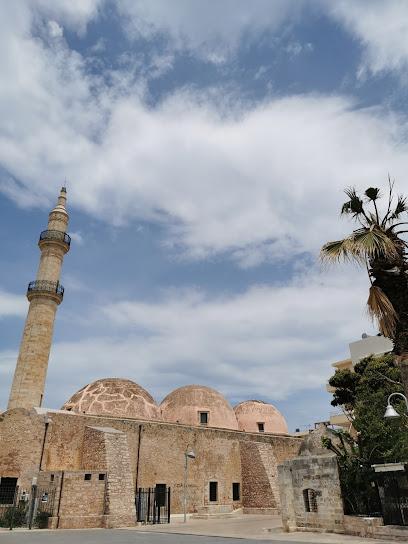
Venetian Clock Tower footprint
0.7 km
Explore the historical footprint of Rethymno's Venetian Clock Tower, a symbol of the city's rich past and architectural heritage.
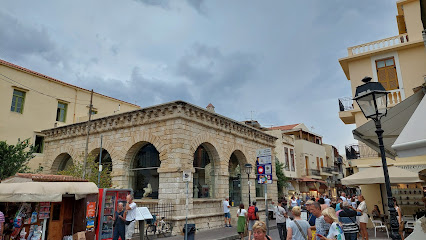
Folk Museum
0.7 km
Discover traditional Cretan life through textiles, tools, and historical artifacts in a 17th-century Venetian mansion in Rethymno's charming Old Town.
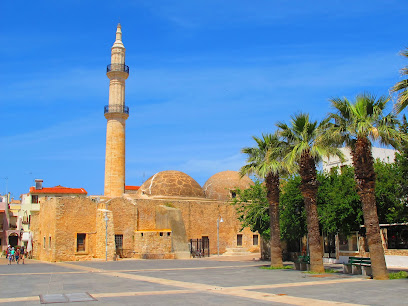
Rethymnon Lighthouse
0.7 km
A historic lighthouse in Rethymno's Venetian harbor, offering stunning views and a glimpse into Crete's Egyptian past.
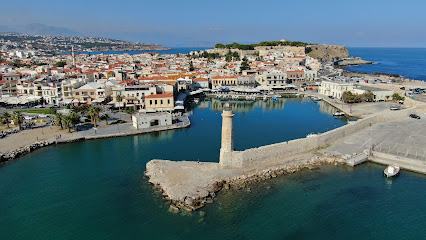
Church of Our Lady of the Angels
0.8 km
Explore a historic Rethymno church, once a Venetian sanctuary and Ottoman mosque, now a serene Orthodox worship place with stunning art.
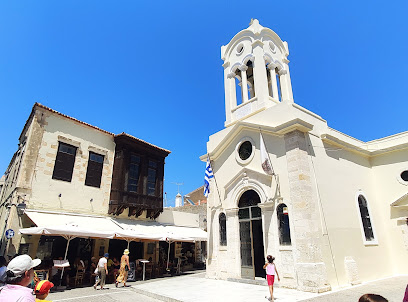
Port of Rethymnon
0.8 km
Explore the historic Venetian harbor of Rethymnon, a gateway to Crete and a picturesque blend of past and present.
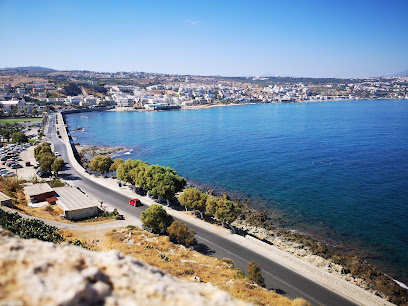
Nafpigio
0.8 km
Experience Rethymno's vibrant nightlife and coffee culture at Nafpigio, a popular cocktail and espresso bar with a lively atmosphere.
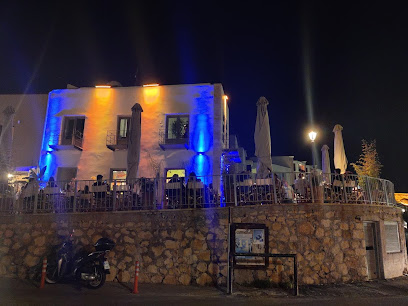
Iroon Politechniou Square
0.9 km
Discover Iroon Politechniou Square in Rethymno: A blend of neoclassical charm, local culture, and tranquil relaxation in the heart of Crete.
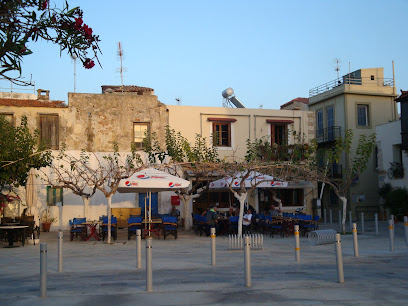
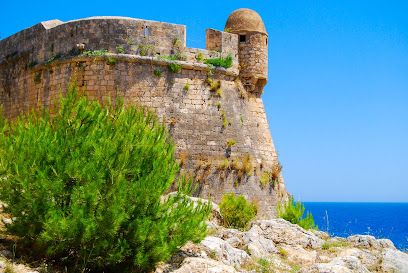
Central Gate of the Fortress of Rethymnon
1.0 km
Step through history at Rethymno's Fortezza Central Gate, a Venetian masterpiece offering panoramic views and a glimpse into Crete's past.
Unmissable attractions to see

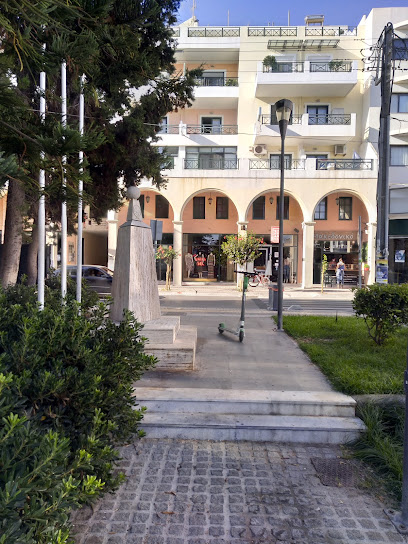
Πλατεία Προσκόπων
0.2 km
Experience the serene beauty of Platania Prokopon, a lush park in Rethymno, Greece, perfect for relaxation, picnics, and enjoying nature's tranquility.
ECOEVENTS
0.3 km
Explore Crete responsibly with EcoEvents, where sustainable adventures meet stunning landscapes and cultural heritage.

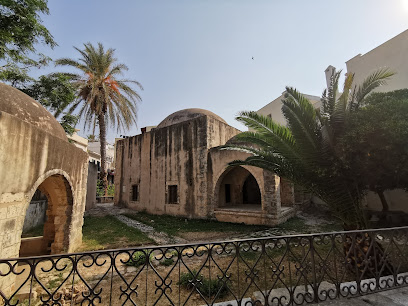
Kara Musa Pasha Mosque (Τζαμί Καρά Μουσά Πασά)
0.3 km
Explore the Kara Musa Pasha Mosque, a stunning historical landmark in Rethimno, Greece, and experience the rich cultural tapestry of the region.
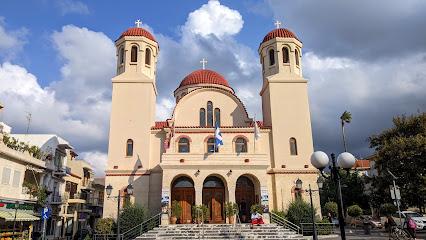
Church of the Four Martyrs
0.4 km
Discover the enchanting Church of the Four Martyrs in Rethymno, a masterpiece of Greek Orthodox architecture and a hub of local cultural traditions.
Tessaron Martyron square
0.4 km
Explore the tranquility of Tessaron Martyron Square, a lush park in Rethimno, perfect for relaxation and immersing in local Cretan culture.
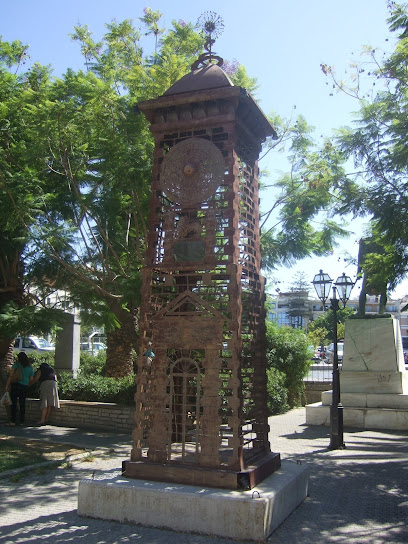
Rethymno sign
0.4 km
Discover the vibrant heart of Rethymno at the iconic Rethymno Sign, a symbol of Crete’s rich history and culture.
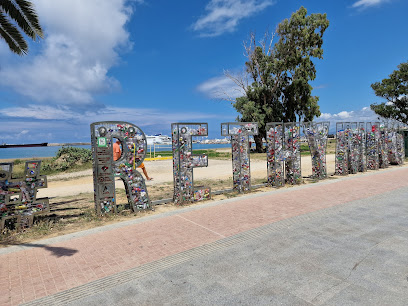
Rethymnon Municipal Garden
0.5 km
Discover the serene beauty of Rethymnon Municipal Garden, a lush urban oasis filled with vibrant flora and tranquil pathways in the heart of Crete.
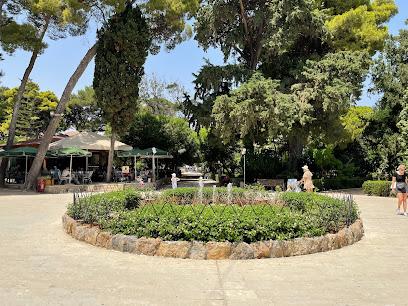
Guora gate
0.5 km
Explore the enchanting Guora Gate in Rethymno, a historical landmark that embodies the essence of Crete's rich cultural heritage.
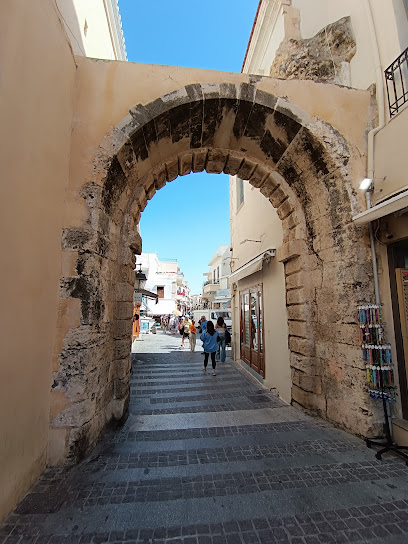
Πάρκο
0.6 km
Discover the tranquil escape of Πάρκο in Rethymno, a beautiful park perfect for relaxation and nature walks amidst stunning scenery.
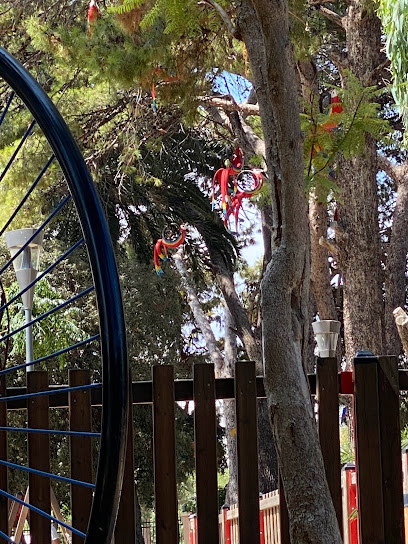
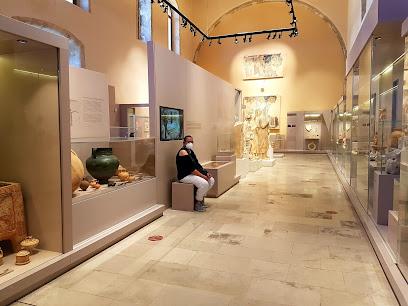
Archaeological Museum of Rethymnon
0.6 km
Explore the rich history of Crete at the Archaeological Museum of Rethymnon, where ancient artifacts come to life and tell stories of a bygone era.
Mikrasiaton Square
0.6 km
Experience the vibrant atmosphere of Mikrasiaton Square in Rethimno, a historic town square brimming with culture, cafes, and captivating architecture.
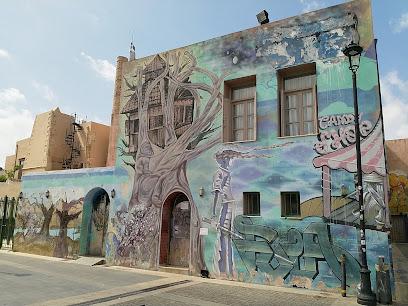
Candy Shop Mural
0.7 km
Explore the whimsical Candy Shop Mural in Rethimno, a vibrant tourist attraction filled with colorful candy-inspired art perfect for unforgettable photos.
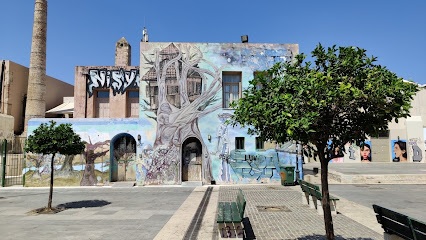
Municipal Park
0.7 km
Explore the lush greenery and vibrant floral displays at Municipal Park, Rethymno's peaceful escape for relaxation and family fun.
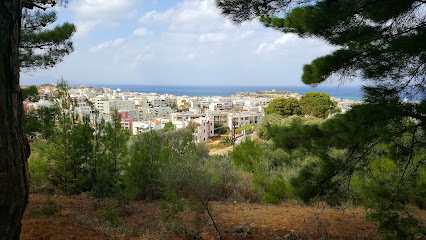
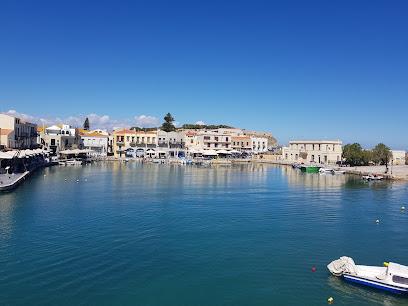
Venetian Harbour
0.7 km
Experience the enchanting beauty of Venetian Harbour in Rethymno, Greece, where history meets picturesque scenery and vibrant culture.
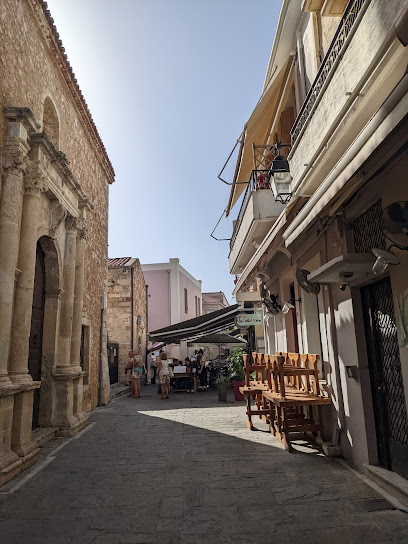
Rimondi Fountain
0.7 km
Explore Rimondi Fountain in Rethymno, a stunning historical landmark showcasing Venetian architecture amidst a vibrant atmosphere.
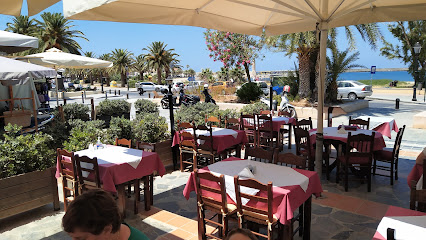
Essential places to dine

Jot Indian restaurant
0.4 km
Experience authentic Indian cuisine in Rethymno at Jot Indian Restaurant – where every dish tells a story.
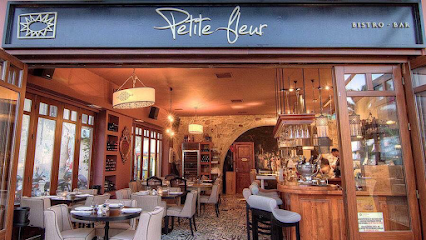
Petite Fleur
0.4 km
Experience exquisite Mediterranean dining at Petite Fleur in Rethymno – where flavor meets ambiance.
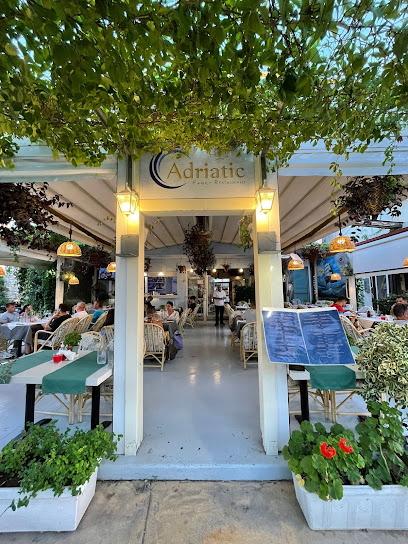
Adriatic
0.5 km
Experience authentic Mediterranean flavors at Adriatic in Rethymno - where every meal tells a story of tradition and taste.
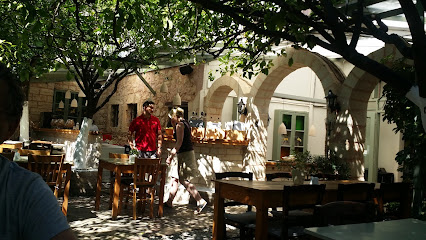
Lemonokipos Restaurant
0.6 km
Experience authentic Greek cuisine at Lemonokipos Restaurant in Rethymno, where delightful flavors meet a picturesque ambiance under lemon trees.
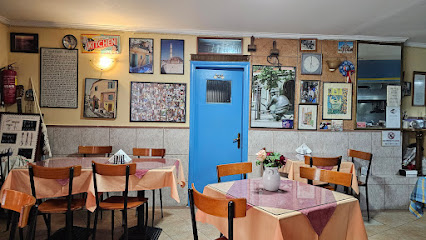
Stella's Kitchen
0.6 km
Experience authentic Cretan cuisine at Stella's Kitchen in Rethymno - where tradition meets flavor in every bite.
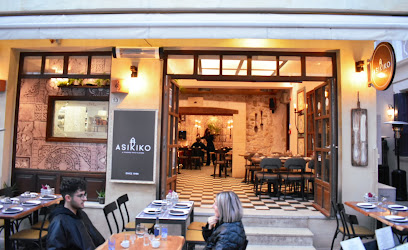
Asikiko
0.7 km
Experience authentic Greek flavors at Asikiko in Rethymno – a must-visit culinary destination for every traveler.
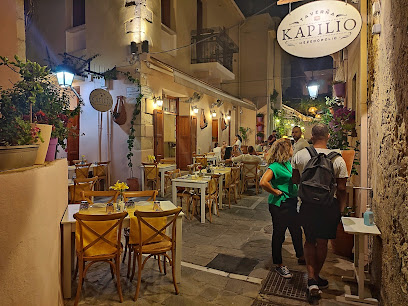
Kapilio
0.7 km
Savor authentic Greek cuisine at Kapilio in Rethymno—where tradition meets taste in every dish.
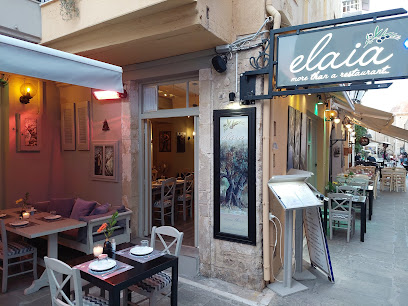
Elaia Restaurant
0.7 km
Experience authentic Greek cuisine at Elaia Restaurant in Rethymno - where tradition meets flavor in an inviting atmosphere.
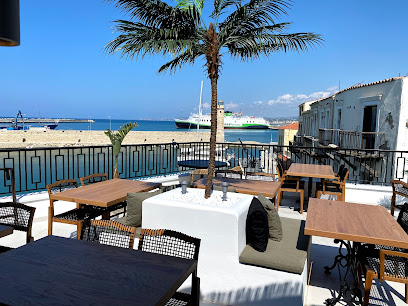
Achinos Rethymno
0.7 km
Experience authentic Greek flavors at Achinos Rethymno – where tradition meets culinary excellence in picturesque Crete.
To Parastratima
0.7 km
Experience authentic Cretan flavors at To Parastratima, Rethymno's favorite small plates restaurant offering fresh ingredients and vibrant atmosphere.
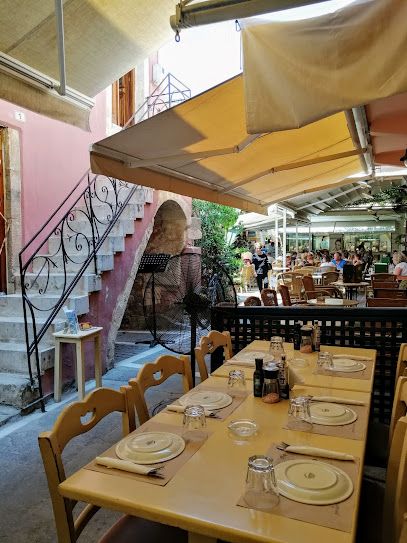
Cavo D'oro Restaurant
0.8 km
Experience authentic Greek flavors at Cavo D'oro Restaurant by Rethymno's scenic Venetian Harbour.
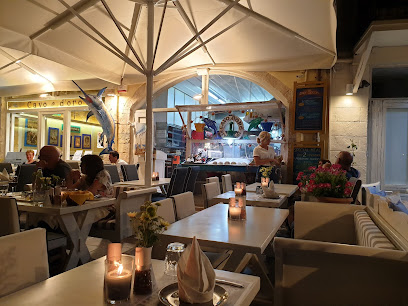
Erotokritos
0.8 km
Discover authentic Greek and Mediterranean flavors at Erotokritos, Rethymno's premier seafood restaurant offering unforgettable dining experiences.
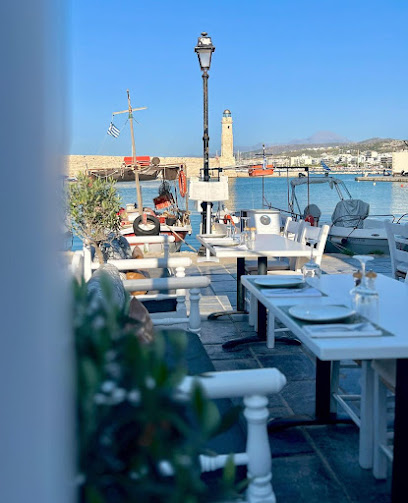
Avli rustic fine dining restaurant
0.8 km
Experience exquisite Greek cuisine at Avli rustic fine dining restaurant in Rethymno - where tradition meets culinary artistry.
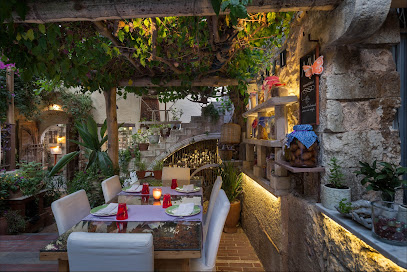
Castelo Restaurant
0.8 km
Discover authentic Greek flavors at Castelo Restaurant in Rethymno—where every dish tells a story of tradition and culinary excellence.
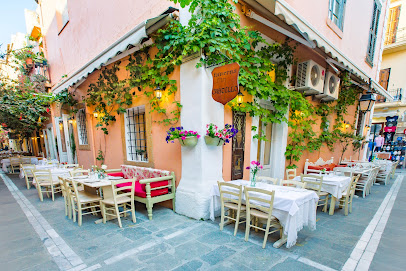
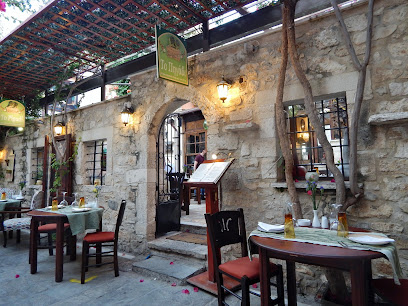
To Pigadi Restaurant
0.8 km
Experience authentic Mediterranean cuisine at To Pigadi Restaurant in Rethymno – where fresh ingredients meet traditional flavors.
Markets, malls and hidden boutiques

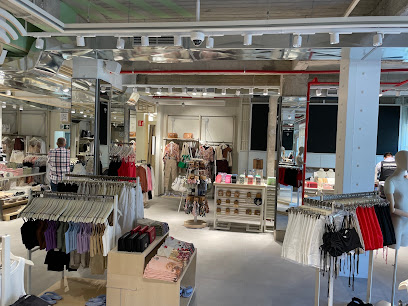
Stradivarius
0.3 km
Discover contemporary women's fashion at Stradivarius in Rethymno, where style meets affordability in a chic shopping experience.
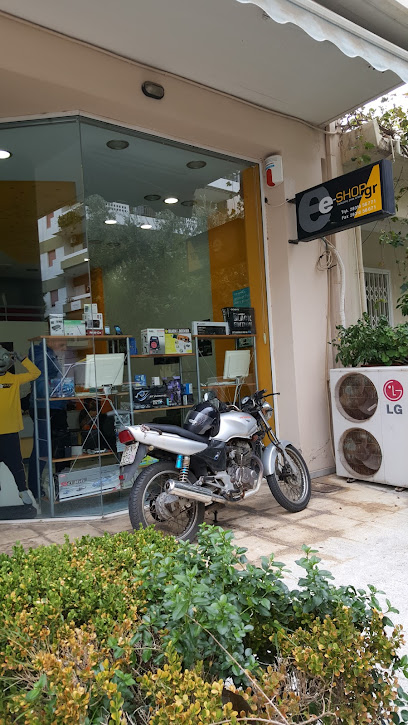
E-shop point Ρέθυμνο
0.3 km
Explore E-shop Point Rethymno for cutting-edge electronics, top-notch cameras, and unique musical instruments in the heart of Crete.
INTERSPORT ATHLETICS A.E.E.
0.3 km
Explore Rethymno's premier sporting goods store for all your athletic needs, from top-quality footwear to essential sports gear.
Pink Woman
0.4 km
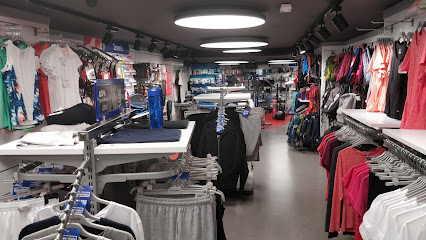
Explore Pink Woman in Rethymno for trendy women's clothing that blends style with comfort, perfect for every occasion.
Thursday market
0.4 km
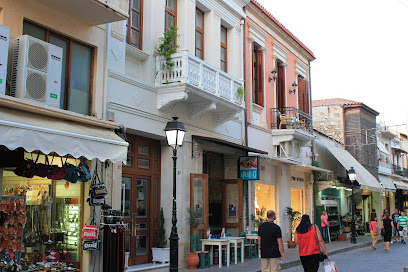
Experience the charm and flavors of Crete at the Thursday Market in Rethymno, a vibrant hub for fresh produce and local treasures.
Iconic Boutique
0.4 km
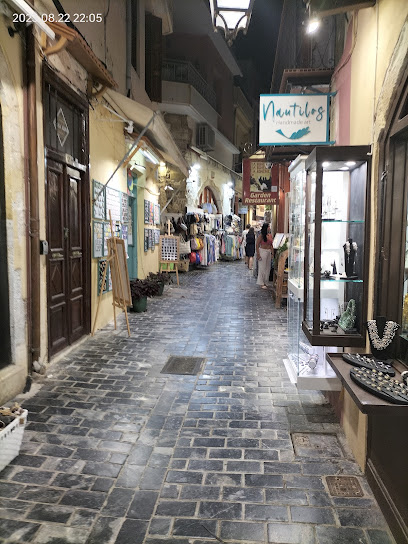
Discover the essence of Greek fashion at Iconic Boutique, where style meets local craftsmanship in the heart of Rethymno.

Tourist Store Kalimera (G. Liokalos)
0.4 km
Explore local fashion and unique souvenirs at Tourist Store Kalimera in Rethymno, where style meets Cretan culture.
Meiz Boutique
0.4 km
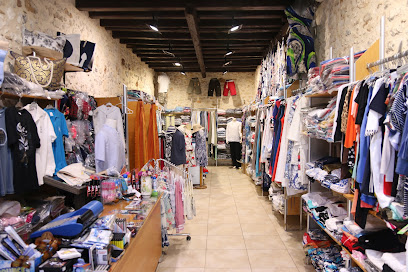
Explore stylish women's clothing at Meiz Boutique in Rethymno, where fashion meets elegance in a charming boutique setting.
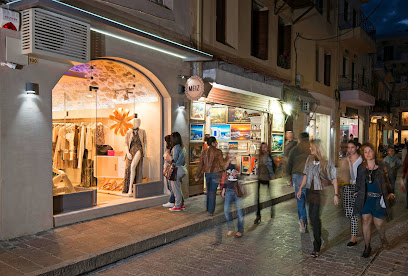
Oh! My Craft
0.4 km
Explore Oh! My Craft, Rethymno's vibrant shopping mall offering unique finds from children's clothing to home essentials, perfect for every tourist.
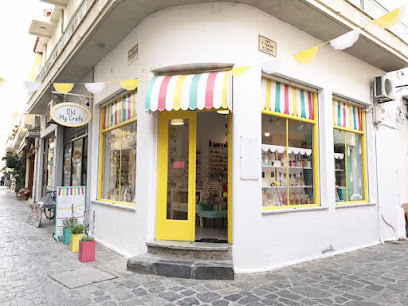
Muses Rethymno
0.5 km
Experience the elegance of Muses Rethymno, a premier women's clothing boutique offering exquisite fashion from Crete, the UK, and Italy.
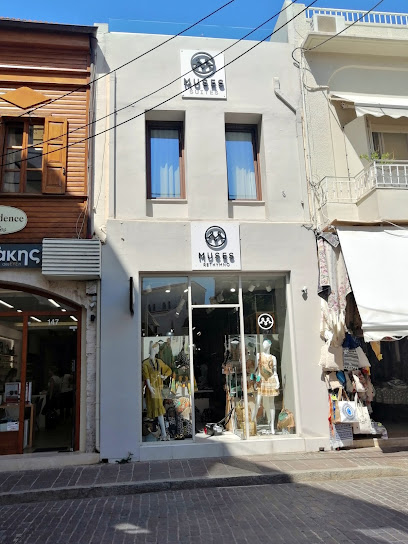
Greek Unique Concept Gift Store
0.5 km
Uncover authentic Greek souvenirs and gifts at the Greek Unique Concept Gift Store in Rethymno, where culture meets craftsmanship.
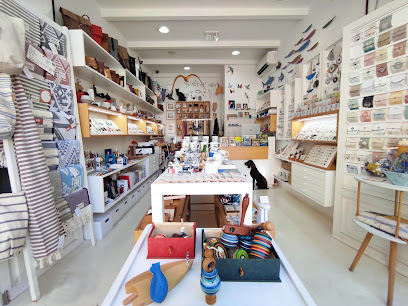
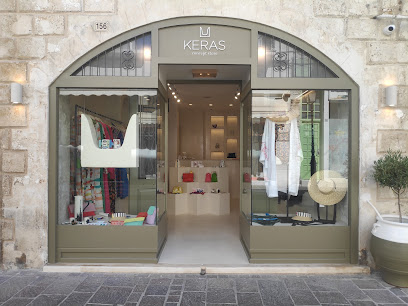
Keras concept store
0.5 km
Explore Keras Concept Store in Rethymno for unique local fashion, accessories, and pottery that embody the spirit of Crete.
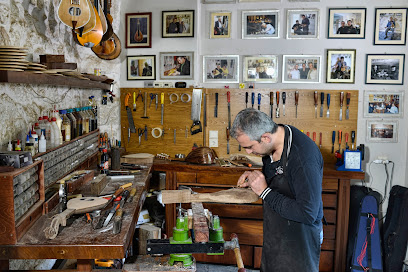
Cretan Lyra workshop - Stagakis museum - Traditional instruments
0.5 km
Explore the heart of Cretan music at the Cretan Lyra workshop, where tradition and craftsmanship converge in Rethymno.
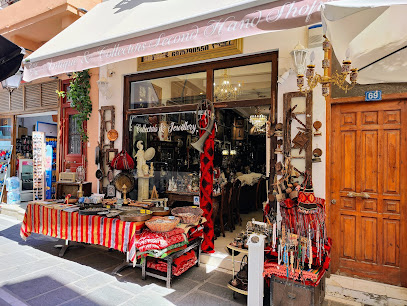
ANTIQUE - CRETE
0.5 km
Uncover unique antiques and cultural treasures at Antique - Crete, a must-visit store in Rethymno for history enthusiasts and collectors.
Treasure Island Rethymno
0.6 km
Explore Treasure Island Rethymno for unique souvenirs that celebrate Cretan culture and craftsmanship, perfect for remembering your trip.
Essential bars & hidden hideouts

Queens Room Club Restaurant
0.4 km
Experience the perfect blend of Asian cuisine and dynamic nightlife at Queens Room Club Restaurant in Rethymno, where every night is a celebration.
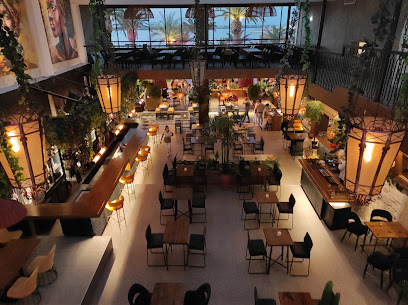
LivingRoom GastroBar Rethymnon
0.4 km
Experience the vibrant flavors of Mediterranean cuisine and crafted cocktails at LivingRoom GastroBar in Rethymnon.
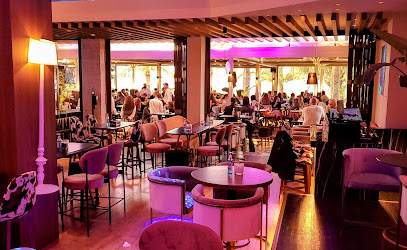
Rewine
0.5 km
Indulge in a world of exquisite wines at Rewine, Rethymno's premier wine bar, offering a cozy atmosphere and exceptional service.
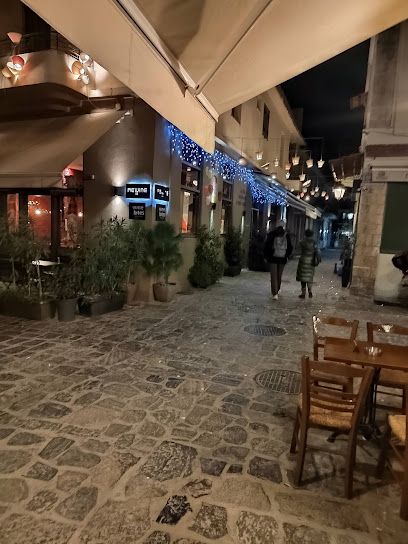
Bonobo Bar
0.5 km
Discover Bonobo Bar: Rethymno’s trendy spot for artisan coffee and vibrant nightlife, blending relaxation and social energy in a stylish setting.
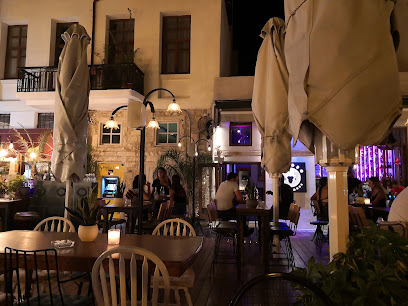
Chaplins
0.5 km
Experience the vibrant atmosphere and delicious cuisine at Chaplins, Rethymno's premier gastropub and bar.
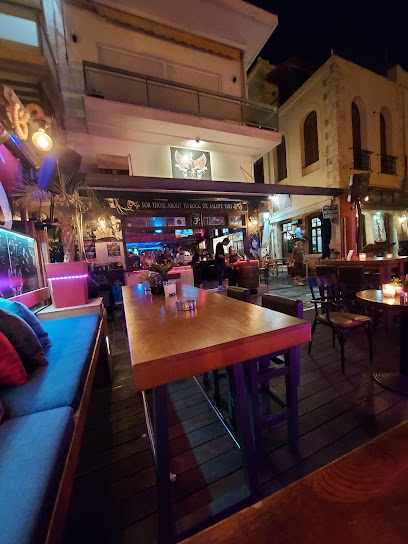
Fraoules
0.6 km
Experience the vibrant café culture of Rethymno at Fraoules, where delightful drinks and delicious bites await in a cozy atmosphere.
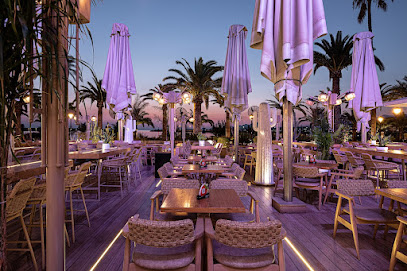
DRINK N ROLL
0.7 km
Discover Rethymno's vibrant cocktail culture at Drink N Roll, where every sip is a celebration of flavor and fun in a lively atmosphere.
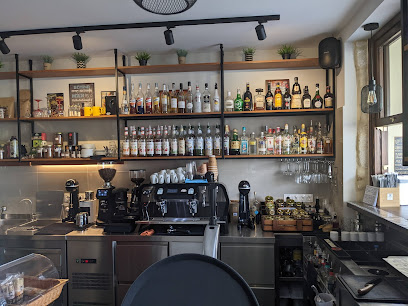
Monitor Art Café
0.7 km
Discover the artistic vibes and refreshing drinks at Monitor Art Café, Rethymno's treasure for culture and relaxation.
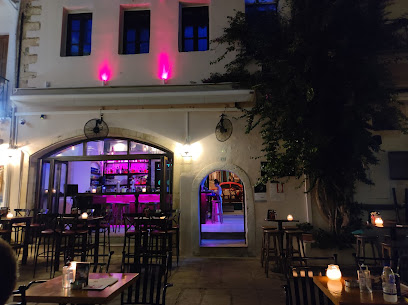
Cul de Sac - Cafe - Bar - Restaurant
0.7 km
Discover Cul de Sac in Rethymno: a perfect blend of coffee shop, cocktail bar, and dining experience amidst the charm of Greece.
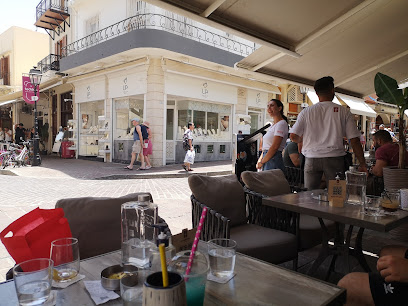
Metropolis Society Bar
0.7 km
Discover the lively nightlife at Metropolis Society Bar in Rethymno, where exquisite cocktails and vibrant ambiance create unforgettable evenings.
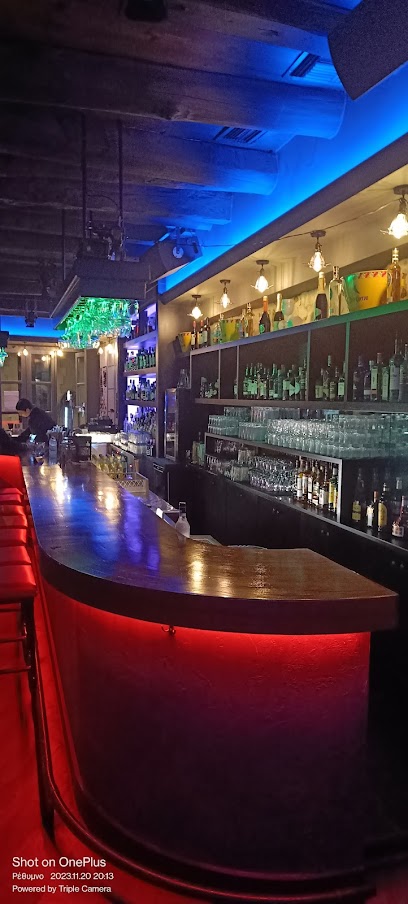
Hunky Funky Cocktail Bar
0.7 km
Experience the vibrant nightlife of Rethymno at Hunky Funky Cocktail Bar, where innovative cocktails meet a lively atmosphere in Greece.
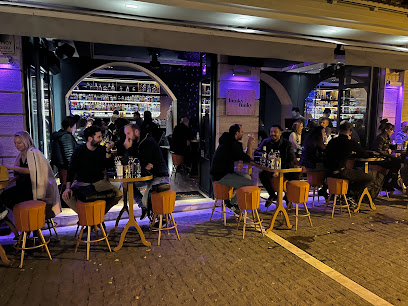
Antika Irish Bar
0.8 km
Experience the vibrant nightlife at Antika Irish Bar in Rethymno, where great drinks, live music, and a cozy atmosphere await.
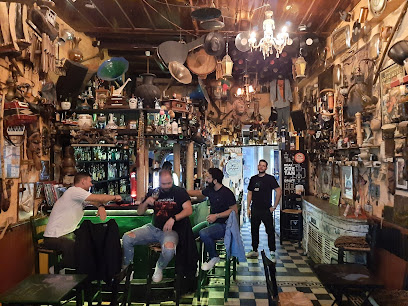
Home Seaside | Cocktail Bar
0.9 km
Discover the vibrant atmosphere of Home Seaside, Rethymno's premier cocktail bar offering stunning sea views and refreshing drinks.
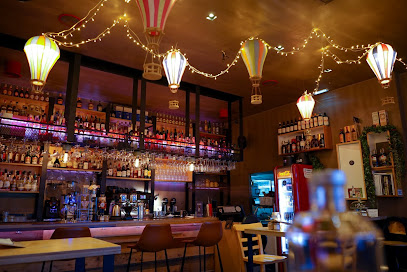
Ηunkyfunkybar cocktail bar
1.3 km
Discover the vibrant atmosphere and exquisite cocktails at Ηunkyfunkybar, Rethymno's premier wine bar, perfect for unwinding after a day of exploration.
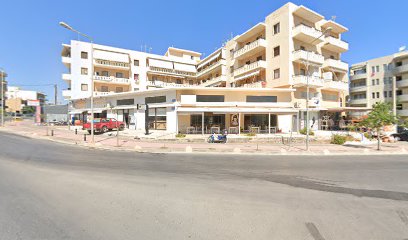
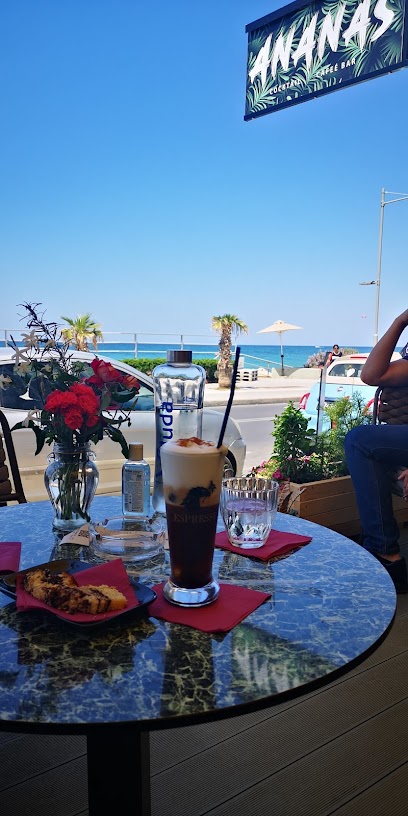
Ananas Cocktail Bar
1.3 km
Experience the tropical delight of Ananas Cocktail Bar in Rethymno, where every sip is a journey through flavor and fun, perfect for night owls and cocktail enthusiasts.
Nightclubs & after hour spots

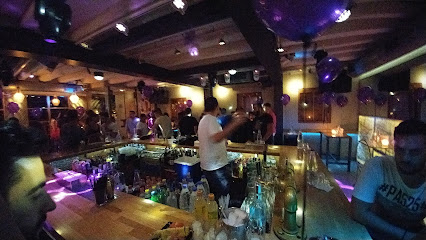
Minibar
0.7 km
Experience Rethymno's nightlife at Minibar—a vibrant night club with music, dancing, and unforgettable moments in the heart of Crete.
Fortezza Lighthouse Bar
0.7 km
Experience the vibrant nightlife at Fortezza Lighthouse Bar in Rethymno, where stunning sea views and refreshing cocktails await to enhance your evening.
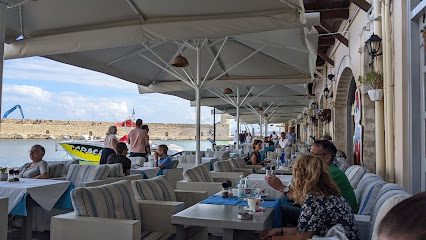
Metropolis Bar Rethymno
0.7 km
Experience the vibrant nightlife at Metropolis Bar Rethymno, where eclectic music and expertly crafted cocktails create an unforgettable evening.
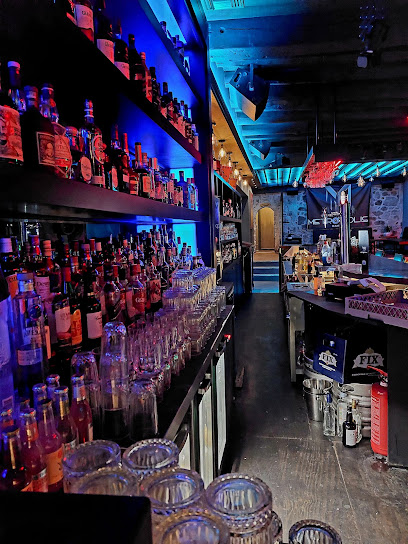
LOUVRO THE CLUB
0.8 km
Louvro The Club: Where Rethymno's Nightlife Comes Alive with Music, Dance, and Unforgettable Experiences.
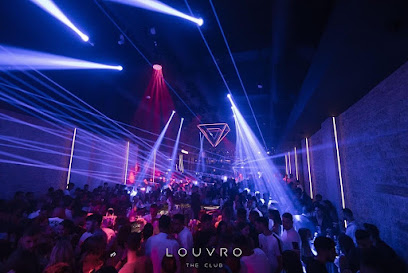
ICE Club Rethymno
0.8 km
Dive into the vibrant nightlife of Rethymno at ICE Club, where electrifying music and a lively atmosphere await every night.
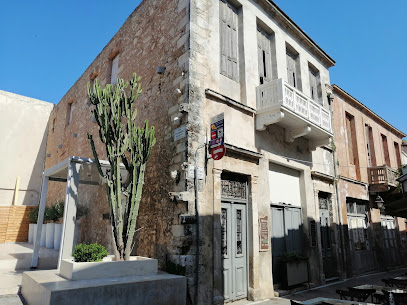
aulaia club
0.8 km
Experience Rethymno's nightlife at Aulaia Club, where music, dance, and vibrant energy unite for an unforgettable evening.
Sexypoppies strip club
44.4 km
Discover exhilarating performances and vibrant nightlife at Sexypoppies Strip Club, a top choice for entertainment in Chania, Greece.
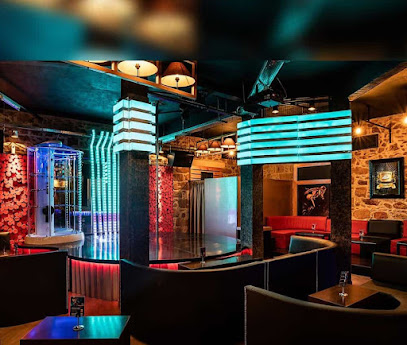
Dolce Vita Club Private
44.6 km
Dolce Vita Club Private: A premier nightlife destination in Chania, Greece, where vibrant music and electrifying energy create unforgettable party experiences.
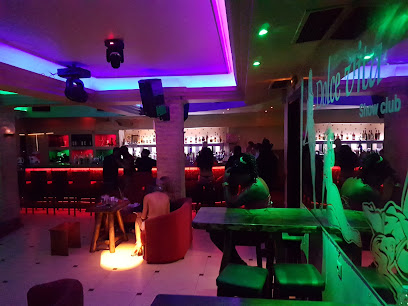
AFTER CHANIA
44.6 km
Experience the vibrant nightlife at AFTER CHANIA, the ultimate night club in Chania, where music, dance, and unforgettable moments come together.
Garage
44.9 km
Discover Garage, Chania's electrifying disco club, where the dance floor comes alive with the latest electronic beats and vibrant nightlife.
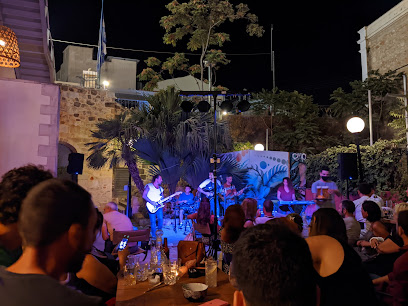
DNA Night Club
45.0 km
Dance the night away at DNA Night Club in Chania, the ultimate destination for vibrant nightlife and unforgettable evenings filled with music and fun.
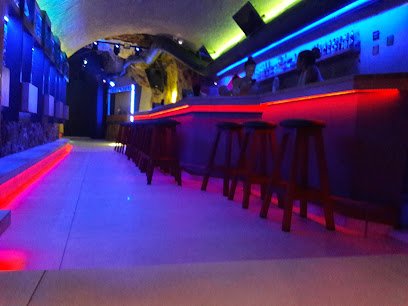
XSchania
45.0 km
Experience the vibrant nightlife of Chania at XSchania, where music, dance, and a stylish atmosphere come together for an unforgettable night out.
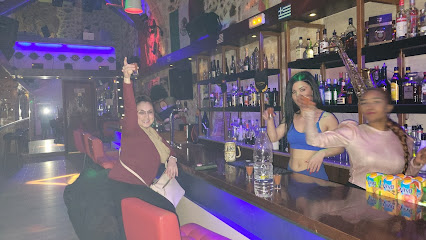
XS CLUB
45.0 km
Experience the vibrant nightlife of Chania at XS CLUB, where music, cocktails, and unforgettable moments come together.
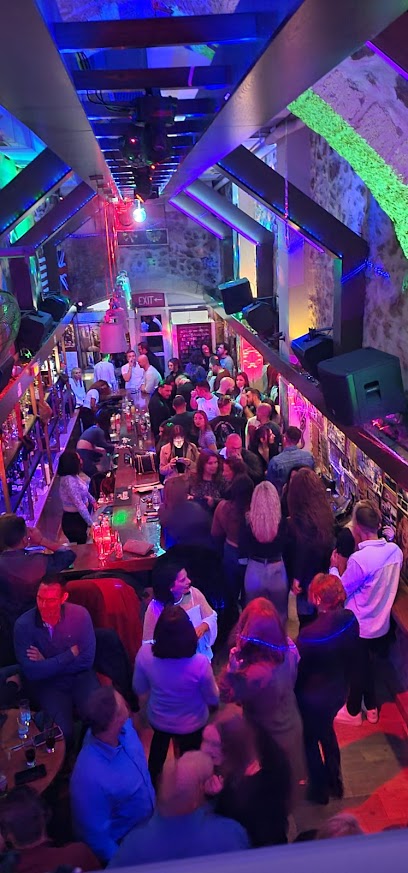
KLIK Bar
45.0 km
Discover the ultimate nightlife experience at KLIK Bar in Chania, where dancing, cocktails, and fun await every night.
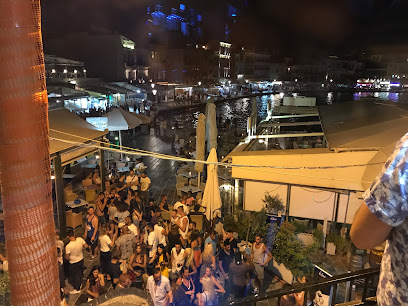
BLESSED CLUB
45.0 km
Discover the vibrant nightlife of Chania at Blessed Club, where electrifying music and creative cocktails create unforgettable memories.