Archaeological Museum of Aigion: A Journey Through Ancient Achaia
Explore Aigion's past in a neoclassical landmark: Discover Neolithic to Roman artifacts at the Archaeological Museum.
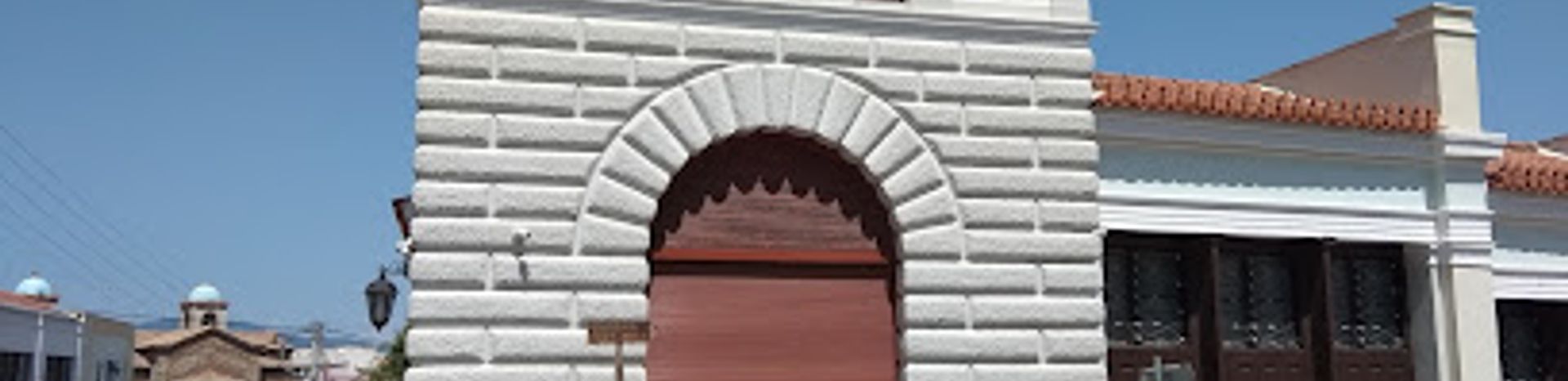
Housed in a beautiful neoclassical building designed by Ernst Ziller, the Archaeological Museum of Aigion showcases finds from the Neolithic period to the Late Roman era, primarily from the town of Aigion and the surrounding region of Aigialeia. Explore artifacts from ancient cities like Aigeira, Kyrenia, and Rypes, offering a glimpse into the rich history of this area of the Peloponnese.
A brief summary to Archaeological Museum of Aigion
- Aigio, 251 00, GR
- +302691021517
- Monday 8:30 am-3:30 pm
- Wednesday 8:30 am-3:30 pm
- Thursday 8:30 am-3:30 pm
- Friday 8:30 am-3:30 pm
- Saturday 8:30 am-3:30 pm
- Sunday 8:30 am-3:30 pm
Local tips
- Check the museum's website or call ahead for the most up-to-date information on opening hours, as they may vary seasonally.
- Combine your visit with a stroll through Aigion's charming town center and explore other local attractions.
- Photography is generally allowed, but it's always a good idea to confirm with museum staff upon arrival.

Getting There
-
Walking
The Archaeological Museum of Aigion is centrally located within Aigion, making it easily accessible on foot from most points in the town center. From the central square (Plateia Agiou Andreou), walk east along the pedestrian street of Agiou Andreou. The museum will be on your left, housed in the old Municipal Market building. The walk is short and straightforward.
-
Public Transport
Aigion's bus station is located a short walk from the museum. From the bus station, head north towards the town center. Turn left onto Agiou Andreou street. Continue walking west; the museum will be on your right. A local bus ticket costs around €1.20.
-
Taxi
Taxis are readily available in Aigion. A short taxi ride from the Aigion train station or the outskirts of town to the Archaeological Museum will typically cost between €5 and €7. Confirm the fare with the driver before starting your journey.
Discover more about Archaeological Museum of Aigion
Iconic landmarks you can’t miss

Mycenaean Cemetery of Voudeni.
26.7 km
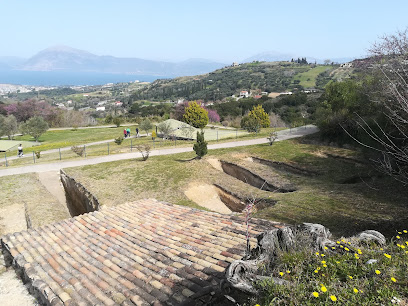
Uncover the mysteries of the Mycenaean civilization at this ancient cemetery near Patras, Greece. Explore tombs and artifacts dating back to 1500 BC.
Nafpaktos
27.0 km
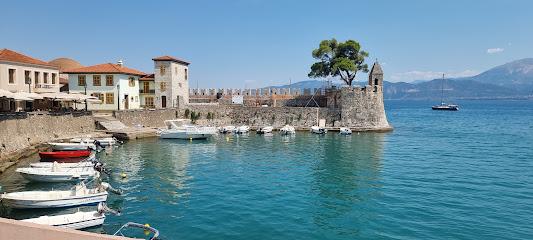
Explore Nafpaktos: A historic Greek town with a Venetian castle, beautiful beaches, and a vibrant harbor on the Corinthian Gulf.
Nafpaktos Venetian Port
27.4 km
Explore the historic Venetian Port of Nafpaktos, a picturesque harbor blending Venetian and Greek charm on the Gulf of Corinth.
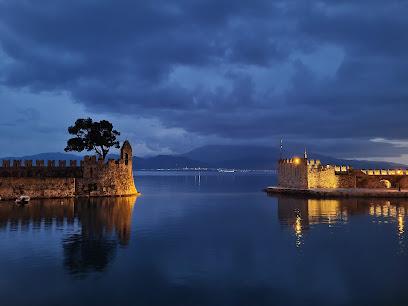
Rio Fortress
27.5 km
Explore the Rio Fortress, a historic guardian of the Corinthian Gulf with centuries of captivating stories and cultural significance.
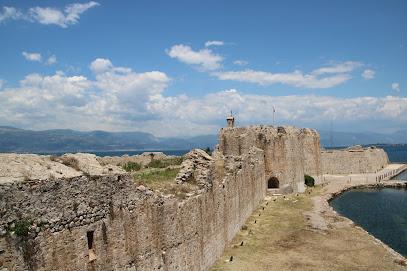
Roman Amphitheatre remains.
30.6 km
Discover the ancient Roman Amphitheatre of Patras, a partially excavated historical site showcasing the city's vibrant Roman past and cultural heritage.
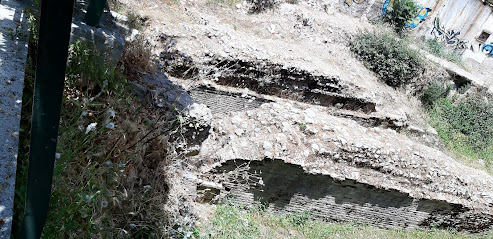
Antic Agora
30.7 km
Step back in time at Patras's Antic Agora, where ancient commerce and civic life come to life amidst classical ruins.
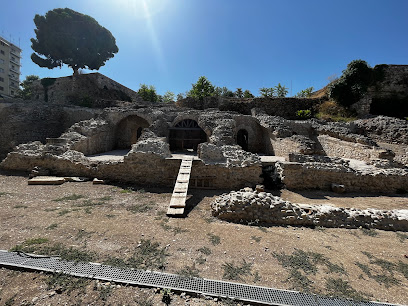
Apollon Theatre
30.8 km
A historic neoclassical theater in Patras, Greece, mirroring La Scala and hosting vibrant cultural performances since 1872.
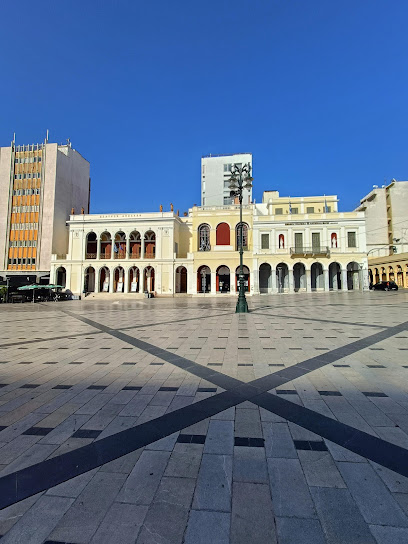
Roman nymphaeum at Kanari street of Patras
30.9 km
Explore the ancient Roman Nymphaeum in Patras, a captivating glimpse into the city's vibrant past and architectural heritage.
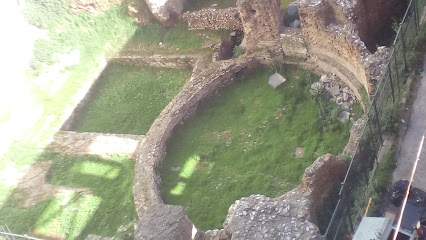
Profitis Ilias Monastery
41.6 km
Discover a peaceful sanctuary near Delphi with stunning views, rich history, and serene gardens at Profitis Ilias Monastery.
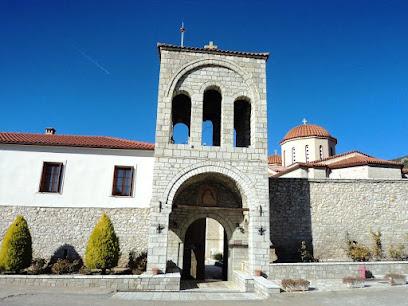
Pavillion
42.5 km
Discover the Pikionis Pavilion in Delphi: A blend of modern architecture, stunning views, and a hub for culture and environmental awareness.
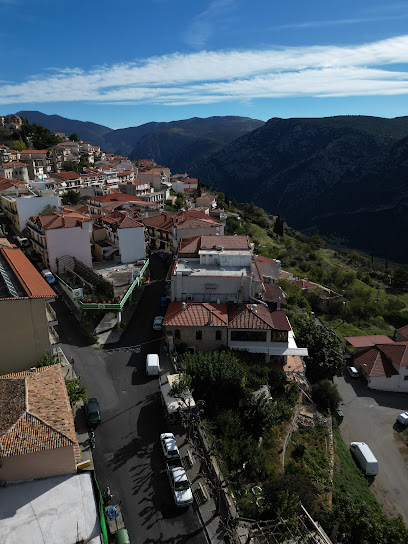
Agia Varvara
42.9 km
Experience the tranquil beauty and rich history of Agia Varvara, a hidden gem in Delphi, Greece, perfect for history lovers and nature enthusiasts alike.
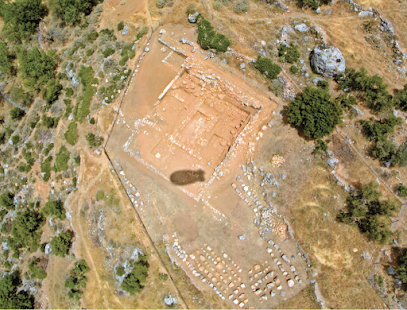
European Cultural Centre of Delphi
43.2 km
Explore the European Cultural Centre of Delphi: Where ancient heritage meets contemporary creativity in a hub of art, culture, and dialogue.
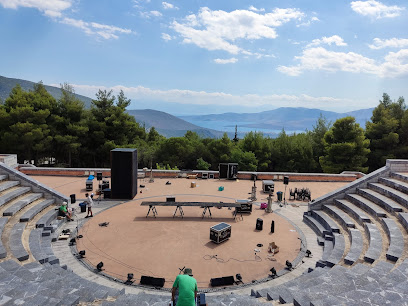
Museum of Delphic Festivals
43.7 km
Explore the Museum of Delphic Festivals in Delphi, Greece, and discover the history of the Delphic Games revival by Angelos and Eva Sikelianos.
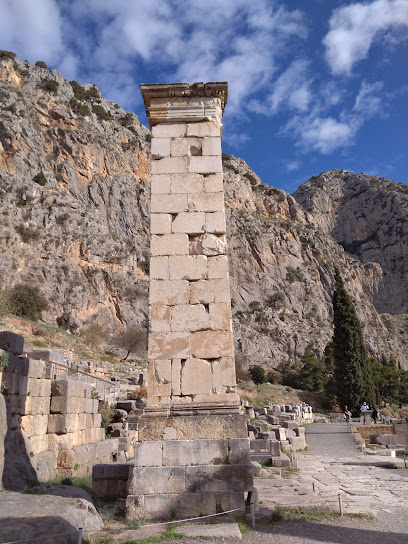
Delphi Flag Gallery
43.7 km
Explore Greek history through vibrant flags at Delphi's open-air museum, offering stunning views and a unique cultural experience.
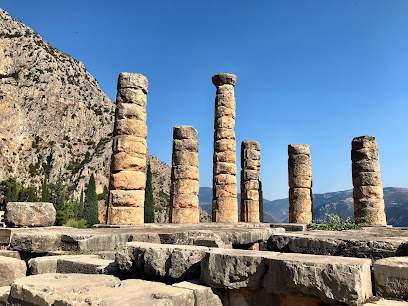
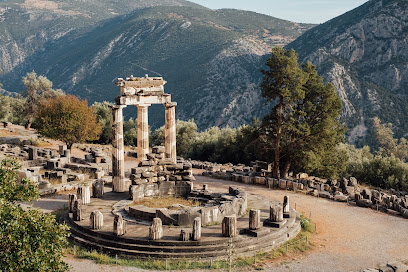
Delphi Archaeological Museum
43.9 km
Discover ancient treasures and immerse yourself in the history of the Delphic Sanctuary at this world-renowned museum in Delphi, Greece.
Unmissable attractions to see

Panagia Tripiti
0.9 km
Discover Panagia Tripiti in Aigio: a cliffside church with a miraculous icon, stunning views, and a rich history dating back to the 16th century.

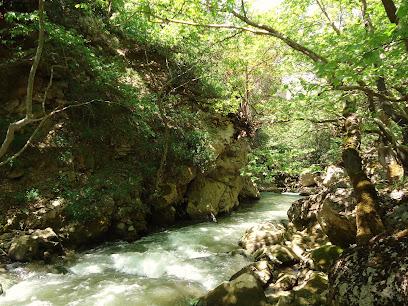
Vouraikos
11.2 km
Explore the enchanting Vouraikos River in Diakopto, Greece, a serene escape into nature with stunning landscapes and unforgettable adventures.
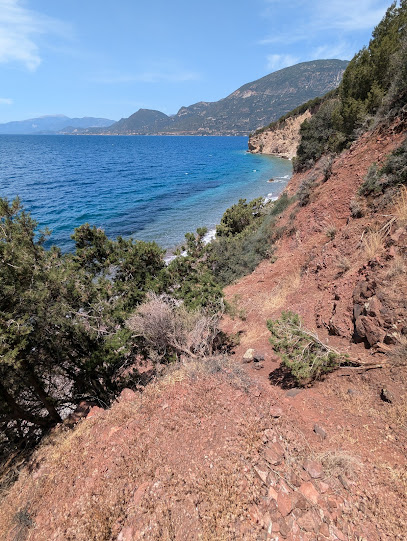
Beachiria
13.5 km
Discover Beachiria, Tolofon's hidden gem: golden sands, crystal waters, and unforgettable sunsets await in this serene Greek paradise.
Stalactite Cave Levavot
13.7 km
Experience the breathtaking beauty of Stalactite Cave Levavot, a natural wonder in Diakopto, Greece, filled with stunning formations and rich history.

Koutsopoules waterfall
17.0 km
Discover the enchanting Koutsopoules Waterfall in Erineos, Greece, a serene sanctuary perfect for nature lovers and adventure seekers alike.
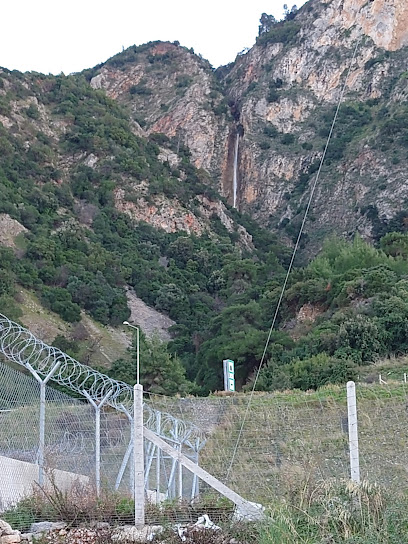
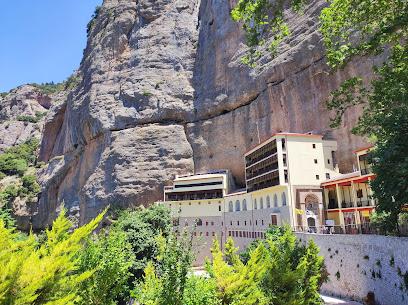
Holy Monastery Mega Spileon
19.7 km
Discover the beauty of Holy Monastery Mega Spileon in Kalavryta, a captivating spiritual retreat offering breathtaking views and rich history.
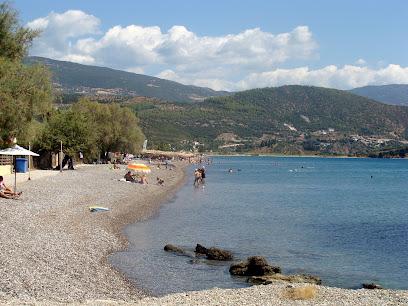
Chiliadou Beach
21.3 km
Discover the tranquil beauty of Chiliadou Beach, a serene public beach in Greece with crystal-clear waters and stunning natural surroundings.
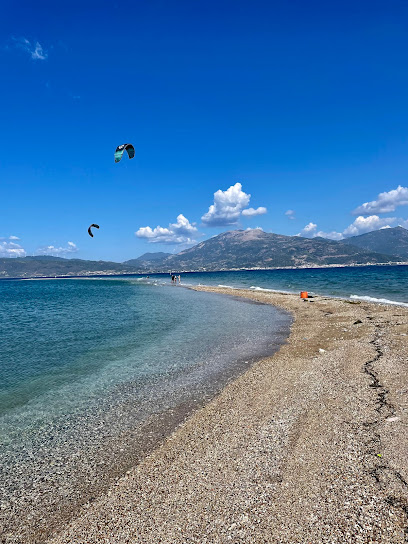
Drepano Beach
22.0 km
Discover Drepano Beach in Rio: golden sands, crystal waters, and authentic Greek flavors await in this serene coastal escape.
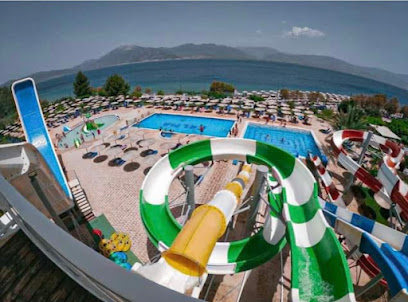
Calma Waterpark
22.0 km
Experience a day of aquatic fun and relaxation at Calma Waterpark in Drepano, with thrilling slides and refreshing pools for all ages.
Limni Tsivlou
23.3 km
Experience the serene beauty of Limni Tsivlou, a picturesque lake surrounded by lush landscapes in Akrata, Greece.
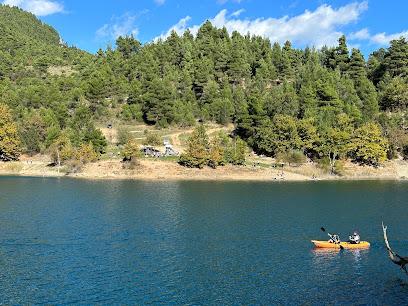
Tsivlos
23.8 km
Explore the breathtaking landscapes, tranquil lakes, and rich culture of Tsivlos, a hidden gem in Greece perfect for relaxation and outdoor adventures.

Lykóporta
23.8 km
Explore the serene hiking trails of Lykóporta in Greece, where stunning landscapes and tranquil nature await every adventurer.

Odontotos Rack Railway
24.5 km
Experience the breathtaking Odontotos Rack Railway journey through Greece's stunning Vouraikos Gorge, a perfect blend of nature and history.

Municipal Museum of Kalavritan Holocaust
24.5 km
Discover the poignant history of the Municipal Museum of Kalavritan Holocaust in Kalavryta, a tribute to resilience and remembrance.
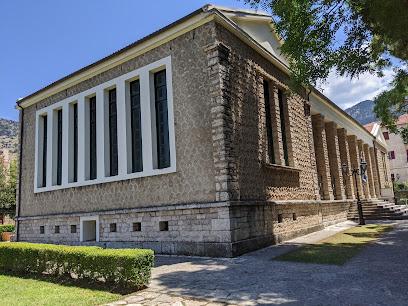
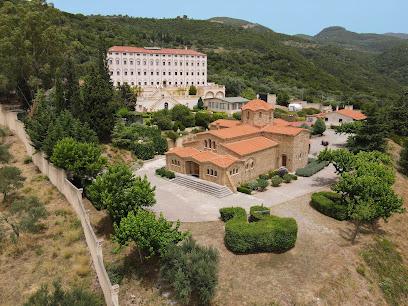
Saint Nektarios & Fanourios Holy Orthodox Monastery
25.9 km
Discover the tranquil beauty and spiritual depth of the Saint Nektarios & Fanourios Holy Orthodox Monastery, a true gem of Greece's cultural heritage.
Essential places to dine

Kouzina Loi
27.4 km
Discover the authentic taste of Greece at Kouzina Loi in Nafpaktos – where tradition meets culinary innovation.
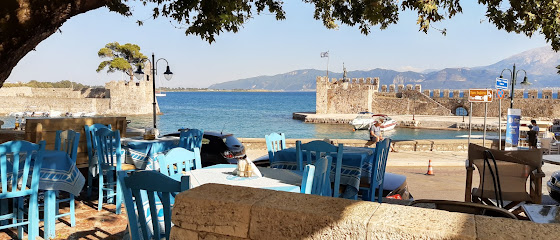
Distinto Rio
27.8 km
Discover the culinary charm of Distinto Rio in Patras - where local flavors meet modern cuisine in an inviting atmosphere.
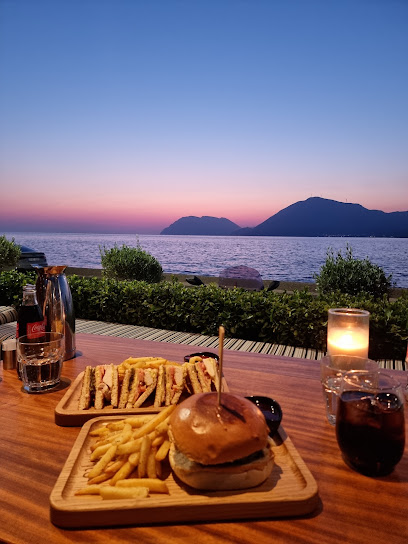
Taverna Porto
29.3 km
Discover authentic Greek cuisine at Taverna Porto in Galaxidi – where fresh ingredients meet stunning seaside views.
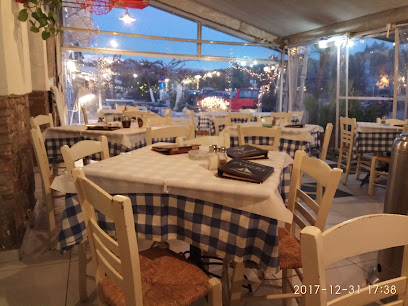
Skeletóbrachos
29.6 km
Discover the flavors of Greece at Skeletóbrachos - where fresh seafood meets authentic Greek hospitality in stunning Galaxidi.
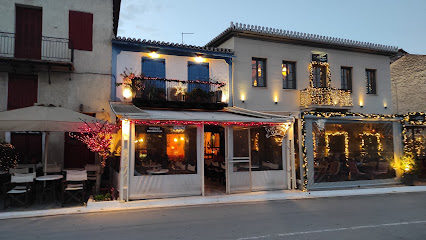
Labyrinthos
30.4 km
Experience authentic Mediterranean flavors at Labyrinthos in Patras – where culinary artistry meets a warm ambiance.
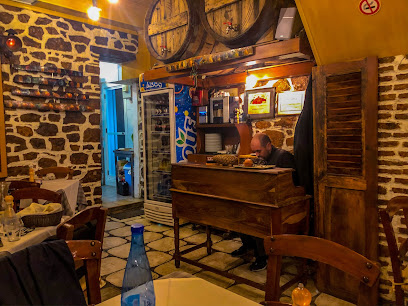
Chasoméri
30.4 km
Discover Chasoméri in Patras: Savor authentic Greek cuisine with fresh ingredients in a welcoming atmosphere.
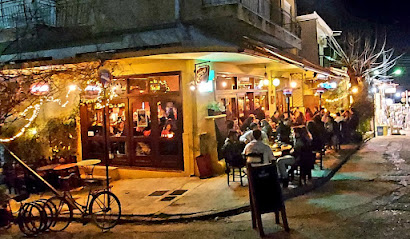
Fagioum
30.4 km
Discover Fagioum in Patras: where traditional Greek flavors meet modern culinary artistry in an inviting atmosphere.
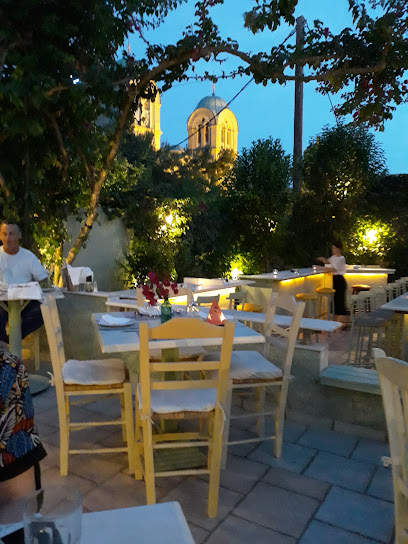
Καστράκι Ουζερί
30.4 km
Discover the flavors of Greece at Καστράκι Ουζερί in Patras – where every dish tells a story.
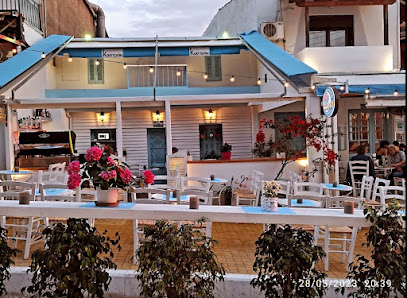
O Mylos-petrino (Patras)
30.4 km
Discover O Mylos-petrino in Patras for an unforgettable blend of traditional Greek cuisine and interactive hot pot dining.
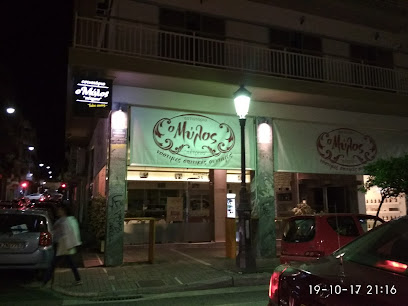
Το Κουτούκι
30.4 km
Discover the essence of Greek cuisine at Το Κουτούκι in Patras – where every dish tells a story of tradition and flavor.
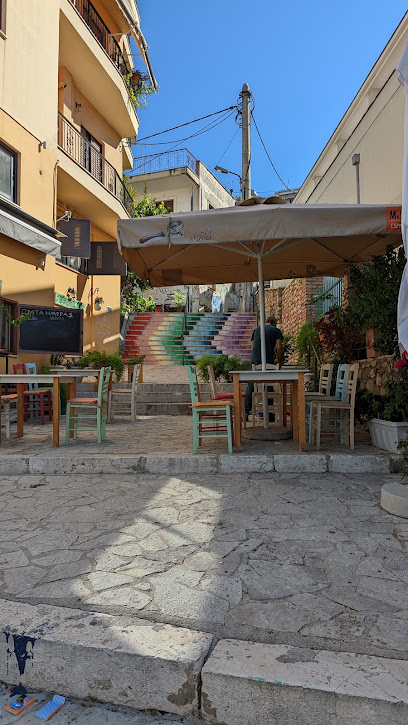
Argo
30.4 km
Experience authentic Greek cuisine at Argo in Patras—where tradition meets modern flavor.
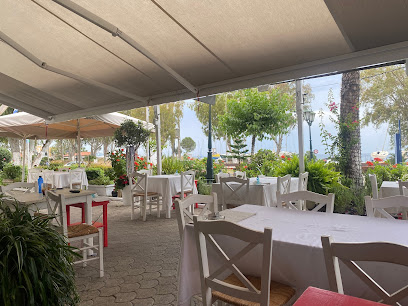
Sinialo
30.5 km
Experience the authentic taste of Greece at Sinialo – where delightful small plates meet warm hospitality in Patras.
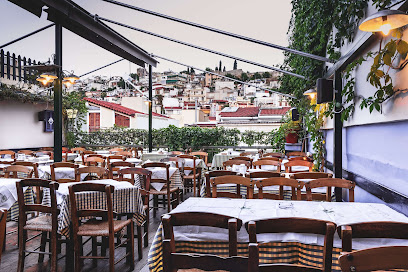
Kagiana
30.5 km
Discover the flavors of Western cuisine at Kagiana in Patras – where culinary tradition meets modern taste.
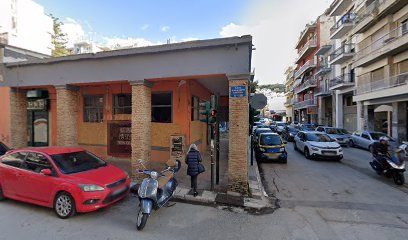
Santa Rosa
30.6 km
Experience authentic Greek flavors at Santa Rosa in Patras – where culinary tradition meets modern dining.
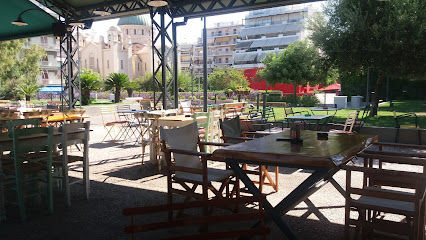
Yiamas Μεζεδοπωλείο - Cafe All day Bar Patra
30.6 km
Experience authentic Greek cuisine at Yiamas Μεζεδοπωλείο in Patra - where small plates meet great wines in a welcoming atmosphere.
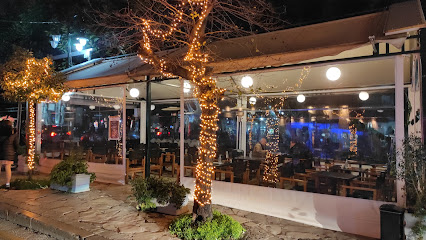
Markets, malls and hidden boutiques

MoveStores - s.Oliver - Patra
28.7 km
Explore the stylish s.Oliver store in Patras, offering trendy apparel for men, women, and youth at great prices in a chic shopping atmosphere.

Patra Mall
28.7 km
Experience the vibrant atmosphere of Patra Mall, where shopping, dining, and entertainment come together in the heart of Patras, Greece.
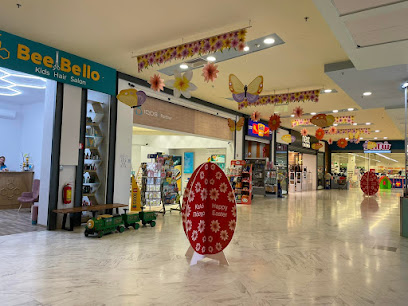
Soho outlet
29.5 km
Unveil your fashion potential at Soho Outlet, Patras - a stylish clothing store offering trendy apparel and unbeatable bargains.

Samovar natural cosmetics
30.5 km
Explore the essence of Greek nature with luxurious organic cosmetics at Samovar in Patras.
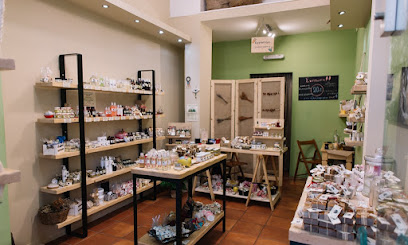
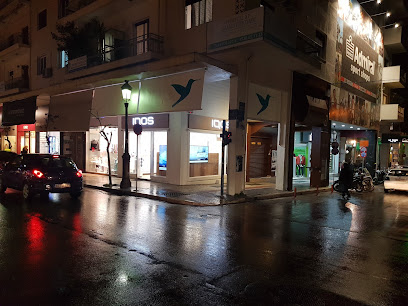
IQOS BOUTIQUE STORE ΠΑΤΡΑ
30.6 km
Explore the latest in tobacco and vaporizer products at the IQOS Boutique Store in Patras, where modern innovation meets tradition.
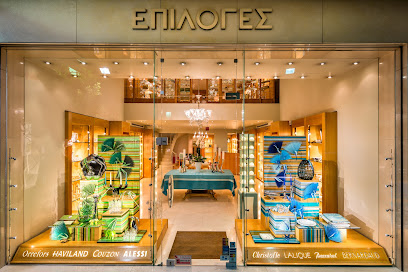
Epiloges Aikaterini Kaissari O.E.
30.6 km
Discover unique gifts and local treasures at Epiloges Aikaterini Kaissari O.E. in Patras, Greece, perfect for souvenirs and special keepsakes.
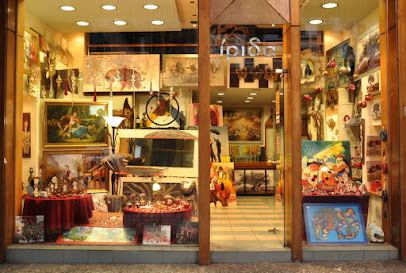
Irida
30.7 km
Discover Irida, a unique gift shop and art gallery in Patras, Greece, offering exquisite handmade crafts and local artworks for the perfect souvenir.
Citrus Store
30.7 km
Explore Citrus Store in Patras for unique clothing and footwear that blends modern trends with local flair, perfect for fashion enthusiasts.

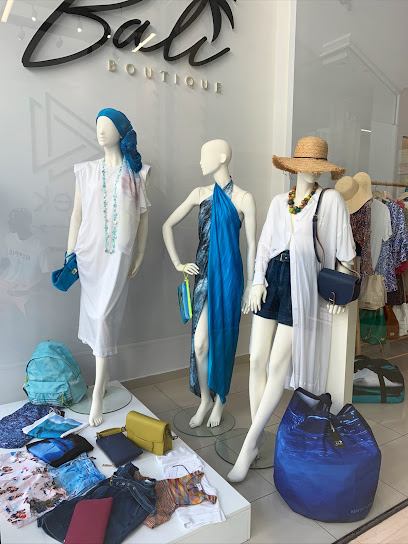
Bali Boutique
30.7 km
Explore Bali Boutique in Patras for chic dresses and exceptional style, catering to every fashionista's wardrobe desires.
ELEVEN-OUTLET
30.7 km
Explore an eclectic collection of vintage fashion at ELEVEN-OUTLET in Patras, where unique style meets local charm in a treasure trove of timeless treasures.
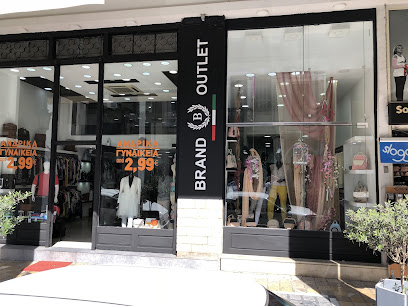
Marks & Spencer
30.7 km
Explore stylish clothing and essentials at Marks & Spencer in Patras, where quality meets affordability in a delightful shopping experience.
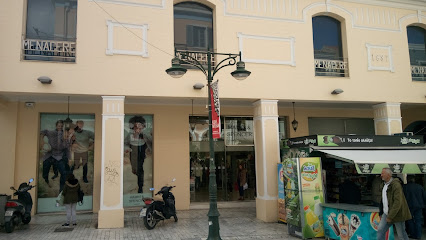
Petsinis Konstantinos
30.7 km
Explore the charm of Patras through unique gifts and local treasures at Petsinis Konstantinos, the perfect spot for a memorable shopping experience.
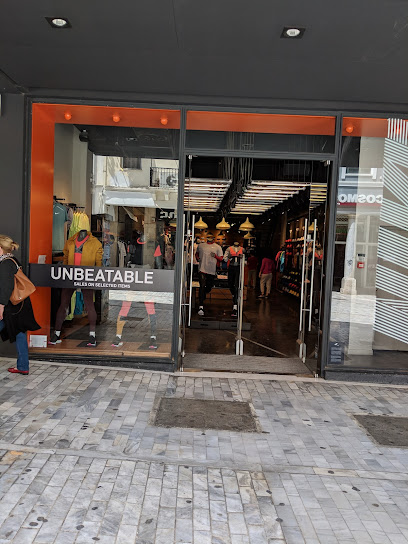
Nike Store
30.7 km
Explore the Nike Store in Patras for premium sportswear, footwear, and accessories in a vibrant shopping experience.
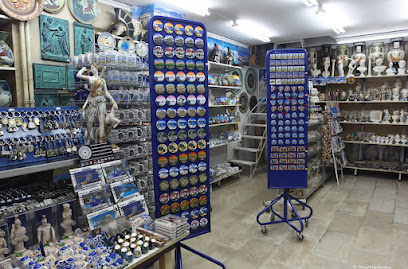
Souvenirs Patras Greece
30.7 km
Explore Souvenirs Patras, a treasure trove of unique keepsakes and local crafts that embody the vibrant spirit of Greece.
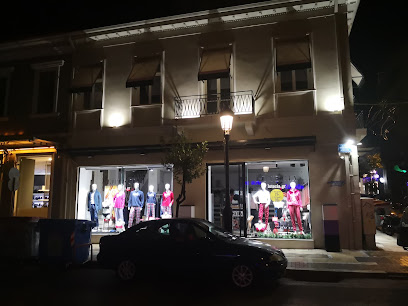
Lutecia
30.7 km
Explore Lutecia in Patras for a stunning selection of lingerie and swimwear that blends style, comfort, and elegance for every body type.
Essential bars & hidden hideouts

Tam Toom
26.1 km
Experience the vibrant atmosphere and exquisite Mediterranean flavors at Tam Toom in Akteo, Greece, a perfect spot for food lovers and socializers.
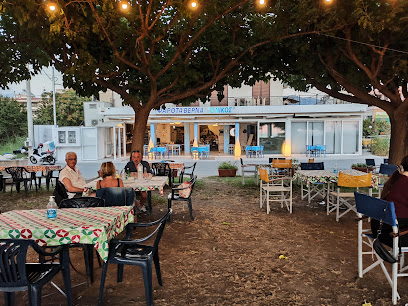
Taratsa 360 wine bar
27.4 km
Discover the exquisite flavors and stunning views at Taratsa 360 Wine Bar in Nafpaktos, where every sip tells a story.
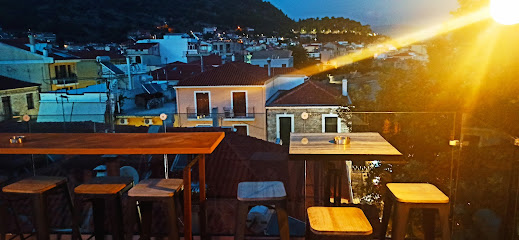
Χαβάη Surf Bar
27.4 km
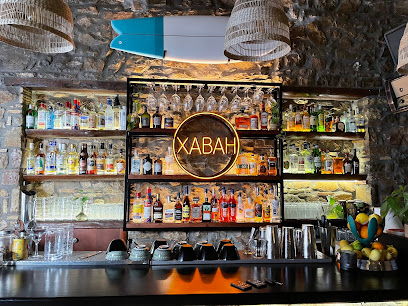
Discover Χαβάη Surf Bar in Nafpaktos for an unforgettable cocktail experience filled with vibrant atmosphere and tropical vibes.
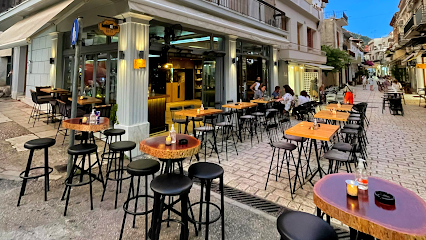
Mirror 1571 cafe bar
27.5 km
Experience the vibrant atmosphere of Mirror 1571 Cafe Bar in Nafpaktos, where exquisite drinks and delightful ambiance come together.
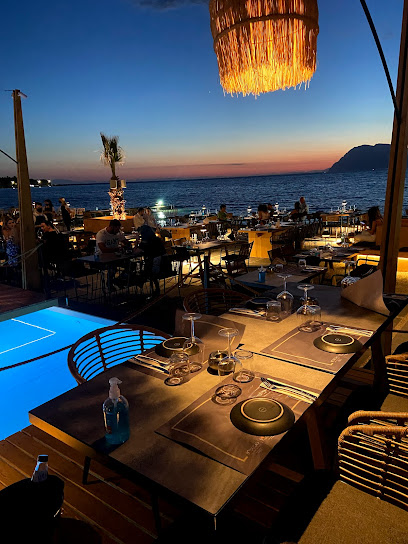
Bodegas Summer
29.1 km
Experience the elegance of Bodegas Summer in Patras, Greece, where fine dining meets vibrant nightlife on the stunning Mabrouk coast.
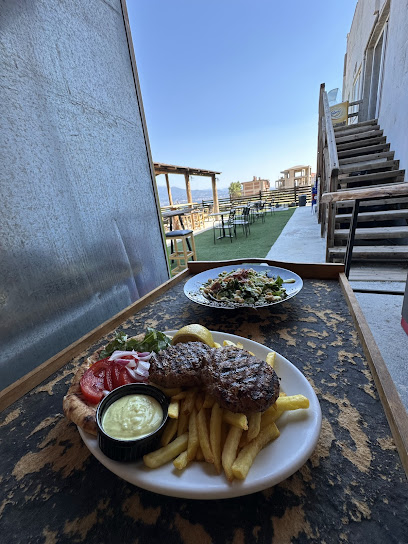
Ovenly beach bar west
29.6 km
Experience the perfect blend of beach vibes and gourmet grilling at Ovenly Beach Bar in Platanitis, where every meal is a seaside celebration.
Vino Divino
30.1 km
Discover the vibrant atmosphere and exquisite wine selection at Vino Divino, a must-visit bar in Patras, Greece.
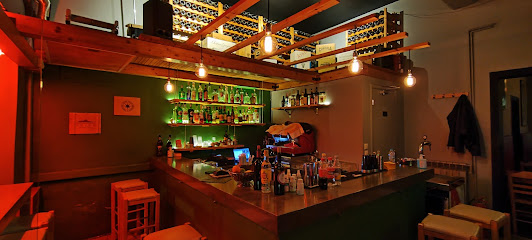
Kolwnaki | Cocktail bar
30.3 km
Discover Kolwnaki, the vibrant cocktail bar in Patras, Greece, where exquisite drinks and a lively atmosphere await every visitor.
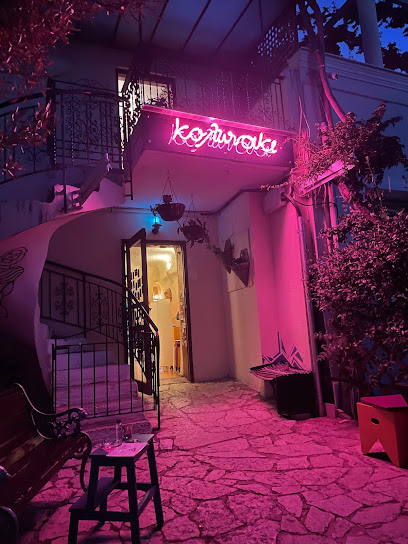
Manivela Soul Bar
30.3 km
Manivela Soul Bar in Patras: A lively blend of culture and flavors, perfect for coffee lovers and nightlife enthusiasts alike.
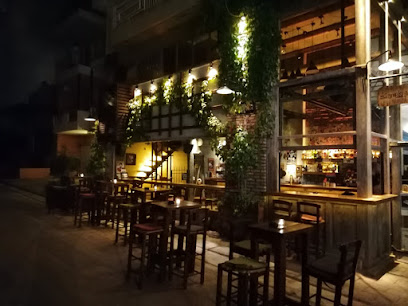
Quinta Cocktail bar
30.5 km
Discover Quinta Cocktail Bar in Patras, where vibrant cocktails meet a relaxing atmosphere, perfect for unwinding after a day of exploration.
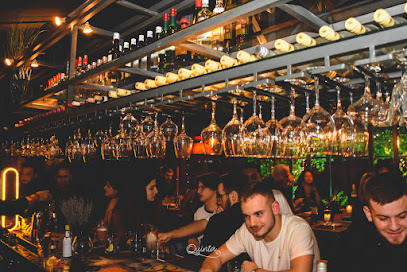
Rodon
30.5 km
Experience the vibrant nightlife of Patras at Rodon, a premier bar known for its exquisite cocktails and lively atmosphere, perfect for any night out.
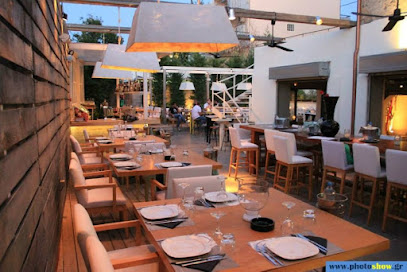
W Sea Side
30.5 km
Discover W Sea Side, a vibrant coastal bar in Patras, offering breathtaking views, refreshing drinks, and a lively atmosphere perfect for relaxation.
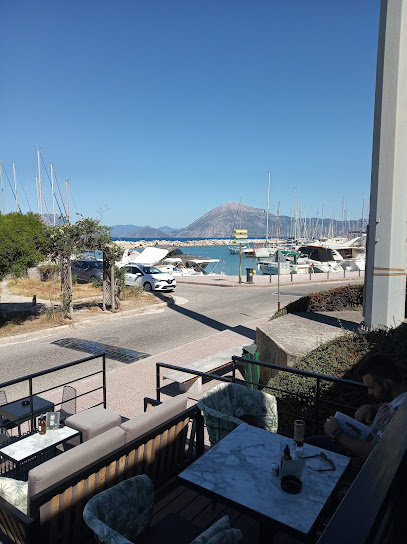
Bocas
30.5 km
Experience vibrant nightlife at Bocas, a premier bar and musical club in Patras offering live music, unique cocktails, and a lively atmosphere.
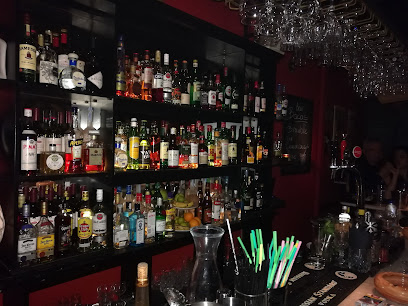
Patrasso Cava & Bar
30.6 km
Discover the vibrant nightlife of Patras at Patrasso Cava & Bar, where great drinks meet a welcoming atmosphere.

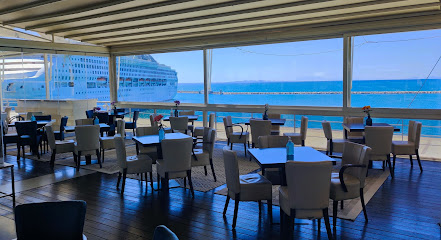
Deck
30.6 km
Discover the vibrant atmosphere of Deck in Patras, where great food and drinks come together in a cozy setting.
Nightclubs & after hour spots

Volcano Patra
21.4 km
Discover the electrifying nightlife at Volcano Patra in Drepano, Greece, where vibrant music meets an unforgettable party atmosphere.
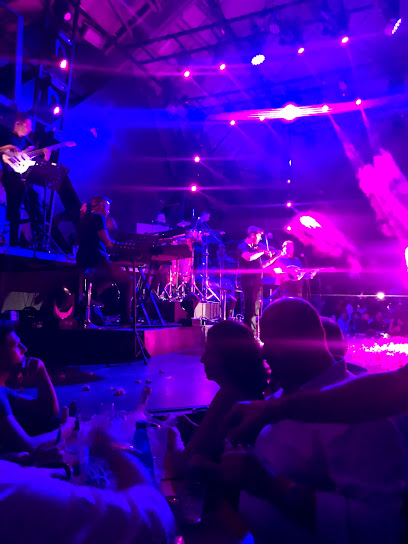
Medusa New Age Club
23.4 km
Discover Akrata's vibrant nightlife at Medusa New Age Club, where dance, music, and unforgettable memories await every night.
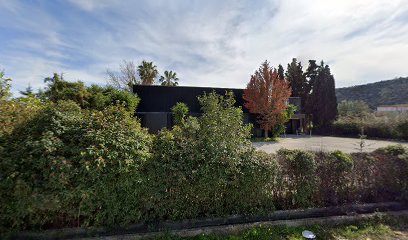
O'mega Yacht Club
29.1 km
Uncover the vibrant nightlife of Patras at O'mega Yacht Club, where exceptional music and drinks create unforgettable moments.
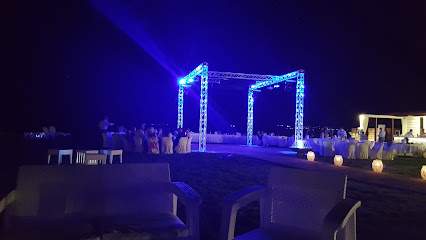
No Class
30.5 km
Discover the electrifying atmosphere of No Class, Patras' vibrant rock music club, where unforgettable nights and live performances await.
Navona Club Di Oggi
30.6 km
Discover the energetic nightlife of Patras at Navona Club Di Oggi, where music and dance create unforgettable memories.

OMNIA downtown
30.6 km
Discover the electrifying nightlife at OMNIA Downtown, Patras' premier night club, where music, dance, and vibrant energy come together.
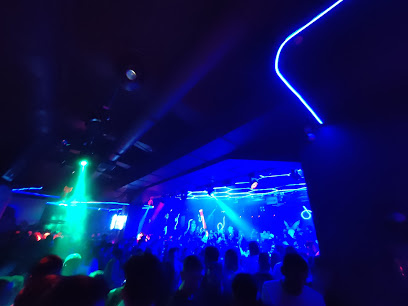
Mod's Club
30.7 km
Discover the electrifying nightlife at Mod's Club in Patras, where music, dance, and vibrant energy unite for an unforgettable experience.
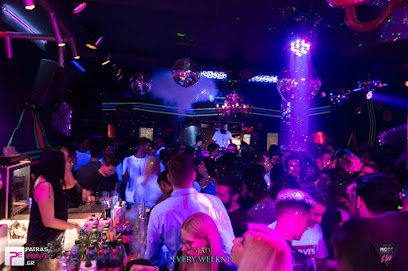
Magenda
30.9 km
Dive into the iconic nightlife of Patras at Magenda, where every night offers exhilarating music, delicious drinks, and a vibrant atmosphere.
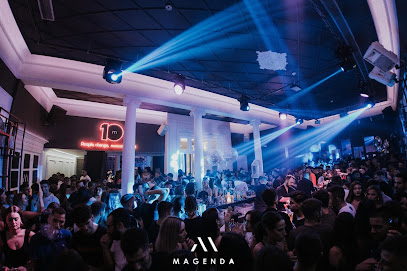
Saint Club
30.9 km
Dive into the energetic nightlife at Saint Club, the premier night club in Patras, Greece, where unforgettable experiences await every visitor.
Edem Nightclub
30.9 km
Dive into the vibrant nightlife of Patras at Edem Nightclub, where unforgettable dance experiences and lively music await every night.
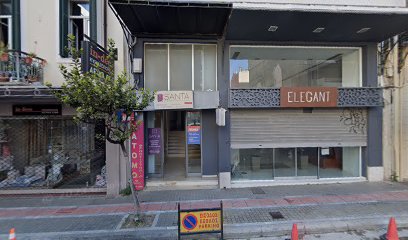
Tao Night Spot
31.0 km
Dive into the electrifying nightlife at Tao Night Spot, a premier nightclub in Patras, Greece, known for its vibrant atmosphere and exciting events.
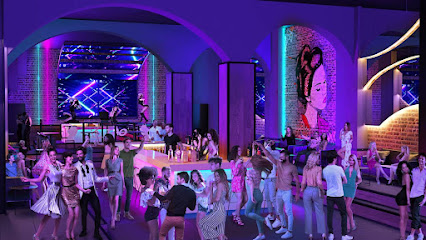
Μπουάτ
31.0 km
Unleash your spirit at Μπουάτ, Patras' premier night club for dancing, socializing, and vibrant entertainment.
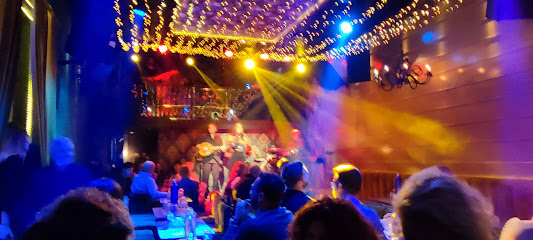
Vips Ellinadiko
31.1 km
Discover the electrifying nightlife at Vips Ellinadiko, a premier night club in Patras, offering vibrant music and an unforgettable atmosphere.
Asteria
31.5 km
Experience the vibrant nightlife of Patras at Asteria, where music, dancing, and unforgettable moments come alive until dawn.
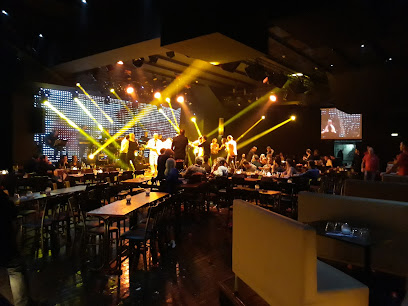
Kiosky Party Zorianos
34.3 km
Experience electrifying nightlife at Kiosky Party Zorianos, the ultimate night club in Vardousia, Greece, where music and fun converge.