

Free Carriacou and Petite Martinique Travel Guide & Mobile App
Explore Carriacou and Petite Martinique with free travel guides. Discover regional history, expert tips, proposed trips, and audio guides on web or mobile app.


Explore Carriacou and Petite Martinique in Grenada for sailing, reefs, boatbuilding, island food, music and quiet Caribbean villages.
Read more about Carriacou and Petite Martinique
When is the best time to visit Carriacou and Petite Martinique?
Best: January–March · 29–30°C| Month | High (°C) | Rainfall (mm) |
|---|---|---|
| January (best) | 29 | 60 |
| February (best) | 29 | 50 |
| March (best) | 30 | 50 |
| April | 30 | 60 |
| May | 31 | 90 |
| June | 31 | 120 |
| July | 31 | 140 |
| August | 31 | 150 |
| September | 31 | 160 |
| October | 30 | 160 |
| November | 30 | 120 |
| December | 30 | 80 |
Getting to and around Carriacou and Petite Martinique
How to get there
Transportation
Top city travel guides in Carriacou and Petite Martinique
The cities of Carriacou and Petite Martinique, and the easiest places to base yourself.

Swipe for more cities
Best attractions in Carriacou and Petite Martinique
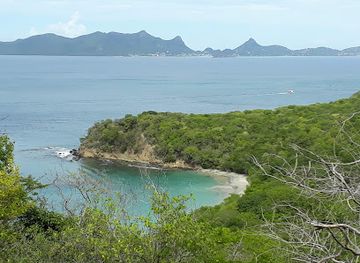
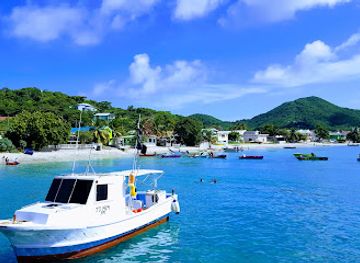
Carriacou’s attractions combine beaches, reefs, working harbours and cultural sites rather than large resort complexes. Hillsborough provides the Carriacou Museum and access to the island’s everyday waterfront life, while Tyrell Bay is a starting point for sailing, fishing, diving and trips to nearby Sandy Island. Sandy Island is valued for its beach, shallow reef environment and views across the Grenadine seascape, although access and facilities can vary with weather and conservation conditions. Paradise Beach and other coastal areas offer swimming and snorkelling opportunities, while Anse La Roche is associated with a more secluded, nature-focused beach setting. Inland roads lead through dry hills, small farms and villages, with viewpoints over bays and neighbouring islands. Windward is important for traditional wooden boatbuilding, and local cultural experiences may include Big Drum, string-band music and seasonal celebrations. Petite Martinique offers a compact island landscape, fishing activity and quiet coastal exploration rather than a long list of formal attractions. Diving and snorkelling should be arranged with reputable local providers and undertaken according to current sea conditions, reef guidance and safety advice.
-
Tourist attraction
Tyrell Bay Beach
Discover Tyrell Bay Beach in Carriacou: a serene escape with calm waters, white sand, and a laid-back Caribbean vibe. Perfect for relaxation and yachting.
-
Nature preserve
Anse La Roche Bay
Discover Carriacou's hidden gem: Anse La Roche, a secluded beach with pristine sands, turquoise waters, and vibrant marine life.
-
Visitor center
The Carriacou & Petite Martinique Tourism Association
Discover Carriacou & Petite Martinique: Your gateway to unspoiled Caribbean beauty, pristine beaches, vibrant culture, and boat-building traditions.
-
Hiking area
The Piton
Hike The Piton in Grenada for lush trails, stunning views, and a memorable Caribbean adventure. Perfect for nature lovers and adventure seekers!
Best landmarks in Carriacou and Petite Martinique
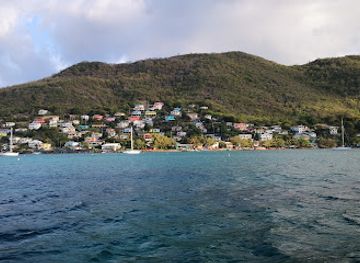
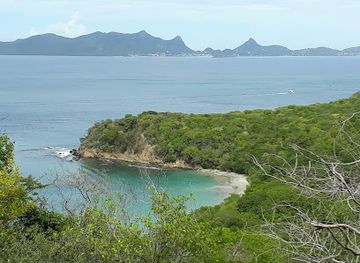
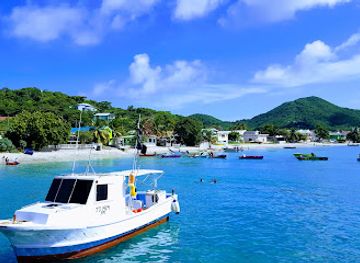
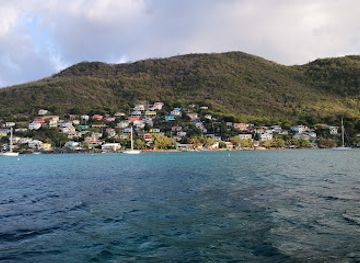
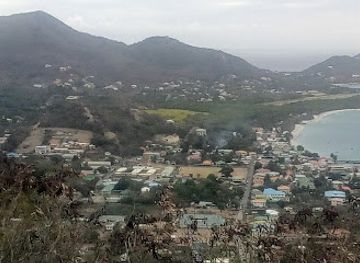
Hillsborough’s waterfront and harbour are the most recognisable civic landscape on Carriacou, concentrating ferry arrivals, local trade and views across the bay. The Carriacou Museum in the town records aspects of the island’s Indigenous, colonial and maritime past. Windward’s traditional boatyards are living maritime landmarks: their significance lies not in monumental architecture but in the survival of wooden boatbuilding knowledge within a working community. The island’s churches, village roads and scattered historic homes reveal the settlement pattern created by plantation society, emancipation and later small-scale farming and fishing. Offshore, Sandy Island is a geographical landmark as well as a recreational destination, its low strip of sand and vegetation contrasting with Carriacou’s dry hills. Petite Martinique’s steep central profile, compact fishing settlements and surrounding waters form a distinctive landmark landscape within the Grenada state. Coastal headlands, bays and reef-fringed beaches complete the visual identity of the island group, though storm damage and natural change can alter their appearance and access.
-
Tourist attraction
Tyrell Bay Beach
Discover the serene beauty of Tyrell Bay Beach in Carriacou, Grenada: a perfect blend of relaxation, natural beauty, and Caribbean charm.
-
Nature preserve
Anse La Roche Bay
Discover Anse La Roche Bay in Carriacou: a secluded beach paradise with stunning snorkeling, lush scenery, and tranquil vibes.
-
Visitor center
The Carriacou & Petite Martinique Tourism Association
Discover Carriacou & Petite Martinique: Unspoiled Caribbean beauty, pristine beaches, vibrant culture, and world-class diving await!
-
Museum
Carriacou Museum
Discover Carriacou's vibrant history and culture at the Carriacou Museum, showcasing Amerindian, African, and European heritage.
Explore Carriacou and Petite Martinique on the map
Plan your trip on one map. See where the top cities, national parks and sights are, and book hotels and experiences in a few clicks.
Best hotels in Carriacou and Petite Martinique
Best restaurants in Carriacou and Petite Martinique
Dining on Carriacou and Petite Martinique reflects the islands’ fishing culture, Grenadian seasoning and practical reliance on locally available produce. Fresh fish, lobster when legally in season and available, conch, chicken, rice, provisions and vegetable-based dishes appear in homes, small restaurants and informal waterfront establishments. Oil down, Grenada’s national one-pot dish, may be available alongside local soups, fried fish, roti and Creole-influenced cooking, though menus vary by island and by the day’s supply. Hillsborough and Tyrell Bay provide the broadest choice of cafés, guesthouse kitchens, casual restaurants and bars, while Petite Martinique’s food scene is smaller and closely linked to community life and fishing. Ask about fishermen’s catch, seasonal restrictions and daily specials rather than expecting every seafood item year-round. Rum, local juices and Caribbean-style drinks accompany meals, and market or shop supplies can be useful for picnics on beach and boat excursions.
-
Restaurant
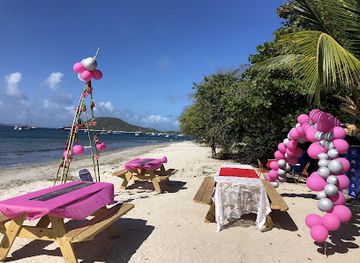
Paradise Beach Club, Carriacou
Experience exquisite Caribbean cuisine at Paradise Beach Club in Carriacou, where fresh seafood meets stunning ocean views.
-
Restaurant
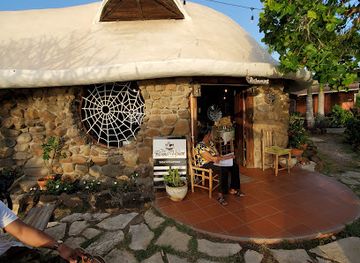
Bogles Round House Restaurant & Cottages
Discover the flavors and comforts of Grenada at Bogles Round House Restaurant & Cottages - where every meal is a celebration.
-
Caribbean
Kayak Kafe Main Store
Discover the flavors of Caribbean and Asian fusion at Kayak Kafe Main Store in Carriacou – a must-visit culinary destination.
-
Restaurant
Off D Hook Bar & Grill
Experience mouthwatering Caribbean cuisine at Off D Hook Bar & Grill on Grenada's stunning Paradise Beach.

Best bars in Carriacou and Petite Martinique
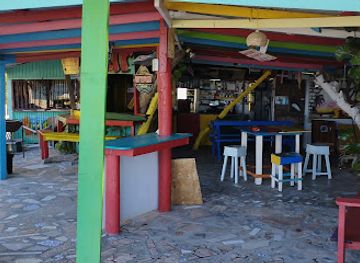
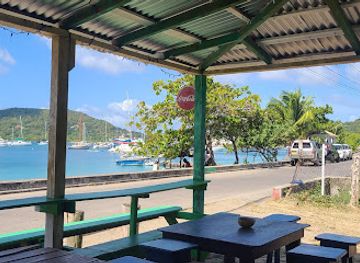
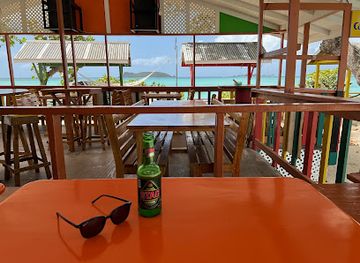
Evening life in Carriacou and Petite Martinique is predominantly social and community-based rather than organised around large nightclubs. Hillsborough and Tyrell Bay have the greatest concentration of rum shops, casual bars and restaurants, while village establishments provide informal spaces for conversation, music and televised sport. Traditional string-band music, Big Drum events, Carnival activities and occasional live performances offer more culturally distinctive evenings, but dates and venues should be checked locally. Petite Martinique has a smaller choice, with nightlife centred on local bars, waterfront gatherings and occasional community celebrations. Sailing visitors may find a relaxed atmosphere around Tyrell Bay, but this is not a major late-night entertainment centre. Service can be unhurried, and seasonal conditions, power supply and post-storm rebuilding can affect opening arrangements, so avoid relying on unverified online listings or fixed late-night plans.
-
Restaurant
Paradise Beach Club, Carriacou
Discover the flavors of the Caribbean at Paradise Beach Club in Carriacou, where delicious cuisine meets breathtaking ocean views.
-
Restaurant
Off D Hook Bar & Grill
Discover the culinary delights of Grenada at Off D Hook Bar & Grill, where fresh seafood meets stunning ocean views on Paradise Beach.
-
Restaurant
LAMBI QUEEN Tyrrel Bay
Experience authentic Grenadian flavors at Lambi Queen, a charming restaurant in Tyrell Bay, renowned for its seafood delights and stunning views.
-
Restaurant
Hardwood Bar
Enjoy authentic Grenadian cuisine at Hardwood Bar, a vibrant restaurant in Argyle, Grenada, perfect for a memorable dining experience.
Best nightclubs in Carriacou and Petite Martinique
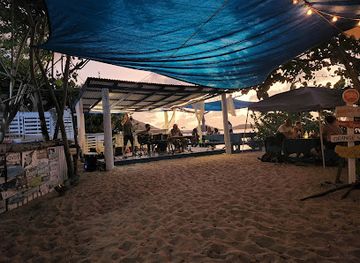
Evening life in Carriacou and Petite Martinique is predominantly social and community-based rather than organised around large nightclubs. Hillsborough and Tyrell Bay have the greatest concentration of rum shops, casual bars and restaurants, while village establishments provide informal spaces for conversation, music and televised sport. Traditional string-band music, Big Drum events, Carnival activities and occasional live performances offer more culturally distinctive evenings, but dates and venues should be checked locally. Petite Martinique has a smaller choice, with nightlife centred on local bars, waterfront gatherings and occasional community celebrations. Sailing visitors may find a relaxed atmosphere around Tyrell Bay, but this is not a major late-night entertainment centre. Service can be unhurried, and seasonal conditions, power supply and post-storm rebuilding can affect opening arrangements, so avoid relying on unverified online listings or fixed late-night plans.
-
Restaurant
Paradise Beach Club, Carriacou
Experience the ultimate dining escape at Paradise Beach Club, where delicious Caribbean cuisine meets breathtaking ocean views.
-
Bar
Gary's Sauces & Snacks Beach Bar
Experience the flavors and vibrant atmosphere of Grenada at Gary's Sauces & Snacks Beach Bar, a seaside gem offering local delicacies and stunning views.
-
Bar
Footprint Bar
Discover the lively Footprint Bar in Argyle, Grenada - a premier spot for drinks, music, and unforgettable Caribbean nights.
-
Night club
DJ BAR & GRILL
Experience the vibrant nightlife at DJ Bar & Grill, where Grenadian culture meets delicious food and electrifying music.
Best shops in Carriacou and Petite Martinique
Shopping in Carriacou and Petite Martinique is modest, local and practical rather than centred on large retail complexes. Hillsborough has the widest selection of small shops, groceries, pharmacies, services and locally made items, while Tyrell Bay caters partly to residents and visiting sailors. Markets and roadside sellers may offer fruit, vegetables, spices and prepared food when supplies and weather permit. Carriacou’s boatbuilding tradition provides the strongest distinctive craft connection, although working boatyards should not be treated as ordinary retail outlets; ask locally about appropriate places to buy small wooden models or other crafts. Rum, spices, sauces, local preserves, artwork, woven goods and music recordings can make suitable regional purchases when available. Petite Martinique has fewer shopping options, so buy essentials before travelling there and carry cash. Product availability may fluctuate after storms or with inter-island deliveries, making locally produced food and small-scale crafts more reliable than a fixed souvenir range.
-
Restaurant
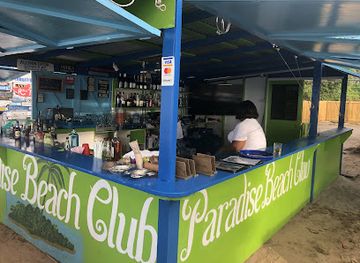
Paradise Beach Club, Carriacou
Experience the flavors of the Caribbean at Paradise Beach Club, where exquisite dining meets breathtaking ocean views.
-
Shopping mall
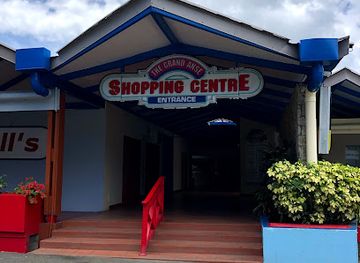
Grand Anse Shopping Center
Discover the vibrant Grand Anse Shopping Center, where shopping meets Caribbean charm in the heart of Grenada.
-
Restaurant
Bogles Round House Restaurant & Cottages
Discover the charm of Grenada at Bogles Round House, where delightful cuisine meets cozy cottage living in a tropical paradise.
-
Grocery store
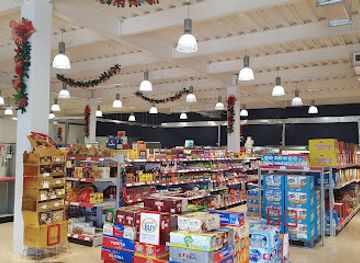
Alexis Food Stores
Explore the flavors of Grenada at Alexis Food Stores, your go-to grocery destination in Argyle for local produce and international delights.
Get your free copy of our complete guide to Carriacou and Petite Martinique, delivered straight to you.
Everything on this page, from attractions and restaurants to essentials and local phrases, in one PDF you can read offline, print or share.
Already have an account? Sign in
Your Carriacou and Petite Martinique guide is ready.
We'll send it to · Not you? Sign out

Getting your guide ready…
We are putting together a fresh copy of the Carriacou and Petite Martinique guide. This can take up to a minute.
This can take a few moments. If your browser asks, choose Allow so the download can start. You'll find the guide in your Downloads folder.
Nothing happened? Download it again
Sorry, the guide is taking longer than usual. Please try again in a minute, or get it by email instead.
Carriacou and Petite Martinique essentials
Currency and Payment
Safety
Emergency Situations
Do's and Don'ts
Local Tips
From Eve
Local phrases worth knowing
You don't need to get them perfect. A few words go a long way, and locals appreciate the effort.
Basics
| English | Local | Say it |
|---|---|---|
| Hello | Greetings | [Greetin's] |
| Goodbye | Goodbye | [Goo'bye] |
| Yes | Yes | [Yess] |
| No | No | [No] |
| Please/You're welcome | Please/Welcome | [Pleez/Welcom] |
| Thank you | Thank you | [Tank yuh] |
| Excuse me/Sorry | Excuse me/Sorry | [Excu' me/Sori] |
| How are you? | How yuh doin'? | [How yuh doin'?] |
| Fine. And you? | I good. An yuh? | [I good. An yuh?] |
| Do you speak English? | Yuh speak English? | [Yuh speek English?] |
| I don't understand | I no understand | [I no undastand] |
Eating & Drinking
| English | Local | Say it |
|---|---|---|
| I'd like to see the menu, please | I want see de menu, please | [I want see de menu, pleez] |
| I don't eat meat | I no eat meat | [I no eat meet] |
| Cheers! | Cheers! | [Cheers!] |
| I would like to pay, please | I wan pay, please | [I wan pay, pleez] |
Emergencies
| English | Local | Say it |
|---|---|---|
| Help! | Help! | [Help!] |
| Go away! | Go way! | [Go way!] |
| Call the Police! | Call di Police! | [Call di Police!] |
| Call a doctor! | Call a doctor! | [Call a docta!] |
| I'm lost | I lost | [I lost] |
| I'm ill | I sick | [I sick] |
Shopping
| English | Local | Say it |
|---|---|---|
| I'd like to buy... | I want buy... | [I want buy...] |
| I'm just looking | I just lookin' | [I just lookin'] |
| How much is it? | How much dat? | [How much dat?] |
| That's too expensive | Dat too costly | [Dat too costly] |
| Can you lower the price? | Can yuh lower di price? | [Can yuh lower di price?] |
Time & Numbers
| English | Local | Say it |
|---|---|---|
| What time is it? | Wha time it? | [Wha time it?] |
| It's one o'clock | It one o'clock | [It one o'clock] |
| Half past (10) | Half past ten | [Half past ten] |
| Morning | Morning | [Mornin'] |
| Afternoon | Afternoon | [Afternoon] |
| Evening | Evening | [Evening] |
| Yesterday | Yesterday | [Yes'terday] |
| Today | Today | [Today] |
| Tomorrow | Tomorrow | [Tomorra] |
| 1 | One | [One] |
| 2 | Two | [Two] |
| 3 | Three | [Three] |
| 4 | Four | [Four] |
| 5 | Five | [Five] |
| 6 | Six | [Six] |
| 7 | Seven | [Seven] |
| 8 | Eight | [Eight] |
| 9 | Nine | [Nine] |
| 10 | Ten | [Ten] |
Transport & Directions
| English | Local | Say it |
|---|---|---|
| Where's a/the...? | Wha de...? | [Wha de...?] |
| What's the address? | Wha di address? | [Wha di address?] |
| Can you show me (on the map)? | Can yuh show me (on di map)? | [Can yuh show me (on di map)?] |
| When's the next (bus)? | Wen di next (bus)? | [Wen di next (bus)?] |
| A ticket (to ....) | A ticket (to ....) | [A ticket (to ....)] |
History of Carriacou and Petite Martinique
Indigenous Settlement before European Colonisation
Before European rule, Carriacou and the smaller islands around Grenada were connected to the wider Indigenous Caribbean world. Archaeological evidence from Grenada and the Grenadine island chain indicates settlement and movement by communities commonly associated with Arawakan-speaking peoples, followed by Kalinago presence and influence. The islands’ sheltered bays, reefs and fertile pockets supported fishing, cultivation and inter-island exchange. Much of the visible historic landscape dates from later periods, but the islands’ long maritime orientation began before European colonisation and helps explain their continuing dependence on boats and coastal settlements.
French and British Colonial Competition, Eighteenth Century
European control of the Grenada island group shifted during the eighteenth century as France and Britain competed for territory and trade in the eastern Caribbean. Carriacou and Petite Martinique were associated with French settlement and plantation development before Britain secured Grenada and its dependencies in the settlement following the Seven Years’ War. French influence remains visible in place names, Catholic traditions and aspects of local culture, while British administration shaped later legal and political institutions. The islands’ position close to the Grenadines gave them continuing strategic and commercial importance.
Plantations, Slavery and Emancipation
During the colonial period, Carriacou supported estates producing crops such as cotton and provisions, while smaller holdings and maritime work remained important to island survival. These economies depended on the forced labour of Africans and their descendants, whose knowledge, foodways, religious practices and musical traditions profoundly shaped the islands. Emancipation in the British Caribbean took effect in the 1830s, though freedom did not remove economic inequality or the dependence of many families on plantation owners and merchants. The cultural traditions of Carriacou, including communal music and dance, carry the legacy of African-descended communities.
Maritime Livelihoods and Boatbuilding
As plantation agriculture declined, fishing, seafaring, small-scale farming, trade and boatbuilding became increasingly important to Carriacou and Petite Martinique. Windward developed a particularly strong reputation for constructing wooden sailing and fishing boats, using skills passed through families and adapted to the waters of the Grenadines. Petite Martinique also developed a close relationship with fishing and inter-island commerce. These activities connected the islands to neighbouring Grenadine communities and to Grenada’s main island, while creating a distinctive maritime culture that remains visible in working harbours, boatyards and local festivals.
Grenada’s Independence and Modern Island Identity
Grenada became an independent state in 1974, with Carriacou and Petite Martinique continuing as part of the country rather than forming a separate territory. The islands retained strong local identities within the national framework, expressed through music, boatbuilding, village networks and distinctive community celebrations. Tourism developed gradually, especially around sailing, diving, beaches and small guesthouses, but did not replace the islands’ fishing and service economies. Improved communications made travel easier while also connecting residents to wider regional migration and employment patterns.
Hurricane Beryl and Contemporary Recovery
In July 2024, Hurricane Beryl struck Carriacou and Petite Martinique as a major hurricane, causing extensive damage to homes, vegetation, boats, communications and public infrastructure. The event profoundly affected local livelihoods and the appearance of both islands, while prompting national, regional and international recovery efforts. Its effects remain part of the islands’ contemporary story, particularly for residents whose homes, boats and businesses were damaged. Visitors should recognise that rebuilding can be uneven and support local businesses and community-led recovery where possible.
Carriacou and Petite Martinique in Photos
Browse through our photo collection highlighting the charm and character of the destination.
Neighbouring regions of Carriacou and Petite Martinique
The closest regions to Carriacou and Petite Martinique, if you have time for more than one.
-

-

-

-

-


Swipe for more regions
Explore more
Explore more of Grenada
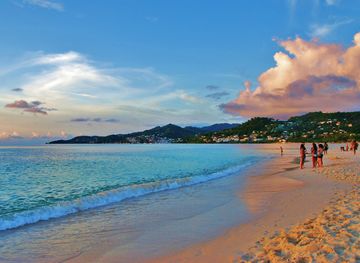
Discover Grenada, the Spice Isle of the Caribbean, where lush landscapes, pristine beaches, and rich cultural heritage create a tropical paradise for all travelers.
Explore Grenada