

Free Saint John Travel Guide & Mobile App
Explore Saint John with free travel guides. Discover regional history, expert tips, proposed trips, and audio guides on web or mobile app.


Explore Saint John, Grenada, for Gouyave’s fishing culture, nutmeg heritage, rainforest valleys, waterfalls and unhurried Caribbean coast.
Read more about Saint John
When is the best time to visit Saint John?
Best: February–April · 28–29°C| Month | High (°C) | Rainfall (mm) |
|---|---|---|
| January | 28 | 71 |
| February (best) | 28 | 56 |
| March (best) | 28 | 40 |
| April (best) | 29 | 54 |
| May | 29 | 111 |
| June | 30 | 244 |
| July | 30 | 267 |
| August | 30 | 263 |
| September | 30 | 269 |
| October | 29 | 292 |
| November | 29 | 192 |
| December | 28 | 99 |
Getting to and around Saint John
How to get there
Transportation
Top city travel guides in Saint John
The cities of Saint John, and the easiest places to base yourself.
-

-


Swipe for more cities
Destinations in Saint John
Resorts, valleys and scenic spots worth a trip of their own.
-

-

-

-

-

-


Swipe for more destinations
Best attractions in Saint John
Saint John’s attractions combine working coastal culture with green inland scenery. Gouyave is the parish’s main visitor focus, offering a fish market, waterfront activity, the Gouyave Nutmeg Processing Cooperative and the community food gathering known as Fish Friday. The latter is a social occasion as well as a culinary attraction, centred on locally prepared seafood and other Grenadian dishes. Inland, the Concord area provides access to tropical vegetation, streams and waterfall walks, while the surrounding hills show the agricultural character of the parish through nutmeg, cocoa and mixed smallholdings. Visitors interested in history can look for surviving traces of former plantations and colonial-era settlement, although many sites are not formal museums and may require local guidance. Birdwatching, landscape photography, short hikes and scenic drives are better suited to Saint John than resort-style recreation, with the main appeal lying in the transition from the Caribbean shore to forested valleys. Conditions can change quickly after heavy rain, so confirm access before setting out.
-
National reserve
Grand Étang National Park
Discover Grenada's lush rainforest at Grand Étang National Park: hiking, wildlife, and stunning crater lake views await!
-
Bar
Esther's Bar
Experience the vibrant flavors and laid-back vibes of Grenada at Esther's Bar, the heart and soul of Grand Anse Beach.
-
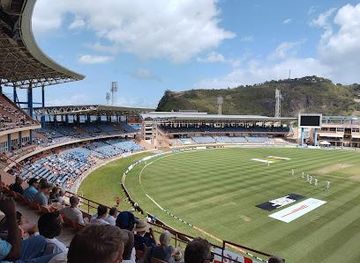
Stadium
Grenada National Cricket Stadium
Experience the thrill of cricket in a scenic Caribbean setting at the Grenada National Cricket Stadium in St. George's.
-
Tourist attraction
Concord Falls
Discover Grenada's natural beauty at Concord Falls: swim in refreshing pools, hike through lush rainforest, and experience the island's charm.



Best landmarks in Saint John
Gouyave’s waterfront is Saint John’s most recognisable human landmark, where fishing boats, landing activity and the dense coastal settlement express the parish’s enduring relationship with the Caribbean Sea. The Gouyave Nutmeg Processing Cooperative is an important working landmark rather than a grand historic monument, representing the agricultural industry that helped define Grenada’s international identity. Inland, Concord’s waterfalls and stream valleys provide the parish’s principal natural landmarks, with forested slopes and rushing water contrasting with the built-up coast. The remains and landscapes of former estates are less visually consolidated than a single castle or plantation museum, but they are significant because they reveal how colonial agriculture shaped the hills and valleys. Roads climbing from Gouyave towards the interior also form a series of informal viewpoints over the western coast, although visitors should stop only where vehicles can be safely pulled clear of traffic.
-
Island
Grenada
Discover Grenada, the 'Isle of Spice': a Caribbean paradise with lush rainforests, pristine beaches, and a rich cultural heritage.
-
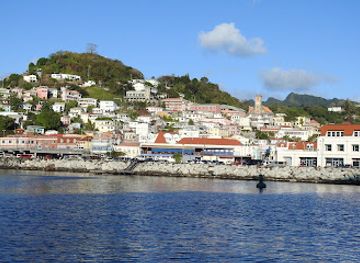
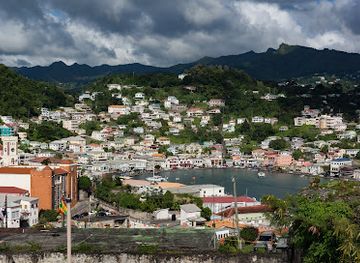
Fortress
Fort George
Explore Grenada's past at Fort George: a historic fortress with panoramic views of St. George's, the harbor, and the coastline.
-
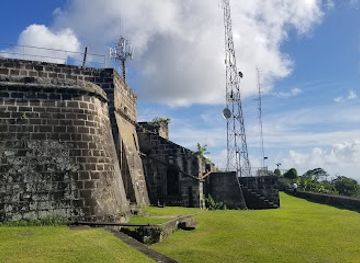
Historical landmark
Fort Frederick
Explore Grenada's Fort Frederick: A historic landmark with panoramic views, rich history, and unique 'backward-facing' design.
-
Tourist attraction
Concord Falls
Discover Grenada's accessible natural beauty at Concord Falls: swim in refreshing pools and explore lush rainforest surroundings.
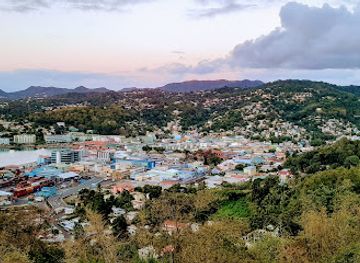
Explore Saint John on the map
Plan your trip on one map. See where the top cities, national parks and sights are, and book hotels and experiences in a few clicks.
Best hotels in Saint John
Best restaurants in Saint John
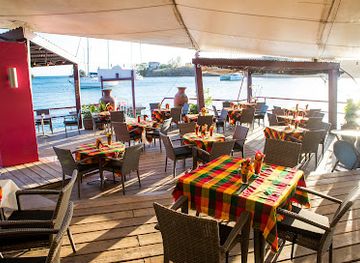
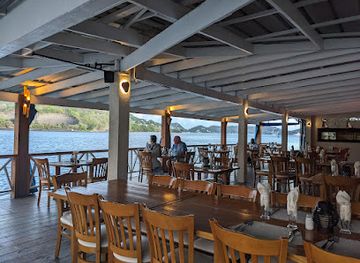
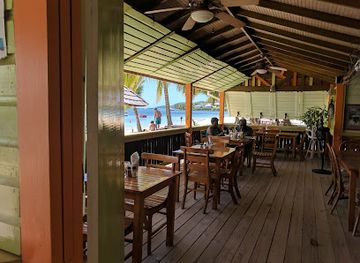
Dining in Saint John is strongly connected with the sea, village life and Grenada’s spice-growing agriculture. Gouyave is the natural place to seek fresh fish and seafood, from simple roadside preparations to the grilled and fried dishes served during Fish Friday. Local cooking commonly uses ingredients such as green banana, breadfruit, plantain, rice, vegetables, herbs and hot pepper, while nutmeg and other spices appear in both savoury food and drinks. Small eateries, food stalls and rum shops generally offer a more informal experience than hotel dining, and rural options may be limited outside the main settlements. Ask about the catch of the day rather than expecting a fixed menu, and remember that community food events can vary with weather and supply. Cocoa, nutmeg, jams, syrups and other island produce are also associated with Grenadian culinary identity and can often be found through local vendors or cooperative-linked outlets.
-
Caribbean
Dodgy Dock Restaurant Grenada
Discover culinary delights at Dodgy Dock Restaurant in Grenada—where Caribbean charm meets Mexican zest amidst stunning bay views.
-
Seafood
Sails Restaurant & Bar
Discover Sails Restaurant & Bar in Grenada: where fresh seafood meets Caribbean charm along The Carenage waterfront.
-
Restaurant
Coconut Beach Restaurant & Bar
Experience authentic Caribbean cuisine at Coconut Beach Restaurant & Bar, nestled on Grand Anse Beach with stunning ocean views.
-
Seafood
bbs crab back
Experience the best of Grenadian seafood at BB's Crab Back—where fresh catches meet stunning ocean views.
Best bars in Saint John
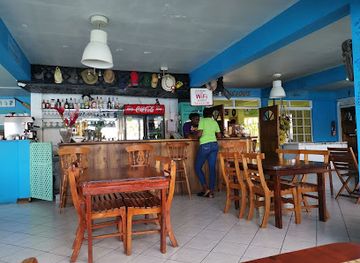
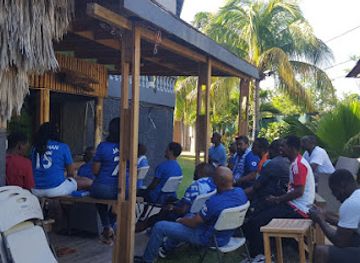
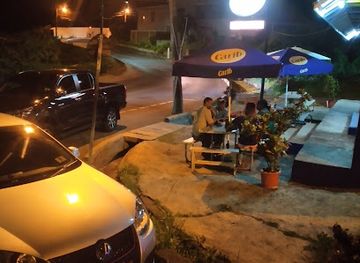
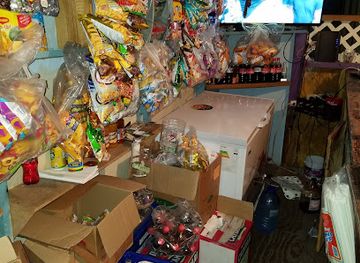
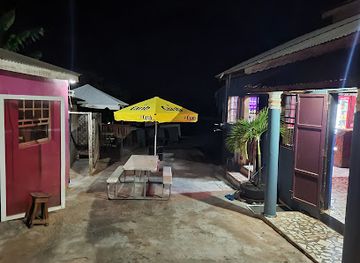
Saint John’s evening life is modest and community-oriented rather than dominated by nightclubs. Gouyave’s Fish Friday is the parish’s best-known social evening, combining food, music and conversation in a public setting, although its arrangements can change. On other nights, local bars, rum shops and small restaurants provide relaxed places to meet, while live music and seasonal community events may create a livelier atmosphere. Rural villages generally quieten earlier, and visitors staying outside Gouyave may need a taxi or private transport for an evening out. Grenada’s wider drinking customs apply, including the availability of rum-based drinks and local beers, but enjoying Saint John after dark does not depend on alcohol: an early seafood meal, a community event or a sunset view can be the more characteristic experience.
-
Pub
Old Skool Pub
Experience the local flavors and vibrant atmosphere at Old Skool Pub in St. George's, Grenada, a true celebration of island culture.
-
Bar
D'Cosy Nook
Experience the vibrant Caribbean nightlife at D'Cosy Nook in St George's, Grenada – a bar where fun and relaxation meet.
-
Grill
Booie Hot Spot...
Discover Booie Hot Spot in Beausejour Bay, Grenada - a grill where local flavors meet a relaxed atmosphere for a memorable dining experience.
-
Grill
Lous bar
Experience the vibrant flavors of Grenada at Lous Bar, where delicious grilled dishes and local drinks await you in a lively atmosphere.
Best nightclubs in Saint John
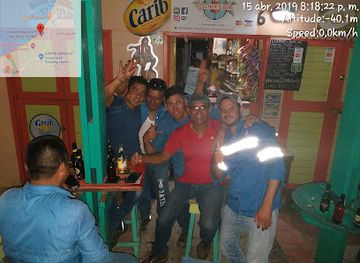
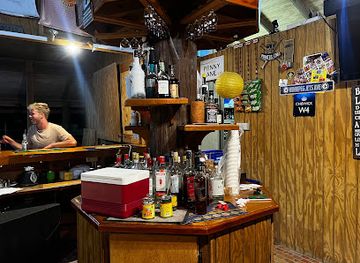
Saint John’s evening life is modest and community-oriented rather than dominated by nightclubs. Gouyave’s Fish Friday is the parish’s best-known social evening, combining food, music and conversation in a public setting, although its arrangements can change. On other nights, local bars, rum shops and small restaurants provide relaxed places to meet, while live music and seasonal community events may create a livelier atmosphere. Rural villages generally quieten earlier, and visitors staying outside Gouyave may need a taxi or private transport for an evening out. Grenada’s wider drinking customs apply, including the availability of rum-based drinks and local beers, but enjoying Saint John after dark does not depend on alcohol: an early seafood meal, a community event or a sunset view can be the more characteristic experience.
-
Bar
Esther's Bar
Experience the vibrant atmosphere and stunning views at Esther's Bar on Grand Anse Beach, the perfect spot for relaxation and fun.
-
Bar
Rocky's Beach Bar
Discover the vibrant atmosphere of Rocky's Beach Bar in St. George's, Grenada, where stunning ocean views meet refreshing local flavors.
-
Night club
Moonlight City
Discover the lively nightlife of Moonlight City in La Poterie, Grenada, where music, drinks, and dancing create unforgettable memories.
-
Bar
Freedom St. Night Club
Dive into the vibrant nightlife of Grenada at Freedom St. Night Club, where music, dance, and tropical drinks create unforgettable memories.


Best shops in Saint John
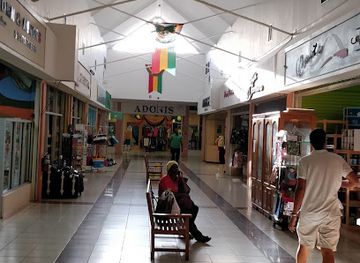
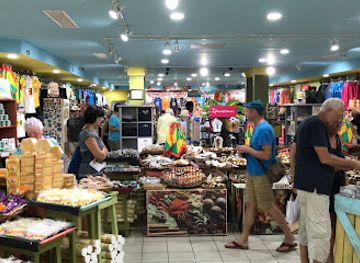
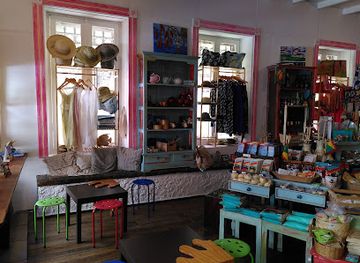
Shopping in Saint John is centred on practical local commerce rather than large retail complexes. Gouyave offers small groceries, food vendors and outlets connected with the fishing and agricultural economy, while village shops serve everyday needs. The most distinctive purchases are Grenadian products: packaged nutmeg and mace, cocoa, spice mixtures, preserves, sauces, syrups and rum-based goods, subject to customs rules in the traveller’s next destination. Local vendors may also sell crafts, clothing and small souvenirs, though selection is more limited than in St George’s, which lies outside the parish and has Grenada’s broader tourist-shopping offer. Buying directly from reputable cooperatives, established shops or market sellers supports local producers and makes it easier to ask how an item was made. Visitors should carry cash for small purchases and avoid assuming that every rural stall accepts cards.
-
Shopping mall
Spiceland Mall
Explore Spiceland Mall, Grenada's vibrant shopping destination featuring local crafts, international brands, and delectable dining options in a lively atmosphere.
-
Shopping mall
Esplanade Shopping Complex
Experience the vibrant shopping scene in Grenada at the Esplanade Shopping Complex, where local culture meets a variety of retail and dining options.
-
Cafe
House of Chocolate Grenada Museum
Experience the rich heritage of Grenadian chocolate at the House of Chocolate Grenada Museum, where every bite tells a story of culture and craftsmanship.
-
Shopping mall
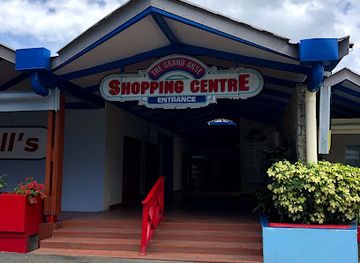
Grand Anse Shopping Center
Explore the vibrant Grand Anse Shopping Center in Grenada for a delightful mix of shopping, dining, and local culture.
Get your free copy of our complete guide to Saint John, delivered straight to you.
Everything on this page, from attractions and restaurants to essentials and local phrases, in one PDF you can read offline, print or share.
Already have an account? Sign in
Your Saint John guide is ready.
We'll send it to · Not you? Sign out

Getting your guide ready…
We are putting together a fresh copy of the Saint John guide. This can take up to a minute.
This can take a few moments. If your browser asks, choose Allow so the download can start. You'll find the guide in your Downloads folder.
Nothing happened? Download it again
Sorry, the guide is taking longer than usual. Please try again in a minute, or get it by email instead.
Saint John essentials
Currency and Payment
Safety
Emergency Situations
Do's and Don'ts
Local Tips
From Eve
Local phrases worth knowing
You don't need to get them perfect. A few words go a long way, and locals appreciate the effort.
Basics
| English | Local | Say it |
|---|---|---|
| Hello | Hello | [Heh-loh] |
| Goodbye | Goodbye | [Guhd-bai] |
| Yes | Yes | [Yes] |
| No | No | [No] |
| Please/You're welcome | Please | [Pleez] |
| Thank you | Thank you | [Thenk yuh] |
| Excuse me/Sorry | Excuse me | [Eks-kyoos me] |
| How are you? | How you doing? | [How yuh doin?] |
| Fine. And you? | I good. And you? | [I good. And yuh?] |
| Do you speak English? | Yuh speak English? | [Yuh speek In-glish?] |
| I don't understand | I no understand | [I no un-derstand] |
Eating & Drinking
| English | Local | Say it |
|---|---|---|
| I'd like to see the menu, please | Can I see the menu, please? | [Kan I see de men-yu, pleez?] |
| I don't eat meat | I don't eat meat | [I don't eet meet] |
| Cheers! | Cheers! | [Cheers] |
| I would like to pay, please | I want to pay, please | [I want to pay, pleez] |
Emergencies
| English | Local | Say it |
|---|---|---|
| Help! | Help! | [Help] |
| Go away! | Go away! | [Go away] |
| Call the Police! | Call di Police! | [Call di Po-lees] |
| Call a doctor! | Call a doctor! | [Call a docta] |
| I'm lost | I lost | [I lost] |
| I'm ill | I sick | [I sik] |
Shopping
| English | Local | Say it |
|---|---|---|
| I'd like to buy... | I want to buy... | [I want to bai...] |
| I'm just looking | I just looking | [I just looking] |
| How much is it? | How much it cost? | [How much it cost?] |
| That's too expensive | Dat too expensive | [Dat too expen-sive] |
| Can you lower the price? | Can yuh lower di price? | [Kan yuh loh-er di price?] |
Time & Numbers
| English | Local | Say it |
|---|---|---|
| What time is it? | Wha time it? | [Wha time it?] |
| It's one o'clock | It one o'clock | [It wan o'clock] |
| Half past (10) | Half past ten | [Half past ten] |
| Morning | Mornin' | [Mornin'] |
| Afternoon | Afternoon | [Afternoon] |
| Evening | Evening | [Evening] |
| Yesterday | Yesterday | [Yes-terday] |
| Today | Today | [To-day] |
| Tomorrow | Tomorrow | [To-morrow] |
| 1 | One | [Wan] |
| 2 | Two | [Too] |
| 3 | Three | [Three] |
| 4 | Four | [Four] |
| 5 | Five | [Five] |
| 6 | Six | [Six] |
| 7 | Seven | [Seven] |
| 8 | Eight | [Eight] |
| 9 | Nine | [Nine] |
| 10 | Ten | [Ten] |
Transport & Directions
| English | Local | Say it |
|---|---|---|
| Where's a/the...? | Wha di...? | [Wha di...?] |
| What's the address? | Wha di address? | [Wha di ad-dress?] |
| Can you show me (on the map)? | Can yuh show me on di map? | [Kan yuh sho me on di map?] |
| When's the next (bus)? | When di next bus? | [When di next bus?] |
| A ticket (to ....) | A ticket to... | [A tik-it to...] |
History of Saint John
Indigenous Settlement Before European Colonisation
Before European colonisation, Grenada was inhabited by Indigenous peoples, including Kalinago communities whose presence formed part of the wider history of the Lesser Antilles. Saint John’s valleys, wooded uplands and coastal landing places would have belonged to a broader island landscape of cultivation, hunting, fishing and movement rather than to fixed parish boundaries. Much of the surviving evidence is archaeological and fragmentary, but Indigenous history remains an important foundation for understanding Grenada before French and British rule.
French Settlement and Plantation Agriculture
French colonisation of Grenada in the seventeenth century brought permanent European settlement, Catholic influence and plantation agriculture. The island’s fertile valleys were gradually reorganised around estates growing crops such as sugar and later coffee, cocoa and spices. Saint John’s western coast provided access to the sea, while inland valleys supplied agricultural land and water. Estate names, old buildings, roads and cultivated slopes preserve parts of this transformation, although the plantation system depended on the forced labour of enslaved Africans.
British Rule and the End of Slavery
Britain took control of Grenada in the eighteenth century, and Saint John became part of the island’s British colonial administration. Plantation production continued under slavery until emancipation in 1834, followed by a period of apprenticeship before full freedom. Formerly enslaved communities reshaped the countryside through small farming, fishing and village life, even as estate ownership and export agriculture remained influential. The parish’s later settlements and agricultural traditions developed within this long transition from plantation control to a more diverse rural society.
Nutmeg, Cocoa and the Agricultural Economy
After the decline of sugar, Grenada’s economy became increasingly associated with cocoa, nutmeg and mace. Saint John’s humid hills and valleys suited spice cultivation, while Gouyave became closely linked with the handling and processing of nutmeg from farms across the parish and beyond. Nutmeg became an important national export and a powerful symbol of Grenada, although the industry has faced changing global markets, plant disease and hurricane damage. Processing cooperatives and smallholdings still reflect the agricultural economy that shaped Saint John.
Gouyave’s Fishing and Coastal Community
Gouyave developed as one of Grenada’s best-known fishing communities, with its coastal economy built around boats, landing sites, fish vendors and household food traditions. Fishing has provided employment and local identity alongside farming, and it remains visible in the town’s waterfront activity. Community food gatherings, particularly the Friday evening event commonly known as Fish Friday, grew from this coastal culture into a recognised visitor experience. Its importance lies not only in tourism but also in the continuing social and economic role of seafood in Saint John.
Independence and Modern Grenada
Grenada became independent from Britain in 1974, after which Saint John continued to develop within the national state while retaining its parish-based identity. The revolutionary period of 1979–1983 and the United States-led intervention in 1983 affected the whole country, including communities whose livelihoods were tied to agriculture and public institutions. In the modern era, Saint John has combined farming, fishing, small businesses and community tourism. Hurricane Ivan in 2004 also caused severe damage across Grenada, influencing rebuilding and the vulnerability of the island’s rural infrastructure.
Saint John in Photos
Browse through our photo collection highlighting the charm and character of the destination.
Neighbouring regions of Saint John
The closest regions to Saint John, if you have time for more than one.
-

-

-

-

-


Swipe for more regions
Explore more
Explore more of Grenada
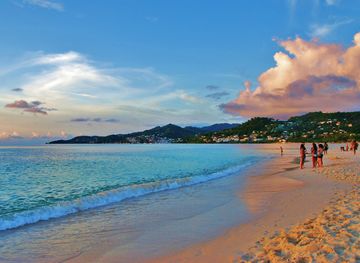
Discover Grenada, the Spice Isle of the Caribbean, where lush landscapes, pristine beaches, and rich cultural heritage create a tropical paradise for all travelers.
Explore Grenada