

Free Saint Mark Travel Guide & Mobile App
Explore Saint Mark with free travel guides. Discover regional history, expert tips, proposed trips, and audio guides on web or mobile app.


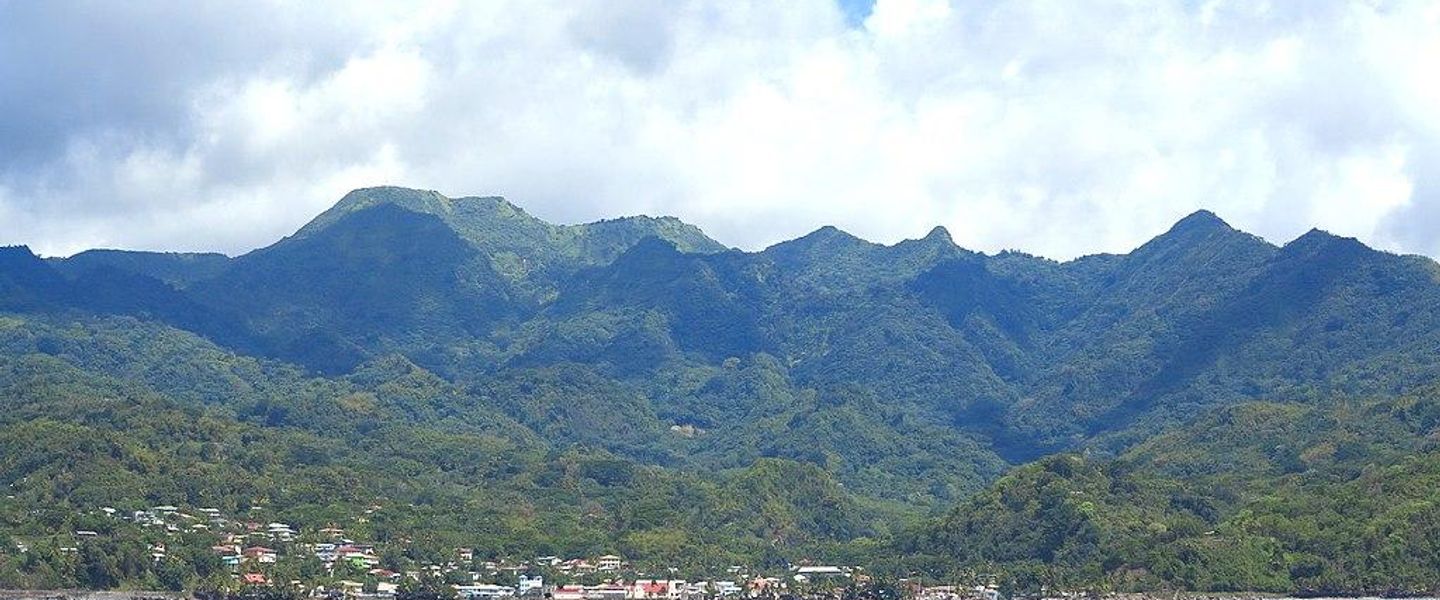


Saint Mark, Grenada, offers rainforest waterfalls, village life, historic churches and quiet north-western landscapes away from the island's resort centre.
Read more about Saint Mark
When is the best time to visit Saint Mark?
Best: February–April · 29–30°C| Month | High (°C) | Rainfall (mm) |
|---|---|---|
| January | 29 | 85 |
| February (best) | 29 | 65 |
| March (best) | 29 | 55 |
| April (best) | 30 | 55 |
| May | 31 | 130 |
| June | 32 | 160 |
| July | 32 | 190 |
| August | 32 | 190 |
| September | 32 | 200 |
| October | 31 | 180 |
| November | 30 | 150 |
| December | 29 | 105 |
Getting to and around Saint Mark
How to get there
Transportation
Top city travel guides in Saint Mark
The cities of Saint Mark, and the easiest places to base yourself.

Swipe for more cities
Best attractions in Saint Mark
Saint Mark's attractions are primarily natural, rural and community-based rather than concentrated in large museums or resort complexes. Victoria Waterfall is the parish's best-known outdoor feature, reached through a green landscape of streams and forest, although the route can be wet and conditions should be checked locally. Around Victoria and the surrounding villages, visitors can observe churches, small farms, roadside produce stalls and the architecture of a working Grenadian parish. The steep interior offers opportunities for guided walks and landscape photography, while the western roads provide views towards the Caribbean coast and neighbouring parishes. Agricultural scenery is an attraction in its own right: nutmeg, cocoa, banana and mixed tropical cultivation reveal how Grenada's economy has been shaped by rainfall, altitude and smallholder farming. Saint Mark is also useful for travellers interested in less formal encounters, such as learning about village religious life, local food preparation or the history of former estate districts. Because facilities and marked visitor infrastructure are limited, arranging transport, guides and refreshments in advance can make exploration more comfortable.
-
Bar
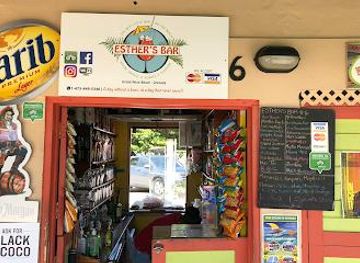
Esther's Bar
Experience authentic Caribbean vibes at Esther's Bar on Grand Anse Beach, Grenada. Strong drinks, friendly faces, and unforgettable sunsets await!
-
Stadium
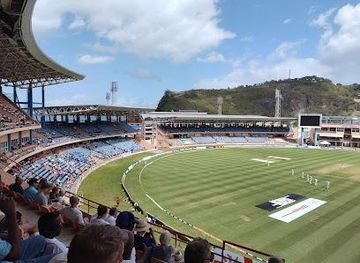
Grenada National Cricket Stadium
Experience the thrill of cricket and immerse yourself in Grenada's vibrant sporting culture at the iconic National Cricket Stadium.
-
Chocolate shop
Diamond Chocolate Factory (Jouvay Chocolate)
Experience the sweet taste of Grenada's cocoa heritage at Diamond Chocolate Factory, where organic beans transform into exquisite Jouvay chocolate.
-
Condominium complex
Grenada Cultural Foundation
Discover Grenada's vibrant culture: arts, crafts, music, and traditions come alive at the Cultural Foundation in St. George's.

Best landmarks in Saint Mark
Saint Mark's principal landmarks reflect its parish identity and mountainous setting. Saint Mark's Anglican Church in Victoria is an important visual and civic reference point in the parish capital, while the town itself provides a sense of the scale and layout of a small Grenadian administrative centre. Victoria Waterfall is the most recognisable natural landmark, linking the settlement to the wet interior through streams, forest and cultivated slopes. The winding roads towards Duquesne, Mount Craven and other upland communities are also significant landscape features, revealing how villages occupy narrow valleys and ridges. Rather than monumental castles or extensive colonial ruins, Saint Mark's historic character is found in churches, village buildings, old agricultural areas and enduring place names. The combination of steep green hills and the western Caribbean horizon gives the parish its most distinctive visual identity.
-
Tourist attraction
Annandale Waterfall & Forest Park
Discover Grenada's natural beauty at Annandale Waterfall: a refreshing escape into lush rainforest with a stunning 30-foot cascade.
-
Island
Grenada
Discover Grenada, the Spice Isle of the Caribbean: Aromatic spices, lush rainforests, pristine beaches, and vibrant culture await.
-
Fortress
Fort George
Explore Grenada's past at Fort George: a historic fortress with panoramic views of St. George's and the Caribbean Sea.
-
Historical landmark
Fort Frederick
Explore Grenada's history at Fort Frederick: panoramic views, unique architecture, and a fort that never fired a shot in anger.


Explore Saint Mark on the map
Plan your trip on one map. See where the top cities, national parks and sights are, and book hotels and experiences in a few clicks.
Best hotels in Saint Mark
Best restaurants in Saint Mark
Dining in Saint Mark is modest, local and closely linked to everyday Grenadian cooking. Victoria and the larger villages have small restaurants, takeaway counters and shops where visitors may find dishes such as oil down, Grenada's one-pot national dish, along with rice and peas, stewed chicken, fish, provisions and fresh fruit. Recipes vary between households, and the most distinctive meals may be found through local cooks rather than formal dining rooms. Roadside produce reflects the parish's agricultural setting, with bananas, plantains, breadfruit, cocoa, spices and seasonal vegetables commonly appearing in local food culture. Visitors should not expect the concentration of international restaurants found around south-western Grenada; opening arrangements can also be informal, particularly outside Victoria. Asking locally about the day's cooking is often the most practical way to find a meal, while carrying water and snacks is sensible when walking in the rural interior.
-
Restaurant
Umbrella's Beach Bar
Experience Grenadian culture at Umbrella's Beach Bar on Grand Anse Beach—where great food meets stunning ocean views.
-
Caribbean
Dodgy Dock Restaurant Grenada
Discover Dodgy Dock Restaurant in Grenada – where Caribbean flavors meet Mexican zest in a stunning waterfront setting.
-
Seafood
Sails Restaurant & Bar
Experience Grenada's culinary delights at Sails Restaurant & Bar - where fresh seafood meets Caribbean charm overlooking The Carenage.
-
Restaurant
Coconut Beach Restaurant & Bar
Experience the flavors of Grenada at Coconut Beach Restaurant & Bar, where delicious Caribbean cuisine meets stunning beachside views.


Best bars in Saint Mark
Saint Mark does not have a major nightclub district. Evening life is centred on small rum shops, village bars, casual restaurants, church and community gatherings, and the social atmosphere of Victoria rather than late-night entertainment designed for international visitors. Music and conversation are more likely to shape an evening than a large programme of ticketed events, while outdoor nightlife can be affected by rain and quiet rural roads. Travellers seeking clubs, cocktail bars or a wider choice of late dining will find more options in and around Saint George's, outside the parish. In Saint Mark, visitors should be considerate of residential communities, arrange their return transport before drinking and avoid assuming that small establishments keep fixed tourist-oriented hours.
-
Bar
Shy's Bar
Discover the vibrant atmosphere of Shy's Bar in Victoria, Grenada—a local favorite for drinks, snacks, and good company.
-
Pub
Old Skool Pub
Discover the vibrant spirit of Grenada at Old Skool Pub, a charming spot for drinks and local flavors in St. George's.
-
Bar
Rumours Bar
Discover the lively ambiance of Rumours Bar in True Blue, Grenada – a perfect blend of great drinks, music, and local culture.
-
Bar
D'Cosy Nook
Experience the vibrant culture and hospitality of Grenada at D'Cosy Nook, your go-to bar in St George's for local drinks and a cozy atmosphere.


Best nightclubs in Saint Mark
Saint Mark does not have a major nightclub district. Evening life is centred on small rum shops, village bars, casual restaurants, church and community gatherings, and the social atmosphere of Victoria rather than late-night entertainment designed for international visitors. Music and conversation are more likely to shape an evening than a large programme of ticketed events, while outdoor nightlife can be affected by rain and quiet rural roads. Travellers seeking clubs, cocktail bars or a wider choice of late dining will find more options in and around Saint George's, outside the parish. In Saint Mark, visitors should be considerate of residential communities, arrange their return transport before drinking and avoid assuming that small establishments keep fixed tourist-oriented hours.
-
Pub
Old Skool Pub
Unwind at Old Skool Pub in St. George's, Grenada, where local charm meets a vibrant atmosphere perfect for relaxation and mingling.
-
Night club
Moonlight City
Discover the pulsating nightlife of Grenada at Moonlight City, a premier night club where music and vibrant energy create unforgettable memories.
-
Bar
Freedom St. Night Club
Discover the vibrant nightlife of Grenada at Freedom St. Night Club, where cocktails and Caribbean rhythms create an unforgettable experience.
-
Bar
Riverdale Bar and Lounge GND
Discover the lively atmosphere of Riverdale Bar and Lounge in Balthazar, Grenada – a perfect blend of tropical vibes and vibrant nightlife.



Best shops in Saint Mark
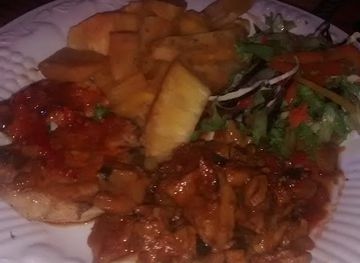
Shopping in Saint Mark is practical and local rather than centred on large retail complexes. Victoria has small shops for everyday provisions, while roadside sellers and village businesses may offer bananas, plantains, cocoa, nutmeg, spices and other seasonal produce. These agricultural products make more meaningful souvenirs than generic imported goods, although visitors should pack food products in accordance with the regulations of their destination country. Small craft purchases may be available through local makers or community contacts, but choice and opening times vary. For a broader selection of jewellery, art, branded goods and organised craft markets, visitors generally need to shop outside Saint Mark in the larger commercial areas of Grenada. Carry cash for small purchases and ask before photographing stalls, farms or people.
-
Shopping mall
Spiceland Mall
Shop and savor the vibrant culture of Grenada at Spiceland Mall, where local meets international in a shopping paradise.
-
Shopping mall
Esplanade Shopping Complex
Explore the vibrant Esplanade Shopping Complex in St. George's, Grenada - your ultimate shopping and dining destination.
-
Market
Grand Anse Craft and Spice Market
Discover the vibrant culture of Grenada at the Grand Anse Craft and Spice Market, a treasure trove of spices, crafts, and local delicacies.
-
Shopping mall
Grand Anse Shopping Center
Discover the vibrant shopping scene at Grand Anse Shopping Center, where local crafts meet international brands in a lively atmosphere.


Get your free copy of our complete guide to Saint Mark, delivered straight to you.
Everything on this page, from attractions and restaurants to essentials and local phrases, in one PDF you can read offline, print or share.
Already have an account? Sign in
Your Saint Mark guide is ready.
We'll send it to · Not you? Sign out

Getting your guide ready…
We are putting together a fresh copy of the Saint Mark guide. This can take up to a minute.
This can take a few moments. If your browser asks, choose Allow so the download can start. You'll find the guide in your Downloads folder.
Nothing happened? Download it again
Sorry, the guide is taking longer than usual. Please try again in a minute, or get it by email instead.
Saint Mark essentials
Currency and Payment
Safety
Emergency Situations
Do's and Don'ts
Local Tips
From Eve
Local phrases worth knowing
You don't need to get them perfect. A few words go a long way, and locals appreciate the effort.
Basics
| English | Local | Say it |
|---|---|---|
| Hello | Hello | [Heh-loh] |
| Goodbye | Goodbye | [Guhd-bye] |
| Yes | Yes | [Yes] |
| No | No | [No] |
| Please/You're welcome | Please/You’re welcome | [Pleez/Yohr wel-kum] |
| Thank you | Thank you | [Thangk yoo] |
| Excuse me/Sorry | Excuse me/Sorry | [Ex-kyoos mee/Sor-ee] |
| How are you? | How are you? | [How ar yoo] |
| Fine. And you? | Fine. And you? | [Fine. And yoo?] |
| Do you speak English? | Do you speak English? | [Doo yoo speek Ing-glish?] |
| I don't understand | I don't understand | [I dont un-der-stand] |
Eating & Drinking
| English | Local | Say it |
|---|---|---|
| I'd like to see the menu, please | I’d like to see the menu, please | [Id laik to see tha men-yoo, pleez] |
| I don't eat meat | I don't eat meat | [I dont eet meet] |
| Cheers! | Cheers! | [Cheerz!] |
| I would like to pay, please | I would like to pay, please | [I wud laik to pay, pleez] |
Emergencies
| English | Local | Say it |
|---|---|---|
| Help! | Help! | [Help!] |
| Go away! | Go away! | [Go uh-way!] |
| Call the Police! | Call the Police! | [Kol tha Po-lees!] |
| Call a doctor! | Call a doctor! | [Kol a dok-tor!] |
| I'm lost | I'm lost | [Im lost] |
| I'm ill | I'm ill | [Im il] |
Shopping
| English | Local | Say it |
|---|---|---|
| I'd like to buy... | I’d like to buy... | [Id laik to bai...] |
| I'm just looking | I’m just looking | [Im just luk-ing] |
| How much is it? | How much is it? | [How much iz it?] |
| That's too expensive | That's too expensive | [Thats too ex-pen-siv] |
| Can you lower the price? | Can you lower the price? | [Kan yoo loh-er tha pra-is?] |
Time & Numbers
| English | Local | Say it |
|---|---|---|
| What time is it? | What time is it? | [What taim iz it?] |
| It's one o'clock | It's one o'clock | [Its wun o'clock] |
| Half past (10) | Half past (10) | [Haf past (ten)] |
| Morning | Morning | [Morn-ing] |
| Afternoon | Afternoon | [Af-ter-noon] |
| Evening | Evening | [Eve-ning] |
| Yesterday | Yesterday | [Yes-ter-day] |
| Today | Today | [To-day] |
| Tomorrow | Tomorrow | [To-mor-row] |
| 1 | 1 | [Wun] |
| 2 | 2 | [Too] |
| 3 | 3 | [Three] |
| 4 | 4 | [Four] |
| 5 | 5 | [Five] |
| 6 | 6 | [Six] |
| 7 | 7 | [Seven] |
| 8 | 8 | [Eight] |
| 9 | 9 | [Nine] |
| 10 | 10 | [Ten] |
Transport & Directions
| English | Local | Say it |
|---|---|---|
| Where's a/the...? | Where's a/the...? | [Whehr's a/the...?] |
| What's the address? | What's the address? | [What's tha ad-dres?] |
| Can you show me (on the map)? | Can you show me (on the map)? | [Kan yoo sho mee (on tha map)?] |
| When's the next (bus)? | When's the next (bus)? | [Wen's tha next (bus)?] |
| A ticket (to ....) | A ticket (to ....) | [A tik-it (to ....)] |
History of Saint Mark
Kalinago and Indigenous Grenada
Before European colonisation, Grenada was inhabited by Indigenous peoples, including communities identified in later historical records as Carib or Kalinago. The island's hills, rivers and coastal inlets supported movement, cultivation and fishing, although surviving written accounts were produced through European colonial perspectives. In Saint Mark, the forested north-western terrain and sheltered valleys formed part of this wider island environment before permanent European settlement altered land ownership, agriculture and population patterns.
French Settlement and Plantation Agriculture
French settlers established a lasting presence in Grenada during the seventeenth century, introducing Catholic institutions and plantation agriculture. Sugar initially dominated the colonial economy, while later production diversified into crops including coffee, cocoa, cotton and spices. Saint Mark's wet valleys and uplands were well suited to cultivation, and the parish developed as a rural district of estates and small settlements. Place names, religious buildings and agricultural landscapes still reflect this early French influence.
British Rule and the Plantation Economy
Britain took control of Grenada in the eighteenth century, and the island remained within the British imperial system until independence in 1974. British administration brought new political institutions and strengthened export agriculture, while plantation society continued to depend on enslaved African labour until emancipation in 1834. Saint Mark's villages and farms were shaped by this transition: former plantation districts gradually became communities of smallholders, workers and traders, with churches and roads linking the parish to nearby markets.
Emancipation and Smallholder Grenada
Emancipation transformed the social and economic structure of Grenada. Communities of formerly enslaved people sought greater control over land and livelihoods, while estate agriculture continued alongside peasant farming. In Saint Mark, the combination of steep terrain, abundant rainfall and small valleys encouraged mixed cultivation rather than dense urban development. Nutmeg, cocoa, bananas and other crops became important to household and national economies, establishing the agricultural character that remains associated with the parish.
Political Change and Grenadian Independence
During the twentieth century, Grenada moved through colonial self-government towards independence in 1974. Political debate centred on land, labour, representation and economic opportunity, issues that affected rural parishes as much as the capital. Saint Mark's communities participated in the island's wider church, agricultural and civic life while retaining a distinctly local pattern of villages and small farms. Independence placed these parish communities within the modern state of Grenada rather than a separate regional administration.
Hurricane Ivan and Contemporary Recovery
Hurricane Ivan struck Grenada in September 2004, causing extensive damage to homes, vegetation, roads, farms and public infrastructure across the island. Saint Mark's steep landscapes and agricultural communities were affected by wind, fallen trees, landslides and the loss of crops, as were many other parishes. Recovery contributed to changes in housing, farming and tourism, while the storm remains an important reference point for understanding Grenada's vulnerability to extreme weather and the resilience of its rural communities.
Saint Mark in Photos
Browse through our photo collection highlighting the charm and character of the destination.
Neighbouring regions of Saint Mark
The closest regions to Saint Mark, if you have time for more than one.
-

-

-

-

-


Swipe for more regions
Explore more
Explore more of Grenada
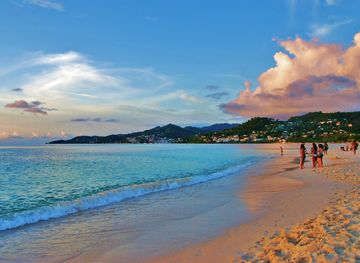
Discover Grenada, the Spice Isle of the Caribbean, where lush landscapes, pristine beaches, and rich cultural heritage create a tropical paradise for all travelers.
Explore Grenada