

Free Saint Andrew Travel Guide & Mobile App
Explore Saint Andrew with free travel guides. Discover regional history, expert tips, proposed trips, and audio guides on web or mobile app.


Discover Saint Andrew in Grenada: A blend of lush landscapes, rich history, and vibrant local life, perfect for nature lovers and cultural enthusiasts.
Read more about Saint Andrew
When is the best time to visit Saint Andrew?
Best: February–April · 30–31°C| Month | High (°C) | Rainfall (mm) |
|---|---|---|
| January | 30 | 80 |
| February (best) | 30 | 70 |
| March (best) | 30 | 60 |
| April (best) | 31 | 70 |
| May | 31 | 90 |
| June | 31 | 110 |
| July | 32 | 120 |
| August | 31 | 130 |
| September | 31 | 140 |
| October | 31 | 120 |
| November | 31 | 110 |
| December | 30 | 90 |
Getting to and around Saint Andrew
How to get there
Transportation
Top city travel guides in Saint Andrew
The cities of Saint Andrew, and the easiest places to base yourself.
-

-

-

-


Swipe for more cities
Destinations in Saint Andrew
Resorts, valleys and scenic spots worth a trip of their own.
-

-

-

-

-


Swipe for more destinations
Best attractions in Saint Andrew
Saint Andrew, Grenada, offers a captivating blend of natural beauty and cultural richness that will enchant any visitor. Wander through the lush landscapes of Grand Etang National Park, with its crater lake and abundant wildlife, or explore the cascading marvel of Annandale Falls for a refreshing dip. History enthusiasts can delve into the past at Belmont Estate, a 17th-century working plantation, where you can learn about traditional cocoa production. The scenic coastal village of Grenville invites you to immerse yourself in local life with its bustling market and vibrant atmosphere. For a touch of adventure, hike up Mount Qua Qua for panoramic views of the island's verdant terrain. With its array of activities and picturesque settings, Saint Andrew is a destination that promises both relaxation and discovery.
-
Tourist attraction
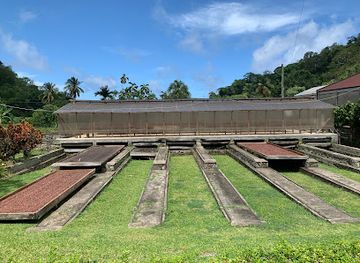
Belmont Estate
Discover Grenada's heritage at Belmont Estate: a 17th-century plantation with cocoa tours, lush gardens, and authentic cuisine.
-
Scenic spot
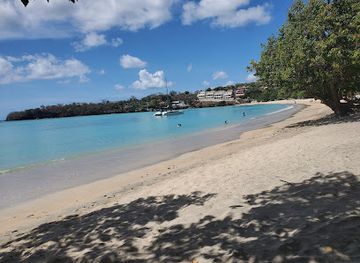
BBC Beach
Discover BBC Beach: Grenada's serene escape with calm waters, soft sands, and breathtaking sunsets. Perfect for families and relaxation.
-
Bar
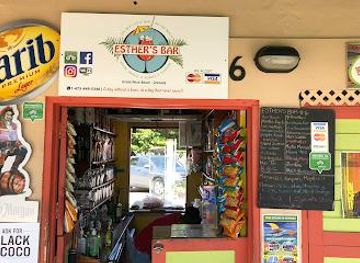
Esther's Bar
Experience the authentic Grenadian vibe at Esther's Bar on Grand Anse Beach: strong drinks, friendly faces, and unforgettable moments.
-
Fortress
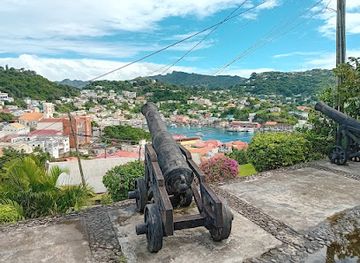
Fort George
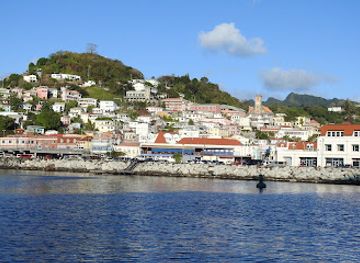
Explore Fort George in St. George's: A historic fortress with panoramic views, offering a glimpse into Grenada's rich colonial past and strategic importance.
Best landmarks in Saint Andrew
Saint Andrew in Grenada is a treasure trove for adventurous travelers and history enthusiasts alike. Explore the lush rainforest trails leading to the majestic Seven Sisters Falls, where you can take a refreshing dip in natural pools. Wander through the vibrant Grenville Market, teeming with local spices, crafts, and fresh produce, offering a sensory feast. Don't miss the historic Belmont Estate, an authentic 17th-century plantation where you can tour the cocoa processing facilities and indulge in some of the island's finest chocolate. For a touch of history and culture, visit the Grenada National Museum's rural outpost, showcasing artifacts from the indigenous Carib people and colonial era. Lastly, the picturesque coastal village of Pearls, home to a former airstrip now overtaken by grazing livestock, reveals rusting relics of Soviet-era planes, adding an unexpected twist to your journey.
-
Tourist attraction
Annandale Waterfall & Forest Park
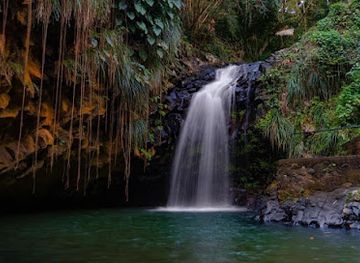
Discover Grenada's natural beauty at Annandale Waterfall: a 30-foot cascade, emerald pool, and lush rainforest, easily accessible near St. George's.
-
Island
Grenada
Discover Grenada, the 'Spice Isle': a Caribbean paradise with lush rainforests, pristine beaches, and vibrant culture waiting to be explored.
-
Tourist attraction
Belmont Estate
Discover Grenada's rich history and indulge in organic chocolate at Belmont Estate, a 17th-century plantation offering a unique cultural experience.
-
Fortress
Fort George
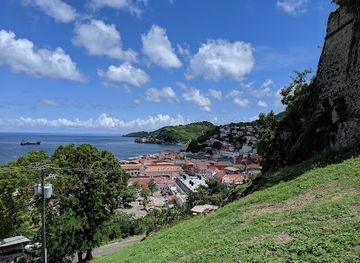
Explore Grenada's past at Fort George: a historic fortress with panoramic views of St. George's and a window into the island's vibrant history.
Explore Saint Andrew on the map
Plan your trip on one map. See where the top cities, national parks and sights are, and book hotels and experiences in a few clicks.
Best hotels in Saint Andrew
Best restaurants in Saint Andrew
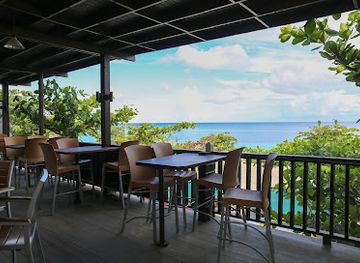
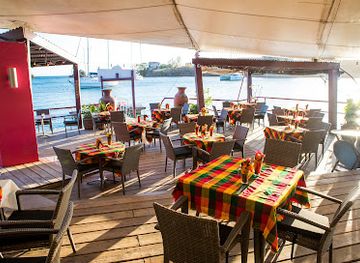
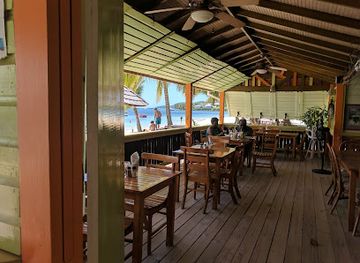
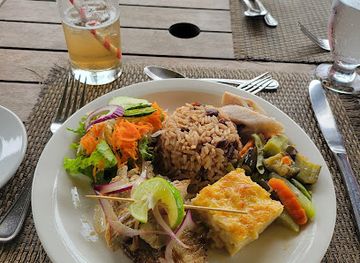
Saint Andrew, Grenada, offers a vibrant dining scene that tantalizes the senses with a medley of flavors and aromas reflecting the island's rich cultural heritage. Visitors can expect to find an enticing blend of Creole, Caribbean, and international cuisine, with fresh seafood often taking center stage. Local eateries and beachside shacks serve up mouth-watering dishes like oil down, Grenada's national dish, and pepperpot stew, while upscale restaurants provide a more refined dining experience with gourmet twists on traditional recipes. The area is also peppered with charming cafes and juice bars where you can sip on fresh coconut water or indulge in a slice of nutmeg-infused cake, a nod to Grenada's moniker as the 'Spice Isle.' Whether you're a foodie adventurer or simply seeking a delicious meal with a view, Saint Andrew's diverse culinary landscape promises to deliver.
-
Restaurant
Umbrella's Beach Bar
Experience vibrant Caribbean flavors at Umbrella's Beach Bar on Grand Anse Beach - where good food meets stunning ocean views.
-
Caribbean
Dodgy Dock Restaurant Grenada
Experience the rich flavors of Caribbean and Mexican cuisine at Dodgy Dock Restaurant in Grenada's beautiful True Blue.
-
Seafood
Sails Restaurant & Bar
Discover fresh seafood and delightful cocktails at Sails Restaurant & Bar, where breathtaking views meet Caribbean flavors in St. George's.
-
Restaurant
Coconut Beach Restaurant & Bar
Experience the flavors of Grenada at Coconut Beach Restaurant & Bar on Grand Anse Beach – where culinary delights meet breathtaking ocean views.

Best bars in Saint Andrew
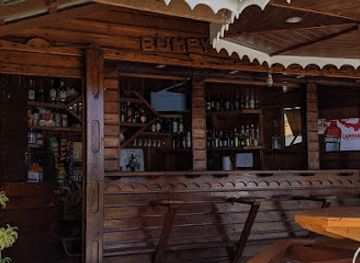
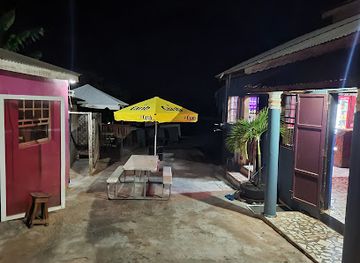
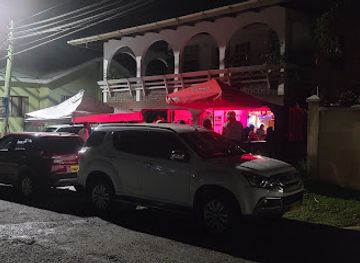
Saint Andrew in Grenada offers a vibrant and eclectic nightlife that promises visitors an unforgettable experience. As the sun sets, the town's laid-back charm transforms into a lively scene filled with music, dancing, and local flavors. Tourists can start their evening at one of the many beachfront bars, sipping on tropical cocktails while enjoying live reggae or calypso bands that set the perfect island vibe. For those seeking more excitement, local nightclubs come alive with pulsating Caribbean beats, where both locals and visitors dance the night away to Soca and Dancehall rhythms. The town also boasts intimate lounges and rum shacks where you can savor Grenadian rums and engage in animated conversations with friendly locals. Whether you're in the mood for a quiet drink by the sea or an energetic dance party, Saint Andrew's nightlife offers a diverse and captivating array of options for every type of traveler.
-
Bar
Bumpy Corner Bar
Discover Bumpy Corner Bar in Grenville, where relaxation meets vibrant Caribbean culture with delicious food and drinks.
-
Grill
Lous bar
Discover Lous Bar in Grenada: A vibrant grill serving authentic local cuisine and refreshing drinks in a lively atmosphere.
-
Bar
Johnny's Bar Beauregard
Discover the vibrant nightlife at Johnny's Bar Beauregard in Birch Grove, Grenada, where lively atmosphere meets refreshing local flavors.
-
Bar
Rose Garden CookHouse & Bar
Experience the vibrant flavors and relaxing ambiance of Rose Garden CookHouse & Bar in Telescope, Grenada - a culinary paradise awaits.
Best nightclubs in Saint Andrew
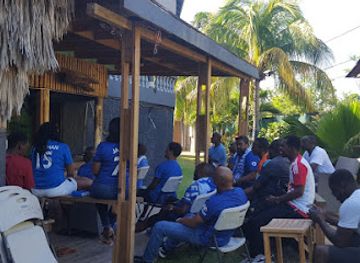
Saint Andrew in Grenada offers a vibrant and eclectic nightlife that promises visitors an unforgettable experience. As the sun sets, the town's laid-back charm transforms into a lively scene filled with music, dancing, and local flavors. Tourists can start their evening at one of the many beachfront bars, sipping on tropical cocktails while enjoying live reggae or calypso bands that set the perfect island vibe. For those seeking more excitement, local nightclubs come alive with pulsating Caribbean beats, where both locals and visitors dance the night away to Soca and Dancehall rhythms. The town also boasts intimate lounges and rum shacks where you can savor Grenadian rums and engage in animated conversations with friendly locals. Whether you're in the mood for a quiet drink by the sea or an energetic dance party, Saint Andrew's nightlife offers a diverse and captivating array of options for every type of traveler.
-
Pub
Old Skool Pub
Discover the vibrant atmosphere and authentic flavors of Grenada at Old Skool Pub, where every visit feels like a celebration of local culture.
-
Night club
Moonlight City
Discover the vibrant nightlife of Moonlight City, La Poterie – where rhythm, dance, and Grenadian culture come together for an unforgettable experience.
-
Bar
Freedom St. Night Club
Discover the nightlife of Grenada at Freedom St. Night Club, where music, dancing, and cocktails create unforgettable memories.
-
Night club
DJ BAR & GRILL
Experience the vibrant nightlife at DJ Bar & Grill in Grenada, where great music, flavorful food, and unforgettable fun come together.

Best shops in Saint Andrew
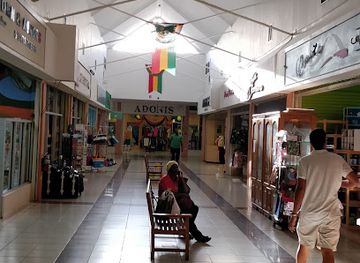
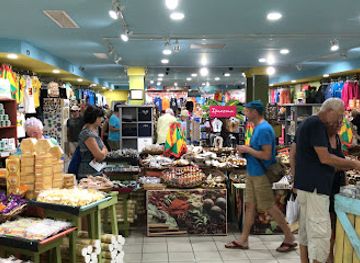
Saint Andrew in Grenada offers a vibrant and eclectic shopping scene that beckons visitors to explore its charming streets and bustling markets. From the lively, colorful stalls at Grenville Market, where you can find a delightful array of fresh local produce, spices, and handmade crafts, to the quaint boutique shops that line the town's picturesque lanes, there's something for everyone. Discover unique souvenirs, authentic Grenadian spices, and artisanal products that capture the essence of the island's rich culture and traditions. The warm and welcoming locals add to the experience, often sharing stories and insights about their crafts, making every purchase more than just a transaction but a memorable part of your journey.
-
Shopping mall
Spiceland Mall
Experience the vibrant shopping and dining culture of Grenada at Spiceland Mall, where local charm meets international brands.
-
Shopping mall
Esplanade Shopping Complex
Discover shopping, dining, and local culture at the Esplanade Shopping Complex in St. George's, Grenada - a vibrant hub for tourists.
-
Supermarket
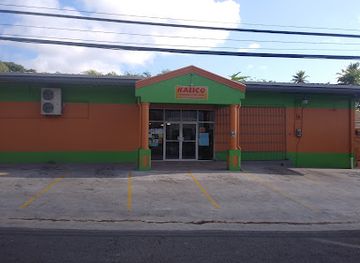
Kalico Shopping Centre
Explore local flavors and vibrant culture at Kalico Shopping Centre, Grenville's premier shopping destination for tourists.
-
Shopping mall
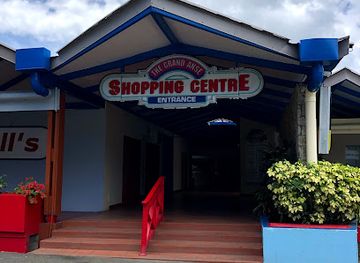
Grand Anse Shopping Center
Explore the Grand Anse Shopping Center for a unique blend of shopping, dining, and local Grenadian culture, perfect for every traveler.
Get your free copy of our complete guide to Saint Andrew, delivered straight to you.
Everything on this page, from attractions and restaurants to essentials and local phrases, in one PDF you can read offline, print or share.
Already have an account? Sign in
Your Saint Andrew guide is ready.
We'll send it to · Not you? Sign out

Getting your guide ready…
We are putting together a fresh copy of the Saint Andrew guide. This can take up to a minute.
This can take a few moments. If your browser asks, choose Allow so the download can start. You'll find the guide in your Downloads folder.
Nothing happened? Download it again
Sorry, the guide is taking longer than usual. Please try again in a minute, or get it by email instead.
Saint Andrew essentials
Currency and Payment
Safety
Emergency Situations
Do's and Don'ts
Local Tips
From Eve
Local phrases worth knowing
You don't need to get them perfect. A few words go a long way, and locals appreciate the effort.
Basics
| English | Local | Say it |
|---|---|---|
| Hello | Hello | [Heh-lo] |
| Goodbye | Goodbye | [Goo-dbye] |
| Yes | Yes | [Yes] |
| No | No | [No] |
| Please/You're welcome | Please/You’re welcome | [Pleez/You’re wel-kum] |
| Thank you | Thank you | [Thank yoo] |
| Excuse me/Sorry | Excuse me/Sorry | [Ex-kyoos mee/Saw-ree] |
| How are you? | How you doing? | [How yoo doo-ing?] |
| Fine. And you? | I good. And you? | [I good. And yoo?] |
| Do you speak English? | You speak English? | [Yoo speek In-glish?] |
| I don't understand | I no understand | [I no un-der-stand] |
Eating & Drinking
| English | Local | Say it |
|---|---|---|
| I'd like to see the menu, please | Can I see the menu, please? | [Can I see the men-yoo, pleez?] |
| I don't eat meat | I no eat meat | [I no eet meet] |
| Cheers! | Cheers! | [Cheers] |
| I would like to pay, please | I want to pay, please | [I want to pay, pleez] |
Emergencies
| English | Local | Say it |
|---|---|---|
| Help! | Help! | [Help] |
| Go away! | Go away! | [Go away] |
| Call the Police! | Call the police! | [Call the po-lees] |
| Call a doctor! | Call a doctor! | [Call a doc-tor] |
| I'm lost | I lost | [I lost] |
| I'm ill | I not feeling well | [I not feel-ing wel] |
Shopping
| English | Local | Say it |
|---|---|---|
| I'd like to buy... | I want to buy... | [I want to buy...] |
| I'm just looking | I just looking | [I just look-ing] |
| How much is it? | How much it cost? | [How much it kost?] |
| That's too expensive | Dat too expensive | [Dat too ex-pen-siv] |
| Can you lower the price? | Can you make it cheaper? | [Can yoo make it chee-per?] |
Time & Numbers
| English | Local | Say it |
|---|---|---|
| What time is it? | Wha time it is? | [Wha time it is?] |
| It's one o'clock | It one o'clock | [It won o'clock] |
| Half past (10) | Half past ten | [Half past ten] |
| Morning | Morning | [Morn-ing] |
| Afternoon | Afternoon | [Af-ter-noon] |
| Evening | Evening | [Eve-ning] |
| Yesterday | Yesterday | [Yes-ter-day] |
| Today | Today | [To-day] |
| Tomorrow | Tomorrow | [To-mor-row] |
| 1 | 1 | [1] |
| 2 | 2 | [2] |
| 3 | 3 | [3] |
| 4 | 4 | [4] |
| 5 | 5 | [5] |
| 6 | 6 | [6] |
| 7 | 7 | [7] |
| 8 | 8 | [8] |
| 9 | 9 | [9] |
| 10 | 10 | [10] |
Transport & Directions
| English | Local | Say it |
|---|---|---|
| Where's a/the...? | Where de...? | [Where de...?] |
| What's the address? | Wha de address? | [Wha de ad-dress?] |
| Can you show me (on the map)? | Can you show me? | [Can yoo show me?] |
| When's the next (bus)? | When de next bus? | [When de next bus?] |
| A ticket (to ....) | One ticket (to ....) | [One tick-et (to....)] |
History of Saint Andrew
The Carib Settlement
Long before European colonization, the indigenous Carib people inhabited the area now known as Saint Andrew. The Caribs lived in harmony with the lush tropical environment, relying on fishing, hunting, and agriculture. Evidence of their presence can still be found in the form of ancient petroglyphs and artifacts scattered throughout the region.
French Colonization
In the 17th century, French colonizers arrived in Grenada, naming the area Grand Pauvre. They established plantations and began cultivating crops like sugarcane, cocoa, and indigo. The French influence is still evident in place names and cultural practices in Saint Andrew. The parish's capital, Grenville, was originally called La Baye by the French settlers.
British Rule and the Sugar Economy
Following the Treaty of Paris in 1763, Grenada became a British colony. Saint Andrew, with its fertile lands, became a significant part of the island's booming sugar industry. Plantations dotted the landscape, worked by enslaved Africans brought to the island to labor in harsh conditions. The remnants of old plantation houses and sugar mills can still be visited, serving as a stark reminder of this period.
The Fédon Rebellion
In 1795, Julien Fédon, a free person of color and plantation owner, led a major rebellion against British rule, inspired by the French Revolution. The insurgents captured Grenville and other parts of Saint Andrew, declaring Grenada a republic. Though ultimately unsuccessful, the Fédon Rebellion remains a significant event in Grenadian history, symbolizing the struggle for freedom and resistance against colonial oppression.
Abolition of Slavery
The British Parliament passed the Slavery Abolition Act in 1833, leading to the emancipation of enslaved people in Grenada by 1834. This marked the beginning of a new era for Saint Andrew, as former slaves sought to establish their own communities and livelihoods. The period of apprenticeship that followed emancipation saw many freed individuals working on plantations under conditions that were only slightly improved.
Economic Diversification
Following emancipation, Saint Andrew underwent significant changes, with the local economy diversifying beyond sugar. Cocoa, nutmeg, and other spices became important cash crops. The town of Grenville emerged as a major commercial hub, connecting farmers with markets both locally and internationally. The Grenville Market remains a vibrant center of trade and cultural exchange.
Independence and Modern Development
Grenada gained independence from British colonial rule on February 7, 1974. Since then, Saint Andrew has continued to evolve, blending its rich cultural heritage with modern development. Today, the parish is known for its scenic landscapes, including the majestic Grand Etang National Park and Forest Reserve, and its vibrant cultural festivals, such as the Grenville Carnival.
Saint Andrew in Photos
Browse through our photo collection highlighting the charm and character of the destination.
Neighbouring regions of Saint Andrew
The closest regions to Saint Andrew, if you have time for more than one.
-

-

-

-

-


Swipe for more regions
Explore more
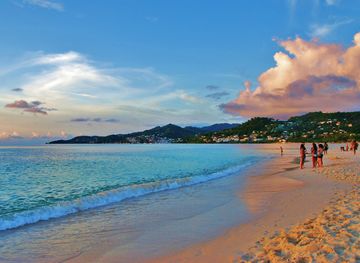
Explore more of Grenada
Discover Grenada, the Spice Isle of the Caribbean, where lush landscapes, pristine beaches, and rich cultural heritage create a tropical paradise for all travelers.
Explore Grenada