

Free Saint David Travel Guide & Mobile App
Explore Saint David with free travel guides. Discover regional history, expert tips, proposed trips, and audio guides on web or mobile app.


Explore Saint David in Grenada for Atlantic beaches, rural villages, plantation heritage, nutmeg country and a quieter Caribbean coastal experience.
Read more about Saint David
When is the best time to visit Saint David?
Best: February–April · 29–30°C| Month | High (°C) | Rainfall (mm) |
|---|---|---|
| January | 29 | 100 |
| February (best) | 29 | 80 |
| March (best) | 29 | 70 |
| April (best) | 30 | 80 |
| May | 31 | 120 |
| June | 31 | 160 |
| July | 30 | 180 |
| August | 30 | 200 |
| September | 30 | 210 |
| October | 30 | 200 |
| November | 30 | 150 |
| December | 29 | 120 |
Getting to and around Saint David
How to get there
Transportation
Top city travel guides in Saint David
The cities of Saint David, and the easiest places to base yourself.
-

-


Swipe for more cities
Destinations in Saint David
Resorts, valleys and scenic spots worth a trip of their own.
-

-

-

-

-

-


Swipe for more destinations
Best attractions in Saint David
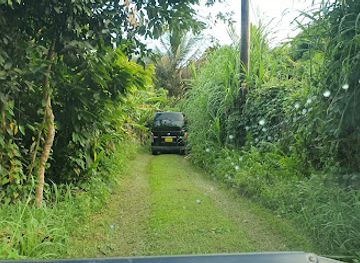
Saint David’s attractions are shaped by its rural coastline and agricultural interior rather than by a large concentration of museums or purpose-built entertainment. La Sagesse offers a sheltered bay, coastal walking, mangrove habitat and opportunities for quiet observation of the landscape. Along the eastern shore, small beaches, fishing communities and viewpoints provide a more open Atlantic perspective, although swimming conditions differ considerably from one cove to another. Inland, roads pass through nutmeg, cocoa, banana and mixed-crop country, making guided farm visits and conversations about Grenada’s agricultural traditions particularly rewarding. Westerhall Estate adds historic and industrial interest through its association with plantation agriculture and rum production. The parish also suits visitors interested in photography, birdwatching, gentle coastal exploration and seeing how villages, smallholdings and working roads fit together. Activities are generally low-key and locally organised, so advance confirmation is sensible for estate visits, guided walks and community experiences. The appeal lies in the combination of landscape, living agriculture and scattered heritage rather than in a single dominant attraction.
-
Tourist attraction
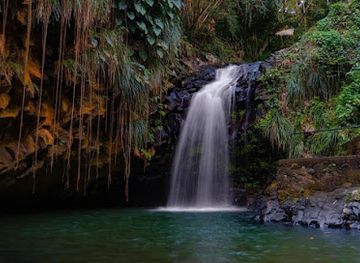
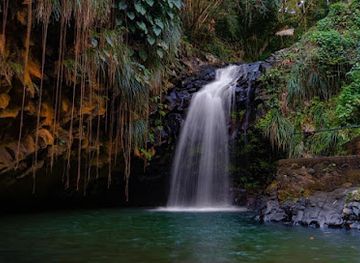
Annandale Waterfall & Forest Park
Discover Grenada's natural beauty at Annandale Waterfall: an easily accessible rainforest escape with a stunning waterfall and refreshing pool.
-
Bar
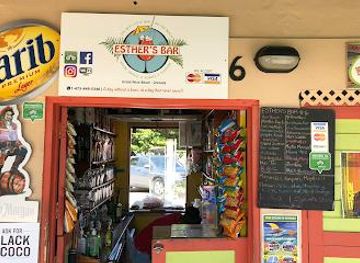
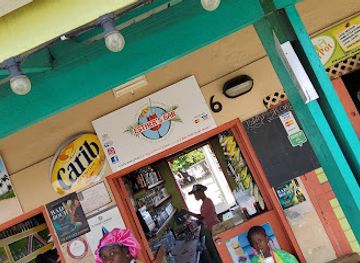
Esther's Bar
Experience the vibrant flavors and laid-back vibes of Grenada at Esther's Bar, your beachfront escape on Grand Anse Beach.
-
Historical landmark
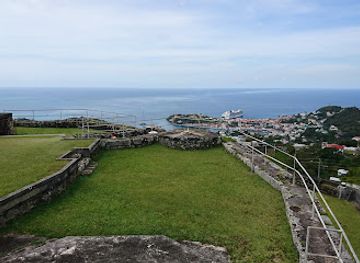
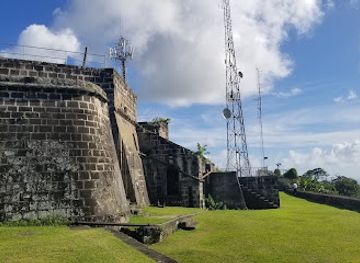
Fort Frederick
Explore Fort Frederick in Grenada: A historic fort with unique architecture, stunning panoramic views, and a rich colonial history. A must-see attraction!
-
Stadium
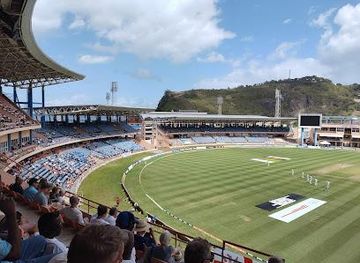
Grenada National Cricket Stadium
Experience the thrill of cricket and vibrant Grenadian culture at the historic Grenada National Cricket Stadium in St. George's.
Best landmarks in Saint David
La Sagesse Bay is one of Saint David’s most recognisable natural landmarks, with a curved, sheltered shoreline and wetland vegetation that contrasts with the more exposed Atlantic coast nearby. The eastern coastline itself is significant for its headlands, small bays and working settlements, offering a clear geographical distinction from Grenada’s more protected south-western shore. Westerhall Estate represents the parish’s plantation and rum-making legacy, linking a visible historic property with the agricultural economy that shaped local land use. The parish’s churches, village centres and roadside communities are modest in scale but important markers of its social landscape, especially where they stand above valleys or beside old estate routes. Inland hills and cultivated slopes form a further landmark system: nutmeg and cocoa country, rather than dramatic urban architecture, defines much of Saint David’s visual identity. Together these places show how the parish’s geography, plantation history, agriculture and coastal life remain closely interwoven.
-
Tourist attraction
Annandale Waterfall & Forest Park
Discover Grenada's easily accessible natural beauty: a stunning waterfall, refreshing pool, and lush rainforest escape near St. George's.
-
Tourist attraction
Belmont Estate
Discover Grenada's rich history and indulge in the sweet flavors of organic chocolate at the enchanting Belmont Estate. A true Caribbean experience.
-
Fortress
Fort George
Explore Grenada's iconic Fort George: a historic fortress offering panoramic views of St. George's and a glimpse into the island's past.
-
Historical landmark
Fort Frederick
Explore Grenada's colonial past at Fort Frederick, a historic fort with panoramic views of St. George's and the Caribbean Sea.

Explore Saint David on the map
Plan your trip on one map. See where the top cities, national parks and sights are, and book hotels and experiences in a few clicks.
Best hotels in Saint David
Best restaurants in Saint David
Dining in Saint David reflects Grenada’s Creole-Caribbean cooking, agricultural produce and proximity to the sea. Small restaurants, local cookshops and roadside sellers may offer oil down, the island’s hearty one-pot national dish, alongside grilled fish, chicken, rice, plantain, callaloo and seasonal vegetables. Fresh fish and seafood are particularly relevant in coastal communities, while nutmeg, cinnamon, cloves and other spices add a recognisable Grenadian character to both savoury dishes and sweets. Fruit juices, cocoa-based drinks and rum are common parts of the wider food culture. Around beaches and established visitor areas, dining tends to be informal and relaxed; inland, options are more dispersed and may follow local rhythms rather than fixed tourist schedules. Buying fruit, spices or baked goods from small vendors can introduce visitors to the produce of the parish, but it is wise to carry cash and check availability before making a long journey. The strongest culinary experiences often come from combining a simple local meal with a visit to the agricultural countryside.
-
Caribbean
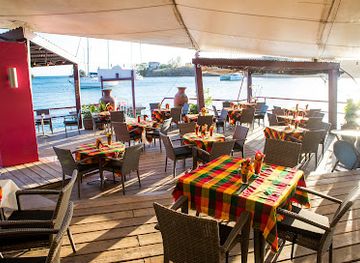
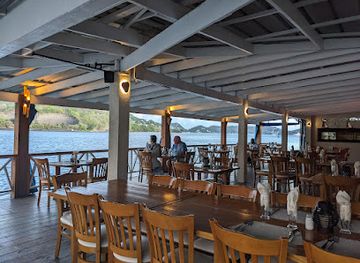
Dodgy Dock Restaurant Grenada
Discover Dodgy Dock Restaurant in Grenada - where Caribbean meets Mexican cuisine in a beautiful waterfront setting.
-
Seafood
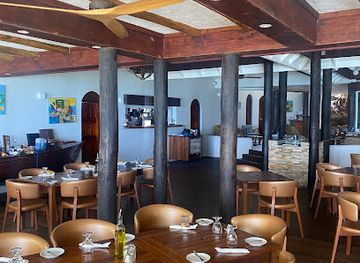
Sails Restaurant & Bar
Experience fresh seafood and breathtaking views at Sails Restaurant & Bar in Grenada - where culinary excellence meets Caribbean charm.
-
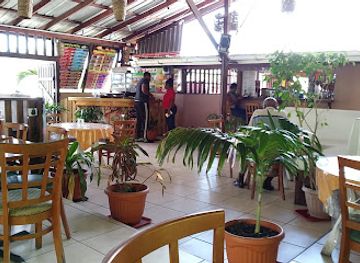
Restaurant
Aquarium
Experience exquisite seafood dining at The Aquarium in Grenada with stunning ocean views and authentic local flavors.
-
Restaurant
GrillMaster
Discover the flavorful world of GrillMaster in St. George Grand Anse - where every meal is a celebration of taste and culture.
Best bars in Saint David
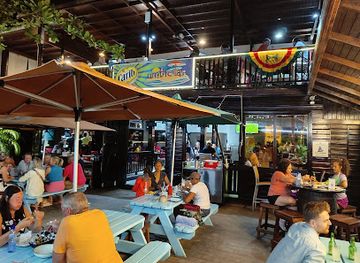
Saint David’s evening life is led by rum shops, village bars, informal restaurants and community gatherings rather than a concentrated nightclub district. In coastal settlements, visitors may find relaxed places for a rum punch, beer, conversation or views across the bay, while larger entertainment choices are generally more available in Saint George’s and the south-western part of Grenada outside the parish. Local music, seasonal celebrations and community events can create livelier evenings, but these are not necessarily scheduled for tourists or held every week. Rural roads are poorly suited to casual late-night driving, so arrange a taxi or designated driver if drinking. The parish is better suited to an unhurried dinner, a quiet drink and an early start for the coast or countryside than to an extended club circuit.
-
Bar
Umbrella's Beach Bar
Experience the vibrant atmosphere and delicious Caribbean cuisine at Umbrella's Beach Bar on Grand Anse Beach, Grenada's tropical paradise.
-
Bar
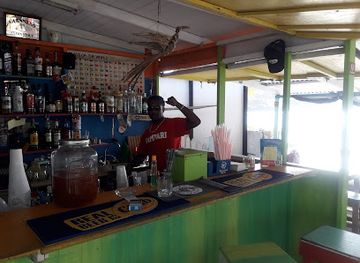
Esther's Bar
Discover the vibrant atmosphere and unique cocktails at Esther's Bar, the perfect beachfront escape in Grenada.
-
Bar
La Plywood Beach Bar Café
Discover La Plywood Beach Bar Café, a hidden gem in Grenada where vibrant culture meets serene beachfront relaxation.
-
Bar
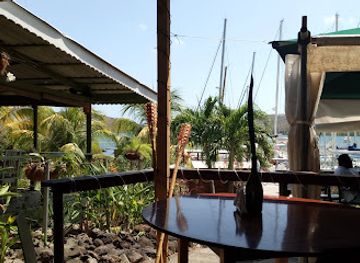
The Cove Marina, Restaurant & Bar (fomerly Whisper Cove)
Discover The Cove Marina, Restaurant & Bar in St. George's, Grenada – your destination for local cuisine, stunning views, and vibrant atmosphere.
Best nightclubs in Saint David
Saint David’s evening life is led by rum shops, village bars, informal restaurants and community gatherings rather than a concentrated nightclub district. In coastal settlements, visitors may find relaxed places for a rum punch, beer, conversation or views across the bay, while larger entertainment choices are generally more available in Saint George’s and the south-western part of Grenada outside the parish. Local music, seasonal celebrations and community events can create livelier evenings, but these are not necessarily scheduled for tourists or held every week. Rural roads are poorly suited to casual late-night driving, so arrange a taxi or designated driver if drinking. The parish is better suited to an unhurried dinner, a quiet drink and an early start for the coast or countryside than to an extended club circuit.
-
Bar
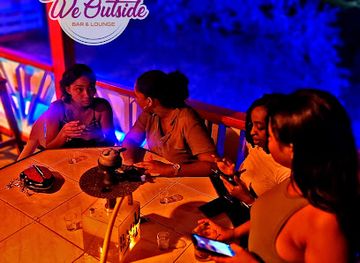
We Outside Bar & Lounge
Experience the vibrant nightlife of Grenada at We Outside Bar & Lounge, where delicious food and refreshing drinks meet a lively atmosphere.
-
Live Music
Sabrina's Treehouse
Discover the enchanting live music scene at Sabrina's Treehouse in Grenada, where local rhythms meet breathtaking nature.
-
Bar
Freedom St. Night Club
Discover the vibrant nightlife at Freedom St. Night Club, a must-visit bar in The Lime, Grenada, with eclectic drinks and lively ambiance.
-
Bar
Evening Time Bar
Experience the vibrant nightlife at Evening Time Bar in Grenada, where local flavors and lively ambiance come together for an unforgettable evening.


Best shops in Saint David
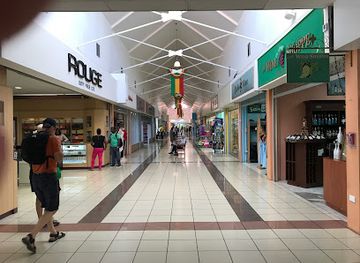
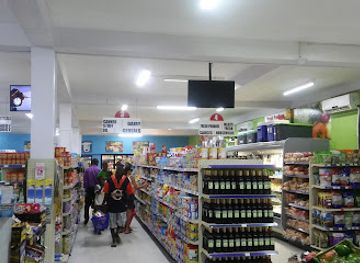
Shopping in Saint David is primarily local and practical, centred on small village shops, roadside stalls, produce sellers and businesses serving nearby communities rather than large retail complexes. Visitors can look for seasonal fruit, spices, nutmeg, cocoa products, baked goods and locally made rum, although selection and packaging vary between sellers. Market-style buying is often informal, so carry Eastern Caribbean cash and ask about prices and suitable ways to transport food products. Craft items and souvenirs may be available through community businesses or visitor-focused sites, while a wider choice of gifts, galleries and branded goods is found outside the parish in Saint George’s and the south-west. The most meaningful purchases are often agricultural: Grenadian spices, cocoa-related products and other shelf-stable foods that connect directly with Saint David’s working countryside. Respect private farm stands and do not enter cultivation areas without invitation.
-
Shopping mall
Spiceland Mall
Explore Spiceland Mall in Grenada—your ultimate shopping destination for local crafts, fashion, and delectable dining in a vibrant atmosphere.
-
Supermarket
SOG Foods Calivigny
Explore the diverse offerings at SOG Foods Calivigny, the premier supermarket in St. George's, Grenada, blending local flavors and global goods.
-
Museum
Laura Herb and Spice Garden
Experience the aromatic world of spices and herbs at Laura Herb and Spice Garden, a scenic gem in Grenada's lush landscape.
-
Shopping mall
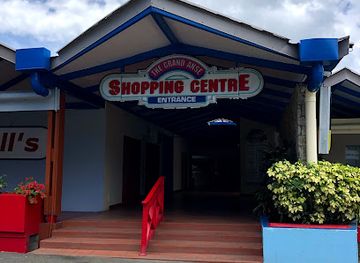
Grand Anse Shopping Center
Discover the Grand Anse Shopping Center: A vibrant shopping destination in Grenada with diverse shops, dining, and a taste of Caribbean culture.
Get your free copy of our complete guide to Saint David, delivered straight to you.
Everything on this page, from attractions and restaurants to essentials and local phrases, in one PDF you can read offline, print or share.
Already have an account? Sign in
Your Saint David guide is ready.
We'll send it to · Not you? Sign out

Getting your guide ready…
We are putting together a fresh copy of the Saint David guide. This can take up to a minute.
This can take a few moments. If your browser asks, choose Allow so the download can start. You'll find the guide in your Downloads folder.
Nothing happened? Download it again
Sorry, the guide is taking longer than usual. Please try again in a minute, or get it by email instead.
Saint David essentials
Currency and Payment
Safety
Emergency Situations
Do's and Don'ts
Local Tips
From Eve
Local phrases worth knowing
You don't need to get them perfect. A few words go a long way, and locals appreciate the effort.
Basics
| English | Local | Say it |
|---|---|---|
| Hello | Hello | [Heh-loh] |
| Goodbye | Goodbye | [Good-bye] |
| Yes | Yes | [Yes] |
| No | No | [No] |
| Please/You're welcome | Please/You’re welcome | [Pleez/You’re wel-kum] |
| Thank you | Thank you | [Thank yoo] |
| Excuse me/Sorry | Excuse me/Sorry | [Ex-kyoos mee/Sor-ee] |
| How are you? | How you doing? | [How yuh doin?] |
| Fine. And you? | Fine. And you? | [Fine. An yuh?] |
| Do you speak English? | Yuh speak English? | [Yuh speek In-glish?] |
| I don't understand | I no understand | [I no un-der-stand] |
Eating & Drinking
| English | Local | Say it |
|---|---|---|
| I'd like to see the menu, please | Can I see the menu, please? | [Kan I see di men-yu, pleez?] |
| I don't eat meat | I no eat meat | [I no eet meet] |
| Cheers! | Cheers! | [Cheers!] |
| I would like to pay, please | I would like to pay, please | [I wud laik to pay, pleez] |
Emergencies
| English | Local | Say it |
|---|---|---|
| Help! | Help! | [Help!] |
| Go away! | Leave me alone! | [Leev me alon!] |
| Call the Police! | Call di police! | [Call di po-lees!] |
| Call a doctor! | Call a doctor! | [Call a dok-tah!] |
| I'm lost | I lost | [I lost] |
| I'm ill | I sick | [I sik] |
Shopping
| English | Local | Say it |
|---|---|---|
| I'd like to buy... | I want to buy... | [I want to bai...] |
| I'm just looking | I just looking | [I just luking] |
| How much is it? | How much dat? | [How much dat?] |
| That's too expensive | Dat too pricey | [Dat too pricy] |
| Can you lower the price? | Can yuh lower di price? | [Can yuh loh-er di prais?] |
Time & Numbers
| English | Local | Say it |
|---|---|---|
| What time is it? | What time it is? | [Wha time it is?] |
| It's one o'clock | It one o’clock | [It won o'clok] |
| Half past (10) | Half past ten | [Half past ten] |
| Morning | Morning | [Morn-ing] |
| Afternoon | Afternoon | [Af-ter-noon] |
| Evening | Evening | [Eve-ning] |
| Yesterday | Yesterday | [Yes-ter-day] |
| Today | Today | [To-day] |
| Tomorrow | Tomorrow | [To-mor-row] |
| 1 | One | [Wun] |
| 2 | Two | [Too] |
| 3 | Three | [Three] |
| 4 | Four | [For] |
| 5 | Five | [Fiv] |
| 6 | Six | [Siks] |
| 7 | Seven | [Sev-en] |
| 8 | Eight | [Ait] |
| 9 | Nine | [Nin] |
| 10 | Ten | [Ten] |
Transport & Directions
| English | Local | Say it |
|---|---|---|
| Where's a/the...? | Where di...? | [Wha di...?] |
| What's the address? | Wha di address? | [Wha di ad-res?] |
| Can you show me (on the map)? | Can yuh show me (on di map)? | [Can yuh sho mee (on di map)?] |
| When's the next (bus)? | When di next (bus)? | [When di nekst (bus)?] |
| A ticket (to ....) | A ticket (to ....) | [A tik-et (to ....)] |
History of Saint David
Indigenous Settlement before European Colonisation
Before European colonisation, Grenada was inhabited by Indigenous communities, including Kalinago people, who used the island’s forests, rivers and coastal waters for food, movement and trade. Saint David’s eastern coastline formed part of this wider island environment, with sheltered bays and fertile inland valleys supporting settlement and cultivation. Much of the physical evidence is fragmentary, but the Indigenous period remains essential to understanding Grenada before plantation agriculture and European political control transformed the landscape.
French Colonisation and the Plantation Landscape
French settlers established lasting control in Grenada during the seventeenth century, introducing plantation agriculture and reorganising land around estates producing sugar and other commodities. Saint David’s fertile valleys and accessible eastern bays became part of this colonial economy. Enslaved Africans were brought to work the plantations, and African cultural traditions became central to Grenada’s society. Estate roads, old plantation sites and the continued importance of agriculture preserve elements of this period, although the original system was built on coercion and profound human suffering.
British Rule and the Expansion of Estate Agriculture
Britain acquired Grenada in the eighteenth century, and the island’s plantation economy continued under British administration. Sugar remained important, while later agricultural activity included coffee, cocoa, spices and other crops better suited to Grenada’s varied terrain. In Saint David, estate lands and small coastal communities developed alongside one another, creating the mixed rural pattern still visible today. The parish’s historic relationship with Westerhall and other agricultural properties reflects the transition from a plantation-dominated economy towards a more diverse farming landscape.
Emancipation and Post-Plantation Rural Society
The abolition of slavery in the British Caribbean during the 1830s transformed labour and landholding throughout Grenada. Formerly enslaved people sought greater independence, although economic inequality and estate control persisted in new forms. In Saint David, villages, smallholdings and informal agricultural practices became increasingly important alongside established estates. The parish’s present-day pattern of dispersed homes, family farms, churches and small businesses has roots in these post-emancipation changes, when rural communities negotiated new social and economic relationships.
Spices, Cocoa and Rural Economic Change
During the nineteenth and twentieth centuries, Grenada developed a strong reputation for nutmeg, mace, cocoa and other agricultural products. Saint David’s interior conditions supported this diversified cultivation, while its coastal communities remained linked to fishing and small-scale trade. Agriculture brought the parish into international markets but also left it vulnerable to hurricanes, fluctuating prices and wider economic change. The continued presence of spice trees, cocoa cultivation and rural processing traditions connects contemporary Saint David with this long period of agricultural development.
Political Transformation and Independence
Grenada moved through late-colonial political change, independence from Britain in 1974 and the upheavals of the 1979–1983 revolutionary period. These national events affected communities across Saint David through changing political institutions, public services and economic expectations. Grenada’s later political settlement and its development as an independent Caribbean state form the wider context for the parish today. Local roads, schools, churches and community organisations reflect the gradual expansion of public life beyond the old plantation structure.
Hurricanes and Contemporary Resilience
Severe hurricanes, notably Ivan in 2004 and later major storms affecting the region, caused extensive damage across Grenada, including to agriculture, homes and infrastructure. Saint David’s exposed eastern position and rural economy made recovery a major community challenge. The parish has continued to adapt through rebuilding, tourism, diversified farming and renewed attention to environmental protection. Contemporary Saint David therefore combines long-established agricultural traditions with a practical awareness of climate, coastal exposure and the need to protect local livelihoods.
Saint David in Photos
Browse through our photo collection highlighting the charm and character of the destination.
Neighbouring regions of Saint David
The closest regions to Saint David, if you have time for more than one.
-

-

-

-

-


Swipe for more regions
Explore more
Explore more of Grenada
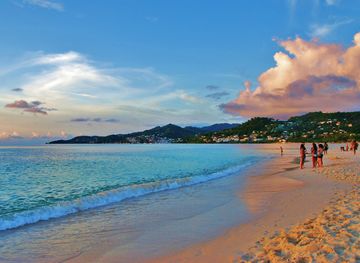
Discover Grenada, the Spice Isle of the Caribbean, where lush landscapes, pristine beaches, and rich cultural heritage create a tropical paradise for all travelers.
Explore Grenada