

Grand Anse Beach Travel Guide - Free Web & App
Your ultimate guide to Grand Anse Beach. Discover top landmarks, proposed trips, and local tips. Free on the web or via the Evendo companion app.


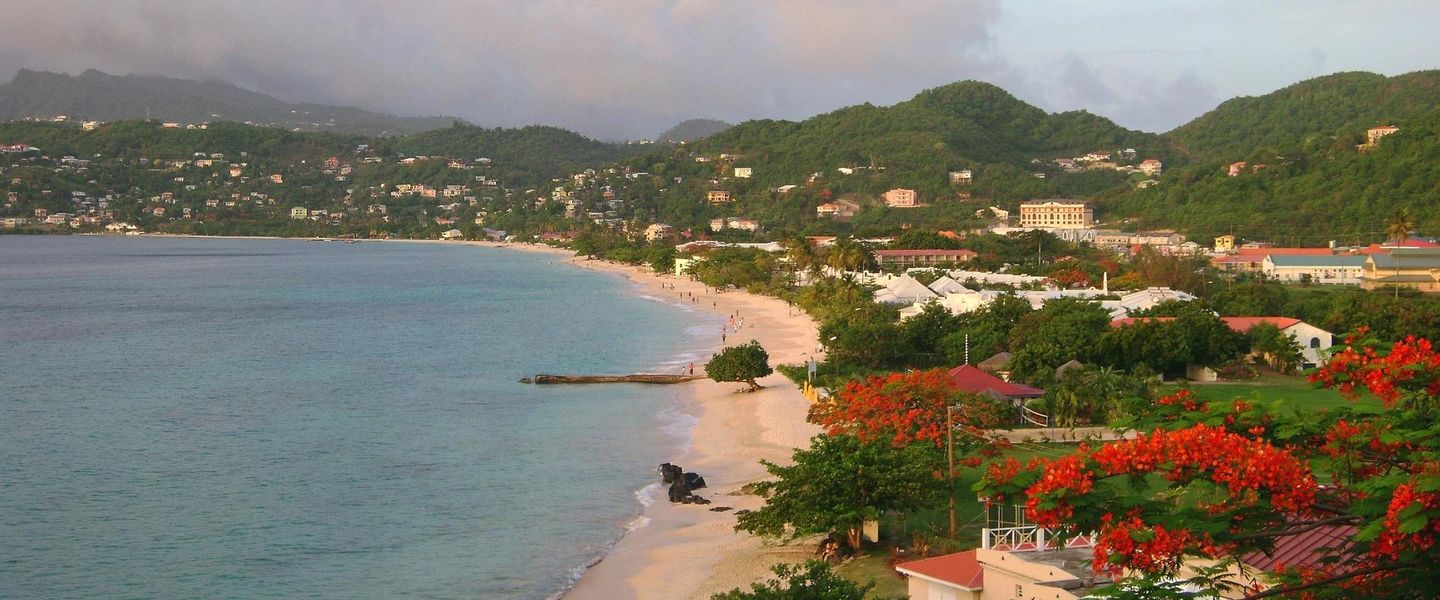


Grand Anse Beach, Grenada offers soft white sand, Caribbean swimming, sunset views, water taxis, local dining and easy access to historic St George’s.
A Broad Crescent of Sand
Grand Anse Beach is Grenada’s best-known stretch of coast, extending for roughly three kilometres along the island’s south-western shore. Its pale sand, gently shelving water and mountainous backdrop create a setting that feels spacious rather than enclosed, while the Caribbean Sea changes character with wind, swell and light. The beach lies within easy reach of St George’s, Grenada’s compact capital, and is one of the island’s principal areas for seaside accommodation, dining and recreation.Read more about Grand Anse Beach
Between St George’s and the South Coast
Sea, Sunset and Island Life
When is the best time to visit Grand Anse Beach?
Best: February–April · 30–31°C| Month | High (°C) | Rainfall (mm) |
|---|---|---|
| January | 30 | 94 |
| February (best) | 30 | 72 |
| March (best) | 30 | 68 |
| April (best) | 31 | 81 |
| May | 31 | 114 |
| June | 31 | 151 |
| July | 31 | 167 |
| August | 31 | 159 |
| September | 31 | 141 |
| October | 31 | 128 |
| November | 31 | 130 |
| December | 30 | 107 |
Getting to and around Grand Anse Beach
How to get there
Transportation
Best landmarks in Grand Anse Beach
Grand Anse Beach itself is the defining natural landmark: a broad south-western arc of pale sand backed by low coastal development and hills. Its open bay provides one of Grenada’s most recognisable coastal views, while the nearby headlands frame the approaches towards St George’s. Fort George, above the capital and outside Grand Anse proper, is the most prominent historic landmark in the immediate vicinity, linking the beach excursion with Grenada’s colonial and maritime past. St George’s harbour and its steep townscape form another important visual reference from the south-west coast. The surrounding hills, tropical vegetation and changing sea conditions are significant parts of the beach’s character, even where they are not individually named monuments. Nearby Morne Rouge is a separate coastal landmark and should not be confused with Grand Anse.
-
Scenic spot
BBC Beach
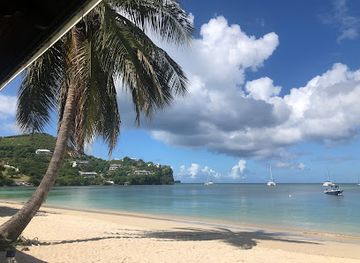
Discover BBC Beach in Grenada: a serene escape with calm waters, golden sands, and stunning sunsets, perfect for families and relaxation.
Explore Grand Anse Beach on the map
Plan your trip on one map. See where the top attractions, landmarks, restaurants and hotels are, and book hotels and experiences in a few clicks.
Best hotels in Grand Anse Beach
Best restaurants in Grand Anse Beach
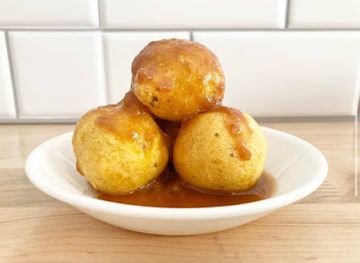
Dining around Grand Anse is concentrated in hotels, beachfront venues, casual restaurants and nearby commercial areas rather than in a single formal dining quarter. Menus commonly draw on Grenadian ingredients such as fresh fish, seafood, chicken, root vegetables, plantain, spices, cocoa and nutmeg, with Caribbean cooking appearing alongside international dishes for visitors. Oil down, Grenada’s celebrated one-pot dish, may be encountered as a local speciality, although its availability varies by venue and day. St George’s provides additional choices, including market produce and small local eateries, while supermarkets and shops around Grand Anse are useful for self-catering. Visitors should distinguish between restaurants directly on or beside the beach and those along the surrounding roads, where the setting is less coastal but everyday food shopping is often easier.
-
Restaurant
Savvy Cabana
Experience authentic Grenadian flavors at Savvy Cabana – a must-visit culinary haven nestled in The Lime.
-
Restaurant
Sur La Mer
Experience exquisite Caribbean cuisine at Sur La Mer in Grenada—where stunning views meet delicious flavors.
-
Restaurant
A Taste Of Trini In Grenada
Savor authentic Trinidadian flavors at A Taste Of Trini In Grenada - where every meal is a celebration of culture and community.
-
Restaurant
Kings Smokehouse Grenada
Experience authentic Caribbean flavors at Kings Smokehouse Grenada - where delicious smoked dishes meet warm island hospitality.

Best bars in Grand Anse Beach
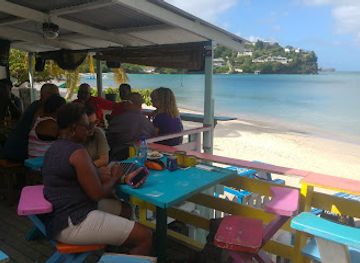
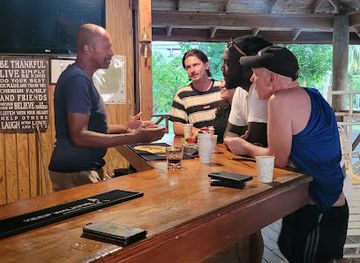
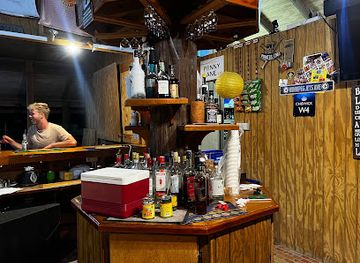
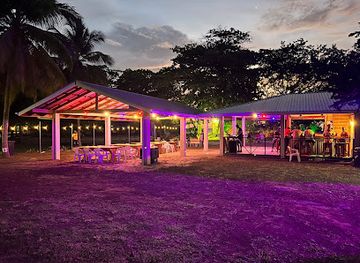
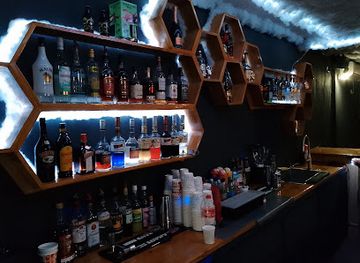
Grand Anse’s evening scene is relaxed and hospitality-led rather than centred on large nightclubs. Hotel bars, casual beach venues and restaurants provide places for drinks, conversation and occasional music, with activity varying according to the season, hotel programme and day of the week. St George’s adds a wider choice of rum bars, restaurants and local evening venues, although it remains a compact capital rather than a major nightlife city. The beach is particularly appealing around sunset, when visitors gather for the changing light over the bay, but darkness reduces visibility along less-used stretches. Check current arrangements locally, use taxis or organised transport after drinking, and avoid assuming that a venue is open simply because it operates during the daytime.
-
Bar
La Plywood Beach Bar Café
Experience the vibrant Caribbean culture at La Plywood Beach Bar Café, a perfect blend of relaxation, local cuisine, and stunning ocean views.
-
Bar
Rocky's Beach Bar
Experience the ultimate tropical escape at Rocky's Beach Bar in St. George's, where relaxation meets vibrant Caribbean culture and stunning ocean views.
-
Bar
BEACH X-SCAPE BAR
Experience the vibrant atmosphere of Beach X-Scape Bar, a perfect beachfront escape in Morne Rouge, Grenada, offering cocktails and stunning ocean views.
-
 Grill
Grill711 Corner Bar & Grill
Experience the vibrant flavors of Grenada at 711 Corner Bar & Grill, your go-to spot for delicious grilled delights and refreshing drinks.
Best nightclubs in Grand Anse Beach
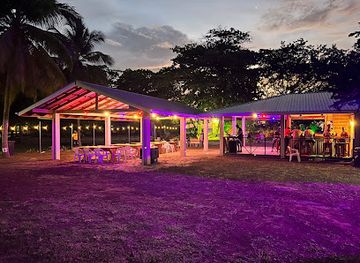
Grand Anse’s evening scene is relaxed and hospitality-led rather than centred on large nightclubs. Hotel bars, casual beach venues and restaurants provide places for drinks, conversation and occasional music, with activity varying according to the season, hotel programme and day of the week. St George’s adds a wider choice of rum bars, restaurants and local evening venues, although it remains a compact capital rather than a major nightlife city. The beach is particularly appealing around sunset, when visitors gather for the changing light over the bay, but darkness reduces visibility along less-used stretches. Check current arrangements locally, use taxis or organised transport after drinking, and avoid assuming that a venue is open simply because it operates during the daytime.
-
Bar
Rocky's Beach Bar
Experience the vibrant atmosphere and stunning beach views at Rocky's Beach Bar in St. George's, Grenada, your perfect tropical getaway.
-
Bar
BEACH X-SCAPE BAR
Experience the vibrant atmosphere and mouthwatering cocktails at Beach X-Scape Bar, the ultimate beachside retreat in Grenada.
-
Night club
Club Fantazia
Discover the electrifying nightlife at Club Fantazia in Morne Rouge, Grenada - a vibrant club offering music, dancing, and local culture.
-
Night club
The Owls Nest
The Owls Nest in Grenada: Your go-to destination for vibrant nightlife, great music, and unforgettable dance experiences.
Best shops in Grand Anse Beach
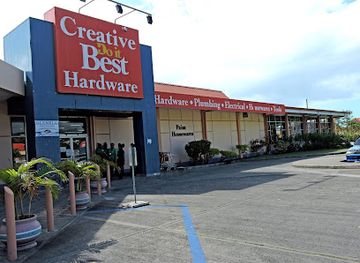
Shopping around Grand Anse is practical and visitor-oriented, with supermarkets, pharmacies, everyday shops and small businesses serving the surrounding accommodation areas. The nearby Spiceland Mall provides a recognised commercial centre, while craft sellers and vendors may offer souvenirs, beachwear, artwork, jewellery and locally made goods; the selection and operating pattern can vary. St George’s market is more closely connected with Grenada’s everyday food culture, including spices, fruit and vegetables, and the capital has additional small shops and craft outlets. Regional products associated with the island include nutmeg, mace, cocoa, rum and spice blends, though visitors should check labelling and packaging when buying food for travel. Grand Anse is not a large retail district, so specialist or extensive shopping is better sought in St George’s or other established commercial areas.
-
Shopping mall
Spiceland Mall
Explore Spiceland Mall in Grenada - a vibrant shopping paradise featuring local treasures and international brands amidst a lively atmosphere.
-
Duty free store
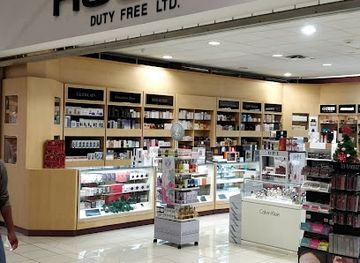
Rouge Duty Free
Discover tax-free shopping bliss at Rouge Duty Free in Grenada's Spiceland Mall, where luxury meets affordability for every traveler.
-
Tile store
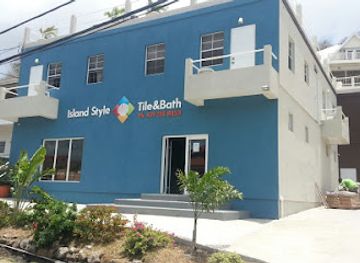
Island Style - Tile & Bath, Inc. (Grenada)
Explore the best of Grenadian home improvement with exquisite tiles and bathroom supplies at Island Style - Tile & Bath, Inc.
-
Gift shop
Basket N' Things Gnd
Discover unique local crafts and authentic Grenadian gifts at Basket N' Things Gnd, the ultimate gift shop in Grenada.
Get your free copy of our complete guide to Grand Anse Beach, delivered straight to you.
Everything on this page, from attractions and restaurants to essentials and local phrases, in one PDF you can read offline, print or share.
Already have an account? Sign in
Your Grand Anse Beach guide is ready.
We'll send it to · Not you? Sign out

Getting your guide ready…
We are putting together a fresh copy of the Grand Anse Beach guide. This can take up to a minute.
This can take a few moments. If your browser asks, choose Allow so the download can start. You'll find the guide in your Downloads folder.
Nothing happened? Download it again
Sorry, the guide is taking longer than usual. Please try again in a minute, or get it by email instead.
Grand Anse Beach essentials
Currency and Payment
Safety
Emergency Situations
Do's and Don'ts
Local Tips
From Eve
Local phrases worth knowing
You don't need to get them perfect. A few words go a long way, and locals appreciate the effort.
Basics
| English | Local | Say it |
|---|---|---|
| Hello | Wah gwaan | [Waah gwaan] |
| Goodbye | Leh we meet again | [Leh we meet again] |
| Yes | Yes | [Yes] |
| No | Nah | [Nah] |
| Please/You're welcome | Pleez | [Pleez] |
| Thank you | Tank yu | [Tank yu] |
| Excuse me/Sorry | Sarry | [Sarry] |
| How are you? | How yuh dey? | [How yuh dey] |
| Fine. And you? | Ahright. An yuh? | [Ahright. An yuh] |
| Do you speak English? | Yuh speak English? | [Yuh speak English] |
| I don't understand | Ah doh understan | [Ah doh understan] |
Eating & Drinking
| English | Local | Say it |
|---|---|---|
| I'd like to see the menu, please | Lemme see de menu, please | [Lemme see de menu, please] |
| I don't eat meat | Ah doh eat meat | [Ah doh eat meat] |
| Cheers! | Cheers! | [Cheers!] |
| I would like to pay, please | Lemme pay nah, please | [Lemme pay nah, please] |
Emergencies
| English | Local | Say it |
|---|---|---|
| Help! | Help! | [Help!] |
| Go away! | Gone 'way! | [Gone way] |
| Call the Police! | Call de Police! | [Call de Police] |
| Call a doctor! | Call ah doctor! | [Call ah doctor] |
| I'm lost | Ah loss | [Ah loss] |
| I'm ill | Ah sick | [Ah sick] |
Shopping
| English | Local | Say it |
|---|---|---|
| I'd like to buy... | Ah wah buy... | [Ah wah buy] |
| I'm just looking | Ah just browsing | [Ah just browsing] |
| How much is it? | How much dis? | [How much dis] |
| That's too expensive | Dat too much | [Dat too much] |
| Can you lower the price? | Yuh could drop de price? | [Yuh could drop de price] |
Time & Numbers
| English | Local | Say it |
|---|---|---|
| What time is it? | Wha time it is? | [Wha time it is] |
| It's one o'clock | It one o'clock | [It one o'clock] |
| Half past (10) | Half ten | [Half ten] |
| Morning | Mornin | [Mornin] |
| Afternoon | Afternoon | [Afternoon] |
| Evening | Evenin | [Evenin] |
| Yesterday | Yestadeh | [Yestadeh] |
| Today | Today | [Today] |
| Tomorrow | Tomorruh | [Tomorruh] |
| 1 | One | [One] |
| 2 | Two | [Two] |
| 3 | Tree | [Tree] |
| 4 | Four | [Four] |
| 5 | Five | [Five] |
| 6 | Six | [Six] |
| 7 | Seven | [Seven] |
| 8 | Eight | [Eight] |
| 9 | Nine | [Nine] |
| 10 | Ten | [Ten] |
Transport & Directions
| English | Local | Say it |
|---|---|---|
| Where's a/the...? | Weh de ... deh? | [Weh de ... deh] |
| What's the address? | Wat de address deh? | [Wat de address deh] |
| Can you show me (on the map)? | Yuh could show me pon de map? | [Yuh could show me pon de map] |
| When's the next (bus)? | When de next (bus)? | [When de next (bus)] |
| A ticket (to ....) | A ticket (to ....) | [A ticket (to ....)] |
History of Grand Anse Beach
A Volcanic Caribbean Island
Grand Anse forms part of Grenada’s volcanic south-western coastline, a landscape shaped by mountain drainage, coastal erosion and the island’s broader geological history. The bay’s broad sandy shore contrasts with the steep hills and rocky headlands found elsewhere on the coast. This physical setting helped make the area suitable for settlement, cultivation and later tourism, while its sheltered aspect gave the beach a different character from more exposed Atlantic-facing shores.
Indigenous and Colonial Grenada
Before European colonisation, Grenada was inhabited by Indigenous peoples, including communities associated with the Kalinago and Island Carib world. French settlement began in the seventeenth century, followed by British control in the eighteenth century. St George’s developed as the principal harbour and administrative centre, and the south-western coastal area around Grand Anse became connected to the capital through the island’s changing agricultural, trading and transport networks. The colonial period also brought profound disruption, forced labour and plantation development.
From Plantation Island to Independent Grenada
Grenada’s economy was long shaped by plantation agriculture, first through crops such as sugar and later through nutmeg, cocoa and other produce. Although Grand Anse was not primarily a historic urban centre, the beach shared in the wider south-coast transformation as roads, settlements and commercial activity expanded around St George’s. Grenada became independent from Britain in 1974, and the decades that followed saw tourism become increasingly important alongside agriculture and services.
Tourism and the Modern Beach
Grand Anse’s modern identity emerged through the growth of hotels, guesthouses, restaurants and recreational services along the south-west coast. Its accessible position near St George’s and Maurice Bishop International Airport helped establish it as Grenada’s main beach destination. Today, the shoreline is shaped by both residents and visitors, with tourism concentrated on swimming, coastal leisure, dining and links to the capital. Development remains part of a wider conversation about coastal access, erosion, water quality and the stewardship of Grenada’s marine environment.
Grand Anse Beach in Photos
Browse through our photo collection highlighting the charm and character of the destination.
Neighbouring destination travel guides
The closest destinations to Grand Anse Beach, if you have time for more than one.
-

-

-

-

-


Swipe for more destinations
Explore more

Explore more of Saint George
Explore Saint George, Grenada, from historic St George’s and harbour forts to Grand Anse Beach, waterfalls, diving and Creole cuisine.
Explore Saint George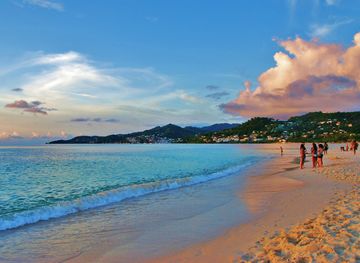
Explore more of Grenada
Discover Grenada, the Spice Isle of the Caribbean, where lush landscapes, pristine beaches, and rich cultural heritage create a tropical paradise for all travelers.
Explore Grenada