

Free Saint George Travel Guide & Mobile App
Explore Saint George with free travel guides. Discover regional history, expert tips, proposed trips, and audio guides on web or mobile app.


Explore Saint George, Grenada, from historic St George’s and harbour forts to Grand Anse Beach, waterfalls, diving and Creole cuisine.
Read more about Saint George
When is the best time to visit Saint George?
Best: February–April · 29–30°C| Month | High (°C) | Rainfall (mm) |
|---|---|---|
| January | 29 | 80 |
| February (best) | 29 | 60 |
| March (best) | 30 | 60 |
| April (best) | 30 | 60 |
| May | 30 | 100 |
| June | 30 | 140 |
| July | 30 | 160 |
| August | 30 | 160 |
| September | 30 | 180 |
| October | 30 | 170 |
| November | 30 | 140 |
| December | 29 | 100 |
Getting to and around Saint George
How to get there
Transportation
Top city travel guides in Saint George
The cities of Saint George, and the easiest places to base yourself.

Swipe for more cities
Destinations in Saint George
Resorts, valleys and scenic spots worth a trip of their own.
-

-

-

-

-

-


Swipe for more destinations
Best attractions in Saint George
Saint George brings together Grenada’s densest concentration of history, beaches and accessible nature. In St George’s, visitors can explore the market, waterfront, churches, the Grenada National Museum and the steep lanes leading towards the old fortifications. Fort George and Fort Frederick provide historical context as well as elevated views, while the Sendall Tunnel remains a practical reminder of the engineering changes that reshaped the capital. Along the south-west coast, Grand Anse Beach is the parish’s principal resort beach, with swimming, watersports and accommodation, while Morne Rouge and Magazine Beach offer different coastal settings. Inland, Annandale Falls provides a relatively straightforward rainforest excursion, surrounded by lush vegetation and small streams. Moliniere Bay is the access point for the Molinere Underwater Sculpture Park, an important example of marine art and reef restoration visited by snorkellers and divers. The parish also supports sailing, fishing trips, kayaking, hiking and guided food or spice experiences. Its attractions are less about a single large complex than about moving between a historic harbour, coastal villages, beaches and green volcanic landscapes.
-
Tourist attraction
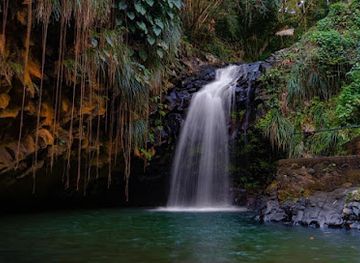
Annandale Waterfall & Forest Park
Discover Grenada's natural beauty at Annandale Waterfall: swim in refreshing pools, explore lush rainforests, and capture unforgettable memories.
-
Beach
Grand Anse Beach
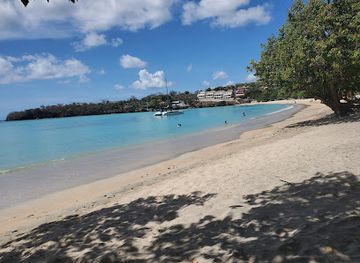
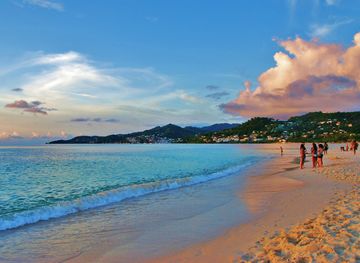
Experience paradise at Grand Anse Beach: Grenada's iconic shoreline with white sands, turquoise waters, and vibrant Caribbean charm.
-
Tourist attraction
BBC Beach
Discover BBC Beach in Grenada: A serene escape with calm waters, white sands, and stunning sunsets. Perfect for relaxation and family fun.
-
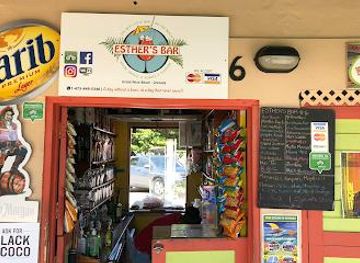
Bar
Esther's Bar
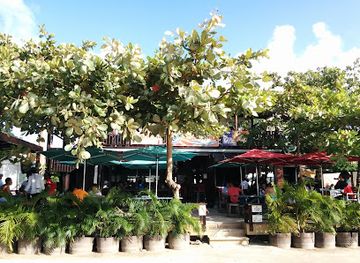
Experience the authentic Caribbean vibe at Esther's Bar on Grand Anse Beach, Grenada. Enjoy strong rum punches and friendly faces!


Best landmarks in Saint George
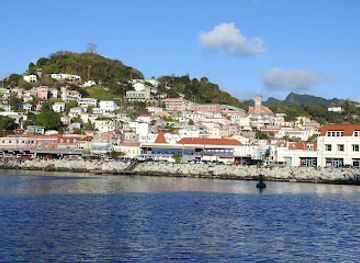
Fort George is Saint George’s defining landmark, occupying the promontory above the harbour where French and British military history is most clearly concentrated. Its walls and elevated position frame views across the Carenage, the capital and the south-western coastline. Fort Frederick, on Richmond Hill, is another major defensive structure and is particularly notable for its broad outlook over St George’s and the surrounding hills. Below them, the Carenage forms the visual centre of the city: a curving waterfront lined with boats, warehouses, restaurants and roads built around the natural harbour. The Grenada National Museum occupies former French barracks and helps connect the city’s architecture with the island’s wider history. St George’s Anglican and Roman Catholic churches add important civic and religious landmarks to the steep urban landscape, while the Sendall Tunnel demonstrates how the capital’s historic transport infrastructure was adapted to its hills. Beyond the city, Grand Anse’s long beach is the parish’s most recognisable natural landmark, contrasting with the smaller coves and forested slopes of the southern coast.
-
 Resort hotel
Sandals Grenada
Experience luxury and romance at Sandals Grenada, an adults-only, all-inclusive resort on the beautiful Pink Gin Beach.
-
Tourist attraction
Annandale Waterfall & Forest Park
Discover Grenada's easily accessible natural beauty at Annandale Waterfall, a tropical oasis just minutes from St. George's.
-
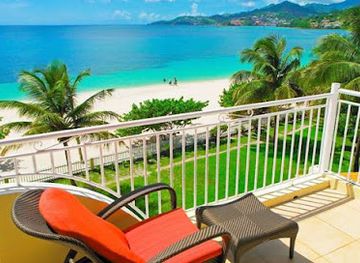
Hotel
Radisson Grenada Beach Resort
Experience Caribbean charm and beachfront bliss at Radisson Grenada Beach Resort on Grand Anse, one of the world's most beautiful beaches.
-
Island
Grenada
Discover Grenada, the 'Spice Isle': A Caribbean paradise of lush rainforests, pristine beaches, and vibrant culture. Your unforgettable adventure awaits!
Explore Saint George on the map
Plan your trip on one map. See where the top cities, national parks and sights are, and book hotels and experiences in a few clicks.
Best hotels in Saint George
Best restaurants in Saint George
Dining in Saint George reflects Grenada’s African, Caribbean, European and South Asian influences, with local produce at its centre. Oil down, made with breadfruit, coconut milk, turmeric, vegetables and meat or seafood, is the island’s emblematic one-pot dish and is served in homes, local eateries and some restaurants. Fish, lobster when in season, chicken, pork and everyday provisions such as plantain, cassava and breadfruit appear widely, while nutmeg, mace, cinnamon and cloves provide a characteristic aromatic note. St George’s market is useful for seeing fresh produce and prepared foods, whereas Grand Anse and the southern coast offer the widest choice of cafés, hotel dining rooms, beach restaurants and contemporary menus. Smaller establishments may serve roti, pelau, soup, fried fish and baked goods alongside international food. Ask about daily specials and ingredients, particularly during changing fishing seasons, and remember that service can be slower in relaxed restaurants than in a formal hotel dining room.
-
Restaurant
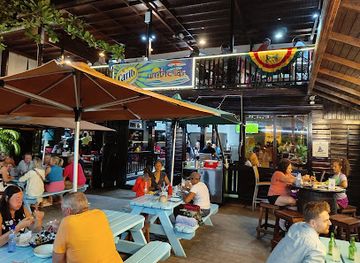
Umbrella's Beach Bar
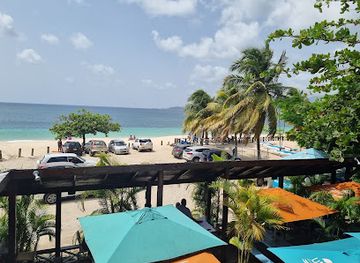
Experience vibrant Caribbean flavors and stunning ocean views at Umbrella's Beach Bar on Grand Anse Beach in Grenada.
-
Caribbean
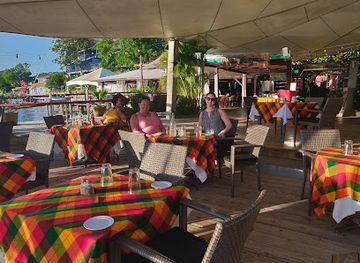
Dodgy Dock Restaurant Grenada
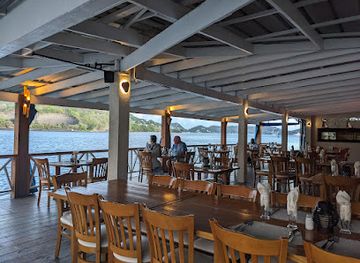
Savor the best Caribbean and Mexican flavors at Dodgy Dock Restaurant in Grenada – where every meal is a celebration.
-
Seafood
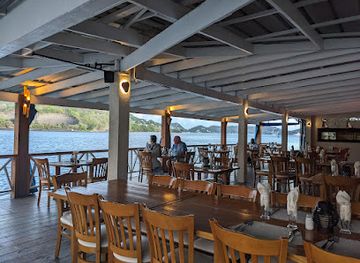
Sails Restaurant & Bar
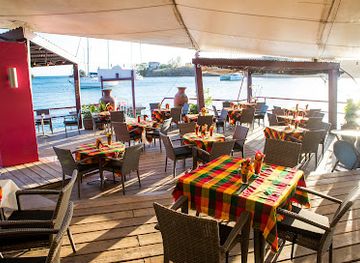
Experience exquisite seafood and tropical cocktails at Sails Restaurant & Bar, where stunning harbor views meet Caribbean flavors.
-
Restaurant
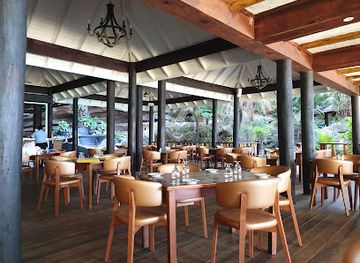
Aquarium
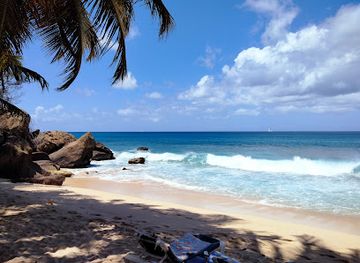
Experience exquisite seafood dining at Aquarium in Grenada, where stunning ocean views meet flavorful Caribbean cuisine.
Best bars in Saint George
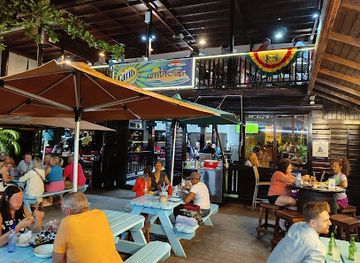
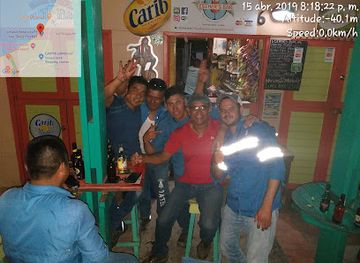
Evening life in Saint George is concentrated around St George’s, Grand Anse and the southern resort corridor rather than spread across a large club district. In the capital, historic waterfront buildings and the Carenage provide settings for rum drinks, conversation, live music and casual dining. Grand Anse has the broadest selection of hotel bars, beach bars and restaurants, with activity varying according to the season, cruise traffic and individual venue schedules. Local nightlife may include soca, calypso, reggae, steel-pan performances or occasional cultural events, but these are not necessarily staged every night. Smaller bars and rum shops are informal places to meet, while evening restaurants provide a quieter alternative. Visitors should check current arrangements locally, arrange transport after dark and avoid assuming that rural or beach venues remain open late. Grenada’s evening culture is social and music-led, but it does not depend on a major nightclub scene.
-
Bar
Umbrella's Beach Bar
Experience the vibrant atmosphere and delicious flavors at Umbrella's Beach Bar, your perfect getaway on Grand Anse Beach in Grenada.
-
Caribbean
Dodgy Dock Restaurant Grenada
Experience the vibrant flavors of the Caribbean and Mexico at Dodgy Dock Restaurant in Grenada, where culinary delights meet breathtaking waterfront views.
-
Seafood
Sails Restaurant & Bar
Experience the essence of Caribbean cuisine at Sails Restaurant & Bar, where fresh seafood meets stunning waterfront views in Grenada.
-
Restaurant
Aquarium
Experience the best of Grenadian cuisine with stunning ocean views at the Aquarium Restaurant, a true culinary treasure by the sea.
Best nightclubs in Saint George
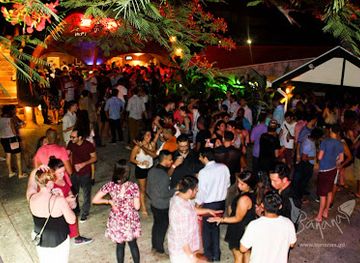
Evening life in Saint George is concentrated around St George’s, Grand Anse and the southern resort corridor rather than spread across a large club district. In the capital, historic waterfront buildings and the Carenage provide settings for rum drinks, conversation, live music and casual dining. Grand Anse has the broadest selection of hotel bars, beach bars and restaurants, with activity varying according to the season, cruise traffic and individual venue schedules. Local nightlife may include soca, calypso, reggae, steel-pan performances or occasional cultural events, but these are not necessarily staged every night. Smaller bars and rum shops are informal places to meet, while evening restaurants provide a quieter alternative. Visitors should check current arrangements locally, arrange transport after dark and avoid assuming that rural or beach venues remain open late. Grenada’s evening culture is social and music-led, but it does not depend on a major nightclub scene.
-
Bar
Umbrella's Beach Bar
Experience the vibrant ambiance at Umbrella's Beach Bar, where delicious food meets stunning views on Grand Anse Beach, Grenada.
-
Scenic spot
BBC Beach
Explore the tranquil beauty of BBC Beach in Grenada, where soft sands meet turquoise waters for a perfect day of relaxation and fun.
-
Bar
Esther's Bar
Experience the vibrant atmosphere of Esther's Bar on Grand Anse Beach, where great drinks meet beautiful Caribbean views.
-
Bar
Bananas (Grenada)
Discover the vibrant nightlife of Grenada at Bananas, a lively bar and restaurant featuring tropical drinks, delicious food, and unforgettable entertainment.
Best shops in Saint George
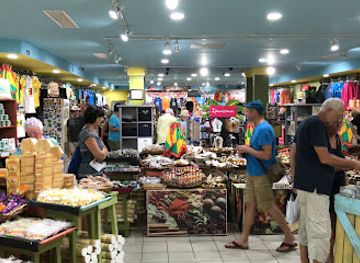
Shopping in Saint George centres on St George’s market and the commercial streets around the capital, with additional visitor-oriented shops and supermarkets in Grand Anse and the southern resort area. The market is the best place to see local vegetables, fruit, herbs and spices, including nutmeg and mace, although selection varies by season and trading day. Visitors can also look for Grenadian chocolate, rum, sauces, preserves, woven goods, locally made crafts and small artworks, checking labels where provenance matters. The Carenage and central streets contain souvenir, jewellery, clothing and gift shops, while galleries and craft outlets provide more individual alternatives to imported merchandise. Grand Anse is convenient for beachwear, practical supplies and hotel-area shopping but has a more tourism-focused character. Credit cards are common in established shops, whereas market stalls and small producers usually prefer cash. Buying directly from local makers is worthwhile, but avoid removing shells, coral or archaeological material from the coast.
-
Bar
Umbrella's Beach Bar
Experience the vibrant island life at Umbrella's Beach Bar in Grenada, where delicious food and refreshing cocktails await you by the stunning beach.
-
Shopping mall
Spiceland Mall
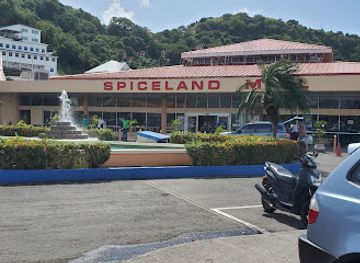
Discover Spiceland Mall, Grenada's premier shopping destination, blending local charm with international flair, perfect for every tourist's shopping spree.
-
Supermarket
Real Value IGA Supermarket
Explore Grenada’s culinary delights at Real Value IGA Supermarket, offering fresh local produce and international goods.
-
Shopping mall
Esplanade Shopping Complex
Explore the Esplanade Shopping Complex in St George's for a unique blend of local crafts, international brands, and delightful dining experiences.

Get your free copy of our complete guide to Saint George, delivered straight to you.
Everything on this page, from attractions and restaurants to essentials and local phrases, in one PDF you can read offline, print or share.
Already have an account? Sign in
Your Saint George guide is ready.
We'll send it to · Not you? Sign out

Getting your guide ready…
We are putting together a fresh copy of the Saint George guide. This can take up to a minute.
This can take a few moments. If your browser asks, choose Allow so the download can start. You'll find the guide in your Downloads folder.
Nothing happened? Download it again
Sorry, the guide is taking longer than usual. Please try again in a minute, or get it by email instead.
Saint George essentials
Currency and Payment
Safety
Emergency Situations
Do's and Don'ts
Local Tips
From Eve
Local phrases worth knowing
You don't need to get them perfect. A few words go a long way, and locals appreciate the effort.
Basics
| English | Local | Say it |
|---|---|---|
| Hello | Hello | [Heh-loh] |
| Goodbye | Goodbye | [Good-bye] |
| Yes | Yes | [Yes] |
| No | No | [No] |
| Please/You're welcome | Please/You’re welcome | [Pleez/You’re wel-kum] |
| Thank you | Thank you | [Thank you] |
| Excuse me/Sorry | Excuse me/Sorry | [Ex-cuse mee/Sor-ree] |
| How are you? | How you doing? | [How yuh do-in?] |
| Fine. And you? | Fine. And you? | [Fine. An' yuh?] |
| Do you speak English? | Yuh speak English? | [Yuh speek In-glish?] |
| I don't understand | I no understand | [I no un-der-stand] |
Eating & Drinking
| English | Local | Say it |
|---|---|---|
| I'd like to see the menu, please | Can I see the menu, please? | [Can I see de men-yu, pleeze?] |
| I don't eat meat | I no eat meat | [I no eet meat] |
| Cheers! | Cheers! | [Cheers!] |
| I would like to pay, please | I would like to pay, please | [I wud like to pay, pleeze] |
Emergencies
| English | Local | Say it |
|---|---|---|
| Help! | Help! | [Help!] |
| Go away! | Go 'way! | [Go 'way!] |
| Call the Police! | Call de police! | [Call de po-lees!] |
| Call a doctor! | Call a doctor! | [Call a doc-tor!] |
| I'm lost | I lost | [I lost] |
| I'm ill | I sick | [I sick] |
Shopping
| English | Local | Say it |
|---|---|---|
| I'd like to buy... | I want to buy... | [I want to buy...] |
| I'm just looking | I just looking | [I jus' lookin'] |
| How much is it? | How much dat cost? | [How much dat cost?] |
| That's too expensive | Dat too expensive | [Dat too ex-pen-sive] |
| Can you lower the price? | Can yuh bring down de price? | [Can yuh bring down de price?] |
Time & Numbers
| English | Local | Say it |
|---|---|---|
| What time is it? | Wha time it? | [Wha time it?] |
| It's one o'clock | It one o'clock | [It one o'clock] |
| Half past (10) | Half past ten | [Half past ten] |
| Morning | Mornin' | [Mornin'] |
| Afternoon | Afternoon | [Af-ter-noon] |
| Evening | Evening | [Eve-ning] |
| Yesterday | Yes'day | [Yes'day] |
| Today | Today | [To-day] |
| Tomorrow | Tomorra | [To-morra] |
| 1 | One | [One] |
| 2 | Two | [Two] |
| 3 | Three | [Three] |
| 4 | Four | [Four] |
| 5 | Five | [Five] |
| 6 | Six | [Six] |
| 7 | Seven | [Seven] |
| 8 | Eight | [Eight] |
| 9 | Nine | [Nine] |
| 10 | Ten | [Ten] |
Transport & Directions
| English | Local | Say it |
|---|---|---|
| Where's a/the...? | Wha de...? | [Wha de...?] |
| What's the address? | Wha di address? | [Wha di ad-dress?] |
| Can you show me (on the map)? | Can yuh show me (on di map)? | [Can yuh show me (on di map)?] |
| When's the next (bus)? | When di next bus? | [When di next bus?] |
| A ticket (to ....) | A ticket (to ....) | [A ticket (to ....)] |
History of Saint George
Indigenous Settlement and Early European Encounters
Before European colonisation, Grenada was inhabited by Indigenous peoples, including communities associated with the Kalinago and earlier Arawakan cultures. The island’s fertile volcanic soils, reliable rainfall and coastal resources supported settlement, cultivation and maritime exchange. Spanish navigators recorded the island during the early colonial period, but European control was not firmly established at once. The south-western bays that now form Saint George’s harbour and the surrounding coastline were part of a wider Caribbean environment shaped by Indigenous movement and knowledge long before the later capital was built.
French Colonisation and the Founding of St George’s
French settlement began in the seventeenth century, and the town that became St George’s developed around a naturally protected harbour. The French introduced plantation agriculture and expanded the cultivation of sugar, relying on enslaved African labour and connecting Grenada to Atlantic trading networks. Fortifications were constructed above the harbour to defend the settlement, laying the foundations for the military landscape still visible at Fort George and Fort Frederick. The street pattern, waterfront orientation and several surviving buildings in the capital reflect this early colonial phase.
British Rule and Plantation Grenada
Grenada passed to Britain under the Treaty of Paris in 1763, briefly returning to French control during the American Revolutionary era before becoming British again in 1783. Under British rule, plantation agriculture remained central, with sugar gradually joined by coffee, cocoa and spices. St George’s served as the island’s administrative and commercial centre, while its harbour handled exports and imported goods. The plantation economy depended on enslavement until emancipation in the 1830s, a history that continues to shape Grenada’s population, landholding patterns, culture and cuisine.
Fedon’s Rebellion, 1795–1796
The most important anti-colonial uprising in Grenada’s history began in 1795 under Julien Fedon, a free person of colour and planter. Influenced by the revolutionary climate of the wider Caribbean and France, the rebellion challenged British authority and drew support from enslaved people and free inhabitants. Fighting affected much of the island, including the area around St George’s, and the rebels temporarily controlled large parts of Grenada. British forces eventually defeated the movement, but the uprising remains central to interpretations of resistance, race and political change in Grenadian history.
Emancipation, Cocoa and the Spice Economy
After emancipation, Grenada’s economy changed gradually rather than abandoning plantation agriculture altogether. Cocoa, nutmeg and other spices became increasingly important, particularly as smallholders expanded cultivation on land outside the largest estates. St George’s continued to function as the principal port, market and administrative centre, linking rural producers with overseas trade. The agricultural economy also encouraged the development of distinctive foodways and community traditions. Nutmeg and mace later became powerful symbols of Grenada, while the capital’s market preserved the connection between the island’s interior farms and its urban waterfront.
Independence and the Grenada Revolution
Grenada achieved independence from Britain in 1974, with St George’s serving as the national capital. Political tensions intensified after the New Jewel Movement came to power in 1979 and established the People’s Revolutionary Government. The revolution brought programmes in education, health and economic organisation but also produced conflict over political direction and civil liberties. In October 1983, an internal crisis was followed by a United States-led military intervention. These events remain a sensitive and important part of the capital’s modern political history.
Hurricane Ivan and Reconstruction
Hurricane Ivan struck Grenada in September 2004, causing extensive damage to homes, agriculture, infrastructure and historic buildings, including parts of St George’s. The storm severely affected nutmeg production and exposed the vulnerability of the island’s economy and built heritage to extreme weather. Reconstruction reshaped parts of the capital and coastal tourism districts, while international assistance supported recovery. Hurricane Ivan is still an essential reference point for understanding contemporary Grenada, its rebuilding efforts and the importance of resilient planning in Saint George.
Saint George in Photos
Browse through our photo collection highlighting the charm and character of the destination.
Neighbouring regions of Saint George
The closest regions to Saint George, if you have time for more than one.
-

-

-

-

-


Swipe for more regions
Explore more
Explore more of Grenada
Discover Grenada, the Spice Isle of the Caribbean, where lush landscapes, pristine beaches, and rich cultural heritage create a tropical paradise for all travelers.
Explore Grenada