Ancient Chamorro Civilization
Long before European explorers set foot on the island, Tamuning was home to the ancient Chamorro people. These indigenous inhabitants lived in harmony with nature, relying on fishing, agriculture, and a rich oral tradition that passed down stories, legends, and history. Archaeological sites, such as latte stone structures, serve as a testament to their advanced societal organization and architectural skills.
Spanish Colonial Era
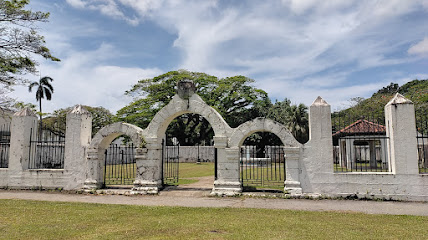
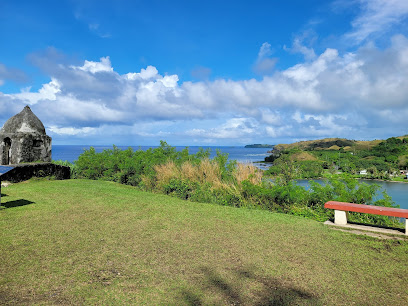
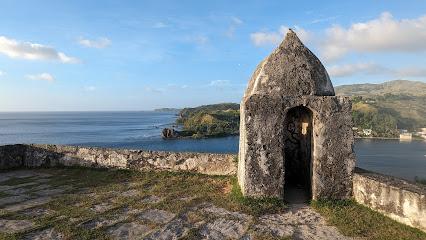
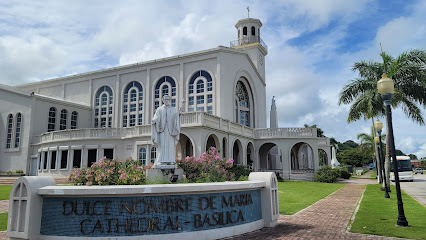
In 1565, Spanish explorer Miguel López de Legazpi claimed Guam and the Marianas for Spain. Tamuning, like the rest of Guam, became an integral part of the Spanish Empire. Missionaries arrived in the late 1600s, converting many Chamorros to Christianity and influencing the local culture. The legacy of Spanish rule is still evident in the region's architecture, language, and religious practices.
American Acquisition
Following the Spanish-American War in 1898, Guam was ceded to the United States under the Treaty of Paris. Tamuning, along with the rest of the island, underwent significant changes under American administration. The construction of infrastructure such as roads, schools, and hospitals marked a new chapter in the island's development, and the influence of American culture began to permeate daily life.
World War II and Japanese Occupation
Tamuning and the rest of Guam were invaded by Japanese forces on December 8, 1941, just hours after the attack on Pearl Harbor. The island endured a brutal 31-month occupation, during which the local population suffered greatly. Liberation came on July 21, 1944, when American forces recaptured Guam. This day is commemorated annually as Liberation Day, a significant event in Tamuning's history.
Post-War Reconstruction and Modern Development
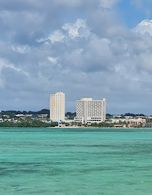
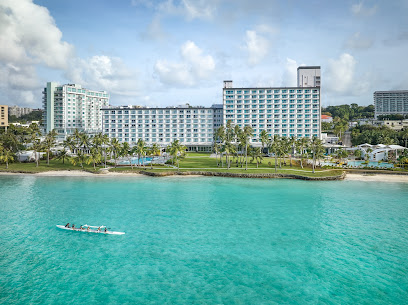
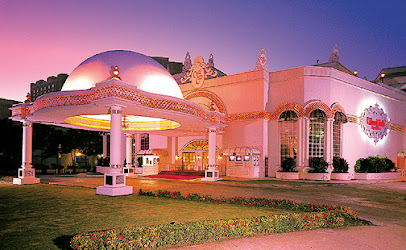
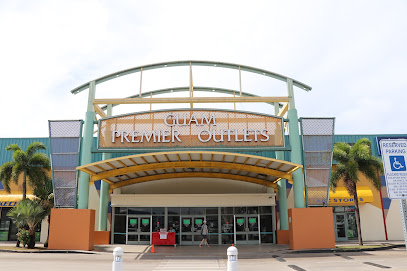
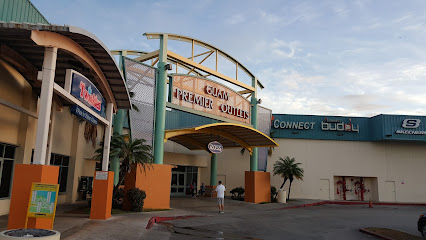
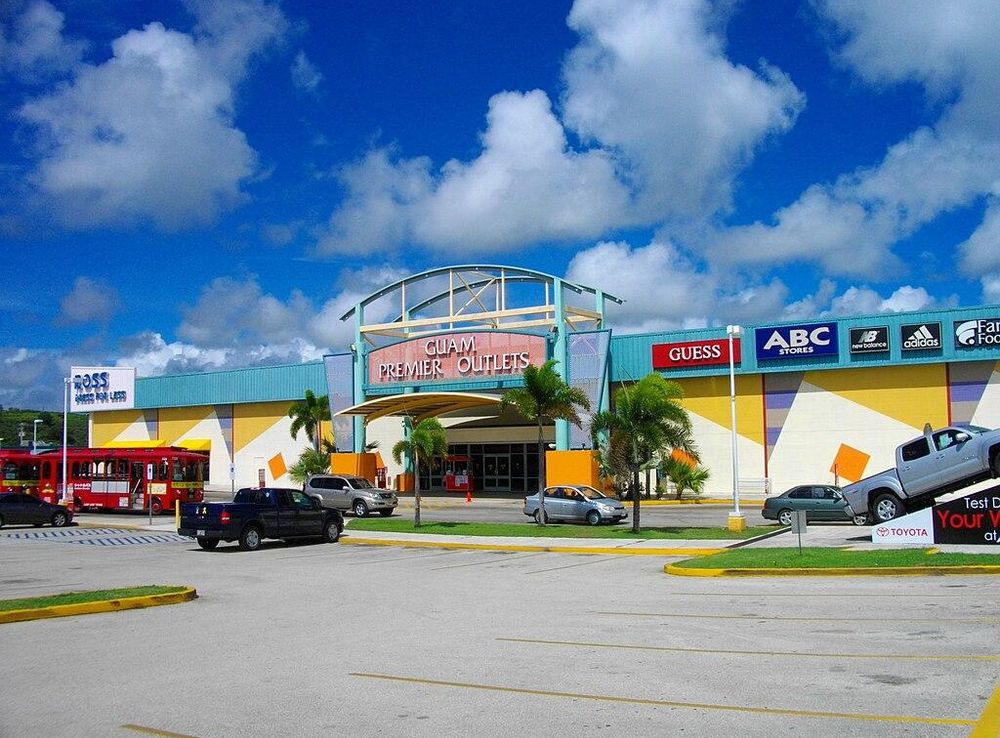
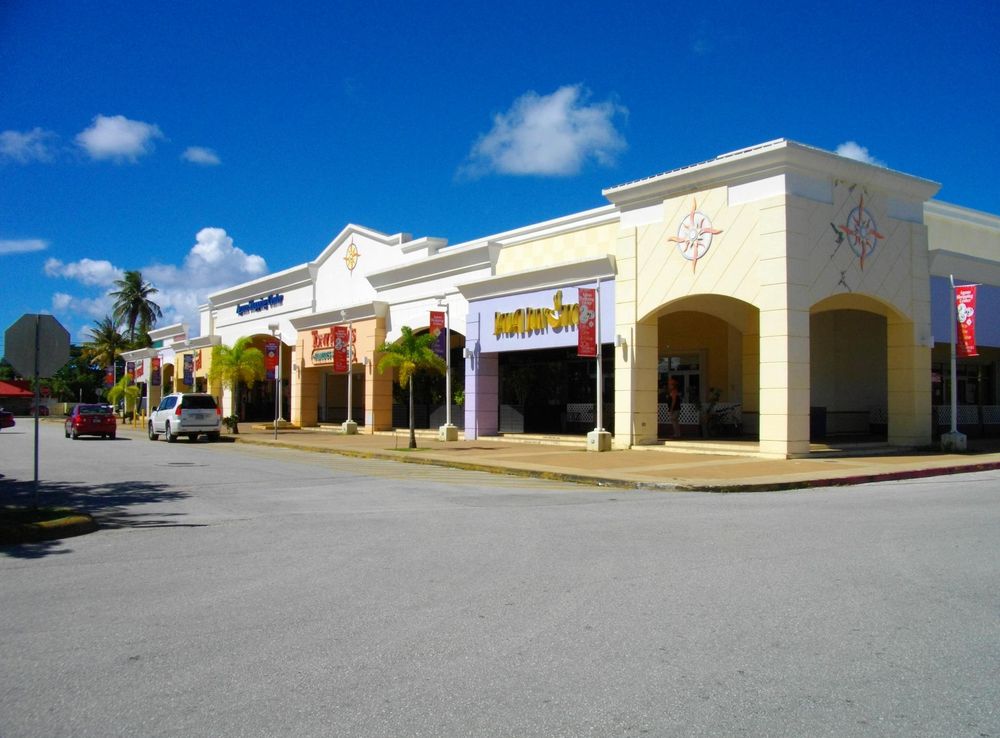
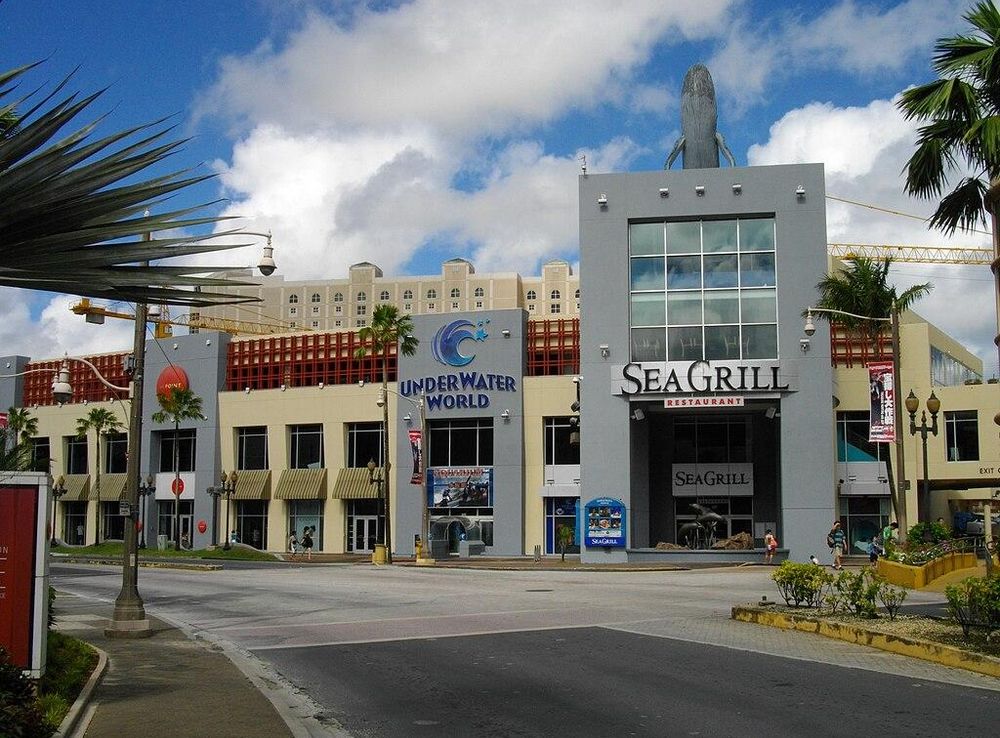
After World War II, Tamuning underwent extensive reconstruction and modernization. The establishment of the Guam Memorial Hospital and the expansion of Antonio B. Won Pat International Airport transformed the village into a central hub of activity. Today, Tamuning is known for its bustling commercial areas, luxury hotels, and vibrant cultural scene, reflecting its evolution from a historical village to a modern urban center.
Cultural Festivals and Traditions
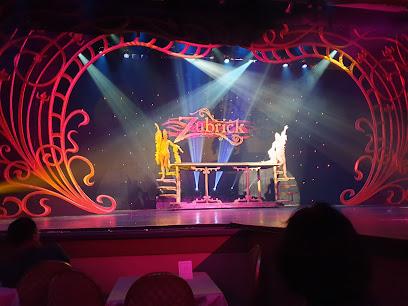
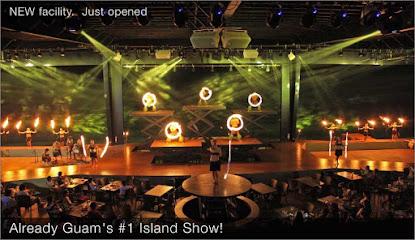
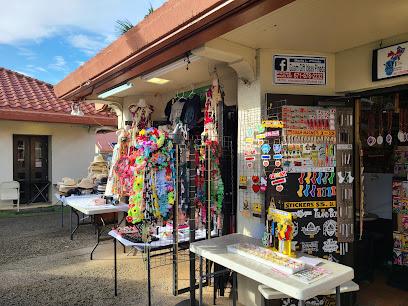
Tamuning is a focal point for cultural festivals and traditional celebrations. The annual Guam Micronesia Island Fair showcases the rich heritage of the Pacific Islands, featuring traditional dances, crafts, and cuisine. The village also hosts various fiestas and religious events, such as the Feast of Santa Barbara, which highlight the enduring Chamorro culture and the influences of Spanish and American traditions.