

Huehuetenango Travel Guide - Free Web & App
Your ultimate guide to Huehuetenango. Discover top landmarks, proposed trips, and local tips. Free on the web or via the Evendo companion app.


Huehuetenango, Guatemala, combines Maya heritage at Zaculeu with Cuchumatán mountain scenery, highland lakes, markets and traditional villages.
Highland Geography
Huehuetenango is a broad highland destination in north-western Guatemala, centred on the city of Huehuetenango and extending across the Cuchumatanes, one of Central America's highest mountain ranges. The department reaches towards the Mexican border and contains a marked sequence of landscapes: pine-covered uplands, cool cultivated valleys, limestone ridges, remote lakes and deeply cut river country. The city, usually known locally as Huehue, is the practical gateway, while Chiantla, Todos Santos Cuchumatán, Nentón and other smaller settlements provide access to distinct parts of the region.Read more about Huehuetenango
Maya Culture and Living Traditions
Lakes, Villages and Mountain Roads
When is the best time to visit Huehuetenango?
Best: December–January · 25–26°C| Month | High (°C) | Rainfall (mm) |
|---|---|---|
| January (best) | 25 | 4 |
| February | 26 | 4 |
| March | 26 | 3 |
| April | 26 | 2 |
| May | 26 | 1 |
| June | 26 | 1 |
| July | 26 | 0 |
| August (best) | 26 | 1 |
| September | 26 | 1 |
| October | 26 | 1 |
| November | 26 | 2 |
| December (best) | 26 | 3 |
Getting to and around Huehuetenango
How to get there
Transportation
Best attractions in Huehuetenango
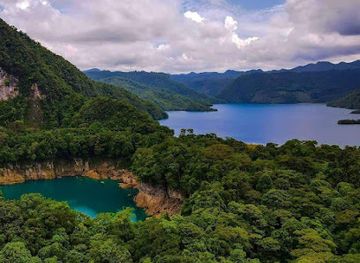
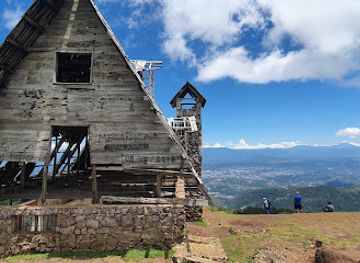
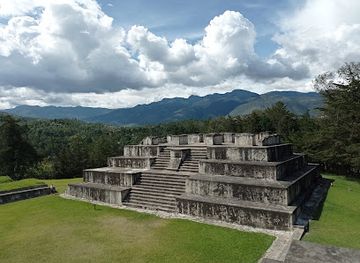
Zaculeu, just beyond Huehuetenango city, is the region's principal archaeological attraction, with restored Mam ceremonial structures arranged around broad plazas. Chiantla provides a contrasting experience through its historic church and access to the Cuchumatanes, including the high road towards Todos Santos Cuchumatán and the Mirador Juan Diéguez Olaverri. Around Todos Santos, visitors encounter a strongly maintained Maya Mam cultural identity expressed through language, dress and market life. Farther north, Nentón is the gateway to more remote limestone country and Laguna Brava, a striking group of turquoise lakes reached through rural terrain rather than conventional resort infrastructure. Mountain roads, cultivated valleys and high viewpoints are attractions in their own right, but distances are considerable and conditions vary. The department is best explored through carefully chosen areas instead of attempting every site in a single short itinerary.
-
Tourist attraction
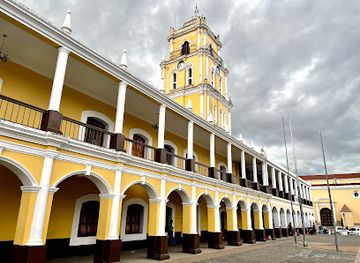
Parque Central de Huehuetenango
Experience the vibrant heart of Huehuetenango at Parque Central, a cultural oasis offering natural beauty and local charm.
-
Park
El Calvario Park
Discover a revitalized urban oasis in Huehuetenango, offering recreation and relaxation for all ages.
-
Park
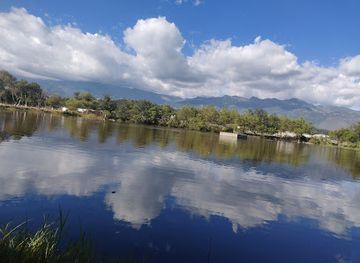
Laguna de Zaculeu
Discover Laguna de Zaculeu: A serene escape in Huehuetenango, offering natural beauty, peaceful walks, and recreational activities for all ages.
-
Tourist attraction
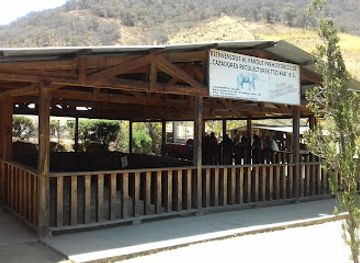
Cueva Del Mamut
Discover the geological wonders of Cueva Del Mamut near Huehuetenango, Guatemala, for an unforgettable subterranean adventure.

Best landmarks in Huehuetenango
Zaculeu is Huehuetenango's defining historical landmark, a Mam ceremonial and political centre whose plazas, temples and defensive setting preserve the region's pre-Hispanic importance. The Cuchumatanes provide the department's major natural landmarks, with high ridges, open plateaux and steep valleys creating a distinctive mountain profile. The Mirador Juan Diéguez Olaverri is valued for its expansive highland outlook on the route towards Todos Santos Cuchumatán, while Laguna Brava in Nentón is recognised for its vivid water and remote limestone setting. In Chiantla, the church associated with the Virgin of Candelaria represents the continuing religious history of the highlands. These features belong to different parts of the department, and their significance lies in the connection between geology, settlement, Maya culture and long-established travel routes.
-
Park
Parque Central de Huehuetenango
Explore the serene beauty and cultural vibrancy of Parque Central de Huehuetenango, a lush escape in the heart of Guatemala's highlands.
-
Vista point
Mirador de Juan Dieguez Olaverri
Experience the stunning panoramas at Mirador de Juan Dieguez Olaverri – Guatemala's premier viewpoint for breathtaking landscapes and unforgettable moments.
-
Historical place
Sitio Arqueológico Zaculeu
Explore the historical wonders of Sitio Arqueológico Zaculeu, a captivating reflection of ancient Mayan civilization in the heart of Guatemala.
-
 Hotel
HotelHotel Ruinas Resort
Experience the perfect blend of luxury and nature at Hotel Ruinas Resort in Huehuetenango, Guatemala, where relaxation meets adventure.
Explore Huehuetenango on the map
Plan your trip on one map. See where the top attractions, landmarks, restaurants and hotels are, and book hotels and experiences in a few clicks.
Best hotels in Huehuetenango
Best restaurants in Huehuetenango
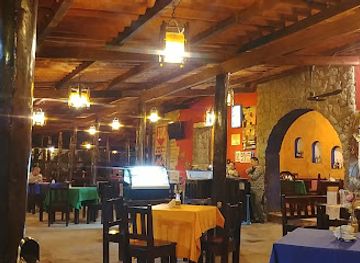
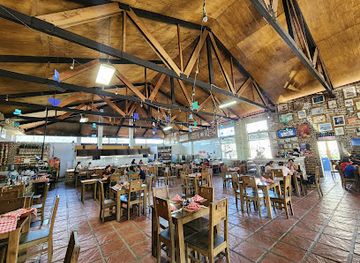
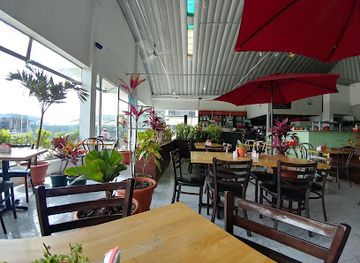
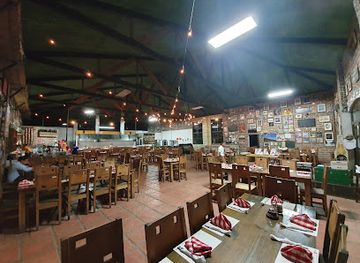
Huehuetenango's food culture is rooted in highland staples such as maize tortillas, beans, rice, vegetables, soups and stews, with regional markets supplying produce from both cool uplands and warmer northern valleys. In Huehuetenango city and Chiantla, visitors can find the widest choice of comedores, cafés, bakeries and family-run restaurants, while smaller municipalities generally offer simpler market food and modest local eateries. Street stalls and market counters may serve tamales, chuchitos and other Guatemalan specialities, although recipes vary from one community to another. Coffee and locally produced food are important parts of the wider highland economy, but visitors should not assume that every rural attraction has a café or restaurant. Outside the main towns, carrying water and a small food supply is sensible, especially when travelling towards remote lakes or mountain viewpoints.
-
Restaurant
Casa Brava
Experience the flavors of Guatemala at Casa Brava, Huehuetenango's top-rated steakhouse offering exquisite dishes in a welcoming atmosphere.
-
Italian
Al Pomodoro Restaurante
Experience authentic Italian cuisine at Al Pomodoro Restaurante in Huehuetenango – where every dish tells a story of flavor.
-
Restaurant
Monte Alto Restaurante Cambote zona 11
Experience authentic Guatemalan flavors at Monte Alto Restaurante Cambote – where tradition meets taste in the heart of Huehuetenango.
-
Italian
Al Pomodoro Ristorante
Experience authentic Italian cuisine at Al Pomodoro Ristorante in Huehuetenango – where every meal is a celebration of flavor.
Best bars in Huehuetenango
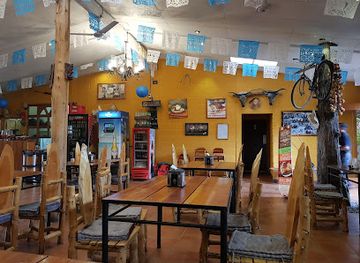
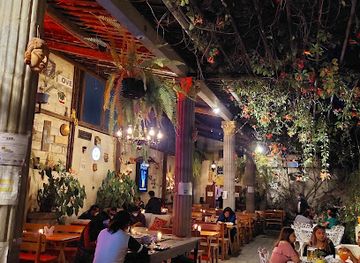
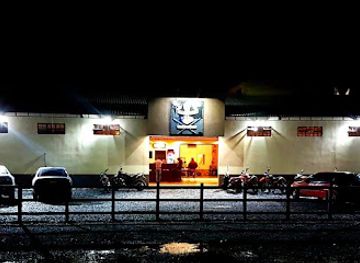
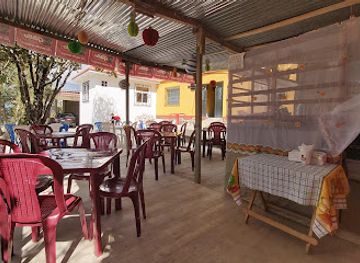
Evenings in Huehuetenango are generally quiet and locally focused rather than built around a large tourist nightlife scene. The departmental capital has the broadest selection of informal bars, cafés and restaurants, while Chiantla and other established towns offer modest places for conversation and drinks. In smaller Maya communities, evening activity is more likely to centre on family life, religious observance, local commerce or occasional community events than on dedicated entertainment venues. Visitors should not expect nightclubs or late-night bars in remote mountain areas, and transport options become more limited after dark. Respectful behaviour is particularly important in villages and near churches, where loud or disruptive activity can conflict with local routines and ceremonies.
-
Restaurant
Restaurante La Escondida Steak House Huehuetenango
Discover the vibrant flavors of Huehuetenango at Restaurante La Escondida Steak House, where exquisite steaks and local culinary traditions meet.
-
Bar
Opera Catedral
Discover the vibrant nightlife at Opera Catedral in Huehuetenango, where local flavors and a lively atmosphere await every visitor.
-
Bar
Millennium Pool Sport Bar
Discover the lively charm of Millennium Pool Sport Bar in Huehuetenango, where nightlife comes alive with great drinks, music, and dancing.
-
Bar
El mirador
Discover El Mirador, a vibrant bar in Huehuetenango offering breathtaking views and a lively atmosphere for an unforgettable experience.
Best nightclubs in Huehuetenango
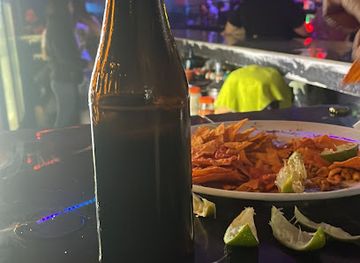
Evenings in Huehuetenango are generally quiet and locally focused rather than built around a large tourist nightlife scene. The departmental capital has the broadest selection of informal bars, cafés and restaurants, while Chiantla and other established towns offer modest places for conversation and drinks. In smaller Maya communities, evening activity is more likely to centre on family life, religious observance, local commerce or occasional community events than on dedicated entertainment venues. Visitors should not expect nightclubs or late-night bars in remote mountain areas, and transport options become more limited after dark. Respectful behaviour is particularly important in villages and near churches, where loud or disruptive activity can conflict with local routines and ceremonies.
-
Bar
Millennium Pool Sport Bar
Discover the lively atmosphere of Millennium Pool Sport Bar in Huehuetenango, where great drinks and vibrant nightlife come together.
-
Bar
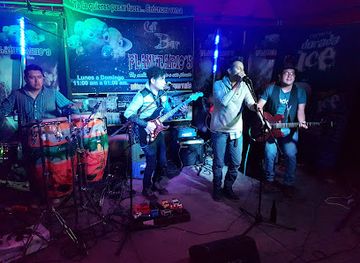
Planetarios Café Bar
Experience the vibrant culture and nightlife of Huehuetenango at Planetarios Café Bar, a lively spot for drinks, music, and socializing.
-
Sports bar
Summer Nigths
Discover the lively ambiance of Summer Nights, Huehuetenango's premier sports bar, perfect for drinks, snacks, and sports events.
-
Night club
Nigth Club Villa Real
Discover the electrifying nightlife of Huehuetenango at Night Club Villa Real, where music meets vibrant energy for an unforgettable experience.

Best shops in Huehuetenango
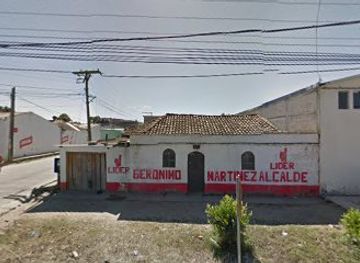
Shopping in Huehuetenango is concentrated in the departmental capital, municipal markets and the larger villages rather than in purpose-built tourist districts. Markets sell everyday produce, woven goods, clothing, household items and agricultural products, with the exact range varying by town and market day. Todos Santos Cuchumatán is particularly associated with distinctive Mam clothing, including garments whose colours and patterns carry local cultural meaning; visitors should buy respectfully and understand that these are living forms of dress rather than souvenirs alone. Huehuetenango city is the most practical place for food supplies, practical equipment and a broader selection of shops, while rural settlements may offer only small tiendas. Artisans and producers are often reached through local contacts, markets or community businesses rather than permanent craft galleries.
-
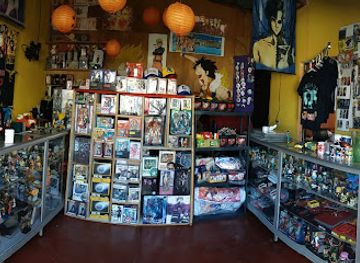
Trading card store
One Piece Lost
Explore One Piece Lost in Huehuetenango: your ultimate destination for trading cards, collectibles, and toys, where nostalgia meets community.
-
Shopping mall
Mega Shopping Center
Discover retail bliss at the Mega Shopping Center in Huehuetenango, where shopping meets local culture in a vibrant atmosphere.
-
Clothing store
Angel's Exclusividades
Explore unique fashion at Angel's Exclusividades in Huehuetenango, a clothing store blending local heritage with modern style.
-
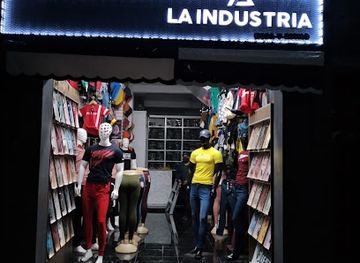
Clothing store
La Industria Moda y Estilo
Discover unique fashion pieces at La Industria Moda y Estilo, a vibrant clothing store in Huehuetenango showcasing local craftsmanship and culture.

Get your free copy of our complete guide to Huehuetenango, delivered straight to you.
Everything on this page, from attractions and restaurants to essentials and local phrases, in one PDF you can read offline, print or share.
Already have an account? Sign in
Your Huehuetenango guide is ready.
We'll send it to · Not you? Sign out

Getting your guide ready…
We are putting together a fresh copy of the Huehuetenango guide. This can take up to a minute.
This can take a few moments. If your browser asks, choose Allow so the download can start. You'll find the guide in your Downloads folder.
Nothing happened? Download it again
Sorry, the guide is taking longer than usual. Please try again in a minute, or get it by email instead.
Huehuetenango essentials
Currency and Payment
Safety
Emergency Situations
Do's and Don'ts
Local Tips
From Eve
Local phrases worth knowing
You don't need to get them perfect. A few words go a long way, and locals appreciate the effort.
Basics
| English | Local | Say it |
|---|---|---|
| Hello | Chuq'axaj | [choo-kah-haash] |
| Goodbye | Q'ij | [kee] |
| Yes | E' | [eh] |
| No | Man | [mahn] |
| Please/You're welcome | B'a'ax | [bah-ash] |
| Thank you | Maltiox | [mahl-tee-ohsh] |
| Excuse me/Sorry | Utz pin pin | [ootz peen peen] |
| How are you? | B'an ruq'ijaw? | [bahn roo-kee-hahw] |
| Fine. And you? | Xe' ruq'ijaw? | [sheh roo-kee-hahw] |
| Do you speak English? | At k'atäjik inglés? | [aht kah-tah-heek een-glays] |
| I don't understand | Man utz k'utijik | [mahn ootz koo-tee-heek] |
Eating & Drinking
| English | Local | Say it |
|---|---|---|
| I'd like to see the menu, please | K'ut ri q'ijik k'utun, b'a'ax | [koot ree kee-heek kootoon bah-ash] |
| I don't eat meat | Man k'utijik laq' xuj | [mahn koo-tee-heek lah-kesh hoo] |
| Cheers! | Salud! | [sah-lood] |
| I would like to pay, please | K'ut ri q'ijik rik'aj, b'a'ax | [koot ree kee-heek reek-ahkh bah-ash] |
Emergencies
| English | Local | Say it |
|---|---|---|
| Help! | Awik! | [ah-week] |
| Go away! | Ri' k'otz'ijik! | [ree koh-tzee-heek] |
| Call the Police! | Kamaj k'utijik Polis! | [kah-mahkh koo-tee-heek poh-lees] |
| Call a doctor! | Kamaj k'utijik doktore! | [kah-mahkh koo-tee-heek dohk-toh-reh] |
| I'm lost | Man k'utijik utz'ijik | [mahn koo-tee-heek ootz-heek] |
| I'm ill | Man k'utijik ulew | [mahn koo-tee-heek oo-leh] |
Shopping
| English | Local | Say it |
|---|---|---|
| I'd like to buy... | K'ut ri q'ijik... | [koot ree kee-heek] |
| I'm just looking | Tzar k'utijik | [tsahr koo-tee-heek] |
| How much is it? | Tz'ut ri k'utijik? | [tsoot ree koo-tee-heek] |
| That's too expensive | Q'ij tz'ut | [kee tsoot] |
| Can you lower the price? | At tz'utiraj rik'aj? | [aht tsoo-teer-ahkh reek-ahkh] |
Time & Numbers
| English | Local | Say it |
|---|---|---|
| What time is it? | Tz'ij re ruq'ijaw? | [tsee reh roo-kee-hahw] |
| It's one o'clock | Juni tz'ij | [hoo-nee tsee] |
| Half past (10) | La jun tz'ij (b'eleje) | [lah hoon tsee (beh-leh-heh)] |
| Morning | Rej | [reh] |
| Afternoon | Xub'ij | [shoo-bee-h] |
| Evening | Rin | [reen] |
| Yesterday | K'at jun | [kaht hoon] |
| Today | Jun | [hoon] |
| Tomorrow | B'eleje | [beh-leh-heh] |
| 1 | Jun | [hoon] |
| 2 | Ka' | [kah] |
| 3 | Oxib' | [oh-sheeb] |
| 4 | Kajib' | [kah-heeb] |
| 5 | Wuqub' | [woo-koob] |
| 6 | Waqib' | [wah-keeb] |
| 7 | Uqub' | [oo-koob] |
| 8 | Uq'ij | [oo-kee] |
| 9 | B'elej | [beh-leh] |
| 10 | Lajuj | [lah-hoo] |
Transport & Directions
| English | Local | Say it |
|---|---|---|
| Where's a/the...? | Ri' q'ijik... | [ree kee-heek] |
| What's the address? | Xe' ri' chik | [sheh ree cheek] |
| Can you show me (on the map)? | At tz'utiraj ri' k'ij | [aht tsoo-teer-ahkh ree kee-h] |
| When's the next (bus)? | Juni tz'ij ri' q'ijik (bus)? | [hoo-nee tsee ree kee-heek (boos)] |
| A ticket (to ....) | Ri' ajaw (ri'...) | [ree a-hahw ree] |
History of Huehuetenango
The Cuchumatanes Landscape
The mountains and valleys of Huehuetenango were shaped over geological timescales by uplift, erosion and the development of limestone and other highland formations. The Cuchumatanes form a major upland system in north-western Guatemala, with deeply incised valleys and elevated plateaux that have influenced settlement, agriculture and transport. This physical geography helps explain the region's marked ecological and cultural variety: communities separated by difficult terrain have retained distinct languages, dress and local identities, while roads continue to follow valleys and mountain passes rather than forming a simple network across the department.
Maya Kingdoms and Zaculeu
Before Spanish conquest, western Guatemala was occupied by several Maya communities and political centres. Zaculeu, near present-day Huehuetenango city, was an important Mam centre and contains ceremonial plazas, temples and other monumental structures. The site became the focus of a Spanish siege in 1525, when Gonzalo de Alvarado's forces fought the Mam ruler Kaibil Balam's defenders. Zaculeu eventually fell after a prolonged resistance and lack of food, marking a decisive stage in Spanish control of the western highlands. Its surviving architecture remains one of the clearest historical expressions of Huehuetenango's pre-Hispanic past.
Colonial Towns and Highland Communities
Spanish colonial rule reorganised existing highland settlements through religious institutions, tribute systems and municipal administration, while indigenous communities continued to cultivate the land and preserve their own social and cultural structures. Chiantla developed as an important religious centre, associated with devotion to the Virgin of Candelaria, and Huehuetenango grew as an administrative and commercial settlement. Across the mountains, weaving, agriculture and market exchange remained central to community life. Colonial influence was therefore layered onto older Maya landscapes rather than replacing them entirely, a pattern still visible in churches, markets, languages and ceremonial traditions.
A Department of the Modern Republic
Huehuetenango was established as a department in 1866 during the administrative consolidation of Guatemala's republican period. Its modern identity developed through the growth of the departmental capital, expanding road links and commerce in agricultural products, while the highland economy continued to depend on small-scale farming, livestock and regional markets. The department's position near Mexico also gave border routes and towns such as La Mesilla continuing commercial importance. Despite modern communications, mountainous terrain has kept many communities relatively dispersed, reinforcing the strong local identities associated with the department's numerous Maya linguistic regions.
Heritage, Tourism and Conservation
In the twentieth and twenty-first centuries, Huehuetenango's archaeological heritage, mountain scenery and living Maya cultures became increasingly significant to visitors, although tourism remains more limited and dispersed than in Guatemala's principal destinations. Zaculeu is managed as an archaeological site, while remote lakes and highland landscapes depend on careful local stewardship rather than extensive visitor infrastructure. Contemporary travel brings economic opportunities to guides, artisans, transport providers and family businesses, but it also requires sensitivity towards sacred places, community photography and fragile mountain environments. The region's heritage is therefore both archaeological and living, expressed through landscapes, languages, clothing and ceremony.
Huehuetenango in Photos
Browse through our photo collection highlighting the charm and character of the destination.
Neighbouring destination travel guides
The closest destinations to Huehuetenango, if you have time for more than one.
-

-

-

-

-


Swipe for more destinations
Explore more

Explore more of Western Highlands
Discover the Western Highlands of Guatemala: A tapestry of towering volcanoes, serene lakes, and rich Maya culture awaiting to be explored.
Explore Western Highlands
Explore more of Guatemala
Discover Guatemala: A land of ancient Mayan wonders, breathtaking natural beauty, and vibrant cultural experiences. Perfect for history buffs, nature lovers, and adventure seekers.
Explore Guatemala