

Free Cacheu Mangroves Natural Park Travel Guide & Mobile App
Explore Cacheu Mangroves Natural Park with free travel guides. Discover regional history, expert tips, proposed trips, and audio guides on web or mobile app.


Cacheu Mangroves Natural Park reveals Guinea-Bissau's tidal forests, bird-rich waterways, coastal communities and layered Atlantic history.
Read more about Cacheu Mangroves Natural Park
When is the best time to visit Cacheu Mangroves Natural Park?
Best: December–February · 30–31°C| Month | High (°C) | Rainfall (mm) |
|---|---|---|
| January (best) | 30 | 1 |
| February (best) | 31 | 2 |
| March | 32 | 5 |
| April | 33 | 20 |
| May | 34 | 60 |
| June | 33 | 150 |
| July | 31 | 300 |
| August | 30 | 350 |
| September | 31 | 250 |
| October | 32 | 100 |
| November | 31 | 20 |
| December (best) | 30 | 2 |
Getting to and around Cacheu Mangroves Natural Park
How to get there
Transportation
Top city travel guides in Cacheu Mangroves Natural Park
The cities of Cacheu Mangroves Natural Park, and the easiest places to base yourself.

Swipe for more cities
Best attractions in Cacheu Mangroves Natural Park
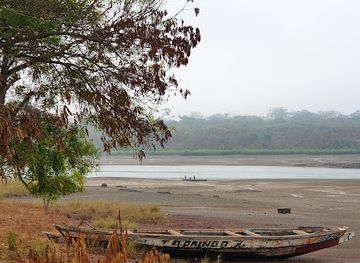
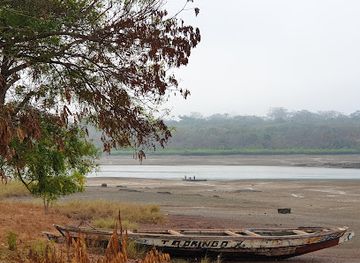
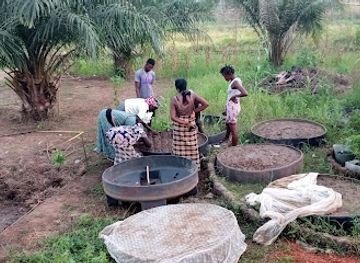
The central attraction of Cacheu Mangroves Natural Park is its tidal network: boat trips move through narrow creeks, broad river reaches and mudflat margins where mangrove trees support fish, shellfish and feeding birds. Routes vary with tide and local conditions, so the experience is more exploratory than a fixed sightseeing circuit. Birdwatching is especially rewarding for visitors who can travel quietly and allow time for observation, with resident and seasonal wetland species using the river corridor. The park also offers insight into community livelihoods, including fishing, rice cultivation and the careful use of mangrove resources. Cacheu town adds a historical dimension through its riverside setting, the remains of the old Portuguese fort and the Memorial to Slavery and the Slave Trade. Walks should be guided because channels, mud and landing places are difficult to judge independently. The protected landscape is not organised around large visitor facilities, formal trails or guaranteed wildlife encounters; its value lies in the relationship between ecology, history and daily life. Visitors should also consider the river itself as a changing attraction, with the appearance of exposed mudbanks, narrow channels and flooded vegetation differing markedly between tidal stages and seasons.
-
National park
Cufada Lagoons Natural Park
Explore the serene lagoons and rich biodiversity of Cufada Lagoons Natural Park, a pristine national park in Guinea-Bissau perfect for nature lovers.
-
Museum
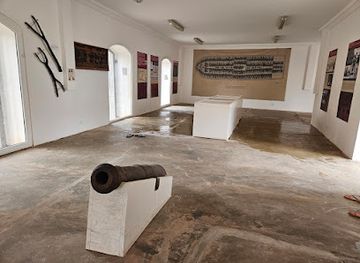
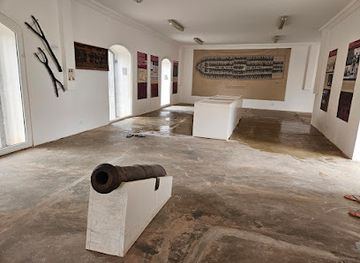
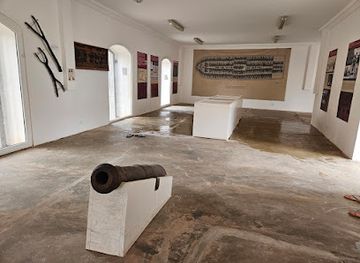
Memorial da Escravatura e do Tráfico Negreiro de Cacheu
Explore the profound history of the slave trade at the Memorial da Escravatura e do Tráfico Negreiro in Cacheu, a vital cultural site in Guinea-Bissau.
Best landmarks in Cacheu Mangroves Natural Park
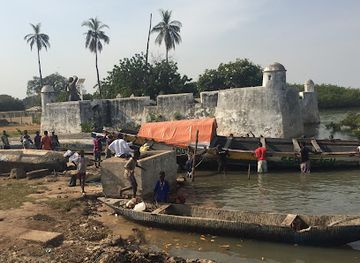
The most recognisable built landmark connected with the park is the old fort at Cacheu, a reminder of the Portuguese trading presence established on the river during the seventeenth century. Its significance lies not only in its masonry but also in its position beside a waterway that linked coastal commerce with inland networks and later became associated with the forced export of enslaved Africans. Nearby, the Memorial to Slavery and the Slave Trade gives the town an important place of historical interpretation, addressing the violence behind the Atlantic system rather than presenting colonial remains in isolation. The Cacheu River itself is the region's defining natural landmark: its wide tidal surface, branching creeks and mangrove-lined banks explain both the park's ecological importance and the settlement patterns of its communities. Mudflats, seasonal channels and dense stands of mangrove form a changing geographic scene rather than a single viewpoint. Together, the fort, memorial and river create a concentrated landscape in which architecture, memory, ecology and commerce are closely connected.
-
Memorial park
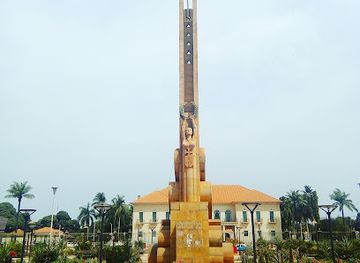
Empire Square
Discover the tranquil beauty and historical significance of Empire Square, a must-visit memorial park in Bissau, Guinea-Bissau.
-
National park
Cufada Lagoons Natural Park
Explore the serene beauty and rich biodiversity of Cufada Lagoons Natural Park in Guinea-Bissau, a must-visit destination for nature lovers and adventurers.
-
Nature preserve
IBAP
Experience the serene beauty of IBAP, a nature preserve in Guinea-Bissau dedicated to conservation and showcasing rich biodiversity.
-
Museum
Memorial da Escravatura e do Tráfico Negreiro de Cacheu
Explore the profound history of the slave trade at the Memorial da Escravatura e do Tráfico Negreiro de Cacheu, a reflective museum in Guinea-Bissau.
Explore Cacheu Mangroves Natural Park on the map
Plan your trip on one map. See where the top cities, national parks and sights are, and book hotels and experiences in a few clicks.
Best hotels in Cacheu Mangroves Natural Park
Best restaurants in Cacheu Mangroves Natural Park
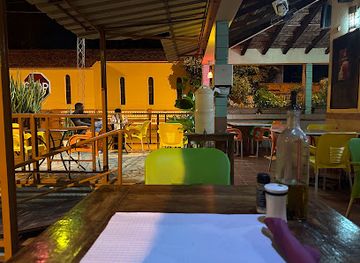
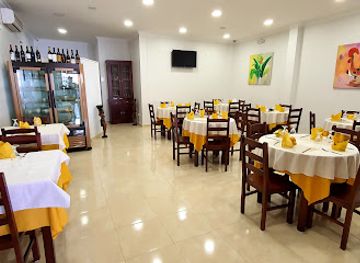
Dining around Cacheu Mangroves Natural Park is modest, local and closely connected to the river and surrounding countryside rather than shaped by a formal restaurant scene. In Cacheu and nearby settlements, visitors may find simple eateries and family-run cooking offering rice with fish, chicken or sauces, as well as grilled or stewed seafood where supply permits. Fresh and smoked fish, oysters and other shellfish are important to the wider coastal food economy, although availability and preparation vary by season and community. Guinea-Bissau's cuisine also draws on cassava, sweet potato, beans, vegetables, chilli and palm-based ingredients, while locally grown cashews are an important regional product. Meals may need to be arranged in advance through accommodation providers or local contacts, particularly for visitors travelling by boat or staying outside Cacheu. Carrying water and a few durable snacks is sensible, since shops and food services are limited. Eating locally is best approached respectfully: ask about ingredients, dietary requirements and waiting times, and remember that a simple shared meal may reflect household routines rather than a commercial dining service.
-
Restaurant
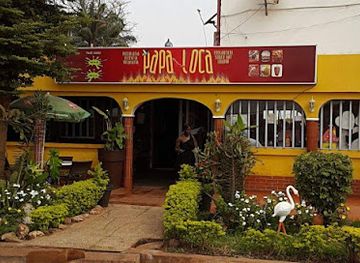
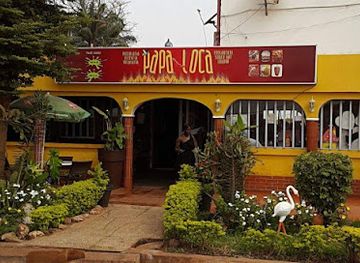
Restaurante Papa Loca
Experience authentic Guinean cuisine at Restaurante Papa Loca in Bissau – where local flavors meet warm hospitality.
-
Italian
O Bistro
Experience authentic Italian cuisine at O Bistro in Bissau - where every meal feels like a trip to Italy.
-
Restaurant
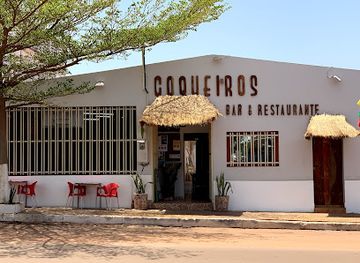
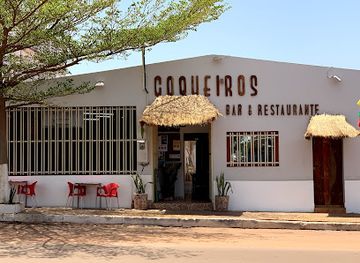
Coqueiros Bissau
Discover culinary delights at Coqueiros Bissau – where local flavors meet international cuisine in a vibrant setting.
-
Restaurant
A Padeira Africana
Experience the rich flavors of Africa at A Padeira Africana in Bissau – where every dish tells a story.
Best bars in Cacheu Mangroves Natural Park
Nightlife in and around Cacheu Mangroves Natural Park is quiet and community-based, with no substantial clubbing scene or concentrated entertainment district. Evenings generally centre on simple bars, small local meeting places, restaurants and social life in Cacheu and other settlements, while many rural locations become still after dark. Travellers should not assume that drinks, music or food will be available late, and accommodation providers are the best source of current local information. The park is better suited to listening to the river, discussing the day's excursion or observing the night sky than to organised nightlife. Alcohol is available in some local settings, but visitors should drink discreetly, respect religious and family environments and avoid walking unfamiliar roads after dark. Any evening boat activity should be undertaken only with an experienced local operator, suitable lighting and proper safety equipment.
-
Restaurant
Restaurante Papa Loca
Discover the vibrant flavors of Guinea-Bissau at Restaurante Papa Loca, a top dining destination in Bissau, perfect for every palate.
-
Italian
O Bistro
Discover authentic Italian cuisine at O Bistro in Bissau, where every dish is a celebration of flavors and culinary tradition.
-
Restaurant
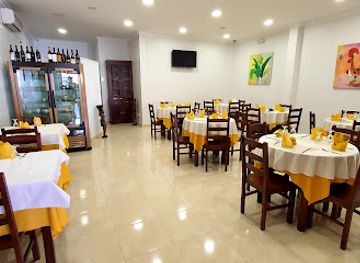
Coqueiros Bissau
Experience the vibrant flavors of Guinea-Bissau at Coqueiros Bissau, where culture meets cuisine in a delightful restaurant setting.
-
Restaurant
A Padeira Africana
Experience the authentic taste of Guinea-Bissau with traditional dishes at A Padeira Africana, a culinary treasure in Bissau.
Best nightclubs in Cacheu Mangroves Natural Park
Nightlife in and around Cacheu Mangroves Natural Park is quiet and community-based, with no substantial clubbing scene or concentrated entertainment district. Evenings generally centre on simple bars, small local meeting places, restaurants and social life in Cacheu and other settlements, while many rural locations become still after dark. Travellers should not assume that drinks, music or food will be available late, and accommodation providers are the best source of current local information. The park is better suited to listening to the river, discussing the day's excursion or observing the night sky than to organised nightlife. Alcohol is available in some local settings, but visitors should drink discreetly, respect religious and family environments and avoid walking unfamiliar roads after dark. Any evening boat activity should be undertaken only with an experienced local operator, suitable lighting and proper safety equipment.
-
Disco club
Bambu
Experience the vibrant nightlife at Bambu in Bissau, where energetic music and a lively atmosphere create unforgettable nights.
-
Hotel
Casa Cacheu low cost lodje
Experience comfort and affordability at Casa Cacheu, your gateway to the Bijagos Islands and the beauty of Guinea-Bissau.
-
Night club
Discoteca TABANKA
Discover the heart of Bissau's nightlife at Discoteca TABANKA, where music, dance, and culture meet in a vibrant celebration.
-
 Lodging
Club Paris
Discover the perfect blend of comfort and culture at Club Paris, your ideal lodging choice in Bissau, Guinea-Bissau.


Best shops in Cacheu Mangroves Natural Park
Shopping in Cacheu Mangroves Natural Park is limited and practical rather than centred on large retail areas. Cacheu town and nearby settlements may offer small shops and informal stalls selling basic provisions, while local markets and community trading points provide opportunities to see fish, rice, vegetables, fruit and seasonal produce moving through the regional economy. Cashews are among Guinea-Bissau's best-known agricultural products, though packaging, quality and availability vary, so visitors should buy from established sellers and transport food responsibly. Handicrafts may include woven items, baskets, carved objects or locally made textiles, but selection is inconsistent and should not be assumed to be available every day. When buying craftwork, ask about materials and provenance, pay a fair agreed price and avoid purchasing shells, wildlife products or objects taken from the protected environment. Visitors should obtain substantial supplies in Bissau or another larger town before travelling, as the park is not a destination for extensive retail browsing.
-
Nature preserve
IBAP
Discover IBAP, a nature preserve in Bissau, Guinea-Bissau, where biodiversity thrives and conservation efforts shape the landscape.
-
Handicraft
Centro Artístico Juvenil
Explore local handicrafts and vibrant artistry at Centro Artístico Juvenil in Bissau, a cultural hub for tourists seeking authentic experiences.
-
Museum
Memorial da Escravatura e do Tráfico Negreiro de Cacheu
Explore the historical significance of the Memorial da Escravatura e do Tráfico Negreiro de Cacheu, a poignant tribute to the legacy of the slave trade.
-
Fortress
Fort Cacheu
Explore Fort Cacheu: A historical fortress in Guinea-Bissau, revealing stories of the past amidst stunning landscapes.
Get your free copy of our complete guide to Cacheu Mangroves Natural Park, delivered straight to you.
Everything on this page, from attractions and restaurants to essentials and local phrases, in one PDF you can read offline, print or share.
Already have an account? Sign in
Your Cacheu Mangroves Natural Park guide is ready.
We'll send it to · Not you? Sign out

Getting your guide ready…
We are putting together a fresh copy of the Cacheu Mangroves Natural Park guide. This can take up to a minute.
This can take a few moments. If your browser asks, choose Allow so the download can start. You'll find the guide in your Downloads folder.
Nothing happened? Download it again
Sorry, the guide is taking longer than usual. Please try again in a minute, or get it by email instead.
Cacheu Mangroves Natural Park essentials
Currency and Payment
Safety
Emergency Situations
Do's and Don'ts
Local Tips
From Eve
Local phrases worth knowing
You don't need to get them perfect. A few words go a long way, and locals appreciate the effort.
Basics
| English | Local | Say it |
|---|---|---|
| Hello | Olá | [Oh-lah] |
| Goodbye | Adeus | [Ah-deh-oos] |
| Yes | Sim | [Seem] |
| No | Não | [Now] |
| Please/You're welcome | Por favor | [Poor fah-vor] |
| Thank you | Obrigado | [Oh-bree-gah-doo] |
| Excuse me/Sorry | Desculpe | [Deh-scool-peh] |
| How are you? | Como você está? | [Koh-moh voh-seh es-tah] |
| Fine. And you? | Bem. E você? | [Behm. Ee voh-seh] |
| Do you speak English? | Você fala inglês? | [Voh-seh fah-lah een-glez] |
| I don't understand | Eu não entendo | [Eh-oo now en-ten-doo] |
Eating & Drinking
| English | Local | Say it |
|---|---|---|
| I'd like to see the menu, please | Gostaria de ver o menu, por favor | [Goh-stah-ree-ah jee vehr oo meh-noo, poor fah-vor] |
| I don't eat meat | Eu não como carne | [Eh-oo now koh-moo car-nee] |
| Cheers! | Saúde! | [Sah-oo-deh] |
| I would like to pay, please | Gostaria de pagar, por favor | [Goh-stah-ree-ah jee pah-gar, poor fah-vor] |
Emergencies
| English | Local | Say it |
|---|---|---|
| Help! | Socorro! | [Soh-koh-roh] |
| Go away! | Vá embora! | [Vah em-boh-rah] |
| Call the Police! | Chame a polícia! | [Shah-meh ah poh-lee-see-ah] |
| Call a doctor! | Chame um médico! | [Shah-meh oom meh-jee-koh] |
| I'm lost | Estou perdido | [Es-toh pair-jee-doo] |
| I'm ill | Estou doente | [Es-toh do-ehn-chee] |
Shopping
| English | Local | Say it |
|---|---|---|
| I'd like to buy... | Gostaria de comprar... | [Goh-stah-ree-ah jee com-prahr] |
| I'm just looking | Estou apenas olhando | [Es-toh ah-peh-nahs oh-lyan-doo] |
| How much is it? | Quanto custa? | [Kwan-toh koos-tah] |
| That's too expensive | Isso é muito caro | [Ee-soh eh mooy-toh kah-roh] |
| Can you lower the price? | Você pode abaixar o preço? | [Voh-seh poh-jee ah-bah-ee-shar oo pray-soh] |
Time & Numbers
| English | Local | Say it |
|---|---|---|
| What time is it? | Que horas são? | [Keh ohr-as sah-ooh] |
| It's one o'clock | É uma hora | [Eh oo-mah ohr-ah] |
| Half past (10) | Dez e meia | [Dez ee may-ah] |
| Morning | Manhã | [Mahn-yah] |
| Afternoon | Tarde | [Tar-jee] |
| Evening | Noite | [Noy-tay] |
| Yesterday | Ontem | [On-tem] |
| Today | Hoje | [Oh-zhee] |
| Tomorrow | Amanhã | [Ah-mahn-yah] |
| 1 | Um | [Oom] |
| 2 | Dois | [Doyz] |
| 3 | Três | [Trehs] |
| 4 | Quatro | [Kwah-tro] |
| 5 | Cinco | [Seen-koh] |
| 6 | Seis | [Says] |
| 7 | Sete | [Seh-tee] |
| 8 | Oito | [Oy-toh] |
| 9 | Nove | [Noh-veh] |
| 10 | Dez | [Dez] |
Transport & Directions
| English | Local | Say it |
|---|---|---|
| Where's a/the...? | Onde está um/a...? | [On-deh es-tah oom/ah] |
| What's the address? | Qual é o endereço? | [Kwah-l eh oo en-deh-reh-soo] |
| Can you show me (on the map)? | Você pode me mostrar (no mapa)? | [Voh-seh poh-jee meh mohs-trar (noh mah-pah)] |
| When's the next (bus)? | Quando é o próximo (ônibus)? | [Kwan-doh eh oo proh-see-moh (ohn-ee-boos)] |
| A ticket (to ....) | Um bilhete (para ...) | [Oom bee-lee-eh-tay (pah-rah)] |
History of Cacheu Mangroves Natural Park
Early Coastal Communities and River Economies
Long before Portuguese settlement, the lower Cacheu River was used by West African communities whose livelihoods combined rice cultivation, fishing, gathering and trade. Mangrove waterways connected settlements and provided fish, oysters, fuelwood and fertile environments for wet-rice production. The region's history is therefore inseparable from tidal ecology. Manjaco and neighbouring communities developed social, agricultural and trading systems adapted to seasonal flooding, saline water and the difficult movement between islands, creeks and mainland villages.
Portuguese Settlement at Cacheu
Portuguese traders established a permanent presence at Cacheu in the seventeenth century, making the riverside settlement one of the earliest European footholds in what is now Guinea-Bissau. Cacheu's position gave access to inland trading networks and the waterways of the northern coast. The settlement was never an isolated European enclave: its fortunes depended on African authorities, merchants and labour, as well as the river routes that linked the coast with communities farther inland.
Cacheu and the Atlantic Slave Trade
During the early modern period, Cacheu became associated with the Atlantic slave trade. Captive Africans were brought through regional networks to the coast, where European merchants and colonial agents organised their forced shipment across the Atlantic. The trade caused profound violence and disruption while enriching commercial interests beyond West Africa. The fort, riverside setting and Memorial to Slavery and the Slave Trade in Cacheu provide important places for confronting this history rather than treating the town's colonial remains as picturesque scenery alone.
Colonial Expansion and the Portuguese Estado da Índia and Africa
Portuguese authority in the region remained uneven for centuries, constrained by river geography, African political power and competition from other European interests. In the nineteenth and early twentieth centuries, Portugal expanded its administrative control over the territory that became Portuguese Guinea. Taxation, forced labour, trading regulation and military campaigns altered local economies and political relationships. The Cacheu region's waterways continued to serve commerce and administration, while surrounding communities retained important forms of local authority and cultural continuity.
Anti-Colonial Struggle and Independence
The African Party for the Independence of Guinea and Cape Verde, led by Amílcar Cabral, began its armed struggle against Portuguese rule in 1963. The conflict affected rural communities across Guinea-Bissau through military operations, displacement and the disruption of agriculture and trade. Guinea-Bissau declared independence in 1973, and Portugal recognised it after the 1974 Carnation Revolution. The post-colonial state inherited limited infrastructure, including in remote riverine areas such as Cacheu.
Creation of Cacheu Mangroves Natural Park
Cacheu Mangroves Natural Park was established in 2000 to protect an extensive wetland complex along the lower Cacheu River and to support the communities whose livelihoods depend on its natural resources. Conservation in the park seeks to balance mangrove protection, fisheries, rice cultivation and local access with the need to preserve habitats for birds and other wildlife. Its creation reflects Guinea-Bissau's broader effort to protect coastal ecosystems while recognising community involvement as central to effective management.
Cacheu Mangroves Natural Park in Photos
Browse through our photo collection highlighting the charm and character of the destination.
Neighbouring regions of Cacheu Mangroves Natural Park
The closest regions to Cacheu Mangroves Natural Park, if you have time for more than one.
-

-

-

-

-


Swipe for more regions
Explore more

Explore more of Guinea-Bissau
Discover Guinea-Bissau: An untouched paradise with pristine beaches, rich wildlife, and vibrant culture waiting to be explored in the heart of West Africa.
Explore Guinea-Bissau