

Free Boke Region Travel Guide & Mobile App
Explore Boke Region with free travel guides. Discover regional history, expert tips, proposed trips, and audio guides on web or mobile app.


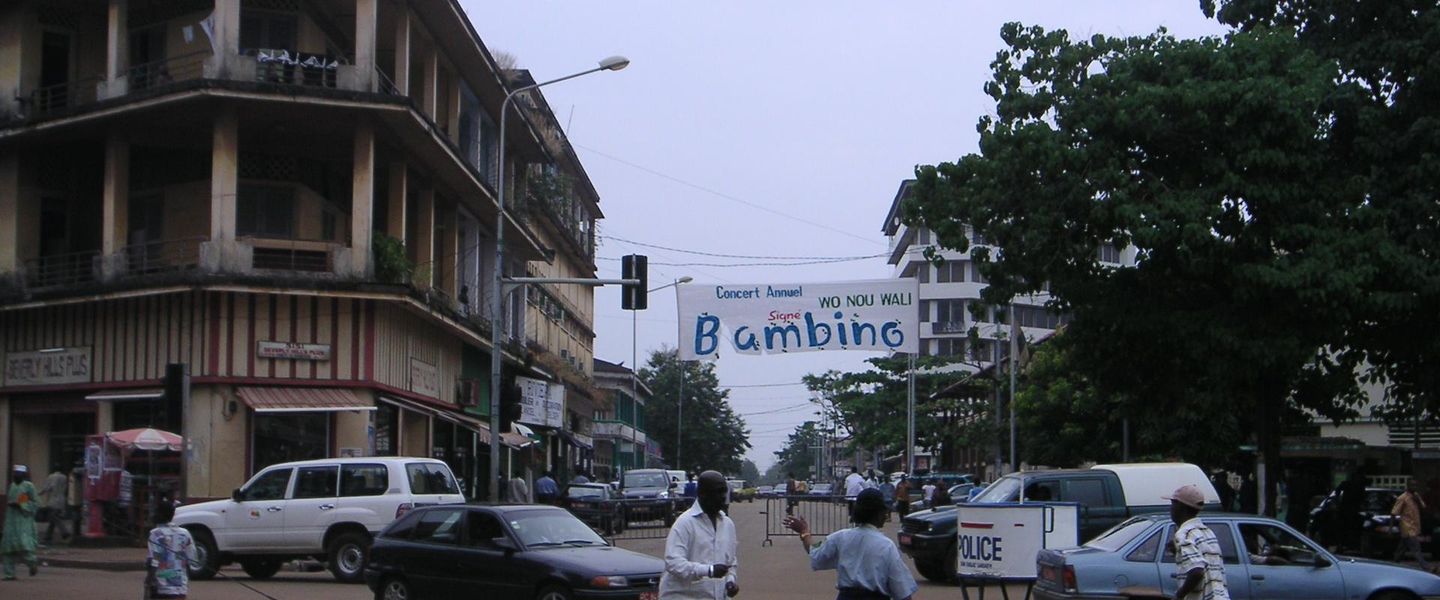


Explore Guinea's Boké Region for Atlantic mangroves, historic Boké, bauxite landscapes, Badiar wildlife and remote north-western communities.
Read more about Boke Region
When is the best time to visit Boke Region?
Best: November–January · 30–31°C| Month | High (°C) | Rainfall (mm) |
|---|---|---|
| January (best) | 31 | 5 |
| February | 33 | 5 |
| March | 34 | 10 |
| April | 35 | 20 |
| May | 36 | 50 |
| June | 33 | 150 |
| July | 32 | 200 |
| August | 32 | 200 |
| September | 32 | 150 |
| October | 33 | 50 |
| November (best) | 31 | 10 |
| December (best) | 30 | 5 |
Getting to and around Boke Region
How to get there
Transportation
Top city travel guides in Boke Region
The cities of Boke Region, and the easiest places to base yourself.

Swipe for more cities
Destinations in Boke Region
Resorts, valleys and scenic spots worth a trip of their own.

Swipe for more destinations
Best attractions in Boke Region
Boké Region's attractions range from historic and industrial heritage to mangrove waterways, savanna and wildlife. In Boké, the Fortin de Boké provides the clearest introduction to the area's nineteenth-century colonial history and to the trading networks that shaped the Rio Nuñez. The estuary itself is a major natural feature, with boat excursions around tidal channels and mangroves possible where local operators and conditions permit. Boffa and the coastal zone offer riverine scenery, fishing communities and mission heritage, while Kamsar presents the industrial face of the region through its port and mineral-export infrastructure. Inland, the roads towards Gaoual and Koundara pass through changing savanna landscapes, and Badiar National Park provides opportunities for guided wildlife observation, birdwatching and seasonal nature trips. The Tristao Islands, near the Guinea-Bissau frontier, are remote and require careful logistical planning rather than spontaneous sightseeing. Mining areas around Sangarédi are economically important but are working environments, not unrestricted visitor attractions; access and photography require permission.
-
Tourist attraction
Waterfall of Dindefelo
Experience the enchanting beauty of the Waterfall of Dindefelo in Senegal, a must-visit destination for nature lovers and adventure seekers alike.
-
Tourist attraction
Grande Mosquée de Conakry
Explore the Grande Mosquée de Conakry, a magnificent symbol of Islamic culture and architecture in Guinea's vibrant capital, Conakry.
-
Amusement center
Bluezone de Kaloum
Experience vibrant fun and thrilling rides at Bluezone de Kaloum, an amusement center in Conakry, perfect for all ages seeking excitement in Guinea.
-
Market
Tamagaly Marché
Experience the vibrant culture and flavors of Guinea at Tamagaly Marché, a must-visit market for tourists seeking local treasures.

Best landmarks in Boke Region
The Fortin de Boké is the region's most recognisable historic landmark, a French-built nineteenth-century fort whose walls and museum interpretation connect the town with colonial expansion, river commerce and the history of slavery. Boffa's Catholic mission and basilica complex mark the early development of Catholic missionary activity on Guinea's coast and remain important religious and architectural sites. Kamsar's port, rail facilities and mineral-handling infrastructure form a very different kind of landmark: they express the industrial importance of Boké's bauxite economy, although access is controlled and the installations should be viewed from permitted public areas. The Rio Nuñez estuary provides the region's defining natural landmark, its broad tidal waters and mangrove channels linking inland Boké with the Atlantic. Farther north, the savanna and woodland of Badiar National Park create a landscape landmark rather than a single monument, with its value lying in the protected habitat and its position near Guinea's Senegalese frontier.
-
Bay
Gulf of Guinea
Experience the stunning beauty and rich culture of the Gulf of Guinea, a unique coastal paradise on Africa's western shores.
-
 Mosque
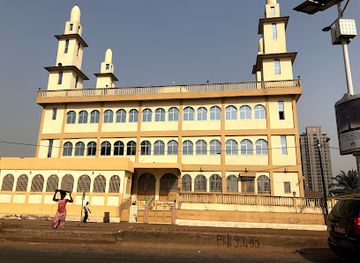
Grande Mosquée de Conakry
Explore the Grande Mosquée de Conakry, an architectural masterpiece and spiritual heart of Guinea, blending history, culture, and breathtaking design.
-
Mosque
Mosquée Bambeto
Discover the serene beauty and cultural significance of Mosquée Bambeto, a stunning mosque in the heart of Conakry, Guinea.
-
Museum
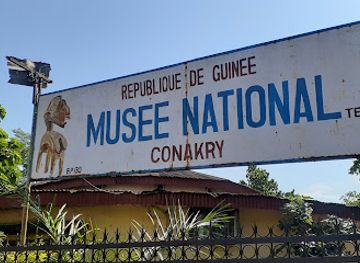
National Museum of Guinea
Uncover the rich cultural tapestry of Guinea at the National Museum, featuring diverse artifacts, art, and historical exhibits that showcase the country's heritage.
Explore Boke Region on the map
Plan your trip on one map. See where the top cities, national parks and sights are, and book hotels and experiences in a few clicks.
Best hotels in Boke Region
Best restaurants in Boke Region
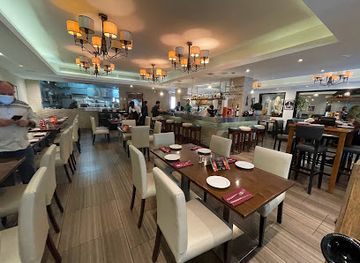
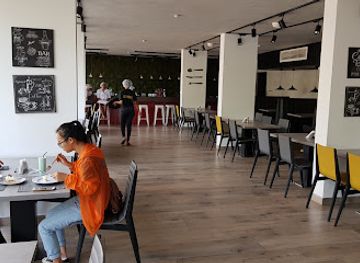
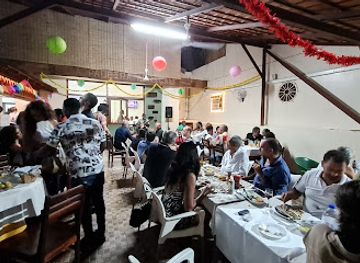
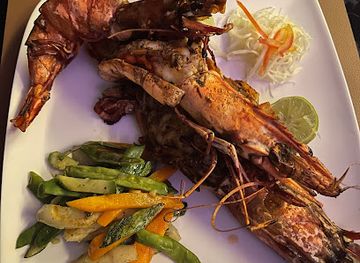
Dining in Boké Region is shaped by Guinean home cooking, market produce and the contrast between coastal and inland environments. Rice is a staple, commonly served with sauces based on fish, meat, vegetables, groundnuts or leaves, while grilled fish and other seafood are more characteristic of the estuarine and coastal settlements around Boffa and Kamsar. In inland towns, simple rice dishes, grilled meats, beans, plantain and seasonal produce are widely available. Boké and the larger mining centres offer the broadest choice of modest restaurants, cafés and hotel dining rooms, whereas rural areas rely more heavily on local eateries and market food. Fresh fruit, ginger drinks and sweetened tea are common refreshments; visitors should choose busy food stalls, drink treated or bottled water, and remember that menus and opening arrangements can be informal.
-
Restaurant
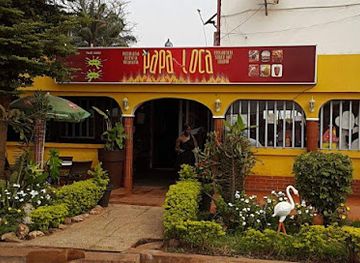
Restaurante Papa Loca
Experience authentic Guinea-Bissau cuisine at Restaurante Papa Loca - where tradition meets taste in every dish.
-
Restaurant
Avenue
Discover Avenue in Conakry: where authentic Guinean flavors meet warm hospitality and vibrant dining experiences.
-
Restaurant
Le Special
Experience authentic Guinean cuisine at Le Special in Conakry – where tradition meets flavor.
-
Restaurant
A Padeira Africana
Experience authentic African cuisine at A Padeira Africana in Bissau - where every dish tells a story.
Best bars in Boke Region
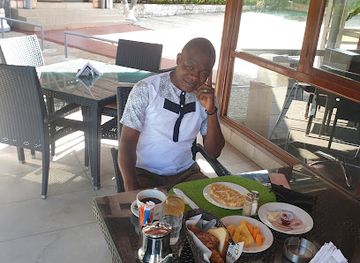
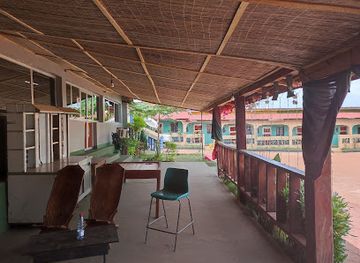
Nightlife in Boké Region is generally low-key and concentrated in Boké, Kamsar, Sangarédi and other larger settlements rather than organised around a substantial club scene. Evening social life may centre on informal bars, hotel lounges, small restaurants, music venues and neighbourhood drinking spots, with local and West African popular music often part of the atmosphere. In Boffa, Gaoual, Koundara and rural communities, evenings are quieter and may revolve around conversation, family gatherings or modest eateries. Alcohol is available in many urban settings, but it is not necessary to engage with local culture, and visitors should arrange transport before going out. There is no dependable region-wide schedule for live music, clubs or late opening, so ask locally and avoid walking alone on poorly lit roads after dark.
-
Bar
Guinée-Conakry ( Kamsar)
Discover Kamsar, Guinea: A coastal gem blending rich culture, stunning landscapes, and vibrant local life for an unforgettable travel experience.
-
Lounge
CODE BAR
Discover the vibrant CODE BAR in Conakry, where local flavors meet a stylish lounge experience in the heart of Guinea.
-
Restaurant
Night Club Sunset Sangaredi
Discover the vibrant nightlife of Sunset Sangaredi, where music, cocktails, and good vibes come together for an unforgettable evening.
-
Lounge
Océan's Lounge
Discover the vibrant nightlife of Conakry at Océan's Lounge, where comfort meets culture in a stylish setting.

Best nightclubs in Boke Region
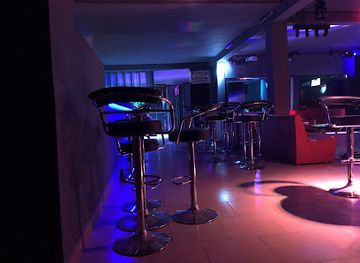
Nightlife in Boké Region is generally low-key and concentrated in Boké, Kamsar, Sangarédi and other larger settlements rather than organised around a substantial club scene. Evening social life may centre on informal bars, hotel lounges, small restaurants, music venues and neighbourhood drinking spots, with local and West African popular music often part of the atmosphere. In Boffa, Gaoual, Koundara and rural communities, evenings are quieter and may revolve around conversation, family gatherings or modest eateries. Alcohol is available in many urban settings, but it is not necessary to engage with local culture, and visitors should arrange transport before going out. There is no dependable region-wide schedule for live music, clubs or late opening, so ask locally and avoid walking alone on poorly lit roads after dark.
-
African
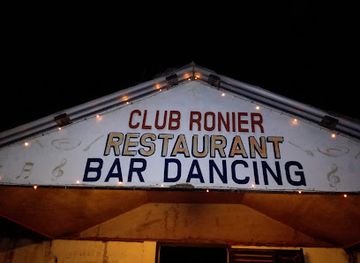
Club RONIER
Discover the essence of African cuisine at Club RONIER in Kamsar, Guinea, where every dish tells a story and every visit is a celebration of culture.
-
Disco club
CONAKRY CLUB
Discover the lively nightlife at Conakry Club, where music, dance, and culture collide in an unforgettable experience.
-
Night club
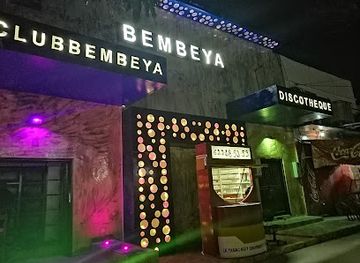
Club BEMBEYA
Experience the vibrant nightlife of Conakry at Club BEMBEYA, where music meets culture in a lively atmosphere.
-
Bar
Grand REX Night Club
Unleash your night at Grand REX Night Club, where vibrant music meets a lively atmosphere in the heart of Conakry, Guinea.
Best shops in Boke Region
Shopping in Boké Region is primarily practical and local, with markets and roadside stalls selling rice, fruit, vegetables, fish, household goods, clothing and everyday provisions. Boké and Kamsar offer the widest choice of small shops, while market activity in Boffa, Gaoual and Koundara reflects the needs of farming, fishing and livestock communities. Visitors may find locally produced foodstuffs, woven items, carved objects and simple textiles, but craft selection varies and should not be confused with a large established souvenir industry. Regional food products, including dried fish, spices and groundnuts, can be interesting purchases when packed and transported appropriately. Bargaining may be customary in informal markets, though not every price is negotiable; ask permission before photographing traders or goods, and purchase wildlife products, archaeological objects and unverified antiquities only if their legal origin is clear.
-
Supermarket
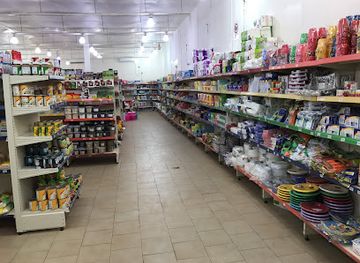
U EXPRESS KAMSAR
Discover local flavors and vibrant shopping at U EXPRESS KAMSAR, a quintessential supermarket in Kamsar, Guinea, perfect for every traveler.
-
Supermarket
Centre Commercial Kakande
Explore the vibrant Centre Commercial Kakande in Kamsar, where local culture meets modern shopping in a delightful experience.
-
Museum
Musée de Boké
Explore the rich cultural heritage of Guinea at the Musée de Boké, a must-visit destination for history and art lovers.
-
Pharmacy
Pharmacie Boke Centre
Discover the essential health services at Pharmacie Boke Centre in Boke, Guinea, your reliable pharmacy for medications and health advice.
Get your free copy of our complete guide to Boke Region, delivered straight to you.
Everything on this page, from attractions and restaurants to essentials and local phrases, in one PDF you can read offline, print or share.
Already have an account? Sign in
Your Boke Region guide is ready.
We'll send it to · Not you? Sign out

Getting your guide ready…
We are putting together a fresh copy of the Boke Region guide. This can take up to a minute.
This can take a few moments. If your browser asks, choose Allow so the download can start. You'll find the guide in your Downloads folder.
Nothing happened? Download it again
Sorry, the guide is taking longer than usual. Please try again in a minute, or get it by email instead.
Boke Region essentials
Currency and Payment
Safety
Emergency Situations
Do's and Don'ts
Local Tips
From Eve
Local phrases worth knowing
You don't need to get them perfect. A few words go a long way, and locals appreciate the effort.
Basics
| English | Local | Say it |
|---|---|---|
| Hello | Salam | [sah-LAM] |
| Goodbye | N'na | [nuh-NAH] |
| Yes | Wi | [wee] |
| No | Naa | [nah] |
| Please/You're welcome | Taw | [tah] |
| Thank you | M'ercy | [mer-SEE] |
| Excuse me/Sorry | Désolé | [day-ZOH-lay] |
| How are you? | Kóyé? | [koh-YAY] |
| Fine. And you? | Moké. Kóyé to? | [moh-KAY. koh-YAY toh?] |
| Do you speak English? | D'i ka bôlè Anglè? | [dee kah BOH-lay AHN-glay?] |
| I don't understand | M'ne kè jé | [meh-NEH keh JAY] |
Eating & Drinking
| English | Local | Say it |
|---|---|---|
| I'd like to see the menu, please | M'ka t'iyé la mènou, taw | [meh-KAH tee-YAY lah meh-NOO, tah] |
| I don't eat meat | M'ne ka mangé nè | [meh-NEH kah mahn-ZHAY neh] |
| Cheers! | À la santé! | [ah lah sahn-TAY!] |
| I would like to pay, please | M'ka t'iyé peye, taw | [meh-KAH tee-YAY pay-AY, tah] |
Emergencies
| English | Local | Say it |
|---|---|---|
| Help! | Aide! | [ED!] |
| Go away! | Ké sa! | [keh sah!] |
| Call the Police! | Apelle la Police! | [ah-PEL lah poh-LEES!] |
| Call a doctor! | Apelle un docteur! | [ah-PEL uhn dok-TER!] |
| I'm lost | M'ka l'perd | [meh-KAH l'PERD] |
| I'm ill | M'ka mal | [meh-KAH MAHL] |
Shopping
| English | Local | Say it |
|---|---|---|
| I'd like to buy... | M'ka t'iyé achèté... | [meh-KAH tee-YAY ah-SHET-ay...] |
| I'm just looking | M'ka ràndé | [meh-KAH RAN-day] |
| How much is it? | Kóyé bèsè? | [koh-YAY BEH-say?] |
| That's too expensive | A kè bèsè kè | [ah keh BEH-say keh] |
| Can you lower the price? | D'i ka kè t'iyé prix? | [dee kah keh tee-YAY pree?] |
Time & Numbers
| English | Local | Say it |
|---|---|---|
| What time is it? | Kóyé tèmé? | [koh-YAY TEM-ay?] |
| It's one o'clock | A yè l'klo | [ah YAY l-KLO] |
| Half past (10) | Mèti à (10) | [may-TEE ah (10)] |
| Morning | Kouré | [koo-RAY] |
| Afternoon | Sè di | [seh DEE] |
| Evening | Sè-nu | [seh-NOO] |
| Yesterday | Yè zi | [YAY zee] |
| Today | Jou | [JOO] |
| Tomorrow | Demain | [day-MAN] |
| 1 | Yè | [YAY] |
| 2 | Dou | [DOO] |
| 3 | Trè | [TRAY] |
| 4 | Kà | [KAH] |
| 5 | Senk | [SENK] |
| 6 | Sis | [SEES] |
| 7 | Sèt | [SET] |
| 8 | Wit | [WHEET] |
| 9 | Nèf | [NEHF] |
| 10 | Dè | [DAY] |
Transport & Directions
| English | Local | Say it |
|---|---|---|
| Where's a/the...? | Wè sa...? | [weh sah...?] |
| What's the address? | Kóyé l'adresse? | [koh-YAY l'ah-DRESS?] |
| Can you show me (on the map)? | D'i ka m'ka monté (sous la carte)? | [dee kah meh-KAH mon-TAY (soo lah kart)?] |
| When's the next (bus)? | Kóyé l'suivant (bus)? | [koh-YAY l'swee-VAHN (boos)?] |
| A ticket (to ....) | Yè tikè (à ....) | [YAY tee-KAY (ah ....)] |
History of Boke Region
Early Coastal and Inland Communities
Long before colonial rule, the territory now forming Boké Region was inhabited by communities whose livelihoods combined farming, fishing, hunting, salt production and regional exchange. Baga, Landuma and Nalu communities were particularly associated with the coastal and estuarine zone, while Fulbe settlement and influence became increasingly important inland and towards the Fouta Djallon. River corridors such as the Rio Nuñez linked the coast with interior markets, allowing goods, people and political influence to move between Atlantic settlements and the savanna.
Fouta Djallon and Regional Trade
From the eighteenth century, the expansion of the Fulbe-led Imamate of Fouta Djallon reshaped political and commercial relationships across much of north-western Guinea. Boké's waterways and inland routes connected coastal trading points with the highlands and the Senegal River world. Traders exchanged agricultural products, livestock, salt and manufactured goods, while the wider region was also drawn into systems of enslavement and long-distance commerce. The political landscape remained diverse, however, and local communities retained distinct identities and authority.
European Commerce and the Fortin de Boké
European merchants and French officials became increasingly active along the Rio Nuñez and nearby coast during the nineteenth century. The Fortin de Boké, constructed by the French in the late nineteenth century, embodied the attempt to control trade routes and extend colonial authority inland. Its location reflects the strategic importance of Boké as a river-linked commercial centre. The fort is also associated with the region's history of slavery and colonial coercion, subjects that are essential to understanding the wider Atlantic and West African trading networks.
French Colonial Rule
Guinea became part of French West Africa, and the Boké area was incorporated into a colonial administrative and economic system that reorganised taxation, labour and trade. Roads, river facilities and administrative posts served commercial objectives rather than creating an evenly distributed transport network. Missionary activity was particularly visible at Boffa, where Catholic institutions became part of the region's religious history. Colonial boundaries brought coastal and inland communities into a single administrative framework that influenced the later shape of Boké Region.
Independence and the Reorganisation of Guinea
Guinea rejected membership of the French Community and became independent in 1958 under Ahmed Sékou Touré. The new state sought to replace colonial structures with national institutions and exercised strong control over major economic assets. Independence brought a new political identity but also difficult relations with former colonial interests and neighbouring countries. In Boké, the strategic value of mineral resources and transport infrastructure ensured that the region remained central to national economic planning.
Bauxite Mining and the Industrial Corridor
Boké's later history has been defined by its bauxite deposits, especially around Sangarédi, and by the port and transport infrastructure associated with Kamsar. The Compagnie des Bauxites de Guinée developed large-scale operations from the 1960s and began exporting bauxite in the 1970s, making the region one of the leading centres of Guinea's mining economy. Fria, although known for an alumina industry rather than the same mining complex, added to the region's industrial importance. Mining has brought employment and infrastructure but has also raised enduring questions about land, water, resettlement and environmental change.
Conservation and Contemporary Regional Change
Modern Boké Region contains both expanding mineral infrastructure and protected landscapes such as Badiar National Park near Koundara. Conservation efforts seek to preserve savanna, woodland and wildlife habitats in a region affected by farming, grazing, settlement and transport development. Coastal mangroves and estuaries face their own pressures from fishing, ports and changing land use. The region's contemporary identity therefore rests on a continuing negotiation between extractive industry, rural livelihoods, historic memory and environmental protection.
Boke Region in Photos
Browse through our photo collection highlighting the charm and character of the destination.
Neighbouring regions of Boke Region
The closest regions to Boke Region, if you have time for more than one.
-

-

-

-

-


Swipe for more regions
Explore more

Explore more of Guinea
Explore Guinea's hidden beauty, from lush rainforests and majestic waterfalls to vibrant markets and rich cultural heritage in West Africa.
Explore Guinea