

Free Nippes Travel Guide & Mobile App
Explore Nippes with free travel guides. Discover regional history, expert tips, proposed trips, and audio guides on web or mobile app.


Explore Nippes in southern Haiti for working ports, Creole culture, limestone hills, coastal communities and carefully arranged countryside journeys.
Read more about Nippes
When is the best time to visit Nippes?
Best: January–March · 29–30°C| Month | High (°C) | Rainfall (mm) |
|---|---|---|
| January (best) | 29 | 25 |
| February (best) | 30 | 30 |
| March (best) | 30 | 35 |
| April | 31 | 50 |
| May | 32 | 60 |
| June | 33 | 70 |
| July | 33 | 80 |
| August | 33 | 90 |
| September | 33 | 100 |
| October | 32 | 90 |
| November | 31 | 70 |
| December | 30 | 50 |
Getting to and around Nippes
How to get there
Transportation
Best attractions in Nippes
Nippes offers a travel experience centred on landscapes, communities and historical observation rather than a developed catalogue of ticketed attractions. Miragoâne’s port and markets reveal the department’s continuing maritime and commercial role, while Anse-à-Veau and Petit-Trou-de-Nippes provide access to older coastal settlements where fishing, trade and local life remain more significant than visitor facilities. Baradères and the smaller coastal communities are of interest to travellers who have arranged reliable local transport and wish to understand the relationship between the Gulf of Gonâve, mangroves, beaches and working harbours. Inland, the scenery changes to cultivated valleys, limestone hills and scattered rural settlements, with opportunities for guided walks and landscape photography where conditions allow. The region’s churches, market spaces, traditional houses and public squares are best approached as living parts of the community, not as isolated monuments. Swimming, boating or visits to less accessible coastline should be undertaken only with local advice, since currents, weather, sanitation, security and rescue provision can be uncertain. Nippes rewards a slow, carefully organised itinerary built around local contacts, historic towns, countryside views and the everyday culture of southern Haiti.
-
Park
Carrefour Desruisseaux
Explore Carrefour Desruisseaux, a serene park in Miragoane, Haiti, filled with lush greenery and delightful wildlife for a refreshing escape into nature.
-
Park
Place d'Armes
Experience the charm of Place d'Armes in Les Cayes, a serene park perfect for relaxation, local culture, and vibrant community life.
-
 Resort hotel
Abaka Bay and Resort
Experience the serene beauty and vibrant culture of Abaka Bay and Resort, an idyllic retreat on the stunning Île à Vache in Haiti.
-
Cathedral
Cathedral of Saint Louis Roi of France
Explore the breathtaking Cathedral of Saint Louis Roi of France, an architectural gem in Jérémie, rich with history and stunning Gothic design.
Best landmarks in Nippes
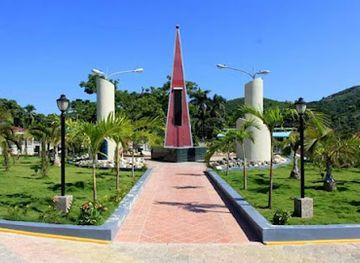
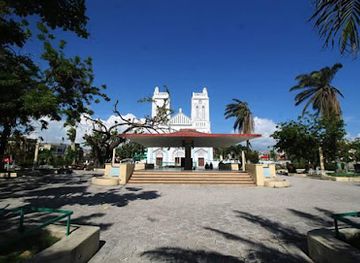
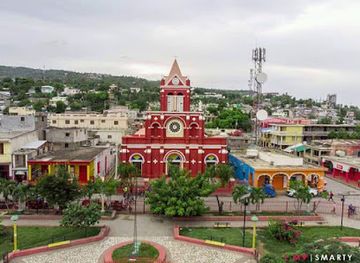
Miragoâne’s harbour is Nippes’s most recognisable working landmark, linking the department’s urban life with maritime trade across the Gulf of Gonâve. Its importance is economic and geographical rather than monumental: the port helps explain why the town became the department’s commercial centre. Anse-à-Veau is significant as an older coastal settlement whose history reflects the relationship between plantation agriculture, shipping and the political development of southern Haiti. The shoreline around Petit-Trou-de-Nippes and the coastal approaches to Baradères provide natural landmarks shaped by beaches, tidal waters, mangroves and low hills, although access and safety conditions require local guidance. Inland limestone ridges and cultivated valleys form a contrasting visual framework, revealing how settlements are distributed between fertile lowlands and more difficult terrain. Churches, market squares, port buildings and older civic structures in the main towns are best interpreted with local knowledge, since many have been altered, damaged or rebuilt over time. Nippes’s landmarks are therefore less a collection of preserved monuments than a combination of historic settlement, working infrastructure and coastal geography.
-
Historical place
Laferriere Citadel
Discover the historic Laferriere Citadel, a UNESCO World Heritage site in Haiti, showcasing stunning architecture and breathtaking views.
-
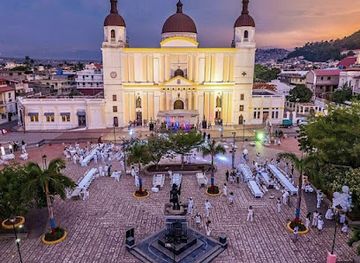
Catholic cathedral
Notre-Dame of Cap-Haitian Cathedral
Explore the breathtaking Notre-Dame of Cap-Haitien Cathedral, a stunning symbol of faith and history in the heart of Haiti's cultural capital.
-
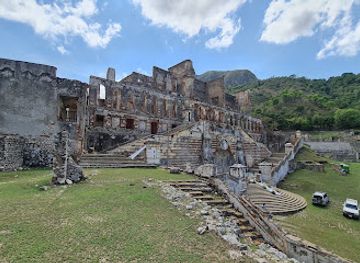
Tourist attraction
Sans Souci Palace
Explore the enchanting ruins of Sans Souci Palace, a UNESCO World Heritage site in Milot, Haiti, rich in history and breathtaking architecture.
-
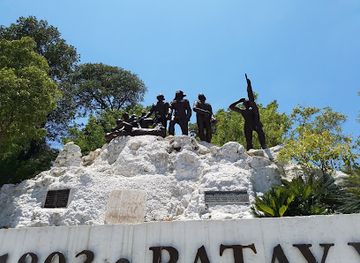
Memorial park
Heroes Monument of Vertières
Explore the Heroes Monument of Vertières in Cap-Haitien: A historic memorial park honoring the heroes of Haitian independence among lush gardens.
Explore Nippes on the map
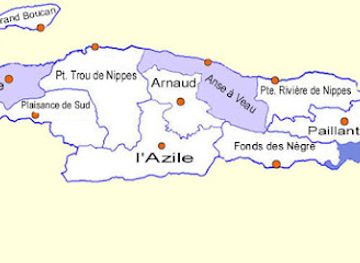
Plan your trip on one map. See where the top cities, national parks and sights are, and book hotels and experiences in a few clicks.
Best hotels in Nippes
Best restaurants in Nippes
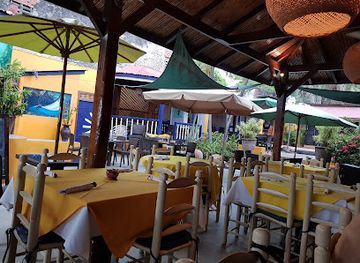
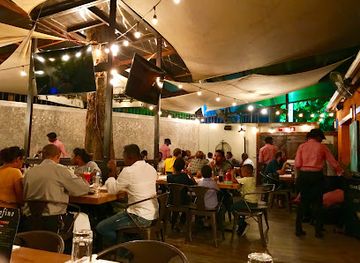
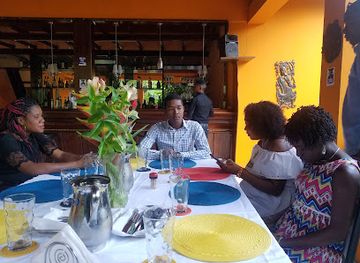
Dining in Nippes is closely connected to household cooking, market supply and the availability of locally caught or grown produce rather than to a formal restaurant scene. Meals commonly draw on rice and beans, plantains, cassava, maize, poultry, goat, seasonal vegetables and fish in coastal communities, with pikliz, a sharp pickled vegetable accompaniment, adding heat and acidity. Miragoâne has the broadest choice of informal eateries, market food and provisions, while smaller towns may offer simple meals through guesthouses or locally known cooks that need to be arranged in advance. Coffee, fruit drinks and sweet baked goods may appear alongside savoury food, though supply varies considerably. Visitors should ask about ingredients, drinking water and preparation standards, carry basic provisions for rural journeys and avoid assuming that a coastal location guarantees seafood at every meal. Haitian cuisine is shared across the country, but Nippes gives it a distinctly southern setting shaped by ports, farmland and household hospitality.
-
Restaurant
Kokoye Bar & Grill
Experience authentic Haitian cuisine in a lively atmosphere at Kokoye Bar & Grill in Port-au-Prince - a culinary gem waiting to be explored.
-
Restaurant
Lakay Restaurant
Experience authentic Haitian flavors at Lakay Restaurant in Cap-Haitien – where every dish tells a story.
-
Italian
Portofino
Experience authentic Italian cuisine at Portofino Ristorante Italiano in Petion-Ville - where flavor meets tradition in Haiti's culinary scene.
-
Restaurant
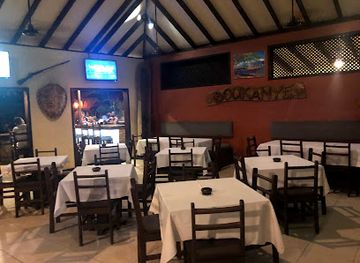
Boukanye
Experience authentic Haitian cuisine at Boukanye in Cap-Haitien - where flavor meets culture in a vibrant setting.
Best bars in Nippes
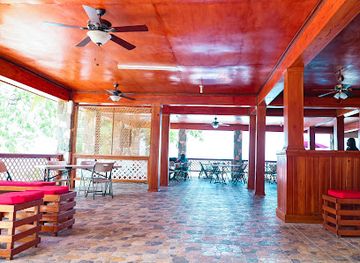
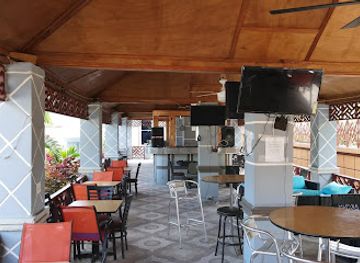
Nippes does not have a large, dependable nightclub circuit, and evening life is concentrated around informal bars, small restaurants, music, family gatherings and social spaces in Miragoâne and other larger settlements. Haitian kompa, rara and other local or national musical traditions may be heard at community events, but performances and opening arrangements are changeable and should not be treated as a fixed tourist programme. In smaller coastal and rural communities, evenings generally become quiet early, with socialising organised through local networks rather than a recognisable entertainment district. Visitors should rely on trusted hosts for advice, avoid walking after dark and take particular care around alcohol when transport and emergency services are limited. The most responsible way to experience nightlife is through an established local contact, in a setting where arrangements, security and the journey home are clear.
-
Bar
Poseidon Beach Club
Enjoy the best beach vibes at Poseidon Beach Club, where refreshing cocktails meet stunning ocean views in Petite-Rivière-de-Nippes.
-
Bar
Inazi Bar
Experience the vibrant nightlife and authentic local flavors at Inazi Bar in Nan Contree, your gateway to Caribbean culture.
-
Grill
Kay Delat Bar & Grill
Discover the vibrant tastes of Haiti at Kay Delat Bar & Grill, a culinary haven in Paillant offering authentic local dishes and a friendly atmosphere.
-
Pub
Decouvrir les Nippes
Discover the heart of Miragoane at Decouvrir les Nippes, a lively pub offering local drinks, delicious snacks, and a vibrant atmosphere to unwind.
Best nightclubs in Nippes
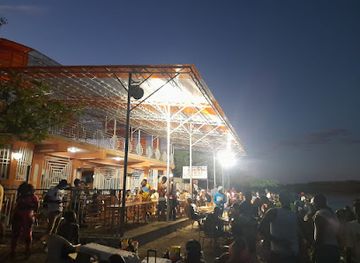
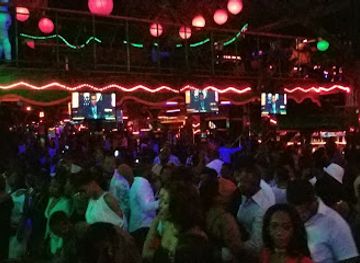
Nippes does not have a large, dependable nightclub circuit, and evening life is concentrated around informal bars, small restaurants, music, family gatherings and social spaces in Miragoâne and other larger settlements. Haitian kompa, rara and other local or national musical traditions may be heard at community events, but performances and opening arrangements are changeable and should not be treated as a fixed tourist programme. In smaller coastal and rural communities, evenings generally become quiet early, with socialising organised through local networks rather than a recognisable entertainment district. Visitors should rely on trusted hosts for advice, avoid walking after dark and take particular care around alcohol when transport and emergency services are limited. The most responsible way to experience nightlife is through an established local contact, in a setting where arrangements, security and the journey home are clear.
-
Disco club
Le Manguier
Discover the pulse of Hinche's nightlife at Le Manguier, a lively disco club featuring vibrant music, delicious drinks, and an unforgettable atmosphere.
-
Bar
DUBAÏ
Experience the vibrant nightlife of Grand Goave at DUBAÏ, a lively bar where local culture and exceptional drinks come together.
-
Bar
Villaggio Guest House
Discover Villaggio Guest House: the lively bar in Camp-Perrin where local culture meets vibrant hospitality for an unforgettable experience.
-
Night club
Esquina Latina
Discover the vibrant nightlife at Esquina Latina, a premier night club in Petion-Ville, where music and culture blend for an unforgettable experience.

Best shops in Nippes
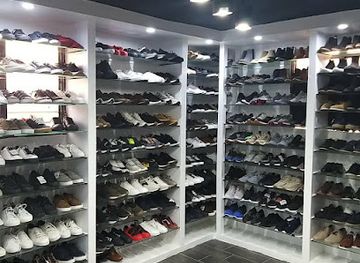
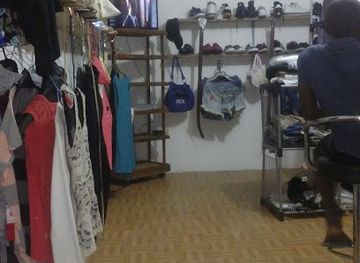
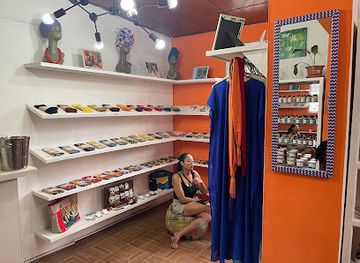
Shopping in Nippes is primarily practical and market-based, with Miragoâne offering the department’s broadest range of food, household goods, clothing and imported merchandise. Markets and roadside stalls serve local communities rather than functioning as polished souvenir destinations, and selection depends on transport, harvests and wider economic conditions. Visitors may find plantains, cassava, fruit, spices, coffee, prepared foods and locally made household items, while smaller settlements offer fewer choices and may not accept cards. Haitian art, textiles, carved objects and other crafts can sometimes be sourced through personal introductions or established local sellers, but buyers should ask about provenance and avoid purchasing archaeological material, protected wildlife products or objects presented as sacred. Bargaining may occur in informal markets, but courteous negotiation is preferable to aggressive haggling. Carry purchases discreetly, keep receipts for significant items and allow time for the practical realities of moving goods along difficult roads.
-
Clothing store
BLACK STORE HAITI
Explore unique fashion and local craftsmanship at BLACK STORE HAITI in Petion-Ville, where every piece tells a story.
-
Clothing store
Lova Shop.
Explore Lova Shop in Fonds-des-Nègres for unique local fashion that blends style and cultural heritage.
-
Shopping mall
Anse-a-veau, Nippes
Explore the vibrant shopping and cultural hub of Anse-à-Veau, where local craftsmanship meets culinary delights in the heart of Nippes.
-
Clothing store
Kreyativ Store
Discover the vibrant fashion and beauty offerings at Kreyativ Store in Petion-Ville, where local culture meets unique style.

Get your free copy of our complete guide to Nippes, delivered straight to you.
Everything on this page, from attractions and restaurants to essentials and local phrases, in one PDF you can read offline, print or share.
Already have an account? Sign in
Your Nippes guide is ready.
We'll send it to · Not you? Sign out

Getting your guide ready…
We are putting together a fresh copy of the Nippes guide. This can take up to a minute.
This can take a few moments. If your browser asks, choose Allow so the download can start. You'll find the guide in your Downloads folder.
Nothing happened? Download it again
Sorry, the guide is taking longer than usual. Please try again in a minute, or get it by email instead.
Nippes essentials
Currency and Payment
Safety
Emergency Situations
Do's and Don'ts
Local Tips
From Eve
Local phrases worth knowing
You don't need to get them perfect. A few words go a long way, and locals appreciate the effort.
Basics
| English | Local | Say it |
|---|---|---|
| Hello | Bonjou | [bɔ̃ʒu] |
| Goodbye | Orevwa | [oʁevwa] |
| Yes | Wi | [wi] |
| No | Non | [nɔ̃] |
| Please/You're welcome | Souple | [suple] |
| Thank you | Mèsi | [mɛsi] |
| Excuse me/Sorry | Eskize mwen | [ɛskiˈze mɛ̃] |
| How are you? | Kijan ou ye? | [kiʒɑ̃ u je] |
| Fine. And you? | Mwen byen. E ou? | [mɥɛ̃ bjɛ̃ e u] |
| Do you speak English? | Eske ou pale anglè? | [ɛske u paˈle aŋɡle] |
| I don't understand | Mwen pa konprann | [mɥɛ̃ pa kɔ̃ˈpʁɑ̃] |
Eating & Drinking
| English | Local | Say it |
|---|---|---|
| I'd like to see the menu, please | Mwen ta renmen wè meni an, souple | [mɥɛ̃ ta ʁɛnˈmɛ̃ we meˈni ɑ̃ suple] |
| I don't eat meat | Mwen pa manje vyann | [mɥɛ̃ pa mɑ̃ʒe vjɑ̃] |
| Cheers! | Santé! | [sɑ̃te] |
| I would like to pay, please | Mwen ta renmen peye, souple | [mɥɛ̃ ta ʁɛnˈmɛ̃ peˈje suple] |
Emergencies
| English | Local | Say it |
|---|---|---|
| Help! | Ed! | [ɛd] |
| Go away! | Ale w! | [ale w] |
| Call the Police! | Rele polis la! | [ʁele pɔlis la] |
| Call a doctor! | Rele yon doktè! | [ʁele jɔ̃ dɔkˈte] |
| I'm lost | Mwen pèdi | [mɥɛ̃ pɛˈdi] |
| I'm ill | Mwen malad | [mɥɛ̃ maˈlad] |
Shopping
| English | Local | Say it |
|---|---|---|
| I'd like to buy... | Mwen ta renmen achte... | [mɥɛ̃ ta ʁɛnˈmɛ̃ aʃˈte] |
| I'm just looking | Mwen ap gade | [mɥɛ̃ ap ɡaˈde] |
| How much is it? | Konbyen sa koute? | [kɔ̃bjen sa kuˈte] |
| That's too expensive | Sa twò chè | [sa tʁo ʃɛ] |
| Can you lower the price? | Eske ou ka bese pri a? | [ɛske u ka beˈse pʁi a] |
Time & Numbers
| English | Local | Say it |
|---|---|---|
| What time is it? | Ki lè sa ye? | [ki lɛ sa je] |
| It's one o'clock | Se yon lè | [se jɔ̃ lɛ] |
| Half past (10) | Demi (10) | [dəmi (10)] |
| Morning | Maten | [maˈtɛ̃] |
| Afternoon | Apre midi | [apʁe miˈdi] |
| Evening | Swa | [swa] |
| Yesterday | Yè | [jɛ] |
| Today | Jodi a | [ʒodi a] |
| Tomorrow | Demain | [dəˈmɛ̃] |
| 1 | 1 | [1] |
| 2 | 2 | [2] |
| 3 | 3 | [3] |
| 4 | 4 | [4] |
| 5 | 5 | [5] |
| 6 | 6 | [6] |
| 7 | 7 | [7] |
| 8 | 8 | [8] |
| 9 | 9 | [9] |
| 10 | 10 | [10] |
Transport & Directions
| English | Local | Say it |
|---|---|---|
| Where's a/the...? | Kote a/the...? | [kɔte a/the] |
| What's the address? | Ki adrès la? | [ki aˈdʁɛs la] |
| Can you show me (on the map)? | Eske ou ka montre mwen (sou kat la)? | [ɛske u ka mɔ̃tʁe mɥɛ̃ (su kat la)] |
| When's the next (bus)? | Ki lè pwochen (otobis la)? | [ki lɛ pʁoˈʃɛn (otobi la)] |
| A ticket (to ....) | Yon tikè (pou ...) | [jɔ̃ tiˈke (pu ...)] |
History of Nippes
Taíno and Indigenous Landscapes before European Rule
Before European colonisation, the area now called Nippes formed part of the wider Indigenous landscape of Hispaniola, inhabited by Taíno communities whose settlements and agricultural practices were connected to rivers, valleys and the coast. Spanish conquest brought disease, enslavement and the destruction of Indigenous political structures. Although much of the archaeological record remains insufficiently interpreted for visitors, the department’s coastal and inland geography belongs to this deeper history, which predates the colonial names and administrative divisions used today.
French Plantation Colonisation in the Eighteenth Century
Under French Saint-Domingue, the southern peninsula developed through plantation agriculture, coastal shipping and forced labour. Settlements such as Anse-à-Veau and the port area around Miragoâne were linked to estates and commercial routes that moved agricultural goods towards larger ports. Enslaved Africans formed the overwhelming majority of the population and created the cultural foundations of modern Haitian society, including language, religious practice, foodways and forms of collective organisation. The wealth of the colony depended on an exploitative plantation system whose social divisions shaped the revolutionary period.
The Haitian Revolution and Independence, 1791–1804
The Haitian Revolution transformed the southern peninsula as enslaved people fought for freedom and rival French, British and Spanish forces contested Saint-Domingue. Communities in the Nippes area were affected by the wider conflict through military movement, disrupted plantations and changing control of ports and roads. Independence in 1804 ended French colonial rule and created Haiti, the first independent state formed by a successful large-scale slave revolution. The department was not a separate administrative unit at that time, but its towns and countryside became part of the new republic’s southern territory.
Ports, Markets and Agricultural Trade in the Nineteenth Century
During the nineteenth century, coastal ports were essential to Haiti’s internal trade because difficult terrain made overland transport slow. Miragoâne and other coastal settlements handled agricultural produce, imported goods and movements between the southern peninsula and the capital region. Coffee, cacao, cotton, timber and food crops were traded through networks that combined formal commerce with small-scale exchange. The growth of market towns also strengthened local political and social institutions, while the uneven reach of the Haitian state left many rural communities dependent on local relationships and customary forms of cooperation.
Modern Departmental Identity
Nippes became one of Haiti’s departments in 2003, created from territories formerly administered within the South and Grand’Anse departments. The change recognised a distinct regional centre around Miragoâne and provided a formal administrative framework for communities including Anse-à-Veau, Petit-Trou-de-Nippes, Baradères and inland communes. Departmental status has not removed the practical challenges created by difficult roads, limited public services and dispersed settlements, but it has shaped how the region is represented and governed within contemporary Haiti.
Earthquakes, Hurricanes and Continuing Reconstruction
Nippes has experienced the environmental pressures that affect southern Haiti, including hurricanes, flooding, coastal erosion and earthquakes. The August 2021 earthquake caused serious damage across parts of the southern peninsula, including communities in and around Nippes, and exposed vulnerabilities in housing, roads, schools and health facilities. Recovery has been uneven, as elsewhere in Haiti, with local communities, aid organisations and public authorities working amid economic and security constraints. The landscape therefore contains both long-established settlements and a continuing history of repair and adaptation.
Nippes in Photos
Browse through our photo collection highlighting the charm and character of the destination.
Neighbouring regions of Nippes
The closest regions to Nippes, if you have time for more than one.
-

-

-

-

-


Swipe for more regions
Explore more

Explore more of Haiti
Discover Haiti: A Caribbean gem with vibrant culture, rich history, stunning landscapes, and a unique culinary scene.
Explore Haiti