

Free Grand'Anse Travel Guide & Mobile App
Explore Grand'Anse with free travel guides. Discover regional history, expert tips, proposed trips, and audio guides on web or mobile app.


Grand’Anse offers Haiti’s green southwestern mountains, coastal villages, literary Jérémie, Creole food and carefully planned rural journeys.
Read more about Grand'Anse
When is the best time to visit Grand'Anse?
Best: January–March · 30–32°C| Month | High (°C) | Rainfall (mm) |
|---|---|---|
| January (best) | 30 | 65 |
| February (best) | 31 | 56 |
| March (best) | 32 | 71 |
| April | 32 | 102 |
| May | 32 | 132 |
| June | 32 | 157 |
| July | 33 | 152 |
| August | 33 | 162 |
| September | 32 | 172 |
| October | 32 | 157 |
| November | 31 | 122 |
| December | 31 | 82 |
Getting to and around Grand'Anse
How to get there
Transportation
Top city travel guides in Grand'Anse
The cities of Grand'Anse, and the easiest places to base yourself.

Swipe for more cities
Best attractions in Grand'Anse
Grand’Anse’s attractions are spread across a mountainous rural landscape rather than concentrated in a developed resort zone. Jérémie provides the strongest introduction, with its market life, waterfront, churches, older urban fabric and literary associations. The coast then opens into smaller communities such as Dame-Marie, Abricots and Anse d’Hainault, where fishing, river mouths, coves and tropical scenery are more important than formal visitor facilities. Anse d’Azur, near Jérémie, is known for clear coastal water and a dramatic setting, although conditions and access should be checked locally. Inland, agricultural valleys and upland roads reveal the department’s coffee, cocoa, fruit and plantain production, while rivers and forested slopes create opportunities for carefully organised walks and nature outings. Grand’Anse also offers an insight into Haitian religious, musical and literary culture through churches, local celebrations and Jérémie’s reputation as the city of poets. The principal attraction is the combination of landscape and everyday life: visitors encounter a working region of farms, boats, markets and communities rather than a packaged sightseeing circuit. Because public facilities, guides, accommodation and medical support are limited outside Jérémie, excursions should be arranged with trusted local knowledge and undertaken only when security and weather conditions are favourable.
-
Tourist attraction
Cathedral of Saint Louis Roi of France
Discover the stunning Cathedral of Saint Louis Roi of France in Jérémie, a breathtaking architectural marvel steeped in history and cultural significance.
-
Mountain peak
Pic Macaya
Explore Pic Macaya, Haiti's breathtaking mountain peak, where adventure, stunning views, and unique biodiversity await every traveler.
-
Tourist information center
Découvrir la Grand’Anse
Discover the heart of Jérémie at Découvrir la Grand'Anse, your essential hub for exploring Haiti's breathtaking landscapes and rich culture.
-
Mountain peak
Massif de la Hotte
Discover the breathtaking beauty and rich biodiversity of Massif de la Hotte, a must-visit mountain peak in Haiti for adventure and nature lovers.


Best landmarks in Grand'Anse
Jérémie Cathedral, formally associated with Saint Louis Roi de France, is one of Grand’Anse’s most recognisable civic and religious landmarks. Its presence reflects the town’s role as the departmental capital and the importance of Catholic institutions in Haiti’s historical urban landscape. Jérémie’s older streets, modest historic houses, market areas and waterfront form a broader townscape shaped by commerce, port activity and repeated exposure to hurricanes. The Grand’Anse River and its coastal outlet provide a geographical landmark for the city, linking the inland valleys with the Caribbean. Along the wider coast, Anse d’Azur is notable for its blue water, rocky surroundings and open marine setting, while the rugged headlands and river mouths near communities such as Dame-Marie and Abricots express the department’s physical character. In the interior, steep green slopes and cultivated valleys are important landscape landmarks rather than single monuments; they show how settlement and agriculture occupy difficult terrain. These places are best appreciated with local guidance, since access roads, weather and security can affect what is realistically reachable.
-
Historical place
Laferriere Citadel
Discover the grandeur of Laferriere Citadel, Haiti's iconic fortress steeped in history and breathtaking views of the surrounding landscape.
-
Memorial park
Heroes Monument of Vertières
Explore the Heroes Monument of Vertières in Cap-Haitien, a powerful memorial park dedicated to Haiti's independence heroes, rich in history and culture.
-
Tourist attraction
Saut-Mathurine
Experience the breathtaking beauty of Saut-Mathurine, Haiti's largest waterfall, surrounded by lush landscapes and serene pools.
-
Park
Place d'Armes
Experience the serene beauty and vibrant local culture at Place d'Armes, the perfect park for relaxation and social interaction in Les Cayes, Haiti.


Explore Grand'Anse on the map
Plan your trip on one map. See where the top cities, national parks and sights are, and book hotels and experiences in a few clicks.
Best hotels in Grand'Anse
Best restaurants in Grand'Anse
Dining in Grand’Anse is rooted in Haitian home cooking, market produce and the relationship between the mountains and the sea. In Jérémie, cafés, modest restaurants and guesthouses may serve rice and beans, plantains, stewed meats, poultry, fresh fish, vegetables and spicy sauces, while coastal communities are associated with locally caught seafood when supplies permit. Breadfruit, bananas, citrus, mangoes and other tropical fruit are important regional ingredients, and coffee and cocoa reflect the department’s agricultural economy. Restaurant choice becomes more limited outside the capital, where meals are often arranged through accommodation, family kitchens or small local eateries rather than formal dining rooms. Visitors should ask what is fresh, confirm prices and allow for slower preparation. Haitian Creole food traditions are shared nationally, but Grand’Anse’s humid valleys, gardens, fishing settlements and cocoa- and coffee-growing areas give local meals a strong connection to regional produce. Carrying snacks and drinking water is sensible on longer journeys.
-
Restaurant
Lakay Restaurant
Experience the rich flavors of Haiti at Lakay Restaurant, where authentic cuisine meets warm hospitality in Cap-Haitien.
-
Restaurant
Boukanye
Experience the essence of Haitian cuisine at Boukanye, where every dish tells a story and every visit feels like home.
-
Haitian
Jojo Restaurant
Experience authentic Haitian cuisine at Jojo Restaurant in Pétion-Ville – where every dish tells a story.
-
Lebanese
Magdoos Restaurant
Discover authentic Lebanese cuisine at Magdoos Restaurant in Petion-Ville – where every dish tells a story.


Best bars in Grand'Anse
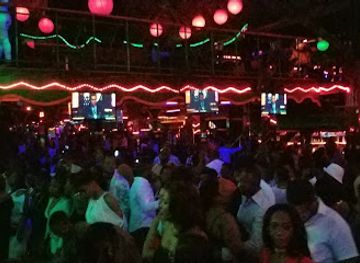
Grand’Anse has a modest evening scene centred on Jérémie, where small bars, restaurants, guesthouses and informal social spaces provide more activity than the department’s rural districts. Music, conversation and locally available drinks are generally more important than a purpose-built nightclub culture. In smaller coastal communities, evenings tend to revolve around family visits, neighbourhood gatherings, religious activities and occasional music rather than dependable late-night venues. Alcohol should not be treated as the main way to experience local life, and visitors should follow local advice about where and when to go out. Transport after dark can be difficult, while security conditions may change quickly; arrange a trusted ride and return before night travel becomes necessary. Venue opening arrangements, electricity and communications are not always consistent, so nightlife plans should remain flexible.
-
Restaurant
Over Here bar Restaurant and grill
Experience authentic Haitian cuisine at Over Here Bar Restaurant and Grill in Les Cayes, where delicious flavors meet a warm atmosphere.
-
Restaurant
Ilan Ilan Restaurant
Discover the essence of Haitian cuisine at Ilan Ilan Restaurant, where flavorful dishes and a warm atmosphere await every visitor.
-
Bar
Villaggio Guest House
Experience the warmth of Haitian hospitality at Villaggio Guest House, a charming bar in the heart of Camp-Perrin.
-
Grill
Kanp Inn Bar and Grill
Discover the culinary delights at Kanp Inn Bar and Grill in Camp-Perrin, where every bite tells a story of local flavors and hospitality.


Best nightclubs in Grand'Anse
Grand’Anse has a modest evening scene centred on Jérémie, where small bars, restaurants, guesthouses and informal social spaces provide more activity than the department’s rural districts. Music, conversation and locally available drinks are generally more important than a purpose-built nightclub culture. In smaller coastal communities, evenings tend to revolve around family visits, neighbourhood gatherings, religious activities and occasional music rather than dependable late-night venues. Alcohol should not be treated as the main way to experience local life, and visitors should follow local advice about where and when to go out. Transport after dark can be difficult, while security conditions may change quickly; arrange a trusted ride and return before night travel becomes necessary. Venue opening arrangements, electricity and communications are not always consistent, so nightlife plans should remain flexible.
-
Disco club
Le Manguier
Discover the vibrant nightlife of Haiti at Le Manguier disco club in Hinche, where music, dancing, and local culture come alive.
-
Bar
Villaggio Guest House
Discover the vibrant atmosphere and local charm at Villaggio Guest House, a perfect retreat for travelers exploring Camp-Perrin, Haiti.
-
Night club
Esquina Latina
Discover the energetic nightlife of Esquina Latina in Petion-Ville, where diverse music and vibrant crowds create an unforgettable party atmosphere.
-
Night club
Saxo Club
Discover the electric vibe of Saxo Club in Petion-Ville, where music and culture collide for an unforgettable nightlife experience.


Best shops in Grand'Anse
Shopping in Grand’Anse is primarily local and practical, with Jérémie’s markets and small commercial streets offering the widest choice. Visitors may find tropical fruit, coffee, cocoa, spices, woven or handmade goods, clothing, household products and locally prepared foods, although supply varies and product quality should be assessed carefully. Smaller towns and coastal communities have modest markets rather than dedicated tourist shopping districts. Regional agricultural goods make more meaningful purchases than imported souvenirs: coffee and cocoa can reveal the department’s farming identity when bought through a reputable producer, co-operative or trusted local contact. Handicrafts and artwork may also be available, but ask about provenance and avoid buying archaeological objects, protected wildlife products or items made from threatened plants. Carry Haitian gourdes in small notes, keep valuables discreet and do not assume that shops accept cards. Shopping is best viewed as part of Grand’Anse’s everyday economic life rather than as a structured retail experience.
-
Clothing store
BLACK STORE HAITI
Discover unique fashion at Black Store Haiti - a vibrant clothing boutique in Petion-Ville showcasing local style and elegance.
-
Consignment shop
Dépôt de Vernet
Explore the charm of Les Cayes at Dépôt de Vernet, a consignment shop filled with unique finds and local treasures for every traveler.
-
Tourist information center
Découvrir la Grand’Anse
Discover the breathtaking beauty and rich culture of Grand’Anse, Haiti's coastal paradise perfect for relaxation and adventure.
-
Clothing store
Starose Store et Studio de beautée
Explore unique fashion at Starose Store et Studio de Beautée in Camp-Perrin, where local style meets quality craftsmanship.


Get your free copy of our complete guide to Grand'Anse, delivered straight to you.
Everything on this page, from attractions and restaurants to essentials and local phrases, in one PDF you can read offline, print or share.
Already have an account? Sign in
Your Grand'Anse guide is ready.
We'll send it to · Not you? Sign out

Getting your guide ready…
We are putting together a fresh copy of the Grand'Anse guide. This can take up to a minute.
This can take a few moments. If your browser asks, choose Allow so the download can start. You'll find the guide in your Downloads folder.
Nothing happened? Download it again
Sorry, the guide is taking longer than usual. Please try again in a minute, or get it by email instead.
Grand'Anse essentials
Currency and Payment
Safety
Emergency Situations
Do's and Don'ts
Local Tips
History of Grand'Anse
Taíno settlement before European colonisation
Before the arrival of Europeans, the area now known as Grand’Anse formed part of the Taíno cultural world of Hispaniola. Communities used the coast, rivers and fertile inland valleys for fishing, cultivation and exchange. Spanish colonisation brought epidemic disease, violence and forced labour, causing profound demographic disruption. Although much of the visible built heritage in Grand’Anse dates from later centuries, the department’s geography reflects older patterns of settlement in which valleys, river mouths and sheltered coastal sites supported movement and food production.
French Saint-Domingue and plantation agriculture
During the eighteenth century, western Hispaniola became the French colony of Saint-Domingue, and the southern peninsula was incorporated into a plantation economy based on enslaved African labour. Coffee, sugar and other crops connected estates and ports to the wider Atlantic trade. The rugged terrain of Grand’Anse limited the concentration of plantations found in some flatter districts, but agriculture, coastal commerce and the movement of enslaved people still shaped the region. The period left a legacy of inequality, cultural mixture and agricultural practices that continued after independence.
The Haitian Revolution and independence
The revolutionary upheaval that began in Saint-Domingue in 1791 transformed communities across the southern peninsula. Enslaved people fought for freedom, colonial authority collapsed and Haiti declared independence in 1804. Grand’Anse was affected by the conflict, by the destruction and reorganisation of estates, and by the movement of soldiers and civilians. Independence ended French colonial rule but did not make the region economically secure; land ownership, export agriculture and relations between rural cultivators and urban authorities remained contentious throughout the nineteenth century.
Jérémie’s commercial and literary importance
In the nineteenth and twentieth centuries, Jérémie developed as Grand’Anse’s principal port, market and administrative centre. Its maritime connections supported the movement of coffee, cocoa, fruit and other agricultural products, while merchants, teachers, clergy and civil servants helped establish an active intellectual life. Jérémie later became known as the “city of poets”, reflecting the contribution of writers from Grand’Anse to Haitian literature. This literary reputation is part of the department’s cultural identity, alongside Creole oral traditions, religious life and the practical importance of farming and coastal trade.
Agriculture, rural change and environmental pressure
Grand’Anse has remained predominantly rural, with livelihoods based on small-scale farming, fishing, commerce and seasonal work. Coffee and cocoa have been important cash crops, while plantains, bananas, breadfruit, maize, beans and fruit support local consumption and markets. Deforestation, soil erosion, hurricanes and limited transport infrastructure have placed pressure on farms and watersheds. These challenges have also encouraged interest in more sustainable agriculture, local processing and better market access, although progress varies between communities and transport links remain a major constraint.
Hurricane Matthew and recent recovery
Hurricane Matthew struck southwestern Haiti in October 2016, causing severe damage across Grand’Anse. Homes, schools, roads, crops, livestock and public facilities were affected, and many communities faced prolonged disruption. The disaster exposed the department’s vulnerability to intense storms and its dependence on fragile transport and communications networks. Recovery has been gradual and uneven, with reconstruction taking place alongside continuing economic and environmental pressures. Visitors should therefore treat road, accommodation and service information as changeable and seek current local confirmation before travelling.
Grand'Anse in Photos
Browse through our photo collection highlighting the charm and character of the destination.
Neighbouring regions of Grand'Anse
The closest regions to Grand'Anse, if you have time for more than one.
-

-

-

-

-


Swipe for more regions
Explore more

Explore more of Haiti
Discover Haiti: A Caribbean gem with vibrant culture, rich history, stunning landscapes, and a unique culinary scene.
Explore Haiti