

Free Sud Travel Guide & Mobile App
Explore Sud with free travel guides. Discover regional history, expert tips, proposed trips, and audio guides on web or mobile app.


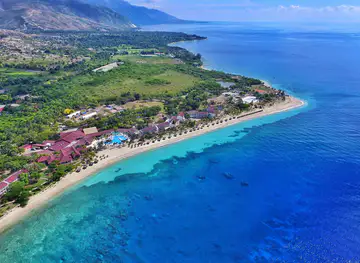
Explore Sud, Haiti for beaches, waterfalls, island landscapes, Creole culture and mountain scenery centred on Les Cayes.
Read more about Sud
When is the best time to visit Sud?
Best: December–February · 28–29°C| Month | High (°C) | Rainfall (mm) |
|---|---|---|
| January (best) | 28 | 30 |
| February (best) | 29 | 30 |
| March | 29 | 40 |
| April | 30 | 50 |
| May | 30 | 60 |
| June | 31 | 70 |
| July | 31 | 80 |
| August | 31 | 80 |
| September | 31 | 70 |
| October | 30 | 60 |
| November | 29 | 50 |
| December (best) | 29 | 40 |
Getting to and around Sud
How to get there
Transportation
Top city travel guides in Sud
The cities of Sud, and the easiest places to base yourself.
-
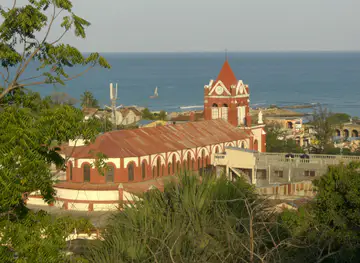
-


Swipe for more cities
Destinations in Sud
Resorts, valleys and scenic spots worth a trip of their own.

Swipe for more destinations
Best attractions in Sud
Sud’s attractions combine coast, countryside, waterfalls, island scenery and living Haitian culture. Les Cayes provides the department’s principal urban experience, with markets, harbour activity and access to the broad sands of Gelée. Port-Salut is known for its beaches and coastal atmosphere, while the smaller settlements along the southern shore offer views of working fishing communities rather than a continuous resort strip. Île-à-Vache adds boat travel, rural lanes, coves and offshore perspectives, but visitors should expect modest services and arrange logistics in advance. Inland, Saut-Mathurine near Camp-Perrin is the department’s best-known waterfall, reached through a greener landscape of streams and hills. The Massif de la Hotte and the Pic Macaya area appeal to experienced walkers, conservation-minded visitors and those interested in Haiti’s exceptional endemic biodiversity, although access, guiding and accommodation require careful preparation. Markets, churches, music, food and everyday commerce are also significant attractions because they reveal the department’s contemporary character. Natural sites should be approached with respect: paths may be slippery, swimming conditions are not uniformly supervised, and heavy rain can alter roads and river crossings.
-
Island
Tortuga
Explore the pristine beaches and rich history of Tortuga Island, a hidden gem in Haiti perfect for adventure and relaxation.
-
Tourist attraction
Saut-Mathurine
Experience the breathtaking beauty of Saut-Mathurine, Haiti's largest waterfall, nestled in the lush landscapes of Camp-Perrin.
-
Botanical garden
Cayes Botanical Garden
Explore the enchanting Cayes Botanical Garden, a serene escape filled with Haiti's diverse flora and breathtaking landscapes.
-
National park
La Visite National Park
Discover La Visite National Park, a breathtaking national park in Haiti known for its rich biodiversity, stunning landscapes, and outdoor adventures.


Best landmarks in Sud
The most recognisable landmarks of Sud reflect its port, coastline, mountains and natural forces. Les Cayes harbour and waterfront are central to the department’s commercial identity, linking the city to fishing, coastal trade and boat journeys towards Île-à-Vache. Gelée beach is a prominent southern coastal landscape, with an open strand that becomes particularly associated with local public life during holiday periods. Port-Salut’s shoreline is another defining geographical feature, marked by beaches and low coastal development rather than monumental architecture. Inland, Saut-Mathurine is the department’s signature natural landmark: the waterfall and surrounding river landscape demonstrate the abrupt transition from the southern plain to the wooded foothills. The Pic Macaya and Massif de la Hotte landscape is more than a scenic backdrop; it is a major ecological landmark containing rare habitats and watersheds of national importance. In towns and villages, churches, market buildings, colonial-era remnants and post-earthquake structures provide a more dispersed architectural record, though many buildings have been altered or damaged and should be viewed within the wider history of colonialism, independence, disaster and rebuilding.
-
Park
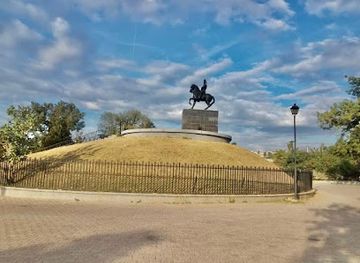
Champ de Mars
Discover the beauty and history of Champ de Mars, a vibrant park in Port-au-Prince, where nature and culture converge in an unforgettable experience.
-
Historical place
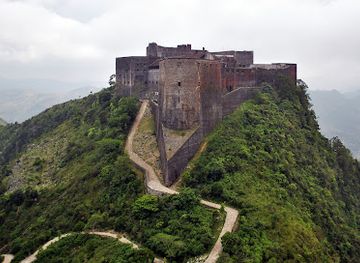
Laferriere Citadel
Discover the monumental Laferriere Citadel, a UNESCO World Heritage Site, offering breathtaking views and a deep dive into Haiti's rich history.
-
Catholic cathedral
Notre-Dame of Cap-Haitian Cathedral
Discover the Notre-Dame of Cap-Haitian Cathedral, a stunning architectural marvel and a spiritual sanctuary in the heart of Haiti's historic city, offering a glimpse into its rich cultural heritage.
-
Tourist attraction
Sans Souci Palace
Explore the majestic ruins of Sans Souci Palace in Milot, Haiti, a UNESCO World Heritage site and a symbol of Haitian independence, offering a glimpse into the opulent era of King Henri Christophe.


Explore Sud on the map
Plan your trip on one map. See where the top cities, national parks and sights are, and book hotels and experiences in a few clicks.
Best hotels in Sud
Best restaurants in Sud
Dining in Sud is rooted in Haitian home cooking, market produce and coastal access rather than a large formal restaurant industry. In Les Cayes, visitors can find restaurants, hotels and informal eateries serving rice and beans, plantains, poultry, goat, pork, fresh vegetables and seafood, often accompanied by pikliz or other spicy condiments. Around Port-Salut and the coast, fish and shellfish may feature more prominently, though availability depends on weather, catches and refrigeration. Fruit, cassava, sweet potatoes and other locally grown foods reflect the department’s agricultural landscape. Coffee and locally produced rum may appear alongside soft drinks and fruit juices, but provenance and preparation vary. Rural inns and family-run kitchens can offer the most direct introduction to regional flavours, provided arrangements are made through trusted hosts and food is handled hygienically. Markets are useful for seeing the range of local produce, but travellers should choose cooked food carefully and carry drinking water rather than assuming that every roadside stall can meet international dietary requirements.
-
Restaurant
Kokoye Bar & Grill
Discover authentic Haitian flavors at Kokoye Bar & Grill in Port-au-Prince – where great food meets vibrant culture.
-
Restaurant
Lakay Restaurant
Discover authentic Haitian cuisine at Lakay Restaurant in Cap-Haitien, where every dish tells a story of flavor and tradition.
-
Italian
Portofino
Savor authentic Italian flavors at Portofino Ristorante Italiano in Petion Ville, where culinary tradition meets Haitian charm.
-
Haitian
Jojo Restaurant
Experience authentic Haitian cuisine at Jojo Restaurant in Pétion-Ville - where every dish tells a story.


Best bars in Sud
Evening life in Sud is concentrated in Les Cayes and a smaller number of coastal and town-centre establishments. Restaurants, hotel bars and informal gathering places may offer beer, rum, soft drinks, music and conversation, while live Haitian music and dancing can feature on particular evenings or during local celebrations. Port-Salut has a more coastal leisure atmosphere, but it does not function as a large, permanently active nightclub resort. Outside the main towns, nightlife generally centres on family visits, church and community occasions, small bars and music played in local venues rather than a formal club circuit. Opening arrangements, security and transport after dark can change quickly, so visitors should make evening plans with their accommodation or trusted local contacts and arrange a safe return before going out. Alcohol should not be treated as the main route to social interaction, particularly where language, transport and security constraints make independent exploration inadvisable.
-
Restaurant
Tropical Bar Restaurant
Discover the vibrant flavors and warm hospitality of Tropical Bar Restaurant, your gateway to authentic Haitian cuisine in Les Cayes.
-
Restaurant
Over Here bar Restaurant and grill
Experience the authentic taste of Haiti at Over Here Bar Restaurant and Grill, where local flavors meet a welcoming atmosphere in Les Cayes.
-
Restaurant
Okay Délice
Experience the heart of Haitian cuisine at Okay Délice, where every dish tells a story and every visit feels like home.
-
Bar
Villaggio Guest House
Discover the serene charm of Villaggio Guest House, a cozy bar in Camp-Perrin offering local drinks and a warm atmosphere for every traveler.


Best nightclubs in Sud
Evening life in Sud is concentrated in Les Cayes and a smaller number of coastal and town-centre establishments. Restaurants, hotel bars and informal gathering places may offer beer, rum, soft drinks, music and conversation, while live Haitian music and dancing can feature on particular evenings or during local celebrations. Port-Salut has a more coastal leisure atmosphere, but it does not function as a large, permanently active nightclub resort. Outside the main towns, nightlife generally centres on family visits, church and community occasions, small bars and music played in local venues rather than a formal club circuit. Opening arrangements, security and transport after dark can change quickly, so visitors should make evening plans with their accommodation or trusted local contacts and arrange a safe return before going out. Alcohol should not be treated as the main route to social interaction, particularly where language, transport and security constraints make independent exploration inadvisable.
-
Disco club
Le Manguier
Experience the vibrant nightlife at Le Manguier, a premier disco club in Hinche, Haiti, where music and dancing unite visitors from around the world.
-
Night club
Esquina Latina
Experience the vibrant nightlife at Esquina Latina, Petion-Ville's premier night club known for its lively music and welcoming atmosphere.
-
Disco club
Karamel Resto Club
Discover the vibrant nightlife of Port-au-Prince at Karamel Resto Club, where music and dance come alive in a dazzling atmosphere.
-
Night club
Bagay La Club
Discover the nightlife at Bagay La Club, Cap-Haitien's top destination for music, dancing, and unforgettable experiences.

Best shops in Sud
Shopping in Sud is practical and locally focused, with Les Cayes offering the widest selection of markets, food stalls, household goods, clothing, mobile-phone services and everyday supplies. Open-air markets are useful for seeing regional produce such as fruit, vegetables, cassava, spices and seafood, but visitors should ask permission before photographing vendors and should keep valuables secure. Port-Salut and smaller coastal settlements have fewer retail choices, while Île-à-Vache is not a dependable place to obtain specialised equipment or last-minute essentials. Suitable souvenirs may include Haitian artwork, woodwork, woven items, painted objects, jewellery and locally produced food or drink, although quality and provenance vary. Purchase directly from makers or reputable sellers where possible, avoid buying antiquities or materials taken from natural habitats, and check airline and customs rules for food, plants and artwork. Bargaining may occur in informal markets, but a courteous agreement matters more than pressing for the lowest possible price.
-
Supermarket
New Star Market
Discover the flavors of Haiti at New Star Market, Les Cayes' go-to supermarket for fresh produce and local specialties.
-
Clothing store
BLACK STORE HAITI
Explore BLACK STORE HAITI for unique clothing and accessories that reflect the vibrant culture of Haiti, perfect for tourists seeking authentic fashion.
-
Party equipment rental service
My Event Store
Discover My Event Store in Les Cayes, your ultimate destination for party equipment rentals, event planning, and ticket sales for unforgettable celebrations.
-
Consignment shop
Dépôt de Vernet
Explore the eclectic charm of Dépôt de Vernet, a consignment shop in Les Cayes offering unique finds and local culture.


Get your free copy of our complete guide to Sud, delivered straight to you.
Everything on this page, from attractions and restaurants to essentials and local phrases, in one PDF you can read offline, print or share.
Already have an account? Sign in
Your Sud guide is ready.
We'll send it to · Not you? Sign out

Getting your guide ready…
We are putting together a fresh copy of the Sud guide. This can take up to a minute.
This can take a few moments. If your browser asks, choose Allow so the download can start. You'll find the guide in your Downloads folder.
Nothing happened? Download it again
Sorry, the guide is taking longer than usual. Please try again in a minute, or get it by email instead.
Sud essentials
Currency and Payment
Safety
Emergency Situations
Do's and Don'ts
Local Tips
From Eve
Local phrases worth knowing
You don't need to get them perfect. A few words go a long way, and locals appreciate the effort.
Basics
| English | Local | Say it |
|---|---|---|
| Hello | Bonjour | [bɔ̃ʒuʁ] |
| Goodbye | Orevwa | [oʁevwa] |
| Yes | Wi | [wi] |
| No | Non | [nɔ̃] |
| Please/You're welcome | Souple | [suplɛ] |
| Thank you | Mèsi | [mɛsi] |
| Excuse me/Sorry | Eskize mwen | [ɛski.zɛ mɥɛ̃] |
| How are you? | Kijan ou ye? | [ki.ʒɑ̃ u je] |
| Fine. And you? | Mwen byen. E ou? | [mɛ̃ bjɛ̃. e u] |
| Do you speak English? | Eske ou pale Anglè? | [ɛs.ke u pa.le ɑ̃ɡ.le] |
| I don't understand | Mwen pa konprann | [mɛ̃ pa kɔ̃.pʁɑ̃] |
Eating & Drinking
| English | Local | Say it |
|---|---|---|
| I'd like to see the menu, please | Mwen ta renmen wè meni an, souple | [mɛ̃ ta ʁɛn.mɛn we me.ni ɑ̃, suplɛ] |
| I don't eat meat | Mwen pa manje vyann | [mɛ̃ pa mɑ̃.ʒe vjɑ̃] |
| Cheers! | Sante! | [sɑ̃.te] |
| I would like to pay, please | Mwen ta renmen peye, souple | [mɛ̃ ta ʁɛn.mɛn pe.je, suplɛ] |
Emergencies
| English | Local | Say it |
|---|---|---|
| Help! | Èd! | [ɛd] |
| Go away! | Ale ale! | [a.le a.le] |
| Call the Police! | Rele lapolis! | [ʁe.le la.pɔ.lis] |
| Call a doctor! | Rele yon doktè! | [ʁe.le jɔ̃ dɔk.te] |
| I'm lost | Mwen pèdi | [mɛ̃ pɛ.di] |
| I'm ill | Mwen malad | [mɛ̃ ma.lad] |
Shopping
| English | Local | Say it |
|---|---|---|
| I'd like to buy... | Mwen ta renmen achte... | [mɛ̃ ta ʁɛn.mɛn aʃ.te] |
| I'm just looking | Mwen ap gade sèlman | [mɛ̃ ap ɡa.de sɛl.mɑ̃] |
| How much is it? | Konbyen sa koute? | [kɔ̃.bjɛ̃ sa ku.te] |
| That's too expensive | Sa a twò chè | [sa a tʁo ʃɛ] |
| Can you lower the price? | Eske ou ka bese pri a? | [ɛs.ke u ka be.se pʁi a] |
Time & Numbers
| English | Local | Say it |
|---|---|---|
| What time is it? | Ki lè sa ye? | [ki lɛ sa je] |
| It's one o'clock | Li se yonn | [li se jɔ̃] |
| Half past (10) | Senk minit pase dis | [sɛ̃k mi.nit pa.ze dis] |
| Morning | Matin | [ma.tɛ̃] |
| Afternoon | Apre-midi | [a.pʁe mi.di] |
| Evening | Swa | [swa] |
| Yesterday | Yè | [je] |
| Today | Jodi a | [ʒo.di a] |
| Tomorrow | Demain | [də.mɛ̃] |
| 1 | Yonn | [jɔ̃] |
| 2 | De | [de] |
| 3 | Twa | [twa] |
| 4 | Katre | [ka.tʁe] |
| 5 | Senk | [sɛ̃k] |
| 6 | Sis | [sis] |
| 7 | Sèt | [sɛt] |
| 8 | Wit | [wit] |
| 9 | Nèf | [nɛf] |
| 10 | Dix | [dis] |
Transport & Directions
| English | Local | Say it |
|---|---|---|
| Where's a/the...? | Kote a/yon...? | [ko.te a/jɔ̃] |
| What's the address? | Ki adrès la? | [ki a.dʁɛs la] |
| Can you show me (on the map)? | Eske ou ka montre mwen (sou kat la)? | [ɛs.ke u ka mɔ̃.tʁe mɛ̃ (su kat la)] |
| When's the next (bus)? | Kilè pwochen (otobis) la? | [ki.lɛ pʁo.ʃɛn (o.to.bis) la] |
| A ticket (to ....) | Yon tikè (pou....) | [jɔ̃ ti.kɛ (pu....)] |
History of Sud
Taíno settlement and the pre-colonial south
Before European colonisation, the southern peninsula was inhabited by Taíno communities whose economies combined cultivation, fishing, hunting and trade. Coastal plains, river valleys and sheltered bays supported settlement, while the mountains of the Massif de la Hotte formed a relatively difficult interior. Archaeological traces across Hispaniola are often fragmentary, but the Taíno legacy remains important to understanding Haiti’s earliest human landscapes and the indigenous place names that survived, adapted or disappeared after European arrival.
Spanish and French colonial transformation
European colonisation brought epidemic disease, forced labour and the rapid disruption of indigenous society. During the seventeenth and eighteenth centuries, western Hispaniola developed under French rule as Saint-Domingue, with plantations producing export crops through the labour of enslaved Africans. The southern districts around Les Cayes and the western peninsula became connected to Atlantic commerce through ports, plantations and agricultural estates. The region’s population, languages, religions and social structures were profoundly shaped by this colonial economy.
The Haitian Revolution in the southern peninsula
The revolutionary upheaval that began in 1791 transformed the southern part of Saint-Domingue as enslaved people, free people of colour, colonial troops and foreign forces contested control. Les Cayes and other southern ports were strategically important because they connected the interior to maritime routes. The revolution dismantled plantation slavery and culminated in Haitian independence in 1804, although warfare and economic disruption left lasting damage to settlements, estates and transport networks throughout the south.
Independence and the development of Les Cayes
After independence, Les Cayes retained importance as a southern port and administrative centre. Agricultural production, coastal trade and links with the interior helped sustain the department even as Haiti faced diplomatic isolation, political instability and limited infrastructure. Towns and villages expanded around commerce, churches, markets and farming rather than industrialisation on the scale seen in some larger Caribbean economies. The department’s present urban and rural patterns still reflect this long relationship between port, plain and mountain.
Agriculture, coffee and coastal livelihoods
For much of the nineteenth and twentieth centuries, farming and small-scale commerce remained central to life in Sud. The department’s varied elevations supported crops including coffee, cacao, fruit, maize and other foodstuffs, while the coast sustained fishing and maritime trade. Production was repeatedly affected by hurricanes, soil erosion, inadequate roads and political uncertainty. These pressures help explain why the region combines fertile landscapes and strong agricultural traditions with limited processing, storage and visitor infrastructure.
Macaya and the conservation of southern biodiversity
The Massif de la Hotte contains some of Haiti’s most important remaining forests and one of the country’s richest concentrations of endemic species. Pic Macaya and the surrounding protected landscape are associated with conservation efforts focused on mountain forests, watersheds and rare plants and animals. Environmental pressure from farming, fuelwood collection, erosion and weak infrastructure remains serious. The Macaya area is therefore both a natural heritage asset and a reminder of the fragility of Haiti’s upland ecosystems.
Hurricane Matthew and the 2021 earthquake
Sud has experienced repeated natural disasters that have shaped housing, agriculture, roads and public services. Hurricane Matthew struck the southern peninsula in October 2016, causing severe damage to homes, crops, forests and infrastructure. On 14 August 2021, a major earthquake affected the southern departments, with extensive destruction and loss of life around Les Cayes and nearby communities. Reconstruction has been uneven, and visitors may still encounter damaged buildings, altered roads and limited services in rural areas.
Sud in Photos
Browse through our photo collection highlighting the charm and character of the destination.
Neighbouring regions of Sud
The closest regions to Sud, if you have time for more than one.
-

-

-

-

-


Swipe for more regions
Explore more

Explore more of Haiti
Discover Haiti: A Caribbean gem with vibrant culture, rich history, stunning landscapes, and a unique culinary scene.
Explore Haiti