

Sud-Est, Haiti Travel Guide
Discover the breathtaking beauty and vibrant culture of Sud-Est, Haiti: from pristine beaches and azure waters to artistic Jacmel and the serene Bassin Bleu.
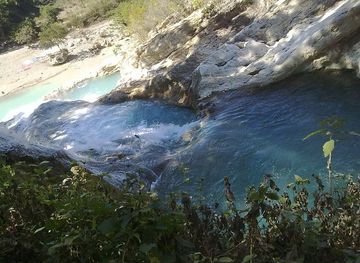
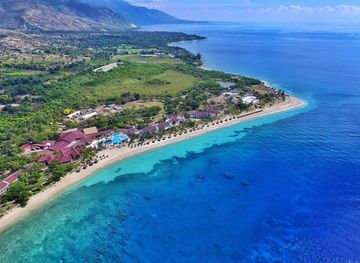
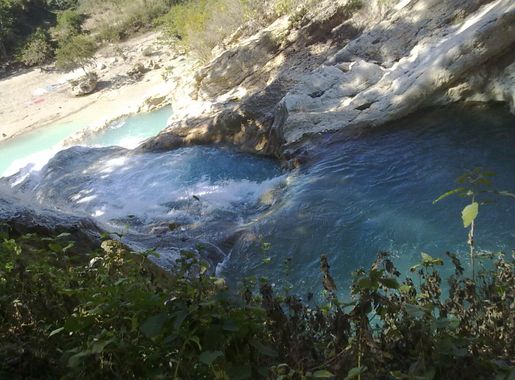
Sud-Est, located in the southeastern region of Haiti, is a true coastal gem waiting to be discovered by the intrepid traveler. This region is renowned for its stunning landscapes, pristine beaches, and vibrant cultural heritage. As you venture through Sud-Est, you'll be greeted by the azure waters of the Caribbean Sea, inviting you to indulge in various water activities or simply relax on its sandy shores. A visit to Jacmel, the artistic heart of Sud-Est, is a must. Known for its colonial architecture and bustling art scene, Jacmel offers a unique blend of history and creativity. Wander through its streets, adorned with colorful murals and artisan shops, and immerse yourself in the local culture. Don't miss the chance to witness the lively carnival celebrations that bring the town to life with music, dance, and elaborate costumes. Beyond Jacmel, Sud-Est boasts natural wonders that will leave you in awe. Bask in the serene beauty of Bassin Bleu, a series of stunning blue pools and waterfalls surrounded by lush greenery. For those looking for adventure, hiking up to the viewpoint of Pic La Selle, Haiti's highest peak, offers breathtaking panoramic views of the region. Whether you're seeking relaxation or adventure, Sud-Est promises an unforgettable experience.

Know before you go
Hi, I'm Eve. Here are a few practical things to know before exploring Sud-Est.
- Visit Jacmel's art galleries early in the morning to avoid crowds.
- Pack comfortable walking shoes for exploring the cobbled streets of Jacmel.
- Carry cash, as many local shops and eateries do not accept credit cards.
- Hire a local guide for a safe and informative hike to Pic La Selle.
- Respect local customs and dress modestly when visiting villages and religious sites.
Top City Travel Guides in Sud-Est
The cities of Sud-Est, and the easiest places to base yourself.
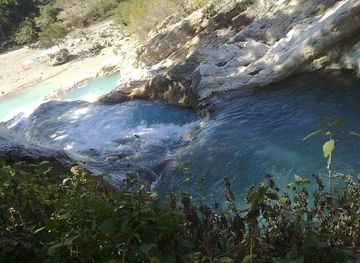


Explore Sud-Est: Things to Do, Places to Eat, Hotels & More
Handpicked recommendations for top attractions, local dining, accommodations, and more

Top Attractions & Sightseeing in Sud-Est
Top-rated picks
Best Attractions

Champ de Mars
Explore the vibrant Champ de Mars in Port-au-Prince, a historical park rich in culture and local life, perfect for relaxation and discovery.

Place Saint-Pierre
Explore the serene beauty and cultural richness of Place Saint-Pierre, a tranquil park in Port-au-Prince, Haiti.

Laferriere Citadel
Discover the historic Laferriere Citadel, an architectural marvel in Haiti offering stunning views and a profound connection to the nation's heritage.

Notre-Dame of Cap-Haitian Cathedral
Discover the stunning architecture and rich history of Notre-Dame of Cap-Haitien Cathedral, a must-visit spiritual landmark in Haiti.

Best landmarks in Sud-Est
Top-rated picks
Best Landmarks

Aeroport International Toussaint Louverture
Discover the vibrant spirit of Haiti at Aeroport International Toussaint Louverture, your gateway to unforgettable adventures and rich cultural experiences.

Champ de Mars
Explore the historical and cultural essence of Haiti at Champ de Mars, a vibrant park in Port-au-Prince perfect for relaxation and discovery.

Sylvio Cator Stadium
Explore the historic Sylvio Cator Stadium in Port-au-Prince, a vibrant venue celebrating Haiti's rich sports culture.
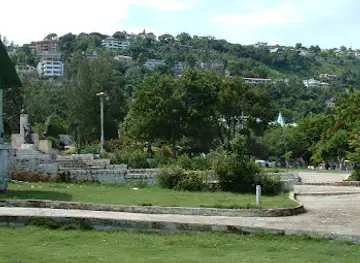
Place Saint-Pierre
Discover the serene beauty and cultural richness of Place Saint-Pierre, a tranquil park in the heart of Port-au-Prince, Haiti.

Best restaurants in Sud-Est
Top-rated picks
Best Restaurants

Kokoye Bar & Grill
Discover authentic Haitian flavors at Kokoye Bar & Grill in Port-au-Prince – where every meal is a celebration of local culture.

Portofino
Experience authentic Italian cuisine at Portofino in Petion Ville - where every dish tells a story of tradition and flavor.
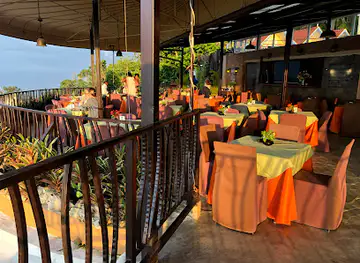
L'Observatoire de Boutillier
Discover authentic Haitian cuisine with stunning views at L'Observatoire de Boutillier in Port-au-Prince.

Jojo Restaurant
Experience the essence of Haitian culture through authentic dishes at Jojo Restaurant in Pétion-Ville.

Best bars in Sud-Est
Top-rated picks
Best Bars

FUBAR
Experience the lively atmosphere and delightful drinks at FUBAR, Petion-Ville's premier nightlife destination.

Asu Rooftop Lounge
Experience breathtaking views and exquisite cocktails at Asu Rooftop Lounge, the ultimate bar destination in Port-au-Prince.

House of Beer Haiti
Experience the vibrant nightlife at House of Beer Haiti, your go-to destination for local brews, delicious cuisine, and a lively atmosphere in Port-au-Prince.

The Backyard
Experience the vibrant flavors of Haiti at The Backyard, a top grill restaurant in Petion-Ville, where every meal is a celebration of local cuisine.

Best nightclubs in Sud-Est
Top-rated picks
Best Nightclubs

Asu Rooftop Lounge
Experience breathtaking views and vibrant nightlife at Asu Rooftop Lounge in the heart of Port-au-Prince, a must-visit bar for tourists.

House of Beer Haiti
Discover the vibrant nightlife and delicious cuisine at House of Beer Haiti, a must-visit destination in Port-au-Prince for food lovers and nightlife enthusiasts.

Karamel Resto Club
Experience the vibrant energy of Port-au-Prince at Karamel Resto Club, a lively disco perfect for dancing and enjoying local nightlife.

Esquina Latina
Experience the vibrant nightlife of Petion-Ville at Esquina Latina, a lively night club offering music, dancing, and a taste of local culture.

Best shops in Sud-Est
Top-rated picks
Best Shops

Caribbean Supermarket
Experience the vibrant flavors and local culture at Caribbean Supermarket in Petion-Ville, your gateway to authentic Haitian cuisine.

Delmas 2000
Explore the vibrant shopping experience at Delmas 2000 in Port-au-Prince, featuring local treasures and international brands in a lively atmosphere.

Star Plus Market
Explore local flavors and vibrant culture at Star Plus Market, a charming grocery store in the heart of Jacmel, Haiti.

Creations Dorees
Discover unique Haitian fashion at Creations Dorees, where exquisite shoes, bags, and jewelry blend style and local craftsmanship.

Explore Sud-Est on the Map
A handpicked selection of must-see spots in Sud-Est, mapped for you.
Sud-Est Essentials
-
Sud-Est in Haiti is best accessed via Toussaint Louverture International Airport in Port-au-Prince, which is approximately 90 kilometers away. From Port-au-Prince, you can take a domestic flight to Jacmel, the main city in Sud-Est, or hire a taxi or private car for the 2 to 3-hour drive. Public buses and minibuses (tap-taps) are also available, offering a more budget-friendly option.
-
Transportation within Sud-Est includes local taxis, buses, and minibuses (tap-taps). Taxis are readily available but be sure to negotiate the fare beforehand. Tap-taps are a popular and inexpensive mode of transport but can be crowded. For a more flexible and comfortable way to explore, consider renting a car. Be aware that road conditions can vary and driving can be challenging.
-
The official currency in Haiti is the Haitian Gourde (HTG). US dollars are also widely accepted. Credit cards can be used in some hotels, restaurants, and shops in larger towns like Jacmel, but it is advisable to carry cash, especially when traveling to smaller villages. ATMs are available in Jacmel, but it is wise to withdraw sufficient cash before heading to more remote areas.
-
While Sud-Est is generally safe for tourists, it's important to remain vigilant. Avoid walking alone at night and keep your valuables secure. Areas with high crime rates targeting tourists include some parts of Jacmel, particularly at night. Always stay aware of your surroundings and consider hiring a local guide for added security when exploring remote areas.
-
In case of emergency, dial 114 for police assistance or 118 for medical emergencies. Jacmel has a police station and a hospital with basic medical facilities. It is highly recommended to have travel insurance that covers medical emergencies. For minor ailments, pharmacies are available in Jacmel where you can purchase over-the-counter medications.
-
Fashion: Do dress modestly, especially when visiting religious or rural areas. Avoid wearing flashy jewelry or revealing clothing. Religion: Do respect local customs and traditions, particularly when visiting churches or participating in religious ceremonies. Public Transport: Do be patient and respectful when using public transport. Don't argue over fares; negotiate calmly. Greetings: Do greet people with a handshake and a friendly smile. A simple 'Bonjou' (Good morning) or 'Bonswa' (Good evening) is appreciated. Eating & Drinking: Do try local dishes and accept food offerings graciously. Don't refuse hospitality, as it is considered rude.
-
To experience Sud-Est like a local, visit the vibrant Jacmel market where you can buy fresh produce and handmade crafts. Engage with locals, who are often warm and welcoming. Don't miss out on the annual Carnival in Jacmel, known for its colorful parades and papier-mâché masks. For a unique experience, visit the Bassin Bleu waterfalls, a hidden gem offering breathtaking natural beauty.
When is the best time to visit Sud-Est?
Useful Local Phrases for Sud-Est
You don't need to speak the language perfectly. Even learning a few simple words can make conversations warmer—and locals usually appreciate the effort.
— Eve

Here are the phrases I use most often in Sud-Est. Try a few—you'll be surprised how far they go! 😊
❤️
-
- HelloBonjou
[bɔ̃ʒu] - GoodbyeOrevwa
[oʁeva] - YesWi
[wi] - NoNon
[nɔ̃] - Please/You're welcomeSouple
[suplɛ] - Thank youMesi
[mɛsi] - Excuse me/SorryEskize mwen
[ɛskize mwɛ̃] - How are you?Kijan ou ye?
[kidʒan u je] - Fine. And you?Mwen byen. E ou?
[mɛ̃ bjɛ̃. e u] - Do you speak English?Eske ou pale anglè?
[ɛske u palɛ ɑ̃ɡlɛ] - I don't understandMwen pa konprann
[mɛ̃ pa kɔ̃pʁɑ̃]
- HelloBonjou
-
- I'd like to see the menu, pleaseMwen ta renmen wè meni an, souple
[mɛ̃ ta ʁɛ̃mɛn we mɛni ɑ̃, suplɛ] - I don't eat meatMwen pa manje vyann
[mɛ̃ pa mɑ̃ʒe vjɑ̃] - Cheers!Sante!
[sɑ̃te] - I would like to pay, pleaseMwen ta renmen peye, souple
[mɛ̃ ta ʁɛ̃mɛn peje, suplɛ]
- I'd like to see the menu, pleaseMwen ta renmen wè meni an, souple
-
- Help!Èd!
[ɛd] - Go away!Ale w!
[ale w] - Call the Police!Rele lapolis!
[ʁele lapɔlis] - Call a doctor!Rele yon doktè!
[ʁele jɔ̃ dɔktɛ] - I'm lostMwen pèdi
[mɛ̃ pɛdi] - I'm illMwen malad
[mɛ̃ malad]
- Help!Èd!
-
- I'd like to buy...Mwen ta renmen achte...
[mɛ̃ ta ʁɛ̃mɛn aʃte] - I'm just lookingMwen jis ap gade
[mɛ̃ dʒis ap ɡade] - How much is it?Konbyen sa koute?
[kɔ̃bjɛ̃ sa kute] - That's too expensiveSa twò chè
[sa tʁo ʃɛ] - Can you lower the price?Eske ou ka bese pri a?
[ɛske u ka bɛse pʁi a]
- I'd like to buy...Mwen ta renmen achte...
-
- What time is it?Ki lè sa ye?
[ki lɛ sa je] - It's one o'clockLi se lè yonn
[li se lɛ jɔ̃] - Half past (10)Demi (10)
[dəmɪ (10)] - MorningMatin
[matɛ̃] - AfternoonApre-midi
[apʁe midi] - EveningSwa
[swa] - YesterdayYè
[jɛ] - TodayJodi a
[ʒodi a] - TomorrowDemain
[dəmɛ̃] - 11
[1] - 22
[2] - 33
[3] - 44
[4] - 55
[5] - 66
[6] - 77
[7] - 88
[8] - 99
[9] - 1010
[10]
- What time is it?Ki lè sa ye?
-
- Where's a/the...?Ki kote yon/...?
[ki kɔte jɔ̃/...] - What's the address?Ki adrès la?
[ki adʁɛs la] - Can you show me (on the map)?Eske ou ka montre mwen (sou kat la)?
[ɛske u ka mɔ̃tʁe mwɛ̃ (su kat la)] - When's the next (bus)?Kilè pwochen (otobis) la?
[kilɛ pʁɔʃɛn (otɔbis) la] - A ticket (to ....)Yon tikè (pou ....)
[jɔ̃ ti ke (pu ....)]
- Where's a/the...?Ki kote yon/...?
History of Sud-Est
-
Jacmel, the capital of the Sud-Est department, was founded in 1698 by French colonists. It quickly became an important port town due to its strategic location on the southern coast of Haiti. The town's unique 19th-century architecture, influenced by French colonial styles, has earned it the nickname 'City of Poets and Artists.'
-
While the Battle of Vertières itself took place in the north, the ripple effects of the Haitian Revolution were felt throughout Sud-Est. Many revolutionary leaders, including General Jean-Jacques Dessalines, passed through the region as they fought for Haiti's independence from French colonial rule. The revolution officially ended in 1804, making Haiti the first independent black republic.
-
On January 12, 2010, a devastating earthquake struck Haiti, causing widespread damage and loss of life. The Sud-Est department, including areas like Jacmel, was significantly affected. Many historic buildings were destroyed or severely damaged, but extensive rebuilding efforts have since been undertaken to restore the region's cultural heritage.
-
Jacmel is renowned for its vibrant and artistic Carnival celebrations, which are considered among the best in Haiti. The event features elaborate costumes, masks, and papier-mâché figures, reflecting the town's artistic heritage. Carnival in Jacmel is not just a festive occasion but also a significant cultural event that draws visitors from around the world.
-
The Iron Market in Jacmel is a historical landmark that dates back to the late 19th century. Originally constructed to serve as a vibrant commercial hub, the market has endured through the years as a testament to the town's economic and social life. It remains a bustling center where artisans, farmers, and traders converge, offering a glimpse into the daily lives and traditions of the local people.
-
Jacmel has long been a center for Haitian art and culture. The town is home to numerous galleries, studios, and workshops where local artists create stunning works of art, including paintings, sculptures, and handicrafts. The town's artistic heritage is celebrated annually at the Jacmel Film Festival, which attracts filmmakers and artists from across the globe.
-
In the 18th and 19th centuries, the fertile lands of Sud-Est were dotted with coffee plantations, which played a significant role in the region's economy. These plantations were primarily operated by enslaved Africans, whose labor contributed to the wealth of the French colonial rulers. Today, the remnants of these plantations can still be found, serving as poignant reminders of the region's complex history.
Neighbouring Regions of Sud-Est
The closest regions to Sud-Est, if you have time for more than one.


Your all‑in‑one travel companion app
Explore expert travel guides, compare and book tours, experiences, hotels, and more—all from the palm of your hand. Download now for seamless trip planning wherever your wanderlust takes you.


Explore More of Haiti

Looking beyond Sud-Est? Discover Haiti for broader travel guides, local hot-spots, and regional highlights.
Explore HaitiSud-Est in Photos
Browse through our photo collection highlighting the charm and character of the destination.




Enchanting Sud-Est: Haiti's Coastal Gem
Sud-Est, located in the southeastern region of Haiti, is a true coastal gem waiting to be discovered by the intrepid traveler. This region is renowned for its stunning landscapes, pristine beaches, and vibrant cultural heritage. As you venture through Sud-Est, you'll be greeted by the azure waters of the Caribbean Sea, inviting you to indulge in various water activities or simply relax on its sandy shores. A visit to Jacmel, the artistic heart of Sud-Est, is a must. Known for its colonial architecture and bustling art scene, Jacmel offers a unique blend of history and creativity. Wander through its streets, adorned with colorful murals and artisan shops, and immerse yourself in the local culture. Don't miss the chance to witness the lively carnival celebrations that bring the town to life with music, dance, and elaborate costumes. Beyond Jacmel, Sud-Est boasts natural wonders that will leave you in awe. Bask in the serene beauty of Bassin Bleu, a series of stunning blue pools and waterfalls surrounded by lush greenery. For those looking for adventure, hiking up to the viewpoint of Pic La Selle, Haiti's highest peak, offers breathtaking panoramic views of the region. Whether you're seeking relaxation or adventure, Sud-Est promises an unforgettable experience.