

Free Aguan Valley Travel Guide & Mobile App
Explore Aguan Valley with free travel guides. Discover regional history, expert tips, proposed trips, and audio guides on web or mobile app.


Explore Honduras's Aguan Valley for tropical rivers, Caribbean heritage, protected forests, farming landscapes and wildlife-rich lagoons.
Read more about Aguan Valley
When is the best time to visit Aguan Valley?
Best: January–March · 28–30°C| Month | High (°C) | Rainfall (mm) |
|---|---|---|
| January (best) | 28 | 20 |
| February (best) | 29 | 18 |
| March (best) | 30 | 25 |
| April | 31 | 45 |
| May | 32 | 60 |
| June | 31 | 70 |
| July | 31 | 65 |
| August | 32 | 70 |
| September | 31 | 85 |
| October | 31 | 75 |
| November | 30 | 55 |
| December | 29 | 35 |
Getting to and around Aguan Valley
How to get there
Transportation
Top city travel guides in Aguan Valley
The cities of Aguan Valley, and the easiest places to base yourself.

Swipe for more cities
Destinations in Aguan Valley
Resorts, valleys and scenic spots worth a trip of their own.

Swipe for more destinations
Best attractions in Aguan Valley
The Aguan Valley's attractions are spread across a working agricultural basin, forested foothills and the Caribbean edge rather than concentrated in a single resort. Trujillo provides the clearest cultural starting point, with its historic townscape, coastal setting and access to Capiro y Calentura National Park. Nearby Guaimoreto Wildlife Refuge protects lagoon, mangrove and lowland-forest habitats where guided boat trips and birdwatching can reveal a quieter side of the coast. The interiors around Tocoa, Olanchito, Sabá and Bonito Oriental offer rural scenery, river landscapes and routes towards the mountains, although access arrangements and road conditions vary. Visitors interested in nature can look for tropical birds, reptiles and wetland wildlife, while local guides can interpret forest plants and traditional uses of the landscape. Beaches and coastal settlements near Trujillo suit travellers seeking a slower Caribbean atmosphere, but facilities are more limited than in Honduras's principal resort areas. The valley also appeals to those who want to observe farming, local markets and everyday northern Honduran life rather than follow a conventional sightseeing circuit.
-
Park
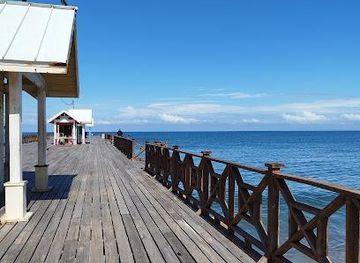
Malecón Guillermo Anderson
Experience the beauty and culture of La Ceiba at Malecón Guillermo Anderson, a vibrant waterfront park perfect for relaxation and exploration.
-
River
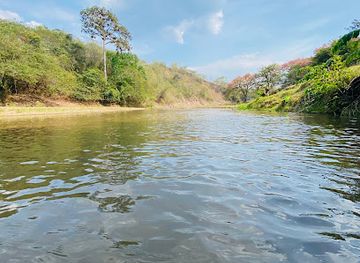
Rio Aguan
Explore the serene Rio Aguan in Honduras for a perfect blend of adventure, relaxation, and natural beauty amidst lush landscapes.
-
Tourist attraction
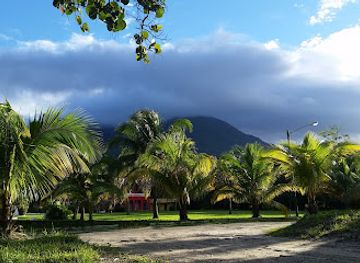
Glenda's Paradise
Experience the beauty and tranquility of Glenda's Paradise in Sambo Creek, a tropical haven filled with vibrant nature and local culture.
-
Tourist attraction
CARIBBEAN LODGE
Experience the vibrant culture and stunning nature at Caribbean Lodge in La Ceiba, your ultimate destination for relaxation and adventure.

Best landmarks in Aguan Valley
The most recognisable historic landmark in the wider Aguan region is Trujillo's colonial-era centre, associated with the early Spanish settlement founded in 1525 and still marked by churches, traditional buildings and the remains of defensive works. The town's position between the Caribbean and the wooded Capiro and Calentura hills gives it a strong geographical identity as well as historical importance. Capiro y Calentura National Park forms a natural landmark above Trujillo, its forested slopes creating the backdrop to the coast and protecting watersheds and tropical habitats. The Guaimoreto lagoon is another defining feature: its network of wetlands, mangroves and waterways represents the ecological transition between the valley's rivers and the Caribbean Sea. Inland, the broad floodplain of the Aguán River is less monumental but is the region's essential landscape landmark, linking farming settlements from the western valley towards the coast. The contrast between Trujillo's historic harbour setting, the lagoon's low-lying wetlands and the agricultural plain explains the region's distinctive geography better than any single monument.
-
Museum
Fortaleza de San Fernando
Explore the Fortaleza de San Fernando in Omoa, Honduras: a historic Spanish fortress offering stunning architecture, rich history, and panoramic Caribbean Sea views.
-
Tourist attraction
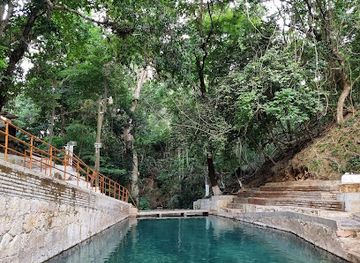
Aguas Termales Presidente
Discover the therapeutic warmth of Aguas Termales Presidente in Lempira, Honduras, a natural oasis offering relaxation and rejuvenation amidst stunning mountain scenery.
-
Park
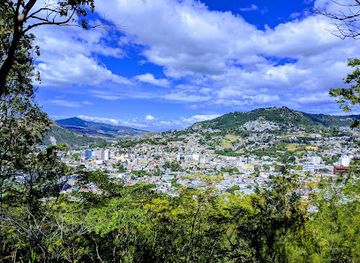
Parque Cerro Juana Lainez
Discover Tegucigalpa's iconic Parque Cerro Juana Lainez: panoramic views, rich history, and natural beauty converge in this urban oasis, offering a tranquil escape and cultural experiences.
-
Historical landmark
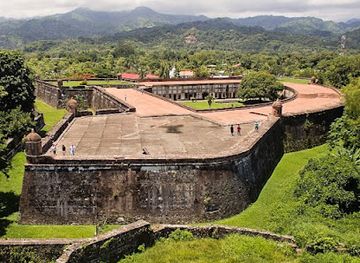
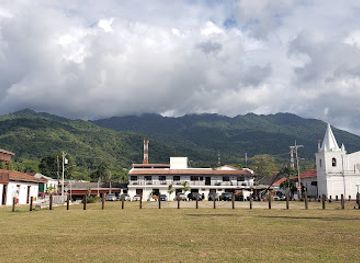
FORTALEZA DE SANTA BÁRBARA ( EDIFICIO COLONIAL)
Explore the Fortaleza de Santa Bárbara in Trujillo, Honduras - a captivating historical fortress and museum showcasing the rich colonial heritage of the region.
Explore Aguan Valley on the map
Plan your trip on one map. See where the top cities, national parks and sights are, and book hotels and experiences in a few clicks.
Best hotels in Aguan Valley
Best restaurants in Aguan Valley
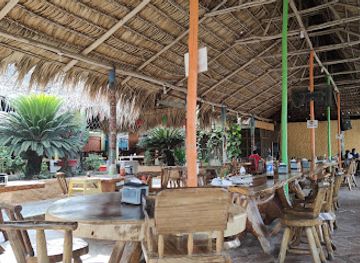
Dining in the Aguan Valley reflects the meeting of inland Honduran agriculture with the Caribbean coast. In Tocoa, Olanchito, Sabá and other larger towns, comedores and family restaurants serve rice, beans, tortillas, grilled meats, soups, fried plantain and fresh fruit, with menus shaped by locally available produce. Near Trujillo and coastal communities, seafood and coconut are more prominent, and Garífuna cooking may include coconut rice, fish, cassava and dishes such as machuca, a preparation associated with the Caribbean coast that varies between cooks and communities. Baleadas and other familiar Honduran street foods are widely available, while roadside stalls and local markets are useful for snacks and seasonal produce. Rural inns and small eateries may offer the most direct connection to the valley's farming economy, but opening arrangements can be informal. Bottled water is the simplest choice for visitors whose stomachs are not accustomed to local supplies, and travellers should carry cash when eating away from established town centres.
-
Restaurant
NiFu NiFa
Experience the vibrant flavors of Honduras at NiFu NiFa, Tegucigalpa's premier restaurant offering exquisite local cuisine.
-
Restaurant
La Cumbre
Experience exquisite Honduran cuisine with breathtaking views at La Cumbre in El Hatillo – where every meal is a celebration.
-
Restaurant
Asados La Entrada
Discover authentic Honduran cuisine at Asados La Entrada in Copán—where every meal is a celebration of local flavors.
-
Restaurant
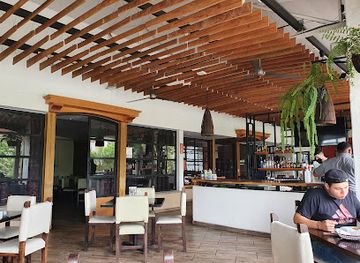
Restaurante La Naturaleza
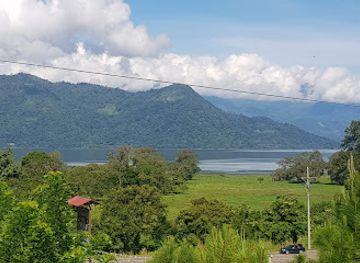
Discover delightful flavors and breathtaking views at Restaurante La Naturaleza near Lago de Yojoa in Cortés.
Best bars in Aguan Valley
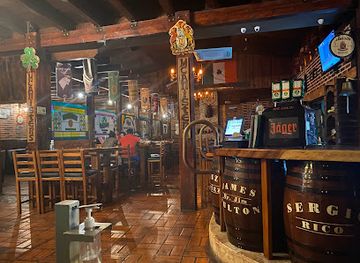
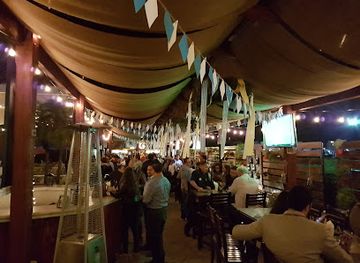
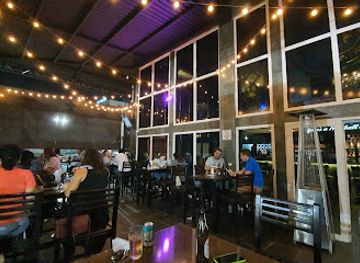
Evening life in the Aguan Valley is centred on family restaurants, cafés, informal bars and town plazas rather than a large, dedicated club scene. Tocoa and Olanchito have the broadest choice of ordinary evening venues, while Trujillo combines relaxed coastal dining with bars and music in its town and beachfront areas. In Garífuna communities, music and dance are important cultural expressions, but visitors should experience them through respectful community-led invitations or established cultural programmes rather than treating them as a nightlife spectacle. Smaller towns and rural districts generally become quiet earlier, with social life focused on local eateries, family gatherings and occasional live music. Venues, transport and operating arrangements can change, so ask locally and avoid isolated walks after dark. Alcohol is available, but the region can be enjoyed through food, conversation, coastal scenery and cultural activities without making drinking the centre of an evening.
-
Irish pub
Mc Allister's Irish Pub
Discover Mc Allister's Irish Pub in Tegucigalpa – a vibrant Irish pub offering authentic cuisine and drinks in a welcoming atmosphere.
-
Bar
Beer Garden Clarion
Discover the vibrant Beer Garden Clarion in Tegucigalpa, where local brews and delicious bites create an unforgettable atmosphere.
-
Grill
La Cerve
Experience the heart of Tegucigalpa's culinary scene at La Cerve, where flavorful grilled dishes meet a vibrant atmosphere.
-
Bar
The Pub by Beer Box
Discover the vibrant nightlife of Tegucigalpa at The Pub by Beer Box, where local craft beers and a welcoming atmosphere await.

Best nightclubs in Aguan Valley
Evening life in the Aguan Valley is centred on family restaurants, cafés, informal bars and town plazas rather than a large, dedicated club scene. Tocoa and Olanchito have the broadest choice of ordinary evening venues, while Trujillo combines relaxed coastal dining with bars and music in its town and beachfront areas. In Garífuna communities, music and dance are important cultural expressions, but visitors should experience them through respectful community-led invitations or established cultural programmes rather than treating them as a nightlife spectacle. Smaller towns and rural districts generally become quiet earlier, with social life focused on local eateries, family gatherings and occasional live music. Venues, transport and operating arrangements can change, so ask locally and avoid isolated walks after dark. Alcohol is available, but the region can be enjoyed through food, conversation, coastal scenery and cultural activities without making drinking the centre of an evening.
-
Bar
Indie Lounge
Experience the vibrant nightlife of Tegucigalpa at Indie Lounge, where great drinks meet an electric atmosphere in the heart of the city.
-
Disco club
Beyond Club (FREEDOM LOUNGE SPS)
Discover the ultimate disco experience at Beyond Club (FREEDOM LOUNGE SPS) in San Pedro Sula, where the nightlife ignites with energy and excitement.
-
Night club
La Cueva
Experience the vibrant nightlife of Utila at La Cueva, where great music and good vibes meet in a lively island atmosphere.
-
Disco club
Le Queen
Discover the ultimate nightlife experience at Le Queen, San Pedro Sula's hottest disco club, where great music and vibrant energy await.




Best shops in Aguan Valley
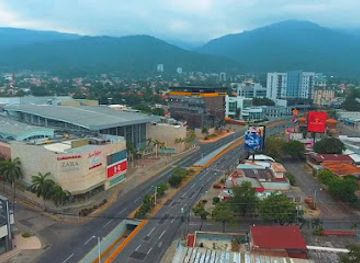
Shopping in the Aguan Valley is practical and locally oriented, with the largest selection in the commercial centres of Tocoa and Olanchito and smaller market streets in Sabá, Sonaguera and other towns. Markets and independent shops are useful for tropical fruit, vegetables, bread, household goods, clothing and everyday Honduran snacks, while roadside stalls may sell seasonal produce from the surrounding farms. In Trujillo and coastal communities, visitors can look for handmade items, woven goods, carved objects and food products connected with Caribbean and Garífuna culture, but availability varies and purchases should be made through respectful, legitimate sellers. Regional food gifts such as coffee from elsewhere in Honduras, cacao products, honey, sweets and locally made preserves are often easier to find than specialist handicrafts. Bargaining is not universal, so ask the price politely rather than assuming that negotiation is expected. Carry small lempira notes, protect purchases from humidity and check that any wildlife, shells, timber or plant-based souvenir is legal to transport.
-
Shopping mall
City Mall
Discover the ultimate shopping experience at City Mall in Tegucigalpa, featuring a mix of local and international brands, dining, and entertainment.
-
Shopping mall
Multiplaza
Experience the vibrant shopping and dining at Multiplaza, Tegucigalpa's premier shopping destination showcasing local and international brands.
-
Shopping mall
Mall Galerías del Valle
Explore a world of shopping, dining, and entertainment at Mall Galerías del Valle in San Pedro Sula.
-
Shopping mall
CityMall San Pedro Sula
Experience the best of shopping, dining, and entertainment at CityMall San Pedro Sula, a must-visit destination for tourists in Honduras.



Get your free copy of our complete guide to Aguan Valley, delivered straight to you.
Everything on this page, from attractions and restaurants to essentials and local phrases, in one PDF you can read offline, print or share.
Already have an account? Sign in
Your Aguan Valley guide is ready.
We'll send it to · Not you? Sign out

Getting your guide ready…
We are putting together a fresh copy of the Aguan Valley guide. This can take up to a minute.
This can take a few moments. If your browser asks, choose Allow so the download can start. You'll find the guide in your Downloads folder.
Nothing happened? Download it again
Sorry, the guide is taking longer than usual. Please try again in a minute, or get it by email instead.
Aguan Valley essentials
Currency and Payment
Safety
Emergency Situations
Do's and Don'ts
Local Tips
From Eve
Local phrases worth knowing
You don't need to get them perfect. A few words go a long way, and locals appreciate the effort.
Basics
| English | Local | Say it |
|---|---|---|
| Hello | Hola | [Ola] |
| Goodbye | Adiós | [Adyos] |
| Yes | Sí | [See] |
| No | No | [No] |
| Please/You're welcome | Por favor | [Por favor] |
| Thank you | Gracias | [Grasyas] |
| Excuse me/Sorry | Perdón | [Perdon] |
| How are you? | ¿Cómo estás? | [Como estas] |
| Fine. And you? | Bien. ¿Y tú? | [Byen. E tu] |
| Do you speak English? | ¿Hablas inglés? | [Hablas ingles] |
| I don't understand | No entiendo | [No entiendo] |
Eating & Drinking
| English | Local | Say it |
|---|---|---|
| I'd like to see the menu, please | Me gustaría ver el menú, por favor | [Me gustaria ver el menu, por favor] |
| I don't eat meat | No como carne | [No como carne] |
| Cheers! | ¡Salud! | [Salud] |
| I would like to pay, please | Me gustaría pagar, por favor | [Me gustaria pagar, por favor] |
Emergencies
| English | Local | Say it |
|---|---|---|
| Help! | ¡Ayuda! | [Ayuda] |
| Go away! | ¡Vete! | [Vete] |
| Call the Police! | ¡Llama a la policía! | [Llama a la policia] |
| Call a doctor! | ¡Llama a un doctor! | [Llama a un doctor] |
| I'm lost | Estoy perdido | [Estoy perdido] |
| I'm ill | Estoy enfermo | [Estoy enfermo] |
Shopping
| English | Local | Say it |
|---|---|---|
| I'd like to buy... | Me gustaría comprar... | [Me gustaria comprar] |
| I'm just looking | Solo estoy mirando | [Solo estoy mirando] |
| How much is it? | ¿Cuánto cuesta? | [Cuanto cuesta] |
| That's too expensive | Eso es muy caro | [Eso es muy caro] |
| Can you lower the price? | ¿Puedes bajar el precio? | [Puedes bajar el precio] |
Time & Numbers
| English | Local | Say it |
|---|---|---|
| What time is it? | ¿Qué hora es? | [Que hora es] |
| It's one o'clock | Es la una | [Es la una] |
| Half past (10) | Y media (10) | [Y media] |
| Morning | Mañana | [Mañana] |
| Afternoon | Tarde | [Tarde] |
| Evening | Noche | [Noche] |
| Yesterday | Ayer | [Ayer] |
| Today | Hoy | [Hoy] |
| Tomorrow | Mañana | [Mañana] |
| 1 | Uno | [Uno] |
| 2 | Dos | [Dos] |
| 3 | Tres | [Tres] |
| 4 | Cuatro | [Cuatro] |
| 5 | Cinco | [Cinco] |
| 6 | Seis | [Seis] |
| 7 | Siete | [Siete] |
| 8 | Ocho | [Ocho] |
| 9 | Nueve | [Nueve] |
| 10 | Diez | [Diez] |
Transport & Directions
| English | Local | Say it |
|---|---|---|
| Where's a/the...? | ¿Dónde está un/una...? | [Donde esta un/una] |
| What's the address? | ¿Cuál es la dirección? | [Cual es la direccion] |
| Can you show me (on the map)? | ¿Puedes mostrarme (en el mapa)? | [Puedes mostrarme en el mapa] |
| When's the next (bus)? | ¿Cuándo es el próximo (autobús)? | [Cuando es el proximo autobus] |
| A ticket (to ....) | Un boleto (a ....) | [Un boleto a] |
History of Aguan Valley
Pre-Columbian Communities and the Aguán Basin
Before Spanish colonisation, the Aguán basin was occupied by Indigenous communities whose lives were connected to its rivers, forests and coastal resources. The valley formed part of a wider cultural zone linking the Caribbean lowlands with the interior of Honduras, and exchange followed waterways and overland routes. Archaeological knowledge of the region is less prominent in tourism than that of western Honduras, but the survival of Indigenous place names and long-standing patterns of settlement reflect a history that predates European rule by many centuries.
Trujillo and the Spanish Caribbean Frontier
Trujillo, on the coast north of the valley, was founded by the Spanish in 1525 and became one of the earliest colonial settlements in Honduras. Its harbour gave Spain a foothold on the Caribbean and a base for administration, trade and missionary activity, although the settlement faced attacks, disease and competition along the coast. The town's historic churches, old fortifications and surviving colonial layout are reminders that the Aguán region was connected to the wider Spanish Caribbean from the first decades of conquest.
Caribbean Peoples, Migration and Garífuna Settlement
The Caribbean coast around the Aguán region has long been shaped by movement between mainland Honduras and the wider Caribbean. Garífuna communities established themselves along the Honduran coast from the late eighteenth century, preserving a distinctive language, music, dance, cuisine and relationship with the sea. Their presence is central to the cultural history of coastal settlements near Trujillo and Guaimoreto. African, Indigenous Caribbean, Spanish and later migrant influences have made the coast culturally different from the largely agricultural communities of the inland valley.
Nineteenth-Century Trade and Agricultural Expansion
After Honduras became independent from Spain in 1821, the Aguán basin remained a sparsely developed frontier compared with the country's highland towns. River valleys and coastal ports gradually became more important for cattle, timber, agricultural produce and regional trade. Roads and commercial links expanded unevenly, connecting settlements such as Olanchito and Trujillo with the Caribbean coast and the interior. This period established the basic contrast that still defines the region: a productive but dispersed valley tied to a historic, maritime northern coast.
Transport, Plantations and the Modern Valley Economy
During the twentieth century, improved roads, commercial agriculture and the growth of regional markets transformed the Aguán Valley. Agricultural production expanded beyond traditional subsistence farming, with cattle, bananas, citrus, maize and later African oil palm becoming important in different parts of the basin. Transport improvements linked Tocoa, Sabá, Olanchito and coastal settlements more closely, while the valley's fertile lowlands attracted investment and migration. The modern landscape of plantations, pasture, small farms and market towns is largely a product of these changes.
Agrarian Reform and Land Conflicts
Land policy became one of the defining political issues of the Aguán Valley during the second half of the twentieth century. Agrarian reform reorganised some large estates and created cooperatives, while later economic changes and land transactions altered ownership and production patterns. From the 1990s onwards, disputes involving peasant organisations, landowners, businesses and state institutions became particularly acute in the lower Aguán, with serious violence reported during periods of conflict. The subject remains important to understanding the region, although visitors should approach it with care and rely on current local guidance.
Contemporary Conservation and Community Tourism
In recent decades, the valley's forests, lagoons and coastal ecosystems have gained greater recognition as environmental assets. The Guaimoreto Wildlife Refuge and Capiro y Calentura National Park protect habitats near Trujillo, while local guides and community organisations promote birdwatching, forest excursions and lagoon visits. Conservation has to coexist with farming, roads, settlements and pressure on land and water resources. The region's developing visitor economy therefore reflects both its natural richness and the practical challenges of managing protected landscapes in a working rural environment.
Aguan Valley in Photos
Browse through our photo collection highlighting the charm and character of the destination.
Neighbouring regions of Aguan Valley
The closest regions to Aguan Valley, if you have time for more than one.
-

-

-

-

-


Swipe for more regions
Explore more

Explore more of Honduras
Discover Honduras: From ancient Maya ruins and vibrant cities to stunning beaches and lush rainforests, this Central American gem offers something for every traveler.
Explore Honduras