

Free Colón Region Travel Guide & Mobile App
Explore Colón Region with free travel guides. Discover regional history, expert tips, proposed trips, and audio guides on web or mobile app.


Explore Honduras’s Colón Region for Trujillo’s colonial history, Caribbean beaches, Garifuna culture, lagoons and forested Nombre de Dios landscapes.
Read more about Colón Region
When is the best time to visit Colón Region?
Best: February–March, November · 30°C| Month | High (°C) | Rainfall (mm) |
|---|---|---|
| January | 29 | 70 |
| February (best) | 30 | 60 |
| March (best) | 30 | 50 |
| April | 31 | 60 |
| May | 31 | 70 |
| June | 32 | 80 |
| July | 31 | 90 |
| August | 32 | 80 |
| September | 31 | 70 |
| October | 31 | 60 |
| November (best) | 30 | 50 |
| December | 30 | 60 |
Getting to and around Colón Region
How to get there
Transportation
Destinations in Colón Region
Resorts, valleys and scenic spots worth a trip of their own.
-

-


Swipe for more destinations
Best attractions in Colón Region
Colón’s attractions combine Caribbean scenery, historic remains and accessible tropical nature. Trujillo provides the region’s strongest concentration of visitor sites, including Fortaleza de Santa Bárbara, the old town, the bay and viewpoints towards the Nombre de Dios mountains. Nearby Laguna de Guaimoreto is suited to boat excursions through mangrove and lagoon habitats, with opportunities for birdwatching and observing the relationship between waterways and neighbouring communities. Capiro y Calentura National Park offers forested slopes and walking routes close to Trujillo, although conditions and access should be checked locally. Along the coast, beaches and Garifuna communities provide a cultural and seaside counterpoint to the inland agricultural towns. Tocoa, Sabá, Sonaguera and Bonito Oriental are less conventionally touristic but reveal the importance of farming, trade and river-valley life in the region. Visitors seeking wildlife and outdoor activities should use local guides, particularly for forest, lagoon and remote coastal travel, as infrastructure is limited and weather can alter plans.
-
National park
Parque El Picacho
Uncover the beauty of Parque El Picacho, a national park in Tegucigalpa, featuring breathtaking views, diverse wildlife, and serene hiking trails.
-
Park
Parque Cerro Juana Lainez
Explore Parque Cerro Juana Lainez, a peaceful park in Tegucigalpa, perfect for nature lovers and outdoor enthusiasts seeking breathtaking views.
-
Art museum
Museum for National Identity
Explore the vibrant heritage of Honduras at the Museum for National Identity, where art and history unite in Tegucigalpa's cultural heart.
-
Historical landmark
FORTALEZA DE SANTA BÁRBARA ( EDIFICIO COLONIAL)
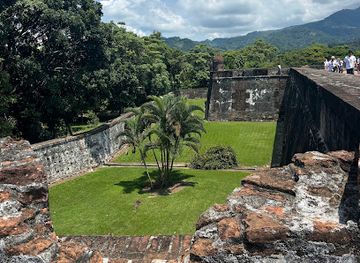
Discover the historical charm of Fortaleza de Santa Bárbara in Trujillo, a captivating colonial fortress with stunning views and rich cultural heritage.
Best landmarks in Colón Region
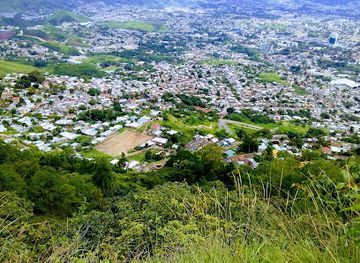
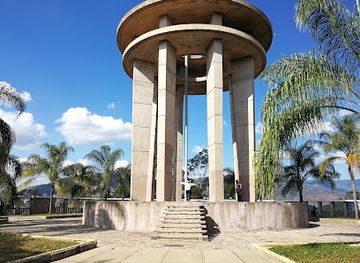
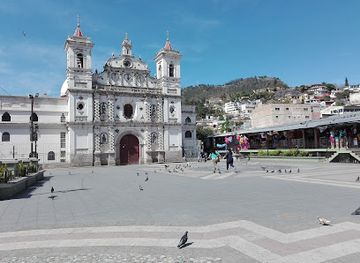
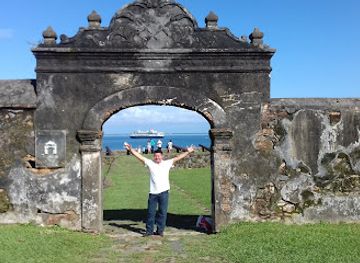
Fortaleza de Santa Bárbara is Colón’s best-known historic landmark, standing above Trujillo’s bay as a reminder of the town’s colonial role and the insecurity of the Caribbean frontier. Its surviving walls and elevated setting connect Spanish military history with broad views over the coast. Trujillo’s bay itself is a defining geographical landmark, framed by the sea on one side and the forested Capiro and Calentura area on the other. The Nombre de Dios mountains form the region’s inland backdrop, rising sharply behind lowland settlements and helping create the contrast between beach, lagoon and rainforest. Laguna de Guaimoreto is a natural landmark as well as an ecological refuge, its calm waters and mangroves contrasting with the open Caribbean. Further inland, the wide Aguán valley is less visually concentrated but essential to understanding Colón’s agricultural landscape, with towns and roads organised around farming, river systems and mountain edges.
-
National park
Parque El Picacho
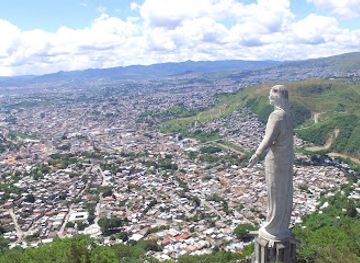
Discover breathtaking panoramic views of Tegucigalpa from Parque El Picacho, home to the iconic Christ of El Picacho statue and offering a serene escape into nature's embrace.
-
Museum
Fortaleza de San Fernando
Explore the majestic Fortaleza de San Fernando—Honduras' historic fortress offering breathtaking views and a glimpse into the nation's maritime past.
-
Park
Parque Cerro Juana Lainez
Discover panoramic views and natural beauty at Parque Cerro Juana Laínez in Tegucigalpa, a historic park offering trails, gardens, and cultural landmarks for all ages.
-
Art museum
Museum for National Identity
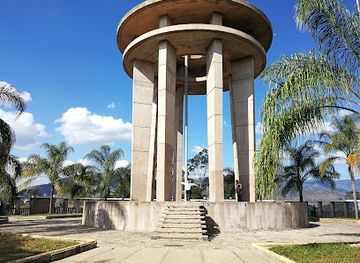
Explore Honduran heritage and artistic expression at the Museum for National Identity in Tegucigalpa, a must-visit destination for culture enthusiasts.

Explore Colón Region on the map
Plan your trip on one map. See where the top cities, national parks and sights are, and book hotels and experiences in a few clicks.
Best hotels in Colón Region
Best restaurants in Colón Region
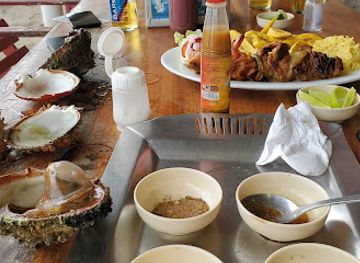
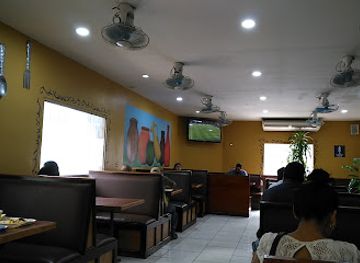
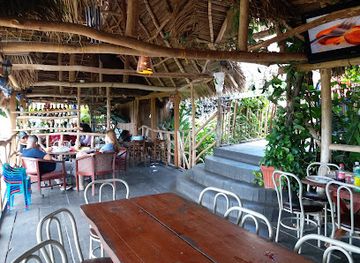
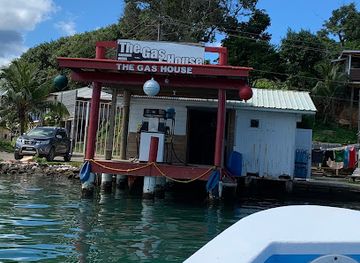
Eating in Colón Region is varied but generally informal, with the most distinctive flavours found along the Caribbean coast. Trujillo and coastal communities serve fish and shellfish alongside coconut rice, plantain, cassava and other ingredients associated with Caribbean cooking. Garifuna food traditions are especially important, with dishes such as cassava-based preparations, coconut-rich stews and seafood reflecting a culture shaped by the sea and tropical agriculture. Inland towns offer Honduran staples including baleadas, grilled meats, tamales, rice and beans, as well as fruit and produce from the surrounding agricultural districts. Small cafés, market stalls, family-run comedor restaurants and casual seafood places are often more representative than formal dining rooms. Menus can be limited in smaller settlements, and opening times may change, so visitors should eat early or carry simple provisions when travelling into rural areas. Coffee, cacao and tropical fruit from Honduras’s wider northern growing zones may appear in shops and local eateries.
-
Restaurant
Restaurante El Delfin
Discover authentic Honduran cuisine at Restaurante El Delfin in Trujillo - where every meal tells a story.
-
Restaurant
Restaurante Mi Delicia
Experience authentic Honduran flavors at Restaurante Mi Delicia in Tocoa – where every meal tells a story.
-
Family-friendly
La Cocina Del Chef Sal Y Pimienta Tocoa
Experience authentic Honduran cuisine at La Cocina Del Chef Sal Y Pimienta Tocoa - where every meal is a celebration of local flavors.
-
Restaurant
Hole In The Wall
Experience delicious Caribbean cuisine at Hole In The Wall in Roatan, where stunning ocean views meet exceptional flavors.
Best bars in Colón Region
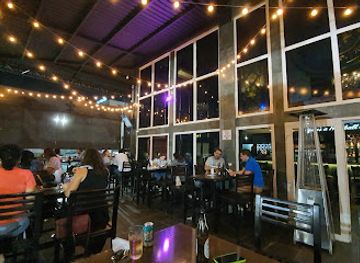
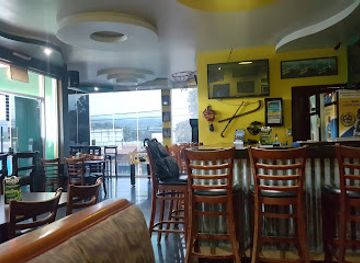
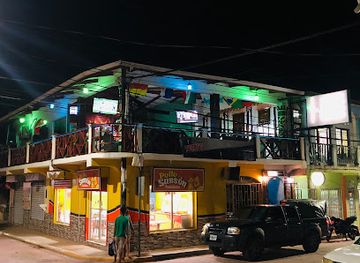
Evening life in Colón is concentrated in Trujillo and the larger inland towns, rather than spread across a major club circuit. Trujillo offers informal bars, restaurants, music-led evenings and social venues around the town and waterfront, while Tocoa provides a broader local nightlife scene because of its size and commercial importance. In smaller towns, traditional bars and family-run eateries are more common than dedicated nightclubs. Garifuna music and dance are important cultural forms, but visitors should experience them through respectful, locally arranged events rather than assuming that every performance is staged for tourists. Beachside venues may be seasonal and hours can change, particularly outside holiday periods. Use trusted transport after dark, keep drinks and belongings in sight, and follow local advice about which areas are appropriate for visitors.
-
Bar
The Pub by Beer Box
Discover the vibrant atmosphere and extensive craft beer selection at The Pub by Beer Box, a must-visit bar in Tegucigalpa for an unforgettable experience.
-
American
Wings Sports Grill
Savor the best of American cuisine at Wings Sports Grill, a favorite dining spot in Tocoa with a lively atmosphere and delicious menu.
-
Bar
VALHALLA BAR & GRILL
Discover the lively atmosphere and delightful culinary offerings at Valhalla Bar & Grill in Trujillo, Colón, a perfect spot for relaxation and socializing.
-
 Restaurant
La Marca Funda Bar y Restaurante
Savor the rich flavors of Honduran cuisine at La Marca Funda Bar y Restaurante in Santa Fe, Colón, a must-visit culinary gem.
Best nightclubs in Colón Region
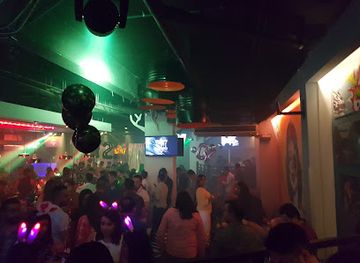
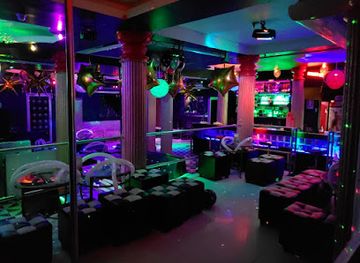
Evening life in Colón is concentrated in Trujillo and the larger inland towns, rather than spread across a major club circuit. Trujillo offers informal bars, restaurants, music-led evenings and social venues around the town and waterfront, while Tocoa provides a broader local nightlife scene because of its size and commercial importance. In smaller towns, traditional bars and family-run eateries are more common than dedicated nightclubs. Garifuna music and dance are important cultural forms, but visitors should experience them through respectful, locally arranged events rather than assuming that every performance is staged for tourists. Beachside venues may be seasonal and hours can change, particularly outside holiday periods. Use trusted transport after dark, keep drinks and belongings in sight, and follow local advice about which areas are appropriate for visitors.
-
Bar
Indie Lounge
Experience the vibrant nightlife at Indie Lounge in Tegucigalpa, where music, culture, and great drinks come together!
-
Disco club
Beyond Club (FREEDOM LOUNGE SPS)
Discover the electric nightlife at Beyond Club in San Pedro Sula, where great music and a lively atmosphere await you.
-
Disco club
Le Queen
Discover San Pedro Sula's vibrant nightlife at Le Queen, where music, dancing, and unforgettable moments come together in a premier disco club experience.
-
Disco club
Karao's
Experience the vibrant nightlife of Trujillo at Karao's, where the beats keep you dancing and the atmosphere is electric.


Best shops in Colón Region
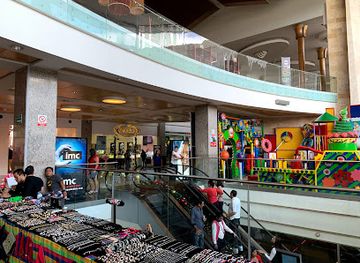
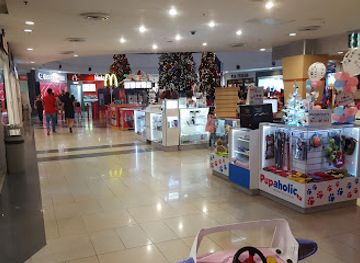
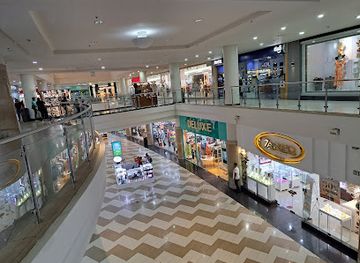
Shopping in Colón Region is practical and locally focused rather than centred on large retail districts. Trujillo’s shops and markets are useful for snacks, fruit, beach supplies, everyday goods and locally produced food, while Tocoa and other inland towns serve as larger commercial centres for the Aguán valley. Look for coconut products, cassava-based foods, tropical fruit, cacao and coffee from northern Honduras, although provenance and availability vary. Garifuna communities may offer handmade items, food products and culturally distinctive crafts through local sellers or community initiatives; buying directly and respectfully is preferable to treating cultural objects as generic souvenirs. Small markets and independent shops are more common than formal craft centres, and selection can be limited outside the main towns. Bargaining is not appropriate everywhere, so ask before negotiating. Carry cash in lempiras, especially when visiting markets, rural settlements or coastal communities where card payments may not be available.
-
Shopping mall
City Mall
Explore the bustling City Mall in Tegucigalpa, Honduras, for a diverse shopping and dining experience that captures the essence of local culture.
-
Shopping mall
Multiplaza
Discover the vibrant shopping, dining, and entertainment experience at Multiplaza, Tegucigalpa's premier shopping destination.
-
Shopping mall
Mall Galerías del Valle
Explore Mall Galerías del Valle, the ultimate shopping destination in San Pedro Sula, featuring diverse stores, dining experiences, and family-friendly entertainment.
-
Shopping mall
CityMall San Pedro Sula
Discover the ultimate shopping and entertainment experience at CityMall San Pedro Sula, where vibrant retail and dining options await.
Get your free copy of our complete guide to Colón Region, delivered straight to you.
Everything on this page, from attractions and restaurants to essentials and local phrases, in one PDF you can read offline, print or share.
Already have an account? Sign in
Your Colón Region guide is ready.
We'll send it to · Not you? Sign out

Getting your guide ready…
We are putting together a fresh copy of the Colón Region guide. This can take up to a minute.
This can take a few moments. If your browser asks, choose Allow so the download can start. You'll find the guide in your Downloads folder.
Nothing happened? Download it again
Sorry, the guide is taking longer than usual. Please try again in a minute, or get it by email instead.
Colón Region essentials
Currency and Payment
Safety
Emergency Situations
Do's and Don'ts
Local Tips
From Eve
Local phrases worth knowing
You don't need to get them perfect. A few words go a long way, and locals appreciate the effort.
Basics
| English | Local | Say it |
|---|---|---|
| Hello | Hola | [Oh-lah] |
| Goodbye | Adiós | [Ah-dee-ohs] |
| Yes | Sí | [See] |
| No | No | [No] |
| Please/You're welcome | Por favor/De nada | [Por fah-vor/Deh nah-dah] |
| Thank you | Gracias | [Gra-see-as] |
| Excuse me/Sorry | Perdón | [Per-dohn] |
| How are you? | ¿Cómo estás? | [Koh-moh es-tahs] |
| Fine. And you? | Bien. ¿Y tú? | [Bee-en. Ee too?] |
| Do you speak English? | ¿Hablas inglés? | [Ah-blahs een-glehs] |
| I don't understand | No entiendo | [No en-tyen-doh] |
Eating & Drinking
| English | Local | Say it |
|---|---|---|
| I'd like to see the menu, please | Me gustaría ver el menú, por favor | [Meh goos-tah-ree-ah vehr el meh-noo, por fah-vor] |
| I don't eat meat | No como carne | [No koh-moh kar-neh] |
| Cheers! | ¡Salud! | [Sah-lood] |
| I would like to pay, please | Me gustaría pagar, por favor | [Meh goos-tah-ree-ah pah-gar, por fah-vor] |
Emergencies
| English | Local | Say it |
|---|---|---|
| Help! | ¡Ayuda! | [Ah-yoo-dah] |
| Go away! | ¡Vete! | [Veh-teh] |
| Call the Police! | ¡Llama a la policía! | [Yah-mah ah lah poh-lee-see-ah] |
| Call a doctor! | ¡Llama a un doctor! | [Yah-mah ah oon dok-tor] |
| I'm lost | Estoy perdido | [Es-toy pair-dee-doh] |
| I'm ill | Estoy enfermo/a | [Es-toy en-fair-moh/ah] |
Shopping
| English | Local | Say it |
|---|---|---|
| I'd like to buy... | Quisiera comprar... | [Kee-see-eh-rah kom-prar] |
| I'm just looking | Solo estoy mirando | [Soh-lo es-toy mee-ran-doh] |
| How much is it? | ¿Cuánto cuesta? | [Kwan-to kwes-tah] |
| That's too expensive | Eso es muy caro | [Eh-so es moo-ee kah-roh] |
| Can you lower the price? | ¿Puedes bajar el precio? | [Pweh-des bah-har el preh-syo] |
Time & Numbers
| English | Local | Say it |
|---|---|---|
| What time is it? | ¿Qué hora es? | [Keh oh-rah es] |
| It's one o'clock | Es la una | [Es lah oo-nah] |
| Half past (10) | Y diez y media | [Ee dyehs ee meh-dee-ah] |
| Morning | Mañana | [Mah-nyah-nah] |
| Afternoon | Tarde | [Tar-deh] |
| Evening | Noche | [Noh-cheh] |
| Yesterday | Ayer | [Ah-yer] |
| Today | Hoy | [Oy] |
| Tomorrow | Mañana | [Mah-nyah-nah] |
| 1 | Uno | [Oo-no] |
| 2 | Dos | [Dohs] |
| 3 | Tres | [Trehs] |
| 4 | Cuatro | [Kwah-tro] |
| 5 | Cinco | [Seen-koh] |
| 6 | Seis | [Says] |
| 7 | Siete | [Syeh-teh] |
| 8 | Ocho | [Oh-cho] |
| 9 | Nueve | [Nweh-veh] |
| 10 | Diez | [Dyehs] |
Transport & Directions
| English | Local | Say it |
|---|---|---|
| Where's a/the...? | ¿Dónde está un/la...? | [Dohn-deh es-tah oon/lah] |
| What's the address? | ¿Cuál es la dirección? | [Kwahl es lah dee-rek-syon] |
| Can you show me (on the map)? | ¿Puedes mostrarme (en el mapa)? | [Pweh-des mos-trar-meh (en el mah-pah)] |
| When's the next (bus)? | ¿Cuándo es el próximo (bus)? | [Kwan-doh es el prohk-see-mo (boos)] |
| A ticket (to ....) | Un boleto (a ....) | [Oon bo-leh-toh (ah ....)] |
History of Colón Region
Indigenous Caribbean Peoples Before Spanish Rule
Before European colonisation, the north coast and its river valleys were occupied by Indigenous communities whose lives were connected to fishing, farming, forest resources and coastal trade. The area around Trujillo and the wider Nombre de Dios coast formed part of a wider Caribbean world rather than an isolated settlement zone. Indigenous place names and surviving cultural knowledge remain important reminders that the history of Colón began long before Spanish forts, ports and plantations.
Columbus and the Spanish Foundation of Trujillo, 1502–1525
Christopher Columbus reached the Honduran Caribbean in 1502 during his fourth voyage, making landfall on the coast near the area later associated with Trujillo. In 1525, Spanish colonists founded Trujillo, one of the earliest European settlements on the mainland of Central America. The settlement became a port and administrative centre, although its exposed position, disease, distance from the colonial capitals and repeated attacks limited its long-term growth.
Fortaleza de Santa Bárbara and the Caribbean Frontier
Trujillo’s fortress was built and modified during the colonial period to protect the harbour and Spanish interests along a coast contested by rival European powers, privateers and local resistance. Its position above the bay made it an important defensive point, although the wider settlement was repeatedly vulnerable to attack. The surviving ruins are among the clearest physical records of the strategic and insecure character of Honduras’s Caribbean frontier.
African and Garifuna Settlement on the North Coast
The Caribbean history of Colón was shaped by the movement of Africans, Afro-Caribbean peoples and Garifuna communities through the eighteenth and nineteenth centuries. Garifuna communities established and maintained settlements along parts of the Honduran coast, preserving distinctive language, musical forms, dance, food traditions and systems of community life. Their presence is not simply historical: it remains a central part of the region’s contemporary cultural identity.
The Independent Honduran Caribbean
After Honduras became independent from Spain in the nineteenth century, Trujillo and the surrounding coast remained relatively remote from the country’s political centres. Maritime trade, cattle raising, subsistence agriculture and small-scale commerce linked the region to other Caribbean ports. The difficult terrain between the coast and the interior meant that waterways, coastal transport and later roads were especially important in connecting settlements and moving agricultural goods.
Roads, Agriculture and the Aguán Valley
During the twentieth century, improved roads and agricultural development transformed the Aguán valley and the towns of central Colón. Commercial farming expanded, including bananas in parts of the Caribbean lowlands and later African palm, alongside cattle, citrus and food crops. These changes brought investment and population growth but also generated enduring debates over land ownership, rural livelihoods and environmental pressure. The region’s modern settlement pattern is closely tied to this agricultural transformation.
Contemporary Colón: Heritage, Culture and Environmental Pressure
Today Colón combines historic Trujillo, growing inland towns, agricultural production, protected forests, lagoons and Garifuna coastal communities. Conservation areas such as Capiro y Calentura and Laguna de Guaimoreto protect habitats that are important for both biodiversity and local livelihoods. Tourism remains comparatively modest, which preserves a less commercialised character in many places, but visitors should recognise that development, land-use disputes and infrastructure limitations continue to shape the region.
Colón Region in Photos
Browse through our photo collection highlighting the charm and character of the destination.
Neighbouring regions of Colón Region
The closest regions to Colón Region, if you have time for more than one.
-

-

-

-

-


Swipe for more regions
Explore more

Explore more of Honduras
Discover Honduras: From ancient Maya ruins and vibrant cities to stunning beaches and lush rainforests, this Central American gem offers something for every traveler.
Explore Honduras