

Free Olancho Region Travel Guide & Mobile App
Explore Olancho Region with free travel guides. Discover regional history, expert tips, proposed trips, and audio guides on web or mobile app.


Explore Olancho, Honduras, for archaeological caves, cloud forests, cattle-country landscapes, rural culture and protected eastern wilderness.
Read more about Olancho Region
When is the best time to visit Olancho Region?
Best: December–February · 26–27°C| Month | High (°C) | Rainfall (mm) |
|---|---|---|
| January (best) | 26 | 20 |
| February (best) | 27 | 25 |
| March | 29 | 30 |
| April | 30 | 40 |
| May | 30 | 50 |
| June | 30 | 60 |
| July | 30 | 50 |
| August | 29 | 40 |
| September | 29 | 50 |
| October | 28 | 40 |
| November | 27 | 30 |
| December (best) | 26 | 20 |
Getting to and around Olancho Region
How to get there
Transportation
Top city travel guides in Olancho Region
The cities of Olancho Region, and the easiest places to base yourself.
-

-


Swipe for more cities
Destinations in Olancho Region
Resorts, valleys and scenic spots worth a trip of their own.
-

-

-


Swipe for more destinations
Best attractions in Olancho Region
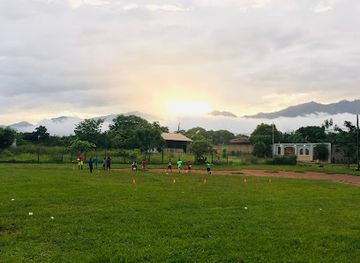
Olancho’s attractions are spread across a large territory and are strongest where archaeology, protected nature and rural landscapes meet. Near Catacamas, the Talgua caves provide an unusual archaeological experience centred on ancient human remains and mineral-lined chambers; access and interpretation should be arranged locally. Sierra de Agalta National Park offers forested mountain scenery, birdwatching and opportunities for guided hiking, while the Río Boquerón area is associated with steep terrain, river landscapes and outdoor exploration. Farther east, Patuca National Park protects one of Honduras’s most important remaining tropical-forest regions, although its remoteness means that visits require careful logistics, local knowledge and patience. Around Juticalpa and Catacamas, visitors can also experience markets, church festivals, ranching culture and the everyday life of major regional towns. Smaller communities and rural roads reveal changing scenery from pasture and cultivated valleys to wooded uplands. Olancho is not a destination built around dense clusters of ticketed attractions; its appeal lies in combining carefully planned excursions with an understanding of the landscapes and communities that sustain them.
-
Park
Centro Turistico La Picona
Experience the natural beauty and tranquility of Centro Turistico La Picona, a perfect escape for nature lovers in Olancho, Honduras.
-
Park
Polideportivo Park
Explore the lush landscapes and vibrant atmosphere of Polideportivo Park, a serene escape for relaxation and recreation in Catacamas, Olancho.
-
Amusement park
Parque Ecologico Las Orquideas
Explore the lush landscapes and diverse wildlife of Parque Ecologico Las Orquideas, a natural paradise in La Venta, Olancho, perfect for adventure seekers.
-
Park
Centro de visitantes de Refugio de Vida Silvestre La Muralla
Experience the tranquility of La Muralla Wildlife Refuge, where nature and wildlife flourish in the heart of La Habana.
Best landmarks in Olancho Region
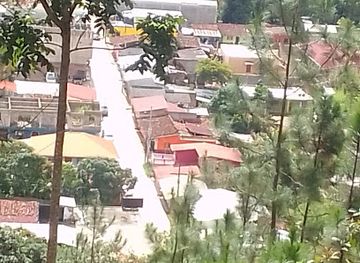
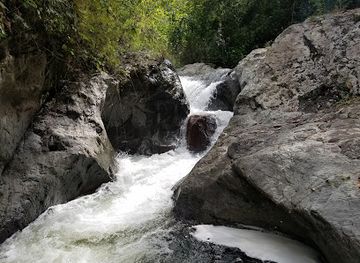
The Talgua caves near Catacamas are Olancho’s most distinctive archaeological landmark, their chambers combining unusual geological formations with evidence of ancient funerary practices. In Juticalpa, the Cathedral of the Immaculate Conception is a prominent civic and religious reference point, reflecting the town’s role as departmental capital and long-standing centre of regional administration. Catacamas’s churches and central streets provide a more modest but useful sense of the area’s historic townscape. Beyond built landmarks, the forested mountains of Sierra de Agalta form one of Olancho’s defining natural silhouettes and protect important watersheds and habitats. The broad Patuca basin is another landmark at regional scale: its rivers and tropical forests represent one of the country’s most significant remaining wilderness landscapes. The Río Boquerón area contributes a contrasting scene of rocky river corridors and steep terrain. These places are meaningful not merely as viewpoints or photographic subjects, but because they express Olancho’s archaeological depth, religious history, rural settlement and continuing environmental importance.
-
Park
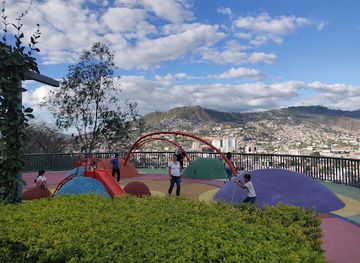
Parque Cerro Juana Lainez
Discover the natural beauty and tranquility of Parque Cerro Juana Lainez, a serene escape in Tegucigalpa perfect for relaxation and outdoor activities.
-
Tourist attraction
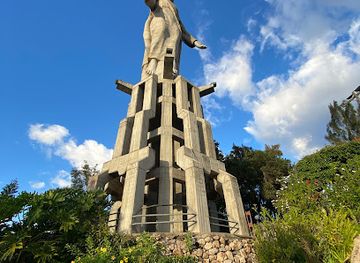
Christ of the Picacho
Discover the iconic Christ of the Picacho in Tegucigalpa: a symbol of faith offering panoramic city views, lush park surroundings, and a glimpse into Honduran culture and heritage.
-
Nature preserve
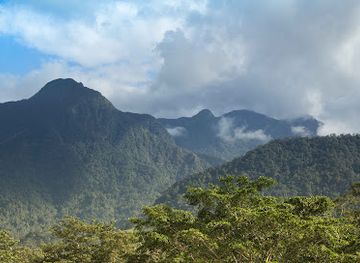
Parque Nacional La Tigra
Discover the breathtaking beauty and rich biodiversity of Parque Nacional La Tigra, a nature preserve in Honduras perfect for hiking and wildlife watching.
-
Hiking area
Parque Nacional Pico Bonito
Explore lush jungles, stunning waterfalls, and vibrant wildlife at Parque Nacional Pico Bonito, a true gem of Honduras' natural beauty.

Explore Olancho Region on the map
Plan your trip on one map. See where the top cities, national parks and sights are, and book hotels and experiences in a few clicks.
Best hotels in Olancho Region
Best restaurants in Olancho Region
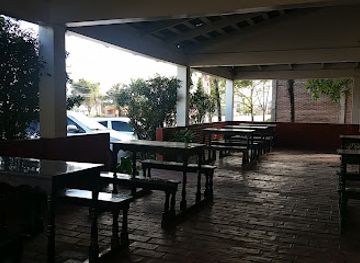
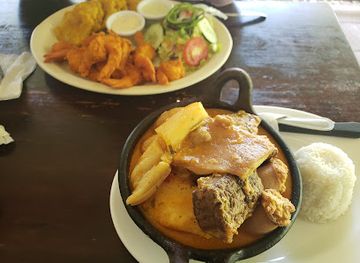
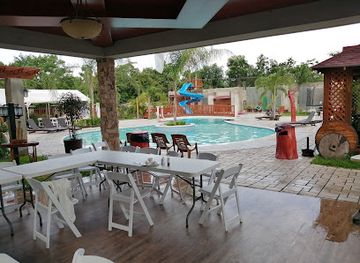
Dining in Olancho reflects Honduras’s rural interior, with maize, beans, rice, meat, dairy products and seasonal produce forming the basis of many meals. Juticalpa and Catacamas have the widest range of cafés, family restaurants and informal eateries, while smaller towns rely more on local comedor-style establishments and market food. Travellers may encounter regional preparations such as tapado olanchano, a hearty meat-and-root-vegetable dish associated with the department, alongside tamales, montucas, soups, grilled meats, baleadas and fresh tortillas. Cattle raising gives beef and dairy a visible place in local food culture, while upland districts contribute coffee and other agricultural products. Markets are useful for fruit, snacks, cheese and freshly prepared breakfasts, but hygiene standards vary, so choose busy stalls with a high turnover and eat food served hot. Expect simple portions and practical service rather than a formal dining scene outside the principal towns.
-
Restaurant
Altoque
Experience the authentic flavors of Honduras at Altoque in Juticalpa - where every meal is a celebration of local cuisine.
-
Restaurant
Restaurante La Fonda
Experience authentic Honduran cuisine at Restaurante La Fonda in Juticalpa—delicious dishes served with warm hospitality.
-
Restaurant
Restaurante El Viejo Corral
Experience authentic Honduran cuisine at Restaurante El Viejo Corral in Catacamas - where local flavors meet warm hospitality.
-
Restaurant
Real Paraíso
Experience authentic Honduran flavors at Real Paraíso, where culinary excellence meets warm hospitality in Juticalpa's scenic landscape.
Best bars in Olancho Region
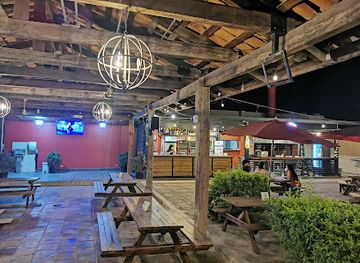
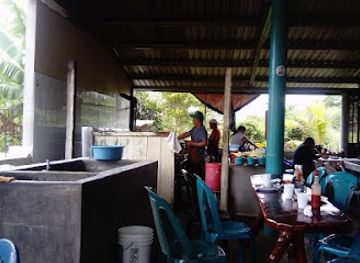
Evening life in Olancho is concentrated in Juticalpa and Catacamas, where restaurants, casual bars and music venues serve local residents and visitors from surrounding communities. Ranchera, tropical and popular Honduran music are common in social settings, and weekends may bring busier venues, dancing and town celebrations. In smaller towns, nightlife is more likely to centre on a modest bar, a pool hall, a restaurant or a community event than on a dedicated club scene. Rural evenings are generally quiet, with early starts for work and travel. Visitors should choose well-used venues, arrange transport home in advance and avoid carrying conspicuous valuables. The atmosphere varies considerably by town and occasion, so asking accommodation staff or trusted local contacts about current options is more reliable than depending on old listings.
-
Grill
La Terraza
Discover the authentic taste of Olancho at La Terraza, a delightful grill restaurant in Campamento offering a vibrant dining experience.
-
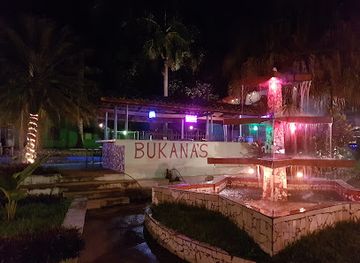
Bar
Bukana's Bar & Grill
Discover the lively ambiance and delicious offerings at Bukana's Bar & Grill, a must-visit destination in Catacamas, Honduras.
-
Bar
La Placita 1501 Snack-Bar
Discover the vibrant local flavors at La Placita 1501 Snack-Bar in Juticalpa, a must-visit bar offering delicious snacks and refreshing drinks.
-
Bar
Pikikas Bar Licor
Discover the vibrant nightlife of Catacamas at Pikikas Bar Licor, where delicious drinks and a lively atmosphere await every visitor.
Best nightclubs in Olancho Region
Evening life in Olancho is concentrated in Juticalpa and Catacamas, where restaurants, casual bars and music venues serve local residents and visitors from surrounding communities. Ranchera, tropical and popular Honduran music are common in social settings, and weekends may bring busier venues, dancing and town celebrations. In smaller towns, nightlife is more likely to centre on a modest bar, a pool hall, a restaurant or a community event than on a dedicated club scene. Rural evenings are generally quiet, with early starts for work and travel. Visitors should choose well-used venues, arrange transport home in advance and avoid carrying conspicuous valuables. The atmosphere varies considerably by town and occasion, so asking accommodation staff or trusted local contacts about current options is more reliable than depending on old listings.
-
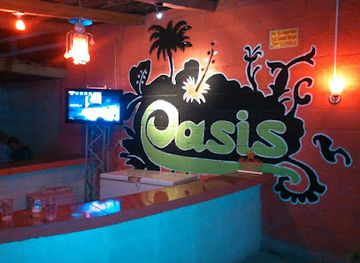
Disco club
Oasis Bar Discotec
Experience vibrant nightlife at Oasis Bar Discotec in Olancho, where dancing, music, and cocktails create unforgettable nights.
-
Disco club
Oasis Discotec
Experience the pulsating nightlife at Oasis Discotec in La Unión, Olancho, where music, dance, and fun come together for an unforgettable evening.
-
Night club
Villa Los Laureles
Immerse yourself in the vibrant nightlife of Catacamas at Villa Los Laureles, a must-visit night club for an electrifying experience.
-
Night club
XTC bar & Discoteca
Discover the vibrant nightlife at XTC Bar & Discoteca in Catacamas, where music, dance, and unforgettable moments come together.


Best shops in Olancho Region
Shopping in Olancho is practical and locally oriented, with the broadest choice found in the markets and commercial streets of Juticalpa and Catacamas. Produce markets offer fruit, vegetables, maize products, beans, cheese and other foods from the surrounding countryside, while small shops sell household goods, clothing and everyday provisions rather than international luxury brands. Visitors may find leather goods, woven items, hats, belts and other products associated with rural and ranching culture, although quality and availability vary between sellers. Coffee from higher districts and locally produced dairy items can make useful edible souvenirs when properly packaged for travel. Smaller towns provide a more intimate market experience but fewer specialised shops. Bargaining should be polite and limited to settings where it is customary; many ordinary shops and food stalls have fixed prices. Carry cash in smaller denominations, especially away from Juticalpa and Catacamas.
-
Shopping mall
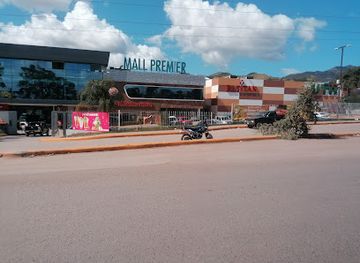
Mall Premier Juticalpa
Experience shopping, dining, and entertainment at Mall Premier Juticalpa, a vibrant hub in Juticalpa, Honduras.
-
Shopping mall
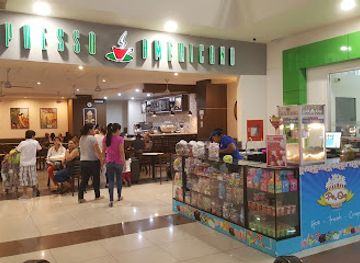
Mall Premier
Experience shopping, dining, and entertainment at Mall Premier, the vibrant shopping hub in Catacamas, Olancho, Honduras.
-
Grocery store
Supermercado La Colonia T34 • Mall Premier Catacamas
Discover local culture and flavors at Supermercado La Colonia, Catacamas' top grocery destination, offering a diverse range of products for every need.
-
Fruit and vegetable store
Tienda La Sureña
Discover fresh produce and local flavors at Tienda La Sureña in Juticalpa, Olancho, a hidden gem for food lovers and cultural exploration.

Get your free copy of our complete guide to Olancho Region, delivered straight to you.
Everything on this page, from attractions and restaurants to essentials and local phrases, in one PDF you can read offline, print or share.
Already have an account? Sign in
Your Olancho Region guide is ready.
We'll send it to · Not you? Sign out

Getting your guide ready…
We are putting together a fresh copy of the Olancho Region guide. This can take up to a minute.
This can take a few moments. If your browser asks, choose Allow so the download can start. You'll find the guide in your Downloads folder.
Nothing happened? Download it again
Sorry, the guide is taking longer than usual. Please try again in a minute, or get it by email instead.
Olancho Region essentials
Currency and Payment
Safety
Emergency Situations
Do's and Don'ts
Local Tips
From Eve
Local phrases worth knowing
You don't need to get them perfect. A few words go a long way, and locals appreciate the effort.
Basics
| English | Local | Say it |
|---|---|---|
| Hello | Hola | [Ola] |
| Goodbye | Adiós | [Adios] |
| Yes | Sí | [Si] |
| No | No | [No] |
| Please/You're welcome | Por favor | [Por favor] |
| Thank you | Gracias | [Grasias] |
| Excuse me/Sorry | Disculpe | [Disculpe] |
| How are you? | ¿Cómo estás? | [Como estas] |
| Fine. And you? | Bien. ¿Y tú? | [Bien. I tu] |
| Do you speak English? | ¿Hablas inglés? | [Hablas ingles] |
| I don't understand | No entiendo | [No entiendo] |
Eating & Drinking
| English | Local | Say it |
|---|---|---|
| I'd like to see the menu, please | Me gustaría ver el menú, por favor | [Me gustaria ver el menu, por favor] |
| I don't eat meat | No como carne | [No como carne] |
| Cheers! | ¡Salud! | [Salud] |
| I would like to pay, please | Me gustaría pagar, por favor | [Me gustaria pagar, por favor] |
Emergencies
| English | Local | Say it |
|---|---|---|
| Help! | ¡Ayuda! | [Ayuda] |
| Go away! | ¡Vete! | [Vete] |
| Call the Police! | ¡Llama a la policía! | [Llama a la policia] |
| Call a doctor! | ¡Llama a un doctor! | [Llama a un doctor] |
| I'm lost | Estoy perdido | [Estoy perdido] |
| I'm ill | Estoy enfermo | [Estoy enfermo] |
Shopping
| English | Local | Say it |
|---|---|---|
| I'd like to buy... | Quisiera comprar... | [Quisiera comprar] |
| I'm just looking | Solo estoy mirando | [Solo estoy mirando] |
| How much is it? | ¿Cuánto cuesta? | [Cuanto cuesta] |
| That's too expensive | Eso es muy caro | [Eso es muy caro] |
| Can you lower the price? | ¿Puedes bajar el precio? | [Puedes bajar el precio] |
Time & Numbers
| English | Local | Say it |
|---|---|---|
| What time is it? | ¿Qué hora es? | [Que hora es] |
| It's one o'clock | Es la una | [Es la una] |
| Half past (10) | Y media (10) | [Y media] |
| Morning | Mañana | [Mañana] |
| Afternoon | Tarde | [Tarde] |
| Evening | Noche | [Noche] |
| Yesterday | Ayer | [Ayer] |
| Today | Hoy | [Hoy] |
| Tomorrow | Mañana | [Mañana] |
| 1 | Uno | [Uno] |
| 2 | Dos | [Dos] |
| 3 | Tres | [Tres] |
| 4 | Cuatro | [Cuatro] |
| 5 | Cinco | [Cinco] |
| 6 | Seis | [Seis] |
| 7 | Siete | [Siete] |
| 8 | Ocho | [Ocho] |
| 9 | Nueve | [Nueve] |
| 10 | Diez | [Diez] |
Transport & Directions
| English | Local | Say it |
|---|---|---|
| Where's a/the...? | ¿Dónde está un/una...? | [Donde esta un/una] |
| What's the address? | ¿Cuál es la dirección? | [Cual es la direccion] |
| Can you show me (on the map)? | ¿Puedes mostrarme (en el mapa)? | [Puedes mostrarme en el mapa] |
| When's the next (bus)? | ¿Cuándo es el próximo (bus)? | [Cuando es el proximo bus] |
| A ticket (to ....) | Un boleto (a ....) | [Un boleto a] |
History of Olancho Region
Ancient Communities and the Talgua Caves
Olancho has a long human history that predates European settlement. The Talgua cave system near Catacamas is especially important because mineral deposits preserved human remains in subterranean chambers, providing evidence of funerary practices and organised communities in the region during the pre-Hispanic period. Olancho was not simply an empty frontier between better-known cultural centres: its valleys and river basins supported movement, farming and exchange. Archaeological work remains essential to understanding how local communities related to the wider cultural world of Honduras, while the caves themselves demonstrate the value of protecting sites that are both scientifically sensitive and difficult to interpret without specialist guidance.
Indigenous Landscapes before Spanish Rule
Before the arrival of the Spanish, Olancho was inhabited by several Indigenous communities and connected to the wider cultural networks of central and eastern Honduras. The region’s mountains, rivers and valleys shaped settlement and travel, while its distance from the principal Maya centres gave it a cultural character of its own. Archaeological knowledge is less extensive than at Copán, but the record from sites such as Talgua confirms substantial human activity. Later historical descriptions often reduced Olancho to a remote frontier, obscuring the Indigenous societies and established routes that existed before colonial administration reached the area.
Spanish Conquest and Colonial Settlement
Spanish expansion into Olancho brought new patterns of landholding, livestock raising, mining and religious administration. The region’s mineral resources attracted colonial interest, while its broad valleys were suitable for cattle and agriculture. Settlement developed unevenly because of distance, difficult terrain and resistance to outside control. Colonial churches, town layouts and rural land patterns left traces in places such as Juticalpa and Catacamas, although much of Olancho’s built environment has been altered over time. The combination of mining, ranching and frontier administration established economic patterns that continued well beyond the colonial period.
Mining, Gold and the Nineteenth-Century Frontier
Mining and the search for gold were persistent features of Olancho’s history, particularly around river systems and upland districts. Prospecting, small-scale extraction and legends of mineral wealth helped give the department a reputation for independence and remoteness. At the same time, cattle ranching and subsistence agriculture remained central to everyday life. Following Honduran independence, weak communications and competition over land and political authority made Olancho difficult for central governments to control. Its frontier image was therefore created by both geography and the region’s recurrent tension with national institutions.
The Olancho Rebellion of 1864–1865
Olancho became the scene of a serious nineteenth-century revolt against the government of President José María Medina. Opposition to central authority, disputes involving local power, and resistance to national policies contributed to an armed uprising that was eventually suppressed by government forces. The consequences included executions, imprisonment, displacement and the weakening of several local communities. The rebellion became a defining episode in Olancho’s historical memory, reinforcing its reputation as a politically assertive region and illustrating the difficulties Honduras faced in extending authority across distant departments.
Ranching, Agriculture and Regional Towns
During the nineteenth and twentieth centuries, cattle raising became one of Olancho’s most visible economic activities, supported by extensive pastureland and a strong rural culture. Maize, beans and other crops sustained households and local markets, while higher districts developed coffee production and forest-based livelihoods. Juticalpa and Catacamas grew as administrative and commercial centres, connecting surrounding settlements with markets elsewhere in Honduras. Roads and improved communications gradually reduced the region’s isolation, although the scale of the department continues to make transport, public services and market access uneven.
Forestry, Conservation and Contemporary Olancho
Modern Olancho has been shaped by competing pressures: agricultural expansion, cattle production, logging, road building and the need to protect major watersheds and forests. Sierra de Agalta, Patuca and other protected areas preserve habitats important for birds, mammals and plant life, while also supporting communities whose livelihoods depend on the surrounding landscape. Conservation has sometimes been contentious because environmental protection intersects with land rights and rural economic needs. Today, Olancho’s identity includes both its productive countryside and the national importance of its remaining forests, rivers and wildlife corridors.
Olancho Region in Photos
Browse through our photo collection highlighting the charm and character of the destination.
Neighbouring regions of Olancho Region
The closest regions to Olancho Region, if you have time for more than one.
-

-

-

-

-


Swipe for more regions
Explore more

Explore more of Honduras
Discover Honduras: From ancient Maya ruins and vibrant cities to stunning beaches and lush rainforests, this Central American gem offers something for every traveler.
Explore Honduras