

Free Mosquito Coast Travel Guide & Mobile App
Explore Mosquito Coast with free travel guides. Discover regional history, expert tips, proposed trips, and audio guides on web or mobile app.


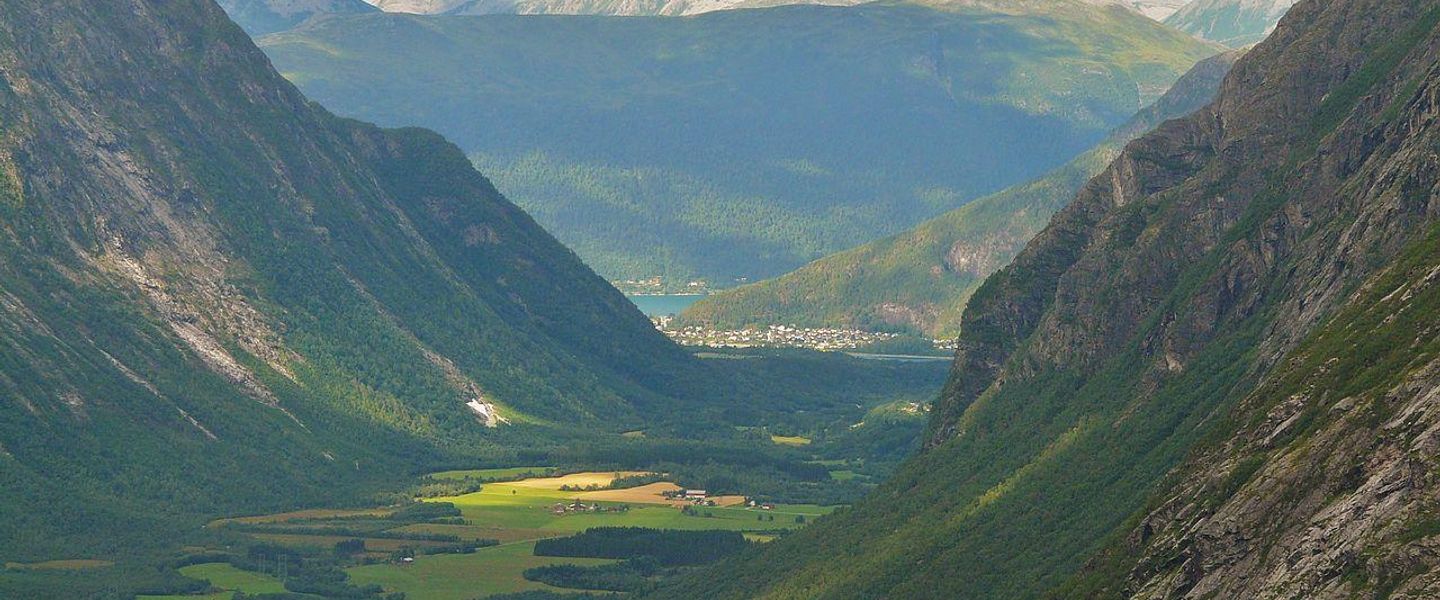


Explore Honduras's Mosquito Coast for Miskito culture, rainforest rivers, remote lagoons and the protected landscapes of La Mosquitia.
Read more about Mosquito Coast
When is the best time to visit Mosquito Coast?
Best: January–March · 29–30°C| Month | High (°C) | Rainfall (mm) |
|---|---|---|
| January (best) | 29 | 120 |
| February (best) | 30 | 110 |
| March (best) | 30 | 100 |
| April | 31 | 110 |
| May | 32 | 120 |
| June | 33 | 140 |
| July | 32 | 150 |
| August | 32 | 140 |
| September | 32 | 130 |
| October | 32 | 120 |
| November | 31 | 110 |
| December | 30 | 120 |
Getting to and around Mosquito Coast
How to get there
Transportation
Destinations in Mosquito Coast
Resorts, valleys and scenic spots worth a trip of their own.

Swipe for more destinations
Best attractions in Mosquito Coast
The Mosquito Coast's attractions are primarily natural, cultural and experiential rather than built. The Río Plátano Biosphere Reserve is the central draw, combining rainforest, rivers, wetlands and coastal habitats with long-established Indigenous and local communities. Guided journeys by boat and on foot can reveal macaws, monkeys, reptiles and forest plants, although the terrain is demanding and wildlife sightings are never guaranteed. The reserve is best approached through responsible, locally informed arrangements rather than as an independently accessible national park. Around Brus Laguna, Puerto Lempira and the wider Caratasca and Ibans lagoon systems, visitors encounter broad waterways, mangrove edges, fishing communities and low-lying settlements whose daily life depends on boats. River excursions are often more practical and revealing than conventional sightseeing, allowing visitors to understand how the region's geography shapes transport, food and commerce. Cultural visits may include conversations with Miskito residents, demonstrations of local food or boat travel, and insight into community approaches to forest and marine resources, but these must be arranged by consent. The region has few formal museums, marked trails or family attractions, so expectations should centre on landscapes, local knowledge and patient exploration.
-
Beach
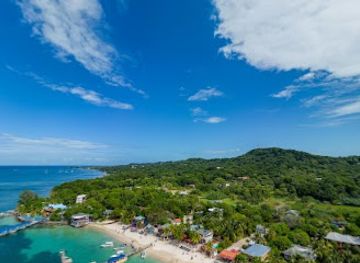
West Bay Beach
Explore the enchanting beauty and vibrant marine life of West Bay Beach, a tropical paradise in the Bay Islands of Honduras, ideal for relaxation and adventure.
-
Restaurant
Campo del Mar
Experience the perfect blend of dining, nature, and fun at Campo del Mar, a stunning tourist destination near Trujillo, Honduras.
-
Hiking area
Las Marias Culmi
Discover the stunning hiking trails and breathtaking landscapes of Las Marias Culmi in Olancho, a must-visit destination for nature lovers.
-
Nature preserve
Área Protegida, Pueblo Nuevo Subirana
Discover the serene beauty of Áreas Protegidas, Pueblo Nuevo Subirana, a nature preserve in Olancho, Honduras, perfect for eco-tourism and wildlife observation.
Best landmarks in Mosquito Coast
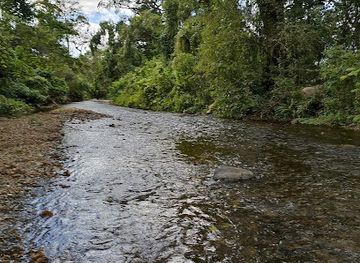
The Río Plátano is the Mosquito Coast's defining geographical landmark, a major waterway threading through rainforest and wetlands before reaching the Caribbean. Its importance is ecological, cultural and historical: river travel links communities, supports livelihoods and provides access to parts of the Río Plátano Biosphere Reserve, a UNESCO World Heritage site. The reserve's significance lies not in a single monument but in the relationship between forest, waterways, archaeological evidence and living Indigenous and local communities. The broad waters of Laguna de Caratasca form another important regional landmark, opening into a low-lying coastal landscape of channels, wetlands and settlements shaped by fishing and boat transport. Laguna de Ibans and the lagoon environments associated with Brus Laguna similarly demonstrate how water defines the region's geography. Puerto Lempira's low-rise, water-oriented setting is the principal civic reference point of the Honduran Mosquitia, while smaller communities provide a more intimate view of local wooden architecture and river life. These landmarks are best understood with a local guide, since weather, water levels, conservation rules and community permissions determine where visitors can safely travel and what they can access.
-
Tourist attraction
Cataratas Pulhapanzak
Experience the breathtaking beauty and adventure of Cataratas Pulhapanzak, a stunning waterfall destination in Honduras' Cortés region.
-
Tourist attraction
Aguas Termales Presidente
Discover tranquility at Aguas Termales Presidente in Lempira, a natural hot springs paradise perfect for relaxation and rejuvenation.
-
Park
Parque Cerro Juana Lainez
Discover the serene beauty of Parque Cerro Juana Lainez in Tegucigalpa, where stunning city views and lush landscapes await your exploration.
-
Restaurant
Little French Key
Discover a private island paradise off the coast of Roatan, Honduras, offering pristine beaches, vibrant marine life, and unique animal encounters for an unforgettable Caribbean escape.

Explore Mosquito Coast on the map
Plan your trip on one map. See where the top cities, national parks and sights are, and book hotels and experiences in a few clicks.
Best hotels in Mosquito Coast
Best restaurants in Mosquito Coast
Dining in the Mosquito Coast is informal, local and closely connected to waterways. Fish and other seafood, rice, plantain, cassava, beans and coconut are common foundations, while cooking varies between communities and according to what has been caught or harvested. In Puerto Lempira, small eateries and guesthouses provide the greatest choice, but in smaller settlements meals are more likely to be arranged through a host or family kitchen. Fresh fish, fried or boiled plantain, cassava-based foods and coconut-infused dishes reflect the Caribbean setting without representing a single standardised regional menu. Travellers should confirm meal arrangements when booking a boat excursion or remote accommodation, since shops and restaurants may be sparse and supplies irregular. Markets and small provisions shops can be useful, but imported packaged food is not always dependable. Vegetarian visitors and people with allergies should explain their needs clearly in advance. Dining here is less about restaurant variety than about eating food prepared within a community whose ingredients and techniques are shaped by fishing, river transport and the tropical environment.
-
Hotel
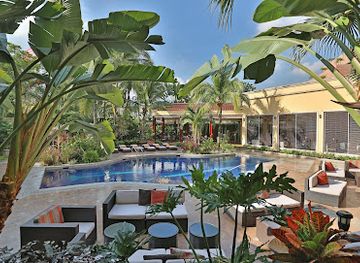
InterContinental Real San Pedro Sula, an IHG Hotel
Discover luxury and comfort at InterContinental Real San Pedro Sula, an ideal retreat near shopping and dining in vibrant San Pedro Sula.
-
Restaurant
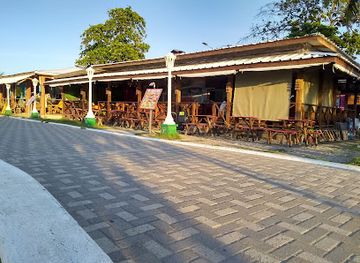
Cric Cric Burger
Discover La Ceiba's culinary gem with mouthwatering burgers at Cric Cric Burger - where flavor meets local charm!
-
Hotel
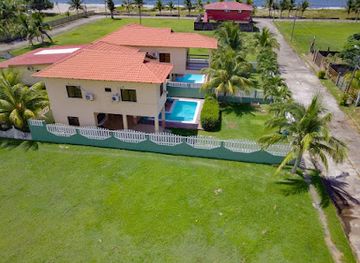
Restaurante y Hotel Viña del Mar Omoa
Discover Caribbean flavors and family-friendly hospitality at Restaurante y Hotel Viña del Mar Omoa - your perfect getaway in Honduras.
-
Restaurant
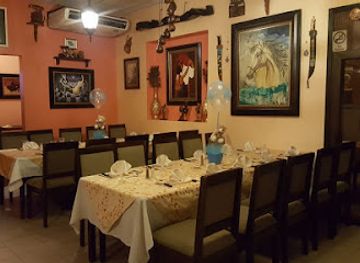
Restaurante La Estancia Parrillada Uruguaya
Experience authentic Uruguayan cuisine at Restaurante La Estancia Parrillada Uruguaya in San Pedro Sula – where every meal is a celebration.
Best bars in Mosquito Coast
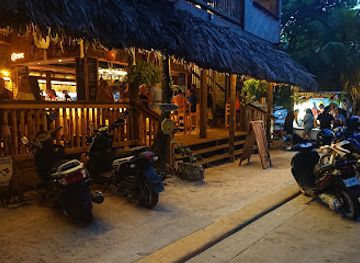
The Mosquito Coast does not have a developed nightclub circuit. Evening life centres on small local bars, guesthouse dining rooms, informal social spaces and community gatherings, especially in Puerto Lempira and other larger settlements. In smaller villages, people generally socialise close to home, and visitors should not expect scheduled entertainment, late-opening venues or a reliable choice of cocktails and imported drinks. Music may be part of local celebrations, but private gatherings should not be treated as public attractions. Because settlements are remote and streets may be poorly lit, going out at night requires local advice and a prearranged way back to accommodation. Beer and other drinks are available in some places, yet alcohol is not central to understanding the region; conversations with hosts, quiet evenings beside the water and early starts for boats are more representative of the travel experience. Confirm what a guesthouse provides, as supplies can vary considerably between Puerto Lempira and smaller river or lagoon communities.
-
Bar
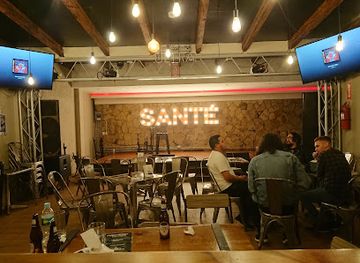
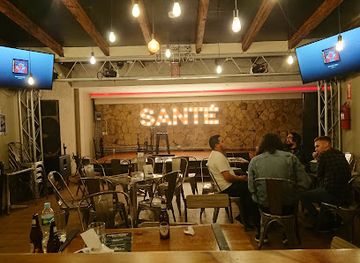
Sante Tegus
Experience the vibrant nightlife of Tegucigalpa at Sante Tegus, a lively bar with delicious drinks and a welcoming atmosphere.
-
Restaurant
Las Pinequitas - Bistro Café
Experience the flavors of Honduras at Las Pinequitas - Bistro Café, a charming restaurant in Santa Bárbara known for its authentic dishes and welcoming ambiance.
-
Restaurant
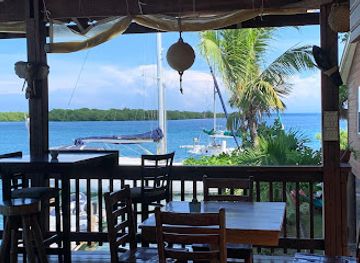
Jonesville Point Marina S.A. / Trico Bar & Grill
Discover the flavors of Roatan at Jonesville Point Marina S.A. / Trico Bar & Grill, a premier dining destination with stunning marina views.
-
Bar
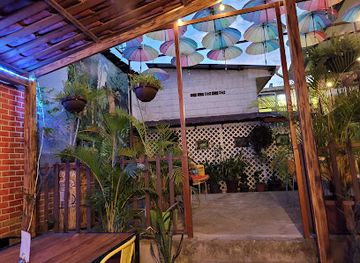
MARQUITO'S PLACE
Discover the lively ambiance of Marquito's Place, where great drinks and vibrant nightlife await in La Ceiba, Atlántida.
Best nightclubs in Mosquito Coast
The Mosquito Coast does not have a developed nightclub circuit. Evening life centres on small local bars, guesthouse dining rooms, informal social spaces and community gatherings, especially in Puerto Lempira and other larger settlements. In smaller villages, people generally socialise close to home, and visitors should not expect scheduled entertainment, late-opening venues or a reliable choice of cocktails and imported drinks. Music may be part of local celebrations, but private gatherings should not be treated as public attractions. Because settlements are remote and streets may be poorly lit, going out at night requires local advice and a prearranged way back to accommodation. Beer and other drinks are available in some places, yet alcohol is not central to understanding the region; conversations with hosts, quiet evenings beside the water and early starts for boats are more representative of the travel experience. Confirm what a guesthouse provides, as supplies can vary considerably between Puerto Lempira and smaller river or lagoon communities.
-
Restaurant
Sundowners Beach Bar
Experience the vibrant atmosphere and delicious local cuisine at Sundowners Beach Bar in the beautiful Bay Islands.
-
Bar
Sante Tegus
Experience the vibrant nightlife of Tegucigalpa at Sante Tegus, a lively bar known for its eclectic drinks and welcoming atmosphere.
-
Wine bar
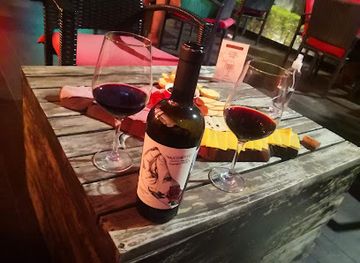
The Winery
Experience the best of Tegucigalpa at The Winery, where exceptional wines meet a cozy atmosphere for unforgettable moments.
-
Bar
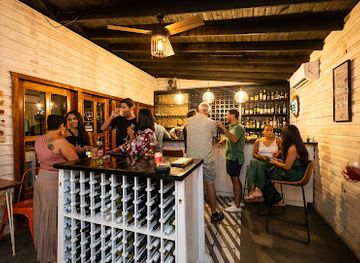
Bodega 22 | Cigar, Whiskey & Wine Bar
Discover Bodega 22, your ultimate destination for premium cigars, exquisite wines, and lively karaoke in Coxen Hole, Roatan.
Best shops in Mosquito Coast
Shopping in the Mosquito Coast is practical and community-based rather than retail-focused. Puerto Lempira has the widest selection of small shops and market-style stalls for food, household supplies, clothing and boat-journey necessities, while smaller communities offer limited provisions through local stores. Visitors may find handmade items, woven goods, carved objects or locally produced foods, but availability varies and not every item presented as traditional will have a clear or fairly documented origin. Buy directly from makers or trusted community organisations where possible, agree on prices respectfully and avoid purchasing archaeological objects, wildlife products or materials taken from protected forests. Packaged seafood, coconut-based foods, cassava products and other local provisions can provide distinctive souvenirs when transport and storage make this practical. There are no extensive shopping centres, designer districts or dependable tourist markets, so do not postpone essential purchases until arrival. A useful contribution to the local economy is paying fairly for guiding, boat services, meals and locally made goods rather than seeking aggressive discounts.
-
Shopping mall
City Mall
Discover the best shopping, dining, and entertainment at City Mall, Tegucigalpa's ultimate shopping experience.
-
Shopping mall
Multiplaza
Discover a world of shopping and dining at Multiplaza, Tegucigalpa's top destination for retail therapy and entertainment.
-
Shopping mall
Mall Galerías del Valle
Discover Mall Galerías del Valle in San Pedro Sula - a vibrant shopping hub offering diverse stores, dining options, and fun activities for all ages.
-
Shopping mall
CityMall San Pedro Sula
Experience shopping like never before at CityMall San Pedro Sula, where diverse stores and delightful dining await in a vibrant atmosphere.

Get your free copy of our complete guide to Mosquito Coast, delivered straight to you.
Everything on this page, from attractions and restaurants to essentials and local phrases, in one PDF you can read offline, print or share.
Already have an account? Sign in
Your Mosquito Coast guide is ready.
We'll send it to · Not you? Sign out

Getting your guide ready…
We are putting together a fresh copy of the Mosquito Coast guide. This can take up to a minute.
This can take a few moments. If your browser asks, choose Allow so the download can start. You'll find the guide in your Downloads folder.
Nothing happened? Download it again
Sorry, the guide is taking longer than usual. Please try again in a minute, or get it by email instead.
Mosquito Coast essentials
Currency and Payment
Safety
Emergency Situations
Do's and Don'ts
Local Tips
From Eve
Local phrases worth knowing
You don't need to get them perfect. A few words go a long way, and locals appreciate the effort.
Basics
| English | Local | Say it |
|---|---|---|
| Hello | Hola | [Ola] |
| Goodbye | Adiós | [Adyos] |
| Yes | Sí | [Si] |
| No | No | [No] |
| Please/You're welcome | Por favor | [Por favor] |
| Thank you | Gracias | [Grasias] |
| Excuse me/Sorry | Perdón | [Perdon] |
| How are you? | ¿Cómo estás? | [Como estas] |
| Fine. And you? | Bien. ¿Y tú? | [Bien. I tu] |
| Do you speak English? | ¿Hablas inglés? | [Hablas ingles] |
| I don't understand | No entiendo | [No entiendo] |
Eating & Drinking
| English | Local | Say it |
|---|---|---|
| I'd like to see the menu, please | Me gustaría ver el menú, por favor | [Me gustaria ver el menu, por favor] |
| I don't eat meat | No como carne | [No como carne] |
| Cheers! | ¡Salud! | [Salud] |
| I would like to pay, please | Me gustaría pagar, por favor | [Me gustaria pagar, por favor] |
Emergencies
| English | Local | Say it |
|---|---|---|
| Help! | ¡Ayuda! | [Ayuda] |
| Go away! | ¡Vete! | [Vete] |
| Call the Police! | ¡Llama a la policía! | [Llama a la policia] |
| Call a doctor! | ¡Llama a un doctor! | [Llama a un doctor] |
| I'm lost | Estoy perdido | [Estoy perdido] |
| I'm ill | Estoy enfermo | [Estoy enfermo] |
Shopping
| English | Local | Say it |
|---|---|---|
| I'd like to buy... | Me gustaría comprar... | [Me gustaria comprar] |
| I'm just looking | Solo estoy mirando | [Solo estoy mirando] |
| How much is it? | ¿Cuánto cuesta? | [Cuanto cuesta] |
| That's too expensive | Eso es demasiado caro | [Eso es demasiado caro] |
| Can you lower the price? | ¿Puedes bajar el precio? | [Puedes bajar el precio] |
Time & Numbers
| English | Local | Say it |
|---|---|---|
| What time is it? | ¿Qué hora es? | [Que hora es] |
| It's one o'clock | Es la una | [Es la una] |
| Half past (10) | Y media (10) | [Y media] |
| Morning | Mañana | [Mañana] |
| Afternoon | Tarde | [Tarde] |
| Evening | Noche | [Noche] |
| Yesterday | Ayer | [Ayer] |
| Today | Hoy | [Hoy] |
| Tomorrow | Mañana | [Mañana] |
| 1 | Uno | [Uno] |
| 2 | Dos | [Dos] |
| 3 | Tres | [Tres] |
| 4 | Cuatro | [Cuatro] |
| 5 | Cinco | [Cinco] |
| 6 | Seis | [Seis] |
| 7 | Siete | [Siete] |
| 8 | Ocho | [Ocho] |
| 9 | Nueve | [Nueve] |
| 10 | Diez | [Diez] |
Transport & Directions
| English | Local | Say it |
|---|---|---|
| Where's a/the...? | ¿Dónde está un/el...? | [Donde esta un/el] |
| What's the address? | ¿Cuál es la dirección? | [Cual es la direccion] |
| Can you show me (on the map)? | ¿Puedes mostrarme (en el mapa)? | [Puedes mostrarme en el mapa] |
| When's the next (bus)? | ¿Cuándo es el próximo (autobús)? | [Cuando es el proximo autobus] |
| A ticket (to ....) | Un boleto (a ....) | [Un boleto a] |
History of Mosquito Coast
Indigenous Miskito and Pech Heritage
The eastern Caribbean lowlands have long been occupied by Indigenous peoples, particularly Miskito communities, with Pech communities also historically associated with parts of the wider Mosquitia. River networks, lagoons, forests and coastal waters shaped settlement, trade, fishing and agriculture. Oral traditions, local languages and practical knowledge of the environment remain important elements of regional identity. Archaeological evidence across the broader rainforest landscape demonstrates that the area was not an untouched wilderness before European contact, but a cultural landscape shaped by generations of human use.
European Contact and the Caribbean Coast
Spanish voyagers reached the Caribbean shores of present-day Honduras during the early sixteenth century, but the humid lowlands and difficult waterways resisted sustained Spanish settlement. European contact brought trade, disease, religious missions and new political pressures, while the region remained connected to the wider Caribbean world. The coast's rivers and lagoons encouraged maritime exchange and helped preserve a degree of separation from the colonial centres established farther west and south.
British Influence and the Miskito Kingdom
From the seventeenth century, British merchants and officials developed close relations with Miskito leaders, partly as a counterweight to Spanish power in the Caribbean. The Miskito Kingdom, whose influence extended along sections of the Caribbean coast, became involved in regional trade in timber, animal products and other goods. British influence was political and commercial rather than a simple replacement of Indigenous authority, and its legacy helped give the coast a distinctive Caribbean orientation.
Honduran Sovereignty and the Nineteenth Century
The political status of the Mosquito Coast changed during the nineteenth century as the newly independent Central American republics and Britain negotiated competing claims. Honduras progressively asserted authority over its Caribbean lowlands, while local Miskito political structures and customary relationships continued to shape daily life. The region's incorporation into the Honduran state was gradual and uneven because settlements were scattered, transport was difficult and government institutions had limited reach beyond the principal river and lagoon communities.
Forest, Trade and Remote Settlement
During the nineteenth and twentieth centuries, timber extraction, fishing, small-scale agriculture and Caribbean commerce influenced the economy of the Mosquitia. River transport remained fundamental, and settlements developed around waterways rather than an interconnected road system. Commercial activity brought outside workers, traders and changing pressures on forests and wildlife, but it did not transform the region into an industrialised corridor. The resulting pattern of dispersed communities and limited infrastructure still defines travel today.
The Río Plátano Biosphere Reserve
The Río Plátano area received national protection in the 1980s and was later recognised by UNESCO as a World Heritage site. The reserve protects one of Central America's major remaining rainforest landscapes, linking rivers, wetlands, coastal environments and cultural territories. Its designation also highlights the importance of Indigenous and local communities whose livelihoods and knowledge are part of the area's heritage. Conservation remains complicated by illegal logging, land pressure and the practical difficulty of monitoring a vast, remote territory.
Contemporary Miskito Identity and Regional Challenges
Modern La Mosquitia remains shaped by Miskito cultural identity, local governance, Honduran national institutions and connections across the Caribbean. Communities face limited access to healthcare, education, transport and reliable communications, alongside pressures on forests, fisheries and land. Climate-related flooding and severe weather can intensify these challenges. For visitors, the region's contemporary reality is as important as its wilderness: responsible tourism depends on local consent, fair payment, low-impact travel and respect for community priorities.
Mosquito Coast in Photos
Browse through our photo collection highlighting the charm and character of the destination.
Neighbouring regions of Mosquito Coast
The closest regions to Mosquito Coast, if you have time for more than one.
-

-

-

-

-


Swipe for more regions
Explore more

Explore more of Honduras
Discover Honduras: From ancient Maya ruins and vibrant cities to stunning beaches and lush rainforests, this Central American gem offers something for every traveler.
Explore Honduras