

Gracias a Dios Region, Honduras Travel Guide
Discover the untouched beauty of Gracias a Dios, Honduras – a region rich in culture, biodiversity, and natural wonders, offering an intimate escape from the modern world.
Gracias a Dios is a region that offers an authentic and untouched experience of Honduras. Located in the northeastern part of the country, this area is characterized by its dense rainforests, rivers, and the enchanting Mosquito Coast. The region is sparsely populated, offering a sense of tranquility and a unique opportunity to connect with nature. Gracias a Dios is home to a variety of indigenous cultures, including the Miskito and Garifuna communities. Visitors can immerse themselves in the rich cultural tapestry by participating in traditional ceremonies, tasting local dishes, and learning about age-old customs. The region’s remote location means that you’ll find fewer tourists here, allowing for a more intimate and personal experience. One of the highlights of Gracias a Dios is the Río Plátano Biosphere Reserve, a UNESCO World Heritage site. The reserve boasts incredible biodiversity, including jaguars, manatees, and hundreds of bird species. Guided tours offer a chance to explore this natural wonder, whether by hiking through the jungle or drifting along the river in a dugout canoe. For those seeking adventure, the region’s rivers and coastline provide excellent opportunities for fishing, kayaking, and even diving in pristine waters.

Know before you go
Hi, I'm Eve. Here are a few practical things to know before exploring Gracias a Dios Region.
- Pack light but bring essentials like insect repellent, sunscreen, and comfortable walking shoes.
- Learn a few basic phrases in Spanish or Miskito to better connect with the locals.
- Cash is king here; ATMs are scarce, so bring enough money for your stay.
- Consider hiring a local guide to explore the Río Plátano Biosphere Reserve safely and gain deeper insights.
- Respect local customs and traditions, especially when visiting indigenous communities.
Destinations in Gracias a Dios Region
Resorts, valleys and scenic spots worth a trip of their own.

Explore Gracias a Dios Region: Things to Do, Places to Eat, Hotels & More
Handpicked recommendations for top attractions, local dining, accommodations, and more

Top Attractions & Sightseeing in Gracias a Dios Region
Top-rated picks
Best Attractions

Reserva de la Biósfera del Río Plátano
Discover the breathtaking biodiversity and cultural richness of Reserva de la Biósfera del Río Plátano, a UNESCO World Heritage site in Honduras.

Palacios, Gracias a Dios.
Explore Palacios in Gracias a Dios for a blend of culture, adventure, and stunning landscapes, perfect for every traveler seeking unique experiences.

Brus laguna - gracias a Dios
Explore the enchanting landscapes and rich culture of Brus Laguna, a serene tourist attraction in Honduras that promises unforgettable experiences.

Best landmarks in Gracias a Dios Region
Top-rated picks
Best Landmarks

Reserva de la Biósfera del Río Plátano
Discover the untamed beauty and cultural richness of Honduras' Río Plátano Biosphere Reserve, a UNESCO World Heritage site teeming with wildlife and ancient traditions.

La Ciudad Blanca
Discover La Ciudad Blanca, Honduras' legendary lost city, shrouded in mystery and teeming with ancient history amidst the breathtaking biodiversity of the Gracias a Dios rainforest.

Brus laguna - gracias a Dios
Discover Brus Laguna, Honduras: A serene escape where lush rainforests meet vibrant indigenous culture, offering an authentic and unforgettable travel experience.

Palacios, Gracias a Dios.
Discover Palacios, Honduras: A hidden gem in Gracias a Dios offering pristine beaches, rich Garifuna culture, and access to the Río Plátano Biosphere Reserve for an unforgettable eco-adventure.

Best restaurants in Gracias a Dios Region
Top-rated picks
Best Restaurants

Delicias Ceibeñas El rincón de las baleadas
Experience authentic Honduran cuisine at Delicias Ceibeñas El Rincón de las Baleadas in Ahuas - where every bite tells a story.

Cafetería pautatawa
Experience authentic Honduran flavors at Cafetería Pautatawa in Wampusirpi – where every meal tells a story.

Bar & restaurant HARRIS
Experience authentic local flavors at Bar & Restaurant HARRIS in Brus Laguna - A must-visit culinary destination in Gracias a Dios.

MOCORON
Experience authentic Honduran flavors at Mocoron - a must-visit restaurant in Gracias a Dios for every traveler seeking delicious local cuisine.

Best bars in Gracias a Dios Region
Top-rated picks
Best Bars
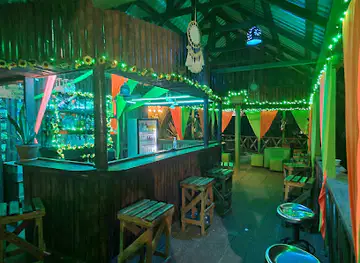
TU BAR 0901
Experience the lively ambiance and local flavors at TU BAR 0901, a top bar destination in Lempira, Gracias a Dios.
Los dos hermanos
Discover the charm of Los dos hermanos, a delightful café in Bruner offering local flavors and a welcoming atmosphere for all travelers.

Cocos Bar
Experience the vibrant nightlife at Cocos Bar in Batalla, where local charm meets refreshing cocktails and friendly vibes.
Bar & restaurant HARRIS
Discover the authentic flavors of Honduras at Bar & Restaurant HARRIS in Brus Laguna, where culinary excellence meets local charm.

Best nightclubs in Gracias a Dios Region
Top-rated picks
Best Nightclubs

Discoteca IL PAUTA
Discover the heart of nightlife at Discoteca IL PAUTA in Gracias a Dios, where music and dance create unforgettable memories.

Bar y discoteca FLED
Discover the lively nightlife at Bar y Discoteca FLED in Puerto Lempira, where music and culture come alive for an unforgettable experience.

Bar y Discoteca Singapore
Discover the energetic nightlife at Bar y Discoteca Singapore, a premier bar offering cocktails, music, and an unforgettable atmosphere in Gracias a Dios.
Cocos Bar
Experience the vibrant nightlife of Gracias a Dios at Cocos Bar, where music and dance create unforgettable memories in a welcoming atmosphere.

Best shops in Gracias a Dios Region
Top-rated picks
Best Shops

Tucan Gift Shop
Discover unique souvenirs and local crafts at Tucan Gift Shop, a vibrant gem in Dixon Cove, Bay Islands, perfect for capturing your island memories.

Variedades Paula
Explore Variedades Paula in Lempira for unique local crafts and authentic souvenirs that embody the spirit of Gracias a Dios.
PULPERIA ELDA
Experience the vibrant local culture and authentic flavors at Pulpería Elda, a must-visit grocery store in Bruner, Gracias a Dios.

Comercial Kupiakumi
Experience the local culture at Comercial Kupiakumi, the go-to grocery store in Ahuás for fresh produce and traditional Honduran snacks.

Explore Gracias a Dios Region on the Map
A handpicked selection of must-see spots in Gracias a Dios Region, mapped for you.
Gracias a Dios Region Essentials
-
Gracias a Dios is a remote region in northeastern Honduras. The most common way to reach the area is by air. Flights are available from Tegucigalpa or La Ceiba to the Puerto Lempira airport, the main gateway to Gracias a Dios. From Puerto Lempira, you can take small boats, known as 'pipantes,' to travel to other parts of the region like Brus Laguna or Ahuas. Alternatively, you can access the region by boat from the coastal city of La Ceiba, although this method is less common and can be more time-consuming.
-
Within Gracias a Dios, transportation options are limited due to the region's remote and rugged nature. Locals commonly use boats and dugout canoes to navigate the numerous rivers and lagoons. Motorized boats are available for hire and are the primary means of transport between communities. There are very few roads, and those that exist are often in poor condition, making travel by vehicle challenging. Walking or biking can be viable options for short distances within towns.
-
The official currency in Honduras is the Honduran Lempira (HNL). Cash is the preferred method of payment in the Gracias a Dios region, and it is advisable to carry sufficient cash with you, as ATMs and banking facilities are scarce. Credit card acceptance is limited to a few establishments in Puerto Lempira. Ensure you have enough cash for your entire stay, as opportunities to withdraw money are minimal.
-
Gracias a Dios is generally safe for tourists, but it's important to take standard precautions. Avoid traveling alone, especially at night, and keep your valuables secure. Some areas, particularly near the borders and remote villages, may have higher crime rates, including drug trafficking activities. Always stay informed about local conditions and follow the advice of local authorities and guides. Exercise caution when navigating waterways, as weather conditions can change rapidly.
-
In case of an emergency, dial 911 for immediate assistance. However, response times in remote areas may be slow. It's advisable to have travel insurance that covers medical emergencies. The main healthcare facility is the Hospital Puerto Lempira, but for serious medical issues, evacuation to larger cities like La Ceiba or Tegucigalpa may be necessary. Carry a basic first aid kit and any necessary medications, as local pharmacies may have limited supplies.
-
Fashion: Do dress modestly and comfortably; the climate is hot and humid, so lightweight clothing is recommended. Avoid wearing flashy jewelry or expensive accessories. Religion: Do respect local customs, especially in indigenous communities. Participate respectfully in local ceremonies if invited. Public Transport: Do be patient, as transportation schedules can be unpredictable. Greet drivers and fellow passengers politely. Greetings: Do greet people with a friendly 'Buenos días' or 'Buenas tardes.' A handshake is common. Eating & Drinking: Do try local dishes, such as fresh seafood and traditional Miskito cuisines. Don't drink tap water; always opt for bottled water.
-
To experience Gracias a Dios like a local, engage with the indigenous Miskito and Garifuna communities. Participate in their cultural events and traditional festivities. Visit local markets to buy handmade crafts and fresh produce. Explore the region's natural beauty by taking guided tours through the Rio Platano Biosphere Reserve, a UNESCO World Heritage Site. Learning a few phrases in Miskito can go a long way in building rapport with locals.
When is the best time to visit Gracias a Dios Region?
Useful Local Phrases for Gracias a Dios Region
You don't need to speak the language perfectly. Even learning a few simple words can make conversations warmer—and locals usually appreciate the effort.
— Eve

Here are the phrases I use most often in Gracias a Dios Region. Try a few—you'll be surprised how far they go! 😊
❤️
-
- HelloHola
[O-la] - GoodbyeAdiós
[A-dee-os] - YesSí
[See] - NoNo
[No] - Please/You're welcomePor favor/De nada
[Por fa-vor/De na-da] - Thank youGracias
[Gra-sias] - Excuse me/SorryPerdón
[Per-don] - How are you?¿Cómo estás?
[Ko-mo es-tas] - Fine. And you?Bien. ¿Y tú?
[Byen. E tu] - Do you speak English?¿Hablas inglés?
[A-blas in-gleis] - I don't understandNo entiendo
[No en-tyen-do]
- HelloHola
-
- I'd like to see the menu, pleaseQuisiera ver el menú, por favor
[Ki-sie-ra ver el me-nu, por fa-vor] - I don't eat meatNo como carne
[No ko-mo kar-ne] - Cheers!¡Salud!
[Sa-lud] - I would like to pay, pleaseQuisiera pagar, por favor
[Ki-sie-ra pa-gar, por fa-vor]
- I'd like to see the menu, pleaseQuisiera ver el menú, por favor
-
- Help!¡Ayuda!
[A-yu-da] - Go away!¡Vete!
[Ve-te] - Call the Police!¡Llama a la policía!
[Ya-ma a la po-li-ci-a] - Call a doctor!¡Llama a un doctor!
[Ya-ma a un doc-tor] - I'm lostEstoy perdido
[Es-toy per-di-do] - I'm illEstoy enfermo
[Es-toy en-fer-mo]
- Help!¡Ayuda!
-
- I'd like to buy...Quisiera comprar...
[Ki-sie-ra kom-prar...] - I'm just lookingSolo estoy mirando
[So-lo es-toy mi-ran-do] - How much is it?¿Cuánto cuesta?
[Kwan-to kwes-ta] - That's too expensiveEso es muy caro
[E-so es muy ka-ro] - Can you lower the price?¿Puedes bajar el precio?
[Pwe-des ba-har el pre-sio]
- I'd like to buy...Quisiera comprar...
-
- What time is it?¿Qué hora es?
[Ke o-ra es] - It's one o'clockEs la una
[Es la u-na] - Half past (10)Y media (10)
[Y me-dia (10)] - MorningMañana
[Ma-nyana] - AfternoonTarde
[Tar-de] - EveningNoche
[No-che] - YesterdayAyer
[A-yer] - TodayHoy
[Oy] - TomorrowMañana
[Ma-nyana] - 1Uno
[U-no] - 2Dos
[Dos] - 3Tres
[Tres] - 4Cuatro
[Kua-tro] - 5Cinco
[Sin-ko] - 6Seis
[Seis] - 7Siete
[Sye-te] - 8Ocho
[O-cho] - 9Nueve
[Nwe-ve] - 10Diez
[Dyez]
- What time is it?¿Qué hora es?
-
- Where's a/the...?¿Dónde hay un/una...?
[Don-de ai un/una...] - What's the address?¿Cuál es la dirección?
[Kwal es la di-rec-cion] - Can you show me (on the map)?¿Puedes mostrarme (en el mapa)?
[Pwe-des mos-trar-me (en el ma-pa)] - When's the next (bus)?¿Cuándo es el próximo (bus)?
[Kwan-do es el pro-xi-mo (bus)] - A ticket (to ....)Un boleto (a....)
[Un bo-le-to (a....)]
- Where's a/the...?¿Dónde hay un/una...?
History of Gracias a Dios Region
-
The region known today as Gracias a Dios was originally inhabited by the Pech people, an indigenous group with a rich cultural heritage. The Pech were skilled agriculturalists and fishermen, and they lived in harmony with the natural environment. Their society was organized into small, semi-autonomous communities that traded with neighboring groups and developed a unique language and cultural practices that are still observed by some Pech descendants today.
-
The arrival of Spanish explorers in the 16th century marked a dramatic shift in the history of Gracias a Dios. The Spanish sought to exploit the region's natural resources, particularly its rich timber reserves. This led to conflicts with the indigenous populations, who resisted the encroachment on their lands. Despite these tensions, some degree of cultural exchange occurred, and the region became a melting pot of indigenous and European influences.
-
In the 17th and 18th centuries, British influence grew in the Gracias a Dios region, particularly along what became known as the Mosquito Coast. The British established trading posts and formed alliances with the Miskito people, another indigenous group. This period saw the region becoming a hub for the export of mahogany and other valuable woods, as well as the unfortunate rise of the slave trade, which brought African cultural elements into the mix.
-
In the 19th century, the British declared the Mosquito Coast a protectorate, formalizing their control over the area. This period saw the establishment of the Mosquito Reserve, which was intended to protect the interests of the Miskito people. However, it also led to increased tensions with the newly independent Republic of Honduras, which viewed the reserve as an infringement on its sovereignty.
-
The late 19th and early 20th centuries were marked by efforts to integrate the Gracias a Dios region more fully into the Honduran state. This included infrastructure projects aimed at improving connectivity with the rest of the country and efforts to assimilate the diverse cultural groups within the region. Despite these efforts, Gracias a Dios has retained a distinct cultural identity, reflecting its complex history of indigenous, European, and African influences.
-
In recent decades, Gracias a Dios has seen significant development, including improvements in education, healthcare, and infrastructure. However, the region remains relatively isolated and retains much of its natural beauty and cultural heritage. Efforts to preserve the unique cultural practices of the indigenous Pech and Miskito communities have gained momentum, and the region is increasingly recognized as a valuable repository of Honduras's diverse cultural and natural heritage.
Neighbouring Regions of Gracias a Dios Region
The closest regions to Gracias a Dios Region, if you have time for more than one.



Your all‑in‑one travel companion app
Explore expert travel guides, compare and book tours, experiences, hotels, and more—all from the palm of your hand. Download now for seamless trip planning wherever your wanderlust takes you.


Explore More of Honduras

Looking beyond Gracias a Dios Region? Discover Honduras for broader travel guides, local hot-spots, and regional highlights.
Explore HondurasGracias a Dios Region in Photos
Browse through our photo collection highlighting the charm and character of the destination.

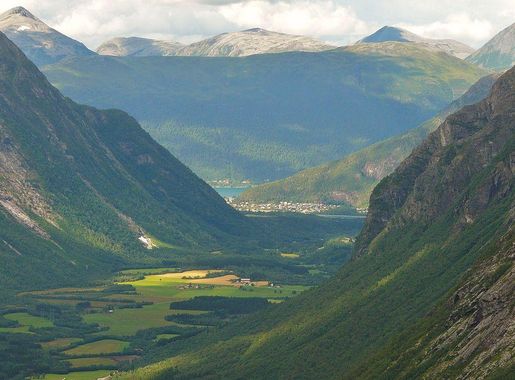


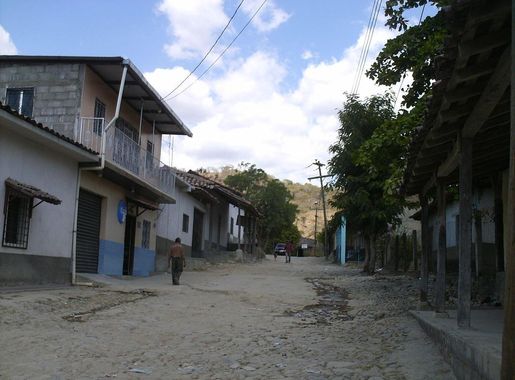
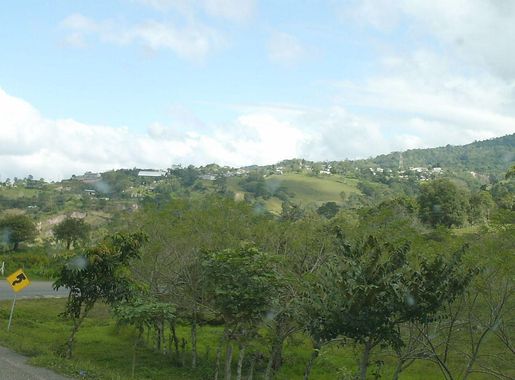


Gracias a Dios: The Untouched Gem of Honduras
Gracias a Dios is a region that offers an authentic and untouched experience of Honduras. Located in the northeastern part of the country, this area is characterized by its dense rainforests, rivers, and the enchanting Mosquito Coast. The region is sparsely populated, offering a sense of tranquility and a unique opportunity to connect with nature. Gracias a Dios is home to a variety of indigenous cultures, including the Miskito and Garifuna communities. Visitors can immerse themselves in the rich cultural tapestry by participating in traditional ceremonies, tasting local dishes, and learning about age-old customs. The region’s remote location means that you’ll find fewer tourists here, allowing for a more intimate and personal experience. One of the highlights of Gracias a Dios is the Río Plátano Biosphere Reserve, a UNESCO World Heritage site. The reserve boasts incredible biodiversity, including jaguars, manatees, and hundreds of bird species. Guided tours offer a chance to explore this natural wonder, whether by hiking through the jungle or drifting along the river in a dugout canoe. For those seeking adventure, the region’s rivers and coastline provide excellent opportunities for fishing, kayaking, and even diving in pristine waters.