

Free Ocotepeque Region Travel Guide & Mobile App
Explore Ocotepeque Region with free travel guides. Discover regional history, expert tips, proposed trips, and audio guides on web or mobile app.


Ocotepeque, Honduras, combines cloud forests, coffee country, border towns and Trifinio landscapes in the country’s western highlands.
Read more about Ocotepeque Region
When is the best time to visit Ocotepeque Region?
Best: January–March · 24–26°C| Month | High (°C) | Rainfall (mm) |
|---|---|---|
| January (best) | 24 | 30 |
| February (best) | 25 | 25 |
| March (best) | 26 | 20 |
| April | 28 | 30 |
| May | 28 | 60 |
| June | 28 | 90 |
| July | 28 | 80 |
| August | 28 | 90 |
| September | 28 | 100 |
| October | 27 | 80 |
| November | 26 | 60 |
| December | 24 | 40 |
Getting to and around Ocotepeque Region
How to get there
Transportation
Top city travel guides in Ocotepeque Region
The cities of Ocotepeque Region, and the easiest places to base yourself.
-

-


Swipe for more cities
Best attractions in Ocotepeque Region
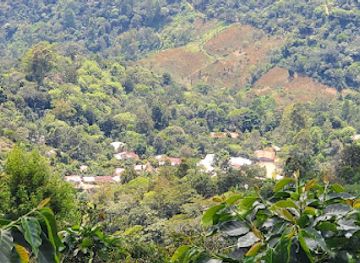
Ocotepeque’s attractions are concentrated in its highland forests, border landscapes and rural settlements rather than in a large collection of monumental museums. Montecristo Trifinio National Park is the department’s principal natural draw, protecting cloud forest around the meeting area of Honduras, Guatemala and El Salvador. Trails, viewpoints and wildlife encounters depend on weather, access arrangements and local guidance. The Guisayote Biological Reserve provides another opportunity to experience wooded mountain terrain, streams and upland biodiversity. Around Nueva Ocotepeque, visitors can explore markets, modest public spaces, local cafés and the everyday commerce of a frontier town. The older and newer settlements of Ocotepeque offer insight into the consequences of the 1934 flood and the relocation that followed. Coffee-growing communities and agricultural routes add a distinctly rural dimension, although visits to farms should be arranged respectfully rather than assumed to be open to the public. The department is also useful for travellers crossing between Honduras, El Salvador and Guatemala, but border facilities themselves are practical transport points rather than sightseeing attractions. Those seeking museums, major archaeological complexes or extensive nightlife will find a quieter offering here; Ocotepeque’s appeal lies in forest conservation, mountain scenery, agricultural landscapes and the human geography of a three-country frontier.
-
Park
Santa Bárbara Central Park
Experience the natural beauty and vibrant atmosphere of Santa Bárbara Central Park, a perfect getaway for relaxation and recreation.
-
Tourist attraction
Chatun Park
Explore Chatun Park in Esquipulas, Guatemala - where nature meets adventure in a captivating ecological amusement park.
-
Park
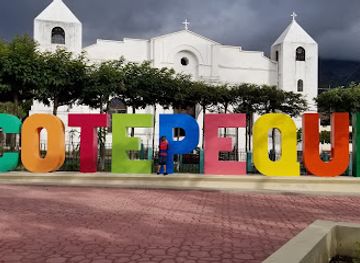
Ocotepeque Park
Explore the tranquil beauty of Ocotepeque Park, a peaceful escape filled with lush landscapes and vibrant wildlife in the heart of Honduras.
-
Water park
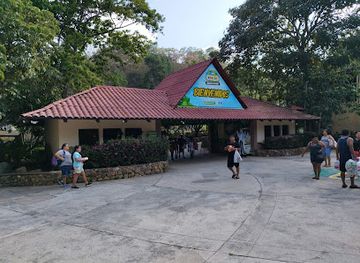
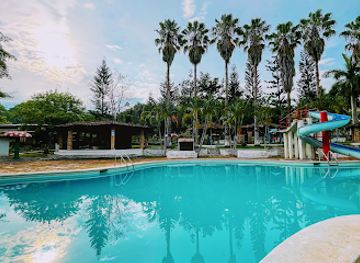
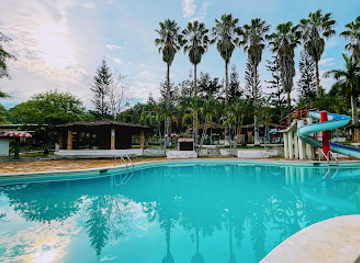
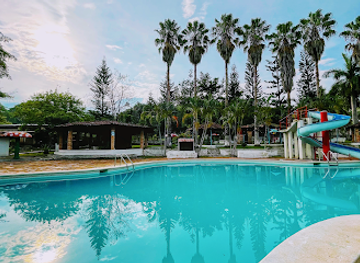
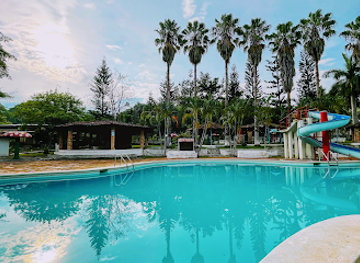
Turicentro Sandoval
Discover the ultimate water park experience at Turicentro Sandoval in Antigua Ocotepeque, where fun, relaxation, and adventure await for everyone.

Best landmarks in Ocotepeque Region
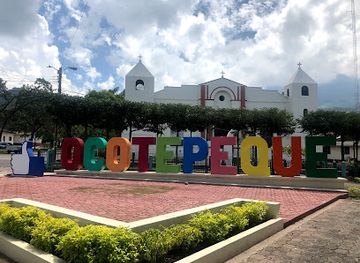
The most significant landmark in Ocotepeque is the historic distinction between the original town of Ocotepeque and Nueva Ocotepeque, created after the devastating 1934 flood. This relocation gives the department a visible historical narrative in which settlement, rivers and risk are inseparable. Nueva Ocotepeque’s town centre, civic buildings and church provide the clearest urban expression of the modern department, although the architecture is generally functional rather than monumental. In the surrounding mountains, Montecristo Trifinio National Park is a landmark of geographical as well as ecological importance: its protected forests occupy a highland frontier shared by three Central American nations. The forested ridges and watersheds of the Guisayote Biological Reserve form another defining natural feature, representing the department’s upland environment and conservation priorities. International roads and border facilities at El Poy are recognisable infrastructure landmarks, illustrating Ocotepeque’s role in regional movement and trade, but they are working crossings rather than recreational sites. Together, these places show the department through three forms of significance: a relocated town, a shared mountain ecosystem and a strategically placed frontier.
-
Park
Ocotepeque Park
Explore the serene landscapes and rich biodiversity of Ocotepeque Park, a true natural gem in Honduras.
-
Water park
Turicentro Sandoval
Experience a day of excitement and relaxation at Turicentro Sandoval, the ultimate water park in Antigua Ocotepeque, Honduras.
-
Historical landmark
Nuevo espíritu
Explore Nuevo Espíritu, a stunning historical landmark in Ocotepeque that showcases the rich cultural heritage of Honduras amidst breathtaking landscapes.
-
 Tourist attraction
El Peñasco
Discover the serene beauty and cultural richness of El Peñasco in Ocotepeque, Honduras, offering breathtaking landscapes, hiking trails, and a tranquil escape into nature.
Explore Ocotepeque Region on the map
Plan your trip on one map. See where the top cities, national parks and sights are, and book hotels and experiences in a few clicks.
Best hotels in Ocotepeque Region
Best restaurants in Ocotepeque Region
Dining in Ocotepeque is informal and closely tied to Honduran home cooking and market life. In Nueva Ocotepeque and the larger settlements, cafés, comedor-style eateries and small restaurants commonly serve tortillas, beans, rice, eggs, meat, plantain, soups and fresh cheese, with regional variations shaped by western Honduras and neighbouring countries. Breakfasts are often substantial, while snacks and simple meals are easy to find around markets and transport areas. Coffee is central to the department’s agricultural identity, and locally grown beans may be available in cafés or small shops, although preparation varies. Upland communities may offer seasonal produce and farm-based products rather than a formal restaurant scene. Visitors should not expect a dense concentration of international cuisine, but the straightforward food culture suits travellers exploring by road. Markets are useful for fruit, bread, drinks and provisions before heading towards the forests. In rural areas, ask about ingredients and payment methods in advance, and remember that restaurant hours and menus may be flexible rather than fixed.
-
Hotel
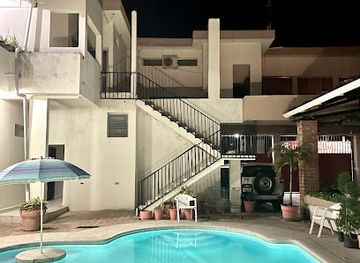
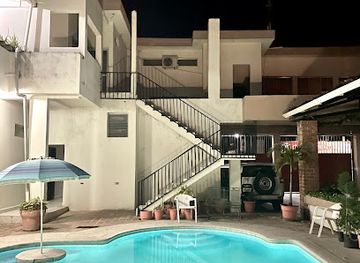
Hotel Sandoval
Discover comfort and local charm at Hotel Sandoval in Ocotepeque – your perfect getaway in western Honduras.
-
Restaurant
CASA LINDO (Baleadas / Fingers / Tienda)
Discover authentic Honduran cuisine at CASA LINDO in Ocotepeque – home of delicious Baleadas and warm hospitality.
-
Fast Food
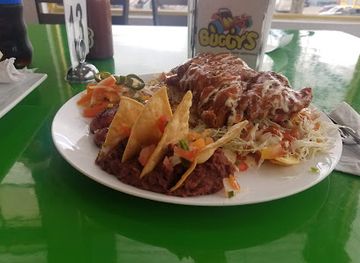
Buggys Sinuapa Ocotepeque
Experience delightful fast food with local flavors at Buggys Sinuapa in Ocotepeque – where taste meets tradition.
-
Cafe
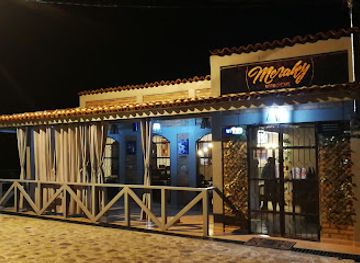
Meraky Bistro Cafe
Discover the flavors of Honduras at Meraky Bistro Cafe - where every bite tells a story.

Best bars in Ocotepeque Region
Evening life in Ocotepeque is modest and centred on family restaurants, cafés, neighbourhood bars and traditional pubs rather than a substantial nightclub circuit. Nueva Ocotepeque has the greatest concentration of places to eat and socialise, while smaller settlements generally become quiet earlier. Local evenings may involve conversation, televised sport, music and shared food, with coffee and soft drinks as common alternatives to alcohol. Border traffic creates some movement through the main town, but it does not produce the large entertainment districts found in Honduras’s major cities. Travellers staying in rural or mountain areas should arrange transport back to their accommodation before dark, as late services can be limited. Some establishments may be lively at weekends, yet opening arrangements are changeable and should be checked locally. The best way to experience the department after sunset is usually through a relaxed meal or café visit rather than by searching for a dedicated club scene.
-
Hotel
Maya Chorti
Discover the perfect blend of comfort and culture at Maya Chorti, a charming hotel in the heart of Ocotepeque, Honduras.
-
Cafe
Café Espresso Latino Centro
Experience the rich flavors of Honduras at Café Espresso Latino Centro in Ocotepeque, where every cup tells a story.
-
Hotel
Hotel Sandoval
Discover comfort and affordability at Hotel Sandoval, your home away from home in the heart of Ocotepeque, Honduras.
-
Restaurant
CASA LINDO (Baleadas / Fingers / Tienda)
Experience the authentic taste of Honduras at CASA LINDO, where mouthwatering baleadas and local delicacies await you in Ocotepeque.
Best nightclubs in Ocotepeque Region
Evening life in Ocotepeque is modest and centred on family restaurants, cafés, neighbourhood bars and traditional pubs rather than a substantial nightclub circuit. Nueva Ocotepeque has the greatest concentration of places to eat and socialise, while smaller settlements generally become quiet earlier. Local evenings may involve conversation, televised sport, music and shared food, with coffee and soft drinks as common alternatives to alcohol. Border traffic creates some movement through the main town, but it does not produce the large entertainment districts found in Honduras’s major cities. Travellers staying in rural or mountain areas should arrange transport back to their accommodation before dark, as late services can be limited. Some establishments may be lively at weekends, yet opening arrangements are changeable and should be checked locally. The best way to experience the department after sunset is usually through a relaxed meal or café visit rather than by searching for a dedicated club scene.
-
Water park
Turicentro Sandoval
Experience the excitement of water slides and relaxing pools at Turicentro Sandoval, a premier water park in Antigua Ocotepeque.
-
Function room facility
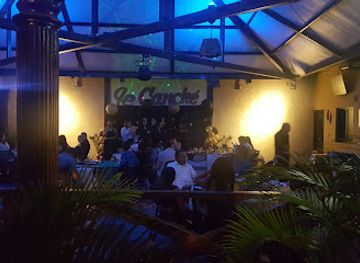
Le Canche´ Salón de eventos
Discover Le Canche´ Salón de Eventos in Antigua Ocotepeque, where elegance meets exceptional service for your unforgettable gatherings.
-
Restaurant
Restaurante Wings (Bar)
Discover the culinary delights of Restaurante Wings in Ocotepeque, where flavor meets fun in every bite.
-
Lounge
Ocotepeque,barrio concepción honduras
Experience the vibrant lounge culture in Ocotepeque, Honduras, where relaxation meets local charm and community spirit.
Best shops in Ocotepeque Region
Shopping in Ocotepeque is practical and local, with Nueva Ocotepeque serving as the main place for provisions, clothing, household goods, transport supplies and everyday food. Market stalls and small shops offer fruit, vegetables, bread, tortillas, dairy products and snacks, while cafés and grocers may sell Honduran coffee from the surrounding highlands. The department is not principally a destination for luxury retail or large shopping centres, and stock can vary according to transport and border commerce. Visitors may find useful regional purchases in coffee, packaged foods, woven items or small craft products, but should ask about provenance rather than assuming every souvenir is locally made. Border areas can have a different commercial rhythm, with shops serving travellers and cross-border trade, although prices and accepted currencies should be confirmed before buying. For remote excursions, purchase water, food and basic supplies in Nueva Ocotepeque because rural choice is limited. Independent shops and market stalls provide a more accurate picture of the region’s economy than formal retail, linking agriculture, household enterprise and the constant movement of goods through western Honduras.
-
Hotel
Hotel Sandoval
Discover the heart of Ocotepeque at Hotel Sandoval, where comfort meets local culture in the beautiful western region of Honduras.
-
Store
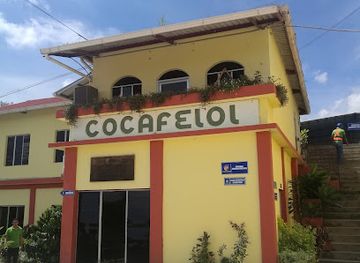
COCAFELOL
Discover the essence of Ocotepeque at Cafefelol, where local culture and delightful products come together in a charming atmosphere.
-
Water park
Turicentro Sandoval
Dive into adventure at Turicentro Sandoval, an exciting water park in Antigua Ocotepeque featuring thrilling slides, relaxing pools, and fun for all ages.
-
Clothing store
Sensenti Ocotepeque
Explore Sensenti in Ocotepeque for a unique blend of traditional and contemporary clothing, showcasing local artistry in every piece.
Get your free copy of our complete guide to Ocotepeque Region, delivered straight to you.
Everything on this page, from attractions and restaurants to essentials and local phrases, in one PDF you can read offline, print or share.
Already have an account? Sign in
Your Ocotepeque Region guide is ready.
We'll send it to · Not you? Sign out

Getting your guide ready…
We are putting together a fresh copy of the Ocotepeque Region guide. This can take up to a minute.
This can take a few moments. If your browser asks, choose Allow so the download can start. You'll find the guide in your Downloads folder.
Nothing happened? Download it again
Sorry, the guide is taking longer than usual. Please try again in a minute, or get it by email instead.
Ocotepeque Region essentials
Currency and Payment
Safety
Emergency Situations
Do's and Don'ts
Local Tips
From Eve
Local phrases worth knowing
You don't need to get them perfect. A few words go a long way, and locals appreciate the effort.
Basics
| English | Local | Say it |
|---|---|---|
| Hello | Hola | [Ola] |
| Goodbye | Adiós | [Adios] |
| Yes | Sí | [Si] |
| No | No | [No] |
| Please/You're welcome | Por favor | [Por favor] |
| Thank you | Gracias | [Grasias] |
| Excuse me/Sorry | Perdón | [Perdon] |
| How are you? | ¿Cómo estás? | [Como estas] |
| Fine. And you? | Bien. ¿Y tú? | [Bien. Y tu] |
| Do you speak English? | ¿Hablas inglés? | [Hablas ingles] |
| I don't understand | No entiendo | [No entiendo] |
Eating & Drinking
| English | Local | Say it |
|---|---|---|
| I'd like to see the menu, please | Me gustaría ver el menú, por favor | [Me gustaria ver el menu, por favor] |
| I don't eat meat | No como carne | [No como carne] |
| Cheers! | ¡Salud! | [Salud] |
| I would like to pay, please | Me gustaría pagar, por favor | [Me gustaria pagar, por favor] |
Emergencies
| English | Local | Say it |
|---|---|---|
| Help! | ¡Ayuda! | [Ayuda] |
| Go away! | ¡Vete! | [Vete] |
| Call the Police! | ¡Llama a la policía! | [Llama a la policia] |
| Call a doctor! | ¡Llama a un doctor! | [Llama a un doctor] |
| I'm lost | Estoy perdido | [Estoy perdido] |
| I'm ill | Estoy enfermo | [Estoy enfermo] |
Shopping
| English | Local | Say it |
|---|---|---|
| I'd like to buy... | Quisiera comprar... | [Quisiera comprar] |
| I'm just looking | Solo estoy mirando | [Solo estoy mirando] |
| How much is it? | ¿Cuánto cuesta? | [Cuanto cuesta] |
| That's too expensive | Eso es muy caro | [Eso es muy caro] |
| Can you lower the price? | ¿Puedes bajar el precio? | [Puedes bajar el precio] |
Time & Numbers
| English | Local | Say it |
|---|---|---|
| What time is it? | ¿Qué hora es? | [Que hora es] |
| It's one o'clock | Es la una | [Es la una] |
| Half past (10) | Y media (10) | [Y media (10)] |
| Morning | Mañana | [Mañana] |
| Afternoon | Tarde | [Tarde] |
| Evening | Noche | [Noche] |
| Yesterday | Ayer | [Ayer] |
| Today | Hoy | [Hoy] |
| Tomorrow | Mañana | [Mañana] |
| 1 | Uno | [Uno] |
| 2 | Dos | [Dos] |
| 3 | Tres | [Tres] |
| 4 | Cuatro | [Cuatro] |
| 5 | Cinco | [Cinco] |
| 6 | Seis | [Seis] |
| 7 | Siete | [Siete] |
| 8 | Ocho | [Ocho] |
| 9 | Nueve | [Nueve] |
| 10 | Diez | [Diez] |
Transport & Directions
| English | Local | Say it |
|---|---|---|
| Where's a/the...? | ¿Dónde está un/una...? | [Donde esta un/una] |
| What's the address? | ¿Cuál es la dirección? | [Cual es la direccion] |
| Can you show me (on the map)? | ¿Puedes mostrarme (en el mapa)? | [Puedes mostrarme en el mapa] |
| When's the next (bus)? | ¿Cuándo es el próximo (bus)? | [Cuando es el proximo bus] |
| A ticket (to ....) | Un boleto (a ....) | [Un boleto a] |
History of Ocotepeque Region
Indigenous Western Honduras
Before Spanish colonisation, western Honduras was occupied and influenced by several Indigenous communities, including Lenca-speaking peoples and groups connected to the wider Ch’orti’ cultural area. The region’s valleys and mountain passes linked settlements across what are now Honduras, Guatemala and El Salvador. Archaeological and historical evidence from western Honduras demonstrates long-standing cultivation, exchange and movement, although Ocotepeque’s historical record is less monumentally documented than that of the Copán Valley to the east. Indigenous land use, maize cultivation and local knowledge of the highlands remain part of the deeper context of the department.
Spanish Colonial Settlement
Spanish rule reorganised western Honduras around towns, parishes, estates and routes linking the interior with neighbouring colonial territories. Ocotepeque developed within this frontier environment, where agriculture and movement between highland settlements were more important than large urban institutions. Catholic churches, town-centre layouts and agricultural traditions preserve elements of the colonial legacy, although repeated natural hazards and later rebuilding have altered the historic fabric. The area remained connected to neighbouring regions through commerce and kinship rather than existing as an isolated mountain district.
Independence and the Central American Frontier
Independence from Spain in 1821 did not remove Ocotepeque’s strategic position at the centre of regional routes. The department became part of Honduras as the political boundaries of Central America developed, but local trade continued to look across the borders with Guatemala and El Salvador. Roads, customs points and market networks gradually gave the frontier greater economic importance. This location also meant that national political changes were experienced through transport controls, commercial regulation and the movement of people across a landscape whose cultural connections predated the modern borders.
The 1934 Flood and the Relocation of Ocotepeque
A defining event in modern local history was the severe flooding that affected the original town of Ocotepeque in 1934. The disaster caused extensive destruction and led authorities and residents to establish Nueva Ocotepeque on a safer site. The distinction between old and new settlement is central to the department’s identity: Nueva Ocotepeque became the administrative and commercial centre, while the memory of the former town illustrates how rivers, unstable terrain and extreme weather have shaped settlement patterns in western Honduras.
Coffee and Highland Agriculture
During the twentieth century, coffee became increasingly important in the higher parts of Ocotepeque, alongside maize, beans, livestock and other smallholder farming. The department’s elevation and mountain climate favour coffee cultivation, while the crop connects rural producers with national and international markets. Agricultural expansion has brought income and transport links but has also placed pressure on forests and water sources. Today, the visual contrast between planted slopes, pine woodland and cloud forest reflects the economic and environmental choices that have shaped the region.
The Trifinio Conservation Era
Co-operation between Honduras, Guatemala and El Salvador became especially significant through protection of the highlands around the three-country junction. Montecristo Trifinio National Park forms part of a wider cross-border conservation landscape intended to protect cloud forest, watersheds and biological diversity. Its significance is both ecological and political: the same mountains that once functioned mainly as a frontier are now also treated as a shared environmental resource. Conservation, farming and local livelihoods remain closely connected in the surrounding communities.
Ocotepeque Region in Photos
Browse through our photo collection highlighting the charm and character of the destination.
Neighbouring regions of Ocotepeque Region
The closest regions to Ocotepeque Region, if you have time for more than one.
-

-

-

-

-


Swipe for more regions
Explore more

Explore more of Honduras
Discover Honduras: From ancient Maya ruins and vibrant cities to stunning beaches and lush rainforests, this Central American gem offers something for every traveler.
Explore Honduras