

Free Copán Region Travel Guide & Mobile App
Explore Copán Region with free travel guides. Discover regional history, expert tips, proposed trips, and audio guides on web or mobile app.


Explore Honduras's Copán Region for Maya archaeology, highland towns, coffee country, birdlife and the historic streets of Santa Rosa de Copán.
Read more about Copán Region
When is the best time to visit Copán Region?
Best: December–February · 26°C| Month | High (°C) | Rainfall (mm) |
|---|---|---|
| January (best) | 26 | 20 |
| February (best) | 26 | 25 |
| March | 27 | 30 |
| April | 28 | 35 |
| May | 29 | 40 |
| June | 29 | 45 |
| July | 29 | 40 |
| August | 29 | 40 |
| September | 28 | 45 |
| October | 28 | 45 |
| November | 27 | 35 |
| December (best) | 26 | 30 |
Getting to and around Copán Region
How to get there
Transportation
Top city travel guides in Copán Region
The cities of Copán Region, and the easiest places to base yourself.
-

-

-


Swipe for more cities
Best attractions in Copán Region
The principal attraction is the Copán archaeological park, where plazas, temples, altars, carved stelae and the Hieroglyphic Stairway reveal the achievement of a major Classic Maya kingdom. The nearby Museum of Maya Sculpture deepens the visit with monumental sculpture and an important reconstruction of the Rosalila Temple. In the wider department, the smaller archaeological site of El Puente, near La Jigua, shows how settlements beyond the royal centre participated in regional networks. Copán Ruinas also provides access to forested walks, birdwatching and Macaw Mountain Bird Park and Nature Reserve, which combines captive-bird conservation with a wooded setting. Santa Rosa de Copán offers a contrasting attraction landscape of historic streets, churches, civic buildings, tobacco-related heritage and cafés. Rural viewpoints, farms and highland roads are best approached with local advice, as public transport is not designed around sightseeing. The region's appeal lies in the relationship between monumental archaeology and a living highland landscape rather than in a long sequence of unrelated theme-park attractions.
-
Historical place
Copán Ruins
Explore the ancient marvels of Copán Ruins, a UNESCO World Heritage Site rich in history and stunning architecture, nestled in the lush hills of Honduras.
-
El Cerrito
Discover the historical significance and breathtaking beauty of El Cerrito, a must-visit monument in Santa Rosa de Copán, Honduras.
-
Park
Acropolis of Quirigua
Explore the magnificent Acropolis of Quirigua, a UNESCO World Heritage Site, featuring stunning Mayan ruins and lush landscapes that tell ancient stories.
-
Park
Parque Central
Experience the beauty and culture of Parque Central in Copán Ruinas, a tranquil park perfect for relaxation and local immersion.


Best landmarks in Copán Region
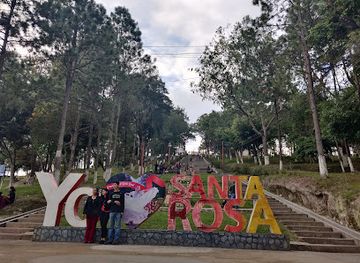
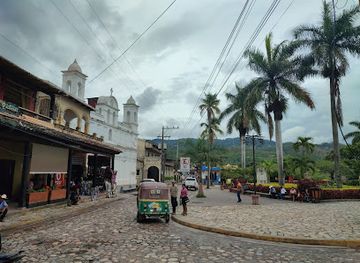
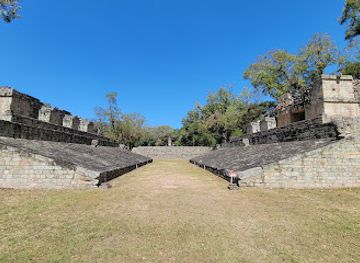
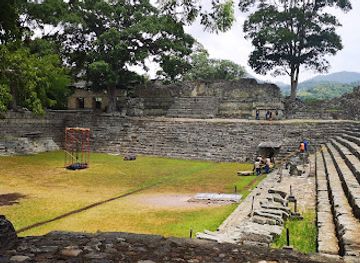
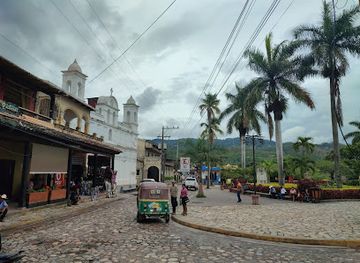
The defining landmark of the region is the monumental core of Copán, where the Great Plaza, ceremonial structures, sculpted stelae and the Hieroglyphic Stairway form one of the most eloquent surviving records of Maya royal history. The ball court and the sculptural imagery of the site are especially significant, while the Museum of Maya Sculpture provides a complementary architectural and artistic landmark through its reconstruction of Rosalila Temple. In Santa Rosa de Copán, the historic centre's tiled roofs, churches and civic buildings express the architectural character of a western Honduran highland city shaped by colonial and republican development. The Copán Valley itself is an important geographical landmark: fertile ground, rivers and wooded hills explain why a major Maya centre could develop there. El Puente's archaeological remains, set away from the principal tourist route, represent the region's wider pattern of settlement and help place royal Copán within a broader landscape of communities and exchange.
-
Historical place
Copán Ruins
Uncover the marvels of Copán Ruins, a UNESCO World Heritage site filled with majestic temples, ancient Mayan history, and breathtaking landscapes.
-
Historical place
Copan Ruins
Discover the ancient wonders of the Copan Ruins, a UNESCO World Heritage Site showcasing the artistic brilliance of the Maya civilization.
-
Monument
El Cerrito
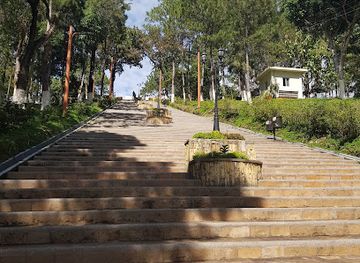
Discover panoramic views and a monument of faith at El Cerrito in Santa Rosa de Copán, a historical park offering a glimpse into the city's heart and heritage.
-
Park
Parque Central
Experience the heart of Copán Ruinas at Parque Central, a serene park rich in local culture and vibrant community life.
Explore Copán Region on the map
Plan your trip on one map. See where the top cities, national parks and sights are, and book hotels and experiences in a few clicks.
Best hotels in Copán Region
Best restaurants in Copán Region
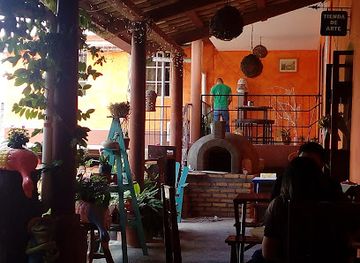
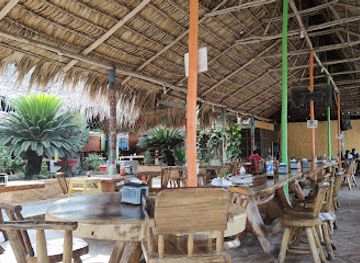
Dining in the Copán Region combines Honduran staples with the produce of a cooler western highland environment. In Copán Ruinas, cafés and restaurants cater to archaeological visitors while offering beans, rice, eggs, tortillas, grilled meats, soups and baleadas alongside international dishes. Santa Rosa de Copán has a broader local dining scene, including casual eateries, bakeries and restaurants serving regional Honduran cooking. Coffee is central to the area's agricultural identity, and visitors will find locally produced coffee in cafés and shops, although quality and preparation vary between establishments. Tobacco heritage is particularly associated with Santa Rosa de Copán, but it should not be confused with a distinct food tradition. Markets and small food stalls are useful for trying everyday snacks, fresh fruit and simple meals; hygiene, refrigeration and water practices can differ, so choose busy premises with good turnover. Vegetarian options are increasingly available in visitor-oriented towns, but rural menus may be less varied and may rely heavily on beans, cheese, eggs and plantains.
-
Honduran
Lenca-Maya Restaurant
Experience authentic Honduran cuisine at Lenca-Maya Restaurant in Santa Rosa de Copán – a culinary journey through traditional flavors.
-
Restaurant
Asados La Entrada
Experience authentic Honduran cuisine at Asados La Entrada with mouthwatering grilled specialties and a warm atmosphere.
-
Restaurant
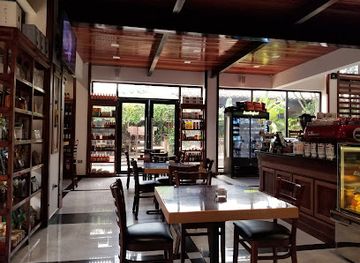
Café San Rafael
Discover culinary delights at Café San Rafael—Copán Ruinas' top spot for artisanal coffee and gourmet cuisine amidst rich culture.
-
Park
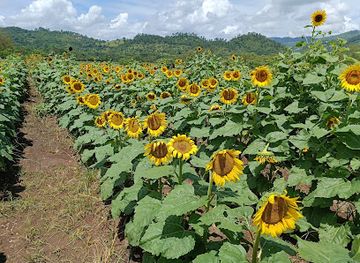
El Paseo de los Girasoles
Discover El Paseo de los Girasoles in Copán Ruinas - a beautiful park with coffee, dining, horseback riding, and unique souvenirs amidst stunning natural scenery.
Best bars in Copán Region
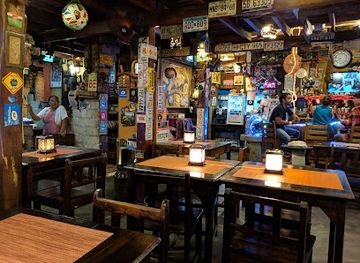
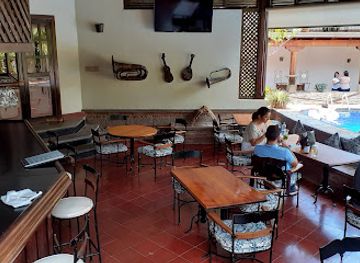
Evening life is concentrated in Copán Ruinas and Santa Rosa de Copán rather than spread throughout the countryside. Copán Ruinas has a selection of relaxed bars, cafés, restaurants and small venues where visitors can meet after visiting the archaeological park, with evenings generally oriented towards conversation, food and occasional live music rather than a large nightclub circuit. Santa Rosa de Copán has a more local urban rhythm, including traditional bars, restaurants and social venues used by residents. In smaller towns and rural communities, nightlife usually centres on family gatherings, modest bars or food establishments, and transport options become limited after dark. Some hotels and visitor businesses may offer seasonal music or cultural programming, but arrangements change, so confirm locally rather than relying on old listings. Responsible drinking, discreet behaviour and pre-arranged transport are sensible, especially when travelling on rural roads.
-
Restaurant
Café San Rafael
Experience the best of local flavors at Café San Rafael, where exceptional coffee and artisanal cheeses meet a cozy, inviting atmosphere in Copán Ruinas.
-
Tourist attraction
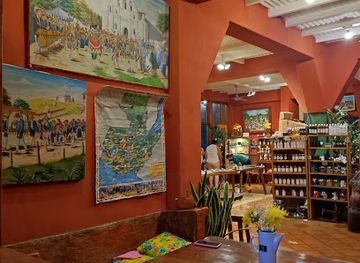
The Tea & Chocolate Place
Experience the rich flavors of Honduras at The Tea & Chocolate Place, a charming café in Copan Ruinas featuring local teas and artisanal chocolates.
-
Grill
Carnitas Nia Lola
Experience the authentic taste of Honduras at Carnitas Nia Lola in Copán Ruinas, where every meal is a celebration of local flavors.
-
Cafe
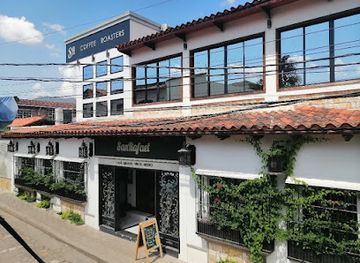
Café Welchez • Copán Ruinas
Discover the rich flavors of Honduras at Café Welchez in Copán Ruinas, where every cup of coffee tells a story of local heritage.
Best nightclubs in Copán Region
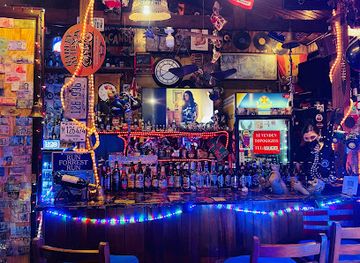
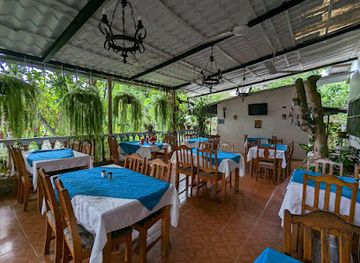
Evening life is concentrated in Copán Ruinas and Santa Rosa de Copán rather than spread throughout the countryside. Copán Ruinas has a selection of relaxed bars, cafés, restaurants and small venues where visitors can meet after visiting the archaeological park, with evenings generally oriented towards conversation, food and occasional live music rather than a large nightclub circuit. Santa Rosa de Copán has a more local urban rhythm, including traditional bars, restaurants and social venues used by residents. In smaller towns and rural communities, nightlife usually centres on family gatherings, modest bars or food establishments, and transport options become limited after dark. Some hotels and visitor businesses may offer seasonal music or cultural programming, but arrangements change, so confirm locally rather than relying on old listings. Responsible drinking, discreet behaviour and pre-arranged transport are sensible, especially when travelling on rural roads.
-
Grill
Carnitas Nia Lola
Experience authentic Honduran cuisine at Carnitas Nia Lola, where delicious flavors and a warm atmosphere await you in Copán Ruinas.
-
Restaurant
Sol de Copán
Experience the flavors of Honduras at Sol de Copán, a top restaurant in Copán Ruinas offering local cuisine and stunning views.
-
Restaurant
La Llama del Bosque
Experience the rich flavors of Honduras at La Llama del Bosque, a must-visit restaurant in the heart of Copán Ruinas.
-
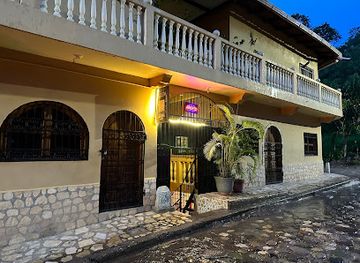
Disco club
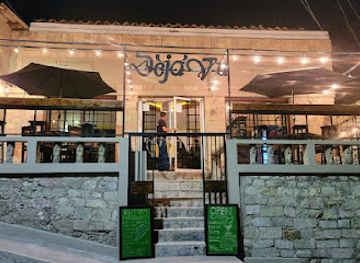
Déjà Vu
Experience the vibrant nightlife of Copán Ruinas at Déjà Vu, a lively disco club and restaurant offering a taste of local culture and music.
Best shops in Copán Region
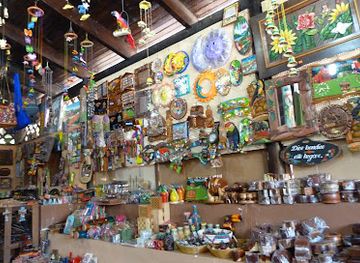
Shopping in Copán Ruinas is geared towards archaeology, local crafts and practical visitor goods, with small shops and market-style stalls offering textiles, carved items, ceramics, jewellery, paintings and souvenirs inspired by Maya motifs. Examine workmanship and ask about materials and provenance rather than assuming that every design is locally produced. Santa Rosa de Copán has a more everyday commercial character, with an urban high street, food shops, cafés and businesses connected to its long tobacco and agricultural history. Coffee from western Honduras is one of the most useful regional purchases, provided it is clearly labelled and suitably packaged for travel. Local sweets, baked goods and shelf-stable foods are also available, while produce markets provide a glimpse of ordinary shopping rather than a specialised souvenir experience. Retail choice becomes more limited outside the two main towns, so buy medicines, cash, chargers and other essentials before heading into rural areas.
-
Historical place
Copán Ruins
Explore the majestic Copán Ruins, a historical marvel of the Maya civilization, nestled in the scenic highlands of Honduras.
-
Restaurant
Café San Rafael
Experience the rich flavors of Copán Ruinas at Café San Rafael, where artisanal cheeses and freshly roasted coffee come together in a delightful culinary journey.
-
Tourist attraction
The Tea & Chocolate Place
Discover the perfect blend of rich flavors and cozy ambiance at The Tea & Chocolate Place in Copan Ruinas, a true tourist gem.
-
 Hotel
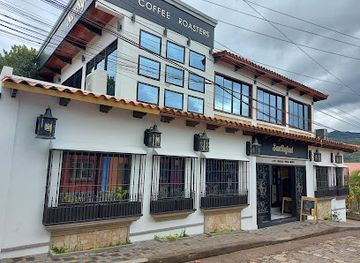
HotelHotel Marina Copán
Experience the charm and comfort of Hotel Marina Copán, your perfect base for exploring the magic of Copán Ruinas.
Get your free copy of our complete guide to Copán Region, delivered straight to you.
Everything on this page, from attractions and restaurants to essentials and local phrases, in one PDF you can read offline, print or share.
Already have an account? Sign in
Your Copán Region guide is ready.
We'll send it to · Not you? Sign out

Getting your guide ready…
We are putting together a fresh copy of the Copán Region guide. This can take up to a minute.
This can take a few moments. If your browser asks, choose Allow so the download can start. You'll find the guide in your Downloads folder.
Nothing happened? Download it again
Sorry, the guide is taking longer than usual. Please try again in a minute, or get it by email instead.
Copán Region essentials
Currency and Payment
Safety
Emergency Situations
Do's and Don'ts
Local Tips
From Eve
Local phrases worth knowing
You don't need to get them perfect. A few words go a long way, and locals appreciate the effort.
Basics
| English | Local | Say it |
|---|---|---|
| Hello | Hola | [Oh-lah] |
| Goodbye | Adiós | [Ah-dee-os] |
| Yes | Sí | [See] |
| No | No | [No] |
| Please/You're welcome | Por favor | [Por fah-vor] |
| Thank you | Gracias | [Gra-see-as] |
| Excuse me/Sorry | Perdón | [Per-don] |
| How are you? | ¿Cómo estás? | [Koh-moh es-tas] |
| Fine. And you? | Bien. ¿Y tú? | [Byen. Ee too] |
| Do you speak English? | ¿Hablas inglés? | [Ah-blas een-gles] |
| I don't understand | No entiendo | [No en-tee-en-do] |
Eating & Drinking
| English | Local | Say it |
|---|---|---|
| I'd like to see the menu, please | Quisiera ver el menú, por favor | [Kee-see-eh-rah ver el meh-noo, por fah-vor] |
| I don't eat meat | No como carne | [No koh-mo kar-neh] |
| Cheers! | ¡Salud! | [Sah-lud] |
| I would like to pay, please | Me gustaría pagar, por favor | [Me goo-stah-ree-ah pah-gar, por fah-vor] |
Emergencies
| English | Local | Say it |
|---|---|---|
| Help! | ¡Ayuda! | [Ah-yoo-dah] |
| Go away! | ¡Vete! | [Veh-teh] |
| Call the Police! | ¡Llama a la Policía! | [Yah-ma ah la Poh-lee-see-ah] |
| Call a doctor! | ¡Llama a un doctor! | [Yah-ma ah oon dok-tor] |
| I'm lost | Estoy perdido | [Es-toy per-dee-do] |
| I'm ill | Estoy enfermo | [Es-toy en-fer-mo] |
Shopping
| English | Local | Say it |
|---|---|---|
| I'd like to buy... | Quisiera comprar... | [Kee-see-eh-rah kom-prar] |
| I'm just looking | Solo estoy mirando | [So-lo es-toy mee-ran-do] |
| How much is it? | ¿Cuánto cuesta? | [Kwan-to kwes-ta] |
| That's too expensive | Eso es muy caro | [Eh-so es muy kah-ro] |
| Can you lower the price? | ¿Puedes bajar el precio? | [Pweh-des bah-har el preh-syo] |
Time & Numbers
| English | Local | Say it |
|---|---|---|
| What time is it? | ¿Qué hora es? | [Keh oh-ra es] |
| It's one o'clock | Es la una | [Es la oo-na] |
| Half past (10) | Y media | [Ee meh-dee-ah] |
| Morning | Mañana | [Man-yah-nah] |
| Afternoon | Tarde | [Tar-deh] |
| Evening | Noche | [No-che] |
| Yesterday | Ayer | [Ah-yer] |
| Today | Hoy | [Oy] |
| Tomorrow | Mañana | [Man-yah-nah] |
| 1 | Uno | [Oo-no] |
| 2 | Dos | [Dohs] |
| 3 | Tres | [Tres] |
| 4 | Cuatro | [Kwah-tro] |
| 5 | Cinco | [Seen-koh] |
| 6 | Seis | [Says] |
| 7 | Siete | [See-eh-teh] |
| 8 | Ocho | [Oh-cho] |
| 9 | Nueve | [Nweh-beh] |
| 10 | Diez | [Dyez] |
Transport & Directions
| English | Local | Say it |
|---|---|---|
| Where's a/the...? | ¿Dónde está...? | [Dohn-deh es-tah] |
| What's the address? | ¿Cuál es la dirección? | [Kwahl es la dee-rek-syon] |
| Can you show me (on the map)? | ¿Puedes mostrarme (en el mapa)? | [Pweh-des mos-trar-me (en el mah-pah)] |
| When's the next (bus)? | ¿Cuándo es el próximo (bus)? | [Kwan-do es el prok-see-mo (boos)] |
| A ticket (to....) | Un boleto (a....) | [Oon bo-leh-to (ah....)] |
History of Copán Region
Early Settlement and the Copán Valley
People occupied the Copán Valley long before the city became a major Maya centre. Archaeological evidence shows changing communities, farming practices and ceremonial activity in the wider valley before the formation of the Classic-period kingdom. The area's fertile soils, river system and position between the Maya lowlands and the highlands helped support a substantial settlement. Archaeological work at sites such as El Puente, in the La Jigua area, demonstrates that the region was connected to wider networks of trade and political influence rather than existing in isolation.
The Founding of the Maya Dynasty, c. 426
The formal history of the Copán dynasty is traditionally dated to AD 426, when K'inich Yax K'uk' Mo' established a new royal line. Inscriptions and later dynastic records present him as the founder of a kingdom that developed the ceremonial centre now known as Copán. The dynasty's origins appear to have involved connections with the wider Maya political world, including central lowland centres. Over subsequent centuries, rulers transformed the valley into a sophisticated centre of architecture, astronomy, sculpture, writing and courtly ceremony.
Classic Copán and the Age of Sculpture
During the Classic period, especially from the sixth to the eighth centuries, Copán became renowned for its plazas, temples, altars and finely carved monuments. The reign of K'ak' Tiliw Chan Yopaat, better known as 18 Rabbit, marked a particularly ambitious phase of artistic and architectural production, although it ended with his capture and sacrifice in AD 738. Later rulers continued major building and inscription programmes. The Hieroglyphic Stairway, begun in the seventh century and expanded under later kings, preserves an extensive dynastic record.
The Final Classic Rulers and Political Change
Copán remained active after the death of 18 Rabbit, but political circumstances changed across the Maya world. The last known ruler of the traditional Copán dynasty, Yax Pasaj Chan Yopaat, oversaw important construction, including the Temple of the Inscriptions, while the final known dynastic monument dates to the early ninth century. Monument building and royal authority then declined. The end of the dynasty was not a single moment of abandonment: ordinary residents continued to live in the valley, while the wider Classic Maya political system underwent profound transformation.
Spanish Colonial Settlement and Santa Rosa de Copán
Spanish colonial influence reshaped the region after the sixteenth-century conquest, bringing new political administration, Catholic institutions, landholding patterns and forms of agriculture. Santa Rosa de Copán developed as a highland settlement and later became an important commercial centre for western Honduras. Its historic streets, churches and civic architecture reflect the colonial and republican evolution of a town that connected rural producers with markets across the region. The city's later economy was strongly influenced by tobacco, commerce and agriculture.
Tobacco, Coffee and the Modern Highland Economy
From the nineteenth century onwards, tobacco cultivation and processing became closely associated with Santa Rosa de Copán, while coffee and other crops shaped the surrounding highlands. These industries encouraged trade, migration and the growth of local businesses, linking the department to Honduras's wider export economy. Coffee remains an important part of the region's contemporary identity, alongside cattle farming, commerce and tourism. Roads and visitor infrastructure have made Copán's archaeological heritage more accessible, although many communities still depend on agriculture and regional trade.
Archaeological Research and Heritage Conservation
Scientific study of Copán expanded during the nineteenth and twentieth centuries, when explorers, epigraphers and archaeologists began documenting its monuments and deciphering its inscriptions. Conservation has since focused on protecting carved stone, architecture, subterranean buildings and the surrounding landscape while presenting the site to visitors. The archaeological park and its sculpture museum are now central to Honduras's cultural heritage and international tourism. Research continues to refine understanding of Copán's rulers, population, environment and relationships with other Maya centres.
Copán Region in Photos
Browse through our photo collection highlighting the charm and character of the destination.
Neighbouring regions of Copán Region
The closest regions to Copán Region, if you have time for more than one.
-

-

-

-

-


Swipe for more regions
Explore more

Explore more of Honduras
Discover Honduras: From ancient Maya ruins and vibrant cities to stunning beaches and lush rainforests, this Central American gem offers something for every traveler.
Explore Honduras