

Free Sula Valley Travel Guide & Mobile App
Explore Sula Valley with free travel guides. Discover regional history, expert tips, proposed trips, and audio guides on web or mobile app.


Explore Sula Valley in Honduras for San Pedro Sula’s urban culture, Ulúa heritage, fertile lowlands and gateways to northern landscapes.
Read more about Sula Valley
When is the best time to visit Sula Valley?
Best: January–March · 29–31°C| Month | High (°C) | Rainfall (mm) |
|---|---|---|
| January (best) | 29 | 75 |
| February (best) | 29 | 70 |
| March (best) | 31 | 65 |
| April | 32 | 95 |
| May | 32 | 145 |
| June | 33 | 225 |
| July | 33 | 205 |
| August | 33 | 195 |
| September | 32 | 245 |
| October | 31 | 225 |
| November | 29 | 175 |
| December | 29 | 125 |
Getting to and around Sula Valley
How to get there
Transportation
Top city travel guides in Sula Valley
The cities of Sula Valley, and the easiest places to base yourself.
-

-


Swipe for more cities
Destinations in Sula Valley
Resorts, valleys and scenic spots worth a trip of their own.

Swipe for more destinations
Best attractions in Sula Valley
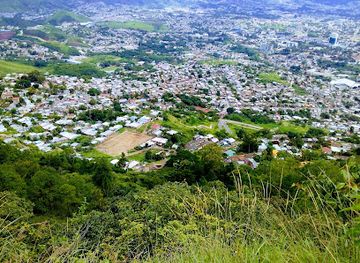
Sula Valley’s attractions reflect its position as both an urban centre and a broad agricultural basin. San Pedro Sula offers museums, galleries, markets, public squares and cultural venues, with collections that help explain the archaeology of the Ulúa region and the history of northern Honduras. Museum visits are especially valuable because many archaeological remains in the valley are modest, dispersed or not arranged as formal visitor sites. Around the city, the lower slopes of the Merendón range provide opportunities for birdwatching, guided walks and views across the plain, although access should be organised locally. El Progreso and La Lima reveal the valley’s banana, sugar and railway heritage through their streets, businesses and surrounding farmland. Rural excursions can include farms, waterways and community-based experiences, but conditions and access vary. The valley is also a practical base for journeys to famous destinations elsewhere in northern Honduras, including the Caribbean coast and Copán, though those places are outside Sula Valley and require separate travel planning.
-
Park
San Pedro Sula Central Park
Explore the lush landscapes and vibrant culture at San Pedro Sula Central Park, the city's premier green space and tourist attraction.
-
Road cycling
Rotulo Coca-cola
Explore the scenic trails of Cordillera Del El Merendon, a cyclist's haven near San Pedro Sula, offering breathtaking views and a vibrant biking community.
-
Stadium
General Francisco Morazán Stadium
Discover the vibrant atmosphere of General Francisco Morazán Stadium in San Pedro Sula, a true hub of sports and culture in Honduras.
-
Catholic church
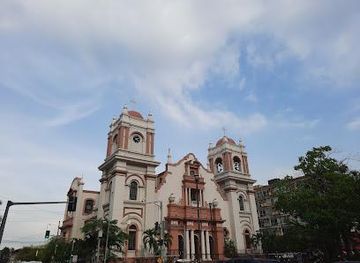
St. Peter the Apostle Metropolitan Cathedral Cathedral, San Pedro Sula
Explore the stunning St. Peter the Apostle Metropolitan Cathedral in San Pedro Sula, a must-see destination blending history, architecture, and spirituality.


Best landmarks in Sula Valley
The most recognisable landmark in Sula Valley is the urban presence of San Pedro Sula itself, whose central streets, civic buildings, churches and commercial districts express the city’s transformation from a small settlement into Honduras’s industrial capital. The city’s archaeological and cultural institutions are significant landmarks of interpretation, preserving evidence from the Ulúa basin and giving context to artefacts that are rarely visible in the open landscape. Beyond the urban core, the Merendón foothills form a powerful natural backdrop and mark the western edge of the broad valley floor. The Ulúa and Chamelecón river systems are geographical landmarks as well as working environmental features, shaping settlement, agriculture and flood risk. In La Lima, El Progreso and nearby agricultural districts, railway-era alignments, plantation landscapes and industrial infrastructure recall the banana economy that reorganised northern Honduras. These places are less monumental than a colonial cathedral or Maya ceremonial centre, but together they define the valley’s historical identity as a riverine, agricultural and industrial corridor.
-
National park
Parque El Picacho
Explore the lush landscapes and breathtaking views of Parque El Picacho, a national park that offers tranquility and adventure in Tegucigalpa.
-
Tourist attraction
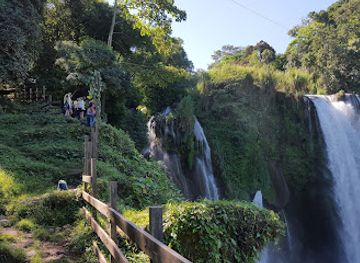
Cataratas Pulhapanzak
Discover the captivating beauty of Cataratas Pulhapanzak, a stunning waterfall destination in Honduras offering adventure, relaxation, and breathtaking views.
-
International airport
AEROPUERTO INTERNACIONAL RAMÓN VILLEDA MORALES, SAN PEDRO SULA
Experience the vibrant culture and stunning landscapes of Honduras through Ramón Villeda Morales International Airport, your gateway to adventure.
-
Tourist attraction
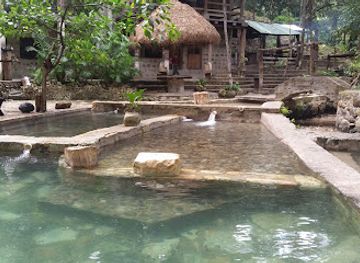
Aguas Termales Presidente
Experience tranquility and rejuvenation at Aguas Termales Presidente, a stunning thermal spring oasis in Lempira, Honduras.
Explore Sula Valley on the map
Plan your trip on one map. See where the top cities, national parks and sights are, and book hotels and experiences in a few clicks.
Best hotels in Sula Valley
Best restaurants in Sula Valley
Dining in Sula Valley is centred on San Pedro Sula, where family restaurants, cafés, food courts and contemporary venues sit alongside informal eateries and market food stalls. The regional table combines Honduran staples such as baleadas, tamales, grilled meats, rice and beans, fried plantain and soups with ingredients from the fertile lowlands and nearby Caribbean coast. Fresh fruit, juices and chilled drinks are widely available in the hot climate, while seafood is more prominent in northern coastal communities than inland. El Progreso, La Lima and smaller towns offer straightforward local meals, roadside grills and bakeries rather than a concentrated fine-dining scene. Visitors should look for regional produce, seasonal fruit and dishes prepared in a Caribbean-influenced northern style, while remembering that many foods associated with Honduras are national rather than exclusive to Sula Valley. Markets are useful for observing everyday food culture, but choose busy stalls with good turnover and sensible food-handling practices.
-
Restaurant
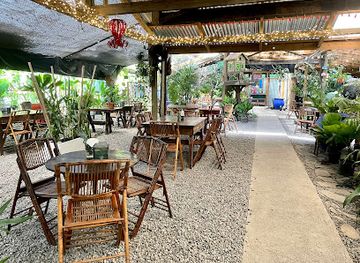
Angeli Gardens
Discover the perfect blend of nature and cuisine at Angeli Gardens in San Pedro Sula - a must-visit culinary destination.
-
Restaurant
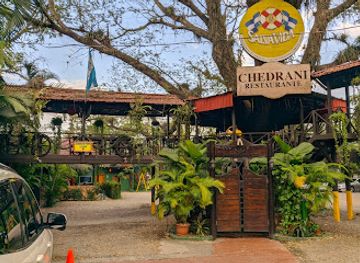
Chedrani Restaurant
Discover the rich flavors of Honduras at Chedrani Restaurant in San Pedro Sula, where every dish tells a story.
-
Restaurant
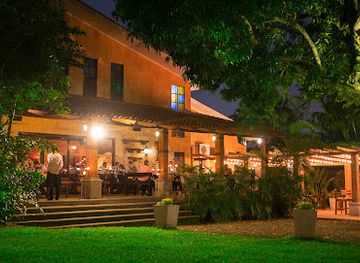
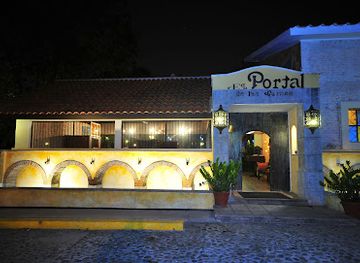
El Portal de Las Carnes
Experience the finest grilled meats at El Portal de Las Carnes, where traditional Honduran cuisine meets an upscale dining atmosphere.
-
Espresso bar
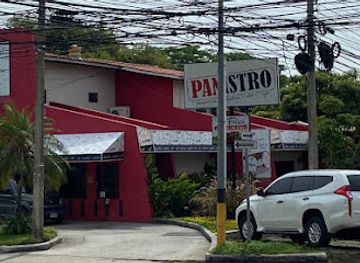
Panistro • Los Andes
Discover Panistro • Los Andes: A delightful espresso bar offering delicious breakfasts and exceptional coffee in the heart of San Pedro Sula.
Best bars in Sula Valley
San Pedro Sula has the valley’s broadest evening scene, including restaurants with late service, traditional bars, lounges, breweries, live-music venues and nightclubs concentrated in established commercial and entertainment areas. The atmosphere ranges from casual gatherings over food and drinks to contemporary venues with DJs, but opening arrangements and individual businesses can change, so current local advice is important. In El Progreso, La Lima and smaller communities, nightlife is generally more low-key and centred on neighbourhood bars, cafés, restaurants, sports broadcasts and occasional live music rather than a large club circuit. Historic-style bars and informal eateries may offer a more relaxed evening than the city’s commercial districts. Use pre-arranged or trusted transport after dark, avoid carrying unnecessary valuables and remember that the valley’s cultural life is not limited to alcohol: cinemas, restaurants, music, community events and family gatherings are also important parts of the evening economy.
-
Restaurant
Angeli Gardens
Experience the perfect blend of nature and cuisine at Angeli Gardens, a serene restaurant in San Pedro Sula offering exquisite flavors in a stunning garden.
-
Restaurant
El Portal de Las Carnes
Experience the rich flavors of Honduras at El Portal de Las Carnes, San Pedro Sula's premier destination for grilled meats and vibrant dining.
-
Restaurant
Restaurante La Estancia Parrillada Uruguaya
Experience the best of Uruguayan cuisine at Restaurante La Estancia Parrillada Uruguaya in San Pedro Sula, offering delightful grilled specialties and vibrant local flavors.
-
Cafe
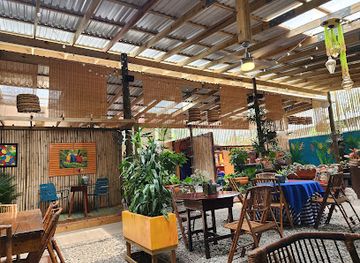
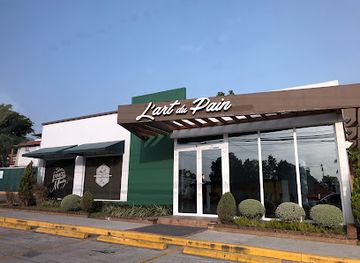
L'art Du Pain
Experience the rich flavors of artisanal breads and delightful pastries in the heart of San Pedro Sula at L'art Du Pain.
Best nightclubs in Sula Valley
San Pedro Sula has the valley’s broadest evening scene, including restaurants with late service, traditional bars, lounges, breweries, live-music venues and nightclubs concentrated in established commercial and entertainment areas. The atmosphere ranges from casual gatherings over food and drinks to contemporary venues with DJs, but opening arrangements and individual businesses can change, so current local advice is important. In El Progreso, La Lima and smaller communities, nightlife is generally more low-key and centred on neighbourhood bars, cafés, restaurants, sports broadcasts and occasional live music rather than a large club circuit. Historic-style bars and informal eateries may offer a more relaxed evening than the city’s commercial districts. Use pre-arranged or trusted transport after dark, avoid carrying unnecessary valuables and remember that the valley’s cultural life is not limited to alcohol: cinemas, restaurants, music, community events and family gatherings are also important parts of the evening economy.
-
Bar
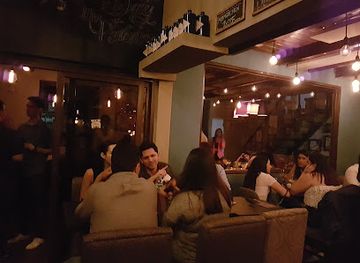
La Musa Gastropub
Discover La Musa Gastropub in San Pedro Sula - a vibrant bar and dining experience offering local and international flavors in a lively atmosphere.
-
Disco club
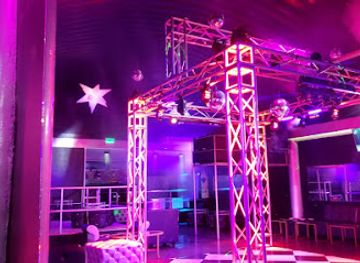
Beyond Club (FREEDOM LOUNGE SPS)
Unleash the night at Beyond Club, San Pedro Sula's hottest disco, where great music and good vibes meet.
-
Bar
Imagine Show & Disco HN
Experience the electrifying nightlife at Imagine Show & Disco HN, where vibrant music and lively dancing await in San Pedro Sula.
-
Bar
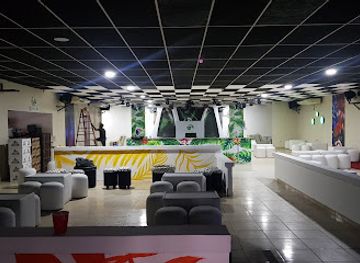
CARIBE DISCO
Discover the electrifying atmosphere of Caribe Disco, San Pedro Sula's ultimate nightlife destination for dancing and unforgettable memories.

Best shops in Sula Valley
Shopping in Sula Valley is concentrated in San Pedro Sula, where modern commercial centres and supermarkets stand alongside traditional markets, independent shops, bookshops, pharmacies and small specialist retailers. Markets are useful for fresh fruit, household goods, clothing and everyday Honduran products, while larger retail areas provide familiar international brands and practical supplies. El Progreso and La Lima have more locally scaled high streets and market districts, with shopping shaped by the needs of agricultural and manufacturing communities. Good regional purchases include coffee from Honduras’s wider growing areas, cacao and chocolate products, woven goods, leatherwork, handmade accessories, pottery and packaged foods, although not every item will have been produced in Sula Valley itself. Visitors should distinguish locally made crafts from mass-produced souvenirs and ask sellers about origin. Bargaining is not universal, so confirm prices politely rather than assuming that negotiation is expected.
-
Shopping mall
Jetstereo MegaMall San Pedro Sula
Explore Jetstereo MegaMall San Pedro Sula for an unforgettable shopping experience filled with electronics, local culture, and culinary delights.
-
Shopping mall
Mall Galerías del Valle
Discover Mall Galerías del Valle: San Pedro Sula's ultimate shopping destination with diverse shops, dining, and entertainment options for all ages.
-
Shopping mall
Multiplaza San Pedro Sula
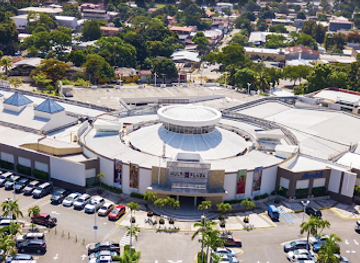
Discover shopping, dining, and entertainment at Multiplaza San Pedro Sula, the ultimate retail destination in Honduras.
-
Shopping mall
CityMall San Pedro Sula
Explore a vibrant shopping experience at CityMall San Pedro Sula, featuring diverse brands, delicious dining, and lively entertainment options.


Get your free copy of our complete guide to Sula Valley, delivered straight to you.
Everything on this page, from attractions and restaurants to essentials and local phrases, in one PDF you can read offline, print or share.
Already have an account? Sign in
Your Sula Valley guide is ready.
We'll send it to · Not you? Sign out

Getting your guide ready…
We are putting together a fresh copy of the Sula Valley guide. This can take up to a minute.
This can take a few moments. If your browser asks, choose Allow so the download can start. You'll find the guide in your Downloads folder.
Nothing happened? Download it again
Sorry, the guide is taking longer than usual. Please try again in a minute, or get it by email instead.
Sula Valley essentials
Currency and Payment
Safety
Emergency Situations
Do's and Don'ts
Local Tips
From Eve
Local phrases worth knowing
You don't need to get them perfect. A few words go a long way, and locals appreciate the effort.
Basics
| English | Local | Say it |
|---|---|---|
| Hello | Hola | [Oh-lah] |
| Goodbye | Adiós | [Ah-dee-ohs] |
| Yes | Sí | [See] |
| No | No | [No] |
| Please/You're welcome | Por favor/De nada | [Por fah-vor/Deh nah-dah] |
| Thank you | Gracias | [Grah-see-as] |
| Excuse me/Sorry | Perdón | [Per-dohn] |
| How are you? | ¿Cómo estás? | [Koh-moh es-tahs] |
| Fine. And you? | Bien. ¿Y tú? | [Bee-en. Ee too] |
| Do you speak English? | ¿Hablas inglés? | [Ah-blahs een-glays] |
| I don't understand | No entiendo | [No en-tee-en-doh] |
Eating & Drinking
| English | Local | Say it |
|---|---|---|
| I'd like to see the menu, please | Me gustaría ver el menú, por favor | [Meh goos-tah-ree-ah vehr el meh-noo, por fah-vor] |
| I don't eat meat | No como carne | [No koh-mo kar-neh] |
| Cheers! | ¡Salud! | [Sah-lud] |
| I would like to pay, please | Me gustaría pagar, por favor | [Meh goos-tah-ree-ah pah-gar, por fah-vor] |
Emergencies
| English | Local | Say it |
|---|---|---|
| Help! | ¡Ayuda! | [Ah-yoo-dah] |
| Go away! | ¡Vete! | [Veh-teh] |
| Call the Police! | ¡Llama a la policía! | [Yah-mah ah lah poh-lee-see-ah] |
| Call a doctor! | ¡Llama a un médico! | [Yah-mah ah oon meh-dee-koh] |
| I'm lost | Estoy perdido | [Es-toy pair-dee-doh] |
| I'm ill | Estoy enfermo/a | [Es-toy en-fair-moh/ah] |
Shopping
| English | Local | Say it |
|---|---|---|
| I'd like to buy... | Me gustaría comprar... | [Meh goos-tah-ree-ah kom-prar] |
| I'm just looking | Solo estoy mirando | [So-lo es-toy mee-ran-do] |
| How much is it? | ¿Cuánto cuesta? | [Kwan-toh kwes-tah] |
| That's too expensive | Eso es muy caro | [Eh-so es mwee kah-roh] |
| Can you lower the price? | ¿Puedes bajar el precio? | [Pweh-des bah-har el preh-syo] |
Time & Numbers
| English | Local | Say it |
|---|---|---|
| What time is it? | ¿Qué hora es? | [Ke oh-rah es] |
| It's one o'clock | Es la una | [Es lah oo-nah] |
| Half past (10) | Y media (10) | [Ee meh-dee-ah (diez)] |
| Morning | Mañana | [Mah-nyah-nah] |
| Afternoon | Tarde | [Tar-deh] |
| Evening | Noche | [Noh-cheh] |
| Yesterday | Ayer | [Ah-yer] |
| Today | Hoy | [Oy] |
| Tomorrow | Mañana | [Mah-nyah-nah] |
| 1 | Uno | [Oo-noh] |
| 2 | Dos | [Dohs] |
| 3 | Tres | [Tres] |
| 4 | Cuatro | [Kwah-troh] |
| 5 | Cinco | [Seen-koh] |
| 6 | Seis | [Says] |
| 7 | Siete | [Syay-teh] |
| 8 | Ocho | [Oh-choh] |
| 9 | Nueve | [Nweh-veh] |
| 10 | Diez | [Dyehs] |
Transport & Directions
| English | Local | Say it |
|---|---|---|
| Where's a/the...? | ¿Dónde está un/una...? | [Don-deh es-tah oon/oo-nah] |
| What's the address? | ¿Cuál es la dirección? | [Kwahl es lah dee-rek-syohn] |
| Can you show me (on the map)? | ¿Me puedes mostrar (en el mapa)? | [Meh pweh-des mos-trar (en el mah-pah)] |
| When's the next (bus)? | ¿Cuándo es el próximo (bus)? | [Kwan-doh es el prohk-see-mo (boos)] |
| A ticket (to ....) | Un boleto (a ....) | [Oon bo-leh-toh (ah ....)] |
History of Sula Valley
Pre-Hispanic Communities of the Ulúa Basin
Long before Spanish arrival, communities occupied the fertile river plains and foothills of what is now Sula Valley. Agriculture, fishing and exchange were supported by the Ulúa and Chamelecón waterways, which connected the Caribbean lowlands with interior Honduras and neighbouring cultural regions. Settlements varied in size and political importance, and their material culture included finely decorated ceramics, stone tools and carved objects. The valley was not simply a passage between better-known centres: it was a productive region with its own artistic traditions and trading relationships.
Ulúa Ceramics and Regional Exchange
From the later first millennium BCE into the centuries before European conquest, pottery traditions developed around the Ulúa basin and became one of the region’s most recognisable archaeological legacies. Ulúa-style vessels often feature complex geometric, animal and human imagery, demonstrating skilled craftsmanship and long-distance cultural connections. Their distribution indicates that communities in the valley participated in networks reaching towards the Maya area, the Caribbean coast and the Honduran interior. Museum collections in San Pedro Sula preserve important examples, although much of the archaeological landscape remains less developed for tourism than Copán.
Spanish Conquest and Colonial Reorganisation
Spanish expansion into northern Honduras during the sixteenth century disrupted existing political and economic systems and redirected settlement towards colonial administration, landholding and Christian institutions. The river valleys and coastal approaches were strategically important, but disease, conflict and forced labour severely affected Indigenous communities. Colonial control was uneven in the broader northern lowlands, and the region did not develop the same concentration of monumental colonial architecture found in some inland Honduran towns. Nevertheless, the conquest established the political and property structures that later influenced agriculture, transport and urban growth.
Agriculture and the Growth of San Pedro Sula
San Pedro Sula developed from a relatively modest settlement into the main commercial centre of northern Honduras as agriculture and regional trade expanded during the nineteenth and early twentieth centuries. The valley’s fertile soils supported cattle, sugar, bananas and other crops, while its position between the interior and Caribbean ports encouraged merchants, warehouses and transport services. Population growth transformed the city into a gateway for the northern lowlands. Its economic importance has remained closely tied to the surrounding agricultural plain rather than to urban activity alone.
Railways, Bananas and Foreign Investment
The creation of railway links and the expansion of banana cultivation profoundly altered Sula Valley in the late nineteenth and early twentieth centuries. Railways connected plantations, processing areas and commercial centres with Caribbean ports, while foreign companies became influential in land use, labour organisation and infrastructure. La Lima and other communities grew within this plantation economy, and the valley became one of Honduras’s most important export-producing areas. The legacy is visible in settlement patterns, industrial landscapes and the region’s continuing role in national logistics and agribusiness.
Industrialisation and Urban Expansion
During the twentieth century, San Pedro Sula became Honduras’s leading industrial and manufacturing centre. Textiles, food processing, beverages, chemicals, metalworking and other industries joined the older agricultural economy, attracting migrants from across the country. Suburban expansion spread beyond the historic urban core into a broad metropolitan area, while nearby towns became increasingly linked through roads, factories and distribution networks. This growth brought employment and infrastructure but also produced congestion, uneven development and pressure on river systems, farmland and foothill environments.
Floods, Hurricanes and Regional Resilience
Sula Valley’s low-lying terrain and extensive river network make it particularly exposed to flooding. Hurricane Fifi in 1974 caused catastrophic destruction in northern Honduras, and Hurricane Mitch in 1998 again devastated communities, roads, agriculture and infrastructure across the valley. Later storms, including Eta and Iota in 2020, demonstrated the continuing vulnerability of settlements and transport routes. These events have shaped planning, emergency management and public discussion about deforestation, drainage, river management and climate resilience while reinforcing the importance of the valley to national recovery efforts.
Sula Valley in Photos
Browse through our photo collection highlighting the charm and character of the destination.
Neighbouring regions of Sula Valley
The closest regions to Sula Valley, if you have time for more than one.
-

-

-

-

-


Swipe for more regions
Explore more

Explore more of Honduras
Discover Honduras: From ancient Maya ruins and vibrant cities to stunning beaches and lush rainforests, this Central American gem offers something for every traveler.
Explore Honduras