

Tokaj Wine Region Travel Guide - Free Web & App
Your ultimate guide to Tokaj Wine Region. Discover top landmarks, proposed trips, and local tips. Free on the web or via the Evendo companion app.


Tokaj Wine Region in Hungary offers UNESCO landscapes, historic cellars, Tokaji Aszú, vineyard walks and riverside culture around Tokaj and Mád.
Vineyards Between Two Rivers
Tokaj Wine Region occupies a landscape of volcanic hills, steep vineyards, orchards, flood meadows and woodland in north-eastern Hungary, where the Tisza and Bodrog rivers meet around the town of Tokaj. The recognised wine region extends across 27 settlements, with Tokaj, Tarcal, Mád, Tállya, Bodrogkeresztúr and Sárospatak among the most useful bases for exploring its wine culture and rural scenery. Its slopes face a range of aspects and possess varied volcanic soils, while autumn mists rising from the rivers help create conditions associated with noble rot, the natural process central to the region’s renowned sweet wines.Read more about Tokaj Wine Region
Wine Heritage and Rural Character
Beyond the Cellar Door
When is the best time to visit Tokaj Wine Region?
Best: June–August · 24–27°C| Month | High (°C) | Rainfall (mm) |
|---|---|---|
| January | 2 | 30 |
| February | 4 | 29 |
| March | 8 | 28 |
| April | 14 | 26 |
| May | 20 | 24 |
| June (best) | 24 | 21 |
| July (best) | 27 | 19 |
| August (best) | 26 | 20 |
| September | 20 | 22 |
| October | 15 | 24 |
| November | 9 | 26 |
| December | 4 | 29 |
Getting to and around Tokaj Wine Region
How to get there
Transportation
Best attractions in Tokaj Wine Region
Tokaj town provides the region’s clearest introduction, with historic streets, wine cellars and the riverside setting at the meeting of the Tisza and Bodrog. From here, the climb or drive towards Kopasz-hegy offers broad views over vineyards, floodplain and watercourses, subject to local access conditions. Mád is a rewarding stop for cellar visits, carefully preserved village character and the Mád Synagogue, while Tarcal combines wine estates with views across the southern slopes. Tállya and Bodrogkeresztúr are smaller but important wine settlements, each associated with long-established cellar traditions. Sárospatak adds a major cultural attraction through Rákóczi Castle and the historic Reformed College. Across the region, the most distinctive experiences often lie in the relationship between working vineyards, volcanic hills, underground cellars and the mist-prone river landscape rather than in a single landmark.
-
Nature preserve
Tarn of Megyer-hegy
Explore the breathtaking Tarn of Megyer-hegy, a serene nature preserve in Sárospatak, perfect for relaxation, hiking, and wildlife observation.
-
Tourist attraction
Tokaj Museum
Discover the captivating history and culture of Tokaj at the Tokaj Museum, where wine heritage and local traditions come to life.
-
Tourist attraction
Világörökségi Bormúzeum
Explore the World Heritage Wine Museum in Tokaj, where history, culture, and exceptional wines come together in a captivating experience.
-
Winery
Götz Pincészet Gombos-hegyi Pincesor
Experience the best of Hungarian wines at Götz Pincészet in Hercegkút, a serene winery with breathtaking vineyard views and delightful tastings.


Best landmarks in Tokaj Wine Region
The defining landmark of Tokaj Wine Region is its cultural landscape: volcanic vineyard slopes, historic villages, cellar networks and the floodplains of the Bodrog and Tisza considered together. Kopasz-hegy above Tokaj is the region’s most recognisable natural high point, rising prominently beside the town and opening views across the surrounding plain. The confluence of the two rivers gives Tokaj its distinctive geographical setting, while the hills around Mád, Tarcal and Tállya preserve the visual structure of long-established wine country. Historic cellar entrances and underground passages are important cultural features, often cut into local volcanic rock. In Sárospatak, Rákóczi Castle is the principal architectural landmark, and Mád Synagogue reflects the Jewish heritage of a major historic wine settlement. The UNESCO designation applies to the landscape and its linked heritage rather than to one isolated monument.
-
Fortress
Boldogkő Castle
Explore the enchanting Boldogkő Castle, a stunning medieval fortress in Hungary, offering breathtaking views and a glimpse into the region's rich history.
-
Tourist attraction
Tarcali Bányató
Experience the tranquil beauty of Tarcali Bányató, a hidden gem in Hungary's scenic Tarcal, perfect for relaxation and exploration.
-
Winery
Hímesudvar winery
Explore the exquisite wines and breathtaking vineyards at Hímesudvar Winery, a must-visit destination in Tokaj, Hungary.
-
Museum
Tokaj Museum
Explore the Tokaj Museum - Dive into the heart of Tokaj's cultural and historical heritage, where wine and history intertwine.


Explore Tokaj Wine Region on the map
Plan your trip on one map. See where the top attractions, landmarks, restaurants and hotels are, and book hotels and experiences in a few clicks.
Best hotels in Tokaj Wine Region
Best restaurants in Tokaj Wine Region
Food in Tokaj Wine Region is closely connected with north-eastern Hungarian cooking and the practical hospitality of wine villages. Menus commonly draw on paprika-seasoned stews, soups, freshwater fish, locally sourced pork, poultry, seasonal vegetables and pastries, with wines such as Furmint, Hárslevelű and Tokaji Aszú used for pairing or dessert. Dining options are concentrated in Tokaj, Sárospatak and the larger wine villages, where restaurants, cafés, guesthouses and cellar hosts provide more choice than isolated vineyard areas. Some wineries offer food alongside tastings, but arrangements differ and should be confirmed in advance. Farm shops and local producers may provide honey, preserves, fruit, sausages and other regional goods, while the area’s riverine landscape gives local cuisine a different character from that of Hungary’s major urban centres.
-
Restaurant
Bonchidai Étterem
Experience authentic Hungarian cuisine at Bonchidai Étterem in Tokaj – where local flavors meet exquisite wines.
-
Restaurant
Horgony Étterem
Discover authentic Hungarian cuisine and exquisite local wines at Horgony Étterem in beautiful Tokaj.
-
Restaurant
Terülj-Terülj asztalkám
Discover authentic Hungarian flavors at Terülj-Terülj asztalkám in Tokaj - where tradition meets taste in every dish.
-
Corporate campus
Erzsébet Pince Bt
Discover Erzsébet Pince Bt in Tokaj – where fine wines meet exceptional local cuisine amidst breathtaking vineyard views.


Best bars in Tokaj Wine Region
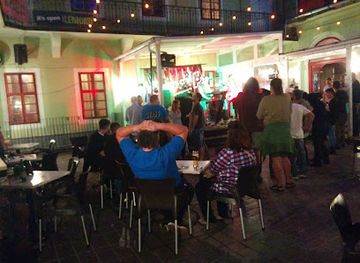
Evening life in Tokaj Wine Region is centred on cellar tastings, village restaurants, hotel bars and traditional pubs rather than nightclubs or a large bar district. Tokaj town has the broadest concentration of places for a relaxed drink, while Mád, Tarcal, Tállya and other wine villages offer quieter evenings associated with scheduled tastings and local hospitality. In smaller settlements, venues may close early or operate chiefly around meals and pre-arranged wine visits, so late-night entertainment should not be assumed. Seasonal harvest celebrations and wine festivals can bring music and public gatherings, but programmes vary from year to year. Sárospatak, outside the core wine-town experience but within the wider region, provides a somewhat broader evening choice through its larger population and cultural activity.
-
Food court
Gólyafészek Étterem és pizzéria
Discover the flavors of Hungary at Gólyafészek Étterem és Pizzéria, a delightful restaurant in Tokaj serving authentic dishes and delicious pizzas.
-
Corporate campus
Erzsébet Pince Bt
Experience the enchanting blend of specialty coffee and exquisite wines at Erzsébet Pince in Tokaj's picturesque wine region.
-
Restaurant
LaBor Bistro & boutique hotel
Experience the charm of Tokaj at LaBor Bistro & Boutique Hotel, where modern European cuisine meets cozy accommodations in a picturesque setting.
-
Winery
Hímesudvar winery
Experience the rich heritage of Hungarian winemaking at Hímesudvar Winery in the stunning Tokaj region, where every sip tells a story.


Best nightclubs in Tokaj Wine Region
Evening life in Tokaj Wine Region is centred on cellar tastings, village restaurants, hotel bars and traditional pubs rather than nightclubs or a large bar district. Tokaj town has the broadest concentration of places for a relaxed drink, while Mád, Tarcal, Tállya and other wine villages offer quieter evenings associated with scheduled tastings and local hospitality. In smaller settlements, venues may close early or operate chiefly around meals and pre-arranged wine visits, so late-night entertainment should not be assumed. Seasonal harvest celebrations and wine festivals can bring music and public gatherings, but programmes vary from year to year. Sárospatak, outside the core wine-town experience but within the wider region, provides a somewhat broader evening choice through its larger population and cultural activity.
-
Restaurant
LaBor Bistro & boutique hotel
Discover the perfect blend of modern European cuisine and cozy accommodations at LaBor Bistro & Boutique Hotel in the heart of Tokaj.
-
Winery
Hímesudvar winery
Experience the rich heritage of Tokaji winemaking at Hímesudvar Winery, where every sip tells a story of tradition and passion.
-
Night club
Bíboros
Experience the vibrant nightlife at Bíboros, Eger's premier night club, where music, dance, and fun collide in an unforgettable atmosphere.
-
Wine bar
Antalóczy Borterasz
Discover the essence of Tokaj at Antalóczy Borterasz, a charming wine bar offering exquisite local wines and a cozy atmosphere.



Best shops in Tokaj Wine Region
Shopping is modest and locally focused, with the strongest choice in Tokaj, Sárospatak and the larger wine villages. The principal purchase is wine, including dry Furmint and Hárslevelű as well as sweet Tokaji Aszú, bought directly from wineries, cellar hosts or specialist local retailers. Visitors may also find regional honey, jams, fruit products, spirits, paprika-based foods and other produce from small farms and village businesses. Craft and souvenir options are more limited than in Budapest, although local art, ceramics and food products can appear in independent shops or seasonal events. Ask producers about transport and storage when buying bottles, particularly in warm weather. The character of shopping lies in meeting growers and cellar hosts rather than browsing a concentrated commercial district, and opening arrangements vary between small settlements.
-
Corporate campus
Erzsébet Pince Bt
Experience the essence of Tokaj's wine culture at Erzsébet Pince Bt, where every sip tells a story in Hungary's picturesque wine region.
-
Winery
Hímesudvar winery
Explore the enchanting Hímesudvar Winery in Tokaj, where rich traditions of Hungarian winemaking come to life amid breathtaking vineyard views.
-
Wine store
Rákóczi Pince
Experience the rich heritage of Tokaji wines at Rákóczi Pince, where tradition meets taste in the heart of Tokaj.
-
Winery
Benkő Cellar
Explore the heart of Hungary's wine country at Benkő Cellar, where tradition meets exceptional Tokaji wines in a picturesque setting.


Get your free copy of our complete guide to Tokaj Wine Region, delivered straight to you.
Everything on this page, from attractions and restaurants to essentials and local phrases, in one PDF you can read offline, print or share.
Already have an account? Sign in
Your Tokaj Wine Region guide is ready.
We'll send it to · Not you? Sign out

Getting your guide ready…
We are putting together a fresh copy of the Tokaj Wine Region guide. This can take up to a minute.
This can take a few moments. If your browser asks, choose Allow so the download can start. You'll find the guide in your Downloads folder.
Nothing happened? Download it again
Sorry, the guide is taking longer than usual. Please try again in a minute, or get it by email instead.
Tokaj Wine Region essentials
Currency and Payment
Safety
Emergency Situations
Do's and Don'ts
Local Tips
From Eve
Local phrases worth knowing
You don't need to get them perfect. A few words go a long way, and locals appreciate the effort.
Basics
| English | Local | Say it |
|---|---|---|
| Hello | Helló | [heh-loh] |
| Goodbye | Viszontlátásra | [vee-zont-la-tash-ra] |
| Yes | Igen | [ee-gen] |
| No | Nem | [nem] |
| Please/You're welcome | Kérem | [keh-rem] |
| Thank you | Köszönöm | [koh-zoh-nom] |
| Excuse me/Sorry | Elnézést | [el-nay-zesht] |
| How are you? | Hogy vagy? | [hoj vahdj] |
| Fine. And you? | Jól vagyok. És te? | [yol vahdj-ohk. eysh teh] |
| Do you speak English? | Beszélsz angolul? | [bes-ales ahn-goh-lool] |
| I don't understand | Nem értem | [nem ayr-tem] |
Eating & Drinking
| English | Local | Say it |
|---|---|---|
| I'd like to see the menu, please | Szeretnék látni az étlapot, kérem | [seh-reht-nayk laht-nee az eht-lah-pot, keh-rem] |
| I don't eat meat | Nem eszem húst | [nem es-em hoo-st] |
| Cheers! | Egészségedre! | [eh-gesh-shay-geh-dreh] |
| I would like to pay, please | Fizetnék, kérem | [fee-zeht-nayk, keh-rem] |
Emergencies
| English | Local | Say it |
|---|---|---|
| Help! | Segítség! | [she-gheet-sayg] |
| Go away! | Menj el! | [men-y el] |
| Call the Police! | Hívja a rendőrséget! | [hee-vey ah ren-dur-say-get] |
| Call a doctor! | Hívjon egy orvost! | [hee-vyon edj or-vosht] |
| I'm lost | Elvesztem | [el-veh-stem] |
| I'm ill | Rokonom vagyok | [roh-koh-nom vahdj-ohk] |
Shopping
| English | Local | Say it |
|---|---|---|
| I'd like to buy... | Szeretnék vásárolni... | [seh-reht-nayk vah-shah-rohl-nee] |
| I'm just looking | Csak nézelődöm | [chahk nay-zeh-loh-dohm] |
| How much is it? | Mennyibe kerül? | [men-yee-beh keh-rool] |
| That's too expensive | Ez túl drága | [ez tool draa-gah] |
| Can you lower the price? | Le tudnád csökkenteni az árat? | [leh too-dnahd chuhk-ken-teh-nee az ah-raht] |
Time & Numbers
| English | Local | Say it |
|---|---|---|
| What time is it? | Mennyi az idő? | [men-yee az ee-doh] |
| It's one o'clock | Egy óra van | [edj oh-rah vahn] |
| Half past (10) | Fél tizenegy | [fayl tee-zen-ayg] |
| Morning | Reggel | [reh-ggel] |
| Afternoon | Délután | [del-oo-tahn] |
| Evening | Este | [eh-shteh] |
| Yesterday | Tegnap | [teg-nahp] |
| Today | Ma | [mah] |
| Tomorrow | Holnap | [hol-nahp] |
| 1 | Egy | [edj] |
| 2 | Kettő | [ket-to] |
| 3 | Három | [ha-rom] |
| 4 | Négy | [nayg] |
| 5 | Öt | [oht] |
| 6 | Hat | [haht] |
| 7 | Hét | [hayt] |
| 8 | Nyolc | [nyolts] |
| 9 | Kilenc | [kee-lents] |
| 10 | Tíz | [teaz] |
Transport & Directions
| English | Local | Say it |
|---|---|---|
| Where's a/the...? | Hol van a... | [hol vahn ah] |
| What's the address? | Mi a cím? | [mee ah cheem] |
| Can you show me (on the map)? | Meg tudnád mutatni (a térképen)? | [meg too-dnahd moo-taht-nee ah tehr-keh-pen] |
| When's the next (bus)? | Mikor jön a következő (busz)? | [mee-kor yohn ah koh-vet-keh-zoh boos] |
| A ticket (to ....) | Egy jegyet (....-ra) | [edj ye-gyet rah] |
History of Tokaj Wine Region
Volcanic Origins and River Landscape
The Tokaj landscape was shaped by volcanic activity associated with the Carpathian volcanic belt, leaving a varied foundation of volcanic rocks and soils beneath the Zemplén foothills. The Tisza and Bodrog rivers later influenced the region’s wetlands, floodplains and autumn humidity. These environmental conditions, together with south-facing slopes and a long growing season, helped create a setting favourable to viticulture. Geological history is distinct from the later human story, but it explains why neighbouring hills and villages can possess markedly different vineyard conditions.
Medieval Vine Growing
Grape cultivation was established in the Tokaj area by the medieval period, and the region’s settlements developed through agriculture, river trade and viticulture. Tokaj’s position near the meeting of the Tisza and Bodrog made it an important transport point, while nearby communities worked the surrounding hills and floodplain. Churches, manor houses and settlement patterns preserved in several villages reflect the gradual consolidation of rural communities. Over time, vineyard parcels became closely associated with particular hills, villages and family holdings rather than with one central estate.
The Rise of Tokaji Aszú
Tokaj’s international reputation grew during the early modern period as producers developed and refined sweet wines made from botrytised, or noble-rotted, grapes. Tokaji Aszú became particularly valued by European courts and aristocratic households, and the wine was traded well beyond north-eastern Hungary. The region also became connected with the political and economic influence of the Rákóczi family, whose estates and interests extended across the area. Historic cellars, vineyard boundaries and village architecture still express the wealth and organisation created by this wine trade.
Regulation and Protected Appellation
In 1737, a royal decree established one of Europe’s earliest officially delimited wine regions, restricting the Tokaj name to a defined group of Hungarian and, historically, adjacent territories. The measure recognised that the area’s reputation depended on specific landscapes and production traditions. Wine growing continued through changing imperial and national administrations, although wars, economic shifts and vine diseases affected local communities. The legal association between place and wine remains central to Tokaj’s identity and underpins modern geographical protection for wines produced in the region.
Crisis, Reconstruction and World Heritage
The late nineteenth century brought the phylloxera epidemic, which devastated vineyards across Europe, including Tokaj, and required extensive replanting. The twentieth century then brought political upheaval, state ownership and changing wine markets, with many traditional cellar and estate structures altered by centralised production. Following the end of state socialism, vineyards and wineries were gradually reorganised, and renewed investment supported both dry and sweet wine production. In 2002, the Historic Cultural Landscape of Tokaj Wine Region gained UNESCO World Heritage status, recognising the continuing relationship between vineyards, settlements, cellars and the wider riverine landscape.
Tokaj Wine Region in Photos
Browse through our photo collection highlighting the charm and character of the destination.
Cities in Tokaj Wine Region
The towns and cities of Tokaj Wine Region, and the easiest places to base yourself.
-

-

-

-

-

-


Swipe for more cities
Neighbouring destination travel guides
The closest destinations to Tokaj Wine Region, if you have time for more than one.
-

-

-

-


Swipe for more destinations
Explore more

Explore more of Bodrogköz
Discover Bodrogköz: Hungary's serene wetland retreat, rich in wildlife, traditional villages, and outdoor activities. Perfect for nature lovers, bird watchers, and adventurers.
Explore Bodrogköz
Explore more of Hungary
Discover Hungary: A land of historic cities, scenic landscapes, thermal baths, and rich culinary traditions in the heart of Europe.
Explore Hungary