

Aggtelek National Park Travel Guide - Free Web & App
Your ultimate guide to Aggtelek National Park. Discover top landmarks, proposed trips, and local tips. Free on the web or via the Evendo companion app.


Aggtelek National Park in Hungary reveals UNESCO-listed karst caves, forested hills, village trails and guided underground adventures near the Slovak border.
Karst Landscapes and Forested Hills
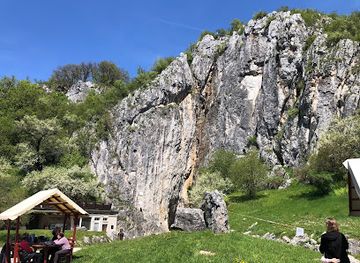
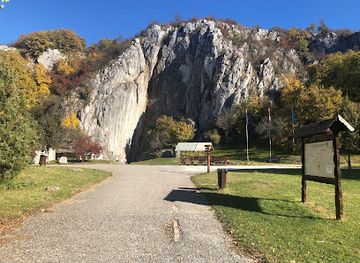
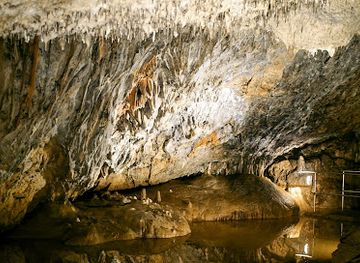
Aggtelek National Park occupies a rugged limestone landscape in north-eastern Hungary, close to the Slovak border. Its gently undulating hills, wooded valleys, open grasslands and pale rock outcrops form the surface expression of an extensive karst system, where rainwater has shaped fissures, sinkholes and underground passages over geological time. The park is best known for its caves, particularly the Baradla Cave, whose passages connect with the Domica Cave system across the border in Slovakia. Together, they form part of the UNESCO-listed Caves of Aggtelek Karst and Slovak Karst.Read more about Aggtelek National Park
Caves, Villages and Conservation
A Quiet Northern Hungarian Landscape
When is the best time to visit Aggtelek National Park?
Best: May–June, September · 23–27°C| Month | High (°C) | Rainfall (mm) |
|---|---|---|
| January | 4 | 35 |
| February | 5 | 30 |
| March | 10 | 30 |
| April | 16 | 40 |
| May (best) | 23 | 50 |
| June (best) | 27 | 50 |
| July | 29 | 50 |
| August | 29 | 40 |
| September (best) | 25 | 40 |
| October | 19 | 40 |
| November | 12 | 40 |
| December | 6 | 35 |
Getting to and around Aggtelek National Park
How to get there
Transportation
Best attractions in Aggtelek National Park
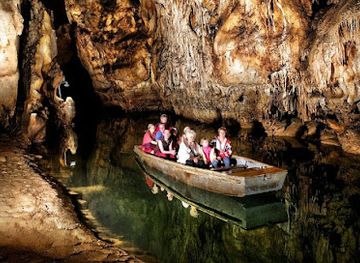
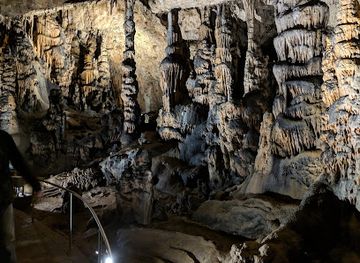
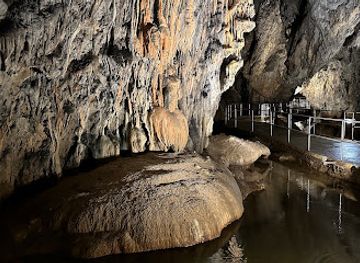
The Baradla Cave is Aggtelek National Park's principal attraction, offering guided routes through a major limestone cave system with large chambers, dripstone formations and underground passages linked geologically to Domica Cave in Slovakia. On the surface, the park's karst hills are explored through marked paths around Aggtelek, Jósvafő and the surrounding valleys, where woodland, open grassland, sinkholes and limestone outcrops create varied walking scenery. Jósvafő provides an important base for understanding the protected area and its cave landscape, while the village character of Aggtelek places visitors close to the best-known cave entrance. Near Szögliget, the ruined Szádvár adds a historical dimension to the landscape, reached as part of a rural outing rather than an urban sightseeing circuit. The Slovak Domica section is a separate attraction across the international border and requires its own access arrangements.
-
Tourist attraction
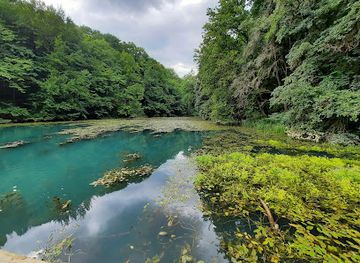
Jósvafői Mesterséges Tengerszem
Experience the stunning beauty of Jósvafői Mesterséges Tengerszem, an artificial lake surrounded by lush landscapes perfect for adventure and relaxation.
-
Mountain peak
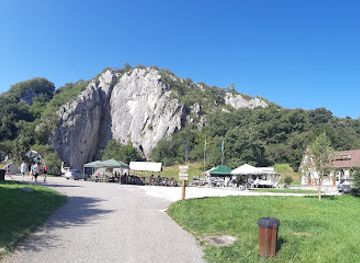
Aggteleki cseppkőbarlang
Explore the breathtaking Aggteleki Cseppkőbarlang, a UNESCO World Heritage site known for its stunning stalactite formations and rich biodiversity in Hungary.
-
Tourist attraction
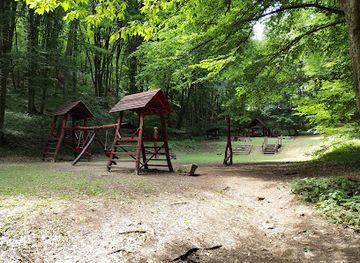
Baradla-barlang Jósvafői lejárat
Discover the enchanting Baradla Cave in Jósvafő, Hungary's stunning natural wonder filled with breathtaking formations and rich geological history.
-
Tourist attraction
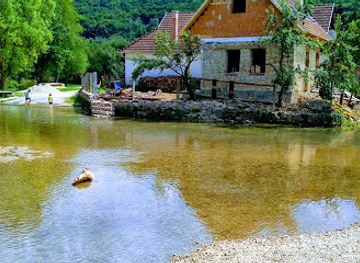
Kúria (Hucul lovarda)
Explore the enchanting world of Hucul horses at Kúria in Jósvafő, where equestrian culture meets stunning natural beauty in Hungary.
Best landmarks in Aggtelek National Park
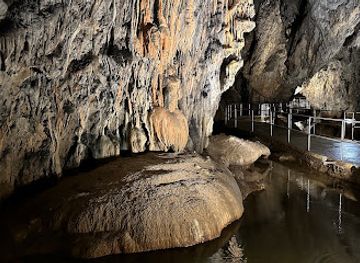
The Baradla Cave is the defining natural landmark of Aggtelek National Park, part of the transboundary cave system that continues towards Domica in Slovakia and displays the geological character of the Aggtelek Karst. Above ground, the surrounding limestone plateau is marked by sinkholes, wooded valleys, exposed rock and other karst features formed by the action of water on soluble rock. The villages of Aggtelek and Jósvafő are important cultural landmarks because their settlement patterns and visitor traditions are closely tied to the caves and rural landscape. Near Szögliget, the ruins of Szádvár occupy a commanding hilltop position and preserve evidence of the area's medieval defensive history. Together, these natural and historic features explain why the park is valued as both a geological and cultural landscape.
-
Tourist attraction
Baradla Aggtelek Cave (Entrance)
Explore Baradla Aggtelek Cave, a UNESCO World Heritage site in Hungary, known for its stunning stalactites and unique geological formations.
-
Tourist attraction
Domica Cave
Explore the breathtaking beauty of Domica Cave, a stunning limestone cavern in Slovakia filled with unique formations, ecosystems, and rich history.
-
Mountain peak
Aggteleki cseppkőbarlang
Explore the breathtaking Aggteleki Cseppkőbarlang, a UNESCO World Heritage Site famed for its stunning limestone formations and rich biodiversity.
-
Restaurant
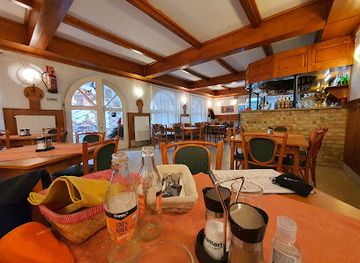
Baradla Étterem
Experience authentic Hungarian cuisine at Baradla Étterem, a hidden gem in the scenic Aggtelek region, perfect for food lovers and nature enthusiasts alike.
Explore Aggtelek National Park on the map
Plan your trip on one map. See where the top attractions, landmarks, restaurants and hotels are, and book hotels and experiences in a few clicks.
Best hotels in Aggtelek National Park
Best restaurants in Aggtelek National Park
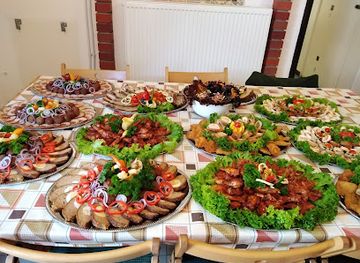
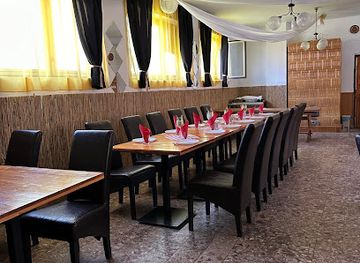
Dining in and around Aggtelek National Park reflects the modest scale of its villages rather than a large restaurant scene. Visitors will find food most reliably through guesthouses, rural accommodation, village eateries and occasional cafés associated with local tourism in Aggtelek and Jósvafő, while a broader choice is available in nearby towns such as Kazincbarcika and Rožňava across the Slovak border. The regional food tradition belongs to northern Hungarian home cooking, with soups, stews, paprika-seasoned dishes, pork, potatoes, seasonal vegetables and rustic baked goods commonly shaping local menus, although exact offerings vary by establishment. Farm shops and local producers may provide provisions for walks, but travellers should not assume that refreshments are available at every trailhead or cave entrance. Purchasing food in a gateway settlement before exploring the park is often the most practical approach.
-
Restaurant
Baradla Étterem
Experience authentic Hungarian cuisine at Baradla Étterem in Aggtelek—where every meal is a celebration of local flavors and hospitality.
-
Bed & breakfast
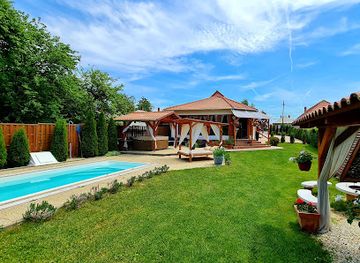
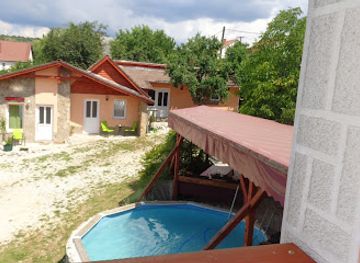
Éden vendégház
Discover tranquility at Éden Vendégház in Aggtelek—a cozy bed & breakfast surrounded by nature's beauty.
-
 Hotel
HotelCseppkő Hotel
Experience nature's wonders at Cseppkő Hotel, your comfortable retreat next to Baradla Cave National Park in Aggtelek.
Best bars in Aggtelek National Park
Aggtelek National Park has no substantial nightclub district or late-night entertainment scene. Evenings are generally quiet and centred on the common rooms, terraces or dining areas of rural accommodation, with village pubs and traditional local drinking places providing the most authentic social setting where available. Visitors staying in Aggtelek or Jósvafő may encounter a relaxed atmosphere shaped by residents, walkers and cave tourists rather than organised nightlife. A wider selection of bars and evening venues can be found in larger nearby towns, but these are outside the park and require road transport. Cultural programmes and seasonal village events may occasionally add evening interest, though they should be checked locally rather than assumed to operate throughout the year.
-
Tourist attraction
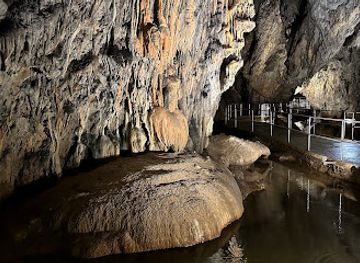
Baradla Aggtelek Cave (Entrance)
Explore Baradla Aggtelek Cave, a UNESCO World Heritage Site, and experience Hungary's breathtaking underground beauty and rich biodiversity.
-
Restaurant
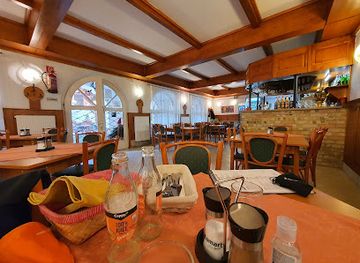
Baradla Étterem
Discover the flavors of Hungary at Baradla Étterem, a cozy restaurant in Aggtelek offering authentic cuisine amidst stunning natural beauty.
-
Serviced accommodation
Katica Vendégház Aggtelek
Enjoy a relaxing retreat at Katica Vendégház Aggtelek, a charming bed and breakfast nestled in the heart of Hungary's stunning countryside.
-
Espresso bar
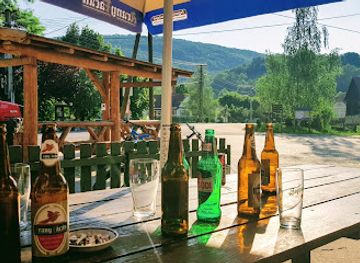
Jósva Pub
Experience the warmth of local hospitality at Jósva Pub, a cozy espresso bar and restaurant in the heart of Jósvafő, Hungary.
Best nightclubs in Aggtelek National Park
Aggtelek National Park has no substantial nightclub district or late-night entertainment scene. Evenings are generally quiet and centred on the common rooms, terraces or dining areas of rural accommodation, with village pubs and traditional local drinking places providing the most authentic social setting where available. Visitors staying in Aggtelek or Jósvafő may encounter a relaxed atmosphere shaped by residents, walkers and cave tourists rather than organised nightlife. A wider selection of bars and evening venues can be found in larger nearby towns, but these are outside the park and require road transport. Cultural programmes and seasonal village events may occasionally add evening interest, though they should be checked locally rather than assumed to operate throughout the year.
-
Tourist attraction
Baradla Aggtelek Cave (Entrance)
Explore the stunning Baradla Aggtelek Cave, a UNESCO World Heritage site known for its breathtaking formations and rich natural history in Hungary.
-
Restaurant
Baradla Étterem
Discover the flavors of Hungary at Baradla Étterem, a charming restaurant in Aggtelek known for its authentic cuisine and warm hospitality.
-
Espresso bar
Jósva Pub
Discover the cozy charm of Jósva Pub, where rich espresso, hearty meals, and friendly service await in the heart of Jósvafő.
-
Pub
Ménes Söröző
Discover the cozy charm of Ménes Söröző, a delightful pub in Szögliget, offering a wide selection of drinks and a warm atmosphere for tourists.
Best shops in Aggtelek National Park
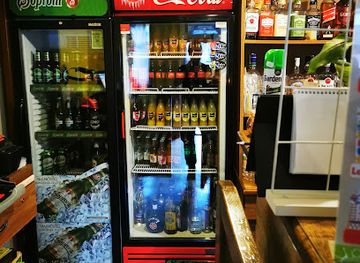
Shopping within Aggtelek National Park is limited and concentrated in small villages rather than arranged around a commercial centre. In Aggtelek and Jósvafő, visitors may find basic provisions, locally produced food, simple souvenirs and items connected with the park's cave and rural identity, depending on seasonal opening and local supply. Farm products, preserves, honey, paprika-based foods and handicrafts can sometimes be sourced through small producers or accommodation hosts, although availability is not guaranteed. Larger shops and a broader range of everyday goods are found in nearby towns such as Kazincbarcika, while visitors crossing to the Slovak side may find different regional products in Rožňava. Buy provisions before longer walks, as even the principal natural attractions do not form a continuous retail area.
-
Tourist attraction
Baradla Aggtelek Cave (Entrance)
Discover the mesmerizing Baradla Aggtelek Cave, a UNESCO World Heritage site with stunning formations and rich ecosystems in the heart of Hungary.
-
National park
Aggtelek National Park
Explore the stunning landscapes and unique cave systems of Aggtelek National Park, a UNESCO World Heritage site in Hungary, perfect for nature lovers and adventurers.
-
Mountain peak
Aggteleki cseppkőbarlang
Discover the mesmerizing beauty of Aggteleki Cseppkőbarlang, Hungary's stunning limestone cave system and a UNESCO World Heritage site.
-
Restaurant
Baradla Étterem
Experience the flavors of Hungary at Baradla Étterem, where local cuisine meets breathtaking natural beauty in Aggtelek.
Get your free copy of our complete guide to Aggtelek National Park, delivered straight to you.
Everything on this page, from attractions and restaurants to essentials and local phrases, in one PDF you can read offline, print or share.
Already have an account? Sign in
Your Aggtelek National Park guide is ready.
We'll send it to · Not you? Sign out

Getting your guide ready…
We are putting together a fresh copy of the Aggtelek National Park guide. This can take up to a minute.
This can take a few moments. If your browser asks, choose Allow so the download can start. You'll find the guide in your Downloads folder.
Nothing happened? Download it again
Sorry, the guide is taking longer than usual. Please try again in a minute, or get it by email instead.
Aggtelek National Park essentials
Currency and Payment
Safety
Emergency Situations
Do's and Don'ts
Local Tips
From Eve
Local phrases worth knowing
You don't need to get them perfect. A few words go a long way, and locals appreciate the effort.
Basics
| English | Local | Say it |
|---|---|---|
| Hello | Helló | [hel-lo] |
| Goodbye | Viszontlátásra | [vee-zont-la-taash-ra] |
| Yes | Igen | [ee-gen] |
| No | Nem | [nem] |
| Please/You're welcome | Kérem | [ke-rem] |
| Thank you | Köszönöm | [kos-noe-nem] |
| Excuse me/Sorry | Elnézést | [el-ne-zesht] |
| How are you? | Hogy vagy? | [ho-dj va-dj] |
| Fine. And you? | Jól vagyok. És te? | [yol va-dj-ok. eesh te] |
| Do you speak English? | Beszélsz angolul? | [be-sails on-go-loo] |
| I don't understand | Nem értem | [nem er-tem] |
Eating & Drinking
| English | Local | Say it |
|---|---|---|
| I'd like to see the menu, please | Szeretnék látni az étlapot, kérem | [se-er-et-nake laat-nee az et-lo-pot, ke-rem] |
| I don't eat meat | Nem eszem húst | [nem es-em hoost] |
| Cheers! | Egészségedre! | [e-ge-sheg-e-dre] |
| I would like to pay, please | Szeretnék fizetni, kérem | [se-er-et-nake fee-ze-tnee, ke-rem] |
Emergencies
| English | Local | Say it |
|---|---|---|
| Help! | Segítség! | [she-geet-saig] |
| Go away! | Menj el! | [men yel] |
| Call the Police! | Hívd a rendőrséget! | [heed a ren-dur-sha-get] |
| Call a doctor! | Hívd az orvost! | [heed az or-vosht] |
| I'm lost | El vagyok tévedve | [el va-djok te-ve-dve] |
| I'm ill | Beteg vagyok | [be-teg va-djok] |
Shopping
| English | Local | Say it |
|---|---|---|
| I'd like to buy... | Szeretnék vásárolni... | [se-er-et-nake va-sha-rool-nee] |
| I'm just looking | Csak nézelődöm | [chak ne-ze-le-doom] |
| How much is it? | Mennyibe kerül? | [men-yee-be ke-ryool] |
| That's too expensive | Ez túl drága | [ez tool dra-ga] |
| Can you lower the price? | Le tudnád engedni az árat? | [le tud-naad en-ged-nee az a-rat] |
Time & Numbers
| English | Local | Say it |
|---|---|---|
| What time is it? | Mennyi az idő? | [men-yee az e-dyoo] |
| It's one o'clock | Egy óra van | [edge oh-ra van] |
| Half past (10) | Fél tizenegy | [fale tee-ze-negey] |
| Morning | Reggel | [red-gel] |
| Afternoon | Délután | [de-lu-taan] |
| Evening | Este | [es-te] |
| Yesterday | Tegnap | [teg-nap] |
| Today | Ma | [ma] |
| Tomorrow | Holnap | [hol-nap] |
| 1 | Egy | [edge] |
| 2 | Kettő | [ket-toe] |
| 3 | Három | [ha-room] |
| 4 | Négy | [nayj] |
| 5 | Öt | [ot] |
| 6 | Hat | [hat] |
| 7 | Hét | [hayt] |
| 8 | Nyolc | [nyolts] |
| 9 | Kilenc | [kee-lents] |
| 10 | Tíz | [tease] |
Transport & Directions
| English | Local | Say it |
|---|---|---|
| Where's a/the...? | Hol van a... | [hol van a] |
| What's the address? | Mi a cím? | [me a cheem] |
| Can you show me (on the map)? | Meg tudnád mutatni (a térképen)? | [meg tud-naad moo-tat-nee a tair-kay-pen] |
| When's the next (bus)? | Mikor jön a következő (busz)? | [me-kor yoen a ke-ve-ke-zoe boos] |
| A ticket (to ....) | Egy jegyet (....-ra) | [edge ye-ye-et ra] |
History of Aggtelek National Park
A Limestone Landscape Shaped Underground
The landscape of Aggtelek National Park was formed in limestone over geological timescales, with water dissolving cracks and bedding planes to create the caves, shafts, sinkholes and valleys characteristic of karst. The Baradla–Domica cave system is the most prominent expression of this process. Underground streams and mineral-rich water have also contributed to the formation of stalactites, stalagmites and other calcite deposits. This geological inheritance explains why the area became important not only for tourism but also for the study and protection of karst environments.
Early Settlement and Cave Use
The karst hills have been used by people since prehistoric times, and archaeological evidence from caves in the wider Aggtelek region demonstrates that underground spaces were more than geological curiosities. Their uses changed over time, including shelter and activity associated with human settlement. The villages that developed among the valleys and uplands were shaped by access to woodland, pasture, water and cultivable land. The landscape therefore preserves a long relationship between rural communities and a difficult but resourceful limestone environment.
Rural Communities and Borderlands
Aggtelek, Jósvafő and neighbouring settlements grew within the historic rural landscape of northern Hungary, where farming, livestock keeping and woodland use formed the basis of local life. The region's position near the Slovak border also gave it a distinct borderland character, with cultural and economic links extending across the karst plateau. Szádvár, above Szögliget, represents the area's medieval and early modern military history, although the surviving site is a ruin rather than an intact castle. Local settlement patterns remain relatively dispersed and village-based.
From Scientific Interest to Tourism
The Baradla Cave attracted growing scientific and public attention during the modern period as its size, formations and underground passages became better documented. Cave exploration and organised visits gradually developed into an important part of the local economy, while the surrounding hills continued to be valued for their natural habitats and rural character. Tourism in Aggtelek has remained centred on guided visits, walking and landscape interpretation rather than large-scale resort development, helping preserve the area's small-settlement identity.
National Park and World Heritage Protection
Aggtelek National Park was established in 1985 to protect the caves, karst formations and associated surface habitats of the region. In 1995, the Caves of Aggtelek Karst and Slovak Karst were inscribed on the UNESCO World Heritage List as a transboundary natural site, recognising the geological significance of the cave network on both sides of the international border. Conservation now requires careful management of underground water, cave formations, wildlife and visitor access, linking the area's historical tourism tradition with modern environmental protection.
Aggtelek National Park in Photos
Browse through our photo collection highlighting the charm and character of the destination.
Neighbouring destination travel guides
The closest destinations to Aggtelek National Park, if you have time for more than one.
-

-

-

-

-


Swipe for more destinations
Explore more

Explore more of Cserehát
Discover Cserehát: A tranquil Hungarian retreat with rolling hills, rich cultural heritage, and scenic beauty perfect for nature lovers and cultural enthusiasts.
Explore Cserehát
Explore more of Hungary
Discover Hungary: A land of historic cities, scenic landscapes, thermal baths, and rich culinary traditions in the heart of Europe.
Explore Hungary