

Free Hortobágy Travel Guide & Mobile App
Explore Hortobágy with free travel guides. Discover regional history, expert tips, proposed trips, and audio guides on web or mobile app.


Hortobágy offers Hungary’s great open steppe, bird-rich wetlands, traditional herds, horsemen and the historic Nine-Holed Bridge.
Read more about Hortobágy
When is the best time to visit Hortobágy?
Best: June, August–September · 22–27°C| Month | High (°C) | Rainfall (mm) |
|---|---|---|
| January | 4 | 30 |
| February | 6 | 30 |
| March | 11 | 35 |
| April | 17 | 40 |
| May | 22 | 50 |
| June (best) | 26 | 55 |
| July | 28 | 60 |
| August (best) | 27 | 55 |
| September (best) | 22 | 45 |
| October | 15 | 40 |
| November | 8 | 35 |
| December | 3 | 30 |
Getting to and around Hortobágy
How to get there
Transportation
Destinations in Hortobágy
Resorts, valleys and scenic spots worth a trip of their own.

Swipe for more destinations
Best attractions in Hortobágy
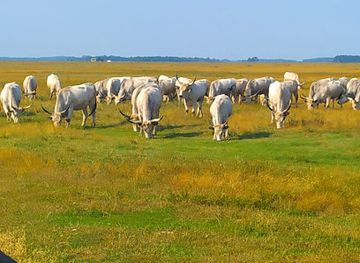
Hortobágy’s attractions combine protected nature with the working traditions of the Hungarian puszta. The Hortobágy National Park visitor facilities introduce the ecology of alkaline steppe, marshes and seasonal wetlands, while guided excursions allow visitors to observe birdlife and learn how grazing maintains the grassland. Hortobágy village contains the Shepherds’ Museum, the Herdsmen’s Park and demonstrations involving traditional Hungarian livestock and horsemen. The area is also suited to cycling, photography, walking on designated routes and horse-drawn tours. Birdwatching is particularly rewarding during spring and autumn migration, when cranes, geese and other waterbirds use the wetlands. Historic roadside csárdas and old transport routes add a human dimension to the landscape, while nearby parts of the national park provide a quieter experience away from the Nine-Holed Bridge. Because habitats are sensitive and sites are widely spaced, guided access is often more informative and environmentally responsible than independent exploration.
-
Bridge
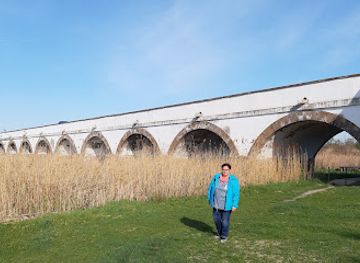
Nine-Hole Bridge
Explore the Nine-Hole Bridge in Hortobágy, Hungary – a historic gem with breathtaking views and a rich cultural heritage.
-
National park
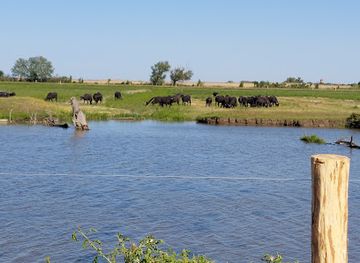
Hortobágyi National Park
Explore the enchanting landscapes and rich biodiversity of Hortobágyi National Park, a UNESCO World Heritage site in Hungary, perfect for nature lovers and adventurers.
-
Horsestable studfarm
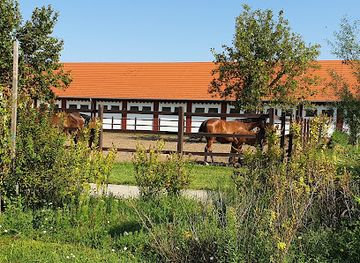
Mátai Ménes
Discover the enchanting Mátai Ménes in Hortobágy, a premier horsestable stud farm celebrating Hungary's rich equestrian heritage amidst stunning landscapes.
-
Tourist attraction
Fishery Railway Hortobágy
Discover the serene beauty and rich cultural heritage of the Fishery Railway in Hungary's stunning Hortobágy National Park.
Best landmarks in Hortobágy
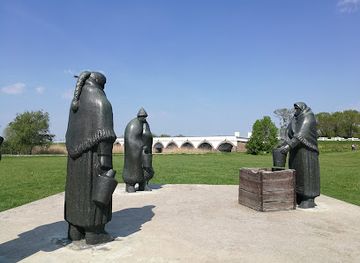
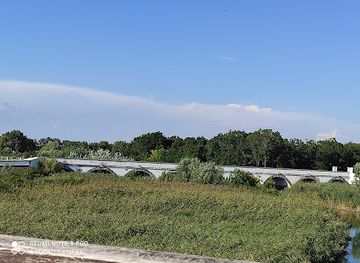
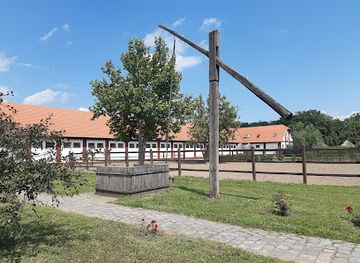
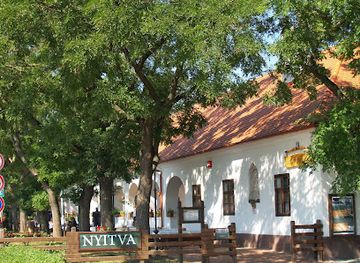
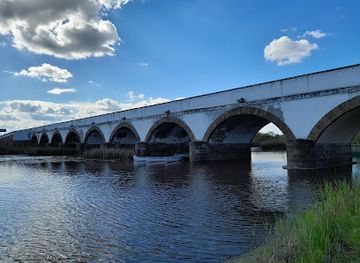
The Nine-Holed Bridge is Hortobágy’s defining built landmark. Completed in 1833 across the Hortobágy River, its long stone structure expresses the practical demands of crossing a broad, flood-prone plain and remains closely associated with the region’s pastoral identity. Nearby buildings, including the Hortobágyi Csárda and the former salt-road environment, evoke the travellers and livestock dealers who once crossed the puszta. The Hortobágyi National Park itself is also a landmark landscape: its immense horizons, alkaline grasslands, marshes and traditional grazing areas represent a continuing relationship between human land use and wildlife conservation. The park’s shepherds’ facilities and characteristic livestock provide visible evidence of that relationship. Elsewhere, low farm buildings, wells, bridges and transport routes appear modest, but together they form a distinctive cultural landscape recognised internationally for its historical continuity and open-scale geography.
-
National park
Hortobágyi National Park
Experience the stunning landscapes and rich heritage of Hortobágyi National Park, Hungary's breathtaking UNESCO World Heritage site.
-
Bridge
Nine-Hole Bridge
Explore the historic Nine-Hole Bridge in Hortobágy, Hungary, a stunning stone structure surrounded by breathtaking landscapes and rich cultural heritage.
-
Horsestable studfarm
Mátai Ménes
Experience the rich equestrian heritage of Hungary at Mátai Ménes, a stunning stud farm in the heart of Hortobágy National Park.
-
Hungarian
Hortobágyi Csárda
Experience authentic Hungarian cuisine at Hortobágyi Csárda, where tradition meets flavor in the beautiful Hortobágy region.
Explore Hortobágy on the map
Plan your trip on one map. See where the top cities, national parks and sights are, and book hotels and experiences in a few clicks.
Best hotels in Hortobágy
Best restaurants in Hortobágy
Food in Hortobágy reflects the hearty cooking of Hungary’s Great Plain and the practical traditions of roadside and pastoral life. Csárdas and rural restaurants commonly serve dishes such as goulash, pörkölt, soups, dumplings and paprika-seasoned preparations, alongside bread, pickles and seasonal produce. The area is associated with the wider culinary culture of the Alföld rather than a single dish found only in Hortobágy. Visitors may encounter grey-cattle beef, Mangalica pork or sheep-based dishes, although availability varies by establishment and season. Hortobágyi palacsinta, a savoury pancake filled with seasoned meat and served with a sauce, carries the region’s name but is a broader Hungarian dish rather than a simple marker of local origin. Dining options are concentrated in Hortobágy village and a small number of rural venues, so meal planning is sensible outside busier periods.
-
Hungarian
Hortobágyi Csárda
Discover authentic Hungarian flavors at Hortobágyi Csárda, where traditional cuisine meets a warm atmosphere in stunning natural surroundings.
-
Brasserie
9 Lyuku söröző Bár
Discover authentic Hungarian cuisine at 9 Lyuku söröző Bár in Hortobágy - your perfect retreat for relaxation and local flavors.

Best bars in Hortobágy
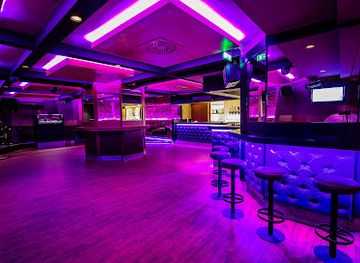
Hortobágy has little conventional nightclub life; evenings are generally quiet and centred on rural restaurants, csárdas, guesthouses and occasional traditional events. The social atmosphere is more likely to involve a meal, local wine or pálinka, conversation and live or folk-influenced music than late-night clubbing. Hortobágy village provides the most accessible evening options, while visitors staying in smaller rural accommodation should expect limited services and early closing. Debrecen, outside the Hortobágy region, offers a substantially broader bar, concert and nightclub scene for those seeking a late urban evening. Seasonal festivals and equestrian or livestock events can bring additional activity to the plain, but dates and programmes change, so they should be checked before travel.
-
Bridge
Nine-Hole Bridge
Explore the historic Nine-Hole Bridge in Hortobágy, a stunning architectural gem and natural haven offering breathtaking views and rich cultural experiences.
-
Pizza
Azték Kávézó
Experience the authentic flavors of Italy at Azték Kávézó, Hajdúszoboszló's premier pizza restaurant, offering delicious pizzas in a cozy atmosphere.
-
Hungarian
Hortobágyi Csárda
Experience authentic Hungarian cuisine at Hortobágyi Csárda, where tradition meets flavor in a beautiful setting.
-
Bar
Drink Bar Mokka
Experience the vibrant nightlife of Debrecen at Drink Bar Mokka, where delightful drinks meet an eclectic atmosphere for unforgettable moments.

Best nightclubs in Hortobágy
Hortobágy has little conventional nightclub life; evenings are generally quiet and centred on rural restaurants, csárdas, guesthouses and occasional traditional events. The social atmosphere is more likely to involve a meal, local wine or pálinka, conversation and live or folk-influenced music than late-night clubbing. Hortobágy village provides the most accessible evening options, while visitors staying in smaller rural accommodation should expect limited services and early closing. Debrecen, outside the Hortobágy region, offers a substantially broader bar, concert and nightclub scene for those seeking a late urban evening. Seasonal festivals and equestrian or livestock events can bring additional activity to the plain, but dates and programmes change, so they should be checked before travel.
-
Night club
Club Heaven Budapest
Discover the electrifying nightlife of Budapest at Club Heaven, where unforgettable parties and world-class DJs await you in a chic setting.
-
Night club
TABU Debrecen
Discover the electrifying nightlife at TABU Debrecen, where vibrant music and an energetic atmosphere create unforgettable nights out.
-
Bar
Chicago Club
Discover the electric atmosphere of Chicago Club in Debrecen, where vibrant nightlife meets unforgettable dance experiences.
-
Night club
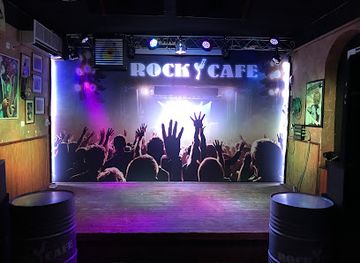
Rock Cafe Hajdúszoboszló
Discover Hajdúszoboszló's vibrant nightlife at Rock Cafe, a premier venue for live music, delicious meals, and unforgettable experiences.


Best shops in Hortobágy
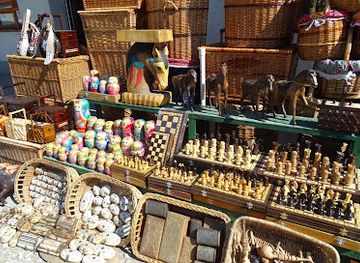
Shopping in Hortobágy is modest and closely linked to local food, pastoral culture and the national park. Around Hortobágy village, visitors may find souvenirs, books, craft objects and products associated with Hungarian shepherding and equestrian traditions rather than a large retail district. Useful purchases include paprika and other pantry goods, honey, preserves, regional drinks and locally made crafts, subject to seasonal availability. Traditional textiles, carved objects, ceramics and decorative items can appear at craft demonstrations or regional events, though authenticity and quality vary between sellers. The village’s visitor facilities are more reliable for park information and culturally relevant souvenirs than for extensive shopping. For a broader choice of shops, markets and supermarkets, Debrecen outside the region is the nearest major urban centre. Buying from established local producers and respecting protected or historically significant objects helps keep souvenirs connected to the living culture of the plain.
-
National park
Hortobágyi National Park
Discover the breathtaking landscapes and rich biodiversity of Hortobágyi National Park, Hungary's largest national park and a UNESCO World Heritage site.
-
Bridge
Nine-Hole Bridge
Experience the captivating beauty and rich history of the Nine-Hole Bridge in Hortobágy, a serene spot where nature and culture meet.
-
Horsestable studfarm
Mátai Ménes
Explore Mátai Ménes, a stunning horsestable stud farm in Hortobágy, Hungary, where equestrian culture thrives amidst breathtaking landscapes.
-
Hungarian
Hortobágyi Csárda
Discover the authentic taste of Hungary at Hortobágyi Csárda, where delicious dishes and warm hospitality await you in a stunning rural setting.
Get your free copy of our complete guide to Hortobágy, delivered straight to you.
Everything on this page, from attractions and restaurants to essentials and local phrases, in one PDF you can read offline, print or share.
Already have an account? Sign in
Your Hortobágy guide is ready.
We'll send it to · Not you? Sign out

Getting your guide ready…
We are putting together a fresh copy of the Hortobágy guide. This can take up to a minute.
This can take a few moments. If your browser asks, choose Allow so the download can start. You'll find the guide in your Downloads folder.
Nothing happened? Download it again
Sorry, the guide is taking longer than usual. Please try again in a minute, or get it by email instead.
Hortobágy essentials
Currency and Payment
Safety
Emergency Situations
Do's and Don'ts
Local Tips
From Eve
Local phrases worth knowing
You don't need to get them perfect. A few words go a long way, and locals appreciate the effort.
Basics
| English | Local | Say it |
|---|---|---|
| Hello | Szia | [see-yah] |
| Goodbye | Viszlát | [vees-laht] |
| Yes | Igen | [ee-gen] |
| No | Nem | [nem] |
| Please/You're welcome | Kérem | [keh-rem] |
| Thank you | Köszönöm | [kuh-suh-nuhm] |
| Excuse me/Sorry | Elnézést | [el-nay-zayst] |
| How are you? | Hogy vagy? | [hodj vahd] |
| Fine. And you? | Jól. És te? | [yohl. aysh teh] |
| Do you speak English? | Beszélsz angolul? | [beh-sayls an-goh-lool] |
| I don't understand | Nem értem | [nem air-tem] |
Eating & Drinking
| English | Local | Say it |
|---|---|---|
| I'd like to see the menu, please | Szeretném megnézni az étlapot, kérem | [seh-reht-neem meg-nayz-nee az ay-tlah-poh-t, keh-rem] |
| I don't eat meat | Nem eszem húst | [nem eh-sem hoosht] |
| Cheers! | Egészségedre! | [eh-geysh-say-ged-reh] |
| I would like to pay, please | Szeretnék fizetni, kérem | [seh-reht-neek fee-zet-nee, keh-rem] |
Emergencies
| English | Local | Say it |
|---|---|---|
| Help! | Segítség! | [seh-geet-sayg] |
| Go away! | Menj el! | [menj el] |
| Call the Police! | Hívd a rendőrséget! | [heevd ah ren-dor-say-get] |
| Call a doctor! | Hívd az orvost! | [heevd ahz or-vosh-t] |
| I'm lost | Elvesztem | [el-ves-tem] |
| I'm ill | Beteg vagyok | [beh-tehg vah-yok] |
Shopping
| English | Local | Say it |
|---|---|---|
| I'd like to buy... | Szeretnék venni... | [seh-reht-neek ven-nee] |
| I'm just looking | Csak nézelődöm | [chack nay-zeh-loh-dohm] |
| How much is it? | Mennyibe kerül? | [men-nee-beh keh-rool] |
| That's too expensive | Ez túl drága | [ez tool drah-gah] |
| Can you lower the price? | Le tudná csökkenteni az árat? | [leh tood-nah chuhk-kent-eh-nee az ah-raht] |
Time & Numbers
| English | Local | Say it |
|---|---|---|
| What time is it? | Hány óra van? | [hahn-ee oh-rah vahn] |
| It's one o'clock | Egy óra van | [edj oh-rah vahn] |
| Half past (10) | Fél (10) | [feh-l (10)] |
| Morning | Reggel | [rehg-gel] |
| Afternoon | Délután | [day-loo-tahn] |
| Evening | Este | [esh-teh] |
| Yesterday | Tegnap | [tehg-nahp] |
| Today | Ma | [mah] |
| Tomorrow | Holnap | [hol-nahp] |
| 1 | 1 | [1] |
| 2 | 2 | [2] |
| 3 | 3 | [3] |
| 4 | 4 | [4] |
| 5 | 5 | [5] |
| 6 | 6 | [6] |
| 7 | 7 | [7] |
| 8 | 8 | [8] |
| 9 | 9 | [9] |
| 10 | 10 | [10] |
Transport & Directions
| English | Local | Say it |
|---|---|---|
| Where's a/the...? | Hol van a...? | [hol vahn ah] |
| What's the address? | Mi a cím? | [mee ah tseem] |
| Can you show me (on the map)? | Meg tudnád mutatni (a térképen)? | [meg tood-nahd moo-taht-nee (ah tayr-kay-pen)] |
| When's the next (bus)? | Mikor jön a következő (busz)? | [mee-kor yuhn ah keh-vet-keh-zoe (booz)] |
| A ticket (to ....) | Egy jegy (....-ra) | [edj yayg (....-rah)] |
History of Hortobágy
Ancient settlement and the Great Plain
The wider Hortobágy landscape has been used by people since prehistoric times, although its exposed grasslands and wetlands encouraged mobile settlement rather than dense urban development. Archaeological traces across the Great Plain reflect successive communities, farming systems and movements of peoples through the Carpathian Basin. The region’s natural character was also shaped by water: the Hortobágy River and surrounding lowlands periodically flooded, creating a mosaic of marshes, meadows and drier alkaline grassland.
Medieval routes and pastoral land use
During the medieval period, routes across the plain linked settlements and market centres in eastern Hungary. Hortobágy developed as a sparsely settled grazing area associated with nearby communities, particularly Debrecen. Seasonal livestock keeping became increasingly important, with shepherds managing cattle, sheep and horses over extensive pasture. This system helped preserve open grassland and created the cultural traditions later associated with the Hungarian puszta.
Ottoman-era disruption and depopulation
The Ottoman wars and the political instability of the sixteenth and seventeenth centuries caused severe disruption across the eastern Great Plain. Many villages were abandoned or suffered population loss, while insecurity encouraged a more mobile economy based on livestock rather than permanent cultivation. Hortobágy’s open character was therefore reinforced by historical circumstances as well as by its soils and hydrology. Later resettlement did not erase the importance of grazing in the surrounding landscape.
Market routes, csárdas and the Nine-Holed Bridge
From the eighteenth and nineteenth centuries, Hortobágy became closely connected with livestock trade and the movement of animals towards markets. Roadside csárdas provided food and shelter for travellers crossing the plain. The Nine-Holed Bridge at Hortobágy village, completed in 1833, replaced earlier crossings and became a practical transport structure as well as a landmark. Its construction reflects the growing importance of reliable routes between eastern Hungarian settlements and markets.
Railways and modern administration
The arrival of railway connections in the nineteenth century altered access to the plain and made the movement of livestock and agricultural goods more efficient. At the same time, authorities increasingly sought to regulate water, farming and settlement in the lowlands. These changes brought economic opportunities but also affected wetlands and traditional land use. The tension between agricultural improvement and the preservation of grassland and marsh habitats later became central to conservation policy.
Hortobágy National Park and international recognition
Hortobágy National Park was established in 1973 as Hungary’s first national park, protecting a large area of steppe, wetlands and traditional pastoral landscape. Conservation work has aimed to maintain both biodiversity and the cultural practices that shaped the puszta, including grazing by indigenous Hungarian livestock breeds. The region became a UNESCO Biosphere Reserve and, in 1999, the Hortobágy cultural landscape was inscribed as a UNESCO World Heritage Site, recognising its long relationship between people, animals and open grassland.
Hortobágy in Photos
Browse through our photo collection highlighting the charm and character of the destination.
Neighbouring regions of Hortobágy
The closest regions to Hortobágy, if you have time for more than one.
-

-

-

-

-


Swipe for more regions
Explore more

Explore more of Hungary
Discover Hungary: A land of historic cities, scenic landscapes, thermal baths, and rich culinary traditions in the heart of Europe.
Explore Hungary