

Free Hajdúság Travel Guide & Mobile App
Explore Hajdúság with free travel guides. Discover regional history, expert tips, proposed trips, and audio guides on web or mobile app.


Explore Hajdúság in eastern Hungary for thermal spas, hajdú history, broad plains, market towns and relaxed cycling between local sights.
Read more about Hajdúság
When is the best time to visit Hajdúság?
Best: June–August · 25–27°C| Month | High (°C) | Rainfall (mm) |
|---|---|---|
| January | 3 | 30 |
| February | 4 | 30 |
| March | 10 | 40 |
| April | 16 | 50 |
| May | 21 | 60 |
| June (best) | 25 | 60 |
| July (best) | 27 | 50 |
| August (best) | 27 | 40 |
| September | 22 | 40 |
| October | 15 | 30 |
| November | 8 | 40 |
| December | 4 | 40 |
Getting to and around Hajdúság
How to get there
Transportation
Top city travel guides in Hajdúság
The cities of Hajdúság, and the easiest places to base yourself.
-

-


Swipe for more cities
Destinations in Hajdúság
Resorts, valleys and scenic spots worth a trip of their own.

Swipe for more destinations
Best attractions in Hajdúság
Hajdúság’s attractions combine thermal leisure with the history of its privileged hajdú towns. Hajdúszoboszló is the region’s principal bathing destination, offering large thermal and leisure facilities, treatment traditions and a substantial hospitality infrastructure. Hajdúböszörmény provides the strongest historical introduction, with museums and a townscape shaped by the former hajdú community. Hajdúnánás adds another thermal and market-town experience, while Hajdúdorog is notable for its Greek Catholic heritage and ecclesiastical culture. Smaller settlements are best approached for their local atmosphere, seasonal events and agricultural setting rather than a long list of formal sights. Flat roads and quiet lanes make the region suitable for cycling between towns, although summer exposure and distances should be considered. Museums, churches, civic squares and traditional restaurants explain how military settlement, collective privileges and farming shaped the area. Visitors seeking the famous pastoral landscapes and wildlife of Hortobágy should treat that neighbouring destination as a separate excursion outside historic Hajdúság.
-
Tourist attraction
Great Forest Park
Discover the tranquil beauty of Great Forest Park in Debrecen, where stunning landscapes and rich biodiversity await your exploration.
-
Reformed church
Reformed Great Church of Debrecen
Explore the architectural beauty and historical significance of the Reformed Great Church of Debrecen, a must-see landmark for every tourist in Hungary.
-
Tourist attraction
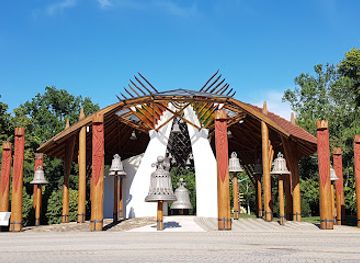
Harangház
Explore Harangház, the iconic bell tower in Hajdúszoboszló, where history, culture, and stunning architecture converge in a picturesque park setting.
-
Tourist attraction
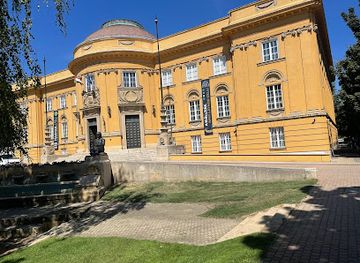
Déri Museum
Explore the rich cultural heritage of Hungary at Déri Museum in Debrecen, featuring art, history, and engaging exhibitions.


Best landmarks in Hajdúság
The most recognisable landmarks of Hajdúság express either its hajdú civic history or its later thermal identity. Hajdúböszörmény’s central urban area is especially important: its generous square and surrounding streets reflect the planned, corporate character of a historic hajdú town rather than an ordinary medieval village. The Bocskai István Museum helps interpret that settlement history and the region’s relationship with Stephen Bocskai. In Hajdúdorog, the Greek Catholic cathedral is the principal architectural and symbolic landmark, representing the town’s role in Hungarian Greek Catholic life. Hajdúnánás and Hajdúhadház retain further civic and religious buildings associated with the former hajdú communities, although their appeal lies in the overall townscape as much as in one monument. Hajdúszoboszló’s thermal complex is a modern landmark of a different kind: its development after the discovery of thermal water in 1925 changed the town’s economy and public image. Beyond built landmarks, the region’s broad horizon, straight roads and agricultural fields form a defining geographical setting, distinct from the wooded wetland and grazing landscapes farther towards Hortobágy.
-
Fortress
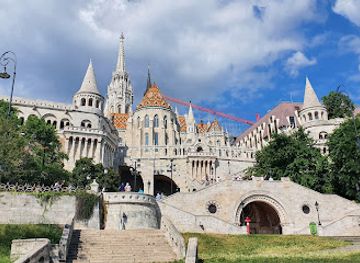
Fisherman's Bastion
Discover the enchanting Fisherman's Bastion in Budapest, a stunning fortress with breathtaking views, rich history, and captivating architectural beauty.
-
Plaza
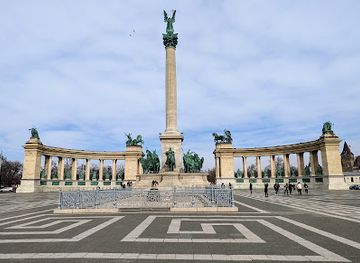
Heroes' Square
Explore the grandeur of Heroes' Square in Budapest, where history and culture converge in a stunning plaza adorned with iconic monuments.
-
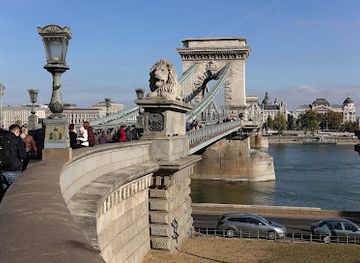
Bridge
Széchenyi Chain Bridge
Experience the breathtaking views and rich history of Budapest from the iconic Széchenyi Chain Bridge, a must-see landmark connecting Buda and Pest.
-
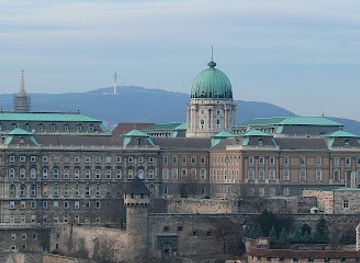
Castle
Buda Castle
Explore the majestic Buda Castle in Budapest, a UNESCO World Heritage site offering stunning views, rich history, and captivating art collections.
Explore Hajdúság on the map
Plan your trip on one map. See where the top cities, national parks and sights are, and book hotels and experiences in a few clicks.
Best hotels in Hajdúság
Best restaurants in Hajdúság
Hajdúság dining reflects the substantial cooking of eastern Hungary and the agricultural economy of the Great Plain. Menus commonly draw on paprika, onions, pork, poultry, freshwater fish, seasonal vegetables and dairy products, with soups, stews and filled or baked pastries more prominent than delicate coastal-style cuisine. Hajdúszoboszló has the broadest choice, ranging from hotel dining and contemporary restaurants to cafés and traditional Hungarian establishments serving visitors to the baths. Hajdúböszörmény, Hajdúnánás and the smaller towns offer a more local rhythm, including family-run restaurants, bakeries and market-oriented food shops. Look for seasonal produce, regional sausages, sour-cream-based dishes and plain-country specialities without assuming that every recipe is exclusive to Hajdúság; many belong to the wider cuisine of eastern Hungary. In spa resorts, menus may be international as well as Hungarian, while rural establishments can have limited hours and fewer vegetarian choices, making advance planning sensible.
-
Hungarian
Hungarikum Bisztró
Discover authentic Hungarian cuisine at Hungarikum Bisztró, where tradition meets flavor in the heart of Budapest.
-
Buffet
Trófea Grill Restaurant Óbuda
Savor authentic Hungarian cuisine at Trófea Grill Restaurant Óbuda - a buffet paradise for food lovers!
-
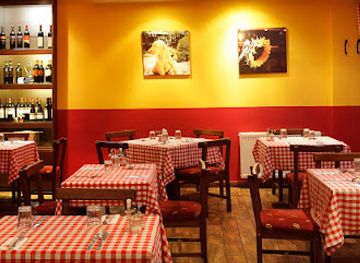
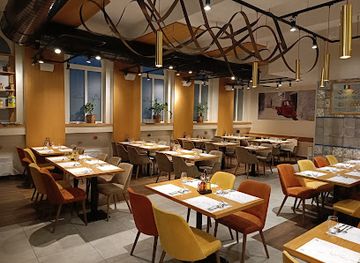
Italian
Ape Regina Italian Restaurant
Experience authentic Italian cuisine at Ape Regina Restaurant in Budapest - where every dish tells a story and every meal is a celebration.
-
Hungarian
Náncsi Néni
Experience authentic Hungarian cuisine at Náncsi Néni in Budapest - a cozy restaurant serving traditional dishes with a warm atmosphere.

Best bars in Hajdúság
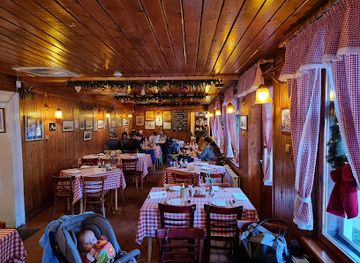
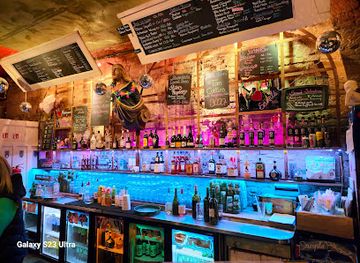
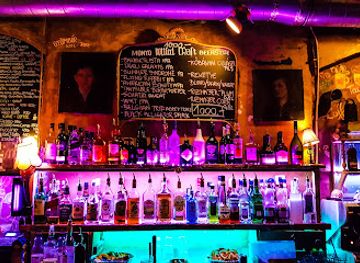
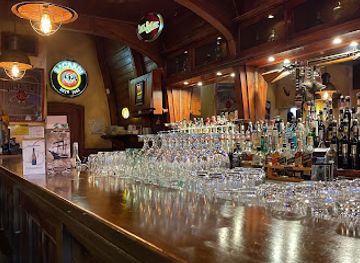
Evening life in Hajdúság is centred on restaurants, cafés, hotel bars and traditional pubs rather than a large-scale club scene. Hajdúszoboszló has the widest choice, with seasonal terraces, spa-area venues and places aimed at visitors staying for several nights; activity is generally greater during the warmer months. In Hajdúböszörmény and Hajdúnánás, evenings are more closely tied to local pubs, cafés, cultural programmes and occasional live music than to dedicated nightclubs. Smaller towns and rural settlements become quiet earlier, although a restaurant or inn may remain open for a relaxed meal. Local beer, Hungarian wines and fruit brandies may appear on drinks lists, but alcohol is not central to every evening experience. Check current arrangements locally, since seasonal businesses and entertainment schedules can change substantially between summer and the rest of the year.
-
Pub
Szimpla Kert
Experience the vibrant atmosphere of Szimpla Kert, Budapest's iconic ruin pub, where culture and nightlife collide in a unique setting.
-
Night club
Instant-Fogas Complex
Discover the vibrant nightlife of Budapest at Instant-Fogas Complex, where music, drinks, and unforgettable memories await.
-
Restaurant
Calico Jack Pub
Experience the vibrant atmosphere and diverse menu at Calico Jack Pub in Debrecen, perfect for food lovers and adventurers alike.
-
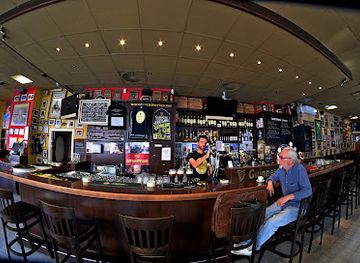
Irish pub
Jack Doyle's Irish Pub & Restaurant
Experience the charm of Ireland at Jack Doyle's Irish Pub & Restaurant, featuring live music, sports, and authentic Irish cuisine in the heart of Budapest.
Best nightclubs in Hajdúság
Evening life in Hajdúság is centred on restaurants, cafés, hotel bars and traditional pubs rather than a large-scale club scene. Hajdúszoboszló has the widest choice, with seasonal terraces, spa-area venues and places aimed at visitors staying for several nights; activity is generally greater during the warmer months. In Hajdúböszörmény and Hajdúnánás, evenings are more closely tied to local pubs, cafés, cultural programmes and occasional live music than to dedicated nightclubs. Smaller towns and rural settlements become quiet earlier, although a restaurant or inn may remain open for a relaxed meal. Local beer, Hungarian wines and fruit brandies may appear on drinks lists, but alcohol is not central to every evening experience. Check current arrangements locally, since seasonal businesses and entertainment schedules can change substantially between summer and the rest of the year.
-
Night club
Club Heaven Budapest
Discover the pulse of Budapest's nightlife at Club Heaven, where vibrant beats and an electrifying atmosphere await.
-
Night club
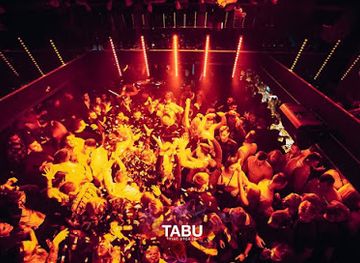
TABU Debrecen
Discover the pulsating nightlife of Debrecen at TABU, where top DJs and vibrant music create an unforgettable party experience.
-
Bar
Chicago Club
Discover the vibrant nightlife of Debrecen at Chicago Club, a top bar and disco that promises unforgettable nights filled with music and dancing.
-
Night club
Marilyn Night Club | Gentlemen's Club, Striptease Bar
Discover the vibrant nightlife of Budapest at Marilyn Night Club, where adult entertainment meets luxury and excitement.

Best shops in Hajdúság
Shopping in Hajdúság is practical and locally scaled, with the strongest choices in Hajdúszoboszló, Hajdúböszörmény and Hajdúnánás. Spa visitors will find convenience shops, holiday-oriented goods and traditional Hungarian food products, while the older market towns offer bakeries, independent retailers, household shops and periodically held markets. Farmers’ stalls are useful for seasonal fruit and vegetables, preserves, honey and other plain-country produce, although the exact range depends on the day and season. Regional souvenirs may include paprika products, spirits, embroidered textiles, ceramics and packaged Hungarian specialities, but visitors should distinguish genuinely local goods from generic items sold throughout the country. Hajdúböszörmény’s historic centre and Hajdúszoboszló’s visitor-oriented areas provide the best opportunities for browsing, whereas smaller settlements are better for everyday provisions than extensive souvenir shopping. Market customs and opening arrangements vary, so check locally before making a special journey.
-
Shopping mall
Westend
Explore Westend, Budapest's ultimate shopping and entertainment experience, featuring diverse shops, delicious dining options, and exciting events.
-
Shopping mall
ÁRKÁD Budapest
Discover the ultimate shopping experience at ÁRKÁD Budapest, featuring a diverse blend of shops, dining, and entertainment for every traveler.
-
Gift shop
Campona
Explore Campona, a vibrant shopping mall in Budapest, where unique gifts, local markets, and endless shopping options await you.
-
Outlet mall
Premier Outlet
Experience exceptional shopping at Premier Outlet, where quality meets affordability in a diverse selection of top brands.
Get your free copy of our complete guide to Hajdúság, delivered straight to you.
Everything on this page, from attractions and restaurants to essentials and local phrases, in one PDF you can read offline, print or share.
Already have an account? Sign in
Your Hajdúság guide is ready.
We'll send it to · Not you? Sign out

Getting your guide ready…
We are putting together a fresh copy of the Hajdúság guide. This can take up to a minute.
This can take a few moments. If your browser asks, choose Allow so the download can start. You'll find the guide in your Downloads folder.
Nothing happened? Download it again
Sorry, the guide is taking longer than usual. Please try again in a minute, or get it by email instead.
Hajdúság essentials
Currency and Payment
Safety
Emergency Situations
Do's and Don'ts
Local Tips
From Eve
Local phrases worth knowing
You don't need to get them perfect. A few words go a long way, and locals appreciate the effort.
Basics
| English | Local | Say it |
|---|---|---|
| Hello | Szia | [see-yah] |
| Goodbye | Viszlát | [vees-laht] |
| Yes | Igen | [ee-gen] |
| No | Nem | [nem] |
| Please/You're welcome | Kérem | [kay-rem] |
| Thank you | Köszönöm | [kuh-suh-nuhm] |
| Excuse me/Sorry | Elnézést | [el-neh-zayst] |
| How are you? | Hogy vagy? | [hodj vahd?] |
| Fine. And you? | Jól. És te? | [yo-l. aysh teh?] |
| Do you speak English? | Beszélsz angolul? | [beh-sehlz ahn-goh-lul?] |
| I don't understand | Nem értem | [nem air-tem] |
Eating & Drinking
| English | Local | Say it |
|---|---|---|
| I'd like to see the menu, please | Szeretném megnézni az étlapot, kérem | [seh-reht-nehm meg-neh-znee ahz ayt-lah-poh-t, kay-rem] |
| I don't eat meat | Nem eszem húst | [nem eh-sehm hoosht] |
| Cheers! | Egészségedre! | [eh-geysh-sheh-geh-dreh] |
| I would like to pay, please | Szeretnék fizetni, kérem | [seh-reht-neek fee-zet-nee, kay-rem] |
Emergencies
| English | Local | Say it |
|---|---|---|
| Help! | Segítség! | [seh-geet-shehg!] |
| Go away! | Menj el! | [men-yel!] |
| Call the Police! | Hívd a rendőrséget! | [heevd ah ren-dor-sheh-get!] |
| Call a doctor! | Hívd az orvost! | [heevd ahz or-vosht!] |
| I'm lost | Elvesztem | [el-ves-tem] |
| I'm ill | Beteg vagyok | [beh-tehg vah-dyohk] |
Shopping
| English | Local | Say it |
|---|---|---|
| I'd like to buy... | Szeretnék venni... | [seh-reht-neek veh-nee...] |
| I'm just looking | Csak nézelődök | [chahk nay-zeh-loh-dohk] |
| How much is it? | Mennyibe kerül? | [men-nee-beh keh-rool?] |
| That's too expensive | Ez túl drága | [ez tool drah-gah] |
| Can you lower the price? | Le tudnád csökkenteni az árat? | [leh tood-nahd choh-kent-eh-nee ahz ah-raht?] |
Time & Numbers
| English | Local | Say it |
|---|---|---|
| What time is it? | Hány óra van? | [hahn-ee oh-rah vahn?] |
| It's one o'clock | Egy óra van | [edj oh-rah vahn] |
| Half past (10) | Fél (10) | [fehl (10)] |
| Morning | Reggel | [rehg-gel] |
| Afternoon | Délután | [day-loo-tahn] |
| Evening | Este | [esh-teh] |
| Yesterday | Tegnap | [teh-nahp] |
| Today | Ma | [mah] |
| Tomorrow | Holnap | [hol-nahp] |
| 1 | 1 | [1] |
| 2 | 2 | [2] |
| 3 | 3 | [3] |
| 4 | 4 | [4] |
| 5 | 5 | [5] |
| 6 | 6 | [6] |
| 7 | 7 | [7] |
| 8 | 8 | [8] |
| 9 | 9 | [9] |
| 10 | 10 | [10] |
Transport & Directions
| English | Local | Say it |
|---|---|---|
| Where's a/the...? | Hol van a...? | [hol vahn ah...?] |
| What's the address? | Mi a cím? | [mee ah teem?] |
| Can you show me (on the map)? | Meg tudnád mutatni (a térképen)? | [meg tood-nahd moo-taht-nee (ah tair-kay-pen)?] |
| When's the next (bus)? | Mikor jön a következő (busz)? | [mee-kor yohn ah keh-vet-kay-zoh (booz)?] |
| A ticket (to ....) | Egy jegy (....) | [edj yehj (....)] |
History of Hajdúság
The Plain Before the Hajdú Towns
Long before the modern towns emerged, the Hajdúság plain was shaped by farming, animal husbandry and movement across the open landscape. Archaeological traces from the wider Great Hungarian Plain record prehistoric settlement, while medieval villages developed around cultivated land, watercourses and routes linking eastern Hungary’s market centres. Many medieval settlements were later damaged or deserted during the Ottoman wars, leaving the region with a landscape in which later planned towns became especially important. The flat terrain, fertile soils and access to major routes continued to support agriculture after political stability returned.
Hajdú Soldiers and Bocskai’s Settlement, 1605
The defining historical transformation of Hajdúság came during the uprising led by Stephen Bocskai at the beginning of the seventeenth century. In 1605, Bocskai settled hajdús—armed soldiers who had served in the conflicts between Habsburg and Ottoman forces—in designated communities and granted them privileges. These groups were not simply ordinary peasants: their military obligations were linked to collective rights, including a degree of self-government and exemption from some feudal burdens. The settlement of hajdú communities laid the foundation for the region’s distinctive town network and civic identity.
The Hajdú Districts in the Early Modern Period
The hajdú towns developed as a group of privileged settlements whose inhabitants combined farming, livestock keeping and military traditions. Their corporate organisation differed from that of neighbouring villages, and town councils, communal land use and collective legal rights became central to local life. Hajdúböszörmény emerged as the principal centre, while other settlements—including Hajdúnánás, Hajdúdorog and Hajdúhadház—retained their own institutional and religious character. The legacy of this period remains visible in the broad town centres, local historical museums and strong use of the hajdú name throughout the region.
Religious and Civic Life in Hajdúdorog
Hajdúdorog developed a particularly important religious role within the region. Its Greek Catholic community became a major centre of the Hungarian Greek Catholic tradition, which combines Byzantine liturgical heritage with Hungarian cultural and linguistic identity. The town’s cathedral and associated ecclesiastical institutions reflect this history and distinguish Hajdúdorog from the predominantly Reformed historical background of several other hajdú settlements. Religious life, schooling and civic organisation together helped preserve a local identity that remains central to the town’s cultural significance.
Agriculture, Markets and Transport in the Nineteenth Century
During the nineteenth century, improving political conditions, expanding markets and transport links reinforced Hajdúság’s role as an agricultural region. Grain cultivation, livestock keeping and horticulture supported the towns, while markets connected local producers with Debrecen and other centres of eastern Hungary. Roads and railways gradually reduced the isolation of the plain and encouraged the movement of people and goods. Urban centres acquired more permanent civic buildings, schools and commercial premises, while the surrounding agricultural economy continued to shape everyday life.
The Rise of Hajdúszoboszló’s Thermal Tourism
A major modern change began in 1925, when thermal water was discovered during drilling at Hajdúszoboszló. The water’s mineral content and reputed therapeutic qualities led to the development of bathing facilities, hotels and related services. Over the twentieth century, the town evolved from an agricultural settlement into an internationally known Hungarian spa destination. This transformation did not erase its earlier town life, but it added a second economic identity based on health tourism, leisure bathing and hospitality, a pattern that continues to define Hajdúszoboszló.
Hajdúság in Contemporary Hungary
Since the political and economic changes of the late twentieth century, Hajdúság has balanced several roles: agricultural plain, historic cultural region, residential area within the wider Debrecen hinterland and spa destination. After Hungary’s administrative reorganisation in the nineteenth century, most of the region became associated with Hajdú-Bihar County, but Hajdúság remains a useful historical and travel-geographical term rather than a separate administrative unit. Museums, preserved town centres, thermal facilities and local festivals now interpret different parts of this layered heritage for visitors.
Hajdúság in Photos
Browse through our photo collection highlighting the charm and character of the destination.
Neighbouring regions of Hajdúság
The closest regions to Hajdúság, if you have time for more than one.
-

-

-

-

-


Swipe for more regions
Explore more

Explore more of Hungary
Discover Hungary: A land of historic cities, scenic landscapes, thermal baths, and rich culinary traditions in the heart of Europe.
Explore Hungary