

Free Nyírség Travel Guide & Mobile App
Explore Nyírség with free travel guides. Discover regional history, expert tips, proposed trips, and audio guides on web or mobile app.


Explore Nyírség in north-eastern Hungary for sandy landscapes, orchards, historic Nyírbátor, Sóstó’s lakes and distinctive regional culture.
Read more about Nyírség
When is the best time to visit Nyírség?
Best: June–August · 24–26°C| Month | High (°C) | Rainfall (mm) |
|---|---|---|
| January | 2 | 30 |
| February | 4 | 25 |
| March | 10 | 30 |
| April | 16 | 40 |
| May | 21 | 55 |
| June (best) | 24 | 60 |
| July (best) | 26 | 55 |
| August (best) | 26 | 50 |
| September | 21 | 45 |
| October | 15 | 40 |
| November | 8 | 40 |
| December | 4 | 35 |
Getting to and around Nyírség
How to get there
Transportation
Top city travel guides in Nyírség
The cities of Nyírség, and the easiest places to base yourself.
-

-


Swipe for more cities
Destinations in Nyírség
Resorts, valleys and scenic spots worth a trip of their own.
-

-


Swipe for more destinations
Best attractions in Nyírség
Nyírség’s attractions combine urban museums, woodland recreation, religious heritage and rural landscapes rather than forming a dense chain of major monuments. In Nyíregyháza, the Sóstó area brings together lakes, forest walks, thermal facilities, the Sóstó Museum Village and Nyíregyháza Animal Park, one of the region’s principal family attractions. The museum village presents traditional buildings and material culture from north-eastern Hungary, helping explain the area’s former agricultural way of life. Nyírbátor provides a more historical focus through its churches, museums and Báthory associations, while Kállósemjén and Vaja offer manor-house and local-history interests on a smaller scale. Around these towns, orchards, sandy woodland and wet depressions create opportunities for cycling, birdwatching and quiet walks. Visitors interested in landscape should not expect a single dramatic viewpoint; the appeal lies in gradual changes between cultivated ridges, village edges, forest compartments and water-rich hollows. The best itineraries balance the attractions of Nyíregyháza with short excursions into the surrounding market towns and countryside.
-
Park
City Park
Explore the lush greenery and cultural landmarks of Budapest's City Park, a perfect escape for relaxation and recreation in the heart of the city.
-
Tourist attraction
Nyíregyháza Animal Park, Sóstó Zoo
Discover the enchanting Nyíregyháza Animal Park, a wildlife sanctuary where education meets adventure in Sóstógyógyfürdő.
-
Tourist attraction
Valley of the Beautiful Woman
Experience the breathtaking beauty and rich wine culture of the Valley of the Beautiful Woman in Eger, Hungary—a must-visit destination for every traveler.
-
Tourist attraction
IKONO Budapest
Explore the enchanting world of art and technology at IKONO Budapest, where immersive experiences and cultural heritage intertwine beautifully.



Best landmarks in Nyírség
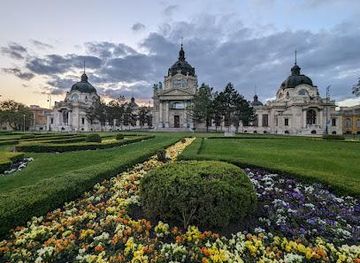
The defining landmarks of Nyírség include the churches and civic heritage of Nyírbátor, where the former Franciscan church and the Reformed church preserve important Gothic and Renaissance details associated with the Báthory family and the town’s early modern importance. In Nyíregyháza, the city’s urban identity is complemented by the wooded lakes and recreation landscape of Sóstó, a natural and cultural landmark rather than a single monumental building. The Sóstó Museum Village is also significant for its concentration of historic rural architecture from the wider north-eastern Hungarian region. Smaller landmarks include manor-house complexes and local heritage sites around settlements such as Kállósemjén and Vaja, where estate history is set within agricultural countryside. Village churches, roadside memorials and traditional houses are often modest in scale but help explain how communities developed across the sandy ridges. The Nyírség’s most characteristic geographical landmarks are its orchard belts, pine and deciduous woodland, shallow wetland depressions and open sandy stretches, which distinguish it from the flatter agricultural expanses elsewhere on the Great Plain.
-
 Fortress
Fisherman's Bastion
Experience breathtaking views and fairy-tale architecture at Fisherman's Bastion in Budapest, a must-see historical and cultural landmark.
-
Plaza
Heroes' Square
Explore the grandeur of Heroes' Square in Budapest, a historic plaza showcasing Hungary's rich heritage and stunning architecture.
-
Bridge
Széchenyi Chain Bridge
Discover the Széchenyi Chain Bridge, Budapest's architectural gem, offering breathtaking views and rich historical significance as a symbol of the city.
-
Castle
Buda Castle
Discover the historic charm and stunning views of Buda Castle, a UNESCO World Heritage site in the heart of Budapest, Hungary.


Explore Nyírség on the map
Plan your trip on one map. See where the top cities, national parks and sights are, and book hotels and experiences in a few clicks.
Best hotels in Nyírség
Best restaurants in Nyírség
Dining in Nyírség reflects north-eastern Hungarian home cooking, market agriculture and the region’s fruit-growing economy. In Nyíregyháza and the larger towns, restaurants and cafés offer familiar Hungarian dishes alongside contemporary menus, while traditional eateries and rural inns are the places to look for hearty soups, stews, paprika-seasoned meats, dumplings and baked specialities. Fruit is particularly significant: apples, sour cherries and other orchard produce appear fresh, preserved, in pastries or in seasonal drinks, though availability changes through the year. Farmers’ markets and village stalls can provide a more direct connection with local produce than formal dining rooms. Around Sóstó and in Nyírbátor, visitors will find a mixture of casual cafés, family restaurants and establishments serving regional Hungarian food. As elsewhere in Hungary, portions may be substantial and menus may emphasise meat, but vegetarian choices are increasingly available in urban areas; asking about ingredients is sensible in smaller establishments.
-
Restaurant
Sir Lancelot Medieval Restaurant
Dine like royalty at Sir Lancelot Medieval Restaurant in Budapest - where culinary tradition meets enchanting medieval entertainment.
-
Cafe
Café Gerbeaud
Timeless elegance awaits at Café Gerbeaud, Budapest's 1858 jewel where historic Gründerzeit splendor meets exquisite Gerbeaud slices and coffeehouse legacy on vibrant Vörösmarty tér.
-
Italian
Ape Regina Italian Restaurant
Experience authentic Italian cuisine at Ape Regina Restaurant in Budapest, where every dish tells a story of tradition and flavor.
-
Hungarian
Náncsi Néni
Discover the essence of Hungarian cuisine at Náncsi Néni in Budapest, where tradition meets flavor in every dish.


Best bars in Nyírség
Evening life in Nyírség is concentrated in Nyíregyháza, with smaller-town social life centred on cafés, restaurants, beer gardens and traditional pubs rather than a large club circuit. Nyíregyháza offers the broadest choice of wine bars, contemporary cafés, live-music evenings and late-night venues, especially around the city centre and areas serving students and younger residents. Sóstó has a more seasonal character, with activity increasing during warmer months and around leisure facilities. In Nyírbátor and other market towns, evenings are generally quieter and may revolve around local restaurants, community events or established pubs. Craft beer and Hungarian wines are available in urban venues, while pálinka is a traditional fruit spirit rather than a drink visitors should feel obliged to try. Check current arrangements locally, particularly outside the main city and during winter.
-
Restaurant
424 Irish Pub
Discover the warmth and flavor of 424 Irish Pub in Nyíregyháza, where traditional Irish cuisine meets local hospitality.
-
Soup kitchen
Gourmet Pub
Discover the culinary delights of Gourmet Pub in Nyíregyháza, offering exquisite soups, burgers, and coffee in a cozy atmosphere.
-
Night club
Móricz Kert
Experience the vibrant nightlife at Móricz Kert in Nyíregyháza, where live music meets a stunning garden atmosphere for unforgettable evenings.


Best nightclubs in Nyírség
Evening life in Nyírség is concentrated in Nyíregyháza, with smaller-town social life centred on cafés, restaurants, beer gardens and traditional pubs rather than a large club circuit. Nyíregyháza offers the broadest choice of wine bars, contemporary cafés, live-music evenings and late-night venues, especially around the city centre and areas serving students and younger residents. Sóstó has a more seasonal character, with activity increasing during warmer months and around leisure facilities. In Nyírbátor and other market towns, evenings are generally quieter and may revolve around local restaurants, community events or established pubs. Craft beer and Hungarian wines are available in urban venues, while pálinka is a traditional fruit spirit rather than a drink visitors should feel obliged to try. Check current arrangements locally, particularly outside the main city and during winter.
-
Night club
Club Heaven Budapest
Discover the electrifying nightlife at Club Heaven Budapest, a premier destination for dance and entertainment in the heart of the city.
-
Night club
Marilyn Night Club | Gentlemen's Club, Striptease Bar
Discover the electrifying nightlife of Budapest at Marilyn Night Club, where vibrant performances and an exhilarating atmosphere await you.
-
Bar
Nox Club
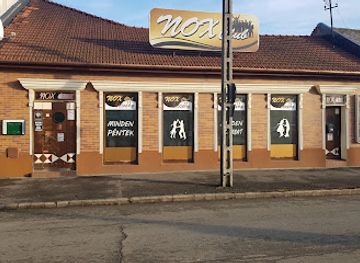
Experience the vibrant nightlife of Nyíregyháza at Nox Club, a lively bar known for its great drinks and energetic atmosphere.
-
Night club
Móricz Kert
Experience the vibrant nightlife and live music at Móricz Kert, a unique garden venue in Nyíregyháza.



Best shops in Nyírség
Shopping in Nyírség is strongest in Nyíregyháza, whose centre provides everyday retail, cafés, market shopping and independent businesses, while smaller towns such as Nyírbátor serve primarily local needs. Markets are the most useful places to look for seasonal fruit, vegetables, preserves, honey and other produce associated with the agricultural landscape; availability depends on the time of year. Regional food products make practical souvenirs, particularly dried or preserved fruit and orchard-related goods, provided they can be transported legally to the visitor’s home country. The Sóstó Museum Village shop and local cultural venues may offer traditional craft items or publications connected with regional heritage. In the towns, look for ceramics, embroidered textiles, folk-inspired objects and Hungarian food specialities rather than expecting a large designer-shopping scene. Farmers’ markets and smaller independent shops may accept cash more readily than cards, so carrying some forints is useful when browsing outside Nyíregyháza.
-
Dress store
Minibox Nyíregyháza
Discover the latest trends at Minibox Nyíregyháza, your go-to dress store for stylish outfits and accessories in Hungary's vibrant city.
-
Shopping mall
Nyír Pláza
Experience the ultimate shopping adventure at Nyír Pláza in Nyíregyháza, where retail meets entertainment and dining.
-
Store
Korzó
Experience the vibrant shopping atmosphere at Korzó in Nyíregyháza, where fashion meets fun and culinary delights await!
-
Shopping mall
STOP SHOP
Discover the ultimate shopping experience at STOP SHOP in Nyíregyháza, where shopping meets dining and entertainment.


Get your free copy of our complete guide to Nyírség, delivered straight to you.
Everything on this page, from attractions and restaurants to essentials and local phrases, in one PDF you can read offline, print or share.
Already have an account? Sign in
Your Nyírség guide is ready.
We'll send it to · Not you? Sign out

Getting your guide ready…
We are putting together a fresh copy of the Nyírség guide. This can take up to a minute.
This can take a few moments. If your browser asks, choose Allow so the download can start. You'll find the guide in your Downloads folder.
Nothing happened? Download it again
Sorry, the guide is taking longer than usual. Please try again in a minute, or get it by email instead.
Nyírség essentials
Currency and Payment
Safety
Emergency Situations
Do's and Don'ts
Local Tips
From Eve
Local phrases worth knowing
You don't need to get them perfect. A few words go a long way, and locals appreciate the effort.
Basics
| English | Local | Say it |
|---|---|---|
| Hello | Szia | [see-yah] |
| Goodbye | Viszlát | [vees-laht] |
| Yes | Igen | [ee-gen] |
| No | Nem | [nem] |
| Please/You're welcome | Kérem/Nincs mit | [kay-rem/ninch meet] |
| Thank you | Köszönöm | [kuh-suh-nuhm] |
| Excuse me/Sorry | Elnézést/Sajnálom | [el-nay-zayst/shy-nah-lohm] |
| How are you? | Hogy vagy? | [hodj vahd?] |
| Fine. And you? | Jól. És te? | [yoal. aysh teh?] |
| Do you speak English? | Beszélsz angolul? | [beh-sayls ahn-goh-lool?] |
| I don't understand | Nem értem | [nem air-tem] |
Eating & Drinking
| English | Local | Say it |
|---|---|---|
| I'd like to see the menu, please | Szeretném megnézni az étlapot, kérem | [seh-reht-naym mehg-nayzni ahz ayt-lah-poh-t, kay-rem] |
| I don't eat meat | Nem eszem húst | [nem eh-sem hoosht] |
| Cheers! | Egészségedre! | [eh-gehs-sheh-ged-reh] |
| I would like to pay, please | Szeretnék fizetni, kérem | [seh-reht-nayk fee-zet-nee, kay-rem] |
Emergencies
| English | Local | Say it |
|---|---|---|
| Help! | Segíts! | [seh-geet-sh] |
| Go away! | Menj el! | [men-yel] |
| Call the Police! | Hívd a rendőrséget! | [heevd ah ren-door-sheh-get] |
| Call a doctor! | Hívd az orvost! | [heevd ahz or-vost] |
| I'm lost | Elvesztem | [el-ves-tem] |
| I'm ill | Beteg vagyok | [beh-tehg vah-yok] |
Shopping
| English | Local | Say it |
|---|---|---|
| I'd like to buy... | Szeretnék venni... | [seh-reht-nayk veh-nee] |
| I'm just looking | Csak nézelődöm | [chaak nay-zeh-loh-dome] |
| How much is it? | Mennyibe kerül? | [men-nee-be keh-rool?] |
| That's too expensive | Ez túl drága | [ez tool drah-gah] |
| Can you lower the price? | Le tudnád csökkenteni az árat? | [leh tood-nahd chuh-kken-teh-nee ahz ah-raht?] |
Time & Numbers
| English | Local | Say it |
|---|---|---|
| What time is it? | Hány óra van? | [haany oh-rah vahn?] |
| It's one o'clock | Egy óra van | [edj oh-rah vahn] |
| Half past (10) | Fél (10) | [feel (10)] |
| Morning | Reggel | [rehg-gel] |
| Afternoon | Délután | [day-loo-tahn] |
| Evening | Este | [esh-teh] |
| Yesterday | Tegnap | [teh-nahp] |
| Today | Ma | [mah] |
| Tomorrow | Holnap | [hol-nahp] |
| 1 | 1 | [1] |
| 2 | 2 | [2] |
| 3 | 3 | [3] |
| 4 | 4 | [4] |
| 5 | 5 | [5] |
| 6 | 6 | [6] |
| 7 | 7 | [7] |
| 8 | 8 | [8] |
| 9 | 9 | [9] |
| 10 | 10 | [10] |
Transport & Directions
| English | Local | Say it |
|---|---|---|
| Where's a/the...? | Hol van a...? | [hol vahn ah?] |
| What's the address? | Mi a cím? | [mee ah teem?] |
| Can you show me (on the map)? | Meg tudnád mutatni (a térképen)? | [meg tood-nahd moo-taht-nee (ah tayr-kay-pen)?] |
| When's the next (bus)? | Mikor jön a következő (busz)? | [mee-kor yohn ah kuh-vet-keh-zoe (booz)?] |
| A ticket (to ....) | Egy jegy (....-ra) | [edj yeg (....-rah)] |
History of Nyírség
Early Settlement and the Sandy Landscape
The Nyírség developed on a broad sandy formation shaped by ancient river systems and later wind activity. Its light soils, forest remnants and depressions that could hold water created a landscape different from the wetter floodplains of the Tisza. Human settlement has a long prehistoric and early medieval history, visible through archaeological finds across the north-eastern Great Plain. Farming, grazing and woodland use gradually altered the natural vegetation, but the region’s sandy ridges and scattered wetlands remain fundamental to its identity.
Medieval Villages and the Growth of Nyíregyháza
Medieval settlement expanded through villages associated with estates, churches and agricultural production. Nyíregyháza was documented in the Middle Ages, though it remained a relatively modest settlement for much of its early history. Its later development was assisted by organised repopulation in the eighteenth century, when settlers were brought into areas damaged by warfare and depopulation. The town’s growth eventually gave the Nyírség a stronger commercial and administrative centre.
Nyírbátor and the Báthory Legacy
Nyírbátor became closely associated with the Báthory family, one of the most influential noble dynasties in medieval and early modern Hungary. The town’s churches preserve the period’s artistic and political importance: the former Franciscan church and the Reformed church contain outstanding late Gothic and Renaissance features, including carved furnishings and tomb-related monuments. Nyírbátor’s location near historic frontier zones also meant that regional life was affected by the struggles between the Hungarian Kingdom, the Ottoman Empire and the Transylvanian political sphere.
Frontier Pressures and Early Modern Transformation
From the sixteenth to the seventeenth centuries, north-eastern Hungary experienced warfare, shifting jurisdictions and competing religious influences. Fortified places and estate centres became important in a region exposed to political instability, while villages faced disruption and later resettlement. The Reformation left a lasting mark on local religious architecture, particularly in the survival of Protestant churches. By the eighteenth century, population recovery and the rebuilding of estates and settlements laid foundations for the more stable agricultural society that followed.
Agriculture, Orchards and Market Towns
During the eighteenth and nineteenth centuries, the Nyírség’s economy consolidated around farming, animal husbandry, forestry and trade between market towns. The sandy soils encouraged particular forms of cultivation, including fruit growing, and orchards became increasingly important to local livelihoods. Estate management and village agriculture existed alongside one another, while fairs and regional markets connected producers with larger centres. Many present-day food traditions and the landscape around Nyíregyháza and the surrounding towns reflect this long agricultural development.
Railways and Modern Regional Connections
Railway construction in the nineteenth century strengthened the commercial role of Nyíregyháza and improved connections between the north-eastern counties and the wider Hungarian economy. Rail transport supported the movement of agricultural produce, timber and manufactured goods, while also encouraging the growth of administration and education in the city. The resulting network helped turn Nyíregyháza into the region’s principal hub, even as many Nyírség communities retained their village-based character.
Twentieth-Century Change and Regional Identity
The twentieth century brought war, political upheaval, collectivisation, industrial development and later economic restructuring. Agricultural production remained important, but mechanisation and urbanisation changed the relationship between villages and land. Nyíregyháza expanded as a centre for services, education and industry, while museums and heritage projects helped preserve rural traditions and historic buildings. Today the Nyírség’s regional identity is expressed through its distinctive landscape, fruit-growing culture, town history and the continuing importance of north-eastern Hungarian communities.
Nyírség in Photos
Browse through our photo collection highlighting the charm and character of the destination.
Neighbouring regions of Nyírség
The closest regions to Nyírség, if you have time for more than one.
-

-

-

-

-


Swipe for more regions
Explore more

Explore more of Hungary
Discover Hungary: A land of historic cities, scenic landscapes, thermal baths, and rich culinary traditions in the heart of Europe.
Explore Hungary