

Free Zalaegerszeg Travel Guide & Mobile App
Plan your Zalaegerszeg trip with Evendo. Get free guides to top attractions, restaurants, hotels, and bars. Web access or download the mobile app.


Zalaegerszeg blends Hungarian history, Göcsej culture, open-air museums, thermal pleasures and green hills in western Hungary near Lake Balaton.
A Western Hungarian County Capital
Zalaegerszeg lies among the wooded hills and valleys of western Hungary, serving as the administrative centre of Zala County and an introduction to the distinctive Göcsej region. The city is quieter and more spacious than Budapest or the larger university centres, with a compact core shaped by parish traditions, civic institutions and the legacy of the oil industry. Its setting is part of its appeal: wooded slopes, vineyards, streams and rural settlements extend beyond the urban streets, while Lake Balaton and the spa towns of western Transdanubia are within reach by road.Read more about Zalaegerszeg
Museums and Living Heritage
Green Spaces and Regional Flavours
When is the best time to visit Zalaegerszeg?
Best: May–June, September · 24–30°C| Month | High (°C) | Rainfall (mm) |
|---|---|---|
| January | 2 | 31 |
| February | 5 | 26 |
| March | 11 | 36 |
| April | 17 | 41 |
| May (best) | 24 | 46 |
| June (best) | 30 | 51 |
| July | 34 | 56 |
| August | 33 | 56 |
| September (best) | 26 | 46 |
| October | 18 | 41 |
| November | 11 | 36 |
| December | 6 | 31 |
Getting to and around Zalaegerszeg
How to get there
Transportation
Best attractions in Zalaegerszeg
Zalaegerszeg’s attractions reveal both the city and the countryside of Zala. The Göcseji Múzeum introduces local history, archaeology and cultural life, while the Göcsej Village Museum recreates a traditional settlement with relocated vernacular buildings, farmyards and craft traditions. The Hungarian Oil Museum presents the region’s industrial story through drilling equipment and technical displays. In the centre, the Mindszentyneum explores the life and historical context of Cardinal József Mindszenty, and the Mária Magdolna parish church anchors the main urban square. Families may enjoy the thermal and leisure facilities at Aquacity, while the Azáleás Valley offers a quieter landscape of rhododendrons, azaleas and woodland paths. The lookout area around Bazita Hill provides a perspective over the city and its rolling surroundings, and the wider Göcsej region adds villages, forests and rural traditions to the sightseeing programme.
-
Tourist attraction
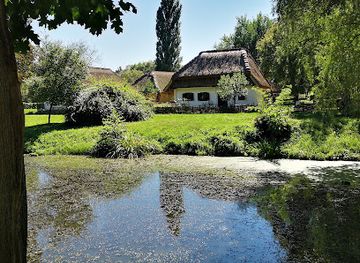
Göcseji Village Museum, Zalaegerszeg
Explore the rich cultural heritage of rural Hungary at Gócseji Village Museum, an enchanting open-air museum in Zalaegerszeg.
6 min drive · 1.9 km from city centre
-
Tourist attraction
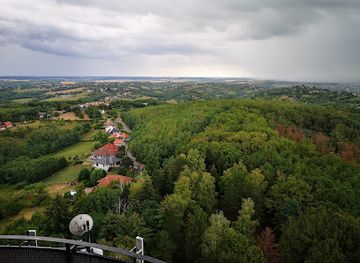
tv-torony kilátó és kávézó
Experience stunning views of Zalaegerszeg from the iconic TV Tower, a perfect blend of scenic beauty and relaxation in Hungary.
11 min drive · 3.6 km from city centre
-
Tourist attraction
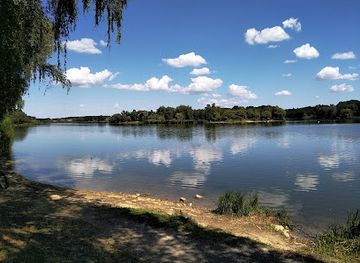
Gébárti-tó
Discover the tranquility of Gébárti-tó, a stunning swimming lake in Zalaegerszeg, perfect for relaxation and outdoor fun.
11 min drive · 3.5 km from city centre
-
Tourist attraction
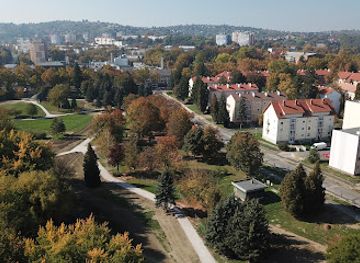
Vizslapark
Explore the lush landscapes and serene lakes of Vizslapark, a peaceful haven for nature lovers in Zalaegerszeg, Hungary.
7 min walk · 0.6 km from city centre
Best landmarks in Zalaegerszeg
The Mária Magdolna parish church is Zalaegerszeg’s principal historic church and an important presence beside the central square, representing the religious and civic development of the county seat. The Mindszentyneum is a contemporary cultural landmark devoted to Cardinal József Mindszenty and the historical issues surrounding his life, adding a modern architectural and interpretive focus to the city. Historic county and municipal buildings around the centre express Zalaegerszeg’s long administrative role, while the Göcseji Múzeum connects the urban landscape with the wider region’s past. Outside the centre, the traditional houses and farm buildings of the Göcsej Village Museum preserve the architectural language of rural Zala. The Hungarian Oil Museum’s machinery and industrial displays form a different kind of landmark, commemorating the petroleum discoveries and engineering activity that reshaped the city during the twentieth century.
-
Aquatic centre
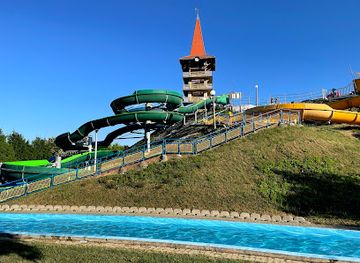
AquaCity Waterslide and Adventure Park
Experience the thrill of AquaCity Waterslide and Adventure Park in Zalaegerszeg, Hungary – an aquatic haven for fun, relaxation, and family adventures.
11 min drive · 3.5 km from city centre
-
Museum
Göcseji Village Museum, Zalaegerszeg
Discover the rich cultural heritage of Hungary at Gocseji Village Museum in Zalaegerszeg, where history comes alive through interactive exhibits and traditional crafts.
6 min drive · 1.9 km from city centre
-
Restaurant
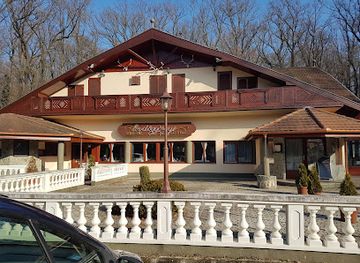
Erdőgyöngye Étterem és Panzió
Discover the authentic taste of Hungary at Erdőgyönge Restaurant and Guesthouse in Zalaegerszeg, where local flavors come alive in a cozy setting.
9 min drive · 2.9 km from city centre
-
Tourist attraction
Földön járó toronyóra
Explore the fascinating history and stunning architecture of Földeak's Járó Toronyóra in Zalaegerszeg, a must-visit cultural landmark.
8 min walk · 0.6 km from city centre

Explore Zalaegerszeg on the map
Plan your Zalaegerszeg trip on one map. See where the top attractions, landmarks, restaurants, bars and hotels are, find what's near where you're staying, and book hotels and experiences in a few clicks.
Best hotels in Zalaegerszeg
Best restaurants in Zalaegerszeg
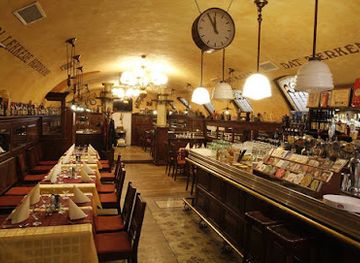
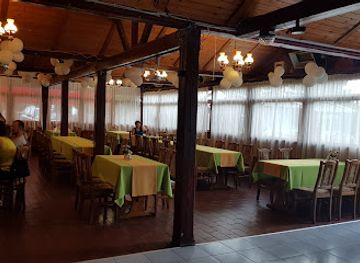
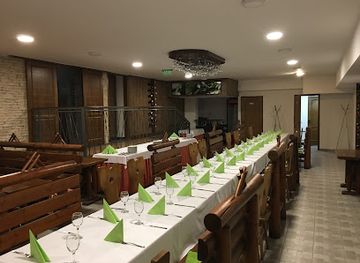
Zalaegerszeg’s food culture belongs to western Hungarian home cooking, with hearty soups, stews, freshwater fish, game and dishes flavoured with paprika, sour cream and seasonal vegetables. Zala pumpkin-seed oil is a characteristic regional ingredient, used in salads, cold dishes and local specialities, while nearby vineyards contribute wines from the Zala wine region. In the centre, restaurants and cafés serve familiar Hungarian dishes alongside contemporary interpretations, and bakeries provide pastries and everyday breads. Markets and food shops are useful for regional produce rather than elaborate street-food culture. The Göcsej heritage visible in the open-air museum is also reflected in traditional cooking based on what rural households could grow, preserve or gather. Visitors should expect a quieter dining scene than in Budapest, with a mixture of family-run establishments, casual cafés and modern restaurants around the central streets.
-
Restaurant
Kiskondás Étterem
Experience authentic Hungarian flavors at Kiskondás Étterem in Zalaegerszeg – a culinary delight waiting for your taste buds.
7 min drive · 2.4 km from city centre
-
Belgian
Belga söröző és étterem
Savor the rich flavors of Belgium at Belga söröző és étterem in Zalaegerszeg – your gateway to authentic Belgian cuisine and exquisite beers.
8 min walk · 0.7 km from city centre
-
Hungarian
Vándor Vigadó
Experience authentic Hungarian cuisine at Vándor Vigadó in Zalaegerszeg—where tradition meets taste.
8 min drive · 2.7 km from city centre
-
Restaurant
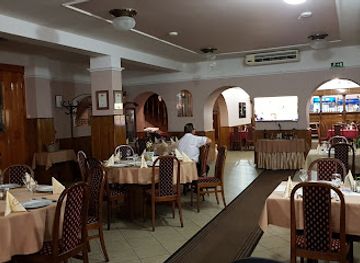
Véndiófa Étterem és Panzió
Experience authentic Hungarian cuisine at Véndiófa Étterem és Panzió in Zalaegerszeg - a culinary haven blending tradition and comfort.
16 min walk · 1.3 km from city centre
Best bars in Zalaegerszeg
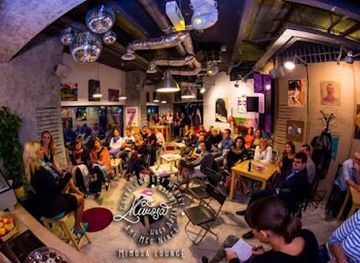
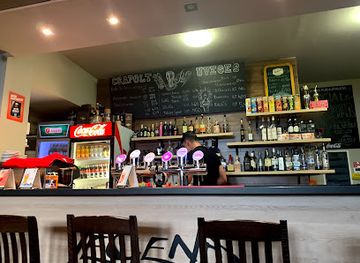
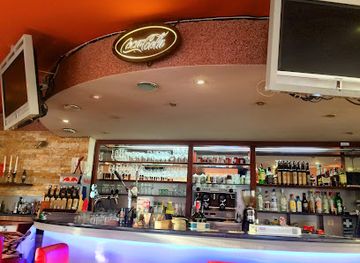
Evenings in Zalaegerszeg tend to centre on cafés, restaurants, local pubs and occasional cultural programmes rather than a large club circuit. The central streets and squares provide the main concentration of places for an unhurried drink, while wine from Zala and other Hungarian regions appears in more relaxed bar settings. The city’s theatre and cultural institutions add performances, concerts and seasonal events to the evening calendar, and live music may feature at individual venues without defining the whole nightlife scene. Students and younger residents create some later activity, but the atmosphere remains that of a regional county capital rather than a major party destination. After dark, visitors can also combine dinner with a walk through the illuminated centre or seek a quieter evening around their accommodation.
-
Bar
Mimosa Lounge
Experience the vibrant nightlife and delightful cuisine at Mimosa Lounge, Zalaegerszeg's premier bar and concert venue.
8 min walk · 0.7 km from city centre
-
Bar
Legends Pub
Experience the heart of Zalaegerszeg's nightlife at Legends Pub, a vibrant bar offering a diverse drink menu and lively atmosphere.
6 min walk · 0.5 km from city centre
-
Bar
Terra Incognita Étterem és Bár
Experience the unique fusion of local flavors and vibrant atmosphere at Terra Incognita Étterem és Bár in Zalaegerszeg.
9 min walk · 0.7 km from city centre
-
Pub
Alibi Pub&Pizza
Experience the best of Zalaegerszeg at Alibi Pub & Pizza, where delicious flavors and a cozy atmosphere come together for an unforgettable dining experience.
12 min walk · 1.0 km from city centre

Best nightclubs in Zalaegerszeg
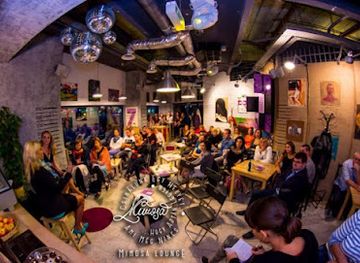
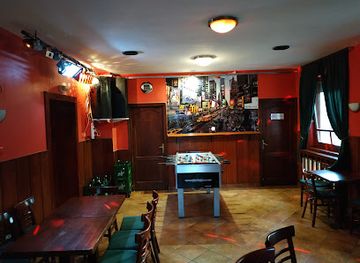
Evenings in Zalaegerszeg tend to centre on cafés, restaurants, local pubs and occasional cultural programmes rather than a large club circuit. The central streets and squares provide the main concentration of places for an unhurried drink, while wine from Zala and other Hungarian regions appears in more relaxed bar settings. The city’s theatre and cultural institutions add performances, concerts and seasonal events to the evening calendar, and live music may feature at individual venues without defining the whole nightlife scene. Students and younger residents create some later activity, but the atmosphere remains that of a regional county capital rather than a major party destination. After dark, visitors can also combine dinner with a walk through the illuminated centre or seek a quieter evening around their accommodation.
-
Night club
Mimosa Lounge
Discover the vibrant nightlife at Mimosa Lounge in Zalaegerszeg, where culinary delights meet live music and dancing in a chic atmosphere.
8 min walk · 0.7 km from city centre
-
Pub
Park Club Zalaegerszeg
Discover the lively spirit of Zalaegerszeg at Park Club, a must-visit pub for an unforgettable night out filled with local flavors and vibrant entertainment.
12 min walk · 0.9 km from city centre
-
Night club
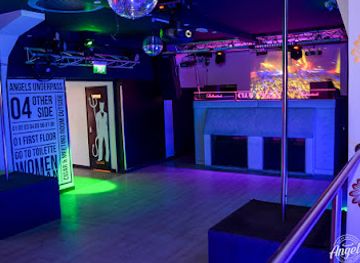
Club Angels
Discover the electrifying nightlife at Club Angels in Zalaegerszeg, where vibrant music and dance create unforgettable moments.
19 min walk · 1.5 km from city centre
-
Night club
Feri Garázs
Discover the pulsating nightlife at Feri Garázs, Zalaegerszeg's top night club with electrifying music and unforgettable experiences.
5 min walk · 0.4 km from city centre
Best shops in Zalaegerszeg
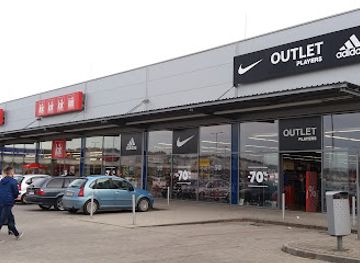
Shopping in Zalaegerszeg is concentrated around the central pedestrian streets, local shops, supermarkets and the city’s market facilities rather than a nationally significant luxury district. Traditional markets and small food retailers are the best places to look for regional ingredients such as Zala pumpkin-seed oil, honey, preserves and other products from western Hungarian farms. Souvenir choices may include folk-inspired textiles, ceramics and craft goods associated with Göcsej, although stock varies between shops and seasonal events. The centre also has cafés, bakeries and independent businesses that make browsing part of an ordinary city walk. Larger retail centres and commercial areas on the urban outskirts provide practical shopping, while visitors seeking antique or specialist goods should allow time to explore individual shops rather than expecting one concentrated historic bazaar.
-
Shopping mall
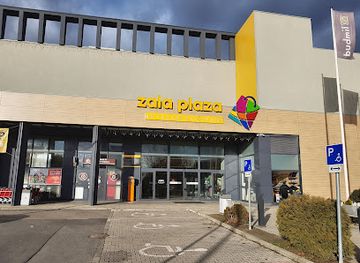
Zala Plaza
Experience shopping and dining like never before at Zala Plaza, Zalaegerszeg's premier shopping mall with diverse offerings for all.
16 min walk · 1.3 km from city centre
-
Shopping mall
Zala Park Shopping Center
Discover the vibrant shopping experience at Zala Park Shopping Center in Zalaegerszeg, offering a diverse selection of stores and dining options for every traveler.
6 min drive · 1.9 km from city centre
-
Shopping mall
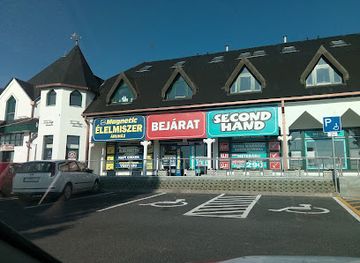
Magnetic Stores Ltd.
Experience shopping like never before at Magnetic Stores Ltd. in Zalaegerszeg, where diverse retail options meet local charm.
16 min drive · 5.2 km from city centre
-
Market
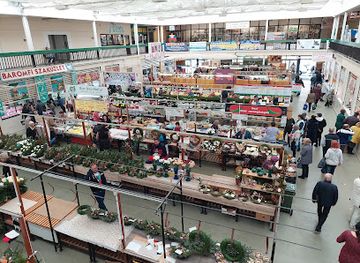
Market Hall
Discover the flavors and culture of Zalaegerszeg at the Market Hall, a vibrant hub filled with local produce, crafts, and authentic Hungarian delicacies.
14 min walk · 1.1 km from city centre
Get your free copy of our complete guide to Zalaegerszeg, delivered straight to you.
Everything on this page, from attractions and restaurants to essentials and local phrases, in one PDF you can read offline, print or share.
Already have an account? Sign in
Your Zalaegerszeg guide is ready.
We'll send it to · Not you? Sign out

Getting your guide ready…
We are putting together a fresh copy of the Zalaegerszeg guide. This can take up to a minute.
This can take a few moments. If your browser asks, choose Allow so the download can start. You'll find the guide in your Downloads folder.
Nothing happened? Download it again
Sorry, the guide is taking longer than usual. Please try again in a minute, or get it by email instead.
Zalaegerszeg essentials
Currency and Payment
Safety
Emergency Situations
Do's and Don'ts
Local Tips
From Eve
Local phrases worth knowing
You don't need to get them perfect. A few words go a long way, and locals appreciate the effort.
Basics
| English | Local | Say it |
|---|---|---|
| Hello | Helló | [heh-loh] |
| Goodbye | Viszontlátásra | [vee-son-tla-taash-ra] |
| Yes | Igen | [ee-gen] |
| No | Nem | [nem] |
| Please/You're welcome | Kérem | [keh-rem] |
| Thank you | Köszönöm | [kuh-suh-nuhm] |
| Excuse me/Sorry | Elnézést | [el-ne-zeysht] |
| How are you? | Hogy vagy? | [hoj vahdj] |
| Fine. And you? | Jól vagyok. És te? | [yol vah-yok esh te] |
| Do you speak English? | Beszélsz angolul? | [be-sayl-s ang-oh-lool] |
| I don't understand | Nem értem | [nem air-tem] |
Eating & Drinking
| English | Local | Say it |
|---|---|---|
| I'd like to see the menu, please | Szeretnék látni az étlapot, kérem | [seh-reht-nayk laht-nee az eht-loh-pot, keh-rem] |
| I don't eat meat | Nem eszem húst | [nem es-em hoost] |
| Cheers! | Egészségedre! | [eh-geys-shay-gehd-reh] |
| I would like to pay, please | Fizetnék, kérem | [fee-zeht-nayk, keh-rem] |
Emergencies
| English | Local | Say it |
|---|---|---|
| Help! | Segítség! | [she-geet-saig] |
| Go away! | Menj el! | [men yel] |
| Call the Police! | Hívja meg a rendőrséget! | [heev-yah meg ah rehn-dur-she-get] |
| Call a doctor! | Hívjon orvost! | [hee-voyn or-vosht] |
| I'm lost | El vagyok tévedve | [el vahd-yok tay-vehd-veh] |
| I'm ill | Beteg vagyok | [beh-tehg vahdj-ok] |
Shopping
| English | Local | Say it |
|---|---|---|
| I'd like to buy... | Szeretnék venni... | [seh-reht-nayk vehn-nee] |
| I'm just looking | Csak nézelődöm | [chahk neh-zeh-loh-dohm] |
| How much is it? | Mennyibe kerül? | [men-nyee-beh keh-rool] |
| That's too expensive | Ez túl drága | [ez tool draa-ga] |
| Can you lower the price? | Le tudnád csökkenteni az árat? | [leh too-dnaad chok-ken-teh-nee az aah-raht] |
Time & Numbers
| English | Local | Say it |
|---|---|---|
| What time is it? | Mennyi az idő? | [men-yee az ee-doh] |
| It's one o'clock | Egy óra van | [edj oh-rah vahn] |
| Half past (10) | Fél tizenegy | [feyl tee-zen-eyk] |
| Morning | Reggel | [reh-ggel] |
| Afternoon | Délután | [deyl-oo-tahn] |
| Evening | Este | [eh-shte] |
| Yesterday | Tegnap | [teg-nahp] |
| Today | Ma | [mah] |
| Tomorrow | Holnap | [hol-nahp] |
| 1 | Egy | [edj] |
| 2 | Kettő | [ket-tuh] |
| 3 | Három | [ha-rohm] |
| 4 | Négy | [neyj] |
| 5 | Öt | [oht] |
| 6 | Hat | [haht] |
| 7 | Hét | [hayt] |
| 8 | Nyolc | [nyoltz] |
| 9 | Kilenc | [keel-ents] |
| 10 | Tíz | [teeez] |
Transport & Directions
| English | Local | Say it |
|---|---|---|
| Where's a/the...? | Hol van a... | [hol vahn ah] |
| What's the address? | Mi a cím? | [mee ah cheem] |
| Can you show me (on the map)? | Meg tudnád mutatni (a térképen)? | [meg too-dnaad moo-taht-nee ah tair-keh-pen] |
| When's the next (bus)? | Mikor jön a következő (busz)? | [mee-kor yern ah koh-veht-keoh boos] |
| A ticket (to ....) | Egy jegyet (....-ra) | [edj yeg-yet rah] |
History of Zalaegerszeg
Medieval Origins beside the Zala
Zalaegerszeg emerged in the medieval landscape of Zala County beside the Zala River and its tributaries. Its name, recorded in forms including Egerscug in the thirteenth century, refers to an alder-covered place associated with the river environment. The settlement developed under ecclesiastical and noble influence, and its position on routes crossing the county helped it grow beyond a small rural community. Medieval documentation is fragmentary, but the town’s later importance as a county centre was rooted in this combination of administrative connections, market activity and access to the surrounding agricultural districts.
A Market Town in Ottoman Borderland
During the sixteenth and seventeenth centuries, Zalaegerszeg occupied a vulnerable position within the frontier zone between Habsburg and Ottoman territories. The town was not one of the great fortified strongholds of the border, yet warfare, taxation and the movement of soldiers affected life throughout the region. Its surrounding settlements suffered disruption, while local authorities worked to maintain administration and trade. As Ottoman pressure receded, Zalaegerszeg gradually regained stability. The experience left western Hungary with a landscape marked by abandoned settlements, defensive sites and long-term demographic change.
County Administration and Civic Growth
Zalaegerszeg became increasingly important as the seat of Zala County administration during the early modern period. In the eighteenth and nineteenth centuries, county offices, churches, schools and market functions gave the town a more recognisable civic structure. Its growth was supported by agriculture and regional commerce rather than heavy industry, and the surrounding Göcsej area supplied timber, food and craft traditions. The parish church of Mary Magdalene and later civic buildings reflect this gradual development. By the nineteenth century, Zalaegerszeg had become a clear administrative and cultural focus for the county.
Railways and the Modern County Seat
The arrival of railway connections in the late nineteenth century strengthened Zalaegerszeg’s links with other parts of Transdanubia and encouraged the movement of people, goods and ideas. Modern municipal institutions developed alongside schools, commercial premises and improved roads. The town remained closely connected to its rural hinterland, but transport made it more effective as a county capital. This period also brought the modest urban expansion visible in the central street plan and public buildings, while traditional villages and small farms continued to shape the wider Zala landscape.
Oil and Twentieth-Century Transformation
The discovery and exploitation of petroleum in the Zala region during the twentieth century changed Zalaegerszeg’s economic direction. Oil-related activity, including drilling and associated industrial development, created new employment and strengthened the city’s regional role. The Hungarian Oil Museum preserves the technological and social history of this transformation. After the Second World War, socialist-era construction expanded housing, infrastructure and public services beyond the historic centre. The city’s present identity therefore combines county administration and rural heritage with the industrial legacy that helped shape its modern population and urban form.
Contemporary Cultural Reinterpretation
Since the political and economic changes of the late twentieth century, Zalaegerszeg has continued to develop as a regional service, education and cultural centre. Museums and public institutions have reinterpreted local history for contemporary audiences, while the Göcsej Village Museum keeps vernacular architecture and rural customs visible. The Mindszentyneum, dedicated to the life and historical context of Cardinal József Mindszenty, adds a modern museum dimension to the city’s religious and political heritage. Today, Zalaegerszeg’s identity rests on the relationship between county-town institutions, industrial memory and the wooded cultural landscape of Göcsej.
Zalaegerszeg in Photos
Browse through our photo collection highlighting the charm and character of the destination.
Cities near Zalaegerszeg
The closest cities to Zalaegerszeg, if you have time for more than one stop.
-

-

-

-

-


Swipe for more cities
Explore more

Explore more of Hungary
Discover Hungary: A land of historic cities, scenic landscapes, thermal baths, and rich culinary traditions in the heart of Europe.
Explore Hungary