When is the best time to go to Húsavík?
Weather at a glance
Use the monthly temperature and precipitation trends to compare typical conditions across the year before planning city walks, museum days, and riverside exploring.
Discover Húsavík, Iceland's premier destination for whale watching, rich cultural heritage, and stunning natural beauty. Perfect for nature lovers and adventure seekers alike.
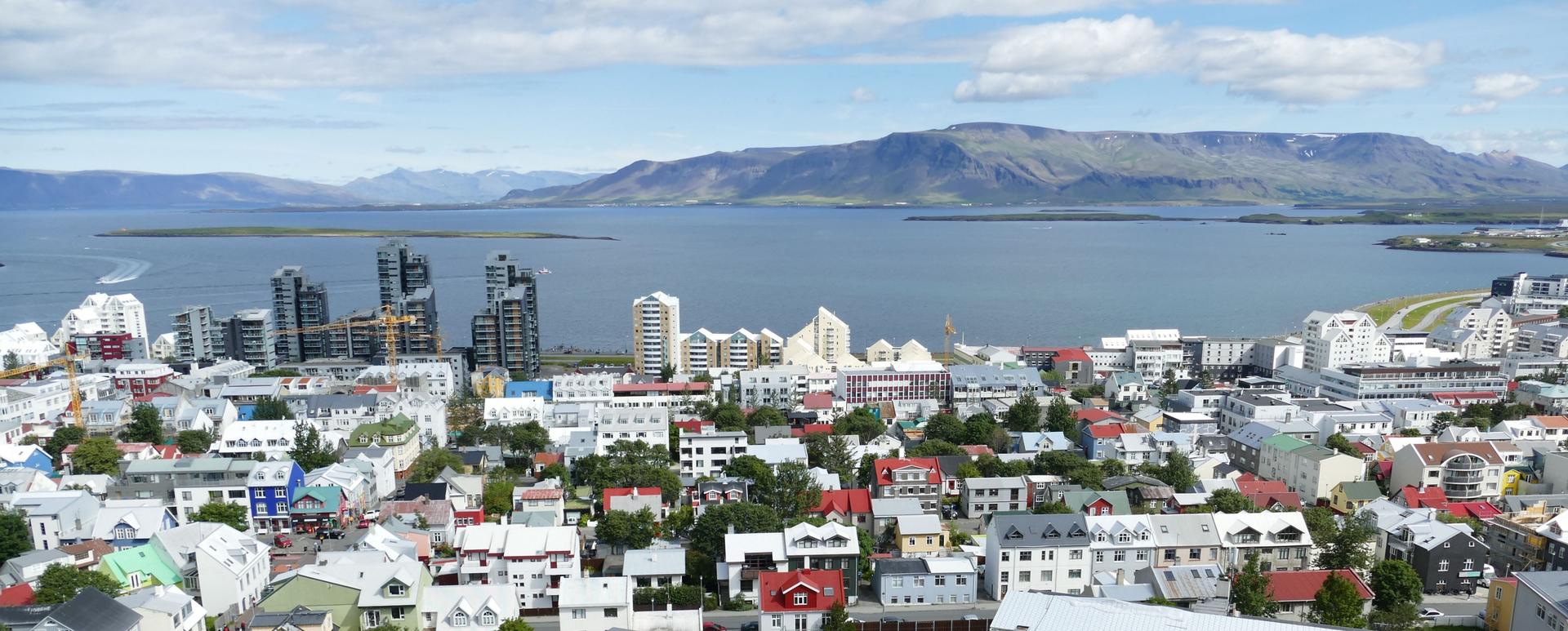
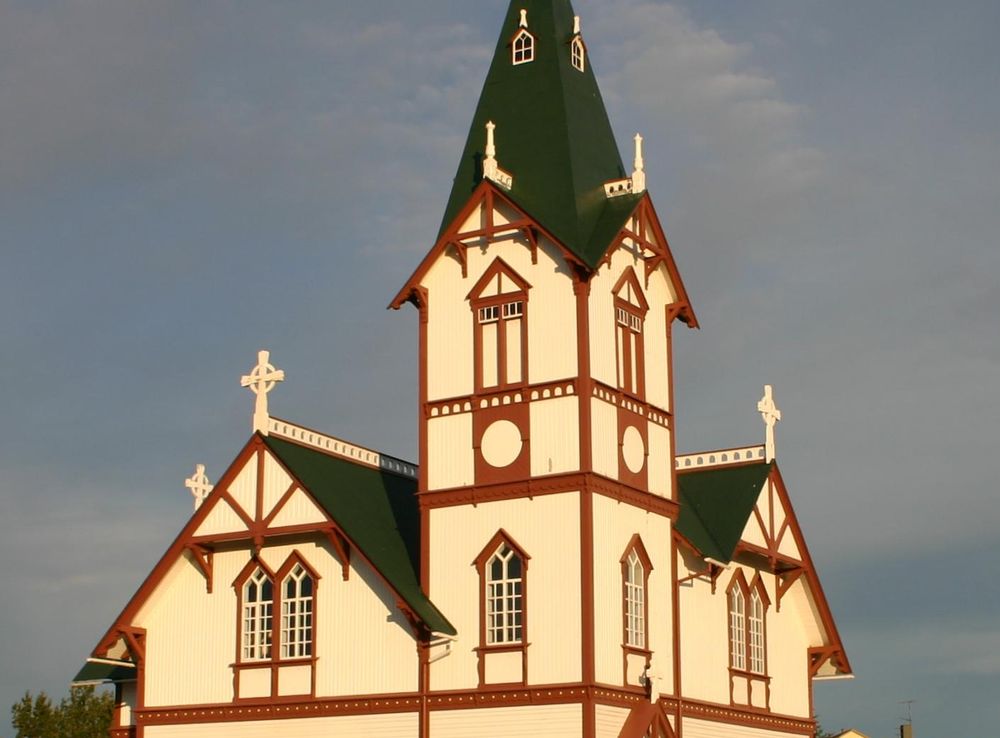
Nestled on the northern coast of Iceland, Húsavík is often referred to as the Whale Watching Capital of the world. This charming town offers an unforgettable experience with its stunning views of Skjálfandi Bay and its rich maritime history. Visitors can embark on whale watching tours to see majestic creatures such as humpbacks, minkes, and even the elusive blue whale. The town's picturesque harbor, lined with colorful houses and fishing boats, creates a postcard-perfect setting that is both inviting and serene. Beyond its marine attractions, Húsavík is home to the Húsavík Whale Museum, which provides an in-depth look at the history and biology of these magnificent animals. The museum's exhibits are both educational and engaging, making it a must-visit for anyone interested in marine life. For those seeking relaxation, the Geosea Geothermal Sea Baths offer a unique experience where you can soak in warm, mineral-rich waters while enjoying panoramic views of the Arctic Circle. Húsavík also boasts a vibrant cultural scene. The town's wooden church, Húsavíkurkirkja, built in 1907, is a beautiful example of Icelandic architecture and offers insight into the local heritage. The nearby Asbyrgi Canyon and Dettifoss Waterfall are perfect day trips for nature enthusiasts, showcasing some of Iceland's most dramatic landscapes. With its blend of natural beauty, wildlife, and cultural treasures, Húsavík is a destination that promises to captivate and inspire every visitor.
Jump straight into the city guide by the kind of discovery you want first.
Weather at a glance
Use the monthly temperature and precipitation trends to compare typical conditions across the year before planning city walks, museum days, and riverside exploring.
Explore expert travel guides, compare and book tours, experiences, hotels, and more—all from the palm of your hand. Download now for seamless trip planning wherever your wanderlust takes you.
Core city planning details in the same structured guide format used across the Country/Region page language.
Húsavík is located on the northern coast of Iceland. The nearest international airport is Keflavík International Airport (KEF) in Reykjavik, approximately 480 kilometers away. From Reykjavik, you can either take a domestic flight to Akureyri Airport (AEY), which is about 90 kilometers from Húsavík, or drive the scenic route via the Ring Road (Route 1). There are also bus services available from Reykjavik and Akureyri to Húsavík.
Húsavík is a small town, making it easy to explore on foot. For longer distances, local taxis are available. Car rentals are also a popular option for those wishing to explore the surrounding areas at their own pace. There are public buses that connect Húsavík with nearby towns and cities, but schedules can be limited, so planning ahead is advisable.
The official currency in Iceland is the Icelandic Króna (ISK). Credit and debit cards are widely accepted in Húsavík, including in hotels, restaurants, and shops. It's always a good idea to carry some cash for smaller establishments or in case of emergency. ATMs are available for cash withdrawals.
Húsavík is generally a very safe destination for tourists. Crime rates are low, and instances of crimes targeting tourists are rare. Nevertheless, it is always wise to take standard precautions such as not leaving valuables unattended and being aware of your surroundings. There are no specific high-crime areas in Húsavík.
In case of emergency, dial 112 for immediate assistance. Húsavík has a local police station and medical facilities. It's advisable to have travel insurance that covers medical emergencies. For minor health issues, there are pharmacies in town where you can purchase over-the-counter medications.
Fashion: Do dress in layers to adapt to the changing weather. Waterproof clothing is recommended. Don't wear excessively revealing clothing. Religion: Do respect local customs and traditions, especially when visiting churches. Public Transport: Do be respectful and offer your seat to elderly passengers. Don't eat or drink on public transport. Greetings: Do greet people with a friendly smile or a handshake. Eating & Drinking: Do try local delicacies such as fresh seafood. Don't waste food, as it is considered impolite.
To experience Húsavík like a local, visit the town's geothermal baths for a relaxing soak. Explore the local markets and shops to pick up unique Icelandic products. Engage with locals, who are often friendly and willing to share insights about the town's history and culture. Don't miss the chance to go whale watching, as Húsavík is known as the whale watching capital of Iceland.
Follow the city from Roman Londinium to its modern global identity through landmark moments that still shape the visitor experience.
Húsavík is often considered the first place in Iceland where a Norseman settled, around the year 870 AD. According to the Landnámabók (The Book of Settlements), a Swedish Viking named Garðar Svavarsson stayed in the area for one winter. His crew built a house, giving the place its name, 'Húsavík,' which translates to 'Bay of Houses.'
By the late 11th century, Christianity had made significant inroads in Iceland, and Húsavík was no exception. The town boasts one of the earliest churches in Iceland. The church, known as the Húsavíkurkirkja, was initially established in the 11th century and has seen various rebuilds over the centuries. The current wooden church, built in 1907, stands as a captivating example of the region's religious history.
Húsavík has long been associated with whaling, an industry that profoundly shaped its economy and culture. The Húsavík Whale Museum, founded in 1997, offers extensive exhibits on the history of whaling in the region, displaying artifacts, skeletons, and interactive installations that provide deep insight into the town's maritime heritage.
In the late 19th and early 20th centuries, Húsavík experienced a fishing boom. The abundance of fish in the Skjálfandi Bay led to the establishment of several fishing companies and fish processing plants. This period significantly contributed to the growth and modernization of the town, transforming it into a bustling fishing hub.
Húsavík holds a unique place in the history of space exploration. In 1965 and 1967, NASA astronauts, including those from the Apollo missions, trained in the lunar-like landscapes of the Húsavík area. The training prepared them for the geological tasks they would perform on the moon, making Húsavík a small but significant part of the space race.
In recent pop culture, Húsavík gained international attention through the 2020 Netflix film 'Eurovision Song Contest: The Story of Fire Saga.' The movie, starring Will Ferrell and Rachel McAdams, featured the town prominently, particularly the song 'Húsavík (My Hometown),' which was nominated for an Academy Award. This spotlight has since boosted tourism and interest in the town.
Browse practical local phrases by situation. Each group opens only when needed, keeping the guide tidy while preserving the full phrase set.
A quick visual tour through classic views, riverside landmarks, royal streets, and skyline moments.
Continue exploring nearby destinations and classic IS city breaks after Húsavík.