

Payette Lake Travel Guide - Free Web & App
Your ultimate guide to Payette Lake. Discover top landmarks, proposed trips, and local tips. Free on the web or via the Evendo companion app.


Payette Lake, Idaho, pairs clear mountain water with McCall, Ponderosa State Park, boating, beaches, forest trails and four-season outdoor adventure.
Mountain Lake and Forest Setting
Payette Lake lies in west-central Idaho beside the town of McCall, where the Salmon River Mountains rise around a broad, deeply indented body of water. The lake’s shoreline combines coniferous forest, rocky points, sandy and pebbled beaches, residential areas and public parks, while the wooded peninsula of Ponderosa State Park extends into its eastern side. The landscape changes noticeably with the seasons: summer brings boating, swimming and lakeside walking; autumn colours the surrounding forests; winter places the lake within a wider snow-country landscape of Nordic skiing, snowshoeing and mountain recreation.Read more about Payette Lake
McCall and the Lakeside Experience
Water, Wildlife and Recreation
When is the best time to visit Payette Lake?
Best: June–August · 23–27°C| Month | High (°C) | Rainfall (mm) |
|---|---|---|
| January | 2 | 75 |
| February | 4 | 60 |
| March | 9 | 50 |
| April | 14 | 40 |
| May | 19 | 40 |
| June (best) | 23 | 30 |
| July (best) | 27 | 20 |
| August (best) | 26 | 20 |
| September | 22 | 30 |
| October | 15 | 40 |
| November | 7 | 50 |
| December | 2 | 60 |
Getting to and around Payette Lake
How to get there
Transportation
Best attractions in Payette Lake
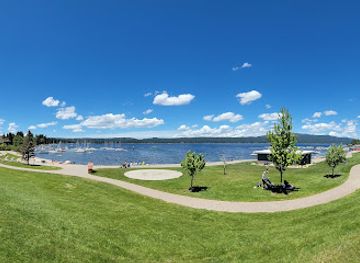
Payette Lake’s principal attractions are its changing shoreline, mountain views and easy connection with McCall’s public waterfront. Legacy Park provides a central lakeside space near town, while nearby beaches, parks and boat-launch areas offer access to the water where permitted. Ponderosa State Park occupies a wooded peninsula and adjoining uplands, with forest roads, campsites, walking routes and viewpoints overlooking the lake and surrounding Salmon River Mountains. The town of McCall adds galleries, shops, local history and seasonal community events, making it a useful complement to the natural landscape rather than an attraction separate from it. Visitors seeking a broader mountain itinerary can travel to nearby Brundage Mountain or into the Payette National Forest, but these are surrounding destinations rather than features of Payette Lake itself. The lake is also a practical base for fishing, paddling, boating and winter recreation, subject to permits, regulations, weather and seasonal conditions.
-
Tourist attraction
Ponderosa State Park
Explore the stunning landscapes and diverse wildlife at Ponderosa State Park, a perfect getaway for outdoor enthusiasts in McCall, Idaho.
-
Tourist attraction
Rotary Park
Experience the natural beauty and recreational offerings of Rotary Park in McCall, Idaho, an ideal destination for outdoor enthusiasts and families.
-
Tourist attraction
Legacy Park
Explore Legacy Park in McCall, Idaho - a beautiful park featuring trails, playgrounds, and stunning views of nature's splendor.
-
American
The Cutwater on Payette Lake
Discover the culinary delights of The Cutwater on Payette Lake, where stunning views and American cuisine create unforgettable dining moments.
Best landmarks in Payette Lake
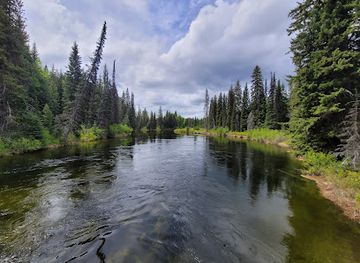
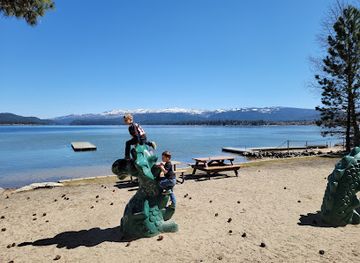
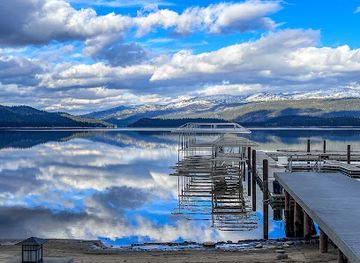
Payette Lake itself is the defining natural landmark, a glacially shaped mountain lake whose broad water surface and irregular coves are framed by the forests and peaks of west-central Idaho. The wooded peninsula of Ponderosa State Park is a prominent feature of the eastern lakeshore, creating distinctive views across the water and preserving a substantial area of upland forest close to McCall. The shoreline around Legacy Park and the town’s waterfront forms the lake’s most accessible civic landmark, linking public recreation with McCall’s historic role as a lakeside community. Beyond the immediate basin, the Salmon River Mountains, Brundage Mountain and the forests of the Payette National Forest provide the larger geographical setting, although they are neighbouring landscapes rather than landmarks located within Payette Lake. Human landmarks are modest in scale, and the destination’s identity rests chiefly on the relationship between water, forest, mountain terrain and the town on the southern shore.
-
Government office
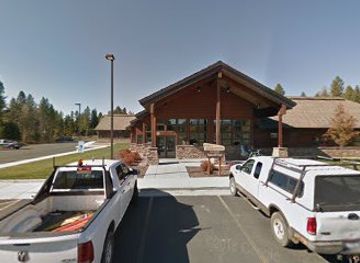
US Forest Services
Explore Idaho's breathtaking wilderness through the US Forest Service in McCall, your gateway to adventure and conservation.
Explore Payette Lake on the map
Plan your trip on one map. See where the top attractions, landmarks, restaurants and hotels are, and book hotels and experiences in a few clicks.
Best hotels in Payette Lake
Best restaurants in Payette Lake
Dining around Payette Lake is concentrated in McCall, where independent restaurants, cafés, bakeries, bars and casual lakeside venues serve visitors and the local community. Menus reflect the region’s mountain setting, with familiar American fare, locally sourced ingredients when available, coffee, baked goods and food suited to a day spent hiking, boating or skiing. The surrounding area is not a dense restaurant district, and options become limited once visitors leave town for Ponderosa State Park, forest roads or more remote trailheads, so provisions are useful for longer outings. McCall’s food scene is shaped by its role as a year-round recreation centre: summer brings demand from lake visitors, while winter supports travellers coming for snow sports and mountain activities. Visitors with specific dietary needs should check menus and opening arrangements directly, particularly outside the busiest seasons.
-
American
The Cutwater on Payette Lake
Discover exceptional American cuisine at The Cutwater on Payette Lake while enjoying stunning views in beautiful McCall, Idaho.
-
Sandwich
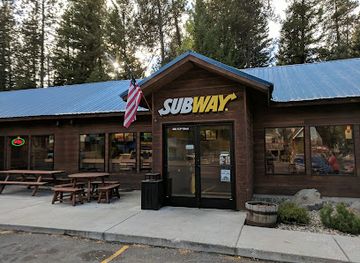
Subway
Experience fresh flavors at Subway in McCall – perfect for tourists craving delicious sandwiches amidst Idaho's stunning scenery.
Best bars in Payette Lake
Payette Lake does not have a large nightlife scene, and evening entertainment is centred on McCall rather than on the lake’s more remote shoreline. The town has established pubs, bars and restaurants where visitors can find a sociable drink, casual conversation and, depending on the season, community-oriented entertainment. Evening activity is generally low-key and shaped by the rhythm of a mountain resort: summer waterfront days, winter snow sports and occasional festivals or cultural events create more atmosphere than a dedicated club district. Outside McCall, nights are primarily quiet, with accommodation areas, campsites and forest surroundings offering darkness and stillness rather than late venues. Event programmes and seasonal opening patterns change, so visitors should check current local information instead of assuming that performances, live music or nightlife are available every evening.
-
Hamburger
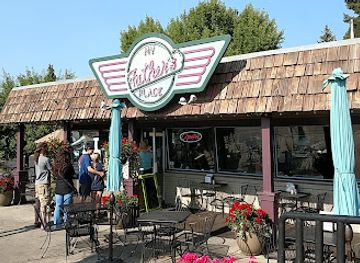
My Father's Place
Discover McCall's beloved hamburger joint, My Father's Place, where fresh ingredients meet mouthwatering flavors in a charming atmosphere.
-
Bar
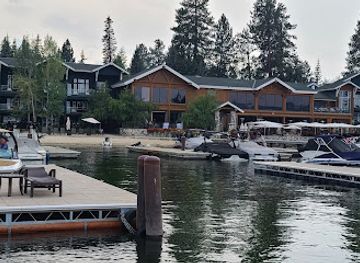
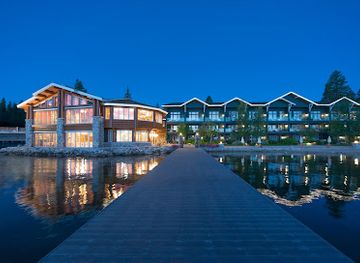
Shore Lodge
Discover the enchanting Shore Lodge in McCall, Idaho—where luxury meets nature, offering lakeside views and endless adventures for all.
-
Grill
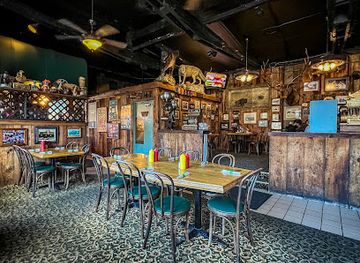
Lardo Grill & Saloon
Experience the vibrant dining scene at Lardo Grill & Saloon in McCall, Idaho, where grilled flavors meet a lively atmosphere.
-
Mexican
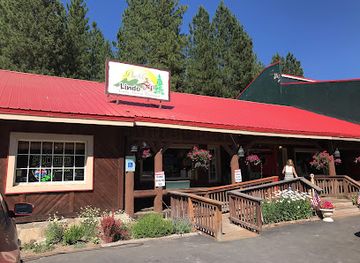
Pueblo Lindo
Experience the vibrant flavors of Mexico at Pueblo Lindo, a beloved Mexican restaurant in McCall, Idaho, perfect for travelers seeking authentic cuisine.
Best nightclubs in Payette Lake
Payette Lake does not have a large nightlife scene, and evening entertainment is centred on McCall rather than on the lake’s more remote shoreline. The town has established pubs, bars and restaurants where visitors can find a sociable drink, casual conversation and, depending on the season, community-oriented entertainment. Evening activity is generally low-key and shaped by the rhythm of a mountain resort: summer waterfront days, winter snow sports and occasional festivals or cultural events create more atmosphere than a dedicated club district. Outside McCall, nights are primarily quiet, with accommodation areas, campsites and forest surroundings offering darkness and stillness rather than late venues. Event programmes and seasonal opening patterns change, so visitors should check current local information instead of assuming that performances, live music or nightlife are available every evening.
-
Night club
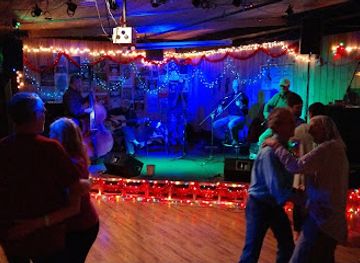
Forester McCall
Discover the vibrant nightlife of Forester McCall, a premier night club and bar in McCall, Idaho, perfect for music, drinks, and dancing.
Best shops in Payette Lake
Shopping for Payette Lake is concentrated in McCall, where visitors can find practical supplies, outdoor clothing and equipment, gifts, galleries, locally made items and food for picnics or self-catered stays. Small independent businesses reflect the town’s position as a mountain recreation centre, while art and craft retail often draws on Idaho landscapes and the surrounding forest culture. Food shops and farm-oriented outlets may provide regional products, though selection and opening patterns vary by season. There is no extensive shopping district around the undeveloped parts of the shoreline, and visitors heading into Ponderosa State Park or the wider forest should obtain essential provisions in town. McCall’s retail scene is useful for outdoor planning as well as souvenirs, but specialist equipment and a wider range of everyday goods may require travel to larger centres outside the immediate Payette Lake area.
-
Grocery store
Albertsons
Explore Albertsons in McCall for fresh produce, delicious baked goods, and a taste of local Idaho delicacies while enjoying a delightful shopping experience.
-
Sporting goods store
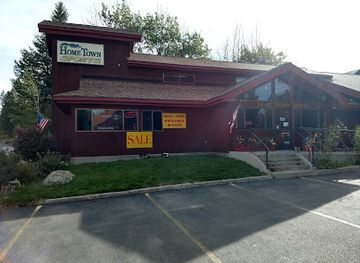
Home Town Sports
Discover your outdoor adventure essentials at Home Town Sports in McCall, Idaho – the ultimate sporting goods store for every adventurer.
-
Book store
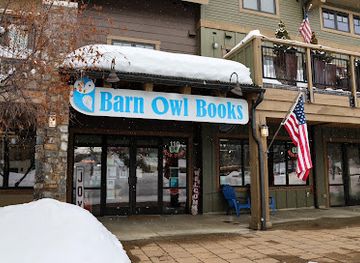
The Barn Owl Books and Gifts
Explore The Barn Owl Books and Gifts in McCall, Idaho – a literary haven for book lovers and gift seekers in a charming setting.
-
Outdoor sports store
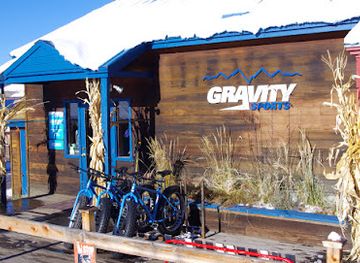
Gravity Sports
Explore the great outdoors with top-notch rentals and sporting goods at Gravity Sports in McCall, Idaho - your adventure starts here!

Get your free copy of our complete guide to Payette Lake, delivered straight to you.
Everything on this page, from attractions and restaurants to essentials and local phrases, in one PDF you can read offline, print or share.
Already have an account? Sign in
Your Payette Lake guide is ready.
We'll send it to · Not you? Sign out

Getting your guide ready…
We are putting together a fresh copy of the Payette Lake guide. This can take up to a minute.
This can take a few moments. If your browser asks, choose Allow so the download can start. You'll find the guide in your Downloads folder.
Nothing happened? Download it again
Sorry, the guide is taking longer than usual. Please try again in a minute, or get it by email instead.
Payette Lake essentials
Currency and Payment
Safety
Emergency Situations
Do's and Don'ts
Local Tips
From Eve
Local phrases worth knowing
You don't need to get them perfect. A few words go a long way, and locals appreciate the effort.
Basics
| English | Local | Say it |
|---|---|---|
| Hello | Howdy | [haw-dee] |
| Goodbye | See ya | [see yuh] |
| Yes | Yep | [yep] |
| No | Nah | [na] |
| Please/You're welcome | Please/You're welcome | [please/yur welcome] |
| Thank you | Thanks | [thanks] |
| Excuse me/Sorry | Pardon me | [par-dun me] |
| How are you? | Howdy | [haw-dee] |
| Fine. And you? | Fine. And you? | [fine. and yuh] |
| Do you speak English? | Y'all speak English? | [yawl speak ing-glish] |
| I don't understand | I don't git it | [I don't git it] |
Eating & Drinking
| English | Local | Say it |
|---|---|---|
| I'd like to see the menu, please | I reckon I'd like to see the menu, please | [I reckon I'd like to see the menu, please] |
| I don't eat meat | I don't eat meat | [I don't eat meat] |
| Cheers! | Cheers! | [Cheers!] |
| I would like to pay, please | I would like to pay, please | [I would like to pay, please] |
Emergencies
| English | Local | Say it |
|---|---|---|
| Help! | Help! | [Help!] |
| Go away! | Git! | [Git!] |
| Call the Police! | Call the Sheriff! | [Call the Sheriff!] |
| Call a doctor! | Call a doc! | [Call a doc!] |
| I'm lost | I'm lost | [I'm lost] |
| I'm ill | I'm feelin' poorly | [I'm feelin' poorly] |
Shopping
| English | Local | Say it |
|---|---|---|
| I'd like to buy... | I reckon I'd like to buy... | [I reckon I'd like to buy...] |
| I'm just looking | I'm just lookin' | [I'm just lookin'] |
| How much is it? | How much is it? | [How much is it?] |
| That's too expensive | That's too pricey | [That's too pricey] |
| Can you lower the price? | Can y'all lower the price? | [Can yawl lower the price?] |
Time & Numbers
| English | Local | Say it |
|---|---|---|
| What time is it? | What time is it? | [What time is it?] |
| It's one o'clock | It's one o'clock | [It's one o'clock] |
| Half past (10) | Half past (10) | [Half past (10)] |
| Morning | Mornin' | [Mornin'] |
| Afternoon | Afternoon | [Afternoon] |
| Evening | Evenin' | [Evenin'] |
| Yesterday | Yest'day | [Yest'day] |
| Today | Today | [Today] |
| Tomorrow | Tomorra | [Tomorra] |
| 1 | One | [One] |
| 2 | Two | [Two] |
| 3 | Three | [Three] |
| 4 | Four | [Four] |
| 5 | Five | [Five] |
| 6 | Six | [Six] |
| 7 | Seven | [Seven] |
| 8 | Eight | [Eight] |
| 9 | Nine | [Nine] |
| 10 | Ten | [Ten] |
Transport & Directions
| English | Local | Say it |
|---|---|---|
| Where's a/the...? | Where's a/the...? | [Where's a/the...?] |
| What's the address? | What's the address? | [What's the address?] |
| Can you show me (on the map)? | Can y'all show me (on the map)? | [Can yawl show me (on the map)?] |
| When's the next (bus)? | When's the next (bus)? | [When's the next (bus)?] |
| A ticket (to ....) | A ticket (to ....) | [A ticket (to ....)] |
History of Payette Lake
A Glacial Mountain Basin
Payette Lake occupies a basin shaped by the powerful glacial processes that affected the central Idaho mountain region during the Ice Age. Glacial erosion helped create the lake’s broad water body, irregular shoreline and surrounding valleys, while later geological and climatic changes established the forested mountain setting visible today. The lake is part of the upper Payette River system, which ultimately drains south towards the Boise River. This physical history explains the contrast between open water, steep wooded slopes and the long, narrow inlets that give the shoreline its varied character.
Indigenous Homelands and Early Travel
The Payette Lake country lies within the wider traditional homelands and travel networks of Indigenous peoples of the northern Great Basin and Columbia Plateau, including the Northern Paiute and Nez Perce, with the Shoshone-Bannock peoples also connected to the broader region. Seasonal movement, hunting, fishing and knowledge of mountain routes shaped human relationships with the landscape long before the arrival of American settlement. The name Payette is associated with François Payette, a Hudson’s Bay Company employee active in the early nineteenth-century fur-trade era, although the lake and surrounding country have much older Indigenous histories.
Settlement and the Timber Economy
Euro-American settlement expanded in the McCall area during the late nineteenth century as prospecting, transport and commercial forestry brought new activity to the upper Payette country. McCall developed on the southern shore as a service and timber community, while the surrounding forests supplied the logging economy. Sawmills, roads and seasonal camps altered parts of the landscape, but the lake remained an important geographical focus. The town’s position between mountain routes and forest resources helped establish the pattern that still defines the area: a compact lakeside settlement surrounded by a much larger rural and forested hinterland.
Tourism on the Shore
As roads improved and leisure travel expanded in the twentieth century, Payette Lake became increasingly associated with summer recreation, boating, fishing and lakeside holidays. McCall’s accessible setting encouraged the growth of cabins, visitor services and seasonal events, while the lake’s winter surroundings later supported snow-based tourism. Ponderosa State Park, established on the forested peninsula and adjoining shore, helped protect important recreational landscapes and provided a managed setting for camping, walking and nature appreciation. Tourism did not replace the area’s working-forest identity, but it added a second economic and cultural role centred on outdoor access.
Conservation and Contemporary Stewardship
Modern management of Payette Lake reflects the competing needs of recreation, residential development, wildlife habitat, forests and water quality. Ponderosa State Park and other public lands preserve shoreline and upland environments, while local and state authorities manage boating, fishing, invasive-species prevention and public access through changing regulations. Conservation concerns are especially significant on a popular mountain lake, where wake activity, shoreline pressure and introduced aquatic organisms can affect ecological conditions. Today the Payette Lake landscape is valued both as a community resource for McCall and as part of the wider protected and working mountain environment of central Idaho.
Payette Lake in Photos
Browse through our photo collection highlighting the charm and character of the destination.
Cities in Payette Lake
The towns and cities of Payette Lake, and the easiest places to base yourself.

Swipe for more cities
Neighbouring destination travel guides
The closest destinations to Payette Lake, if you have time for more than one.
-

-

-

-

-


Swipe for more destinations
Explore more

Explore more of Salmon River
Explore Idaho’s Salmon River through mountain towns, whitewater canyons, wilderness trails, historic mining country and remote outdoor adventures.
Explore Salmon River
Explore more of Idaho
Idaho: Discover the Gem State's stunning landscapes, vibrant cities, and outdoor adventures. From majestic mountains to serene lakes, experience the natural wonders of Idaho.
Explore Idaho