

Free Treasure Valley Travel Guide & Mobile App
Explore Treasure Valley with free travel guides. Discover regional history, expert tips, proposed trips, and audio guides on web or mobile app.


Explore Treasure Valley’s Boise culture, irrigated farmland, wine country, river trails, museums and high-desert landscapes in southwestern Idaho.
Read more about Treasure Valley
Getting to and around Treasure Valley
How to get there
Transportation
Top city travel guides in Treasure Valley
The cities of Treasure Valley, and the easiest places to base yourself.
-

-

-

-

-

-


Swipe for more cities
Destinations in Treasure Valley
Resorts, valleys and scenic spots worth a trip of their own.
-

-
-


Swipe for more destinations
Best attractions in Treasure Valley
Treasure Valley’s attractions range from urban culture to irrigated farmland and open high-desert habitat. In Boise, the Idaho State Museum, Boise Art Museum, Old Idaho Penitentiary and Idaho Botanical Garden offer different perspectives on the state’s political, social, penal and environmental history. The Boise River Greenbelt links parks, paths and river scenery through the capital, while the foothills provide accessible walking and mountain-biking routes. West of Boise, the Warhawk Air Museum in Nampa presents a substantial collection of military aviation history, and the Sunnyslope Wine Region near Caldwell combines vineyard visits with broad valley views. Deer Flat National Wildlife Refuge, centred on Lake Lowell, protects wetlands and bird habitat near Nampa. Celebration Park near Melba interprets archaeological remains and the long human history of the Snake River corridor. The region also supports seasonal farm visits, gardens, museums, galleries and community events, although many rural attractions are dispersed and are best reached by car. Winter visitors can use Boise as a base for Bogus Basin, a mountain recreation area north of the valley, while recognising that it is outside the lowland landscape itself.
-
Wildlife park
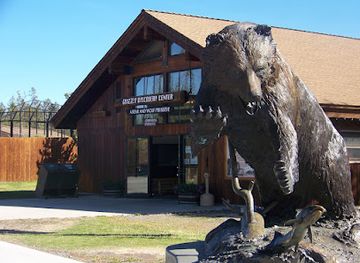
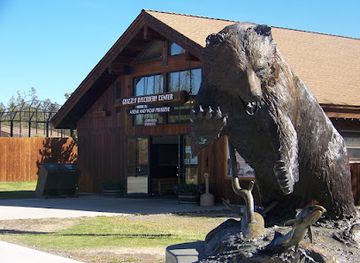
Grizzly & Wolf Discovery Center
Discover the extraordinary world of grizzly bears and wolves at the Grizzly & Wolf Discovery Center in West Yellowstone, Montana.
-
Zoo
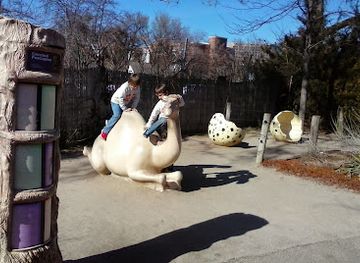
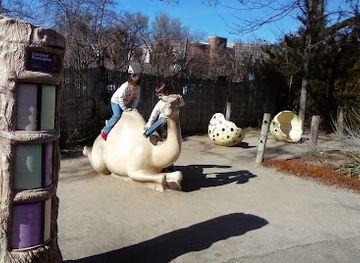
Zoo Boise
Experience the wonders of wildlife at Zoo Boise, where conservation meets family fun in the heart of Idaho's capital city.
-
Park
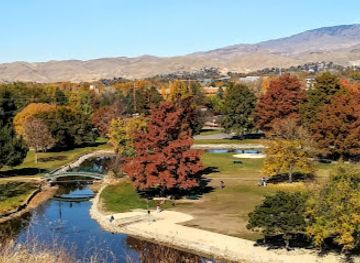
Ann Morrison Park
Discover Ann Morrison Park, a serene escape in Boise, Idaho, perfect for picnics, outdoor fun, and enjoying nature's beauty.
-
Park
Julia Davis Park
Explore the lush landscapes and cultural treasures of Julia Davis Park, a serene haven in the heart of Boise, Idaho.
Best landmarks in Treasure Valley
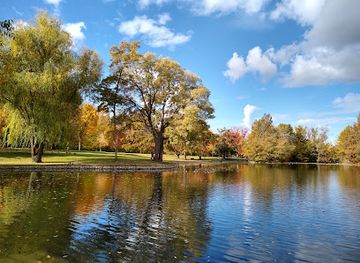
The Idaho State Capitol in Boise is Treasure Valley’s principal civic landmark, an early twentieth-century neoclassical building whose interior uses Idaho stone and marble and reflects the capital’s governmental role. Nearby Julia Davis Park, the Boise River and the city’s historic districts form a recognisable central landscape, while the Basque Block gives downtown a strong cultural marker through its architecture, institutions and public spaces. The Old Idaho Penitentiary, set against the Boise foothills, is a substantial territorial-era complex whose cell blocks, yards and surrounding buildings convey the history of incarceration in the American West. The Boise River Greenbelt is a modern landscape landmark rather than a single monument, tracing the waterway through the capital. Farther west, the broad slopes and vineyards of Sunnyslope are characteristic of the valley’s irrigated agricultural setting, and Lake Lowell at Deer Flat National Wildlife Refuge provides a notable open-water and wetland landscape near Nampa. The small Oregon Trail Memorial Bridge at Caldwell and the historic town centres of Caldwell and Boise add further reminders of movement, settlement and civic development.
-
Wildlife park
Grizzly & Wolf Discovery Center
Discover the beauty of wildlife at the Grizzly & Wolf Discovery Center in West Yellowstone, where education and conservation come together.
-
Zoo
Zoo Boise
Explore Zoo Boise, a family-friendly destination filled with exotic animals, conservation efforts, and beautiful park settings in the heart of Idaho.
-
Park
Ann Morrison Park
Explore Ann Morrison Park: Boise's urban oasis with lush landscapes, recreational activities, and community events for a delightful escape.
-
Park
Julia Davis Park
Explore Julia Davis Park, Boise's cultural oasis filled with art, history, and picturesque landscapes, perfect for relaxation and family fun.


Explore Treasure Valley on the map
Plan your trip on one map. See where the top cities, national parks and sights are, and book hotels and experiences in a few clicks.
Best hotels in Treasure Valley
Best restaurants in Treasure Valley
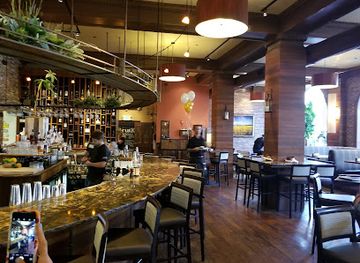
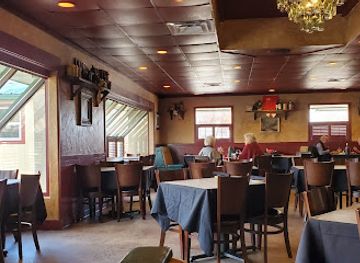
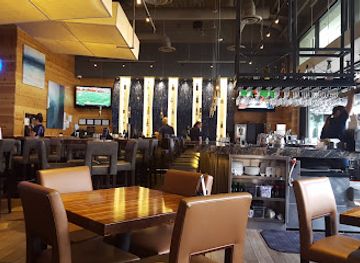
Dining in Treasure Valley reflects both Idaho agriculture and the region’s growing urban population. Boise has the broadest choice, from cafés and bakeries to contemporary restaurants, breweries and the Basque Block’s restaurants and social venues. Basque-influenced dishes and communal dining traditions are among the area’s most distinctive culinary associations, while potatoes, beef, lamb, dairy products, orchard fruit and locally grown vegetables connect restaurant menus with the surrounding farms. Nampa, Caldwell and the smaller communities offer independent cafés, diners, pubs and family restaurants, with seasonal produce and locally made drinks appearing throughout the valley. The Sunnyslope area provides vineyard tasting rooms and food pairings rather than a single uniform cuisine, and farm stands are useful for fruit and other regional produce when in season. Visitors should distinguish genuinely local specialities from foods simply popular across the American West; the valley’s strongest identity lies in its combination of Basque heritage, agricultural products and an increasingly varied Boise dining scene.
-
Steak
Barbacoa Grill
Experience the fusion of Latin American flavors and premium steak at Barbacoa Grill in Boise – where every meal is a celebration.
-
American
Fork
Discover the flavors of Idaho at Fork, an American restaurant in Downtown Boise offering farm-to-table dishes and craft cocktails.
-
Italian
Luciano's Italian Restaurant
Discover authentic Italian flavors at Luciano's in Boise – where every dish tells a story and every bite transports you to Italy.
-
American
Kona Grill - Boise
Experience the best of American cuisine and sushi at Kona Grill in Boise - a must-visit culinary destination for food enthusiasts.
Best bars in Treasure Valley
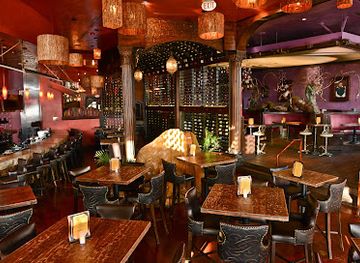
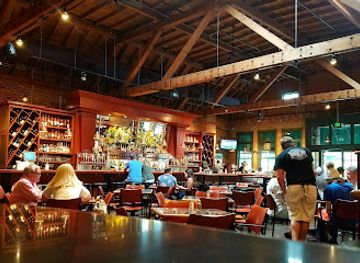
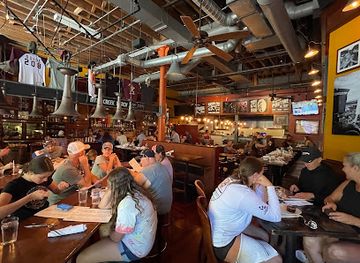
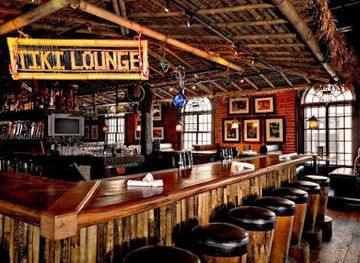
Evening life is concentrated in Boise, where downtown streets around the Basque Block, 8th Street and adjacent districts contain pubs, cocktail bars, breweries, live-music venues and restaurants. The city’s nightlife is active without resembling a large coastal club scene, and options range from relaxed neighbourhood drinking places to ticketed performances and late evening entertainment. Meridian, Nampa and Caldwell have their own bars, breweries, restaurants and occasional live-music programming, though the choice is more dispersed and generally quieter. In rural parts of Treasure Valley, evening culture centres on local pubs, tasting rooms, community events and dining rather than nightclubs. Idaho’s licensing rules apply across the region, so visitors should carry valid identification and check current entry and service arrangements. Designated transport is important when visiting vineyards or brewery venues outside the main urban areas.
-
American
Bardenay Restaurant & Distillery - Boise
Discover Bardenay Restaurant & Distillery in Boise, where American flavors meet handcrafted spirits for a unique culinary adventure.
-
American
Bittercreek Alehouse
Experience the best of Boise at Bittercreek Alehouse, where American cuisine meets local craft brews in a lively pub atmosphere.
-
American
Bardenay Restaurant & Distillery | Eagle
Experience the best of American cuisine and handcrafted spirits at Bardenay Restaurant & Distillery in Eagle, Idaho.
-
Bar
Reef
Experience the vibrant nightlife at The Reef in Boise, where eclectic dining, live music, and a lively bar scene come together for an unforgettable experience.

Best nightclubs in Treasure Valley
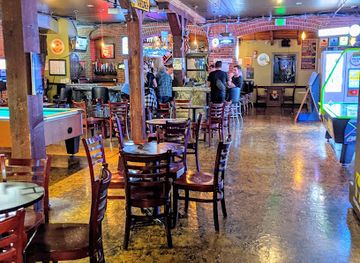
Evening life is concentrated in Boise, where downtown streets around the Basque Block, 8th Street and adjacent districts contain pubs, cocktail bars, breweries, live-music venues and restaurants. The city’s nightlife is active without resembling a large coastal club scene, and options range from relaxed neighbourhood drinking places to ticketed performances and late evening entertainment. Meridian, Nampa and Caldwell have their own bars, breweries, restaurants and occasional live-music programming, though the choice is more dispersed and generally quieter. In rural parts of Treasure Valley, evening culture centres on local pubs, tasting rooms, community events and dining rather than nightclubs. Idaho’s licensing rules apply across the region, so visitors should carry valid identification and check current entry and service arrangements. Designated transport is important when visiting vineyards or brewery venues outside the main urban areas.
-
Bar
Liquid Lounge
Discover Liquid Lounge in downtown Boise, where vibrant nightlife meets delicious American cuisine and expertly crafted cocktails.
-
Karaoke bar
44 Club
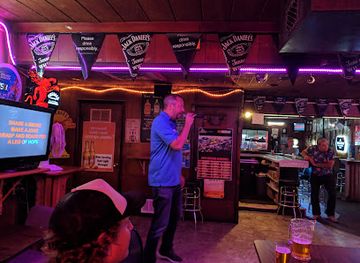
Discover the lively karaoke culture at 44 Club, where music and fun come together for an unforgettable night in Boise, Idaho.
-
Cocktail bar
The Mode Lounge
Discover the chic and vibrant atmosphere of The Mode Lounge, Boise's premier cocktail bar offering expertly crafted drinks and a lively social scene.
-
Bar
Tango Saloon
Discover the vibrant atmosphere and delicious cuisine at Tango Saloon, a lively bar and restaurant in Homedale, Idaho, perfect for an unforgettable night out.


Best shops in Treasure Valley
Boise provides Treasure Valley’s widest shopping range, with independent boutiques, bookshops, galleries, food retailers and larger commercial areas alongside the historic downtown. The Basque Block and surrounding central streets are useful for cultural products, books, food and locally made gifts, while the city’s public markets and seasonal events can showcase Idaho produce and crafts when operating. Meridian has extensive modern retail development, and Nampa and Caldwell combine conventional shopping with independent businesses and local services in established town centres. In the countryside, farm stands, orchard outlets, winery shops and agricultural retailers offer more regionally connected purchases than generic souvenirs. Look for Idaho-grown produce, wine from the Sunnyslope area, locally made foods, craft beverages, Native-inspired or western artwork from reputable makers, and books on Basque and Idaho history. Availability is seasonal, especially for fruit and farm products, so rural shopping is best treated as part of a wider drive rather than a guaranteed daily itinerary.
-
Shopping mall
The Village at Meridian
Explore the vibrant shops and delightful dining options at The Village at Meridian, Idaho's premier shopping destination.
-
Shopping mall
Treasure Valley Marketplace
Discover a vibrant shopping paradise at Treasure Valley Marketplace, where diverse stores, delicious dining, and family-friendly entertainment await!
-
Shopping mall
Meridian Crossroads
Experience the vibrant shopping scene at Meridian Crossroads, where fashion, dining, and entertainment come together in Idaho's premier shopping destination.
-
Antique store
Antique World Mall and The Annex
Explore the charm of Antique World Mall and The Annex in Boise, a treasure trove of vintage finds and timeless collectibles.
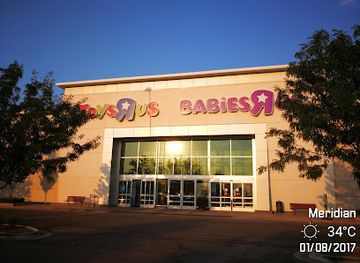
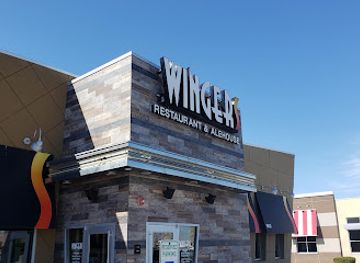
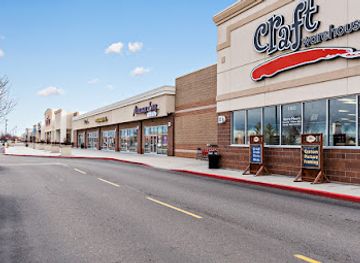

Get your free copy of our complete guide to Treasure Valley, delivered straight to you.
Everything on this page, from attractions and restaurants to essentials and local phrases, in one PDF you can read offline, print or share.
Already have an account? Sign in
Your Treasure Valley guide is ready.
We'll send it to · Not you? Sign out

Getting your guide ready…
We are putting together a fresh copy of the Treasure Valley guide. This can take up to a minute.
This can take a few moments. If your browser asks, choose Allow so the download can start. You'll find the guide in your Downloads folder.
Nothing happened? Download it again
Sorry, the guide is taking longer than usual. Please try again in a minute, or get it by email instead.
Treasure Valley essentials
Currency and Payment
Safety
Emergency Situations
Do's and Don'ts
Local Tips
From Eve
Local phrases worth knowing
You don't need to get them perfect. A few words go a long way, and locals appreciate the effort.
Basics
| English | Local | Say it |
|---|---|---|
| Hello | Howdy | [haʊdi] |
| Goodbye | See ya | [si jə] |
| Yes | Yeah | [jɛə] |
| No | Nope | [noʊp] |
| Please/You're welcome | Sure thing | [ʃʊr θɪŋ] |
| Thank you | Thanks | [θæŋks] |
| Excuse me/Sorry | Sorry 'bout that | [sɔri baʊt ðæt] |
| How are you? | How's it going? | [haʊz ɪt ˈɡoʊɪŋ] |
| Fine. And you? | Good. You? | [ɡʊd ju] |
| Do you speak English? | Do ya speak English? | [du jə spiːk ˈɪŋɡlɪʃ] |
| I don't understand | I ain't following | [aɪ eɪnt ˈfɑloʊɪŋ] |
Eating & Drinking
| English | Local | Say it |
|---|---|---|
| I'd like to see the menu, please | Can I see the menu? | [kæn aɪ si ðə ˈmɛnju] |
| I don't eat meat | I don't do meat | [aɪ doʊnt du miːt] |
| Cheers! | Cheers! | [ʧɪrz] |
| I would like to pay, please | Can I get the check? | [kæn aɪ ɡɛt ðə ʧɛk] |
Emergencies
| English | Local | Say it |
|---|---|---|
| Help! | Help! | [hɛlp] |
| Go away! | Leave me alone! | [liːv mi əˈloʊn] |
| Call the Police! | Call 911! | [kɔl naɪn wʌn wʌn] |
| Call a doctor! | Get a doctor! | [ɡɛt ə ˈdɑktər] |
| I'm lost | I'm turned around | [aɪm tɜrnd əˈraʊnd] |
| I'm ill | I'm not feeling good | [aɪm nɑt ˈfiːlɪŋ ɡʊd] |
Shopping
| English | Local | Say it |
|---|---|---|
| I'd like to buy... | I wanna buy... | [aɪ ˈwɑnə baɪ] |
| I'm just looking | Just browsing | [dʒʌst ˈbraʊzɪŋ] |
| How much is it? | What's the damage? | [wʌts ðə ˈdæmɪdʒ] |
| That's too expensive | That's a bit pricey | [ðæts ə bɪt ˈpraɪsi] |
| Can you lower the price? | Can ya cut me a deal? | [kæn jə kʌt mi ə diːl] |
Time & Numbers
| English | Local | Say it |
|---|---|---|
| What time is it? | What time ya got? | [wʌt taɪm jə ɡɑt] |
| It's one o'clock | It's one | [ɪts wʌn] |
| Half past (10) | Half past ten | [hæf pæst tɛn] |
| Morning | Morning | [ˈmɔrnɪŋ] |
| Afternoon | Afternoon | [ˌæftərˈnun] |
| Evening | Evening | [ˈivnɪŋ] |
| Yesterday | Yesterday | [ˈjɛstərdeɪ] |
| Today | Today | [təˈdeɪ] |
| Tomorrow | Tomorrow | [təˈmɔroʊ] |
| 1 | One | [wʌn] |
| 2 | Two | [tu] |
| 3 | Three | [θri] |
| 4 | Four | [fɔr] |
| 5 | Five | [faɪv] |
| 6 | Six | [sɪks] |
| 7 | Seven | [ˈsɛvən] |
| 8 | Eight | [eɪt] |
| 9 | Nine | [naɪn] |
| 10 | Ten | [tɛn] |
Transport & Directions
| English | Local | Say it |
|---|---|---|
| Where's a/the...? | Where's the...? | [wɛrz ðə] |
| What's the address? | What's the address? | [wʌts ði ˈædrɛs] |
| Can you show me (on the map)? | Can ya point it out? | [kæn jə pɔɪnt ɪt aʊt] |
| When's the next (bus)? | When's the next bus? | [wɛn'z ðə nɛkst bʌs] |
| A ticket (to ....) | A ticket to... | [ə ˈtɪkɪt tu] |
History of Treasure Valley
Indigenous Homelands and River Landscapes
Long before American settlement, the Boise River and surrounding Snake River Plain formed part of the homelands and seasonal travel routes of Indigenous peoples, including Northern Paiute and Shoshone communities. Rivers, wetlands, foothills and open plains supported fishing, hunting, gathering and trade, while movement through the region followed seasonal patterns. The effects of colonisation, treaty-making, displacement and later federal policies remain part of Idaho’s wider history. Visitors can understand the valley more accurately by seeing its farms, towns and transport routes as developments imposed upon an older cultural landscape rather than as the beginning of its story.
Fur Trade and the Early Fort Boise
The Hudson’s Bay Company established Fort Boise in 1834 near the present community of Parma, close to the Snake River and the Oregon Trail corridor. The post supported the fur trade and broader commercial movement through the interior Northwest, although it was eventually abandoned in the 1850s. This early Fort Boise should not be confused with the later United States military post that developed the city of Boise. Its location demonstrates the valley’s importance as a meeting point between river routes, Indigenous networks and overland travel.
Oregon Trail Migration and Territorial Settlement
During the 1840s and 1850s, emigrants travelling along the Oregon Trail crossed the wider Snake River Plain and passed near the future communities of Treasure Valley. The journey brought increasing American settlement, commercial traffic and pressure on Indigenous lands. Idaho Territory was created in 1863, and new settlements grew around transport routes, military protection, mining connections and agricultural possibilities. Caldwell, founded later in the nineteenth century along the Oregon Short Line railway, became an important point in the valley’s settlement and transport network.
The Founding of Boise and the Military Post
Boise began to develop rapidly after Fort Boise was established by the United States Army in 1863, during the Civil War era. The post was intended to protect communication routes and support federal authority in a region transformed by mining and migration. A civilian town grew nearby, eventually becoming Idaho’s capital when Idaho Territory’s seat moved from Lewiston in 1864. Boise’s early civic buildings, street plan and institutional role continue to shape its identity as the administrative centre of Treasure Valley and the state.
Irrigation, Railways and Agricultural Expansion
The valley’s modern agricultural character developed through the combination of railway construction, diversion works and large-scale irrigation. Water from the Boise River made it possible to cultivate crops across land that is naturally semi-arid, encouraging orchards, livestock production, dairying and field agriculture. The New York Canal and other irrigation works formed part of this transformation, while railways connected Boise, Nampa, Caldwell and surrounding farming communities to wider markets. Much of the valley’s present pattern of towns, fields, canals and farm roads descends from this late nineteenth- and early twentieth-century growth.
Basque Immigration and Community Life
From the late nineteenth century onwards, immigrants from the Basque Country, particularly from areas of northern Spain and southwestern France, established a strong presence in Boise and the surrounding valley. Many worked in sheep herding and related agricultural enterprises before building businesses, social organisations and cultural institutions. Boise’s Basque Block remains the most visible public expression of this heritage, while food, festivals, dance and family networks continue to connect regional life with Basque traditions. The community’s history is part of a broader story of migration and labour in the American West.
Post-war Growth and the Contemporary Valley
After the Second World War, Treasure Valley experienced expanding suburban development, improved highways, institutional growth and increasing economic diversification. Boise remained the state’s governmental and cultural centre, while Meridian, Nampa and Caldwell grew as residential, commercial and employment hubs. Technology, healthcare, education, construction and professional services now supplement agriculture and food production. Rapid population growth has brought new housing, traffic and water-management pressures, making the valley a useful case study in how a semi-arid agricultural region is adapting to metropolitan expansion.
Treasure Valley in Photos
Browse through our photo collection highlighting the charm and character of the destination.
Neighbouring regions of Treasure Valley
The closest regions to Treasure Valley, if you have time for more than one.
-

-

-
-

-


Swipe for more regions
Explore more

Explore more of Idaho
Idaho: Discover the Gem State's stunning landscapes, vibrant cities, and outdoor adventures. From majestic mountains to serene lakes, experience the natural wonders of Idaho.
Explore Idaho