

Free Wabash Valley Travel Guide & Mobile App
Explore Wabash Valley with free travel guides. Discover regional history, expert tips, proposed trips, and audio guides on web or mobile app.


Explore Illinois's Wabash Valley for river landscapes, old-growth woodland, small-town heritage and quiet roads through southeastern prairie country.
Read more about Wabash Valley
Getting to and around Wabash Valley
How to get there
Transportation
Top city travel guides in Wabash Valley
The cities of Wabash Valley, and the easiest places to base yourself.

Swipe for more cities
Best attractions in Wabash Valley
-
Tourist attraction
Hessel Park
Discover the tranquil beauty of Hessel Park in Champaign, Illinois—a perfect spot for relaxation, outdoor fun, and family-friendly activities.
-
Tourist attraction
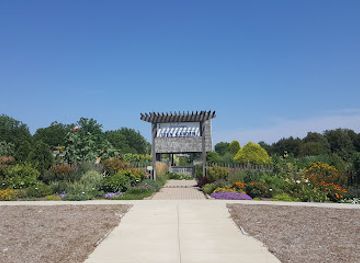
University of Illinois Arboretum
Explore the lush landscapes of the University of Illinois Arboretum, a serene retreat for hiking and nature appreciation in Urbana, Illinois.
-
Tourist attraction
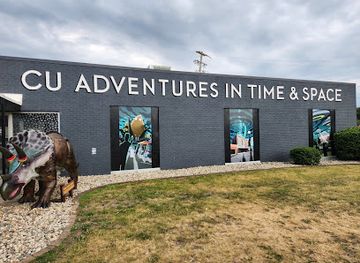
Champaign-Urbana Adventures in Time and Space
Experience immersive escape rooms and thrilling adventures at Champaign-Urbana Adventures in Time and Space, where fun and creativity collide.
-
Tourist attraction
West Side Park
Explore the natural beauty and family-friendly amenities at West Side Park in Champaign, Illinois—a perfect retreat for nature lovers.

Best landmarks in Wabash Valley
The Wabash River is the defining natural landmark of the region, forming a broad boundary landscape between Illinois and Indiana and giving the valley its historical name. Its channels, levees, wooded margins and floodplain views are best appreciated from recognised roads and public access points rather than from unmarked private banks. Beall Woods State Park is a landmark of conservation as well as a natural site: its surviving mature bottomland forest represents a landscape that once covered much more of the valley. Mount Carmel's historic civic centre and courthouse precinct express the county seat's nineteenth-century importance, while Lawrenceville's courthouse square and older town fabric reflect the development of the lower Illinois river corridor. Historic churches, cemeteries and commercial buildings in the smaller communities are less monumental but help explain settlement patterns, local faith communities and the prosperity created by farming, transport and oil. The Wabash Cannonball is a tradition associated with the wider Wabash landscape and should not be confused with a single surviving landmark in Illinois; visitors interested in the railway legacy will find it most useful to explore local historical interpretation and former rail corridors rather than search for one definitive structure.
-
Historical landmark
Cahokia Mounds State Historic Site
Explore the ancient metropolis of Cahokia Mounds, a UNESCO World Heritage Site and the largest pre-Columbian settlement north of Mexico.
-
Historical landmark
Pullman National Historical Park
Discover the captivating story of America's first planned industrial town at Pullman National Historical Park in Chicago.
-
Historical place museum
Lincoln Log Cabin State Historic Site
Step back in time at Lincoln Log Cabin State Historic Site, exploring 1840s Illinois life and the roots of Abraham Lincoln's family.
-
Local history museum
Historic Forks of the Wabash
Discover Indiana's past at the Historic Forks of the Wabash: where rivers, cultures, and history converge in a captivating museum park.
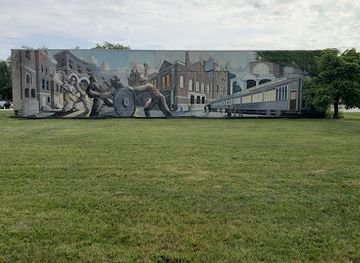
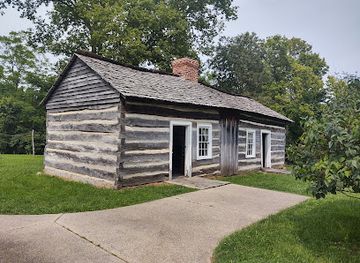
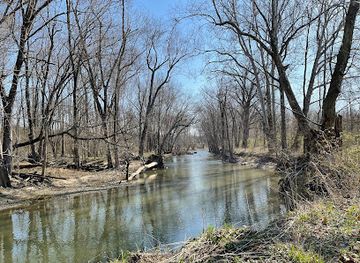
Explore Wabash Valley on the map
Plan your trip on one map. See where the top cities, national parks and sights are, and book hotels and experiences in a few clicks.
Best hotels in Wabash Valley
Best restaurants in Wabash Valley
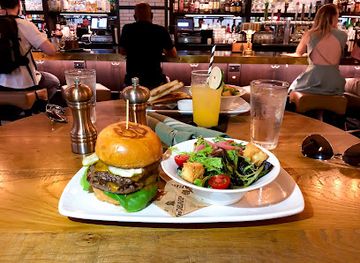
Dining in the Illinois Wabash Valley is centred on independent cafés, diners, family restaurants, takeaway counters and traditional bars rather than a concentrated restaurant district. Menus commonly reflect Midwestern and southern Illinois preferences, with burgers, fried chicken, sandwiches, steaks, freshwater fish when available, home-style vegetables, biscuits, pies and other familiar comfort foods. Breakfast cafés are useful meeting places in the larger small towns, while rural restaurants may serve both local residents and passing motorists. Seasonal produce from farms and gardens appears at roadside stalls and community markets, although availability varies. Visitors should also look for regional bakery items, sweet corn and locally raised meat where producers sell directly. Dining hours can be shorter than in large American cities, particularly outside Mount Carmel and Lawrenceville, so an early meal and a little advance planning are sensible. The valley's food identity is less about a single signature dish than about practical, generous cooking and the close relationship between small businesses, farms and local communities.
-
American
The Dearborn
Experience modern American cuisine at The Dearborn, where brunch meets cocktails in a vibrant setting in downtown Chicago.
-
Irish pub
Miller's Pub
Experience authentic Irish hospitality at Miller's Pub in Chicago Loop - where hearty meals meet vibrant spirits.
-
Pub
Charlie's Pub & Grub
Experience local flavors at Charlie's Pub & Grub in Terre Haute - where great food meets vibrant pub culture.
-
Restaurant
Elephant & Castle
Experience a delightful fusion of British and American cuisine at Elephant & Castle in Chicago's vibrant Loop district.
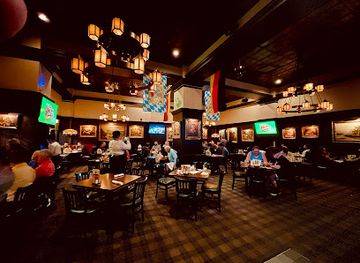
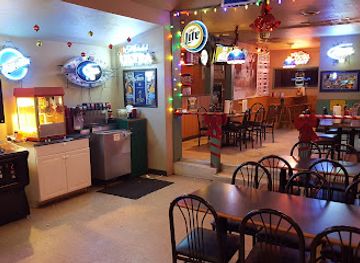
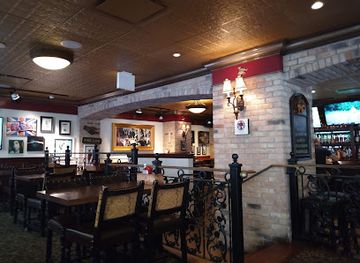
Best bars in Wabash Valley
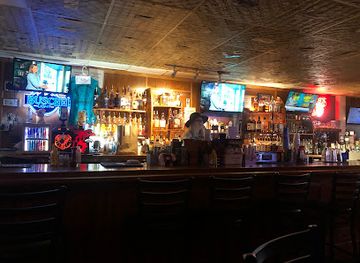
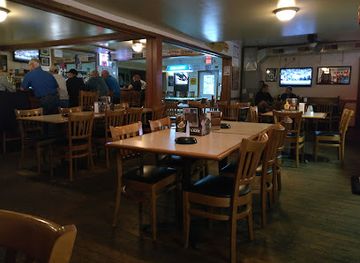
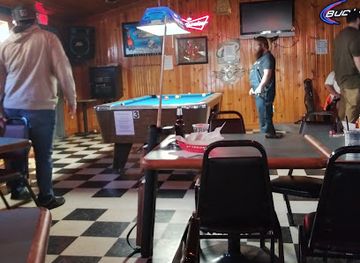
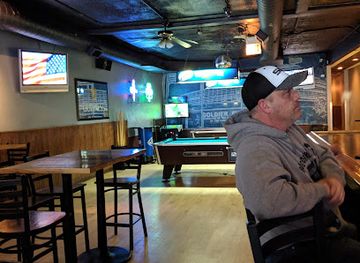
Evening life in the Wabash Valley is modest and town-based. Traditional bars, taverns, casual grills and community restaurants provide the main social settings, especially in Mount Carmel, Lawrenceville and other county-seat communities. Some establishments may offer live local music, televised sport or seasonal events, but the region does not have a major nightclub circuit and late-night transport is limited. Small breweries or specialised cocktail venues should not be assumed to operate outside the larger towns, and current businesses and schedules change. Visitors seeking a quieter evening can attend a local performance or community event when one is taking place, enjoy a meal, or use their accommodation as a base for stargazing and early-morning wildlife watching. Alcohol service and driving laws apply under Illinois and United States regulations, so designated driving or a pre-arranged taxi is important in an area where distances are considerable.
-
Grill
Harry's Old Kettle Pub & Grill
Discover the flavors of Wabash at Harry's Old Kettle Pub & Grill, where classic dishes meet modern taste in a lively atmosphere.
-
Grill
Dyes Bar & Grill
Experience the heart of Wabash at Dyes Bar & Grill, where flavorful grilled dishes and a warm atmosphere await every visitor.
-
Bar
Scotty's Tavern
Experience the heart of Wabash at Scotty's Tavern, where friendly faces and great drinks await every visitor.
-
Grill
Wabash Tap
Experience the vibrant energy of Wabash Tap, a top grill and sports bar in Chicago's South Loop, perfect for game days and casual dining.
Best nightclubs in Wabash Valley
-
Bar
Esquire Lounge
Experience the vibrant atmosphere and diverse menu at Esquire Lounge in Downtown Champaign, where great food meets lively nightlife.
-
Night club
The Red Lion
Experience the vibrant nightlife at The Red Lion, Champaign's premier night club and event venue, perfect for dancing and socializing.
-
Night club
The Axe Bar
Discover the ultimate entertainment experience at The Axe Bar in Champaign, where axe throwing meets a lively sports bar atmosphere.
-
Bar
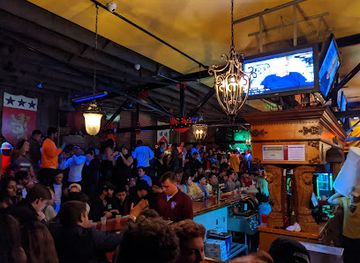
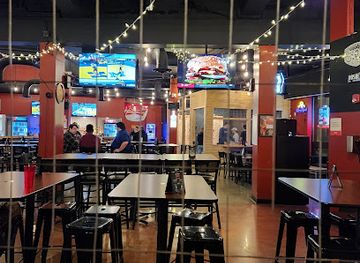
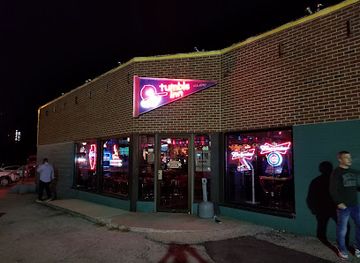
Tumble Inn Tavern
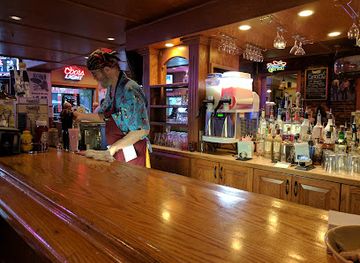
Discover the lively Tumble Inn Tavern in Downtown Champaign, a perfect spot for drinks, live music, and unforgettable memories.
Best shops in Wabash Valley
Shopping in the Illinois Wabash Valley is concentrated in the main streets and commercial areas of Mount Carmel, Lawrenceville, Grayville and neighbouring small towns. Independent shops, practical retailers, antique dealers, resale stores, bookshops and locally owned cafés provide more distinctive browsing than large-scale luxury shopping. Courthouse squares and older commercial blocks are worth exploring for architectural details as well as merchandise. Farmers' markets, roadside stands and seasonal community sales are the best places to look for sweet corn, vegetables, preserves, baked goods and other locally produced food, with dates and locations varying through the year. Regional souvenirs are more likely to be handmade crafts, local-history books, vintage finds or goods connected with farming and river life than a standardised Wabash Valley product. Visitors should carry a cooler if buying perishable produce and confirm payment arrangements at small stalls. For extensive department-store or specialist shopping, larger cities outside the region are more practical, while the valley's own retail character lies in useful independent businesses and informal market culture.
-
Shopping mall
Towne South Plaza
Discover diverse shopping and delightful dining options at Towne South Plaza, Terre Haute's premier shopping destination.
-
Shopping mall
Haute City Center
Explore a diverse shopping experience at Haute City Center, featuring unique stores and delightful dining options in Terre Haute, Indiana.
-
Coffee shop
Java Haute
Experience the rich coffee culture and delightful pastries at Java Haute, Terre Haute's must-visit coffee shop.
-
Shopping mall
Meadows Shopping Center
Experience a diverse shopping paradise at Meadows Shopping Center, featuring boutiques, dining, and entertainment in Terre Haute, Indiana.
Get your free copy of our complete guide to Wabash Valley, delivered straight to you.
Everything on this page, from attractions and restaurants to essentials and local phrases, in one PDF you can read offline, print or share.
Already have an account? Sign in
Your Wabash Valley guide is ready.
We'll send it to · Not you? Sign out

Getting your guide ready…
We are putting together a fresh copy of the Wabash Valley guide. This can take up to a minute.
This can take a few moments. If your browser asks, choose Allow so the download can start. You'll find the guide in your Downloads folder.
Nothing happened? Download it again
Sorry, the guide is taking longer than usual. Please try again in a minute, or get it by email instead.
Wabash Valley essentials
Currency and Payment
Safety
Emergency Situations
Do's and Don'ts
Local Tips
From Eve
Local phrases worth knowing
You don't need to get them perfect. A few words go a long way, and locals appreciate the effort.
Basics
| English | Local | Say it |
|---|---|---|
| Hello | Howdy | [hau-dee] |
| Goodbye | See ya later | [see ya lay-ter] |
| Yes | Yep | [yehp] |
| No | Nope | [nohp] |
| Please/You're welcome | Sure thing | [shur thing] |
| Thank you | Thanks a lot | [thanks a lot] |
| Excuse me/Sorry | Pardon me | [par-don mee] |
| How are you? | How ya doin'? | [how ya doin'] |
| Fine. And you? | Good, and you? | [good, and you?] |
| Do you speak English? | Do ya speak English? | [do ya speak ing-glish?] |
| I don't understand | I don’t get it | [I dont get it] |
Eating & Drinking
| English | Local | Say it |
|---|---|---|
| I'd like to see the menu, please | Can I see the menu, please? | [can I see the menu, pleez?] |
| I don't eat meat | I don’t eat meat | [I dont eet meet] |
| Cheers! | Cheers! | [cheers] |
| I would like to pay, please | Can I get the check, please? | [can I get the chek, pleez?] |
Emergencies
| English | Local | Say it |
|---|---|---|
| Help! | Help! | [help] |
| Go away! | Get outta here! | [get outta here] |
| Call the Police! | Call the cops! | [call the cops] |
| Call a doctor! | Get a doctor! | [get a doctor] |
| I'm lost | I’m lost | [Im lost] |
| I'm ill | I ain't feelin' well | [I aint feelin well] |
Shopping
| English | Local | Say it |
|---|---|---|
| I'd like to buy... | I wanna buy... | [I wanna buy...] |
| I'm just looking | Just lookin’ | [just lookin'] |
| How much is it? | What’s the price? | [whats the price?] |
| That's too expensive | That’s a bit pricey | [thats a bit pry-see] |
| Can you lower the price? | Can ya lower the price? | [can ya low-er the price?] |
Time & Numbers
| English | Local | Say it |
|---|---|---|
| What time is it? | What time is it? | [what time is it?] |
| It's one o'clock | It's one o'clock | [its one o'clock] |
| Half past (10) | Half past ten | [half past ten] |
| Morning | Mornin' | [mornin'] |
| Afternoon | Afternoon | [afternoon] |
| Evening | Evenin' | [evenin'] |
| Yesterday | Yesterday | [yesterday] |
| Today | Today | [today] |
| Tomorrow | Tomorrow | [tomorrow] |
| 1 | One | [one] |
| 2 | Two | [two] |
| 3 | Three | [three] |
| 4 | Four | [four] |
| 5 | Five | [five] |
| 6 | Six | [six] |
| 7 | Seven | [seven] |
| 8 | Eight | [eight] |
| 9 | Nine | [nine] |
| 10 | Ten | [ten] |
Transport & Directions
| English | Local | Say it |
|---|---|---|
| Where's a/the...? | Where's the...? | [wheres the...?] |
| What's the address? | What’s the address? | [whats the address?] |
| Can you show me (on the map)? | Can ya show me on the map? | [can ya show me on the map?] |
| When's the next (bus)? | When’s the next bus? | [whens the next bus?] |
| A ticket (to ....) | A ticket to... | [a ticket to...] |
History of Wabash Valley
Indigenous Wabash Corridor
Long before Europeans arrived, the Wabash corridor served as a route through the interior Midwest and supported communities connected to the river's floodplains, forests and prairies. Indigenous histories in the wider valley include the Illiniwek confederation and later or neighbouring traditions associated with Miami, Piankashaw, Wea and other Native peoples. The river was not an empty wilderness but a lived landscape used for travel, hunting, fishing, cultivation and diplomacy. Archaeological evidence across southeastern Illinois records long periods of settlement, although many sites are not publicly marked or interpreted.
French and British Frontier, Eighteenth Century
European imperial competition reached the Wabash country through the French trading and settlement network centred on the river corridor. Vincennes, on the Indiana side and outside the Illinois region, became an important French-established post and remains a useful reference point for understanding the valley's early colonial history. Control later shifted to the British, while Indigenous diplomacy and resistance continued to shape movement and settlement. The Illinois bank was connected to this frontier world even where permanent towns had not yet developed.
American Settlement and Illinois Statehood
After the American Revolution and the creation of the Northwest Territory, land surveys, migration and new roads brought increasing numbers of settlers into southeastern Illinois. Communities such as Lawrenceville and Mount Carmel developed during the early nineteenth century, supported by agriculture, river crossings and local trade. Illinois became a state in 1818, and county government, courts and schools gradually gave the valley a more settled civic structure. This period also brought the dispossession and forced removal of Native peoples from their established homelands.
River Trade, Roads and Railways
The Wabash was an important natural corridor before modern transport, although navigation was variable and dependent on water levels. Ferries, bridges and roads linked the Illinois settlements with markets on both sides of the river. Railways later changed the pattern of trade, allowing agricultural goods, livestock and manufactured products to move more reliably beyond the immediate valley. The surviving courthouse squares, commercial blocks and residential streets of towns such as Mount Carmel and Lawrenceville reflect the prosperity and civic confidence created by these nineteenth-century connections.
Oil and Extractive Industry in the Lower Valley
Petroleum production became an important part of the economy of southeastern Illinois, particularly around Lawrence County and the Lawrenceville area, during the late nineteenth and early twentieth centuries. Oil fields brought specialised work, investment and new transport requirements to a landscape otherwise dominated by farming and small-town commerce. Production has fluctuated over time, but the industry remains part of the region's historical identity. South-eastern Illinois's broader mineral economy also connected local communities to national cycles of industrial growth and decline.
Conservation of Bottomland Forest
Agricultural expansion, drainage and timber cutting greatly reduced the original forests that once covered parts of the Wabash floodplain. Beall Woods, preserved as a state park near Mount Carmel, is among the most important surviving examples of mature bottomland forest in Illinois. Its conservation reflects a twentieth-century shift from treating river woods primarily as a source of timber and cleared farmland to recognising their ecological and educational value. The park now provides one of the clearest places to understand the valley's pre-settlement environment.
Wabash Valley in Photos
Browse through our photo collection highlighting the charm and character of the destination.
Neighbouring regions of Wabash Valley
The closest regions to Wabash Valley, if you have time for more than one.
-
-

-

-

-


Swipe for more regions
Explore more

Explore more of Illinois
Discover Illinois: From Chicago's iconic skyline to the tranquil beauty of its countryside, experience the diverse allure of the Prairie State.
Explore Illinois