

Free Central Illinois Travel Guide & Mobile App
Explore Central Illinois with free travel guides. Discover regional history, expert tips, proposed trips, and audio guides on web or mobile app.


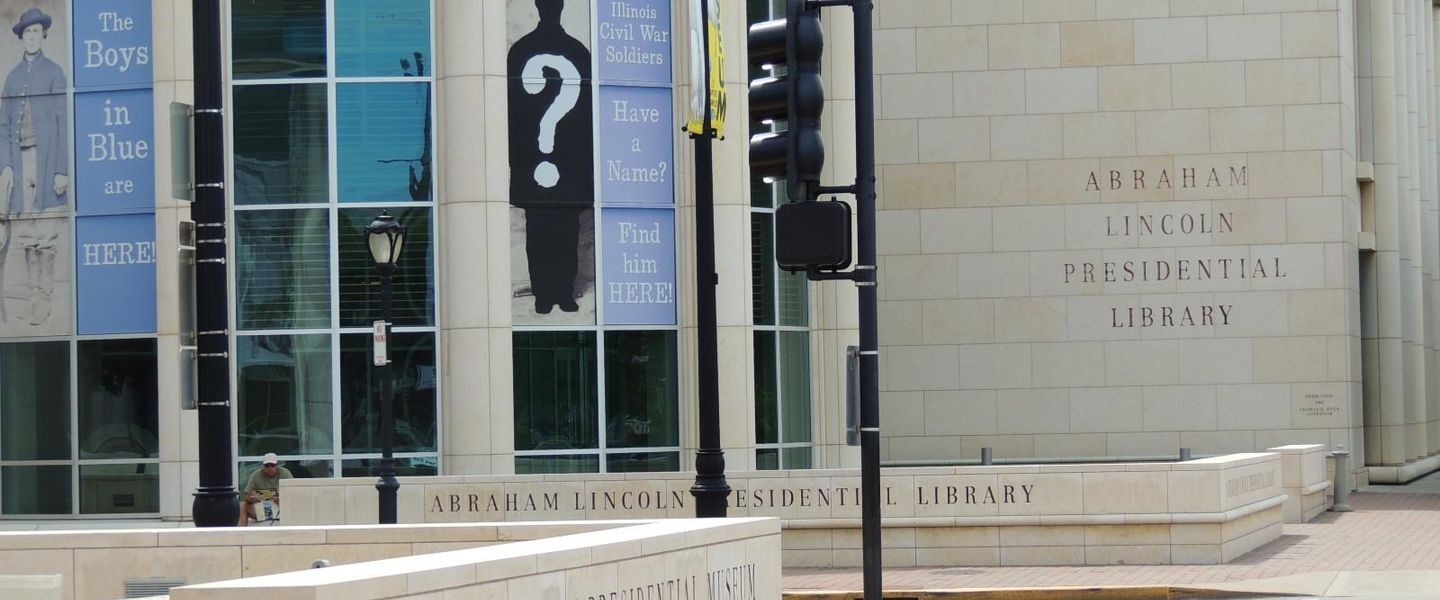


Central Illinois combines Lincoln heritage, prairie landscapes, river towns, university culture, local food and accessible Midwestern outdoor experiences.
Read more about Central Illinois
When is the best time to visit Central Illinois?
Best: May–June, September · 23–27°C| Month | High (°C) | Rainfall (mm) |
|---|---|---|
| January | 1 | 48 |
| February | 3 | 50 |
| March | 10 | 66 |
| April | 16 | 81 |
| May (best) | 23 | 103 |
| June (best) | 27 | 98 |
| July | 29 | 104 |
| August | 28 | 96 |
| September (best) | 24 | 85 |
| October | 17 | 73 |
| November | 10 | 64 |
| December | 3 | 58 |
Getting to and around Central Illinois
How to get there
Transportation
Top city travel guides in Central Illinois
The cities of Central Illinois, and the easiest places to base yourself.
-

-

-

-


Swipe for more cities
Destinations in Central Illinois
Resorts, valleys and scenic spots worth a trip of their own.
-

-

-
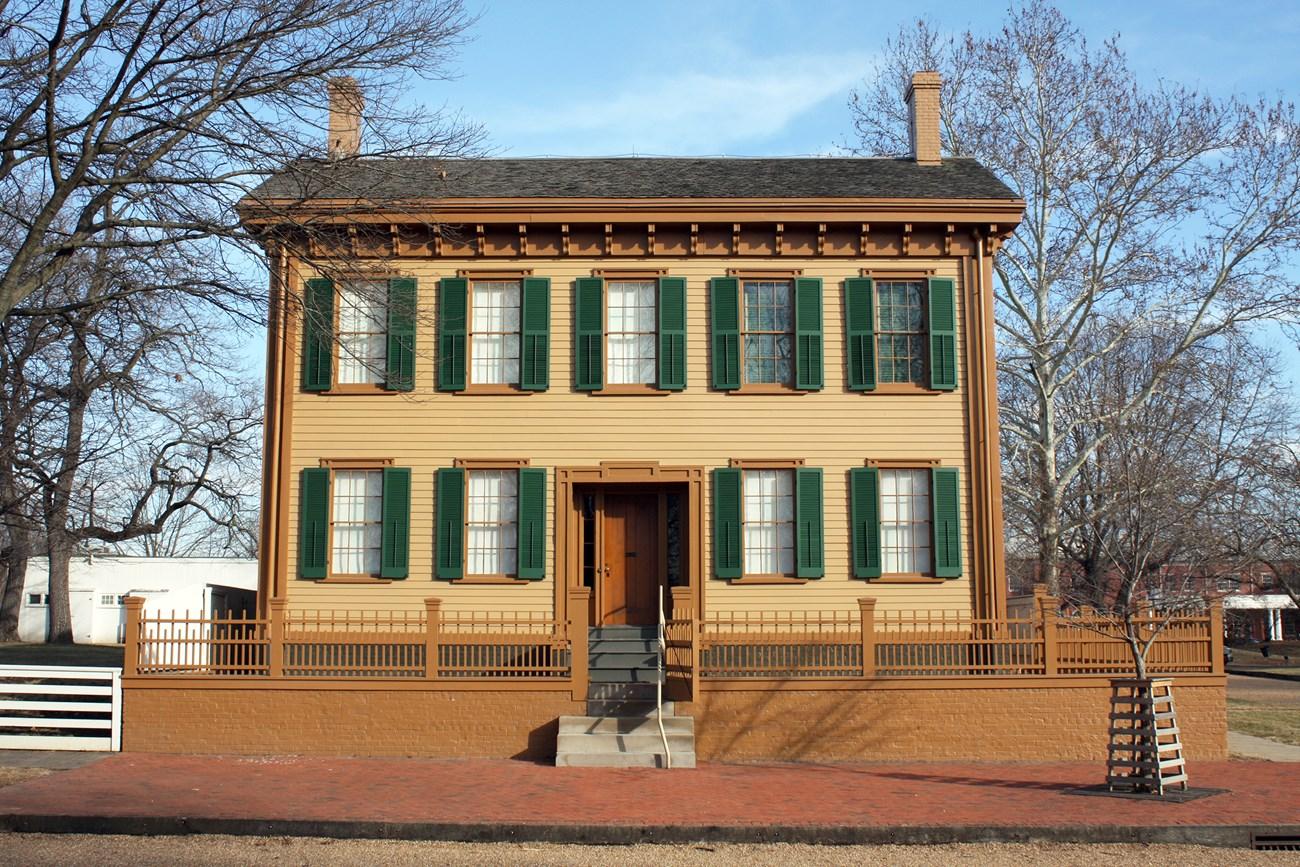 Lincoln Home National Historic Site
 in Illinois preserves Abraham Lincoln’s Springfield home, historic streets, presidential history and nearby museums.
-


Swipe for more destinations
Best attractions in Central Illinois
Central Illinois offers a varied attraction landscape built around history, civic culture, rivers and open country. Springfield contains the region's richest concentration of visitor sites, including the Lincoln Home National Historic Site, the Abraham Lincoln Presidential Library and Museum, the Old State Capitol and the Illinois State Museum. Lincoln's New Salem State Historic Site, outside Petersburg, adds a reconstructed frontier settlement and a rural setting to the Lincoln story. Peoria brings together Illinois River parks, museums, performing arts and family attractions, while nearby Wildlife Prairie Park provides trails, habitats and views of restored prairie and woodland. Bloomington-Normal combines historic houses, university collections and extensive multi-use paths, and Champaign-Urbana adds galleries, performances and museums connected with the University of Illinois Urbana-Champaign. Decatur's parks, zoo and agricultural setting offer a different perspective on the region. Across Central Illinois, outdoor experiences are generally lowland and accessible rather than mountainous, with birdwatching, cycling, fishing, walking and seasonal river recreation complementing museums, heritage buildings and small-town cultural venues.
-
State park
Starved Rock State Park
Experience the breathtaking beauty of Starved Rock State Park in Illinois, where nature's wonders await every traveler seeking adventure and tranquility.
-
Zoo
Miller Park Zoo
Explore Miller Park Zoo: A Family-Friendly Adventure in Bloomington, Illinois, Showcasing Wildlife and Conservation in a Beautiful Park Setting.
-
Zoo
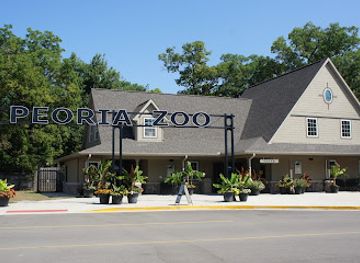
Peoria Zoo
Discover the Peoria Zoo, a family-friendly destination in Peoria, Illinois, featuring diverse animal exhibits and engaging educational programs.
-
Museum
Peoria Riverfront Museum
Discover art, science, and history at the Peoria Riverfront Museum, a premier tourist attraction along the picturesque Illinois River.

Best landmarks in Central Illinois
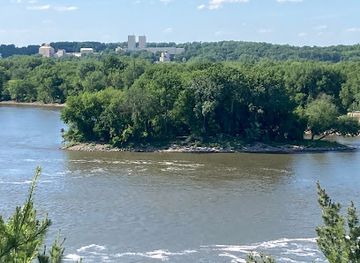
Central Illinois's most recognisable landmarks are closely tied to government, Lincoln history, river geography and the built environment of the prairie. The Illinois State Capitol in Springfield is a prominent nineteenth-century civic building and remains the centre of state government, while the Old State Capitol recalls the political setting in which Lincoln worked before becoming president. Lincoln's Tomb, in Oak Ridge Cemetery, is one of the region's most important commemorative sites, and the Lincoln Home preserves the only house he owned. The Dana-Thomas House, designed by Frank Lloyd Wright in Springfield, represents a remarkably different architectural period through its Prairie School design. In Bloomington, the David Davis Mansion reflects the status and domestic life of a prominent nineteenth-century Illinois family. Peoria's position along the Illinois River is itself a defining geographical landmark, with wooded bluffs and riverfront views contrasting with the surrounding farmland. Historic downtowns in towns such as Atlanta and Pontiac preserve courthouse squares, commercial blocks and Route 66 associations, illustrating how railways, roads and civic institutions shaped Central Illinois.
-
Historical landmark
Cahokia Mounds State Historic Site
Explore the historical marvels of Cahokia Mounds, a UNESCO World Heritage site showcasing the rich heritage of ancient Mississippian culture in Illinois.
-
Historical place
Lincoln Home National Historic Site
Discover the Lincoln Home National Historic Site, a cherished historical destination showcasing the life and times of President Abraham Lincoln in Springfield, Illinois.
-
Tourist attraction
Old Joliet Prison
Explore the haunting history of Old Joliet Prison, a captivating historical landmark and former penitentiary in Illinois.
-
Historical landmark
Lincoln's New Salem State Historic Site
Explore Lincoln's New Salem State Historic Site, a captivating historical landmark offering insights into the early life of Abraham Lincoln and 1830s America.


Explore Central Illinois on the map
Plan your trip on one map. See where the top cities, national parks and sights are, and book hotels and experiences in a few clicks.
Best hotels in Central Illinois
Best restaurants in Central Illinois
Dining in Central Illinois reflects the agricultural economy and the practical, diverse character of Midwestern cities. Springfield has a broad selection of independent restaurants, cafés, diners and pubs, with local menus often drawing on Illinois-grown produce, beef, pork, grains and seasonal vegetables. Farmers' markets in the larger communities are useful for finding fruit, vegetables, baked goods, preserves and locally made specialities. Peoria's river-city setting supports a varied collection of casual restaurants, breweries and contemporary dining rooms, while Bloomington-Normal and Champaign-Urbana benefit from university populations and offer international food, vegetarian choices, coffee shops and creative modern cooking. Decatur and smaller towns tend to combine family restaurants, traditional diners, taverns and rural inns with newer independent businesses. Illinois craft beer is widely represented, and local menus often favour generous portions and familiar comfort food rather than a single defining regional cuisine. Reservations are sensible for popular restaurants during university events, festivals and busy weekends.
-
Steak
Texas Roadhouse
Experience the best of American dining at Texas Roadhouse in East Peoria with hand-cut steaks and a lively atmosphere.
-
American
Cracker Barrel Old Country Store
Discover the heartwarming experience of Southern cuisine at Cracker Barrel Old Country Store in Bloomington - where every meal feels like home.
-
American
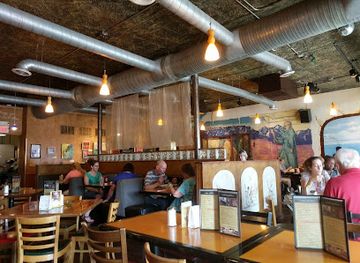
One World
Experience the heart of American cuisine at One World Cafe in Peoria—where delicious flavors meet welcoming ambiance.
-
Brewpub
Obed & Isaac's Microbrewery and Eatery
Experience Peoria's finest craft beers and delicious local cuisine at Obed & Isaac's Microbrewery and Eatery - where every meal is paired with exceptional brews.


Best bars in Central Illinois
Nightlife is concentrated in Springfield, Peoria, Bloomington-Normal and Champaign-Urbana rather than spread evenly across the rural landscape. Springfield offers traditional pubs, cocktail bars, live music and evening activity around its central districts, while Peoria combines historic taverns, breweries, restaurants and performance venues with a more established river-city nightlife. Bloomington-Normal and Champaign-Urbana have the broadest student-oriented scenes, including bars, live music, cafés that stay open late and occasional club nights shaped by university calendars. Smaller communities generally centre their evening life on local pubs, dining rooms, breweries and community events rather than dedicated nightclubs. Opening arrangements vary, and activity can be noticeably quieter outside university terms or in agricultural towns. Visitors should plan transport in advance when staying in rural areas, since late-night public transport and taxi availability are limited.
-
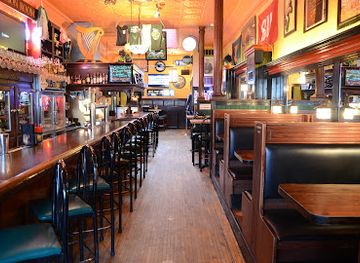
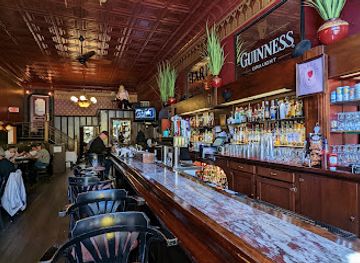
Irish pub
Ulrich's Rebellion Room
Discover the warm ambiance and rich flavors of Ulrich's Rebellion Room, a beloved Irish pub in Peoria, perfect for a night out or a casual meal.
-
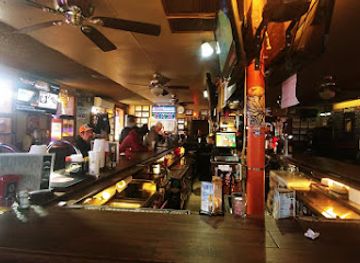
American
Rosie's Pub
Experience the best of American comfort food at Rosie's Pub in Bloomington, IL, where unique flavors and a welcoming atmosphere await.
-
Grill
Curve Inn
Savor delicious grill dishes and enjoy live music in the vibrant atmosphere of Curve Inn, Springfield's favorite local hangout.
-
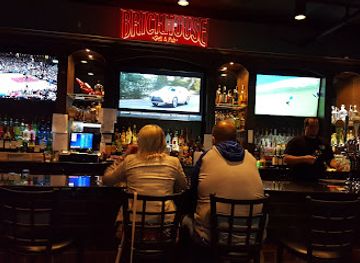
Grill
Brickhouse Grill & Pub
Experience the best of Springfield dining at Brickhouse Grill & Pub with delicious grilled dishes, a lively atmosphere, and excellent service.
Best nightclubs in Central Illinois
Nightlife is concentrated in Springfield, Peoria, Bloomington-Normal and Champaign-Urbana rather than spread evenly across the rural landscape. Springfield offers traditional pubs, cocktail bars, live music and evening activity around its central districts, while Peoria combines historic taverns, breweries, restaurants and performance venues with a more established river-city nightlife. Bloomington-Normal and Champaign-Urbana have the broadest student-oriented scenes, including bars, live music, cafés that stay open late and occasional club nights shaped by university calendars. Smaller communities generally centre their evening life on local pubs, dining rooms, breweries and community events rather than dedicated nightclubs. Opening arrangements vary, and activity can be noticeably quieter outside university terms or in agricultural towns. Visitors should plan transport in advance when staying in rural areas, since late-night public transport and taxi availability are limited.
-
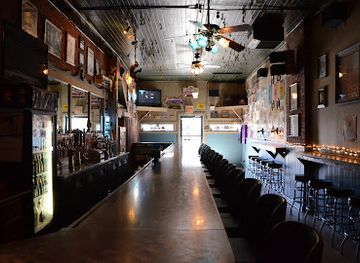
Bar
Digger's Again
Experience the local charm at Digger's Again, Bloomington's favorite bar for great beer, friendly atmosphere, and unforgettable memories.
-
Bar
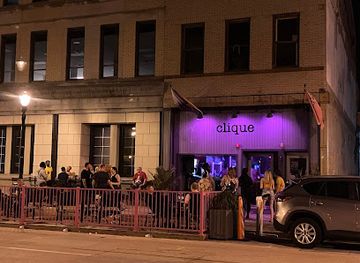
clique
Experience the vibrant nightlife at Clique, Springfield's premier gay night club and bar, where everyone is welcome to enjoy great drinks and lively entertainment.
-
Night club
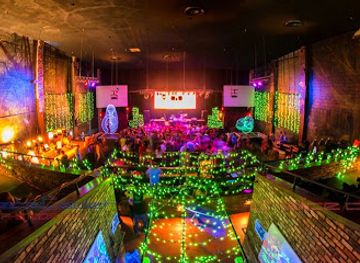
The Canopy Club
Discover the vibrant nightlife at The Canopy Club in Urbana, Illinois, where music, dance, and unforgettable memories await every night.
-
Adult entertainment club
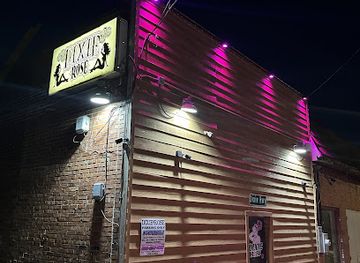
Dixie Rose Country Rock Cabaret
Discover the vibrant nightlife at Dixie Rose Country Rock Cabaret in Peoria, IL, where music, dancing, and entertainment come alive in an unforgettable atmosphere.
Best shops in Central Illinois
Shopping in Central Illinois is rooted in practical town centres, independent businesses, university districts and seasonal local produce rather than large-scale luxury retail. Springfield's central area combines bookshops, gift shops, heritage-related merchandise, galleries, cafés and businesses serving visitors to the Lincoln sites. Peoria offers a broader urban mix, including independent retailers, arts and crafts businesses and regional food sellers, while Bloomington-Normal and Champaign-Urbana have student-oriented shops, specialist boutiques, bookstores, records, clothing and gallery goods. Farmers' markets across the main cities and smaller towns are the best places to look for Illinois produce, baked goods, honey, preserves and handmade items, although schedules are seasonal. Route 66-related signs, prints and memorabilia are available in communities along the historic alignment, including Atlanta and Pontiac. For durable souvenirs, consider locally produced food, artwork, books about Illinois history, prairie-inspired crafts or goods from independent makers rather than generic state merchandise.
-
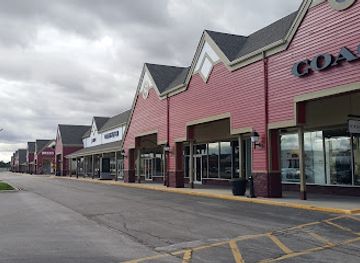
Outlet mall
Chicago Premium Outlets
Discover unbeatable deals on top brands at Chicago Premium Outlets, your ultimate shopping destination near Chicago.
-
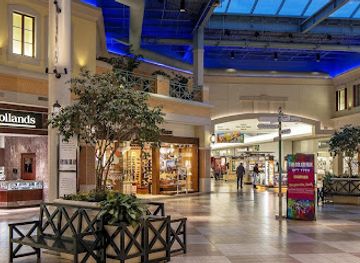
Shopping mall
Market Place Shopping Center
Discover a shopping paradise at Market Place Shopping Center, where retail therapy meets culinary delights in Champaign, Illinois.
-
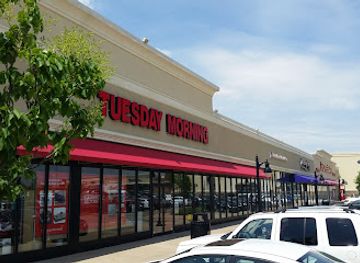
Outlet mall
Tuscola Outlet Shops
Discover unbeatable savings at Tuscola Outlet Shops, Illinois' premier destination for brand-name shopping and delightful dining experiences.
-
Shopping mall
Shoppes At College Hills
Discover a diverse shopping experience at Shoppes At College Hills, where fashion, food, and fun come together in Normal, Illinois.
Get your free copy of our complete guide to Central Illinois, delivered straight to you.
Everything on this page, from attractions and restaurants to essentials and local phrases, in one PDF you can read offline, print or share.
Already have an account? Sign in
Your Central Illinois guide is ready.
We'll send it to · Not you? Sign out

Getting your guide ready…
We are putting together a fresh copy of the Central Illinois guide. This can take up to a minute.
This can take a few moments. If your browser asks, choose Allow so the download can start. You'll find the guide in your Downloads folder.
Nothing happened? Download it again
Sorry, the guide is taking longer than usual. Please try again in a minute, or get it by email instead.
Central Illinois essentials
Currency and Payment
Safety
Emergency Situations
Do's and Don'ts
Local Tips
From Eve
Local phrases worth knowing
You don't need to get them perfect. A few words go a long way, and locals appreciate the effort.
Basics
| English | Local | Say it |
|---|---|---|
| Hello | Hi there | [Hahy thair] |
| Goodbye | See ya | [See yah] |
| Yes | Yep | [Yep] |
| No | Nah | [Nah] |
| Please/You're welcome | Please/No problem | [Pleez/No prob] |
| Thank you | Thanks a lot | [Thangs a lot] |
| Excuse me/Sorry | Excuse me/Sorry about that | [Excuse me/Sorree about that] |
| How are you? | How ya doin’? | [How yah doin'?] |
| Fine. And you? | Good. And you? | [Good. And you?] |
| Do you speak English? | You speakin' English? | [Yoo speekin' English?] |
| I don't understand | I ain't gettin' it | [I aynt gettin' it] |
Eating & Drinking
| English | Local | Say it |
|---|---|---|
| I'd like to see the menu, please | Can I see the menu, please? | [Kan I see the menu, pleez?] |
| I don't eat meat | I don't do meat | [I don't do meet] |
| Cheers! | Cheers! | [Cheers!] |
| I would like to pay, please | Can I get the check, please? | [Kan I get the chek, pleez?] |
Emergencies
| English | Local | Say it |
|---|---|---|
| Help! | Help! | [Help!] |
| Go away! | Leave me alone! | [Leev me alone!] |
| Call the Police! | Call the cops! | [Call the cops!] |
| Call a doctor! | Get a doctor! | [Get a doctor!] |
| I'm lost | I’m lost | [I'm lost] |
| I'm ill | I'm feeling sick | [I'm feelin' sick] |
Shopping
| English | Local | Say it |
|---|---|---|
| I'd like to buy... | I wanna buy... | [I wanna buy...] |
| I'm just looking | Just lookin' around | [Just lookin' around] |
| How much is it? | What’s the price? | [What's the price?] |
| That's too expensive | That’s a bit pricey | [That's a bit pricy] |
| Can you lower the price? | Can ya bring down the price? | [Can yah bring down the price?] |
Time & Numbers
| English | Local | Say it |
|---|---|---|
| What time is it? | What time we got? | [What time we got?] |
| It's one o'clock | It’s one o’clock | [It's one o'clock] |
| Half past (10) | Half past ten | [Half past ten] |
| Morning | Morning | [Mornin'] |
| Afternoon | Afternoon | [Aft'noon] |
| Evening | Evening | [Eve'nin'] |
| Yesterday | Yesterday | [Yes'day] |
| Today | Today | [T'day] |
| Tomorrow | Tomorrow | [T'morrow] |
| 1 | One | [Wun] |
| 2 | Two | [Too] |
| 3 | Three | [Three] |
| 4 | Four | [Four] |
| 5 | Five | [Five] |
| 6 | Six | [Six] |
| 7 | Seven | [Seven] |
| 8 | Eight | [Eight] |
| 9 | Nine | [Nine] |
| 10 | Ten | [Ten] |
Transport & Directions
| English | Local | Say it |
|---|---|---|
| Where's a/the...? | Where's the...? | [Where's the...?] |
| What's the address? | What's the address? | [What's the address?] |
| Can you show me (on the map)? | Can you point it out on the map? | [Can you point it out on the map?] |
| When's the next (bus)? | When's the next bus? | [When's the next bus?] |
| A ticket (to ....) | One ticket to... | [One ticket to...] |
History of Central Illinois
Indigenous Illinois and the Prairie Landscape
Long before American settlement, Central Illinois was inhabited and used by Indigenous peoples including the Illiniwek-related communities, Kickapoo, Potawatomi and others whose territories changed over time. Rivers, woodlands and prairie supported hunting, fishing, cultivated crops and extensive networks of movement and exchange. European-American settlement later transformed the landscape through land surveys, farming and town building, but Indigenous history remains part of the region's foundations. The open prairie seen today is therefore not an untouched natural condition; it is the result of both long human stewardship and later agricultural conversion.
Territorial Settlement and Illinois Statehood, 1800s–1818
Following the creation of the Illinois Territory in 1809, migrants from the eastern United States and the Upper South entered the central prairie in increasing numbers. Roads, river landings and emerging county seats developed around farms and small commercial settlements. Illinois became a state in 1818, and its political institutions gradually expanded across the interior. Springfield was selected as the state capital in 1837, strengthening its civic importance and helping establish Central Illinois as a political rather than merely agricultural centre.
Abraham Lincoln's Illinois Years
Abraham Lincoln's career in Illinois shaped both the state's historical identity and the national story. He lived in Springfield from 1837 until 1861, worked as a lawyer, represented Illinois in politics and developed the public reputation that preceded his presidency. The Lincoln Home, Old State Capitol and other Springfield sites illuminate his family, legal practice and political environment, while Lincoln's New Salem near Petersburg recalls his earlier years as a shopkeeper, surveyor and aspiring lawyer. These places also reveal the ordinary communities and institutions through which his career developed.
Railways, River Commerce and Urban Growth
Nineteenth-century railways transformed Central Illinois by connecting prairie farms with Chicago, St Louis and wider national markets. Rail lines encouraged the growth of Springfield, Decatur, Bloomington, Normal, Champaign-Urbana and many smaller towns, while the Illinois River supported transport and grain commerce. Town centres acquired courthouses, depots, warehouses and commercial blocks, and agricultural output became increasingly tied to regional and national systems. The resulting settlement pattern, with compact cities separated by large farming districts, remains one of Central Illinois's defining characteristics.
Agriculture and Industrial Development
The region's fertile soils supported corn, soybeans, livestock and related processing, making agriculture central to both its economy and its cultural landscape. Manufacturing grew alongside farming, particularly in places such as Decatur and Peoria, where machinery, food processing and agricultural equipment became important employers. Peoria developed a major industrial identity through machinery production, while university research and engineering later added another layer to the regional economy. Industrial change brought prosperity but also made communities sensitive to shifts in manufacturing, commodity prices and national transport networks.
Universities and Modern Cultural Life
Higher education has been a major force in the modern development of Central Illinois. Illinois State University helped shape Bloomington-Normal, Bradley University contributed to Peoria's civic and cultural life, and the University of Illinois Urbana-Champaign became a major centre for research, engineering, agriculture and the arts. These institutions attracted students, scholars and international communities, broadening the region's cultural life beyond its traditional agricultural and industrial base. Museums, theatres, festivals, galleries and independent food businesses now form an important part of the region's contemporary identity.
Route 66 and the Era of Automobile Travel
The historic alignment of Route 66 crossed Central Illinois, linking communities such as Springfield, Atlanta and Pontiac with the wider mythology of American road travel. Although much of the original route has been replaced or bypassed, surviving road sections, signs, service stations and roadside attractions preserve aspects of its twentieth-century history. Route 66 added tourism and automobile culture to an older landscape of railways, county roads and farm towns, and its legacy remains visible in museums, local interpretation and heritage motoring routes.
Central Illinois in Photos
Browse through our photo collection highlighting the charm and character of the destination.
Neighbouring regions of Central Illinois
The closest regions to Central Illinois, if you have time for more than one.
-

-

-
-

-


Swipe for more regions
Explore more

Explore more of Illinois
Discover Illinois: From Chicago's iconic skyline to the tranquil beauty of its countryside, experience the diverse allure of the Prairie State.
Explore Illinois