

Free Corn Belt Travel Guide & Mobile App
Explore Corn Belt with free travel guides. Discover regional history, expert tips, proposed trips, and audio guides on web or mobile app.


Explore Illinois's Corn Belt for wide prairies, farm heritage, university culture, historic towns, local food and open-road landscapes.
Read more about Corn Belt
When is the best time to visit Corn Belt?
Best: May–June, September · 23–28°C| Month | High (°C) | Rainfall (mm) |
|---|---|---|
| January | 4 | 38 |
| February | 6 | 41 |
| March | 11 | 53 |
| April | 18 | 81 |
| May (best) | 23 | 102 |
| June (best) | 28 | 102 |
| July | 30 | 102 |
| August | 29 | 102 |
| September (best) | 25 | 76 |
| October | 18 | 76 |
| November | 11 | 53 |
| December | 4 | 38 |
Getting to and around Corn Belt
How to get there
Transportation
Top city travel guides in Corn Belt
The cities of Corn Belt, and the easiest places to base yourself.
-

-

-

-

-

-


Swipe for more cities
Destinations in Corn Belt
Resorts, valleys and scenic spots worth a trip of their own.
-

-

-

-

-
-
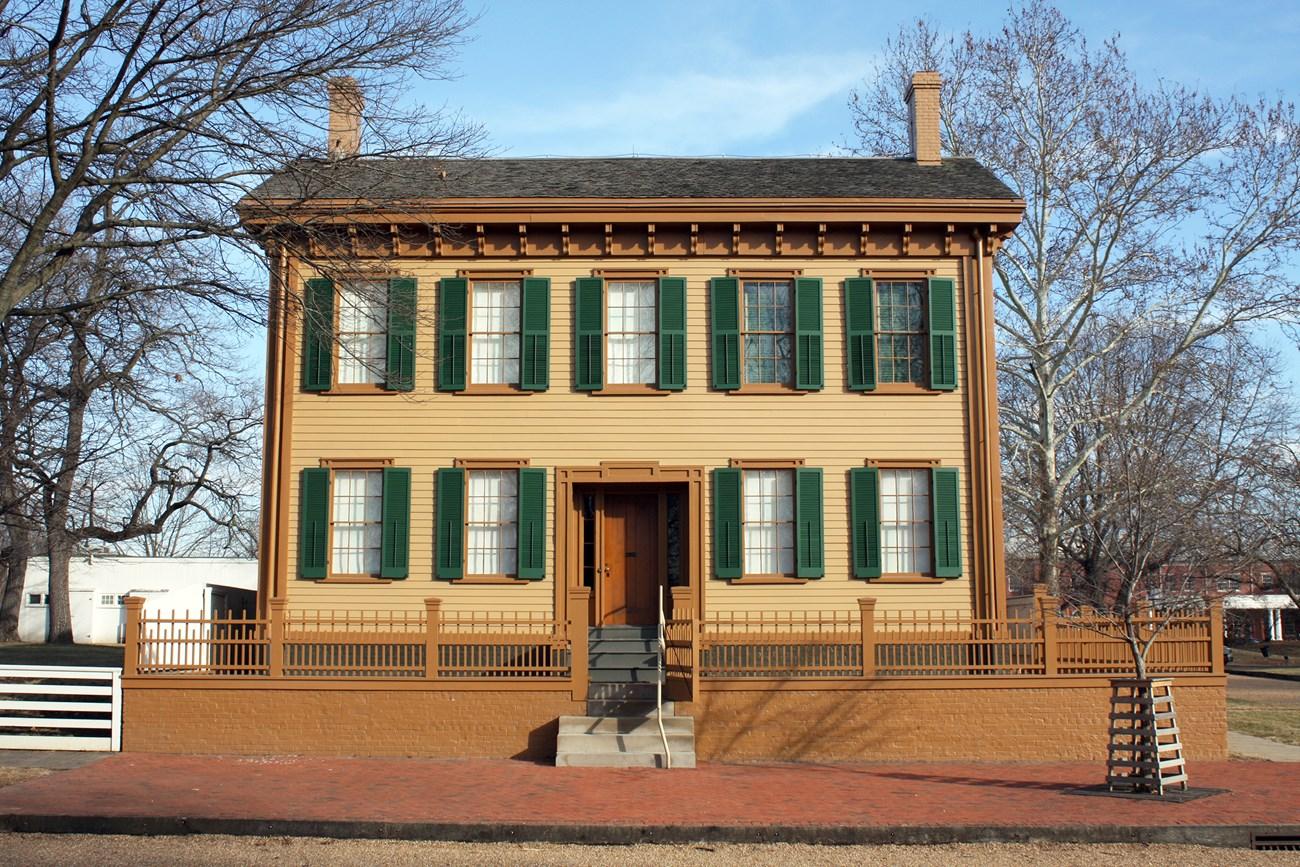 Lincoln Home National Historic Site
 in Illinois preserves Abraham Lincoln’s Springfield home, historic streets, presidential history and nearby museums.
Lincoln Home National Historic Site
Lincoln Home National Historic Site in Illinois preserves Abraham Lincoln’s Springfield home, historic streets, presidential history and nearby museums.


Swipe for more destinations
Best attractions in Corn Belt
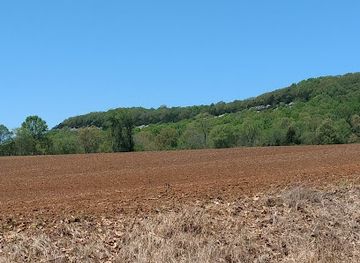
Attractions in the Illinois Corn Belt reflect a working landscape rather than a concentrated resort circuit. Champaign-Urbana combines university museums, galleries, performances and research-oriented cultural life, while Bloomington-Normal offers historic districts, museums, parks and a busy programme associated with Illinois State University and Illinois Wesleyan University. Decatur provides insight into agricultural machinery, food processing and the commercial systems that support large-scale farming. Springfield, at the western edge of the broader central Illinois landscape, is a practical excursion for visitors interested in Abraham Lincoln and state history, but it is not the core of the Corn Belt. Outside the larger centres, Allerton Park near Monticello offers woodland, formal gardens and sculpture, and various county parks and prairie preserves provide walking, birdwatching and seasonal wildflowers. Historic courthouses, local museums, farm-related collections and restored town centres broaden the picture. Outdoor recreation is generally low-key: cycling, fishing, walking and wildlife observation are best combined with a road itinerary rather than treated as a single consolidated park experience.
-
Museum
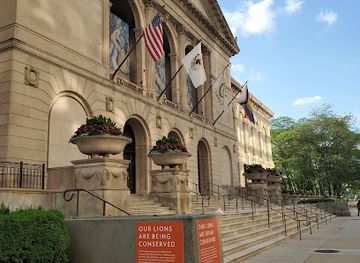
The Art Institute of Chicago
Discover a world of artistic masterpieces at The Art Institute of Chicago, where art history and contemporary creativity converge in a stunning setting.
-
State park
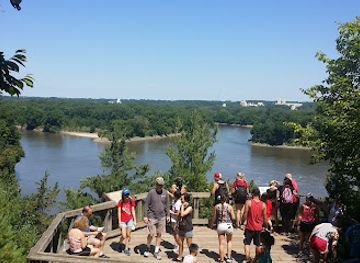
Starved Rock State Park
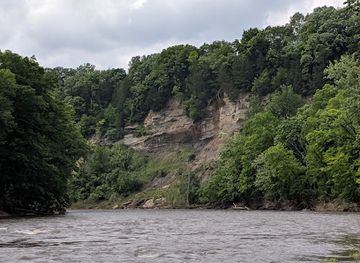
Experience the breathtaking beauty of Starved Rock State Park, a natural gem offering stunning views, hiking trails, and rich wildlife in the heart of Illinois.
-
National forest
Shawnee National Forest
Discover the breathtaking beauty of Shawnee National Forest, where adventure meets nature in the heart of Illinois.
-
State park
Matthiessen State Park
Experience the breathtaking landscapes and outdoor adventures at Matthiessen State Park in Illinois, a natural retreat for all nature enthusiasts.
Best landmarks in Corn Belt
The Corn Belt's most recognisable landmarks often express the relationship between settlement, transport and agriculture. Grain elevators and tall silos rise beside railway lines in many small towns, visually marking the storage and movement of crops even when individual facilities are private or operational rather than visitor attractions. The University of Illinois Urbana-Champaign campus provides a contrasting landmark landscape of historic academic buildings, landscaped grounds and research facilities. Decatur's industrial skyline and agricultural associations reflect the importance of machinery and food processing to central Illinois. County courthouses and courthouse squares remain defining civic landmarks in many county seats, surrounded by nineteenth- and early twentieth-century commercial architecture. Allerton Park near Monticello is a significant designed landscape, known for its woodland setting, gardens and sculpture. The restored Abraham Lincoln Home and related historic sites in Springfield are important regional landmarks, although Springfield stands at the western fringe of the wider Corn Belt rather than representing every part of it. Rivers, drainage channels, shelterbelts and remnant prairie preserves provide quieter natural markers within an otherwise highly cultivated landscape.
-
Park
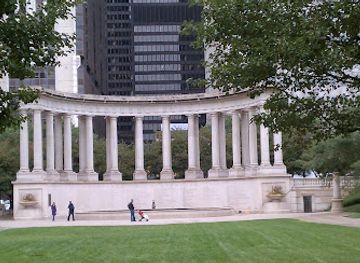
Millennium Park
Explore Millennium Park, Chicago's premier destination for art, nature, and unforgettable cultural experiences in the heart of the city.
-
Tourist attraction
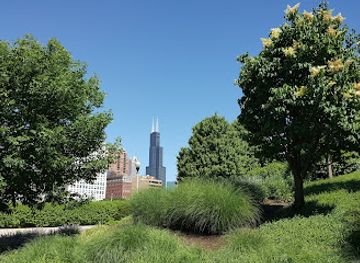
Willis Tower
Experience Chicago from Above: Visit the iconic Willis Tower and Skydeck for breathtaking views and a thrilling walk on The Ledge.
-
Fountain
Clarence F. Buckingham Memorial Fountain
Discover the grandeur of the Clarence F. Buckingham Memorial Fountain, a historical landmark and vibrant tourist attraction in Chicago's Grant Park.
-
National forest
Shawnee National Forest
Explore Illinois' natural beauty: hiking, camping, and stunning landscapes await in the heart of Shawnee National Forest.

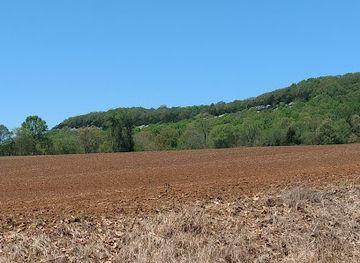
Explore Corn Belt on the map
Plan your trip on one map. See where the top cities, national parks and sights are, and book hotels and experiences in a few clicks.
Best hotels in Corn Belt
Best restaurants in Corn Belt
Dining across the Illinois Corn Belt is grounded in Midwestern produce, practical hospitality and the agricultural economy surrounding the towns. Seasonal sweet corn, tomatoes, pumpkins and other crops appear at farmers' markets, farm stands and summer menus, while pork, beef and poultry are common in traditional restaurant cooking. Champaign-Urbana has the region's broadest choice, including international food, cafés, bakeries, breweries and restaurants shaped by its large university population. Bloomington-Normal and Decatur offer varied casual dining, independent cafés and established American restaurants, while smaller communities tend to centre on diners, taverns, family-run places and rural inns. Local craft beer and Illinois wines may appear on drinks lists, though wine production is more prominent in other parts of the state. Look for regional produce at seasonal markets and county events, and expect generous portions and a relaxed pace in many traditional establishments. Tipping in table-service restaurants follows United States practice and is normally added after the stated menu price.
-
Restaurant
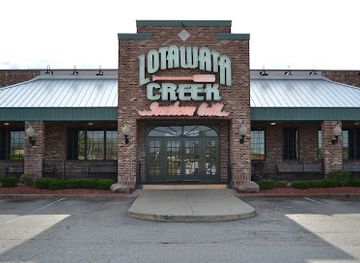
Lotawata Creek
Discover the flavorful offerings at Lotawata Creek in Fairview Heights—where every meal is a delightful journey into culinary excellence.
-
American
The Dearborn
Experience the best of American cuisine at The Dearborn in Chicago - where tradition meets modern flavor.
-
Mediterranean
Aba
Experience Mediterranean cuisine like never before at Aba, where vibrant flavors meet chic surroundings in Chicago's West Loop.
-
New American
River Roast
Experience modern American cuisine at River Roast with breathtaking views of the Chicago River—perfect for brunch or evening cocktails.

Best bars in Corn Belt
Evening life in the Illinois Corn Belt is concentrated in its university and larger commercial towns rather than spread across the farming districts. Champaign-Urbana has the widest selection of bars, breweries, music venues, restaurants and late-evening entertainment, with a youthful atmosphere influenced by the University of Illinois. Bloomington-Normal also supports pubs, live music, theatre and social venues, while Decatur and other county centres generally offer neighbourhood bars, taverns, breweries and occasional entertainment rather than a large club scene. In smaller towns, evenings often revolve around restaurants, community events, local sports and established pubs. Rural areas become quiet early, and driving distances make planning transport important if drinking alcohol. Venue programmes and opening arrangements change regularly, so current local listings are more reliable than assuming that a particular seasonal event or business will operate throughout the year.
-
Restaurant
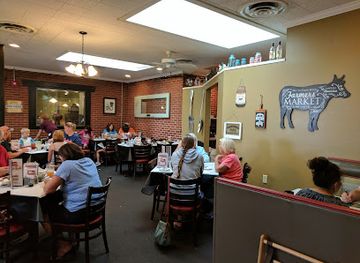
Eckert's Country Restaurant
Discover the flavors of Belleville at Eckert's Country Restaurant, where farm-fresh meets family-friendly dining.
-
Irish pub
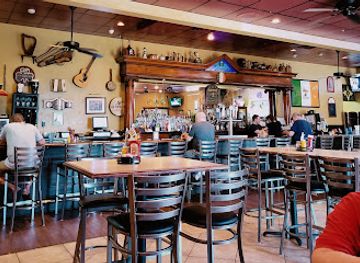
D'Arcy's Pint
Experience a unique blend of Irish, Brazilian, and Cuban flavors at D'Arcy's Pint, Springfield's beloved pub and restaurant.
-
Grill
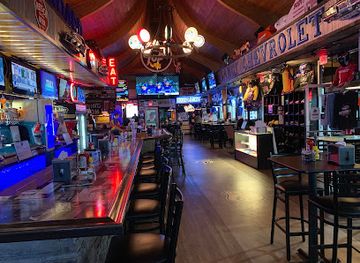
Route 66 Motorheads Bar and Grill, Museum and Entertainment Complex
Explore the unique blend of history and flavor at Route 66 Motorheads Bar and Grill, a must-visit destination for travelers seeking American culture.
-
Grill
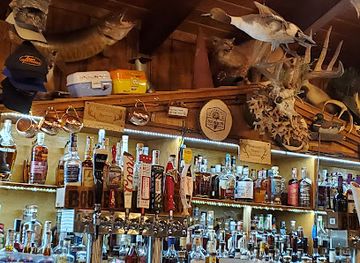
Westwoods Lodge Pub & Grill
Experience the heart of Springfield dining at Westwoods Lodge Pub & Grill, where delicious food and a warm atmosphere await every visitor.
Best nightclubs in Corn Belt
Evening life in the Illinois Corn Belt is concentrated in its university and larger commercial towns rather than spread across the farming districts. Champaign-Urbana has the widest selection of bars, breweries, music venues, restaurants and late-evening entertainment, with a youthful atmosphere influenced by the University of Illinois. Bloomington-Normal also supports pubs, live music, theatre and social venues, while Decatur and other county centres generally offer neighbourhood bars, taverns, breweries and occasional entertainment rather than a large club scene. In smaller towns, evenings often revolve around restaurants, community events, local sports and established pubs. Rural areas become quiet early, and driving distances make planning transport important if drinking alcohol. Venue programmes and opening arrangements change regularly, so current local listings are more reliable than assuming that a particular seasonal event or business will operate throughout the year.
-
Grill
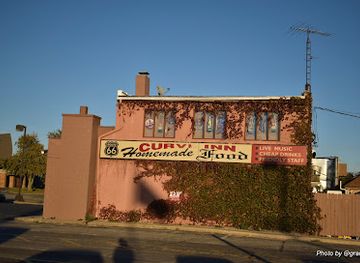
Curve Inn
Experience the vibrant atmosphere of Curve Inn in Springfield, where delicious grill fare meets live music in a friendly beer garden setting.
-
Adult entertainment club
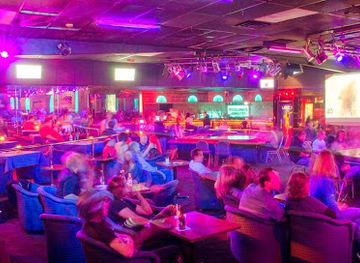
Country Rock Cabaret
Discover the ultimate nightlife experience at Country Rock Cabaret, where live music and great food create unforgettable memories in Sauget, Illinois.
-
Night club
Stereo Nightclub
Discover the electric vibe and live music at Stereo Nightclub, Chicago's premier nightlife destination for unforgettable nights out.
-
Bar
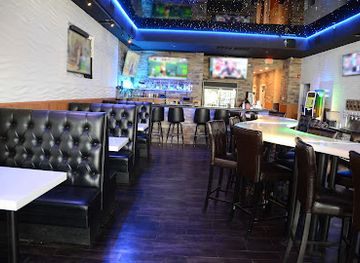
Sky Lounge
Discover the perfect blend of culinary delights and entertainment at Sky Lounge, Springfield's top bar and grill destination.

Best shops in Corn Belt
Shopping in the Illinois Corn Belt is centred on practical town centres, university districts, regional retail areas and seasonal markets rather than a single destination shopping quarter. Champaign-Urbana offers the broadest mixture of independent bookshops, galleries, specialist food retailers, cafés and university-oriented shops, while Bloomington-Normal combines established commercial streets with larger retail areas and local makers. Decatur and smaller county seats are useful for antiques, books, locally produced food and independent stores, though opening days and stock can vary. Farmers' markets are the best places to look for sweet corn, pumpkins, preserves, honey, baked goods and other seasonal Illinois produce. Craft items may include ceramics, textiles, woodwork and artwork made by regional producers, while agricultural and historical museums often have durable books and educational gifts. Visitors should distinguish genuinely local produce from generic souvenirs: products labelled with an Illinois farm, town or producer usually offer a more meaningful connection to the landscape.
-
Supermarket
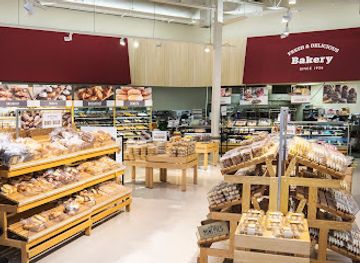
Meijer
Explore a diverse shopping experience at Meijer, where fresh groceries, electronics, and local flavors await in Normal, Illinois.
-
Department store
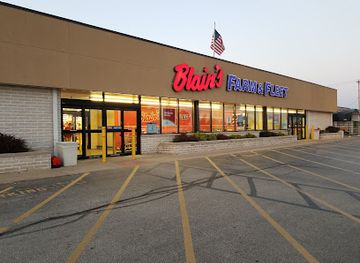
Blain's Farm & Fleet - Bloomington, Illinois
Discover the charm of Blain's Farm & Fleet in Bloomington, Illinois – your one-stop shop for everything from clothing to farm equipment.
-
Shopping mall
Southwest Plaza
Explore Southwest Plaza in Springfield, Illinois - your ultimate shopping destination with diverse stores, dining options, and family-friendly entertainment!
-
Gift shop
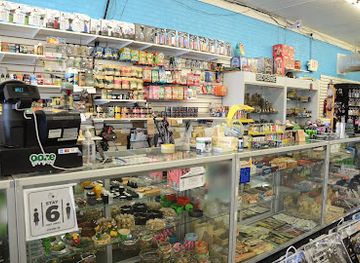
Happy Daze Gift Shop LLC
Explore Happy Daze Gift Shop in Springfield, where unique gifts, trendy clothing, and vibrant accessories await every visitor.
Get your free copy of our complete guide to Corn Belt, delivered straight to you.
Everything on this page, from attractions and restaurants to essentials and local phrases, in one PDF you can read offline, print or share.
Already have an account? Sign in
Your Corn Belt guide is ready.
We'll send it to · Not you? Sign out

Getting your guide ready…
We are putting together a fresh copy of the Corn Belt guide. This can take up to a minute.
This can take a few moments. If your browser asks, choose Allow so the download can start. You'll find the guide in your Downloads folder.
Nothing happened? Download it again
Sorry, the guide is taking longer than usual. Please try again in a minute, or get it by email instead.
Corn Belt essentials
Currency and Payment
Safety
Emergency Situations
Do's and Don'ts
Local Tips
From Eve
Local phrases worth knowing
You don't need to get them perfect. A few words go a long way, and locals appreciate the effort.
Basics
| English | Local | Say it |
|---|---|---|
| Hello | Howdy | [/ˈhaʊdi/] |
| Goodbye | See ya later | [/si jə ˈleɪtər/] |
| Yes | Yep | [/jɛp/] |
| No | Nah | [/nɑː/] |
| Please/You're welcome | No problem | [/noʊ ˈprɒbləm/] |
| Thank you | Thanks a bunch | [/θæŋks ə bʌnʧ/] |
| Excuse me/Sorry | Pardon me | [/ˈpɑrdən mi/] |
| How are you? | How ya doin'? | [/haʊ jə ˈduɪn/] |
| Fine. And you? | Good. And you? | [/ɡʊd ənd ju/] |
| Do you speak English? | Do ya speak English? | [/du jə spiːk ˈɪŋɡlɪʃ/] |
| I don't understand | I don't get it | [/aɪ doʊnt ɡɛt ɪt/] |
Eating & Drinking
| English | Local | Say it |
|---|---|---|
| I'd like to see the menu, please | Can I see the menu, please? | [/kæn aɪ si ðə ˈmɛnjuː pliz/] |
| I don't eat meat | I don't eat meat | [/aɪ doʊnt iːt miːt/] |
| Cheers! | Cheers! | [/tʃɪrz/] |
| I would like to pay, please | Can I get the check, please? | [/kæn aɪ ɡɛt ðə tʃɛk pliz/] |
Emergencies
| English | Local | Say it |
|---|---|---|
| Help! | Help! | [/hɛlp/] |
| Go away! | Get lost! | [/ɡɛt lɔst/] |
| Call the Police! | Call the cops! | [/kɔl ðə kɑps/] |
| Call a doctor! | Get a doctor! | [/ɡɛt ə ˈdɑktər/] |
| I'm lost | I'm lost | [/aɪm lɔst/] |
| I'm ill | I'm not feeling well | [/aɪm nɑt ˈfiːlɪŋ wɛl/] |
Shopping
| English | Local | Say it |
|---|---|---|
| I'd like to buy... | I want to buy... | [/aɪ wɑnt tu baɪ/] |
| I'm just looking | Just browsing | [/dʒʌst ˈbraʊzɪŋ/] |
| How much is it? | What's the price? | [/wɑts ðə praɪs/] |
| That's too expensive | That's a bit pricey | [/ðæts ə bɪt ˈpraɪsi/] |
| Can you lower the price? | Can you knock down the price? | [/kæn jə nɑk daʊn ðə praɪs/] |
Time & Numbers
| English | Local | Say it |
|---|---|---|
| What time is it? | What time is it? | [/wɑt taɪm ɪz ɪt/] |
| It's one o'clock | It's one o'clock | [/ɪts wʌn əˈklɑk/] |
| Half past (10) | Half past ten | [/hæf pæst tɛn/] |
| Morning | Morning | [/ˈmɔrnɪŋ/] |
| Afternoon | Afternoon | [/ˌæftərˈnun/] |
| Evening | Evening | [/ˈivnɪŋ/] |
| Yesterday | Yesterday | [/ˈjɛstərdeɪ/] |
| Today | Today | [/təˈdeɪ/] |
| Tomorrow | Tomorrow | [/təˈmɔroʊ/] |
| 1 | One | [/wʌn/] |
| 2 | Two | [/tu/] |
| 3 | Three | [/θri/] |
| 4 | Four | [/fɔr/] |
| 5 | Five | [/faɪv/] |
| 6 | Six | [/sɪks/] |
| 7 | Seven | [/ˈsɛvən/] |
| 8 | Eight | [/eɪt/] |
| 9 | Nine | [/naɪn/] |
| 10 | Ten | [/tɛn/] |
Transport & Directions
| English | Local | Say it |
|---|---|---|
| Where's a/the...? | Where's the...? | [/wɛrz ðə.../] |
| What's the address? | What's the address? | [/wɑts ði ˈædrɛs/] |
| Can you show me (on the map)? | Can you point it out on the map? | [/kæn jə pɔɪnt ɪt aʊt ɑn ðə mæp/] |
| When's the next (bus)? | When's the next bus? | [/wɛnz ðə nɛkst bʌs/] |
| A ticket (to ....) | A ticket to ... | [/ə ˈtɪkɪt tu/] |
History of Corn Belt
Indigenous Illinois and the Prairie Environment
Long before the modern agricultural landscape, the region was home to Indigenous peoples including the Illiniwek confederation and later communities connected with Miami, Potawatomi, Kickapoo and other nations. They hunted, farmed and travelled through a landscape of tall-grass prairie, wetlands and oak woodlands. Rivers such as the Sangamon and Kaskaskia provided routes and resources. European-American settlement, land cessions and forced removals transformed Indigenous presence during the nineteenth century, but the region's place names and surviving archaeological evidence remain reminders that the prairie was not an empty wilderness before commercial farming.
The Prairie State and Early Settlement
Illinois became a state in 1818, and settlement accelerated as roads, canals and later railways made the interior more accessible. Early farms were difficult to cultivate because of dense prairie sod and poor drainage, but improved ploughs and drainage techniques changed that equation. Small county seats, trading posts and market towns developed around courthouses and transport routes. The flat, fertile land of central and eastern Illinois gradually became associated with large-scale grain and livestock production, linking local communities to expanding national markets.
Railways and the Rise of Market Agriculture
Nineteenth-century rail construction was decisive in shaping the Illinois Corn Belt. Lines connected farming districts with Chicago, St Louis and other markets, allowing grain, livestock and manufactured goods to move more reliably than by wagon or river alone. Grain elevators became prominent symbols of the new commercial system, while towns grew around depots, stockyards, warehouses and agricultural merchants. Railways also encouraged immigration and population growth, creating the network of small towns and county centres that still punctuates the open farmland.
Abraham Lincoln and Central Illinois Politics
Abraham Lincoln spent much of his adult life in central Illinois, practising law, representing the area politically and building the reputation that led to the presidency. Springfield, on the western edge of the wider Corn Belt landscape, preserves important sites associated with his Illinois years, including his home and the presidential library and museum. The Lincoln-Douglas debates of 1858, held at several Illinois locations including Freeport, Charleston, Galesburg and Ottawa, brought national attention to the political crisis over slavery and remain central to the state's historical identity.
Mechanisation and Agricultural Industry
During the twentieth century, tractors, combines, hybrid seed, chemical fertilisers and improved farm management reshaped the region's economy and appearance. Decatur became particularly associated with agricultural machinery and food processing, while research institutions and seed companies helped connect farming with engineering and applied science. Mechanisation increased yields but reduced the amount of labour needed on individual farms, contributing to population decline in some small rural communities and concentrating services in larger towns.
Research, Universities and a Modern Rural Economy
The University of Illinois, founded in Urbana-Champaign in 1867 as a land-grant institution, helped establish a durable relationship between higher education, agricultural research and the regional economy. Its work in crop science, engineering and related fields has influenced farming well beyond Illinois. Today the Corn Belt combines intensive agriculture with logistics, food processing, education, healthcare and technology. Conservation projects are also restoring fragments of prairie and wetland, offering a more varied understanding of a region long defined by production.
Corn Belt in Photos
Browse through our photo collection highlighting the charm and character of the destination.
Neighbouring regions of Corn Belt
The closest regions to Corn Belt, if you have time for more than one.
-

-

-

-

-


Swipe for more regions
Explore more

Explore more of Illinois
Discover Illinois: From Chicago's iconic skyline to the tranquil beauty of its countryside, experience the diverse allure of the Prairie State.
Explore Illinois