Chini Ka Rauza, Agra Travel Guide
Discover Chini Ka Rauza in Agra: A unique Mughal tomb adorned with glazed tiles, showcasing Persian architecture and serene riverside gardens.
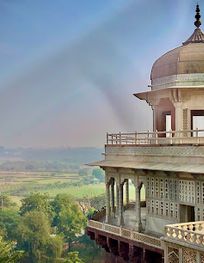
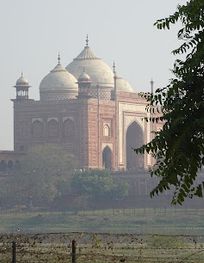
Chini Ka Rauza, or the China Tomb, is a 17th-century mausoleum in Agra dedicated to Afzal Khan Shirazi, a scholar and Prime Minister under Shah Jahan. Uniquely adorned with vibrant glazed tiles, it showcases Indo-Persian architecture and offers a tranquil escape from the city's bustling tourist spots.
A brief summary to Chini Ka Rauza
- Agra, Katra Wazir Khan, Uttar Pradesh, 282006, IN
- Click to display
- Monday 6 am-6 pm
- Tuesday 6 am-6 pm
- Wednesday 6 am-6 pm
- Thursday 6 am-6 pm
- Friday 6 am-6 pm
- Saturday 6 am-6 pm
- Sunday 6 am-6 pm

Know before you go
Hi, I'm Eve. Here are a few practical things to know before exploring Chini Ka Rauza.
- Visit during the winter months (October to March) for pleasant weather and optimal conditions to explore the intricate tile work.
- Combine your visit with nearby attractions like the Taj Mahal and Itmad-ud-Daulah's Tomb, as Chini Ka Rauza is just a short distance away.
- Dress modestly, covering shoulders and knees, as it is a religiously significant monument.
- Allocate at least 1-2 hours to fully explore the complex and appreciate its Indo-Persian architecture.
Do you manage this location?
Take control to get all the benefits, like improved information, better appearance, and stronger visibility across AI-powered discovery. Learn more about listing your business on Evendo
Activate your presenceOther nearby places you may find interesting
The closest places of the same kind, if this one is not quite what you had in mind.


Explore Chini Ka Rauza on the Map
A handpicked selection of must-see spots near Chini Ka Rauza, mapped for you.
Unlock the Best of Chini Ka Rauza
Buy tickets
-
No tickets available
Book tours with entry


Book tours without entry

Getting There
-
Auto-rickshaw/Taxi
From Agra Fort Railway Station, hire an auto-rickshaw or taxi. The ride to Chini Ka Rauza is approximately 6 km and should take around 20 minutes. Expect to pay between ₹100-₹200 for the auto-rickshaw or ₹200-₹300 for a taxi, depending on traffic and negotiation.
-
Public Transport
From Agra city center, take a local bus towards Ram Bagh. Get off near Itmad-ud-Daulah's Tomb and then walk, or take a short auto-rickshaw ride (approx. ₹30-₹50) to Chini Ka Rauza, which is about 1 km north.
-
Walking
If you are already visiting Itmad-ud-Daulah's Tomb, Chini Ka Rauza is a short 1 km walk north along the eastern bank of the Yamuna River. The walk takes approximately 15-20 minutes. Be mindful of traffic and road conditions.
Discover more about Chini Ka Rauza













Your all‑in‑one travel companion app
Explore expert travel guides, compare and book tours, experiences, hotels, and more—all from the palm of your hand. Download now for seamless trip planning wherever your wanderlust takes you.


Explore More of Agra
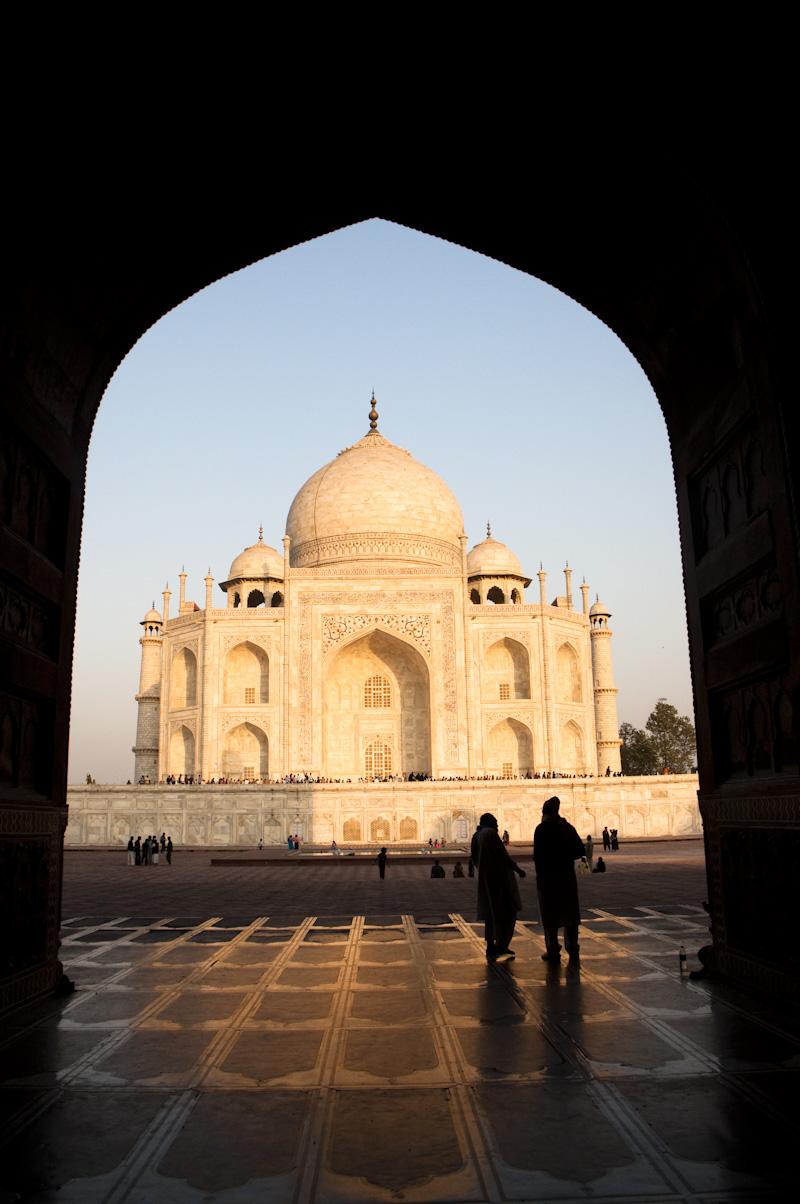
Looking beyond Chini Ka Rauza? Discover Agra for broader travel guides, local hot-spots, and regional highlights.
Explore Agra