

Golden Temple Complex (Amritsar) Travel Guide - Free
Explore Golden Temple Complex in Amritsar with Evendo's free guide. Find the best shops, historic streets, restaurants, and gems on web or mobile.


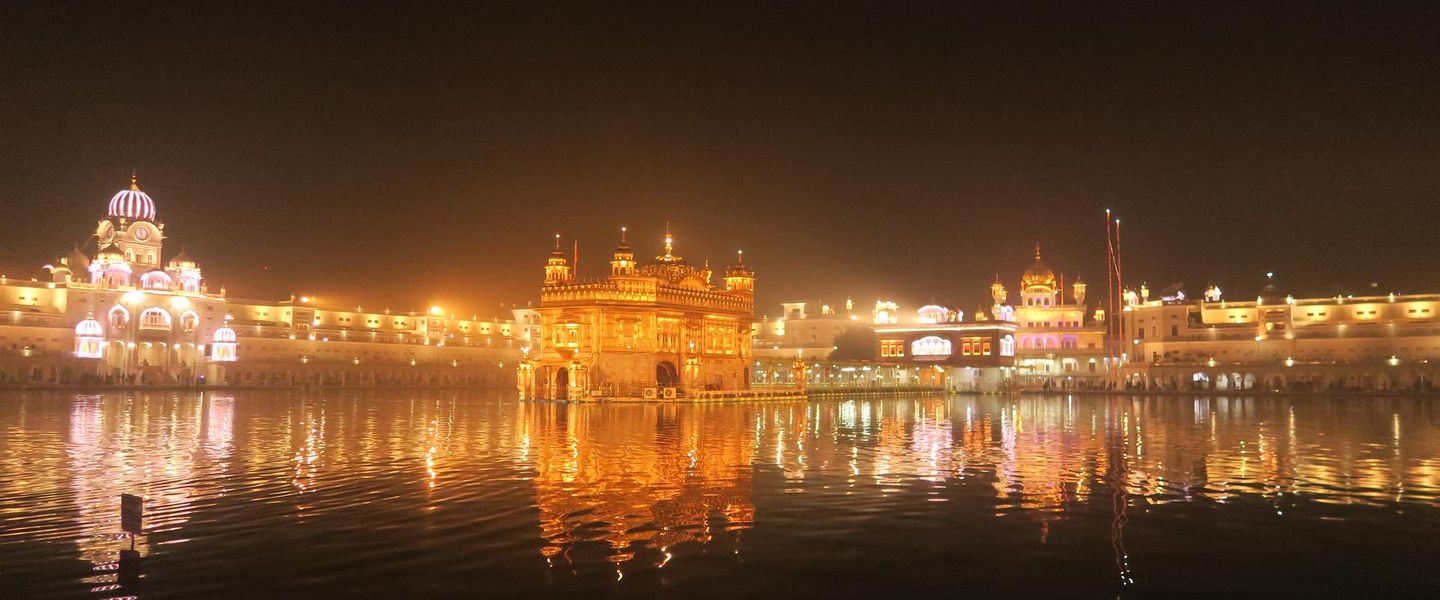


Golden Temple Complex in Amritsar offers Sikh history, sacred architecture, daily langar, the Amrit Sarovar and a profound centre of pilgrimage in Punjab, India.
A Sacred Urban Enclosure
The Golden Temple Complex, known in Sikh tradition as Harmandir Sahib and commonly called Darbar Sahib, occupies the spiritual and architectural centre of Amritsar. More than a single shrine, it is a working gurdwara complex organised around the Amrit Sarovar, the sacred pool whose waters give the city its name. The gilded sanctum appears across the water at the end of a marble causeway, while the surrounding parikrama, gateways, shrines, museums and service buildings create an enclosed precinct within the old city.Read more about Golden Temple Complex
Architecture, Ritual and Service
Position in Amritsar
Best attractions in Golden Temple Complex
The central attraction is Harmandir Sahib, the gilded shrine reached by a causeway across the Amrit Sarovar, where visitors can observe devotional music and the continual movement of pilgrims. The marble parikrama provides changing views of the sanctum, surrounding shrines, gateways and the Akal Takht, while the Central Sikh Museum presents paintings and historical material connected with Sikh memory. The langar complex offers an insight into the scale of voluntary service, although it remains a religious institution rather than a conventional tourist attraction. Within the wider precinct, visitors can identify historic wells, commemorative plaques and the Nishan Sahib flags among the buildings and courtyards. Jallianwala Bagh is immediately outside the complex and should be described as a separate nearby memorial site, while the old-city lanes offer a continuation of the area's religious and commercial life.
-
Tourist attraction
Sri Harmandir Sahib
Experience the spiritual heart of Sikhism at Amritsar's Golden Temple, a symbol of peace, humility, and openness for all.
1 min walk · 0.1 km from neighbourhood centre
-
Tourist attraction
Akal Takht Sahib
Visit Akal Takht Sahib in Amritsar, the supreme seat of Sikh authority, a symbol of justice, resilience, and the synthesis of spiritual and temporal power.
2 min walk · 0.1 km from neighbourhood centre
-
Gurudwara
Ganta Ghar Deori
Enter the Golden Temple through the iconic Ganta Ghar Deori, a symbol of Sikh heritage and spiritual welcome in Amritsar.
1 min walk · 0.1 km from neighbourhood centre
-
Tourist attraction
Shri Dukh Bhanjani Beri Sahib
A sacred jujube tree within Amritsar's Golden Temple, symbolizing healing, faith, and spiritual solace for pilgrims seeking blessings.
1 min walk · 0.1 km from neighbourhood centre


Best landmarks in Golden Temple Complex
Harmandir Sahib is the defining landmark, set within the Amrit Sarovar and approached by the causeway through the Darshani Deori. Its lower marble surfaces and elaborate upper decoration embody a layered Sikh architectural tradition, while its position within the pool gives the complex its distinctive spatial composition. Opposite the sanctum stands the Akal Takht, founded by Guru Hargobind in 1606 and recognised as the principal seat of Sikh temporal authority. The surrounding parikrama, historic gateways, Nishan Sahib flags and marble memorial elements form a continuous architectural setting rather than isolated monuments. The Central Sikh Museum records aspects of Sikh history and memory within the precinct. Nearby Jallianwala Bagh is historically connected to the old-city setting but remains a separate landmark with its own entrance, interpretation and commemorative purpose.
-
Gurudwara
Sri Harmandir Sahib
Explore the serene beauty and spiritual significance of Sri Harmandir Sahib, the Golden Temple in Amritsar, a UNESCO World Heritage Site and a must-visit for all travelers.
1 min walk · 0.1 km from neighbourhood centre
-
Gurudwara
Akal Takht Sahib
Visit Akal Takht Sahib in Amritsar, the supreme seat of Sikh authority, and experience its rich history, exquisite architecture, and spiritual significance.
2 min walk · 0.1 km from neighbourhood centre
-
Tourist attraction
Amritsar Heritage Walk & Golden Temple Tour
Discover Amritsar's soul: A heritage walk through ancient streets, vibrant bazaars, and the Golden Temple's timeless splendor.
8 min walk · 0.7 km from neighbourhood centre
-
Gurudwara
Gurudwara Ber Baba Budha Sahib
Visit the serene Gurudwara Ber Baba Budha Sahib near Amritsar, a revered Sikh shrine with a rich history and spiritual atmosphere.
1 min walk · 0.1 km from neighbourhood centre


Explore Golden Temple Complex on the map
A handpicked selection of must-see spots in Golden Temple Complex, mapped for you.
Best hotels in Golden Temple Complex
Best restaurants in Golden Temple Complex
Dining within the Golden Temple Complex is defined by langar rather than commercial restaurant culture. The communal kitchen serves free vegetarian food to people of all backgrounds, with volunteers involved in preparation, serving and cleaning; visitors should approach it as an act of shared religious hospitality, not a food attraction. Around the outer approaches and old-city bazaars, small eateries, tea stalls, sweet shops and Punjabi restaurants provide a broader range of food, including breads, lentils, vegetables, dairy-based drinks and sweets, though the exact mix changes from lane to lane. The nearby commercial streets are useful for eating before or after a visit, but food and drink should not be taken into sacred areas without observing local instructions. Alcohol and tobacco have no place inside the complex, and modesty and cleanliness are expected around the langar hall and other religious facilities.
-
Punjabi
Kesar Da Dhaba
Experience authentic Punjabi cuisine at Kesar Da Dhaba in Amritsar – a culinary landmark offering delicious vegetarian dishes in a vibrant setting.
7 min walk · 0.6 km from neighbourhood centre
-
Dhaba
Bharawan Da Dhaba Amritsar
Experience authentic Punjabi vegetarian cuisine at Bharawan Da Dhaba in Amritsar - a culinary delight steeped in tradition.
8 min walk · 0.7 km from neighbourhood centre
-
Pizza
Hangries Amritsar | Italian & Chinese Restaurant
Discover the best of Italian and Chinese cuisine at Hangries Amritsar – where every bite tells a delicious story!
12 min walk · 1.0 km from neighbourhood centre
-
Punjabi
Bade Bhai Ka Brothers Dhaba
Discover authentic Punjabi flavors at Bade Bhai Ka Brothers Dhaba – where tradition meets taste in every bite.
8 min walk · 0.7 km from neighbourhood centre


Best bars in Golden Temple Complex
The Golden Temple Complex is a religious precinct rather than a nightlife district, and there are no bars or nightclubs within its sacred grounds. Evening activity centres on prayer, kirtan, illuminated views across the Amrit Sarovar and the continuing movement of pilgrims, creating a reflective atmosphere rather than a party scene. The surrounding old city has tea stalls, sweet shops and informal eateries that remain part of the pedestrian life around the entrances, while Amritsar's more conventional hotel bars and late-night entertainment are located elsewhere in the city. Visitors should not consume alcohol or tobacco in or around the complex, should keep voices low near worship areas and should avoid treating devotional gatherings as a performance. After dark, the nearby lanes can remain active, but transport arrangements should still be made with care.
-
Restaurant
Masala Darbaar - The Best Restaurant in Amritsar | Best Food in Amritsar
Discover the authentic flavors of Punjab at Masala Darbaar, a premier restaurant in Amritsar offering a delightful array of traditional Indian dishes.
4 min walk · 0.3 km from neighbourhood centre
-
Bar
Bottoms Up
Experience the vibrant nightlife at Bottoms Up, Amritsar's premier bar and restaurant offering delightful cuisine and refreshing drinks.
5 min drive · 1.8 km from neighbourhood centre
-
Grill
Amritsar Restaurant & Beer Bar
Discover the vibrant flavors of Punjab at Amritsar Restaurant & Beer Bar, where traditional grills meet modern dining in a lively atmosphere.
7 min drive · 2.5 km from neighbourhood centre


Best nightclubs in Golden Temple Complex
The Golden Temple Complex is a religious precinct rather than a nightlife district, and there are no bars or nightclubs within its sacred grounds. Evening activity centres on prayer, kirtan, illuminated views across the Amrit Sarovar and the continuing movement of pilgrims, creating a reflective atmosphere rather than a party scene. The surrounding old city has tea stalls, sweet shops and informal eateries that remain part of the pedestrian life around the entrances, while Amritsar's more conventional hotel bars and late-night entertainment are located elsewhere in the city. Visitors should not consume alcohol or tobacco in or around the complex, should keep voices low near worship areas and should avoid treating devotional gatherings as a performance. After dark, the nearby lanes can remain active, but transport arrangements should still be made with care.
-
Club
The Amritsar Club
Experience the vibrant nightlife at The Amritsar Club, where delicious cuisine meets a lively bar atmosphere in the heart of Punjab.
6 min drive · 2.1 km from neighbourhood centre
-
Bar
Lumsden Club
Experience the perfect blend of dining and nightlife at Lumsden Club in Amritsar, where great food meets vibrant entertainment.
6 min drive · 2.0 km from neighbourhood centre
-
Bar
Devils Night Amritsar
Dive into the vibrant nightlife of Amritsar at Devils Night, where exquisite cuisines meet a lively bar atmosphere.
5 min drive · 1.8 km from neighbourhood centre


Best shops in Golden Temple Complex
Shopping immediately around the Golden Temple Complex takes place in the dense old-city commercial lanes leading towards its entrances. Stalls and small shops sell head coverings, prayer articles, religious images, books, devotional recordings, Sikh symbols, textiles, sweets and Punjabi food items, alongside the practical goods used by pilgrims. The atmosphere is more closely tied to pilgrimage and everyday bazaar commerce than to a curated boutique quarter. Visitors should compare quality and prices with courtesy, keep clear of entrance flows and remember that religious images and objects should be handled respectfully. The wider old city also contains shops selling fabrics, jewellery, utensils and traditional Punjabi products, but retail activity becomes less directly connected to the shrine as one moves away from the complex. Stock, trading hours and individual vendors vary, so the streets themselves are the most dependable feature of the shopping experience.
-
Religious goods store
The Sikh Essentials - Best Kirpan Store in Amritsar (Punjab)
Explore The Sikh Essentials in Amritsar for authentic kirpans and religious goods, deeply rooted in Sikh culture and spirituality.
2 min walk · 0.2 km from neighbourhood centre
-
 Religious goods store
S. K. Emporium
Explore S. K. Emporium in Amritsar for authentic religious artifacts and unique local handicrafts near the iconic Golden Temple.
3 min walk · 0.2 km from neighbourhood centre
-
Clothing store
SUNIL Fashion Store
Explore authentic Punjabi clothing at SUNIL Fashion Store, near the Golden Temple in Amritsar, where tradition meets contemporary style.
2 min walk · 0.2 km from neighbourhood centre
-
Jeweler
Ankita Store
Discover the essence of Amritsar at Ankita Store, where exquisite jewelry meets sacred religious artifacts in the heart of Punjab.
3 min walk · 0.2 km from neighbourhood centre


Golden Temple Complex essentials
Getting There
Getting Around
Safety
Emergency Situations
Do's and Don'ts
Local Tips

From Eve
Local phrases worth knowing
You don't need to get them perfect. A few words go a long way, and locals appreciate the effort.
Basics
| English | Local | Say it |
|---|---|---|
| Hello | ਸਤ ਸ੍ਰੀ ਅਕਾਲ | [Sat Sri Akal] |
| Goodbye | ਅਲਵਿਦਾ | [Alvida] |
| Yes | ਹਾਂ | [Haan] |
| No | ਨਹੀਂ | [Nahi] |
| Please/You're welcome | ਕਿਰਪਾ ਕਰਕੇ | [Kirpa Karke] |
| Thank you | ਧੰਨਵਾਦ | [Dhanvad] |
| Excuse me/Sorry | ਮਾਫ ਕਰੋ | [Maaf Karo] |
| How are you? | ਤੁਸੀਂ ਕਿਵੇਂ ਹੋ? | [Tusi kiven ho?] |
| Fine. And you? | ਠੀਕ ਹਾਂ. ਤੁਸੀਂ? | [Theek haan. Tusi?] |
| Do you speak English? | ਤੁਸੀਂ ਅੰਗ੍ਰੇਜ਼ੀ ਬੋਲਦੇ ਹੋ? | [Tusi Englishi bolda ho?] |
| I don't understand | ਮੈਨੂੰ ਸਮਝ ਨਹੀਂ ਆ ਰਿਹਾ | [Mainu samajh nahi aa raha] |
Eating & Drinking
| English | Local | Say it |
|---|---|---|
| I'd like to see the menu, please | ਕਿਰਪਾ ਕਰਕੇ ਮੇਨੂ ਵੇਖਣਾ ਹੈ | [Kirpa Karke menu vekhna hai] |
| I don't eat meat | ਮੈਂ ਮਾਂਸ ਨਹੀਂ ਖਾਂਦਾ | [Main maans nahi khaanda] |
| Cheers! | ਚੀਅਰਸ! | [Cheers!] |
| I would like to pay, please | ਕਿਰਪਾ ਕਰਕੇ ਮੈਂ ਭੁਗਤਾਨ ਕਰਨਾ ਚਾਹੁੰਦਾ ਹਾਂ | [Kirpa Karke main bhugtan karna chaunda haan] |
Emergencies
| English | Local | Say it |
|---|---|---|
| Help! | ਮਦਦ ਕਰੋ! | [Madad karo!] |
| Go away! | ਚਲੇ ਜਾਓ! | [Chale jao!] |
| Call the Police! | ਪੁਲਿਸ ਨੂੰ ਬੁਲਾਓ! | [Police nu bulao!] |
| Call a doctor! | ਡਾਕਟਰ ਨੂੰ ਬੁਲਾਓ! | [Doctor nu bulao!] |
| I'm lost | ਮੈਂ ਹਰਾਮ | [Main haraam] |
| I'm ill | ਮੈਂ ਬੀਮਾਰ ਹਾਂ | [Main beemar haan] |
Shopping
| English | Local | Say it |
|---|---|---|
| I'd like to buy... | ਮੈਂ ... ਖਰੀਦਨਾ ਚਾਹੁੰਦਾ ਹਾਂ | [Main ... khareedna chaunda haan] |
| I'm just looking | ਮੈਂ ਸਿਰਫ ਦੇਖ ਰਿਹਾ ਹਾਂ | [Main sirf dekh raha haan] |
| How much is it? | ਇਹ ਕਿੰਨਾ ਹੈ? | [Eh kinna hai?] |
| That's too expensive | ਇਹ ਬਹੁਤ ਮਹਿੰਗਾ ਹੈ | [Eh bahut mehnga hai] |
| Can you lower the price? | ਤੁਹਾਨੂੰ ਕੀਮਤ ਘਟਾਉਣ ਦੀ ਸੀਮਾ ਹੈ? | [Tuhanu keemat ghattaun di seema hai?] |
Time & Numbers
| English | Local | Say it |
|---|---|---|
| What time is it? | ਕਿਹੜੇ ਵੇਲੇ ਹੈ? | [Kihre vele hai?] |
| It's one o'clock | ਇਹ ਇੱਕ ਵਜੇ ਹੈ | [Eh ik vaje hai] |
| Half past (10) | ਦਸ ਵਜੇ ਦਾ ਅੱਧਾ | [Das vaje da adha] |
| Morning | ਸਵੇਰ | [Saver] |
| Afternoon | ਦੁਪਹਿਰ | [Dupahar] |
| Evening | ਸ਼ਾਮ | [Shaam] |
| Yesterday | ਕੱਲ | [Kal] |
| Today | ਅੱਜ | [Aaj] |
| Tomorrow | ਕੱਲ | [Kal] |
| 1 | ਇੱਕ | [Ik] |
| 2 | ਦੋ | [Do] |
| 3 | ਤਿੰਨ | [Tinn] |
| 4 | ਚਾਰ | [Char] |
| 5 | ਪੰਜ | [Punj] |
| 6 | ਛੇ | [Chhe] |
| 7 | ਸੱਤ | [Sat] |
| 8 | ਅੱਠ | [Ath] |
| 9 | ਨੌ | [Nau] |
| 10 | ਦਸ | [Das] |
Transport & Directions
| English | Local | Say it |
|---|---|---|
| Where's a/the...? | ਕਿੱਥੇ ਹੈ ...? | [Kithe hai ...?] |
| What's the address? | ਪਤਾ ਕੀ ਹੈ? | [Pata ki hai?] |
| Can you show me (on the map)? | ਤੁਸੀਂ ਮੈਨੂੰ (ਨਕਸ਼ੇ 'ਤੇ) ਦਿਖਾ ਸਕਦੇ ਹੋ? | [Tusi mainu (nakshe te) dikha sakde ho?] |
| When's the next (bus)? | ਅਗਲੀ (ਬਸ) ਕਦੋਂ ਆ ਰਹੀ ਹੈ? | [Agli (bus) kadon aa rahi hai?] |
| A ticket (to ....) | ਇਕ ਟਿਕਟ (.... ਲਈ) | [Ik ticket (.... layi)] |
History of Golden Temple Complex
The Pool and the City
The neighbourhood developed around the sacred pool associated with Ram Das, the fourth Sikh Guru, who established the settlement in the late sixteenth century. Excavation and construction of the pool helped create the foundation of what became Amritsar, whose name is commonly connected with Amrit Sarovar, the Pool of Nectar. The future complex was conceived not as an isolated royal monument but as a place of worship at the centre of a growing community, with the surrounding settlement gradually becoming an important Sikh religious and commercial centre.
Harmandir Sahib Takes Shape
Under Guru Arjan, the fifth Sikh Guru, the central shrine was completed and the Adi Granth was installed there in 1604, establishing the complex as a principal centre of Sikh devotion. Its position within the pool and access by a causeway expressed an ideal of spiritual openness, while the surrounding precinct developed as a place where worship, learning, accommodation and communal service could coexist. The institution of langar, the shared kitchen and meal open to all, became a defining part of the complex's social life.
The Akal Takht and Periods of Conflict
Guru Hargobind founded the Akal Takht in 1606 opposite the sanctum, creating a visible seat of Sikh temporal authority alongside the shrine's spiritual focus. During the eighteenth century, Sikh communities faced repeated military attacks, and the shrine was damaged and rebuilt more than once amid conflict in Punjab. Later renovation and patronage gave the central building much of the gilded appearance associated with it today, while the complex continued to function as a place of assembly, pilgrimage and collective decision-making.
Twentieth-Century Trauma and Renewal
The complex became the setting for one of the most painful episodes in modern Sikh history during Operation Blue Star in June 1984, when military action against armed separatists caused severe damage and loss of life, including at the Akal Takht. Subsequent repairs and reconstruction remain part of continuing debates about memory, authority and heritage. Today the complex combines restored and historic elements with the uninterrupted practices of prayer, kirtan, pilgrimage, langar and voluntary service that anchor its contemporary identity.
Golden Temple Complex in Photos
Browse through our photo collection highlighting the charm and character of the destination.
Neighbourhoods near Golden Temple Complex
The closest neighbourhoods to Golden Temple Complex, if you have time for more than one stop.
-

-


Swipe for more neighbourhoods
Explore more
Explore more of Amritsar
Amritsar combines Golden Temple devotion, Sikh history, Punjabi cuisine and living heritage, with Jallianwala Bagh and Attari-Wagah border excursions.
Explore Amritsar