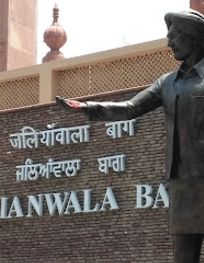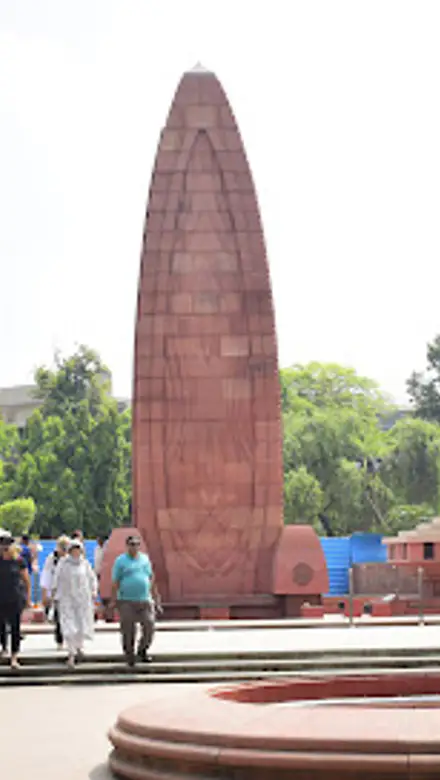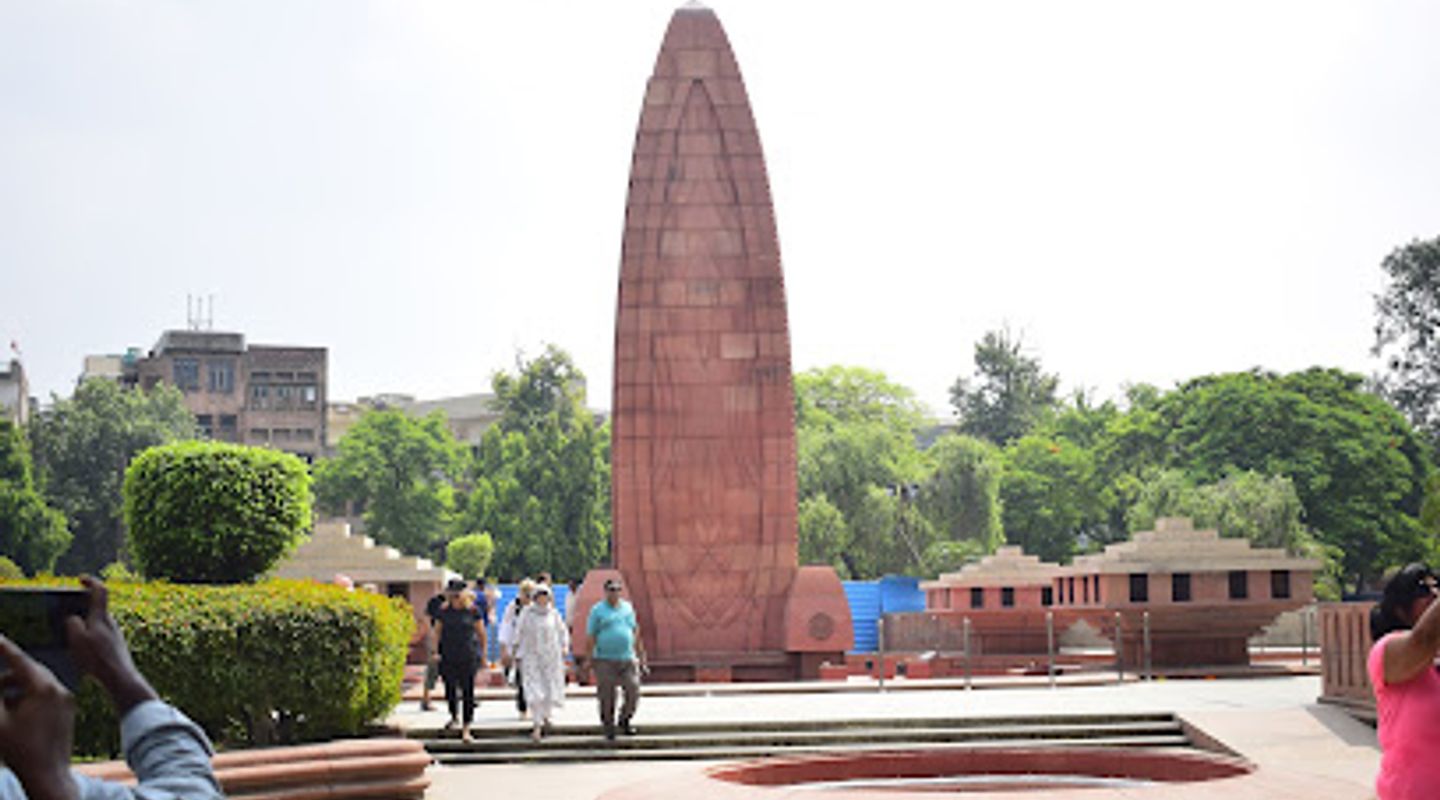
Jallianwala Bagh Museum, Amritsar Travel Guide
A poignant memorial in Amritsar commemorating the Jallianwala Bagh massacre and India's struggle for independence.
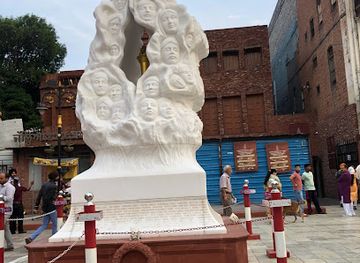
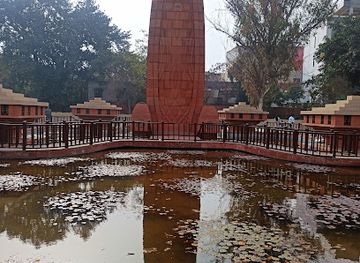
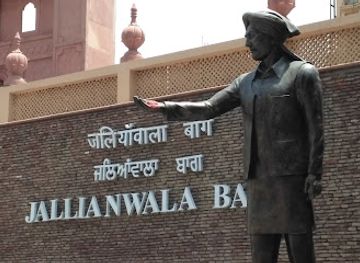
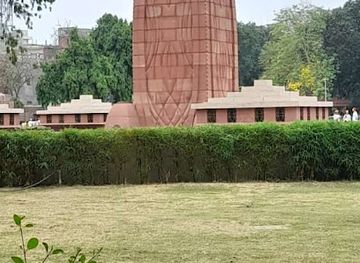
The Jallianwala Bagh Museum in Amritsar stands as a solemn memorial to the tragic massacre of April 13, 1919, where British troops opened fire on peaceful Indian protestors. The museum and adjacent Bagh serve as a poignant reminder of India's struggle for independence and the sacrifices made by its people.
A brief summary to Jallianwala Bagh Museum
- 1418, Gali Number 7, Amritsar, Amritsar Cantt., Ramanand Bagh, Katra Ahluwalia, Punjab, 143001, IN
- Click to display
- Monday 10 am-5 pm
- Tuesday 10 am-5 pm
- Wednesday 10 am-5 pm
- Thursday 10 am-5 pm
- Friday 10 am-5 pm
- Saturday 10 am-5 pm
- Sunday 10 am-5 pm

Know before you go
Hi, I'm Eve. Here are a few practical things to know before exploring Jallianwala Bagh Museum.
- Visit early in the morning or late afternoon to avoid crowds and experience a more intimate atmosphere.
- Photography is allowed, but be respectful of the solemn atmosphere.
- Allow at least 1-2 hours to fully explore the museum and the Bagh.
Do you manage this location?
Take control to get all the benefits, like improved information, better appearance, and stronger visibility across AI-powered discovery. Learn more about listing your business on Evendo
Activate your presenceOther nearby places you may find interesting
The closest places of the same kind, if this one is not quite what you had in mind.
Explore Jallianwala Bagh Museum on the Map
A handpicked selection of must-see spots near Jallianwala Bagh Museum, mapped for you.
Getting There
-
Walking
Jallianwala Bagh Museum is located a short walk from the Golden Temple. Exit the Golden Temple complex and head north on Golden Temple Road. The museum entrance will be on your left, approximately 600 meters away.
-
Public Transport
If arriving by bus at the Amritsar Bus Stand, you can take a local rickshaw or walk to the museum. The bus stand is approximately a 20-minute walk. Alternatively, take a taxi or auto-rickshaw for a direct ride to Jallianwala Bagh. * Rickshaw fare: ₹50-₹100
-
Taxi
Taxis and ride-sharing services like Ola and Uber are readily available in Amritsar. Simply ask the driver to take you to 'Jallianwala Bagh'. The fare will depend on the distance and traffic conditions. * Approximate taxi fare from Amritsar Airport: ₹110-₹140
Discover more about Jallianwala Bagh Museum
More to explore near Jallianwala Bagh Museum













Your all‑in‑one travel companion app
Explore expert travel guides, compare and book tours, experiences, hotels, and more—all from the palm of your hand. Download now for seamless trip planning wherever your wanderlust takes you.


Explore More of Amritsar
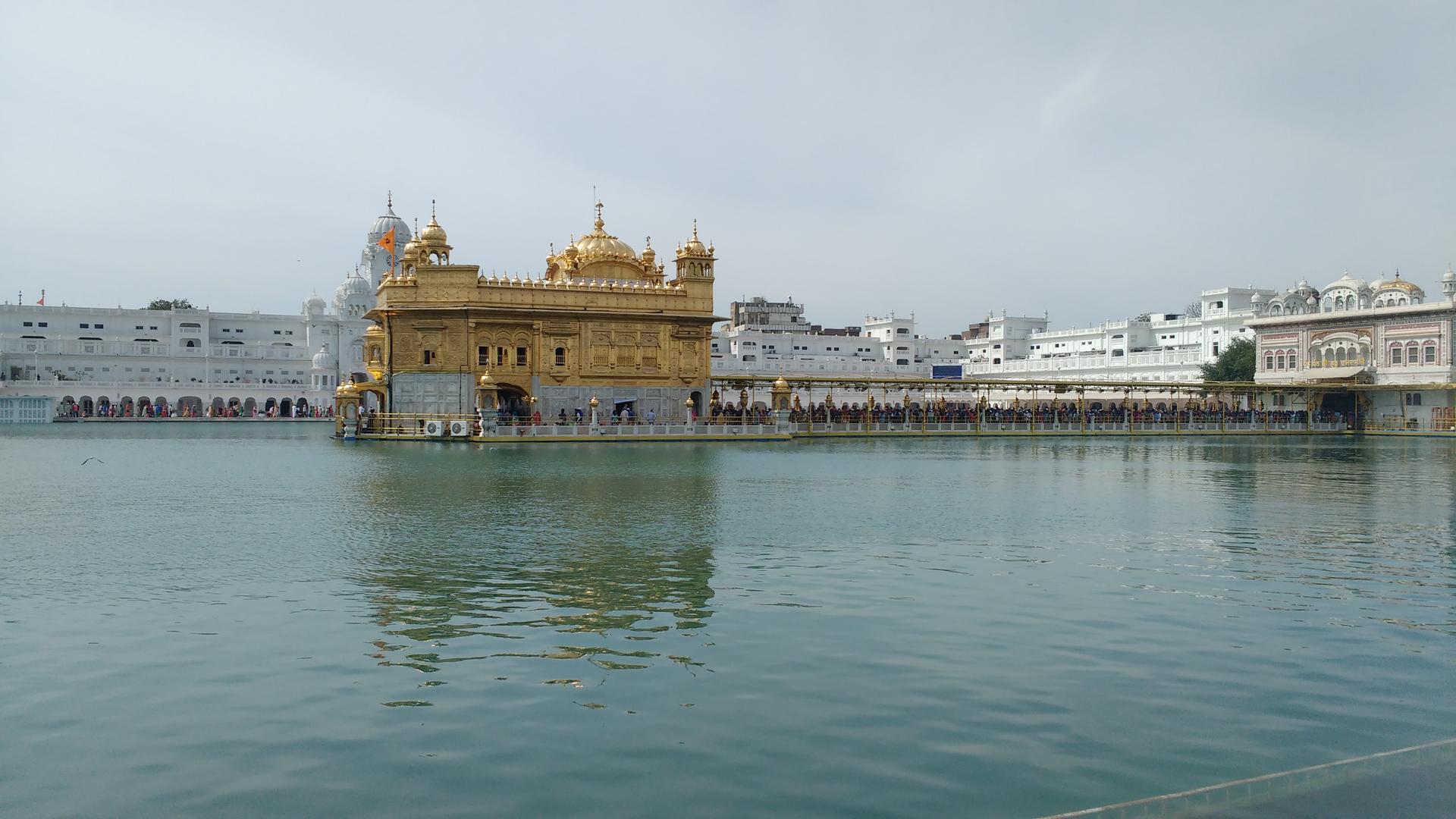
Looking beyond Jallianwala Bagh Museum? Discover Amritsar for broader travel guides, local hot-spots, and regional highlights.
Explore Amritsar