

Free Tripura Travel Guide & Mobile App
Explore Tripura with free travel guides. Discover regional history, expert tips, proposed trips, and audio guides on web or mobile app.


Explore Tripura for royal palaces, Unakoti's stone carvings, forest sanctuaries, hill landscapes and Bengali-influenced north-eastern cuisine.
Read more about Tripura
When is the best time to visit Tripura?
Best: December–February · 22–25°C| Month | High (°C) | Rainfall (mm) |
|---|---|---|
| January (best) | 22 | 10 |
| February (best) | 25 | 20 |
| March | 31 | 40 |
| April | 33 | 80 |
| May | 33 | 150 |
| June | 31 | 350 |
| July | 30 | 450 |
| August | 30 | 450 |
| September | 30 | 350 |
| October | 31 | 200 |
| November | 28 | 40 |
| December (best) | 24 | 20 |
Getting to and around Tripura
How to get there
Transportation
Top city travel guides in Tripura
The cities of Tripura, and the easiest places to base yourself.
-

-


Swipe for more cities
Best attractions in Tripura
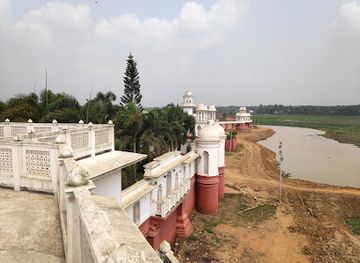
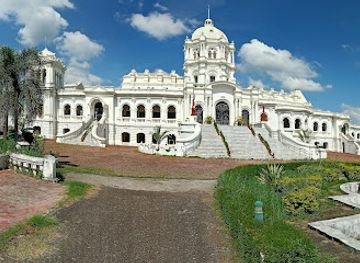
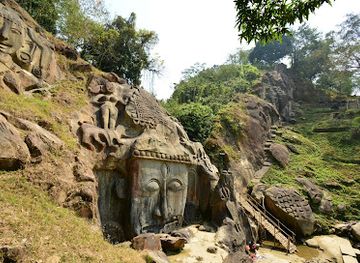
Tripura's attractions combine royal architecture, archaeological landscapes, religious sites and forest-based excursions. In Agartala, Ujjayanta Palace provides an accessible introduction to the former kingdom through its grand buildings, grounds and museum displays. Rudrasagar Lake and Neermahal offer a contrasting lakeside setting, with the palace's Indo-Islamic architectural vocabulary standing out against the surrounding wetlands. Udaipur brings together temples, old tanks and the important pilgrimage site of Tripura Sundari Temple at Matabari. In the north, Unakoti is the state's most distinctive archaeological experience, with monumental rock reliefs reached along a wooded hillside, while nearby Kailashahar provides a base for exploring the area. Pilak in southern Tripura adds early medieval Buddhist and Hindu sculpture to the historical picture, and Chabimura combines river scenery with carved cliff faces. Nature-oriented visitors can explore the woodland and wetland habitats of Sepahijala Wildlife Sanctuary, the larger forest setting of Trishna Wildlife Sanctuary, the hill climate of Jampui and the water landscape around Dumbur Lake. These sites are spread across the state, so a rewarding itinerary depends on grouping visits geographically rather than treating Tripura as a single urban destination.
-
Park
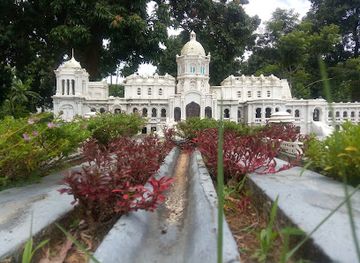
Heritage Park
Discover the serene beauty and cultural richness of Heritage Park in Agartala, where nature meets historical replicas in a tranquil setting.
-
Historical landmark
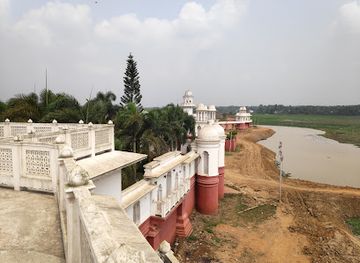
Neermahal
Discover the enchanting Neermahal, a stunning water palace in Tripura, blending rich history and natural beauty for every traveler.
-
Museum
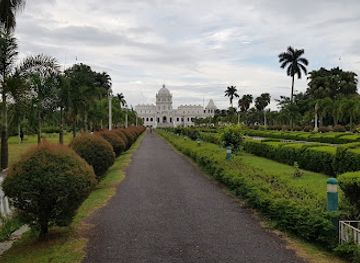
Ujjayanta Palace
Explore the grandeur of Ujjayanta Palace in Agartala, Tripura, where history and culture converge in an architectural marvel.
-
Park
Dimsagar Lake Park
Explore the beauty of Dimsagar Lake Park, a tranquil haven in Agartala, Tripura, perfect for relaxation and scenic views.

Best landmarks in Tripura
Ujjayanta Palace is Tripura's defining urban landmark, its formal domes, colonnades and landscaped setting recalling Agartala's role as the Manikya capital; the complex now serves public and museum purposes rather than royal administration. Neermahal, rising from Rudrasagar Lake, is the state's most recognisable palace landscape and represents the late royal taste for a retreat combining courtly architecture with water and wetlands. At Matabari, the Tripura Sundari Temple is one of the region's most significant Hindu shrines and a major marker of Tripura's religious geography. The carved hillside of Unakoti is a landmark on a different scale: colossal Shaiva figures and reliefs are integrated into stone, vegetation and terrain rather than presented as a freestanding monument. Chabimura's rock panels along the Gomati River similarly derive their character from the relationship between sculpture and landscape. In Udaipur, the temple precincts and historic water bodies recall the older royal capital, while the forested ridges of Jampui and the open waters of Dumbur Lake provide natural landmarks that distinguish Tripura from the plains around Agartala.
-
Historical landmark
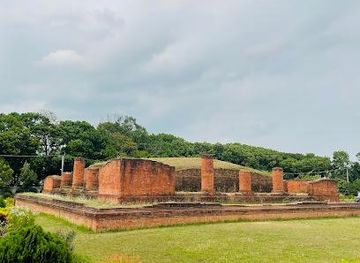
Shalban Bihar
Discover Shalban Bihar, an 8th-century Buddhist monastery in Comilla, Bangladesh, offering a glimpse into the region's rich history and cultural heritage.
-
Historical landmark
Neermahal
Explore Neermahal, a stunning water palace in Tripura, where history and architecture come together in a breathtaking natural setting.
-
Museum
Ujjayanta Palace
Explore the rich heritage of Tripura at Ujjayanta Palace, a stunning museum showcasing royal history and exquisite architecture.
-
Historical place
Unakoti Rock Carvings
Explore the ancient Unakoti Rock Carvings in Tripura, a breathtaking historical site showcasing intricate sculptures and rich cultural heritage.
Explore Tripura on the map
Plan your trip on one map. See where the top cities, national parks and sights are, and book hotels and experiences in a few clicks.
Best hotels in Tripura
Best restaurants in Tripura
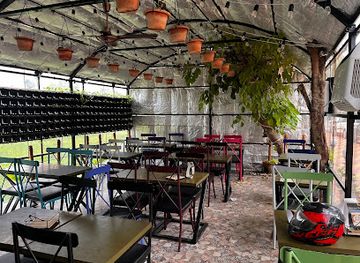
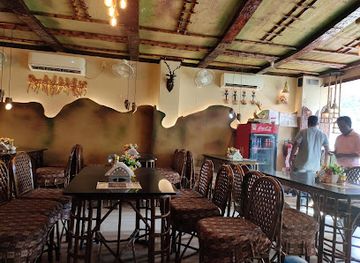
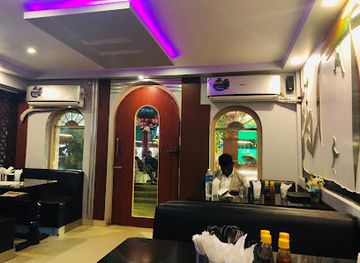
Tripura's dining reflects its position between Bengal and the wider north-east, with rice as a staple and fish, vegetables, bamboo shoot, herbs and seasonal greens appearing prominently. Bengali-style fish preparations and everyday rice meals are widely available in Agartala, while local Tripuri cooking introduces ingredients and techniques associated with indigenous communities, including fermented, smoked and lightly spiced flavours. Muya bai, a preparation associated with bamboo shoot and fish or meat, is one local style visitors may encounter, though recipes differ between cooks. Pork, chicken and freshwater fish are common in many eateries, while vegetarian meals draw on lentils, greens and market vegetables. Agartala has the broadest choice of restaurants, cafés, bakeries and sweets shops; smaller towns rely more on modest restaurants, tea stalls and market food. Look for seasonal produce such as pineapple and jackfruit, and ask how unfamiliar dishes are prepared. Food markets can be more revealing than formal dining rooms, but choose busy, clean stalls and carry water when travelling into rural districts.
-
Indian
1&Only Restaurant & Cafe
Experience authentic Indian cuisine in a cozy atmosphere at Agartala's beloved 1&Only Restaurant & Cafe.
-
Bengali
Khunti kadai
Discover authentic Bengali and North Indian cuisine at Khunti Kadai in Agartala – where every meal tells a story.
-
Indian
Abhishek Prime Hotel and Restaurant
Experience exquisite Indian and Chinese cuisine at Abhishek Prime Hotel and Restaurant in Agartala - a must-visit culinary destination.
-
Fine Dining
Eatopia Zannat Restaurant And Banquet- Best Restaurant in Agartala Tripura
Discover exquisite dining at Eatopia Zannat in Agartala—where tradition meets modernity for an unforgettable culinary experience.
Best bars in Tripura
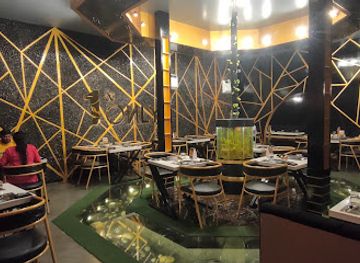
Tripura does not have a large, region-wide nightclub culture, and evening life is concentrated mainly in Agartala. The capital offers hotel bars, casual restaurants, cafés, tea stalls and a limited selection of contemporary drinking venues, while traditional and modern pubs provide a more typical setting for a relaxed evening. In Udaipur, Kailashahar and other district towns, nightlife is quieter and generally centres on restaurants, local eateries and social gatherings rather than late clubs. Some hotels may host occasional live music or cultural programmes, but schedules and venues change. Alcohol laws and service arrangements follow Indian state regulations, so visitors should check local requirements and avoid assuming that every restaurant serves alcohol. In hill and rural areas, plan evening transport carefully, as taxis and shared vehicles become less frequent after dark. Cultural performances, temple areas and evening markets can offer a stronger sense of place than seeking a conventional party district.
-
Indian
1&Only Restaurant & Cafe
Experience the rich flavors of Indian cuisine and the cozy atmosphere of 1&Only Restaurant & Cafe in Agartala, perfect for tourists seeking culinary adventure.
-
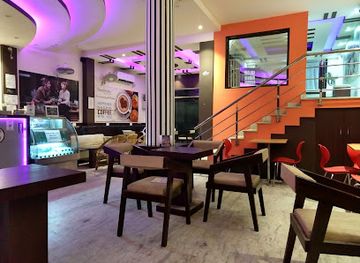
Bar
Cafe Frespresso
Experience the aroma of freshly brewed coffee and a menu full of flavors at Cafe Frespresso, a cozy spot in Agartala.
-
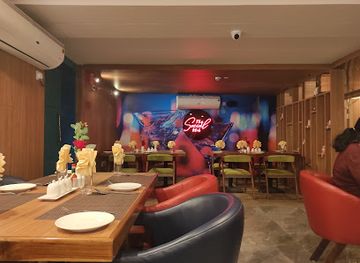
Restaurant
The Social Klub
Experience the vibrant culinary scene of Agartala at The Social Klub, where local and international flavors come together in a warm, inviting atmosphere.
-
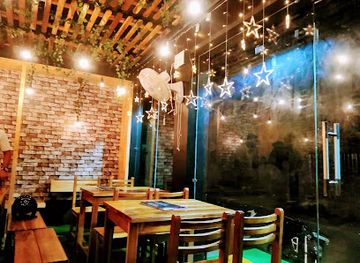
Restaurant
The Serial Griller
Experience the best grilled culinary delights at The Serial Griller, Agartala's top destination for meat lovers and food enthusiasts.
Best nightclubs in Tripura
Tripura does not have a large, region-wide nightclub culture, and evening life is concentrated mainly in Agartala. The capital offers hotel bars, casual restaurants, cafés, tea stalls and a limited selection of contemporary drinking venues, while traditional and modern pubs provide a more typical setting for a relaxed evening. In Udaipur, Kailashahar and other district towns, nightlife is quieter and generally centres on restaurants, local eateries and social gatherings rather than late clubs. Some hotels may host occasional live music or cultural programmes, but schedules and venues change. Alcohol laws and service arrangements follow Indian state regulations, so visitors should check local requirements and avoid assuming that every restaurant serves alcohol. In hill and rural areas, plan evening transport carefully, as taxis and shared vehicles become less frequent after dark. Cultural performances, temple areas and evening markets can offer a stronger sense of place than seeking a conventional party district.
-
Social club
Nibedita Club
Experience the lively atmosphere of Nibedita Club, a social hub in Agartala, where locals and tourists gather for entertainment and camaraderie.
-
Night club
Barnali Club
Discover Agartala's vibrant nightlife at Barnali Club, where music, dance, and unforgettable experiences await you.
-
Night club
Bar road
Discover the lively atmosphere and energetic vibes of Bar Road, the top night club in Dharmanagar, Tripura, perfect for an unforgettable night out.
-
Club
Young Defence Club
Experience the vibrant nightlife at Young Defence Club in Agartala, where music, dance, and socializing come alive.

Best shops in Tripura
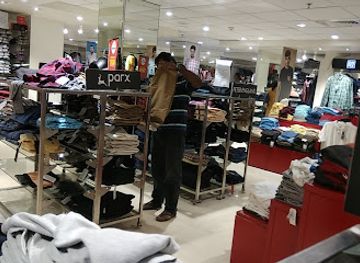
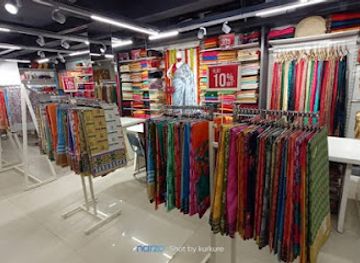
Agartala has Tripura's broadest shopping choice, with established markets, neighbourhood shops, food stores, clothing retailers and craft outlets concentrated around the central city. Visitors can look for handwoven textiles, bamboo and cane work, baskets, mats and other products made by craftspeople across the state, although quality and provenance vary. Local handloom traditions are associated with both Bengali and indigenous communities, so asking the seller about the maker and place of production is worthwhile. Markets and shops also sell Tripura's agricultural produce, including tea from the state's hill areas, pineapple, jackfruit, spices and packaged foods; fresh items may not travel well, while sealed products are easier to carry. Udaipur, Kailashahar and other district towns offer useful local markets rather than large-scale destination retail. Government or cooperative craft outlets can provide a more dependable route to regional products, but stock and opening arrangements change. Bargaining is common in informal markets but should be courteous, and visitors should not buy archaeological objects, old carvings or wildlife products.
-
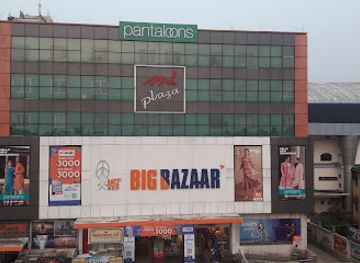
Shopping mall
ML Plaza
Discover ML Plaza: Agartala's vibrant shopping mall offering a variety of stores, dining options, and entertainment for the perfect day out.
-
Clothing store
TRENDS
Explore the latest trends in fashion at TRENDS, Agartala’s premier clothing store offering a unique blend of local and contemporary styles.
-
Clothing store
V-Mart - Agartala-Shakuntala Road
Discover the ultimate shopping destination in Agartala at V-Mart - your one-stop shop for clothing, shoes, and everyday essentials.
-
Grocery store
Asha The Departmental Store
Discover a vibrant shopping experience at Asha The Departmental Store, Agartala's one-stop destination for groceries and local products.
Get your free copy of our complete guide to Tripura, delivered straight to you.
Everything on this page, from attractions and restaurants to essentials and local phrases, in one PDF you can read offline, print or share.
Already have an account? Sign in
Your Tripura guide is ready.
We'll send it to · Not you? Sign out

Getting your guide ready…
We are putting together a fresh copy of the Tripura guide. This can take up to a minute.
This can take a few moments. If your browser asks, choose Allow so the download can start. You'll find the guide in your Downloads folder.
Nothing happened? Download it again
Sorry, the guide is taking longer than usual. Please try again in a minute, or get it by email instead.
Tripura essentials
Currency and Payment
Safety
Emergency Situations
Do's and Don'ts
Local Tips
From Eve
Local phrases worth knowing
You don't need to get them perfect. A few words go a long way, and locals appreciate the effort.
Basics
| English | Local | Say it |
|---|---|---|
| Hello | নমস্কার | [Nomoskar] |
| Goodbye | বিদায় | [Biday] |
| Yes | হ্যাঁ | [Hya] |
| No | না | [Na] |
| Please/You’re welcome | দয়া করে / আপনাকে স্বাগতম | [Doya kore / Apnake Swagatam] |
| Thank you | ধন্যবাদ | [Dhonnobad] |
| Excuse me/Sorry | মাফ করবেন / দুঃখিত | [Maf korben / Dukhito] |
| How are you? | আপনি কেমন আছেন? | [Apni kemon achen?] |
| Fine. And you? | ভাল। আর আপনি? | [Bhalo. Ar apni?] |
| Do you speak English? | আপনি কি ইংরেজি বলেন? | [Apni ki Ingreji bolen?] |
| I don't understand | আমি বুঝি না | [Ami bujhi na] |
Eating & Drinking
| English | Local | Say it |
|---|---|---|
| I’d like to see the menu, please | দয়া করে মেনু দেখাবেন | [Doya kore menu dekhaben] |
| I don’t eat meat | আমি মাংস খাই না | [Ami mangsho khai na] |
| Cheers! | চিয়ার্স! | [Cheers!] |
| I would like to pay, please | দয়া করে আমি বিল দিতে চাই | [Doya kore ami bil dite chai] |
Emergencies
| English | Local | Say it |
|---|---|---|
| Help! | সাহায্য করুন! | [Sahajjo korun!] |
| Go away! | চলে যাও! | [Chole jao!] |
| Call the Police! | পুলিশ ডাকুন! | [Polish dakun!] |
| Call a doctor! | ডাক্তার ডাকুন! | [Daktar dakun!] |
| I’m lost | আমি হারিয়ে গেছি | [Ami hariye gechi] |
| I’m ill | আমি অসুস্থ | [Ami osustho] |
Shopping
| English | Local | Say it |
|---|---|---|
| I’d like to buy... | আমি কিনতে চাই... | [Ami kinte chai...] |
| I’m just looking | আমি শুধু দেখছি | [Ami shudhu dekhchi] |
| How much is it? | এটার দাম কত? | [Etar dam koto?] |
| That’s too expensive | এটা খুব দামি | [Eta khub dami] |
| Can you lower the price? | আপনি কি দাম কমাতে পারেন? | [Apni ki dam komate paren?] |
Time & Numbers
| English | Local | Say it |
|---|---|---|
| What time is it? | এখন সময় কত? | [Ekhon shomoy koto?] |
| It’s one o’clock | এখন একটা বাজে | [Ekhon ekta baje] |
| Half past (10) | সাড়ে (১০) | [Sare (10)] |
| Morning | সকাল | [Shokal] |
| Afternoon | দুপুর | [Dupur] |
| Evening | বিকেল | [Bikel] |
| Yesterday | গতকাল | [Gotokaal] |
| Today | আজ | [Aaj] |
| Tomorrow | কাল | [Kal] |
| 1 | ১ | [1] |
| 2 | ২ | [2] |
| 3 | ৩ | [3] |
| 4 | ৪ | [4] |
| 5 | ৫ | [5] |
| 6 | ৬ | [6] |
| 7 | ৭ | [7] |
| 8 | ৮ | [8] |
| 9 | ৯ | [9] |
| 10 | ১০ | [10] |
Transport & Directions
| English | Local | Say it |
|---|---|---|
| Where's a/the...? | একটা/এটার কোথায়? | [Ekta/Etar kothay?] |
| What’s the address? | ঠিকানা কি? | [Thikana ki?] |
| Can you show me (on the map)? | আপনি কি আমাকে (মানচিত্রে) দেখাতে পারেন? | [Apni ki amake (manchitre) dekhate paren?] |
| When’s the next (bus)? | পরবর্তী (বাস) কখন? | [Poroborti (bas) kakhon?] |
| A ticket (to ....) | একটা টিকিট (.... এর জন্য) | [Ekta ticket (.... er jonno)] |
History of Tripura
Early Kingdoms and Archaeological Tripura
Tripura's early history is recorded through a combination of literary traditions, inscriptions, religious remains and archaeology. Sites such as Pilak preserve sculptures and structural traces associated with Buddhist and Hindu traditions, reflecting contacts across eastern South Asia during the early medieval period. The rock-cut imagery at Unakoti represents another important strand of the region's religious landscape, although its exact origins and development are not reducible to a single legend. These remains show that the hills and river valleys of present-day Tripura participated in wider artistic and devotional networks long before the modern state existed.
The Manikya Dynasty and Udaipur
The Manikya dynasty shaped the political history of Tripura for centuries. Udaipur, historically known as Rangamati, became a major royal centre, and its temples and water bodies still express the importance of the former capital. The dynasty's authority extended through a changing frontier environment marked by hill communities, river plains and relations with neighbouring powers. Royal patronage supported temples, court culture and administration, while the kingdom's identity developed in interaction with the Bengali-speaking plains and the indigenous communities of the hills.
The Shift to Agartala
The royal capital moved from Udaipur to Old Agartala and subsequently to present-day Agartala during the eighteenth century. This change helped place the court closer to important routes and the western plains. Agartala developed as the principal administrative and cultural centre of the kingdom, and the later construction of Ujjayanta Palace gave the capital a formal civic and ceremonial focus. The city's present institutions and urban character continue to reflect this transition from a predominantly courtly settlement to the headquarters of a modern state.
Tripura under British Paramountcy
Tripura remained a princely state rather than being directly incorporated into British India, although British paramountcy influenced its external relations and administrative development. The court negotiated a political world shaped by British-controlled Bengal, neighbouring hill territories and changing commercial routes. During the late nineteenth and early twentieth centuries, education, print culture, administrative reform and new transport links strengthened connections with the plains. This period also intensified demographic and cultural exchanges that remain visible in Tripura's language, food and urban life.
Merger with India, 1949
After Indian independence, Tripura's princely state acceded to India through a merger agreement in 1949. It became a centrally administered Part C state and later a Union territory before attaining full statehood. The transition altered the relationship between the former royal institution, elected administration and communities across the hills and plains. Agartala became the centre of post-merger governance, while the palace and royal sites acquired a new significance as public heritage rather than functioning primarily as seats of dynastic authority.
Statehood and Political Transformation
Tripura became a full state of India in 1972, alongside the reorganisation of political arrangements in the north-east. The decades after statehood brought major changes in administration, education, transport and economic life, but also periods of ethnic tension and insurgency linked to land, migration, political representation and competing visions of identity. Conditions improved substantially in the early twenty-first century, enabling broader travel and development. Contemporary Tripura remains shaped by both Bengali-speaking populations and indigenous communities whose histories and cultural rights are central to understanding the state.
Tripura in Photos
Browse through our photo collection highlighting the charm and character of the destination.
Neighbouring regions of Tripura
The closest regions to Tripura, if you have time for more than one.
-

-

-

-

-


Swipe for more regions
Explore more

Explore more of India
Discover the magic of India, where diverse landscapes, rich heritage, and vibrant culture come together to create an unforgettable travel experience.
Explore India