

Free Coromandel Coast Travel Guide & Mobile App
Explore Coromandel Coast with free travel guides. Discover regional history, expert tips, proposed trips, and audio guides on web or mobile app.


Explore India’s Coromandel Coast for Pallava temples, Tamil food, colonial ports, fishing villages, lagoons and Bay of Bengal beaches.
Read more about Coromandel Coast
When is the best time to visit Coromandel Coast?
Best: November–January · 29–31°C| Month | High (°C) | Rainfall (mm) |
|---|---|---|
| January (best) | 31 | 16 |
| February | 32 | 11 |
| March | 34 | 11 |
| April | 36 | 15 |
| May | 37 | 28 |
| June | 35 | 51 |
| July | 34 | 66 |
| August | 34 | 71 |
| September | 33 | 50 |
| October | 32 | 36 |
| November (best) | 30 | 26 |
| December (best) | 29 | 20 |
Getting to and around Coromandel Coast
How to get there
Transportation
Top city travel guides in Coromandel Coast
The cities of Coromandel Coast, and the easiest places to base yourself.
-

-

-


Swipe for more cities
Destinations in Coromandel Coast
Resorts, valleys and scenic spots worth a trip of their own.

Swipe for more destinations
Best attractions in Coromandel Coast
The Coromandel Coast offers a varied sequence of urban, historic and natural attractions rather than one concentrated resort area. Chennai combines the collections and colonial buildings of a major metropolis with temples, cultural institutions and the broad Marina shoreline, although beach conditions and swimming suitability vary. Mahabalipuram is the essential heritage stop, with Pallava rock-cut monuments, bas-reliefs and the Shore Temple set close to the sea. Puducherry adds museums, galleries, churches, Tamil streets and the former French quarter, while nearby Arikamedu provides archaeological context for ancient maritime trade. Farther south, Chidambaram’s temple complex, Tharangambadi’s coastal fort and colonial streets, and the literary and archaeological associations of Poompuhar reveal different layers of Tamil history. The coast also includes lagoons, wetlands, paddy landscapes and fishing villages, offering opportunities for birdwatching, photography and quiet walks. Wildlife and wetland visits require sensitivity to seasonal water levels and local access arrangements, while beaches are best treated as places for scenery and community life unless recognised safety measures are in place.
-
Tourist information center
Auroville Visitors Centre
Explore Auroville Visitors Centre, where the ideals of human unity and sustainable living come to life in Tamil Nadu's unique township.
-
Animal protection organization
The Madras Crocodile Bank Trust and Centre for Herpetology
Explore a world of reptiles at India's Madras Crocodile Bank, a leading center for herpetological conservation and education.
-
Historical landmark
Tiger Cave
Explore the ancient rock-cut Tiger Cave near Mahabalipuram, a testament to Pallava dynasty architecture and a serene coastal escape.
-
Volunteer organization
Sadhana Forest
Discover Sadhana Forest, a unique blend of reforestation, community spirit, and sustainable living in the heart of Auroville, Tamil Nadu.


Best landmarks in Coromandel Coast
The Shore Temple at Mahabalipuram is the Coromandel Coast’s most recognisable monument, standing close to the Bay of Bengal as part of the Pallava sculpture and temple ensemble. The adjoining Pancha Rathas and the great open-air relief commonly called Arjuna’s Penance show how granite was shaped into architectural and mythological forms during the same broad period. In Chennai, Fort St George represents the city’s colonial foundation and the expansion of British power on the coast, while Kapaleeshwarar Temple reflects the continuing importance of Tamil Dravidian religious architecture within the modern metropolis. Puducherry’s French Quarter, with its planned streets and colonial façades, contrasts with the denser Tamil Quarter and illustrates the coexistence of different urban traditions. Southward, the Danish-built Fort Dansborg at Tharangambadi marks a smaller but significant chapter in European maritime competition. Chidambaram’s Nataraja Temple, slightly inland from the shoreline, is a major sacred and architectural landmark whose ritual importance extends beyond its visual form. The Bay of Bengal itself remains the defining natural presence, shaping settlement, trade, weather and memory along the entire coast.
-
Protestant church
CSI Egmore Wesley Church
Explore the architectural beauty and serene atmosphere of CSI Egmore Wesley Church, a significant spiritual landmark in Chennai's vibrant culture.

Explore Coromandel Coast on the map
Plan your trip on one map. See where the top cities, national parks and sights are, and book hotels and experiences in a few clicks.
Best hotels in Coromandel Coast
Best restaurants in Coromandel Coast
Food along the Coromandel Coast is rooted in Tamil cooking, with rice, lentils, tamarind, coconut, curry leaves and aromatic spices appearing across everyday meals. Chennai offers the widest range, from breakfast cafés serving idli, dosa, vada and pongal to vegetarian dining rooms, seafood restaurants and contemporary kitchens. In coastal towns, fish, prawns and crab are commonly prepared with regional masalas, coconut or tamarind, although menus and freshness vary by location and season. Puducherry adds French-influenced bakeries and cafés to its Tamil culinary base, while temple towns are particularly strong for vegetarian meals, tiffin and traditional sweets. Market produce, banana-leaf meals and small local eateries can be more revealing than formal dining rooms, but visitors should choose busy establishments with good food-handling standards. Tea, filter coffee, tender coconut and seasonal fruit are widely available; alcohol service differs according to local licensing and religious or social context.
-
Cafe
Coromandel Cafe
Experience the flavors of Puducherry at Coromandel Cafe - where every meal tells a story.
-
Restaurant
Anise
Discover exquisite dining at Anise in Chennai's Taj Coromandel, where local flavors meet international cuisine in an elegant setting.


Best bars in Coromandel Coast
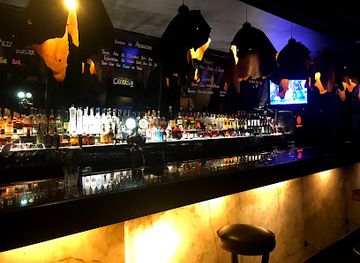
Nightlife is concentrated in Chennai and, to a lesser extent, Puducherry rather than spread evenly along the coast. Chennai has the region’s broadest selection of hotel bars, contemporary restaurants, live-music spaces and late-evening entertainment, subject to local licensing rules and changing venue policies. Puducherry is known for its café culture, restaurants, small bars and relaxed evening walks around the former French quarter and seafront, though the atmosphere varies considerably by season and day of the week. In Mahabalipuram and smaller coastal towns, evenings generally centre on restaurants, guesthouse terraces, tea stalls, traditional pubs where available and quiet walks rather than a substantial club scene. Tharangambadi, Poompuhar and the fishing settlements are primarily daytime heritage or coastal destinations. Visitors should drink responsibly, use pre-arranged transport after dark and remember that beaches, temples and residential streets are not nightlife venues.
-
Tourist attraction
Pondy Marina
Discover the lively atmosphere and stunning views at Pondy Marina, a must-visit coastal attraction in Puducherry, India.
-
Hotel
Taj Fisherman's Cove Resort & Spa Chennai
Discover the ultimate beachfront luxury at Taj Fisherman's Cove Resort & Spa in Chennai, a perfect blend of relaxation and exquisite hospitality.
-
Italian
Tanto Pizzeria
Discover the authentic taste of Italy at Tanto Pizzeria in Auroville, where delicious pizzas and Mediterranean flavors come alive in a serene setting.
-
Pizza
Cafe Xtasi
Savor the best pizza and authentic Italian cuisine at Cafe Xtasi, a vibrant dining spot in the heart of Puducherry.


Best nightclubs in Coromandel Coast
Nightlife is concentrated in Chennai and, to a lesser extent, Puducherry rather than spread evenly along the coast. Chennai has the region’s broadest selection of hotel bars, contemporary restaurants, live-music spaces and late-evening entertainment, subject to local licensing rules and changing venue policies. Puducherry is known for its café culture, restaurants, small bars and relaxed evening walks around the former French quarter and seafront, though the atmosphere varies considerably by season and day of the week. In Mahabalipuram and smaller coastal towns, evenings generally centre on restaurants, guesthouse terraces, tea stalls, traditional pubs where available and quiet walks rather than a substantial club scene. Tharangambadi, Poompuhar and the fishing settlements are primarily daytime heritage or coastal destinations. Visitors should drink responsibly, use pre-arranged transport after dark and remember that beaches, temples and residential streets are not nightlife venues.
-
Night club
Pasha
Experience Chennai's vibrant nightlife at Pasha, a premier night club featuring electrifying music, exceptional drinks, and an unforgettable atmosphere.
Best shops in Coromandel Coast
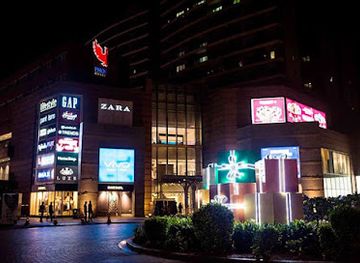
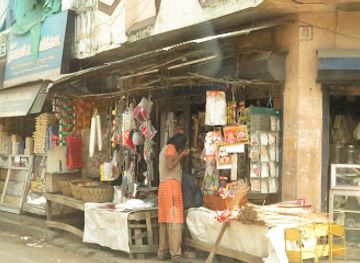
Shopping on the Coromandel Coast ranges from Chennai’s extensive urban retail to modest market streets and craft outlets in smaller towns. Chennai is the best place for broad choice, including textiles, jewellery, books, contemporary fashion and Tamil cultural products, while its traditional shopping areas can be crowded and highly specialised. Puducherry has independent boutiques, galleries, cafés with design-led goods and shops selling textiles, paper products, incense and locally made souvenirs, although quality and provenance should be checked rather than assumed. Mahabalipuram is associated with stone carving and sculpture, and visitors should buy only from reputable sellers and confirm that items are legally produced and practical to transport. Market towns and coastal settlements offer spices, snacks, palm-based goods and everyday textiles, but selection is more limited than in the cities. Regional food products, brass or metalware, handloom fabrics and well-labelled packaged sweets can make useful purchases; avoid buying shells, antiquities or archaeological material collected from the shore or historic sites.
-
Shopping mall
Phoenix Marketcity
Explore Phoenix Marketcity in Chennai, a shopping haven with diverse brands, delightful dining, and entertainment, perfect for every traveler.
-
Shopping mall
Nexus Vijaya Mall
Discover shopping, dining, and entertainment at Nexus Vijaya Mall, Chennai's ultimate shopping destination for all your needs.
-
Shopping mall
Express Avenue
Discover the vibrant shopping and entertainment experience at Express Avenue in Chennai, where modern retail meets local culture.
-
Shopping mall
VR Chennai
Explore VR Chennai, a vibrant shopping mall that perfectly blends retail, dining, and entertainment in the heart of Tamil Nadu's bustling capital.


Get your free copy of our complete guide to Coromandel Coast, delivered straight to you.
Everything on this page, from attractions and restaurants to essentials and local phrases, in one PDF you can read offline, print or share.
Already have an account? Sign in
Your Coromandel Coast guide is ready.
We'll send it to · Not you? Sign out

Getting your guide ready…
We are putting together a fresh copy of the Coromandel Coast guide. This can take up to a minute.
This can take a few moments. If your browser asks, choose Allow so the download can start. You'll find the guide in your Downloads folder.
Nothing happened? Download it again
Sorry, the guide is taking longer than usual. Please try again in a minute, or get it by email instead.
Coromandel Coast essentials
Currency and Payment
Safety
Emergency Situations
Do's and Don'ts
Local Tips
From Eve
Local phrases worth knowing
You don't need to get them perfect. A few words go a long way, and locals appreciate the effort.
Basics
| English | Local | Say it |
|---|---|---|
| Hello | வணக்கம் | [Vanakkam] |
| Goodbye | பிரியாவிடை | [Priyaavidai] |
| Yes | ஆம் | [Aam] |
| No | இல்லை | [Illai] |
| Please/You're welcome | தயவுசெய்து/சரி | [Thayavuseythu/Sari] |
| Thank you | நன்றி | [Nandri] |
| Excuse me/Sorry | மன்னிக்கவும் | [Mannikkavum] |
| How are you? | நீங்கள் எப்படி இருக்கிறீர்கள்? | [Neengal eppadi irukkireergal?] |
| Fine. And you? | நன்றாக இருக்கிறேன். நீங்கள்? | [Nandraaga irukkireen. Neengal?] |
| Do you speak English? | நீங்கள் ஆங்கிலம் பேசுகிறீர்களா? | [Neengal Aangilam pesugireergala?] |
| I don't understand | எனக்கு புரியவில்லை | [Enakku puriyavillai] |
Eating & Drinking
| English | Local | Say it |
|---|---|---|
| I'd like to see the menu, please | எனக்கு மெனு காண விரும்புகிறேன் | [Enakku menu kaana virumbugiren] |
| I don't eat meat | நான் இறைச்சி சாப்பிட மாட்டேன் | [Naan iraichchi saapida maatten] |
| Cheers! | கரங்கள்! | [Karangal!] |
| I would like to pay, please | எனக்கு கட்டணம் செலுத்த விரும்புகிறேன் | [Enakku kattanam selutha virumbugiren] |
Emergencies
| English | Local | Say it |
|---|---|---|
| Help! | உதவி! | [Uthavi!] |
| Go away! | பேய் போ! | [Pey po!] |
| Call the Police! | போலீசை அழைக்கவும்! | [Policai azhaikkavum!] |
| Call a doctor! | ஒரு மருத்துவரை அழைக்கவும்! | [Oru maruttuvarai azhaikkavum!] |
| I'm lost | நான் தொலைந்துவிட்டேன் | [Naan tholaindhuvittain] |
| I'm ill | நான் உடல்நிலைமாறியுள்ளது | [Naan udalnilaimariyirukirathu] |
Shopping
| English | Local | Say it |
|---|---|---|
| I'd like to buy... | எனக்கு வாங்க வேண்டும்... | [Enakku vaanga vendum...] |
| I'm just looking | நான் பார்த்துக்கொண்டிருக்கிறேன் | [Naan paarthukkondirukkiren] |
| How much is it? | அது எவ்வளவு? | [Adhu evvalavu?] |
| That's too expensive | அது மிகவும் செலவானது | [Adhu migavum selavaanathu] |
| Can you lower the price? | நீங்கள் விலையை குறைக்க முடியுமா? | [Neengal vilaiyai kuraikka mudiyuma?] |
Time & Numbers
| English | Local | Say it |
|---|---|---|
| What time is it? | எப்போது? | [Eppodhu?] |
| It's one o'clock | ஒரு மணி | [Oru mani] |
| Half past (10) | பத்து மணிக்கு பாதி | [Paththu manikku paadhi] |
| Morning | காலை | [Kaalaai] |
| Afternoon | மத்தியானம் | [Madhyaanam] |
| Evening | மாலை | [Maalai] |
| Yesterday | நேற்று | [Netrum] |
| Today | இன்று | [Indru] |
| Tomorrow | நாளை | [Naalai] |
| 1 | 1 | [1] |
| 2 | 2 | [2] |
| 3 | 3 | [3] |
| 4 | 4 | [4] |
| 5 | 5 | [5] |
| 6 | 6 | [6] |
| 7 | 7 | [7] |
| 8 | 8 | [8] |
| 9 | 9 | [9] |
| 10 | 10 | [10] |
Transport & Directions
| English | Local | Say it |
|---|---|---|
| Where's a/the...? | ஒரு... எங்கு? | [Oru... engu?] |
| What's the address? | முகவரி என்ன? | [Mugavari enna?] |
| Can you show me (on the map)? | நீங்கள் எனக்கு (வரைபடத்தில்) காண்பிக்க முடியுமா? | [Neengal enakku (varaipadathil) kaanbikka mudiyuma?] |
| When's the next (bus)? | அடுத்த (பஸ்ஸு) எப்போது? | [Adutha (bass) eppodhu?] |
| A ticket (to ....) | ஒரு சீட்டு (க்கு ....) | [Oru seettu (kku ....)] |
History of Coromandel Coast
Early coastal settlement and Arikamedu
The southeastern coast has been connected to maritime exchange for many centuries. Arikamedu, near present-day Puducherry, was an important archaeological site associated with an ancient settlement and overseas trade, including contacts with the Roman world during the early centuries CE. Excavations have found ceramics, beads and other evidence of commercial activity, although the site is not presented as a fully preserved ancient city. Its significance lies in demonstrating that the Coromandel shoreline formed part of wider Indian Ocean networks long before European colonial rule.
Pallava Mahabalipuram
The Pallava rulers, whose power centred on northern Tamil country, developed Mahabalipuram between the seventh and eighth centuries. Their patrons supported rock-cut caves, structural temples and large reliefs carved into granite, including the Shore Temple and the group known as the Pancha Rathas. The monuments reveal experimentation with forms that later became central to South Indian temple architecture. Mahabalipuram’s location beside a natural harbour also connected royal authority with maritime trade, while its surviving sculptures remain among the most important artistic legacies of the Coromandel Coast.
The Cholas and maritime commerce
From the ninth to the thirteenth centuries, Chola power shaped much of the Tamil region and strengthened the importance of ports along the east coast. Kaveripoompattinam, remembered in Tamil literature as Puhar and associated with modern Poompuhar, occupies an important place in this maritime history, although much of the ancient settlement has been lost or submerged. Chola administration, temple patronage, agricultural expansion in the Cauvery delta and commercial links across the Bay of Bengal helped create a cultural world whose influence extended well beyond the shoreline.
European trading settlements
From the sixteenth century onwards, Portuguese, Dutch, Danish, French and British interests competed for influence along the coast. Fortified ports and trading settlements were established or developed at places including Chennai, Puducherry, Tharangambadi and Cuddalore. They dealt in textiles, spices and other commodities, linking Tamil weaving centres and inland producers to Asian and European markets. Tharangambadi, known historically as Tranquebar, retains especially clear evidence of Danish involvement, while Puducherry preserves the architectural and administrative legacy of French rule alongside its older Tamil quarter.
Carnatic conflicts and British expansion
During the eighteenth century, the Coromandel Coast became a major theatre in the struggles involving the Carnatic, European companies and competing regional powers. Puducherry and Madras were central to Anglo-French rivalry, while Cuddalore and nearby settlements were drawn into military campaigns and changing alliances. British authority expanded during this period and, after the defeat of French ambitions in southern India, Madras grew into the principal colonial centre of the region. The period left forts, churches, administrative buildings and altered patterns of trade across the coast.
Modern transformation and coastal resilience
Under British rule and after Indian independence, the coast experienced expanding urbanisation, improved roads, industrial development, changing agriculture and the growth of Chennai and Puducherry as major urban centres. Fishing remained fundamental in many shoreline communities, while tourism increasingly focused on beaches, heritage monuments and pilgrimage sites. The 2004 Indian Ocean tsunami caused severe loss of life and damage along parts of the Tamil Nadu coast, leaving a lasting mark on coastal planning, community memory and public awareness of the hazards associated with living beside the Bay of Bengal.
Coromandel Coast in Photos
Browse through our photo collection highlighting the charm and character of the destination.
Neighbouring regions of Coromandel Coast
The closest regions to Coromandel Coast, if you have time for more than one.
-

-

-

-

-


Swipe for more regions
Explore more

Explore more of India
Discover the magic of India, where diverse landscapes, rich heritage, and vibrant culture come together to create an unforgettable travel experience.
Explore India