

Free Odisha Travel Guide & Mobile App
Explore Odisha with free travel guides. Discover regional history, expert tips, proposed trips, and audio guides on web or mobile app.


Explore Odisha’s Kalingan temples, Bay of Bengal coast, Chilika lagoon, forests, crafts and distinctive rice-based cuisine across eastern India.
Read more about Odisha
When is the best time to visit Odisha?
Best: December–February · 27–30°C| Month | High (°C) | Rainfall (mm) |
|---|---|---|
| January (best) | 28 | 6 |
| February (best) | 30 | 10 |
| March | 36 | 15 |
| April | 39 | 25 |
| May | 41 | 60 |
| June | 36 | 150 |
| July | 33 | 250 |
| August | 33 | 250 |
| September | 33 | 200 |
| October | 32 | 120 |
| November | 29 | 30 |
| December (best) | 27 | 10 |
Getting to and around Odisha
How to get there
Transportation
Top city travel guides in Odisha
The cities of Odisha, and the easiest places to base yourself.
-

-

-

-


Swipe for more cities
Destinations in Odisha
Resorts, valleys and scenic spots worth a trip of their own.
-

-


Swipe for more destinations
Best attractions in Odisha
Odisha’s attractions combine major Hindu temples, Buddhist and Jain archaeology, wildlife habitats and living craft traditions. Bhubaneswar’s old temple quarter centres on Lingaraj, Mukteshwar and Rajarani temples, while the Udayagiri and Khandagiri caves offer a contrasting Jain legacy cut into low hills. Dhauli links an important historical landscape with views across the Daya River plain. Puri and Konark form the best-known coastal heritage pairing, but the state’s appeal extends well beyond them. Raghurajpur is recognised for pattachitra painting and palm-leaf work, while the Buddhist complexes of Ratnagiri, Udayagiri and Lalitgiri illustrate Odisha’s role as a centre of monastic culture. Chilika provides boat-based encounters with lagoon scenery, birdlife and fishing communities, and Bhitarkanika offers mangroves, waterways and saltwater crocodile habitat. Similipal brings forest, waterfalls and upland scenery in the north, subject to conservation controls and seasonal access. Smaller museums, village shrines, handloom centres and coastal beaches add texture to longer journeys, although distances and transport conditions mean that attractions are best grouped by area rather than attempted in a single rushed circuit.
-
Hindu temple
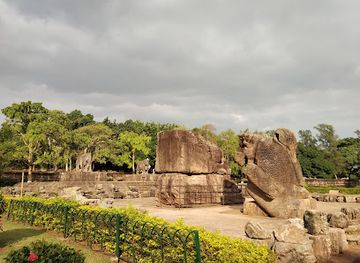
Konark Sun Temple
Discover the enchanting beauty of the Konark Sun Temple, a UNESCO World Heritage Site, rich in history and architectural marvels.
-
 Historical landmark
Udayagiri and Khandagiri Caves
Discover the ancient Udayagiri and Khandagiri Caves, a historical marvel in Bhubaneswar showcasing Jain architecture and rich cultural heritage.
-
Public beach
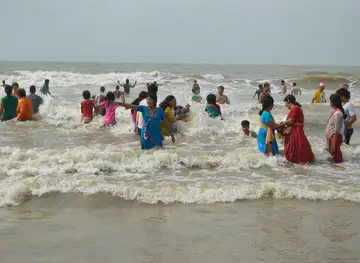
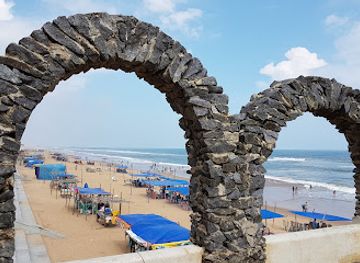
Gopalpur Sea Beach
Discover the beauty of Gopalpur Sea Beach, a serene coastal paradise in Odisha, perfect for relaxation, adventure, and local culture.
-
Museum
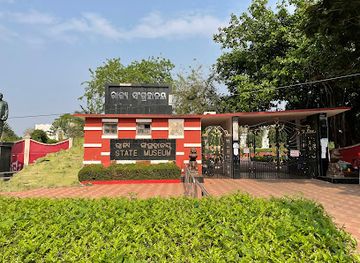
Odisha State Museum
Explore the captivating heritage of Odisha at the Odisha State Museum, showcasing an extensive collection of art, culture, and history.
Best landmarks in Odisha
The Lingaraj Temple in Bhubaneswar is Odisha’s most imposing urban shrine, its soaring rekha deul tower defining the historic cityscape even though access to the inner complex is subject to religious rules. Nearby, Mukteshwar Temple is celebrated for its refined tenth-century gateway and sculptural detail, while the Udayagiri and Khandagiri caves preserve inscriptions and chambers linked to Odisha’s Jain past. At Puri, the Jagannath Temple remains a powerful symbol of regional identity and pilgrimage, with its towering profile and ritual institutions shaping the surrounding city. The Sun Temple at Konark is the state’s most recognisable monument: conceived as a monumental chariot, it is distinguished by carved wheels, horses and an exceptionally ambitious architectural programme. Dhauli’s rock edict connects the landscape with Ashoka and the Kalinga War. Beyond built heritage, Chilika’s immense lagoon, Bhitarkanika’s mangrove channels and the forested uplands of Similipal are natural landmarks whose importance lies in their scale, ecology and relationship with local livelihoods.
-
Hindu temple
Konark Sun Temple
Explore the breathtaking Konark Sun Temple, a UNESCO World Heritage Site, showcasing intricate carvings and the grandeur of ancient Indian architecture.
-
Historical landmark
Udayagiri and Khandagiri Caves
Discover the ancient rock-cut wonders of Udayagiri and Khandagiri Caves in Bhubaneswar, Odisha—an essential stop for history lovers and spiritual seekers.
-
Historical landmark
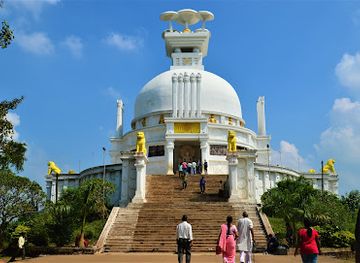
Dhauli hill Shanti Stupa
Discover the serene beauty and historical significance of Dhauli Hill Shanti Stupa in Bhubaneswar, a must-see for every traveler.
-
Historical landmark
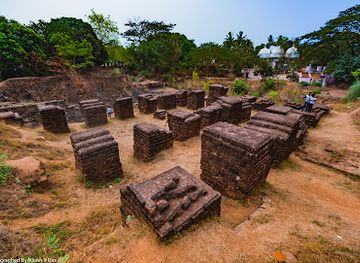
Barabati Fort, Cuttack
Discover the historical marvel of Barabati Fort in Cuttack, a striking fortress that reveals the grandeur of Odisha's past amidst stunning landscapes.

Explore Odisha on the map
Plan your trip on one map. See where the top cities, national parks and sights are, and book hotels and experiences in a few clicks.
Best hotels in Odisha
Best restaurants in Odisha
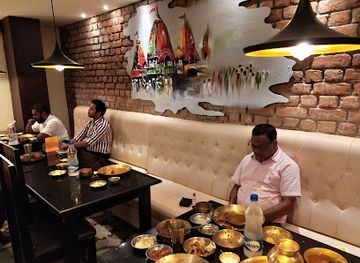
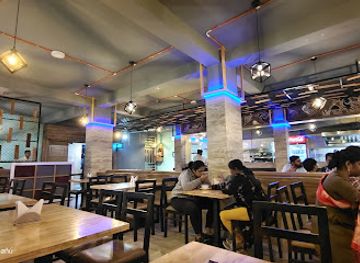
Odishan cuisine is grounded in rice, lentils, vegetables, freshwater and coastal fish, with a flavour profile that often uses mustard, cumin, turmeric and lightly tempered spices rather than relying solely on chilli. Dalma, combining lentils with vegetables, is a staple preparation, while pakhala bhata, fermented or lightly soured rice served with accompaniments, is particularly associated with hot weather. Coastal towns offer crab, prawns and fish, while bara, singada and other savoury snacks appear at street stalls and modest eateries. Chhena poda, a baked cheese dessert, is one of the state’s best-known sweets; chhena gaja and other milk-based confections are also widely available. In Puri, mahaprasad from the Jagannath Temple belongs to a sacred food tradition and should be approached respectfully. Bhubaneswar and Cuttack provide the widest choice of contemporary restaurants, cafés and regional dining, while smaller towns are often strongest for thalis, sweets, roadside snacks and simple local meals.
-
Barbecue
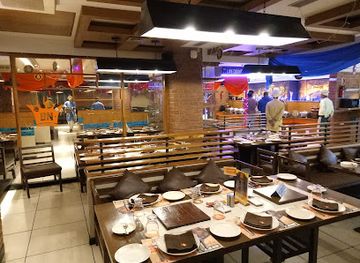
Barbeque Nation
Experience a delightful buffet at Barbeque Nation in Bhubaneswar with exquisite barbecue dishes and delectable desserts.
-
Non Vegetarian Restaurant
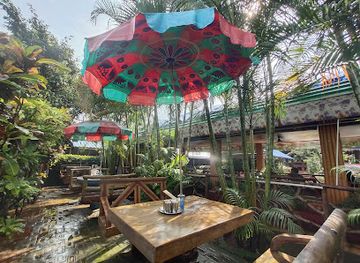
Jungle View
Discover exquisite non-vegetarian delights at Jungle View, where bamboo mutton steals the spotlight amid lush surroundings.
-
Indian
Odisha Hotel
Experience the vibrant flavors of India at Odisha Hotel – where tradition meets taste in Bhubaneswar's heart.
-
Indian
SMOG Resto Cafe
Discover authentic Indian flavors at SMOG Resto Cafe in Bhubaneswar – where every dish tells a story of tradition and taste.
Best bars in Odisha
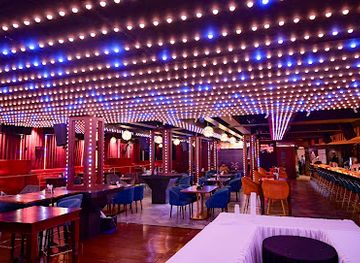
Odisha’s evening life is more restrained than that of India’s largest metropolitan centres, with Bhubaneswar providing the broadest selection of hotel bars, contemporary restaurants, cafés, breweries and occasional live-music venues. Cuttack has a more traditional urban evening scene, while Puri combines hotel-based dining, seafront restaurants and local establishments, subject to licensing rules and seasonal variation. In smaller towns and rural districts, evenings generally centre on family restaurants, tea stalls, sweet shops and modest bars rather than dedicated clubs. Alcohol is not central to the experience of pilgrimage areas, and local restrictions can affect availability around religious festivals or particular neighbourhoods. Visitors should check current arrangements at their accommodation instead of relying on assumptions about late-night opening, particularly outside Bhubaneswar. Cultural performances, temple music traditions and evening walks in busy urban areas can offer alternatives to commercial nightlife.
-
Restaurant
XS SUPERCLUB & SKYLOUNGE BY AANGAN HORIZON
Discover XS Superclub & Skylounge, where exquisite dining meets vibrant nightlife in the heart of Bhubaneswar, Odisha.
-
Bar
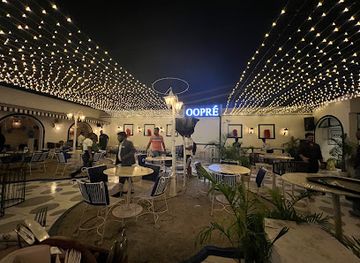
OOPRE Kitchen and Bar
Experience the vibrant culinary culture of Bhubaneswar at OOPRE Kitchen and Bar, where exquisite flavors meet lively ambiance.
-
Bar
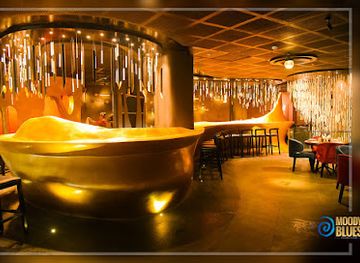
Moody Blues Bar & Restaurant
Discover the vibrant Moody Blues Bar & Restaurant in Bhubaneswar, where delicious food meets a lively atmosphere for an unforgettable dining experience.
-
Restaurant
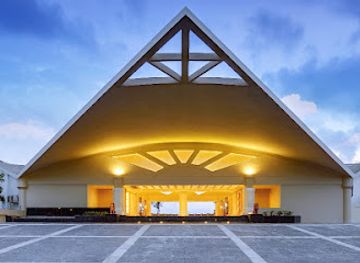
Sterling Puri
Experience luxury and tranquility at Sterling Puri, a beachfront resort offering premium amenities and rich cultural experiences in Odisha.
Best nightclubs in Odisha
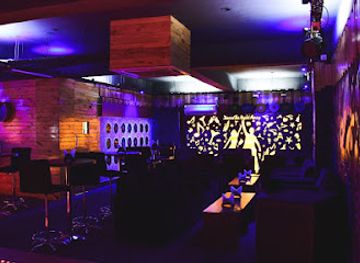
Odisha’s evening life is more restrained than that of India’s largest metropolitan centres, with Bhubaneswar providing the broadest selection of hotel bars, contemporary restaurants, cafés, breweries and occasional live-music venues. Cuttack has a more traditional urban evening scene, while Puri combines hotel-based dining, seafront restaurants and local establishments, subject to licensing rules and seasonal variation. In smaller towns and rural districts, evenings generally centre on family restaurants, tea stalls, sweet shops and modest bars rather than dedicated clubs. Alcohol is not central to the experience of pilgrimage areas, and local restrictions can affect availability around religious festivals or particular neighbourhoods. Visitors should check current arrangements at their accommodation instead of relying on assumptions about late-night opening, particularly outside Bhubaneswar. Cultural performances, temple music traditions and evening walks in busy urban areas can offer alternatives to commercial nightlife.
-
Disco club
99 HINTS: Club & Lounge
Discover the vibrant nightlife at 99 Hints: Club & Lounge in Bhubaneswar, where the music is lively and the atmosphere is electric.
-
Night club
Connect Night Club & Skylounge
Discover the nightlife at Connect Night Club & Skylounge, where vibrant music, delicious cocktails, and stunning views create an unforgettable experience in Bhubaneswar.
-
Night club
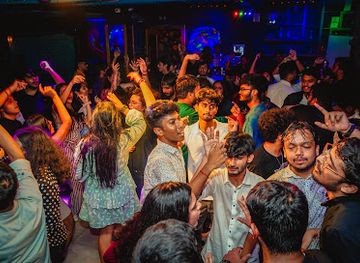
CLUB VENOM
Dive into the electrifying nightlife of Bhubaneswar at Club Venom, where vibrant music and a lively atmosphere await.
-
Night club
Rain The Club
Immerse yourself in the vibrant nightlife of Bhubaneswar at Rain The Club, where music and energy collide for an unforgettable experience.

Best shops in Odisha
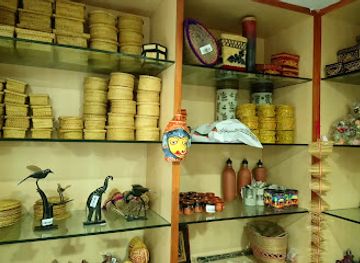
Bhubaneswar and Cuttack offer the widest range of shopping, from established retail areas and department stores to handloom outlets, sweet shops and specialist craft emporia. Odisha is particularly associated with pattachitra painting, palm-leaf engraving, appliqué work from Pipili, silver filigree from Cuttack and handwoven textiles such as ikat, although quality and provenance vary. Raghurajpur is a significant place to see pattachitra being made and to buy directly from workshops, while Pipili is known for colourful appliqué used in decorative and ceremonial objects. Look for handloom products in official or reputable cooperative outlets and ask about materials, technique and care before purchasing. Cuttack is especially noted for silver filigree, and markets across the state sell regional sweets, spices and snacks suitable for short journeys. Bargaining may be acceptable in some informal markets but is less appropriate in fixed-price shops, galleries and artisan cooperatives.
-
Shopping mall
Nexus Esplanade
Discover the ultimate shopping experience at Nexus Esplanade, the premier shopping mall in Bhubaneswar, with top brands, dining, and entertainment options.
-
Shopping mall
DN Regalia Mall (DN Homes LTD.)
Discover a shopping haven in Bhubaneswar at DN Regalia Mall, where retail therapy meets culinary delights and entertainment.
-
Shopping mall
Utkal Kanika Galleria, Bhubaneswar
Discover the heart of Bhubaneswar shopping at Utkal Kanika Galleria, where style meets flavor and entertainment awaits.
-
Craft store
Utkalika (Govt. Of Odisha Handicrafts)
Explore the vibrant world of Odisha's handicrafts at Utkalika, where tradition meets artistry in every unique piece.



Get your free copy of our complete guide to Odisha, delivered straight to you.
Everything on this page, from attractions and restaurants to essentials and local phrases, in one PDF you can read offline, print or share.
Already have an account? Sign in
Your Odisha guide is ready.
We'll send it to · Not you? Sign out

Getting your guide ready…
We are putting together a fresh copy of the Odisha guide. This can take up to a minute.
This can take a few moments. If your browser asks, choose Allow so the download can start. You'll find the guide in your Downloads folder.
Nothing happened? Download it again
Sorry, the guide is taking longer than usual. Please try again in a minute, or get it by email instead.
Odisha essentials
Currency and Payment
Safety
Emergency Situations
Do's and Don'ts
Local Tips
From Eve
Local phrases worth knowing
You don't need to get them perfect. A few words go a long way, and locals appreciate the effort.
Basics
| English | Local | Say it |
|---|---|---|
| Hello | ନମସ୍କାର | [Namaskara] |
| Goodbye | ବିଦାୟ | [Bidāya] |
| Yes | ହଁ | [Hāṁ] |
| No | ନା | [Nā] |
| Please/You're welcome | ଦୟାକରି/ସ୍ୱାଗତ | [Dayākari/Svāgata] |
| Thank you | ଧନ୍ୟବାଦ | [Dhan'yabāda] |
| Excuse me/Sorry | କ୍ଷମା କରନ୍ତୁ | [Kṣamā karantu] |
| How are you? | ଆପଣ କେମିତି ଅଛନ୍ତି? | [Āpaṇa kemiti achanti?] |
| Fine. And you? | ଭଲ। ଏବଂ ଆପଣ? | [Bhala. Ebaṁ āpaṇa?] |
| Do you speak English? | ଆପଣ ଇଂରାଜୀ କୁହନ୍ତି? | [Āpaṇa iṅrājī kuhaṁti?] |
| I don't understand | ମୁଁ ବୁଝିପାରିବା ନାହିଁ | [Muṁ bujhīpāribā nāhiṁ] |
Eating & Drinking
| English | Local | Say it |
|---|---|---|
| I'd like to see the menu, please | ମୋତେ ମେନୁ ଦେଖିବାକୁ ଚାହିଁ | [Mote menu dekhībāku chāhiṁ] |
| I don't eat meat | ମୁଁ ମାଂସ ଖାଉ ନାହିଁ | [Muṁ māṁsa khāu nāhiṁ] |
| Cheers! | ସୁଭ ଖାଦ୍ୟ! | [Subha khādyā!] |
| I would like to pay, please | ମୁଁ ଦେୟ କରିବାକୁ ଚାହୁଁଛି | [Muṁ deyā karibāku chāhuṁchi] |
Emergencies
| English | Local | Say it |
|---|---|---|
| Help! | ସାହାଯ୍ୟ କର! | [Sāhāya kara!] |
| Go away! | ଚାଲନ୍ତୁ! | [Chālaṁtu!] |
| Call the Police! | ପୋଲିସ୍କୁ ଫୋନ୍ କରନ୍ତୁ! | [Poliśku phon karantu!] |
| Call a doctor! | ଡାକ୍ତରକୁ ଫୋନ୍ କରନ୍ତୁ! | [Ḍāktaraku phon karantu!] |
| I'm lost | ମୁଁ ହରାଇଗଲି | [Muṁ harāigali] |
| I'm ill | ମୁଁ ଅସୁସ୍ଥ | [Muṁ asustha] |
Shopping
| English | Local | Say it |
|---|---|---|
| I'd like to buy... | ମୁଁ କିଣିବାକୁ ଚାହୁଁଛି... | [Muṁ kiṇibāku chāhuṁchi...] |
| I'm just looking | ମୁଁ ମାତ୍ର ଦେଖୁଛି | [Muṁ mātra dekhuchi] |
| How much is it? | ଏହା କେତେ ମୂଲ୍ୟ? | [Eha kete mūlya?] |
| That's too expensive | ଏହା ଅତ୍ୟଧିକ ମହଙ୍ଗା | [Eha atyadhika mahaṅgā] |
| Can you lower the price? | ଆପଣ ମୂଲ୍ୟ କମାଇପାରିବେ କି? | [Āpaṇa mūlya kamāipāribe ki?] |
Time & Numbers
| English | Local | Say it |
|---|---|---|
| What time is it? | କେତେ ବେଳ? | [Kete beḷa?] |
| It's one o'clock | ଏହା ଗଣନା ଘଣ୍ଟା | [Eha gaṇanā ghaṇṭā] |
| Half past (10) | ଧର୍ମିକ (10) | [Dharmik (10)] |
| Morning | ପ୍ରଭାତ | [Prabhāta] |
| Afternoon | ବିକାଳ | [Bikāḷa] |
| Evening | ସନ୍ଧ୍ୟା | [Sandhyā] |
| Yesterday | ଗତକାଲି | [Gatakāli] |
| Today | ଆଜି | [Āji] |
| Tomorrow | କାଲି | [Kāli] |
| 1 | 1 | [1] |
| 2 | 2 | [2] |
| 3 | 3 | [3] |
| 4 | 4 | [4] |
| 5 | 5 | [5] |
| 6 | 6 | [6] |
| 7 | 7 | [7] |
| 8 | 8 | [8] |
| 9 | 9 | [9] |
| 10 | 10 | [10] |
Transport & Directions
| English | Local | Say it |
|---|---|---|
| Where's a/the...? | କେଉଁଠି ...? | [Keuṁṭhi ...?] |
| What's the address? | ଏହାର ଠିକଣା କଣ? | [Ehāra ṭhikāṇā kaṇa?] |
| Can you show me (on the map)? | ଆପଣ ମୋତେ ଦେଖାଇପାରିବେ (ମାପରେ)? | [Āpaṇa mote dekhā'ipāribe (māpare)?] |
| When's the next (bus)? | ପରବର୍ତ୍ତୀ (ବସ୍) କେବେ? | [Parabarttī (bas) kebe?] |
| A ticket (to ....) | ଏକ ଟିକେଟ୍ (କୁ ....) | [Eka ṭikeṭ (ku ....)] |
History of Odisha
Early Kalinga and Maritime Exchange
The region known in ancient sources as Kalinga developed prosperous settlements along the Mahanadi and other river systems and maintained connections across the Bay of Bengal. Archaeological evidence from sites including Sisupalgarh, near present-day Bhubaneswar, points to an organised urban centre dating from the early historic period. Kalinga’s coastal position encouraged trade with other parts of the Indian subcontinent and with maritime communities farther east. The memory of seafaring remains present in Odisha’s festival traditions, though ancient commercial networks were more complex than a simple story of one uniform kingdom.
The Kalinga War and Ashoka’s Conversion
Around the third century BCE, Mauryan emperor Ashoka conquered Kalinga in a devastating campaign. His remorse after the conflict is recorded in the rock edicts at Dhauli and Jaugada, both in present-day Odisha, where he expressed a preference for moral conquest over military expansion. The event became a pivotal episode in the history of the Mauryan Empire and in later accounts of Ashoka’s association with Buddhism. Dhauli’s rock edict and the surrounding landscape provide one of the region’s most important links between imperial politics, warfare and religious change.
Jain and Early Buddhist Legacies
After Mauryan rule, several regional powers shaped Kalinga and its neighbouring territories. The Mahameghavahana ruler Kharavela, remembered through the inscription in the Udayagiri caves, is associated with the revival of Kalingan power and patronage of Jain traditions in the first century BCE. Buddhism also left a major archaeological presence in the state, particularly in the Ratnagiri, Udayagiri and Lalitgiri area of Jajpur district, where monasteries, stupas and sculptural remains reveal centuries of religious learning. These sites demonstrate that Odisha’s religious history has never been confined to one tradition.
Temple-Building under the Eastern Gangas
From the eleventh to the fifteenth centuries, the Eastern Ganga dynasty presided over a period of political consolidation and exceptional temple construction. The rulers developed the great Jagannath Temple at Puri and commissioned the monumental Sun Temple at Konark, completed in the thirteenth century under Narasimhadeva I. Their architecture established the mature Kalinga style, marked by carefully proportioned sanctuaries, soaring towers and dense sculptural decoration. The temples also linked kingship, pilgrimage, landholding and ritual institutions, creating patterns of cultural life that remain influential in Odisha.
Gajapati Rule and the Jagannath Tradition
The Gajapati kings of Odisha rose to prominence in the fifteenth century, with Puri’s Jagannath Temple serving as a central religious and political institution. Jagannath worship developed a distinctive form that brought together royal authority, temple administration, regional languages and devotional practice. Puri became a major pilgrimage destination, while the annual Ratha Yatra grew into one of the most important public religious festivals in India. The temple’s rituals and food traditions continue to shape the cultural identity of Odisha, although access to particular spaces is governed by religious rules.
Colonial Rule and the Making of Modern Odisha
Following periods of conflict and changing regional authority, much of Odisha came under British control during the nineteenth century. Colonial administration altered revenue systems, transport and the relationship between coastal districts and inland princely states. Social and linguistic movements later campaigned for the political recognition of Odia-speaking areas. Their efforts contributed to the creation of Odisha as a separate province in 1936, an important development in India’s linguistic reorganisation. The modern state subsequently combined former princely territories, expanding towns, agricultural districts and tribal-majority uplands within one administrative framework.
Industrialisation, Conservation and Contemporary Odisha
Since independence, Odisha has experienced major growth in mining, metals, ports, urban infrastructure and education, alongside continued dependence on agriculture and fisheries. Industrial development has brought investment and employment but has also raised questions about land, forests and the rights of Adivasi communities. At the same time, conservation efforts have highlighted Chilika’s wetlands, Bhitarkanika’s mangroves and Similipal’s forests, while cyclone preparedness has become a major public priority along the coast. Contemporary Odisha is therefore shaped by both rapid economic change and a continuing effort to protect distinctive ecological and cultural landscapes.
Odisha in Photos
Browse through our photo collection highlighting the charm and character of the destination.
Neighbouring regions of Odisha
The closest regions to Odisha, if you have time for more than one.
-

-

-

-

-


Swipe for more regions
Explore more

Explore more of India
Discover the magic of India, where diverse landscapes, rich heritage, and vibrant culture come together to create an unforgettable travel experience.
Explore India