

Mizoram, India Travel Guide
Discover Mizoram, the hidden gem of Northeast India, where rolling hills, lush forests, and vibrant culture come together to create an enchanting travel experience.
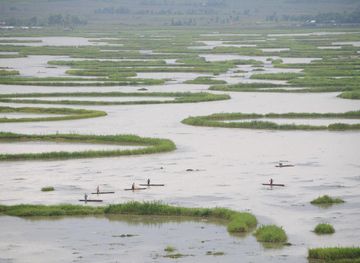
Nestled in the northeastern part of India, Mizoram is a hidden gem waiting to be discovered. Known for its rolling hills, lush green forests, and vibrant culture, this enchanting state offers a unique blend of natural beauty and rich heritage. The picturesque landscape is dotted with quaint villages, serene lakes, and cascading waterfalls, making it a paradise for nature lovers and adventure seekers alike. The capital city, Aizawl, is perched on a ridge overlooking the verdant valleys. It is a bustling hub of activity, where traditional Mizo culture seamlessly blends with modern amenities. The city's markets are brimming with colorful handicrafts, traditional garments, and delectable local cuisine. A visit to the Solomon's Temple and Mizoram State Museum provides a glimpse into the region's fascinating history and religious practices. Beyond Aizawl, explore the tranquil town of Champhai, known for its picturesque vineyards and the scenic Rih Dil Lake, which holds spiritual significance for the Mizo people. For a thrilling experience, trek through the rugged terrain of Phawngpui National Park, also known as the Blue Mountain National Park, home to diverse flora and fauna. Mizoram's festivals, such as Chapchar Kut and Mim Kut, showcase the vibrant dance, music, and traditions of the local tribes, offering an immersive cultural experience.

Know before you go
Hi, I'm Eve. Here are a few practical things to know before exploring Mizoram.
- Carry light woolens as the evenings can get chilly, even in summer.
- Respect local customs and traditions, especially in rural areas.
- Try the local cuisine, especially the bamboo shoot dishes and smoked meats.
- Hire a local guide for trekking to ensure you don't miss out on hidden spots.
- Visit during the festivals to witness the rich cultural heritage of Mizoram.
Top City Travel Guides in Mizoram
The cities of Mizoram, and the easiest places to base yourself.

Explore Mizoram: Things to Do, Places to Eat, Hotels & More
Handpicked recommendations for top attractions, local dining, accommodations, and more

Top Attractions & Sightseeing in Mizoram
Top-rated picks
Best Attractions

Folkland Park
Experience the tranquil beauty of Folkland Park, a serene recreational center in Aizawl, perfect for relaxation and outdoor activities.

Lalat Park
Explore the lush landscapes and vibrant community life at Lalat Park in Aizawl, where nature and culture beautifully intertwine.

MZU Park
Discover tranquility at MZU Park in Aizawl, a lush green haven perfect for relaxation and family outings amidst stunning natural beauty.

Mizoram State Museum
Immerse yourself in the vibrant culture of Mizoram at the Mizoram State Museum, where history and tradition come alive.

Best landmarks in Mizoram
Top-rated picks
Best Landmarks

Mizoram State Museum
Explore the Mizoram State Museum: A gateway to the rich cultural heritage and history of Mizoram.

Solomon's Temple, Aizawl
Visit Solomon's Temple in Aizawl for stunning architecture, serene landscapes, and a glimpse into the vibrant Mizo Christian culture.

Tuirihiau Falls
Experience the stunning beauty of Tuirihiau Falls, a must-visit natural wonder in Mizoram, India, perfect for adventure and relaxation.

KV Paradise
Explore KV Paradise, a serene tourist attraction in Aizawl, Mizoram, rich in cultural heritage and natural beauty, perfect for relaxation and exploration.

Best restaurants in Mizoram
Top-rated picks
Best Restaurants

Chopstyx Restaurant
Experience authentic Chinese and seafood cuisine at Chopstyx Restaurant in Aizawl - a culinary delight in the heart of Mizoram.

Red Pepper
Discover Aizawl's culinary gem at Red Pepper – where fast food meets local flavor in a cozy setting.

Zamzo Grill & Kitchen Restaurant (Hotel Floria)
Discover the rich flavors of Mizoram at Zamzo Grill & Kitchen - where local cuisine meets family-friendly dining.

Kori's
Experience authentic Korean cuisine at Kori's in Aizawl – where flavor meets culture in every bite.

Best bars in Mizoram
Top-rated picks
Best Bars

Chopstyx Restaurant
Experience the authentic taste of Chinese and seafood cuisine at Chopstyx Restaurant, a culinary highlight of Aizawl, Mizoram.

Zamzo Grill & Kitchen Restaurant (Hotel Floria)
Experience the best of Mizoram’s culinary scene at Zamzo Grill & Kitchen, a family-friendly restaurant offering local and international dishes.

Royz The Southside Restaurant
Experience the vibrant flavors of Aizawl at Royz The Southside Restaurant, where breakfast and fast food meet in a cozy atmosphere.

Heritage Lounge
Experience the vibrant atmosphere at Heritage Lounge, Aizawl’s premier spot for relaxation, entertainment, and cultural celebration.

Best nightclubs in Mizoram
Top-rated picks
Best Nightclubs

VERVE (The Versatile Venue)
Discover the ultimate karaoke experience at VERVE in Aizawl, where music, fun, and local culture come together for unforgettable nights.

HYDE INN
Experience the vibrant nightlife of Aizawl at Hyde Inn, where music, dancing, and local culture come together for unforgettable evenings.

neon karaoke
Experience the vibrant nightlife of Aizawl at Neon Karaoke, where music and fun unite for an unforgettable evening!

Kawla tui
Discover the vibrant nightlife of Saitual at Kawla Tui, a lively night club where music and local culture collide for unforgettable experiences.

Best shops in Mizoram
Top-rated picks
Best Shops

Millennium Centre
Discover a shopping paradise at Millennium Centre in Aizawl, Mizoram, featuring local crafts, global brands, and delightful dining options.

Lucy Variety Store
Explore the vibrant clothing and accessories at Lucy Variety Store in Aizawl, where tradition meets modern fashion for an unforgettable shopping experience.

MINISO
Explore MINISO in Aizawl for unique, affordable shopping experiences that reflect global trends and local charm.

Solomon's Cave
Explore Solomon's Cave in Aizawl for an unforgettable shopping experience filled with local culture, delicious food, and unique souvenirs.

Explore Mizoram on the Map
A handpicked selection of must-see spots in Mizoram, mapped for you.
Mizoram Essentials
-
Mizoram is located in the northeastern part of India. The nearest airport is Lengpui Airport, which is about 32 kilometers from Aizawl, the capital city. Flights from major Indian cities like Kolkata, Guwahati, and Imphal connect to Lengpui. Alternatively, travelers can take a train to Silchar in Assam, which is the nearest railway station, and then proceed by road to Aizawl. The road journey from Silchar to Aizawl takes around 6 to 7 hours. Buses and taxis are readily available for this route.
-
Public transportation in Mizoram primarily comprises buses and taxis. The Mizoram State Transport (MST) operates bus services connecting major towns and cities within the state. Private taxis are also available and offer a more comfortable travel option. For intra-city travel, auto-rickshaws and shared taxis are common. Renting a car is another viable option for those who prefer to travel at their own pace.
-
The official currency in Mizoram is the Indian Rupee (INR). Credit and debit cards are accepted in most hotels, restaurants, and larger shops in urban areas. However, it is advisable to carry cash, especially when traveling to rural or remote areas where ATMs and card facilities may be limited. ATMs are available in all major towns, but ensure you withdraw sufficient cash before heading to less populated areas.
-
Mizoram is generally considered a safe destination for tourists. However, it is important to take standard precautions such as avoiding walking alone at night in unfamiliar areas and keeping an eye on personal belongings in crowded places. There are no specific high-crime areas targeting tourists, but staying vigilant and aware of your surroundings is always a good practice.
-
In case of emergency, dial 100 for police assistance, 101 for fire services, and 102 for medical emergencies. Aizawl Civil Hospital and other district hospitals provide medical care. It is advisable to have travel insurance that covers medical emergencies. For minor health issues, pharmacies are available in major towns where you can purchase over-the-counter medications.
-
Fashion: Do dress modestly, especially when visiting religious sites. Avoid wearing revealing clothing. Religion: Do respect local customs and traditions. Remove your shoes before entering homes and religious places. Public Transport: Do be respectful and give up your seat to elderly passengers. Don't eat or drink on public transport. Greetings: Do greet people with a warm smile and a slight bow of the head. Eating & Drinking: Do try local delicacies and accept food offerings graciously. Don't refuse hospitality, as it is considered impolite.
-
To experience Mizoram like a local, participate in local festivals such as Chapchar Kut and Mim Kut, which showcase traditional Mizo culture. Visit local markets to purchase traditional handloom products and taste local cuisine. Engage with locals, as they are often friendly and willing to share stories about their culture and history. Don’t miss visiting places like the Reiek Tlang, Phawngpui Blue Mountain, and the historic village of Falkawn for a deeper understanding of Mizo heritage.
When is the best time to visit Mizoram?
Useful Local Phrases for Mizoram
You don't need to speak the language perfectly. Even learning a few simple words can make conversations warmer—and locals usually appreciate the effort.
— Eve

Here are the phrases I use most often in Mizoram. Try a few—you'll be surprised how far they go! 😊
❤️
-
- HelloKhawngaih
[kʰawŋai] - GoodbyeZikah
[zika] - YesA
[a] - NoKah
[ka] - Please/You're welcomeChhiar
[tʃʰiaʊr] - Thank youZorami
[zoˈrami] - Excuse me/SorryKa thang
[ka tʰaŋ] - How are you?Nangma chhawi ang?
[naŋma tʃʰʌwi aŋ] - Fine. And you?Thil ang. Nangma?
[tʰil aŋ. naŋma?] - Do you speak English?Nangin English ka thal ve?
[naŋin ɪŋɡlɪʃ ka tʰal ve?] - I don't understandKa sawi lo
[ka sawi lo]
- HelloKhawngaih
-
- I'd like to see the menu, pleaseMenu ka sawi theih ang
[menu ka sawi tʰeiʔ aŋ] - I don't eat meatNih ka inthlah lo
[ni hka inθlah lo] - Cheers!Ngaihnem!
[ŋaiŋɛm] - I would like to pay, pleaseKa chhuak theih ang
[ka tʃʰuʔak tʰeiʔ aŋ]
- I'd like to see the menu, pleaseMenu ka sawi theih ang
-
- Help!Thil chhuak!
[θil tʃʰuak] - Go away!Khawngaih lo!
[kʰawŋai lo] - Call the Police!Police ka chhuak!
[polisi ka tʃʰuak] - Call a doctor!Doctor ka chhuak!
[dɔktə ka tʃʰuak] - I'm lostKa hmu lo
[ka hmu lo] - I'm illKa ram lo
[ka ram lo]
- Help!Thil chhuak!
-
- I'd like to buy...Ka lo thlah...
[ka lo θlaʔ] - I'm just lookingKa hmu a ni
[ka hmu a ni] - How much is it?Kam chhiah?
[kam tʃʰia] - That's too expensiveKhawngaih zung zung
[kʰawŋai zʊŋ zʊŋ] - Can you lower the price?Thil chhiah loh mai?
[θil tʃʰia loh mai?]
- I'd like to buy...Ka lo thlah...
-
- What time is it?I hming a ni a?
[i hmiŋ a ni a?] - It's one o'clockA chuan khua a ni
[a tʃʊan kʰua a ni] - Half past (10)Zawng (10) a ni
[zawŋ (10) a ni] - MorningNeh
[nɛ] - AfternoonChawng
[tʃʰɔŋ] - EveningMizoram
[mɪzoˈraːm] - YesterdayNeh chhuak
[nɛ tʃʰuak] - TodayIn chhuak
[in tʃʰuak] - TomorrowNeh chhuak ang
[nɛ tʃʰuak aŋ] - 11
[1] - 22
[2] - 33
[3] - 44
[4] - 55
[5] - 66
[6] - 77
[7] - 88
[8] - 99
[9] - 1010
[10]
- What time is it?I hming a ni a?
-
- Where's a/the...?A... a ni ang?
[a... a ni aŋ?] - What's the address?Hming a ni a?
[hmiŋ a ni a?] - Can you show me (on the map)?Map ah ka hmu theih ang?
[map aʔ ka hmu tʰeiʔ aŋ?] - When's the next (bus)?Bus a chhuak ang?
[bus a tʃʰuak aŋ?] - A ticket (to ....)Ticket (....) a ni
[tɪkɛt (....) a ni]
- Where's a/the...?A... a ni ang?
History of Mizoram
-
Before the British colonization, the region now known as Mizoram was inhabited by various Mizo tribes, each with its own distinct culture and traditions. The Mizo people primarily practiced shifting cultivation (jhum) and lived in village communities that were largely self-sufficient.
-
The British first came into contact with the Mizo tribes in the mid-19th century. By 1895, Mizoram was formally annexed into British India, and it became part of the Assam Province. The British administration introduced new systems of governance and infrastructure, but also faced resistance from the local tribes.
-
During the late 19th and early 20th centuries, Christian missionaries arrived in Mizoram and played a significant role in transforming the social and cultural landscape. The majority of the Mizo population converted to Christianity, and the missionaries introduced education and healthcare facilities.
-
After India gained independence in 1947, Mizoram was initially part of Assam. However, growing discontent led to the Mizo National Front (MNF) uprising in 1966. Following years of unrest, the Mizoram Peace Accord was signed in 1986, and Mizoram became a full-fledged state of India on February 20, 1987.
-
The Mizo National Front, led by Pu Laldenga, was a political movement that sought independence for Mizoram from India. The MNF insurgency began in 1966 and continued until the signing of the Mizoram Peace Accord in 1986, which brought an end to the conflict and led to the establishment of Mizoram as a state.
-
Mizoram is known for its vibrant culture, which includes traditional dances like Cheraw (bamboo dance) and festivals such as Chapchar Kut and Mim Kut. The Mizo people have a rich tradition of music, handicrafts, and oral literature, which are integral to their cultural identity.
-
Mizo, the official language of Mizoram, has a rich literary history. The development of the Mizo script by Christian missionaries enabled the growth of written literature. Today, Mizo literature includes a wide range of genres, from poetry to modern novels.
-
In contemporary times, Mizoram has made significant progress in terms of education, healthcare, and infrastructure. The state has a high literacy rate and is known for its peaceful coexistence among various communities. Mizoram continues to celebrate its unique cultural heritage while embracing modernity.
Neighbouring Regions of Mizoram
The closest regions to Mizoram, if you have time for more than one.



Your all‑in‑one travel companion app
Explore expert travel guides, compare and book tours, experiences, hotels, and more—all from the palm of your hand. Download now for seamless trip planning wherever your wanderlust takes you.


Explore More of India

Looking beyond Mizoram? Discover India for broader travel guides, local hot-spots, and regional highlights.
Explore IndiaMizoram in Photos
Browse through our photo collection highlighting the charm and character of the destination.


Mystical Mizoram: The Jewel of Northeast India
Nestled in the northeastern part of India, Mizoram is a hidden gem waiting to be discovered. Known for its rolling hills, lush green forests, and vibrant culture, this enchanting state offers a unique blend of natural beauty and rich heritage. The picturesque landscape is dotted with quaint villages, serene lakes, and cascading waterfalls, making it a paradise for nature lovers and adventure seekers alike. The capital city, Aizawl, is perched on a ridge overlooking the verdant valleys. It is a bustling hub of activity, where traditional Mizo culture seamlessly blends with modern amenities. The city's markets are brimming with colorful handicrafts, traditional garments, and delectable local cuisine. A visit to the Solomon's Temple and Mizoram State Museum provides a glimpse into the region's fascinating history and religious practices. Beyond Aizawl, explore the tranquil town of Champhai, known for its picturesque vineyards and the scenic Rih Dil Lake, which holds spiritual significance for the Mizo people. For a thrilling experience, trek through the rugged terrain of Phawngpui National Park, also known as the Blue Mountain National Park, home to diverse flora and fauna. Mizoram's festivals, such as Chapchar Kut and Mim Kut, showcase the vibrant dance, music, and traditions of the local tribes, offering an immersive cultural experience.