

Auli Travel Guide - Free Web & App
Your ultimate guide to Auli. Discover top landmarks, proposed trips, and local tips. Free on the web or via the Evendo companion app.


Auli, India pairs Himalayan ski slopes, alpine meadows and Nanda Devi views with Garhwali culture, ropeway journeys and summer mountain walks.
High Garhwal Landscapes
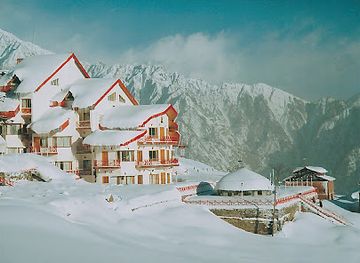
Auli is a high-altitude mountain destination in Uttarakhand’s Chamoli district, set on a broad alpine slope above Joshimath in the Garhwal Himalaya. Its open meadows, conifer forests and long views towards the Nanda Devi massif give it a distinctive character among India’s hill resorts. The settled area is compact, while the surrounding landscape rises and falls across ridges and forested valleys rather than forming a conventional town centre.Read more about Auli
Winter Snow and Summer Meadows
Gateway to Garhwal
When is the best time to visit Auli?
Best: June–August · 22–24°C| Month | High (°C) | Rainfall (mm) |
|---|---|---|
| January | 2 | 40 |
| February | 3 | 35 |
| March | 7 | 30 |
| April | 12 | 25 |
| May | 17 | 20 |
| June (best) | 22 | 20 |
| July (best) | 24 | 20 |
| August (best) | 24 | 20 |
| September | 22 | 20 |
| October | 16 | 25 |
| November | 7 | 30 |
| December | 3 | 35 |
Getting to and around Auli
How to get there
Transportation
Best attractions in Auli
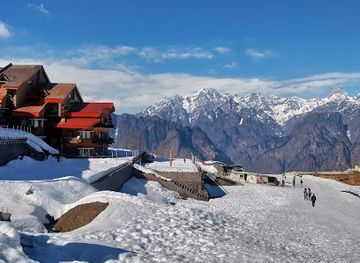
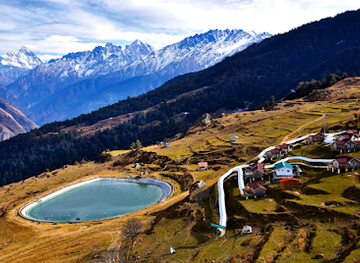
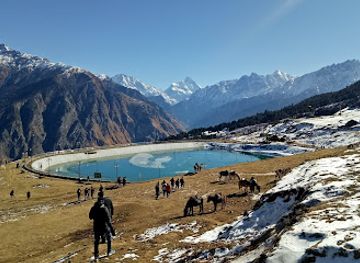
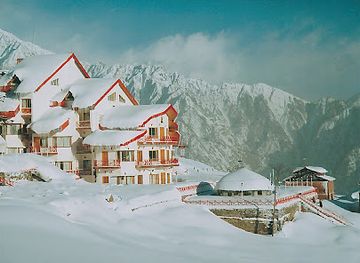
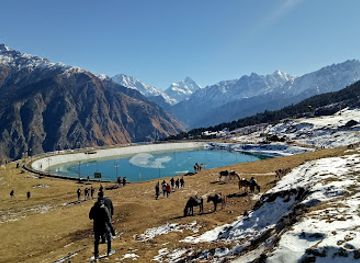
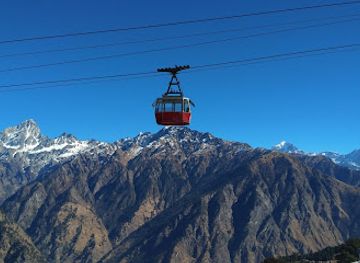
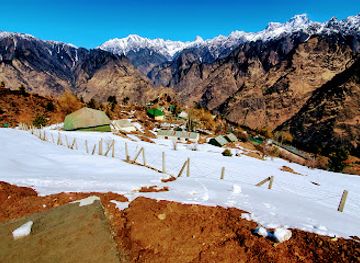
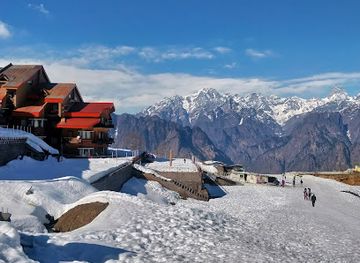
Auli’s principal attraction is its open ski terrain, where winter visitors can enjoy views across the Garhwal Himalaya and, when conditions allow, skiing and snowboarding on the prepared slopes. The Auli Artificial Lake is a notable focal point beside the resort, while the cable-car journey from Joshimath offers an elevated approach over forest and mountain terrain when operating. In summer, the snowfields give way to alpine meadows and walking landscapes, with conifer woodland framing the slopes. Joshimath, below Auli, adds religious and cultural interest through its temples and role as a gateway to Badrinath and the Valley of Flowers region. The wider Chamoli landscape contains major pilgrimage and mountain attractions, but these should be treated as separate excursions rather than sights within Auli itself. Panoramic viewpoints around the resort are particularly valued for views towards Nanda Devi and other high Garhwal peaks, subject to cloud and visibility.
-
Tourist attraction
Auli Hill Station
Discover Auli: India's premier ski destination with breathtaking Himalayan views, lush meadows, and thrilling adventure activities.
-
Tourist attraction
Auli Skiing School
Learn to ski in the Himalayas with Auli Skiing School. Expert instruction, stunning views, and unforgettable winter adventures await!
-
Tourist attraction
Auli Trekking Route Point 1
Begin your Himalayan adventure at Auli Trekking Route Point 1, offering scenic trails and breathtaking mountain views.
-
Tourist attraction
M&SI, AULI
Where adventure meets training in the Himalayas: M&SI Auli offers stunning views and thrilling experiences on the slopes.
Best landmarks in Auli
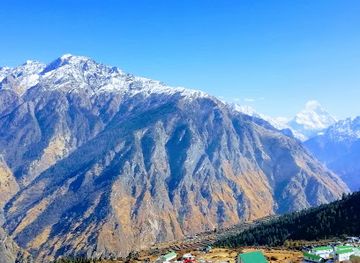
The defining natural landmark of Auli is its elevated sweep of meadow and ski slopes, set against the high peaks of the Garhwal Himalaya. Nanda Devi is the most celebrated mountain in the panorama, although cloud and terrain can obscure views; other summits may also appear depending on visibility. The Auli Artificial Lake is a prominent man-made feature associated with the resort’s snowmaking infrastructure, while the cable-car route between Joshimath and Auli has become an important transport landmark in its own right. Nearby Joshimath contributes religious and historic landmarks, including the Jyotirmath tradition and temples connected with the region’s pilgrimage geography. These should be understood as gateway-town landmarks rather than features of Auli’s upper slopes. The surrounding deodar and conifer forests, alpine grasslands and steep Alaknanda valley complete the setting that gives Auli its geographical identity.
-
 Resort hotel
The Royal Village
Experience the enchanting beauty and adventure of The Royal Village in Auli, Uttarakhand, a premier resort hotel for all travelers.
-
Ski resort
The Cliff Top Club, Auli
Discover the breathtaking beauty of Auli, a premier ski resort in Uttarakhand, offering thrilling slopes and serene mountain vistas for the ultimate getaway.
-
Hotel
Ski resort GMVN Auli
Discover Auli, a stunning ski resort in the Himalayas, offering thrilling winter sports and breathtaking views of the Nanda Devi peaks for an unforgettable experience.
-
Tourist attraction
Auli Trekking Route Point 1
Explore the breathtaking Auli Trekking Route Point 1, where adventure meets serenity amidst the majestic Himalayan landscapes of Uttarakhand.
Explore Auli on the map
Plan your trip on one map. See where the top attractions, landmarks, restaurants and hotels are, and book hotels and experiences in a few clicks.
Best hotels in Auli
Best restaurants in Auli
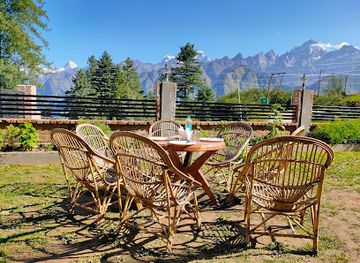
Dining in Auli is limited and largely connected with hotels, guesthouses and small seasonal eateries around the resort, so visitors should not expect a broad restaurant district. Menus commonly focus on practical North Indian and Garhwali-style meals, with staples such as rice, lentils, vegetables, flatbreads and warming tea suited to the cold climate. Joshimath provides a wider selection of modest restaurants, cafés and local food shops, making it the more reliable place for supplies and varied meals. Regional Garhwali cooking may include preparations based on pulses, grains, leafy greens and local spices, although availability differs between establishments. Travellers with specific dietary requirements should plan ahead, particularly when staying at higher elevations or visiting outside the main season. Food offered in private accommodation may be the most dependable option in Auli when weather or low visitor numbers limit other services.
-
Indian
Ropeway UTP Canteen
Experience authentic Indian cuisine with stunning mountain views at Ropeway UTP Canteen in Joshimath.
-
Restaurant
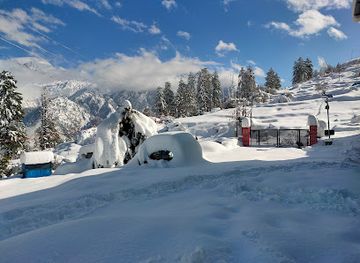
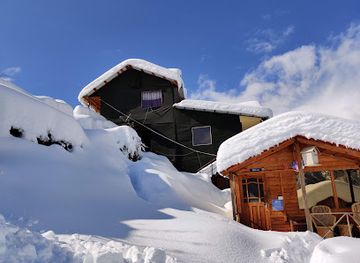
Best Hotel in Auli - Shail Shikhar Heritage Inn
Discover unparalleled comfort and stunning mountain views at Shail Shikhar Heritage Inn in Auli - your perfect getaway in Uttarakhand.
-
Restaurant
Snow view restaurant auli
Experience culinary bliss with stunning Himalayan views at Snow View Restaurant in Auli.
-
Restaurant
Sanjiwani Sikhar Auli
Experience exquisite local cuisine amidst stunning mountain views at Sanjiwani Sikhar Auli in Uttarakhand.
Best bars in Auli
Auli has little conventional nightlife, and evenings are generally quiet after the slopes and sightseeing activities finish. Entertainment is centred on the atmosphere of hotels and guesthouses, where visitors may spend time over hot drinks, conversation or views of the darkened mountain landscape rather than in dedicated bars or clubs. Joshimath has a more settled evening scene, with small restaurants, cafés and local social venues, but it is not a major nightlife destination either. Alcohol availability and service vary between properties, and visitors should respect local customs and the quiet character of the mountain communities. Seasonal winter tourism can make the resort feel livelier during the day, while evenings remain weather-dependent and relatively low-key.
-
Tourist attraction
Auli Hill Station
Discover the enchanting beauty and thrilling adventures of Auli Hill Station, a must-visit destination in the heart of Uttarakhand's Himalayas.
-
Ski resort
The Cliff Top Club, Auli
Discover the ultimate skiing experience and luxury accommodation at The Cliff Top Club, Auli, nestled in the heart of the Himalayas.
-
Ski resort
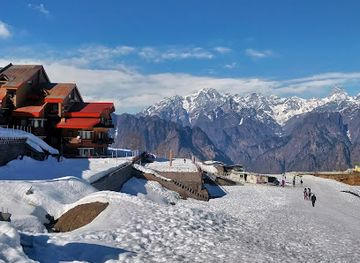
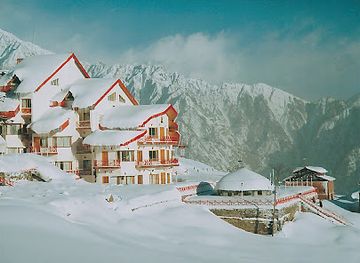
Mountain Rover, Auli- Resort
Discover the breathtaking beauty and exhilarating adventures at Mountain Rover, Auli - the ultimate ski resort retreat in the Himalayas.
-
Ski resort
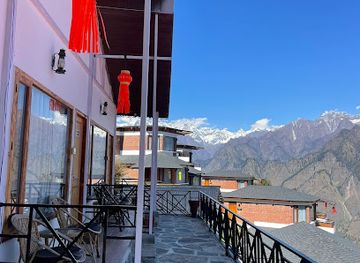
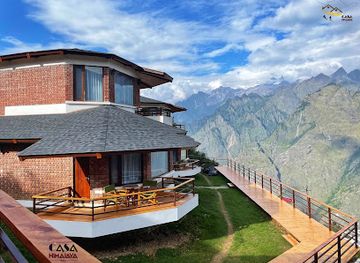
Casa Himalaya, Auli
Discover the breathtaking beauty of Casa Himalaya, a premier ski resort in Auli, Uttarakhand, perfect for winter sports and serene retreats.
Best nightclubs in Auli
Auli has little conventional nightlife, and evenings are generally quiet after the slopes and sightseeing activities finish. Entertainment is centred on the atmosphere of hotels and guesthouses, where visitors may spend time over hot drinks, conversation or views of the darkened mountain landscape rather than in dedicated bars or clubs. Joshimath has a more settled evening scene, with small restaurants, cafés and local social venues, but it is not a major nightlife destination either. Alcohol availability and service vary between properties, and visitors should respect local customs and the quiet character of the mountain communities. Seasonal winter tourism can make the resort feel livelier during the day, while evenings remain weather-dependent and relatively low-key.
-
Resort hotel
Tathastu Maitri Ski Resort, Joshimath
Discover breathtaking vistas and luxurious comfort at Tathastu Maitri Ski Resort in Joshimath, the perfect winter getaway in the Himalayas.
-
Resort hotel
The Royal Village
Discover the enchanting beauty of The Royal Village, a premier ski resort hotel nestled in the heart of Uttarakhand's breathtaking mountains, perfect for adventure seekers.
-
Ski resort
The Cliff Top Club, Auli
Discover the exhilarating slopes and serene beauty of Auli, the ultimate skiing destination in Uttarakhand, India.
-
Hotel
Ski resort GMVN Auli
Discover the ultimate skiing destination at GMVN Auli, where adventure meets breathtaking Himalayan beauty in Uttarakhand.
Best shops in Auli
Shopping in Auli is restricted to practical resort supplies, small local provisions and items sold through accommodation or seasonal visitor outlets. Joshimath is the more useful place for everyday purchases, warm clothing, snacks, medicines and travel necessities before heading uphill. Visitors may also encounter regional Garhwali foods, woollen goods, handicrafts and religious items in the wider Chamoli area, although selection varies and should not be confused with a permanent specialist market in Auli. Local products can reflect the pastoral and agricultural traditions of the mountains, including grains, pulses and handmade textiles, but availability is seasonal and not guaranteed. Those planning walks or winter activities should obtain essential equipment before arriving at the resort rather than relying on extensive retail facilities there.
-
Tourist attraction
Auli Hill Station
Discover the enchanting beauty and thrilling adventures of Auli Hill Station, a Himalayan paradise for nature lovers and adventure seekers alike.
-
Resort hotel
The Royal Village
Experience the breathtaking beauty and luxury of The Royal Village in Auli, the ultimate resort destination in the Himalayas.
-
Ski resort
The Cliff Top Club, Auli
Experience the thrill of skiing and the serenity of the Himalayas at The Cliff Top Club, Auli's premier ski resort and luxurious getaway.
-
Hotel
Blue Poppy Resort
Discover the tranquil beauty and adventure of Auli at Blue Poppy Resort, a perfect blend of comfort and nature in the heart of the Himalayas.
Get your free copy of our complete guide to Auli, delivered straight to you.
Everything on this page, from attractions and restaurants to essentials and local phrases, in one PDF you can read offline, print or share.
Already have an account? Sign in
Your Auli guide is ready.
We'll send it to · Not you? Sign out

Getting your guide ready…
We are putting together a fresh copy of the Auli guide. This can take up to a minute.
This can take a few moments. If your browser asks, choose Allow so the download can start. You'll find the guide in your Downloads folder.
Nothing happened? Download it again
Sorry, the guide is taking longer than usual. Please try again in a minute, or get it by email instead.
Auli essentials
Currency and Payment
Safety
Emergency Situations
Do's and Don'ts
Local Tips
From Eve
Local phrases worth knowing
You don't need to get them perfect. A few words go a long way, and locals appreciate the effort.
Basics
| English | Local | Say it |
|---|---|---|
| Hello | नमस्कार | [Namaskar] |
| Goodbye | अलविदा | [Alvida] |
| Yes | हाँ | [Haan] |
| No | नहीं | [Nahi] |
| Please/You're welcome | कृपया | [Kripya] |
| Thank you | धन्यवाद | [Dhanyavad] |
| Excuse me/Sorry | क्षमा करें | [Kshama karein] |
| How are you? | आप कैसे हैं? | [Aap kaise hain?] |
| Fine. And you? | ठीक हूँ। और तुम? | [Theek hoon. Aur tum?] |
| Do you speak English? | क्या आप अंग्रेज़ी बोलते हैं? | [Kya aap angrezi bolte hain?] |
| I don't understand | मुझे समझ में नहीं आया | [Mujhe samajh mein nahi aaya] |
Eating & Drinking
| English | Local | Say it |
|---|---|---|
| I'd like to see the menu, please | कृपया मेन्यू दिखाएं | [Kripya menu dikhayein] |
| I don't eat meat | मैं मांस नहीं खाता/खाती | [Main maans nahi khaata/khaati] |
| Cheers! | चियर्स! | [Cheers!] |
| I would like to pay, please | कृपया मैं भुगतान करना चाहूँ | [Kripya main bhugtaan karna chaahoon] |
Emergencies
| English | Local | Say it |
|---|---|---|
| Help! | बचाओ! | [Bachao!] |
| Go away! | चले जाओ! | [Chale jao!] |
| Call the Police! | पुलिस को बुलाओ! | [Police ko bulaao!] |
| Call a doctor! | डॉक्टर को बुलाओ! | [Doctor ko bulaao!] |
| I'm lost | मैं खो गया/गई हूँ | [Main kho gaya/gayi hoon] |
| I'm ill | मुझे बीमारी है | [Mujhe bimari hai] |
Shopping
| English | Local | Say it |
|---|---|---|
| I'd like to buy... | मैं ... खरीदना चाहूँ | [Main ... kharidna chaahoon] |
| I'm just looking | मैं सिर्फ देख रहा/रही हूँ | [Main sirf dekh raha/rahi hoon] |
| How much is it? | यह कितने का है? | [Yeh kitne ka hai?] |
| That's too expensive | यह बहुत महंगा है | [Yeh bahut mehnga hai] |
| Can you lower the price? | क्या आप कीमत कम कर सकते हैं? | [Kya aap keemat kam kar sakte hain?] |
Time & Numbers
| English | Local | Say it |
|---|---|---|
| What time is it? | अभी कितने बजे हैं? | [Abhi kitne baje hain?] |
| It's one o'clock | एक बजे हैं | [Ek baje hain] |
| Half past (10) | दस बजे तक | [Das baje tak] |
| Morning | सुबह | [Subah] |
| Afternoon | दोपहर | [Dopahar] |
| Evening | शाम | [Shaam] |
| Yesterday | कल | [Kal] |
| Today | आज | [Aaj] |
| Tomorrow | कल | [Kal] |
| 1 | एक | [Ek] |
| 2 | दो | [Do] |
| 3 | तीन | [Teen] |
| 4 | चार | [Char] |
| 5 | पाँच | [Paanch] |
| 6 | छह | [Chheh] |
| 7 | सात | [Saath] |
| 8 | आठ | [Aath] |
| 9 | नौ | [Nau] |
| 10 | दस | [Das] |
Transport & Directions
| English | Local | Say it |
|---|---|---|
| Where's a/the...? | ... कहाँ है? | [... kahan hai?] |
| What's the address? | पता क्या है? | [Pata kya hai?] |
| Can you show me (on the map)? | क्या आप मुझे दिखा सकते हैं (मानचित्र पर)? | [Kya aap mujhe dikhha sakte hain (maanchitrapar)?] |
| When's the next (bus)? | अगली (बस) कब है? | [Agli (bus) kab hai?] |
| A ticket (to ....) | एक टिकट (.... के लिए) | [Ek ticket (... ke liye)] |
History of Auli
A Garhwali Mountain Pasture
Auli’s older identity is connected less with an urban settlement than with the seasonal use of high Garhwali meadows. Pastoral communities, including Bhotia trading groups from the wider Chamoli region, traditionally moved livestock between lower settlements and upland grazing grounds. These routes formed part of a wider Himalayan pattern of transhumance and trade, linking valleys with high passes and settlements towards the Tibetan frontier. The meadows around Auli therefore belong to a cultural landscape shaped by movement, grazing and mountain knowledge rather than by intensive permanent development.
Joshimath and the Garhwal Kingdoms
The history of Auli is closely linked to nearby Joshimath, an important religious and regional centre. Joshimath is associated with the Jyotirmath tradition of Hindu philosophy and with the wider political history of Garhwal, whose rulers consolidated power across the mountain valleys over several centuries. The surrounding region also lies on routes leading towards Badrinath and other pilgrimage landscapes, giving the area significance beyond its later recreational role. Auli’s high slopes were not an isolated wilderness but part of a network of pastoral, religious and trading routes across Garhwal.
From Pasture to Ski Resort
Auli’s modern tourism identity developed in the late twentieth century as Uttarakhand promoted winter sports in the high Himalaya. Roads, accommodation and ski facilities gradually transformed access to the meadows above Joshimath, while the cable-car connection helped establish Auli as a recognised mountain resort. The destination became associated with skiing and snowboarding during the winter months, although snowfall and operating conditions remain naturally variable. The development illustrates a broader shift in parts of the Himalaya from seasonal pastoral use towards tourism based on scenery, adventure and organised recreation.
Modern Mountain Tourism
Today Auli functions within a larger tourism circuit connecting Joshimath with Badrinath, the Valley of Flowers area and other destinations in Chamoli district. Its landscape remains influenced by grazing, weather and mountain ecology, while visitor infrastructure is concentrated around the resort slopes rather than spread across the wider uplands. Tourism brings economic opportunities to local communities but also increases pressure on water, waste management, roads and fragile high-altitude environments. Responsible travel is particularly important as Auli’s appeal depends on the seasonal snow, meadows and panoramic mountain setting that visitors come to experience.
Auli in Photos
Browse through our photo collection highlighting the charm and character of the destination.
Neighbouring destination travel guides
The closest destinations to Auli, if you have time for more than one.
-

-

-

-

-


Swipe for more destinations
Explore more
Explore more of Uttarakhand
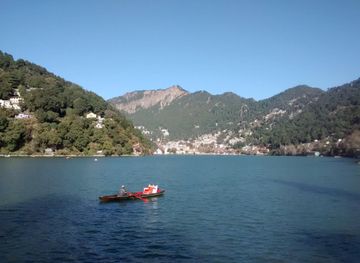
Discover Uttarakhand: A blend of serene landscapes, thrilling adventures, and rich cultural heritage in the heart of the Himalayas.
Explore Uttarakhand
Explore more of India
Discover the magic of India, where diverse landscapes, rich heritage, and vibrant culture come together to create an unforgettable travel experience.
Explore India