

Free Vindhya Range Travel Guide & Mobile App
Explore Vindhya Range with free travel guides. Discover regional history, expert tips, proposed trips, and audio guides on web or mobile app.


Explore India’s Vindhya Range for sandstone plateaux, forest reserves, waterfalls, pilgrimage towns and layered heritage across central India.
Read more about Vindhya Range
When is the best time to visit Vindhya Range?
Best: February, November–December · 21–25°C| Month | High (°C) | Rainfall (mm) |
|---|---|---|
| January | 20 | 8 |
| February (best) | 24 | 9 |
| March | 29 | 11 |
| April | 35 | 14 |
| May | 38 | 25 |
| June | 36 | 79 |
| July | 32 | 201 |
| August | 32 | 195 |
| September | 32 | 146 |
| October | 30 | 39 |
| November (best) | 25 | 18 |
| December (best) | 21 | 10 |
Getting to and around Vindhya Range
How to get there
Transportation
Top city travel guides in Vindhya Range
The cities of Vindhya Range, and the easiest places to base yourself.
-

-

-

-

-

-


Swipe for more cities
Best attractions in Vindhya Range
The Vindhya Range offers a varied collection of attractions shaped by its sandstone plateaux, forested valleys and long history. Panna National Park is the principal wildlife destination, with guided drives through a landscape of dry deciduous forest and the Ken River, while nearby Raneh Falls exposes a deeply cut gorge of colourful rock. Around Rewa, Chachai and Keoti waterfalls descend from the plateau edge and are especially impressive in the rainy season, although access conditions can be seasonal. Chitrakoot combines pilgrimage routes, wooded hills, caves, stream-fed sites and riverside shrines across the Uttar Pradesh–Madhya Pradesh border. The Kaimur hills and their escarpments provide further opportunities for scenery, local history and rural exploration in the east. Forts such as Kalinjar add a strong architectural dimension, while museums, temples and archaeological remains in regional towns provide context for the landscape. Visitors should allow time for road travel: many natural attractions are isolated, and the most rewarding excursions depend on weather, local access and a responsible guide.
-
Historical place
Chunar Fort
Explore the historic Chunar Fort, a stunning blend of architecture and breathtaking views in Uttar Pradesh, India.

Best landmarks in Vindhya Range
-
Hindu temple
Shri Kashi Vishwanath Temple
Discover the spiritual heart of Varanasi at Shri Kashi Vishwanath Temple, a magnificent Hindu shrine rich in history and devotion.
-
Historical landmark
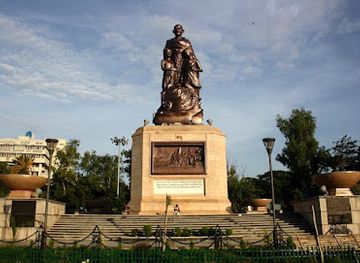
Gandhi Maidan
Discover the rich history and vibrant atmosphere of Gandhi Maidan, Patna's iconic landmark and city park where culture and nature converge.
-
Hindu temple
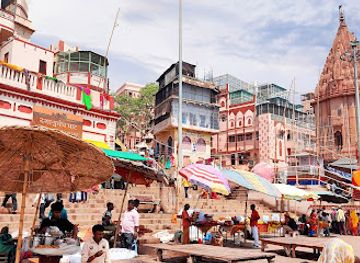
Assi Ghat Varanasi
Explore the spiritual heart of Varanasi at Assi Ghat, where culture, tradition, and the sacred Ganges intertwine in a mesmerizing experience.
-
Religious destination
Dashashwamedh Ghat
Experience the spiritual heart of Varanasi at Dashashwamedh Ghat, where vibrant rituals meet serene waters, creating an unforgettable cultural journey.


Explore Vindhya Range on the map
Plan your trip on one map. See where the top cities, national parks and sights are, and book hotels and experiences in a few clicks.
Best hotels in Vindhya Range
Best restaurants in Vindhya Range
Food across the Vindhya Range reflects the culinary traditions of central and northern India rather than a single narrowly defined regional cuisine. Everyday meals commonly centre on wheat breads, rice, pulses, seasonal vegetables and pickles, with millet preparations particularly relevant in rural areas. In Madhya Pradesh, visitors may encounter poha, dal-based snacks, savoury kachori and hearty thali meals; Uttar Pradesh sections add familiar breads, vegetable curries and sweets associated with pilgrimage and market towns. Chitrakoot and Vindhyachal have many simple vegetarian eateries serving pilgrims, while Rewa, Satna, Panna, Mirzapur and other larger centres offer broader restaurant choices. Roadside dhabas provide practical meals on longer journeys, and tea stalls are important stopping points. Markets are useful for fruit, snacks and local sweets, but hygiene standards vary, so choose busy establishments with high turnover and drink treated or bottled water in smaller settlements.
-
Indian
Flavours
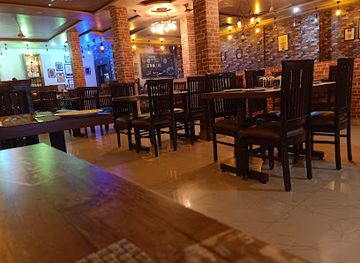
Experience the rich flavors of India at Flavours in Sidhi - where culinary tradition meets modern dining.
-
Restaurant
shukla hotel
Experience authentic Indian cuisine at Shukla Hotel in Dhutpura Unmukt – where tradition meets taste in every delightful dish.
-
 Fast Food
Avya Chat Centar
Discover the vibrant flavors of Indian street food at Avya Chat Centar in Mauganj, Madhya Pradesh - your go-to fast food destination.

Best bars in Vindhya Range
Evening life in the Vindhya Range is generally low-key and concentrated in larger towns rather than organised around a major club scene. Rewa, Satna, Mirzapur and other district centres have hotel restaurants, cafés and occasional bars, while smaller towns and pilgrimage centres tend to close earlier and place greater emphasis on family dining, tea stalls and religious activity. Alcohol availability and licensing vary by state and locality, and dry-day restrictions can affect sales. In rural areas, the most characteristic evening is a meal at a dhaba or guesthouse followed by quiet time outdoors, not a late-night entertainment programme. Visitors should dress and behave discreetly near temples and shrines, avoid assuming that alcohol is available everywhere, and arrange transport in advance when staying outside a town. Live performances and seasonal religious gatherings may occur, but dates and venues should be checked locally rather than assumed.
-
Bar
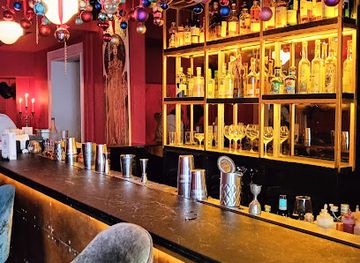
Slink & Bardot
Discover the chic nightlife at Slink & Bardot, a premier cocktail bar in Worli, Mumbai, where innovative drinks and a vibrant atmosphere await.
-
Lounge
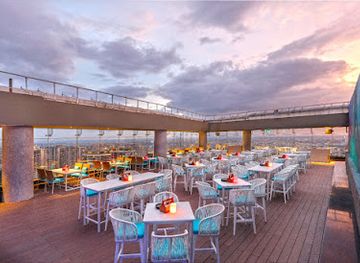
High Ultra Lounge
Experience breathtaking views and exquisite dining at High Ultra Lounge, the ultimate rooftop destination in Bengaluru's vibrant nightlife.
-
Grill
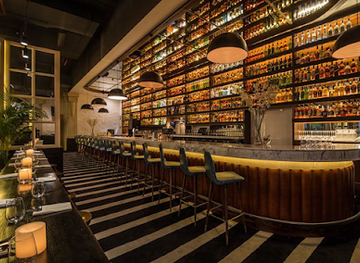
Whisky Samba
Discover the vibrant fusion of Asian and Italian cuisines at Whisky Samba, Gurugram's premier grill restaurant with a lively atmosphere.
-
Brewpub
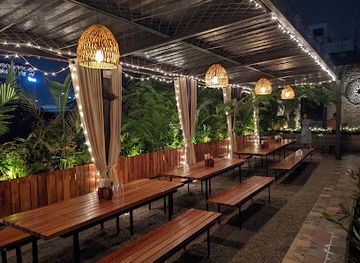
The Forresta Kitchen & Bar
Discover the perfect blend of craft brews and gourmet cuisine at The Forresta Kitchen & Bar in Jaipur, Rajasthan.
Best nightclubs in Vindhya Range
Evening life in the Vindhya Range is generally low-key and concentrated in larger towns rather than organised around a major club scene. Rewa, Satna, Mirzapur and other district centres have hotel restaurants, cafés and occasional bars, while smaller towns and pilgrimage centres tend to close earlier and place greater emphasis on family dining, tea stalls and religious activity. Alcohol availability and licensing vary by state and locality, and dry-day restrictions can affect sales. In rural areas, the most characteristic evening is a meal at a dhaba or guesthouse followed by quiet time outdoors, not a late-night entertainment programme. Visitors should dress and behave discreetly near temples and shrines, avoid assuming that alcohol is available everywhere, and arrange transport in advance when staying outside a town. Live performances and seasonal religious gatherings may occur, but dates and venues should be checked locally rather than assumed.
-
Comedy club
Fun Prank India
Experience the joy of laughter at Fun Prank India, Rewa's top comedy club, showcasing local talent and unforgettable performances.
Best shops in Vindhya Range
Shopping in the Vindhya Range is centred on traditional markets, district-town bazaars and pilgrimage streets rather than large destination shopping districts. Rewa, Satna, Panna, Mirzapur and Chitrakoot offer practical textiles, household goods, religious items, brassware, sweets and everyday handicrafts, with shops near temples often carrying devotional images, beads and offerings. Weekly markets are useful for observing local trade and buying seasonal fruit, spices and snacks, although exact market days vary by town. Visitors may find handloom fabrics, embroidered goods, terracotta, bamboo articles and other crafts, but availability and quality are inconsistent, so ask about materials and provenance rather than assuming that every item is locally made. Regional food products, including pulses, spices, pickles and sweets, travel better than fragile souvenirs. Bargaining may be normal in informal markets but is less appropriate in fixed-price shops, cooperatives and established stores.
-
Gift shop
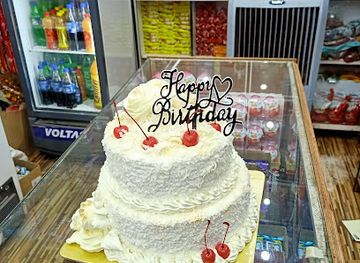
Maa Sharda Cake Cafe
Experience the sweet side of Hanumana at Maa Sharda Cake Cafe, where every bite is a celebration of flavor and creativity.
-
General store
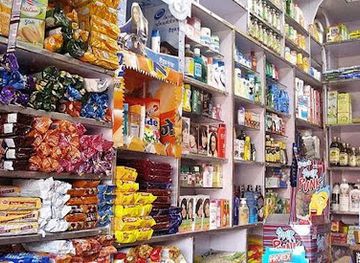
Keshari Kirana Store, Mauganj
Discover the charm of Keshari Kirana Store in Mauganj, where local goods and cultural experiences await every traveler.
-
Supermarket
PATANJALI STORE, MAUGANJ
Explore the Patanjali Store in Mauganj for a unique shopping experience filled with Ayurvedic products and organic groceries.
-
Store
Jio Store
Explore the Jio Store in Silwar, Madhya Pradesh for top-notch connectivity solutions and exceptional customer service tailored for travelers.
Get your free copy of our complete guide to Vindhya Range, delivered straight to you.
Everything on this page, from attractions and restaurants to essentials and local phrases, in one PDF you can read offline, print or share.
Already have an account? Sign in
Your Vindhya Range guide is ready.
We'll send it to · Not you? Sign out

Getting your guide ready…
We are putting together a fresh copy of the Vindhya Range guide. This can take up to a minute.
This can take a few moments. If your browser asks, choose Allow so the download can start. You'll find the guide in your Downloads folder.
Nothing happened? Download it again
Sorry, the guide is taking longer than usual. Please try again in a minute, or get it by email instead.
Vindhya Range essentials
Currency and Payment
Safety
Emergency Situations
Do's and Don'ts
Local Tips
From Eve
Local phrases worth knowing
You don't need to get them perfect. A few words go a long way, and locals appreciate the effort.
Basics
| English | Local | Say it |
|---|---|---|
| Hello | नमस्ते | [Namaste] |
| Goodbye | अलविदा | [Alvida] |
| Yes | हाँ | [Haan] |
| No | नहीं | [Nahin] |
| Please/You're welcome | कृपया/आपका स्वागत है | [Kripya/Aapka Swagat Hai] |
| Thank you | धन्यवाद | [Dhanyavaad] |
| Excuse me/Sorry | माफ कीजिए/क्षमा करें | [Maaf Kijiye/Kshama Karein] |
| How are you? | आप कैसे हैं? | [Aap Kaise Hain?] |
| Fine. And you? | अच्छा। और आप? | [Accha. Aur Aap?] |
| Do you speak English? | क्या आप अंग्रेज़ी बोलते हैं? | [Kya Aap Angrezi Bolte Hain?] |
| I don't understand | मुझे समझ में नहीं आता | [Mujhe Samajh Mein Nahin Aata] |
Eating & Drinking
| English | Local | Say it |
|---|---|---|
| I'd like to see the menu, please | कृपया मेनू दिखाइए | [Kripya Menu Dikhaiye] |
| I don't eat meat | मैं मांस नहीं खाता/खाती | [Main Maas Nahin Khata/Khati] |
| Cheers! | साथ में | [Saath Mein] |
| I would like to pay, please | कृपया मुझे बिल दे दीजिए | [Kripya Mujhe Bill De Dijiye] |
Emergencies
| English | Local | Say it |
|---|---|---|
| Help! | मदद करो! | [Madad Karo!] |
| Go away! | जाओ यहाँ से! | [Jao Yahan Se!] |
| Call the Police! | पुलिस को बुलाओ! | [Police Ko Bulao!] |
| Call a doctor! | डॉक्टर को बुलाओ! | [Doctor Ko Bulao!] |
| I'm lost | मैं खो गया हूँ | [Main Kho Gaya Hoon] |
| I'm ill | मैं बीमार हूँ | [Main Beemar Hoon] |
Shopping
| English | Local | Say it |
|---|---|---|
| I'd like to buy... | मैं खरीदना चाहता/चाहती हूँ... | [Main Kharidna Chahta/Chahti Hoon...] |
| I'm just looking | मैं सिर्फ देख रहा/रही हूँ | [Main Sirf Dekh Raha/Rahi Hoon] |
| How much is it? | यह कितना है? | [Yeh Kitna Hai?] |
| That's too expensive | यह बहुत महंगा है | [Yeh Bahut Mehnga Hai] |
| Can you lower the price? | क्या आप कीमत कम कर सकते हैं? | [Kya Aap Keemat Kam Kar Sakte Hain?] |
Time & Numbers
| English | Local | Say it |
|---|---|---|
| What time is it? | कितने बजे हैं? | [Kitne Baje Hain?] |
| It's one o'clock | यह एक बजे हैं | [Yeh Ek Baje Hain] |
| Half past (10) | साढ़े (10) | [Saadhe (10)] |
| Morning | सुबह | [Subah] |
| Afternoon | दोपहर | [Dopahar] |
| Evening | शाम | [Shaam] |
| Yesterday | कल | [Kal] |
| Today | आज | [Aaj] |
| Tomorrow | कल | [Kal] |
| 1 | 1 | [1] |
| 2 | 2 | [2] |
| 3 | 3 | [3] |
| 4 | 4 | [4] |
| 5 | 5 | [5] |
| 6 | 6 | [6] |
| 7 | 7 | [7] |
| 8 | 8 | [8] |
| 9 | 9 | [9] |
| 10 | 10 | [10] |
Transport & Directions
| English | Local | Say it |
|---|---|---|
| Where's a/the...? | कहाँ है ...? | [Kahan Hai ...?] |
| What's the address? | पता क्या है? | [Pata Kya Hai?] |
| Can you show me (on the map)? | क्या आप मुझे दिखा सकते हैं (नक्शे पर)? | [Kya Aap Mujhe Dikha Sakte Hain (Nakshe Par)?] |
| When's the next (bus)? | अगली (बस) कब है? | [Agli (Bus) Kab Hai?] |
| A ticket (to ....) | एक टिकट (.... के लिए) | [Ek Ticket (... Ke Liye)] |
History of Vindhya Range
Prehistoric Rock Shelters and Early Landscapes
The Vindhyan plateau and its surrounding escarpments contain evidence of long human occupation, including rock shelters, stone tools and painted scenes in parts of central India. The best-known rock-art complex associated with the broader Vindhyan environment is Bhimbetka, south of Bhopal, where paintings and occupation deposits record changing prehistoric lifeways over many millennia. Other shelters and archaeological traces are less accessible and should not be treated as open-air galleries without local guidance. Together, these remains show how river valleys, sandstone overhangs and forest margins provided water, shelter and routes across central India long before the emergence of states.
Early States, Buddhism and the Mauryan Age
From the first millennium BCE, the Vindhya hills formed a frontier and corridor between the Gangetic heartland, Malwa and the Deccan. Forested uplands were not an empty barrier: communities, traders and political powers used passes and river routes to cross them. Under the Mauryas, much of central India became connected to a wider imperial system, while Buddhism and other religious traditions established enduring centres in the region. The Buddhist monuments at Sanchi, located on the northern edge of the broader central Indian landscape rather than in the core eastern range, illustrate the religious and commercial networks that reached towards the Vindhyan plateau.
Gupta and Post-Gupta Cultural Expansion
Between the fourth and seventh centuries, changing dynasties extended their influence across central India, and the Vindhyan zone became a meeting ground for northern and peninsular political cultures. Land grants, temple patronage and the growth of agrarian settlements helped transform selected valleys and plateau margins. Sanskritic religious traditions expanded alongside older local practices, while routes through the hills connected towns and river basins. Surviving inscriptions and early temple remains across Madhya Pradesh, Uttar Pradesh and Bihar provide evidence of this gradual integration, although the range remained geographically diverse and was never governed as one continuous political unit.
Medieval Forts, Pilgrimage and Regional Kingdoms
During the medieval period, control of plateau edges, water sources and passes mattered to successive Rajput, Chandela, Kalachuri, Bundela, Gaharwar and other regional powers. Fortified sites such as Kalinjar, on the Vindhyan plateau in present-day Uttar Pradesh, commanded an important strategic position and changed hands during conflicts involving north Indian sultanates and later the Mughals. Chitrakoot developed as a major sacred landscape associated with the Ramayana tradition, while Vindhyachal became an important Shakti pilgrimage centre. These places reveal how military geography and religious geography overlapped across the hills.
Mughal, Maratha and Bundelkhand Connections
From the sixteenth century onwards, imperial and regional powers competed for the routes and fortified uplands around the Vindhyas. Mughal authority reached into the area through provincial administration and military campaigns, but local rulers, zamindars and forest communities retained considerable influence in difficult terrain. In the eighteenth century, Maratha expansion and the politics of Bundelkhand altered patterns of tribute and control. The result was a patchwork of estates and jurisdictions rather than a single Vindhya polity. Later colonial administrators drew new boundaries that separated connected landscapes between provinces and princely states.
Colonial Rule, Forests and Mineral Resources
British rule brought surveys, new revenue systems, road and railway construction, and more systematic extraction of forest and mineral resources. Timber became important to colonial administration, while coal and other minerals were developed particularly around the eastern Vindhyan and Kaimur margins. Forest regulations restricted customary access for many communities and changed the relationship between villages and woodland. Transport links connected plateau towns to larger markets, yet the region remained predominantly rural. Colonial mapping also helped fix administrative divisions that continue to make the Vindhya Range a geographical region rather than a modern state or province.
Independence and the Modern Vindhyan Landscape
After 1947, the Vindhyan area was incorporated into several Indian states, including Madhya Pradesh, Uttar Pradesh, Bihar and Gujarat, with later administrative changes creating new districts and state boundaries. Dams, mines, roads, irrigation and urban growth transformed parts of the plateau, while protected areas such as Panna National Park and wildlife sanctuaries in the Kaimur region reflected a growing conservation framework. At the same time, tourism has expanded around pilgrimage centres, waterfalls, archaeological sites and wildlife. Contemporary Vindhya is therefore shaped by both development pressures and efforts to protect forests, rivers, geological formations and historic places.
Vindhya Range in Photos
Browse through our photo collection highlighting the charm and character of the destination.
Neighbouring regions of Vindhya Range
The closest regions to Vindhya Range, if you have time for more than one.
-

-

-

-

-


Swipe for more regions
Explore more

Explore more of India
Discover the magic of India, where diverse landscapes, rich heritage, and vibrant culture come together to create an unforgettable travel experience.
Explore India