

Chota Nagpur Plateau, India Travel Guide
Discover the Chota Nagpur Plateau, a land of rolling hills, dense forests, sparkling waterfalls, and rich tribal culture in the heart of India.
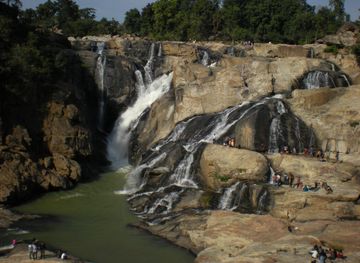
Nestled in the heart of India, the Chota Nagpur Plateau is a haven of natural beauty and cultural richness. Spread across several states, including Jharkhand, Odisha, and West Bengal, this plateau is a paradise for nature lovers and adventure enthusiasts. The landscape is a mesmerizing mix of rolling hills, dense forests, and sparkling waterfalls, offering a serene escape from the hustle and bustle of city life. The Chota Nagpur Plateau is also home to diverse wildlife, making it a fantastic destination for those interested in flora and fauna. The Betla National Park, located in Jharkhand, is a must-visit, where you can spot elephants, tigers, and various species of deer. Additionally, the plateau's rich mineral resources have shaped the region's history and culture, giving rise to a fascinating blend of tribal traditions and modern influences. Adventure seekers will find plenty to do here. Hiking and trekking through the lush forests and hills provide breathtaking views and a sense of tranquility. The numerous waterfalls, such as Hundru and Jonha, are perfect spots for picnics and photography. For a deeper cultural experience, visit the local villages and interact with the indigenous tribes, who are known for their vibrant festivals, unique art forms, and warm hospitality.

Know before you go
Hi, I'm Eve. Here are a few practical things to know before exploring Chota Nagpur Plateau.
- Visit during the cooler months from October to March for the best weather and scenic beauty.
- Carry comfortable trekking shoes as the terrain can be rugged and uneven.
- Hire a local guide for a more insightful experience of the region's flora, fauna, and tribal culture.
- Don't miss trying the local cuisine, which includes dishes made from fresh, locally-sourced ingredients.
- Respect local customs and traditions, especially when visiting tribal villages.
Top City Travel Guides in Chota Nagpur Plateau
The cities of Chota Nagpur Plateau, and the easiest places to base yourself.


Best bars in Chota Nagpur Plateau
Top-rated picks
Best Bars

Oak Grove - Best Lounge | Bar in Ranchi
Discover the vibrant flavors and relaxing ambiance of Oak Grove Lounge, Ranchi's top destination for food lovers and social gatherings.

tds Restro Lounge
Experience the best of Nagpur at TDS Restro Lounge, where exquisite cuisine meets vibrant nightlife in a stunning rooftop setting.

10 Downing Street
Experience the finest grilled cuisine in Nagpur at 10 Downing Street, where flavor meets elegance in every dish.

Kairo Bar and Lounge
Experience the vibrant atmosphere and delicious grill cuisine at Kairo Bar and Lounge in Ranchi, where every night is a celebration.

Best shops in Chota Nagpur Plateau
Top-rated picks
Best Shops

Empress Mall
Discover a vibrant shopping experience at Empress Mall in Nagpur, offering diverse stores and delightful dining options for every visitor.

Eternity Mall
Experience the best of shopping, dining, and entertainment at Eternity Mall in Nagpur, a must-visit destination for all tourists.

Reliance Centro
Experience the blend of shopping, dining, and entertainment at Reliance Centro, Nagpur's premier shopping destination.

Satyam Mall
Discover Satyam Mall in Nagpur for a diverse shopping experience with clothing for every occasion, from everyday wear to special celebrations.

Explore Chota Nagpur Plateau on the Map
A handpicked selection of must-see spots in Chota Nagpur Plateau, mapped for you.
Chota Nagpur Plateau Essentials
-
Chota Nagpur Plateau is located in eastern India, spanning across the states of Jharkhand, Odisha, West Bengal, and Chhattisgarh. The nearest major airport is Birsa Munda Airport in Ranchi, Jharkhand. From Ranchi, you can take a taxi or a bus to different parts of the plateau. Additionally, the region is well-connected by rail, with Ranchi, Dhanbad, and Jamshedpur serving as key railway stations. Trains from major cities like Kolkata, Delhi, and Mumbai have regular services to these stations.
-
Within the Chota Nagpur Plateau, local transportation options include buses, taxis, and auto-rickshaws. Buses are the most common form of public transport and connect various towns and villages. Taxis and auto-rickshaws are available for shorter distances or for more personalized travel. Renting a car is also an option if you prefer to explore at your own pace. For remote areas, hiring a local guide who knows the terrain can be very helpful.
-
The official currency is the Indian Rupee (INR). Credit and debit cards are accepted in most urban areas, hotels, and restaurants, but it's advisable to carry cash, especially when traveling to rural parts of the plateau. ATMs are available in major towns like Ranchi, Jamshedpur, and Dhanbad. Ensure you have enough cash when heading to smaller villages or remote areas.
-
Chota Nagpur Plateau is generally a safe destination, but it's important to exercise standard travel precautions. Avoid walking alone at night in unfamiliar areas and keep your belongings secure in crowded places. Some areas, particularly rural regions, may have higher crime rates, including theft targeting tourists. Always stay updated on local news and consult locals or authorities if you're unsure about certain areas.
-
In case of an emergency, dial the national emergency number 112 for immediate assistance. Major towns have police stations and hospitals. It's advisable to have travel insurance that covers medical emergencies. For minor health issues, pharmacies are available in urban areas, but it's a good idea to carry a basic medical kit when traveling to remote locations.
-
Fashion: Do dress conservatively, especially in rural and religious areas. Avoid wearing revealing clothing. Religion: Do respect local customs and traditions. Remove your shoes before entering temples and other religious sites. Public Transport: Do be respectful and patient on public transport. Don't eat or drink on public transport. Greetings: Do greet people with a 'Namaste' or a simple handshake. Eating & Drinking: Do try local delicacies and accept food offerings graciously. Don't refuse hospitality, as it is considered impolite.
-
To experience Chota Nagpur Plateau like a local, visit local markets to buy fresh produce and traditional crafts. Engage with locals, who are often friendly and willing to share stories about their culture and history. Don't miss visiting tribal villages to learn about indigenous cultures and traditions. For a unique experience, explore the numerous waterfalls, forests, and wildlife sanctuaries in the area. Participating in local festivals can also provide deep insights into the local way of life.
When is the best time to visit Chota Nagpur Plateau?
Useful Local Phrases for Chota Nagpur Plateau
You don't need to speak the language perfectly. Even learning a few simple words can make conversations warmer—and locals usually appreciate the effort.
— Eve

Here are the phrases I use most often in Chota Nagpur Plateau. Try a few—you'll be surprised how far they go! 😊
❤️
-
- Helloनमस्कार
[Namaskār] - Goodbyeअलविदा
[Alvidā] - Yesहाँ
[Hā̃] - Noनहीं
[Nahin] - Please/You're welcomeकृपया
[Kripyā] - Thank youधन्यवाद
[Dhanyavād] - Excuse me/Sorryमाफ करें
[Māf karein] - How are you?आप कैसे हैं?
[Āp kaise hain?] - Fine. And you?ठीक। और आप?
[Ṭhīk. Aur āp?] - Do you speak English?क्या आप अंग्रेजी बोलते हैं?
[Kyā āp Angrezī bolte hain?] - I don't understandमुझे समझ नहीं आता
[Mujhe samajh nahin ātā]
- Helloनमस्कार
-
- I'd like to see the menu, pleaseकृपया मेनू दिखाइए
[Kripyā menū dikhāiye] - I don't eat meatमैं मांस नहीं खाता
[Main māns nahin khātā] - Cheers!स्लामत!
[Slāmat!] - I would like to pay, pleaseकृपया, मैं भुगतान करना चाहूँगा
[Kripyā, main bhugtan karnā chāhūngā]
- I'd like to see the menu, pleaseकृपया मेनू दिखाइए
-
- Help!मदद!
[Madad!] - Go away!जाओ यहाँ से!
[Jāo yahān se!] - Call the Police!पुलिस को बुलाओ!
[Pulīs ko bulāo!] - Call a doctor!डॉक्टर को बुलाओ!
[Ḍāktar ko bulāo!] - I'm lostमैं खो गया हूँ
[Main kho gayā hūn] - I'm illमैं बीमार हूँ
[Main bīmār hūn]
- Help!मदद!
-
- I'd like to buy...मैं खरीदना चाहूँगा...
[Main kharīdnā chāhūngā] - I'm just lookingमैं बस देख रहा हूँ
[Main bas dekh rahā hūn] - How much is it?यह कितना है?
[Yah kitnā hai?] - That's too expensiveयह बहुत महंगा है
[Yah bahut mahngā hai] - Can you lower the price?क्या आप कीमत कम कर सकते हैं?
[Kyā āp kīmat kam kar sakte hain?]
- I'd like to buy...मैं खरीदना चाहूँगा...
-
- What time is it?अब कितने बजे हैं?
[Ab kitne baje hain?] - It's one o'clockयह एक बजा है
[Yah ek bajā hai] - Half past (10)साढ़े (10)
[Sāḍhe (10)] - Morningसुबह
[Subah] - Afternoonदोपहर
[Dopahar] - Eveningशाम
[Shām] - Yesterdayकल
[Kal] - Todayआज
[Āj] - Tomorrowकल
[Kal] - 11
[1] - 22
[2] - 33
[3] - 44
[4] - 55
[5] - 66
[6] - 77
[7] - 88
[8] - 99
[9] - 1010
[10]
- What time is it?अब कितने बजे हैं?
-
- Where's a/the...?एक/वह ... कहाँ है?
[Ek/Vah ... kahān hai?] - What's the address?पता क्या है?
[Patā kyā hai?] - Can you show me (on the map)?क्या आप मुझे (नक्शे पर) दिखा सकते हैं?
[Kyā āp mujhe (nakśe par) dikhā sakte hain?] - When's the next (bus)?अगली (बस) कब है?
[Agli (bas) kab hai?] - A ticket (to ....)एक टिकट (.... के लिए)
[Ek ṭikṭ (.... ke liye)]
- Where's a/the...?एक/वह ... कहाँ है?
History of Chota Nagpur Plateau
-
The Chota Nagpur Plateau has been inhabited since prehistoric times, with evidence of human activity dating back to the Neolithic age. Archaeological findings, including tools and cave paintings, suggest that early humans settled in this region due to its abundant natural resources and strategic location.
-
The Nagvanshi dynasty, believed to have been established around the 1st century AD, played a significant role in the history of the Chota Nagpur Plateau. The dynasty ruled over the region for several centuries, contributing to its cultural and political landscape. Their reign saw the construction of numerous forts, temples, and administrative structures, many of which still stand today.
-
During the medieval period, the Chota Nagpur Plateau saw interactions with several regional powers, including the Mughal Empire. The plateau's strategic location made it a focal point for trade and military campaigns. Various tribal communities, such as the Mundas, Oraons, and Hos, played crucial roles in the region's socio-economic development during this time.
-
The arrival of the British in the 18th century marked a significant turning point for the Chota Nagpur Plateau. The British East India Company sought to exploit the region's rich mineral resources, leading to the establishment of mining operations and infrastructure development. The colonial period also witnessed several tribal uprisings, including the famous Kol Rebellion of 1831-32 and the Birsa Munda Uprising of 1899-1900, which were pivotal in the struggle against British rule.
-
Following India's independence in 1947, the Chota Nagpur Plateau underwent significant socio-economic transformations. The region became a focal point for industrialization, particularly in the mining and steel sectors. The establishment of the city of Ranchi as the capital of Jharkhand state in 2000 further accelerated development, making the plateau a key area of focus for both state and national policies.
-
The Chota Nagpur Plateau is a melting pot of diverse cultures and traditions. The region is home to various tribal communities, each with its unique customs, languages, and festivals. Important cultural events include the Sarhul festival, celebrated by the Oraon tribe, and the Karma festival, which holds significant agricultural importance. These festivals are marked by vibrant dances, music, and rituals that reflect the rich cultural tapestry of the plateau.
Neighbouring Regions of Chota Nagpur Plateau
The closest regions to Chota Nagpur Plateau, if you have time for more than one.


Your all‑in‑one travel companion app
Explore expert travel guides, compare and book tours, experiences, hotels, and more—all from the palm of your hand. Download now for seamless trip planning wherever your wanderlust takes you.


Explore More of India

Looking beyond Chota Nagpur Plateau? Discover India for broader travel guides, local hot-spots, and regional highlights.
Explore IndiaChota Nagpur Plateau in Photos
Browse through our photo collection highlighting the charm and character of the destination.




The Enchanting Chota Nagpur Plateau
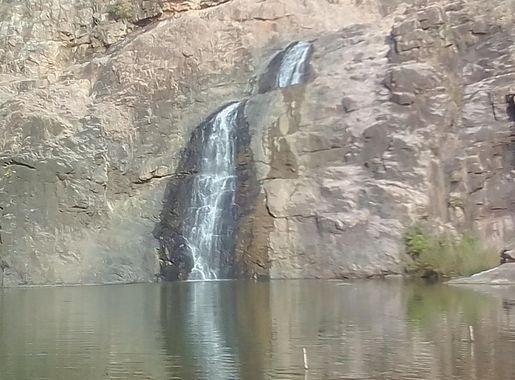
Nestled in the heart of India, the Chota Nagpur Plateau is a haven of natural beauty and cultural richness. Spread across several states, including Jharkhand, Odisha, and West Bengal, this plateau is a paradise for nature lovers and adventure enthusiasts. The landscape is a mesmerizing mix of rolling hills, dense forests, and sparkling waterfalls, offering a serene escape from the hustle and bustle of city life. The Chota Nagpur Plateau is also home to diverse wildlife, making it a fantastic destination for those interested in flora and fauna. The Betla National Park, located in Jharkhand, is a must-visit, where you can spot elephants, tigers, and various species of deer. Additionally, the plateau's rich mineral resources have shaped the region's history and culture, giving rise to a fascinating blend of tribal traditions and modern influences. Adventure seekers will find plenty to do here. Hiking and trekking through the lush forests and hills provide breathtaking views and a sense of tranquility. The numerous waterfalls, such as Hundru and Jonha, are perfect spots for picnics and photography. For a deeper cultural experience, visit the local villages and interact with the indigenous tribes, who are known for their vibrant festivals, unique art forms, and warm hospitality.